Irs Tax Refund Calendar 2026
Your 2026 Tax Refund Calendar: When the IRS Cash Should Hit Your Account
Okay, let’s cut to the chase. You filed your taxes, and now you’re just itching to see that refund money hit your bank account. We get it. Waiting around for the IRS can feel like watching paint dry in slow motion. But don’t worry, this isn’t some vague, corporate-speak guide. This is the real deal, breaking down the IRS tax refund calendar for 2026 so you know exactly when to expect your cash.

Source : thecollegeinvestor.com
Forget those generic emails telling you to “optimize your workflow.” We’re talking about actual money. The kind that pays bills, buys that thing you’ve been eyeing, or just gives you a little breathing room. Understanding the refund schedule is key, and honestly, it’s not rocket science. It’s about knowing the IRS’s rhythm.
The Big Picture: When Does the Madness Start?
Mark your calendars, people. The official kickoff for tax season is usually mid-to-late January. For 2026 tax filings, expect the IRS to start accepting returns around January 27, 2026. This is when they officially open the doors for e-filing. Think of it as the starting gun for the race to get your refund.
Now, you might be tempted to file the second they open up. Go for it! Just remember, the earlier you file, and the earlier the IRS receives your return, the sooner they can start processing it. It’s a simple equation, really.
Crucial Note: If you’re claiming certain credits, like the Earned Income Tax Credit (EITC) or the Additional Child Tax Credit (ACTC), the IRS has a special rule. They hold onto those refunds until at least February 15. This is to give them extra time to catch any fraudulent claims. So, if you’re counting on that big refund early, and you claimed these credits, you’ll need a bit more patience. The IRS filing season begins, but your specific refund date might shift.
The IRS officially opens the doors for the 2026 tax filing season on January 27, 2026. This means they’re ready to start accepting your tax returns electronically. It’s the official start of the refund race!
Source : jcoxcpa.org
The 21-Day Rule: Your Best Friend (Usually)
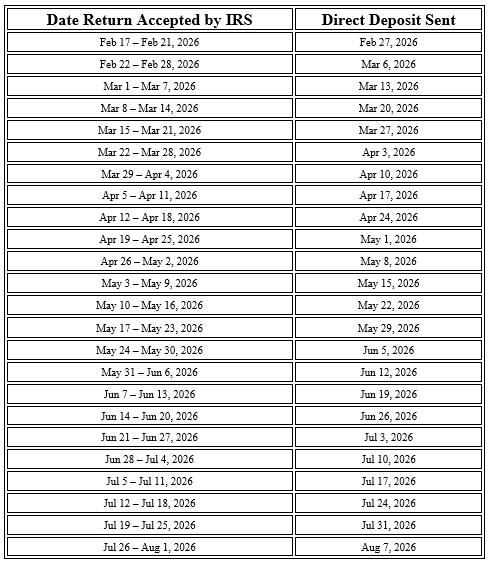
Here’s the golden nugget most people want to know: How fast will I get my money? For the most part, if you file electronically and opt for direct deposit, the IRS aims to get your refund to you within 21 days. Yes, 21 days. It’s not instant, but it’s pretty darn quick.
This 21-day clock starts ticking once your tax return is officially accepted by the IRS. Not when you send it, but when they accept it. So, if you file on January 27th and they accept it that day, you’re looking at a refund landing around mid-February. File on March 1st? You get the idea.
Important Caveat: This 21-day timeframe is the goal, not a guarantee. It’s the most common timeline, but things can, and sometimes do, go sideways. We’ll get into that in a bit.
When Can I Actually Expect My Refund? A Quick Breakdown
Let’s get granular. Here’s a rough look at what you can expect based on when you file:
- Filed Early (Late Jan – Mid Feb): If you’re an early bird, and assuming no red flags, your refund could start appearing in bank accounts as early as mid-February. Remember that EITC/ACTC hold, though!
- Filed Mid-Season (Late Feb – March): You’re still in the good zone. Expect your refund typically within that 21-day window, landing in March or early April.
- Filed Late (April – Post-Deadline): Filing closer to or after the April 15th deadline usually means a later refund. It’s not just about the IRS; it’s about giving yourself enough time to get it right. A refund in late April or May is more likely here.
This is a general guideline, mind you. Your specific situation matters. But it gives you a solid benchmark for the IRS tax refund schedule.
Why the Wait? Potential Refund Delays Explained
So, what throws a wrench in the works? Why might your refund take longer than 21 days? Several things:
- Paper Returns: E-filing is king. If you mail your return, you’re adding weeks, sometimes months, to the process. The IRS processes e-returns way faster. Don’t mail it unless you absolutely have to.
- Mistakes on Your Return: Typos, missing information, math errors – these can all trigger a manual review. The IRS has to sort it out, and that takes time. Double-checking is crucial.
- Accuracy Checks: Especially if your return looks significantly different from previous years, or if you’re claiming certain credits, the IRS might do a deeper dive. This is where that tax refund calendar can get fuzzy.
- Amended Returns: If you need to file an amended return (Form 1040-X), that’s a whole separate process. Don’t expect your original refund timeline. It’ll take much longer.
- Back Taxes or Debt Owed: If you owe back taxes, child support, or other debts, the IRS can (and will) use your refund to offset that amount. They’ll notify you, but it still delays the cash hitting your account.
- Identity Theft Concerns: If the IRS suspects identity theft, they’ll put a hold on your return to verify you’re actually you.
These aren’t meant to scare you, but to prepare you. Understanding potential hiccups helps manage expectations for your 2026 tax refund.

Source : thecollegeinvestor.com
How to Track Your Refund: The IRS Tools You Need
The IRS actually makes it pretty easy to keep tabs on your money. There are two main ways:
-
The IRS “Where’s My Refund?” Tool: This is your go-to. Available online or via the IRS2Go mobile app. You’ll need your Social Security number, filing status, and the exact refund amount you’re expecting. It’ll give you updates: “Return Received,” “Approved,” and “Sent.” It’s usually updated once a day, typically overnight. Check it daily if you must, but don’t expect constant changes. This is the most popular way to check your IRS refund status.
Check the IRS opening date for context. - Your Tax Software’s Tracker: Many tax software providers (like TurboTax, H&R Block, etc.) have their own refund trackers that pull data from the IRS. Sometimes these offer slightly more detailed (or at least more user-friendly) information.
Don’t call the IRS unless absolutely necessary. Their phone lines are swamped, and they’ll likely just tell you to use the online tool. Patience is a virtue here, especially when tracking your tax refund.
Direct Deposit vs. Paper Check: Which is Faster?
There’s really no contest here. Direct deposit is the way to go. Having your refund electronically deposited straight into your bank account is significantly faster than waiting for a paper check to be mailed and then cashed.
With direct deposit, the funds can appear in your account on the day the IRS releases them. A paper check? You’re at the mercy of the postal service, which can add several days (or more, if there are delays) to the process. Plus, you have to physically go cash it. So, if you haven’t set up direct deposit, make sure you do for your 2026 refund.
Think about it: electronic is just more efficient. Less paper, less mail, less chance of it getting lost. It’s a win-win for getting your money quickly.
What About State Tax Refunds?
This guide focuses on your federal refund from the IRS. Don’t forget about your state taxes! Most states have their own tax agencies and their own refund schedules. Some states are quick, others can be notoriously slow.
The processing times for state refunds can vary wildly. Some states might mirror the federal 21-day timeline, while others could take a month or more. Check your specific state’s Department of Revenue website for their estimated timelines and tracking tools. You might find that your state tax refund arrives before or after your federal one.
Tips for Getting Your 2026 Refund Faster
Want to speed things up? Here are some actionable tips:

Source : thecollegeinvestor.com
- File Electronically (E-file): I can’t stress this enough. It’s faster, more accurate, and gets your return into the IRS system quicker.
- Use Direct Deposit: Again, the fastest way to receive your money. Make sure your bank account and routing numbers are correct.
- File Early: Don’t wait until the last minute. The sooner you file and get accepted, the sooner you’re in the processing queue. Aim for February 15 if you can, especially if you have those special credits.
- Double-Check Everything: Seriously. Review your Social Security numbers, bank account details, addresses, and all the numbers on your return before hitting submit. Fewer errors mean fewer delays.
- Have Your Prior-Year Return Handy: Sometimes you need information from last year’s return to file this year’s. Having it ready saves time.
These small steps can make a real difference in how smoothly your tax refund process goes. It’s all about being prepared and proactive.
Final Thoughts: Patience is Still a Virtue
Look, we all want that refund money yesterday. But understanding the IRS tax refund calendar 2026 is about managing expectations. The IRS handles millions of returns. While they aim for speed, especially with e-filing and direct deposit, delays can happen.
Stick to the key dates, use the tracking tools, file accurately and early, and you’ll likely get your refund without too much fuss. For more details on when the IRS officially starts accepting returns, you can check out the official IRS aouncement. And for a broader look at refund timelines and estimates, resources like CPA Practice Advisor offer great insights. Just remember to trust the official sources first.
Happy filing, and here’s hoping your refund arrives right on schedule!
Frequently Asked Questions
-
When does the IRS start accepting tax returns for 2026?
The IRS typically starts accepting tax returns in late January. For the 2026 filing season, the official opening date is usually around January 27, 2026. This is when they begin processing e-filed returns. So, aim to file around then if you want your refund processed quickly.
-
How long does it usually take to get my IRS tax refund in 2026?
If you file electronically and opt for direct deposit, the IRS aims to issue refunds within 21 days of accepting your return. This is the most common timeline, but remember, it’s not a guarantee. Paper returns or issues with your filing can extend this significantly. Check the IRS refund status tool for updates.
-
What if I'm claiming EITC or ACTC? When will I get my refund?
Ah, the EITC and ACTC credits. If you claim these, the IRS holds refunds until at least February 15. This is a security measure to help prevent fraud. So, even if you file in January, don’t expect that specific refund before mid-February. The IRS refund schedule has exceptions.
-
How can I track my 2026 IRS tax refund?
The best way is to use the IRS’s free “Where’s My Refund?” tool on their website or the IRS2Go mobile app. You’ll need your Social Security number, filing status, and the exact refund amount. It provides updates like “Return Received,” “Approved,” and “Sent.” You can also check your tax refund status through your tax software.
-
Why might my tax refund be delayed in 2026?
Several things can cause delays. Filing a paper return instead of e-filing is a big one. Errors or missing information on your return can trigger manual reviews. Also, if you owe back taxes, child support, or have other debts, your refund might be offset. The IRS also performs accuracy checks, especially if your return looks unusual. These are common reasons for a delayed IRS tax refund.