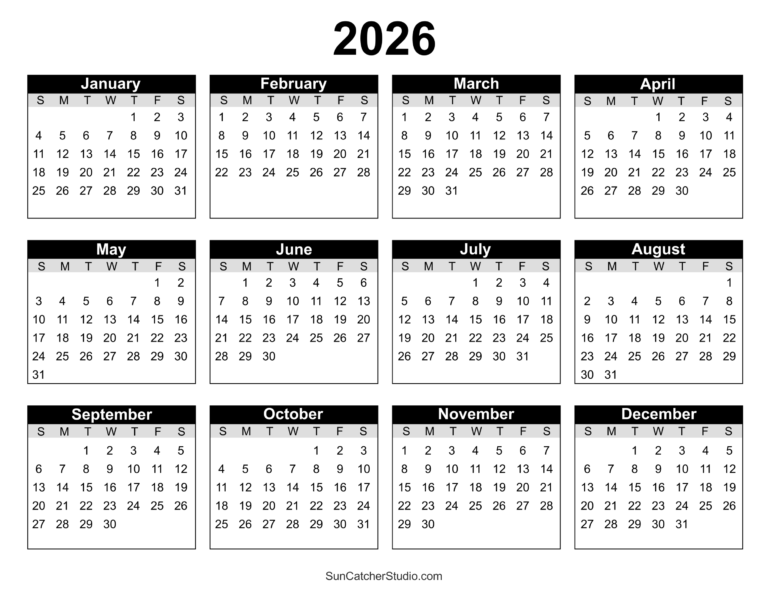
Chinese New Year 2026 Calendar
The Chinese New Year 2026 Calendar: Get Ready for the Year of the Horse!
Alright, let’s talk Chinese New Year 2026. Forget those boring AI-generated lists; you want the real deal, right? 2026 is the year of the Horse, specifically the Fire Horse. That means action, passion, and maybe a little bit of unpredictability. If you’re trying to plan ahead, you need to know when everything’s happening. Don’t get caught off guard!
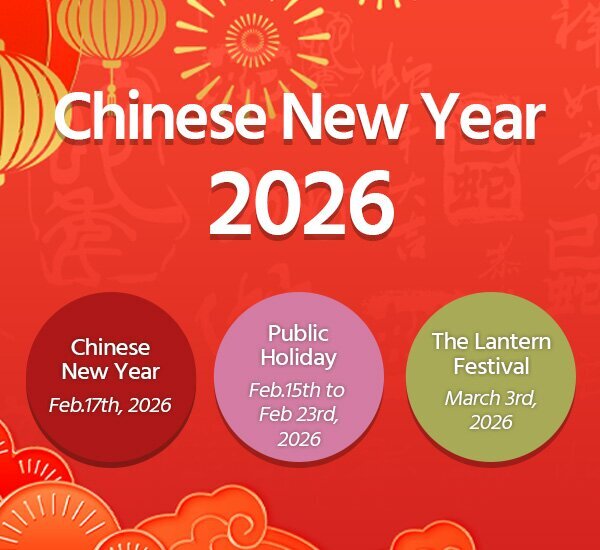
Source : chinahighlights.com
When Does Chinese New Year 2026 Actually Start?
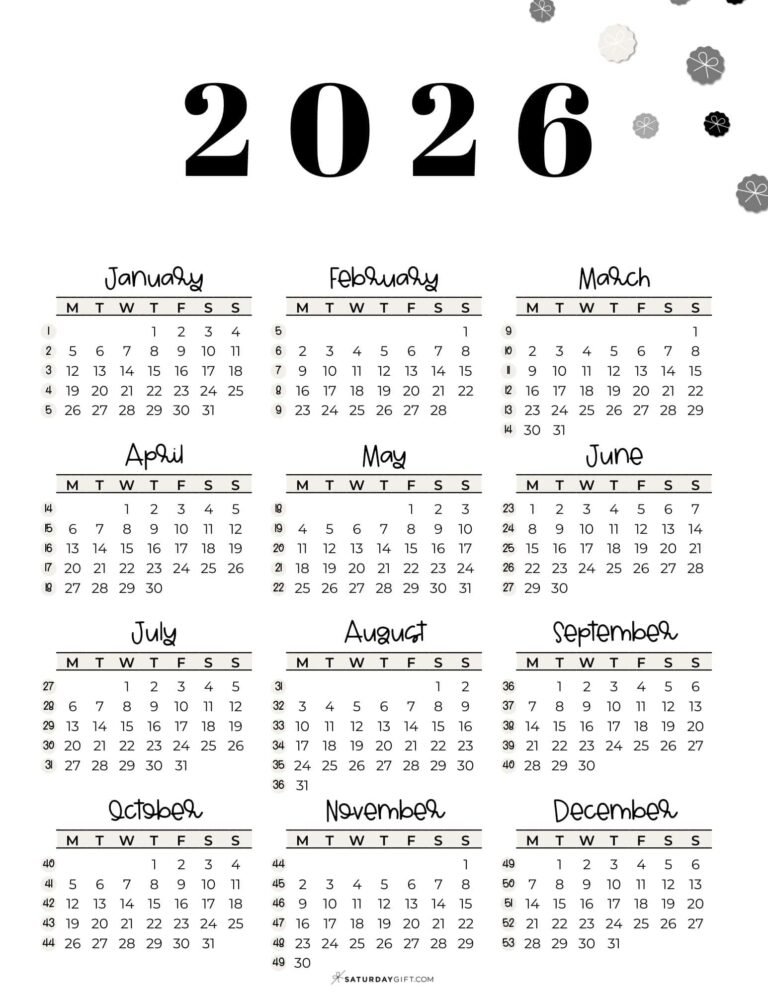
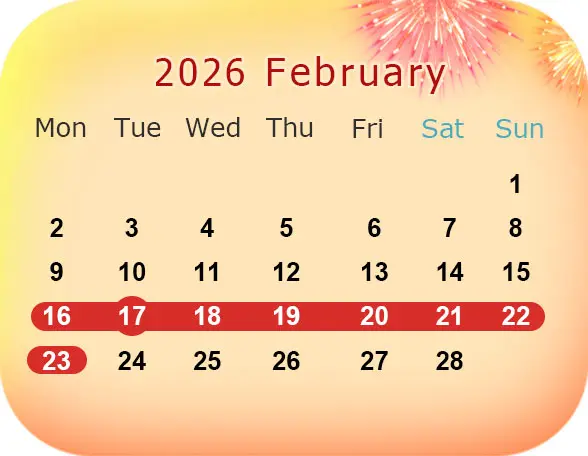
Mark your calendars, people. The big day for Chinese New Year 2026 is February 17th. Yeah, it’s not January 1st like our Gregorian calendar. This whole thing is based on the lunar cycle, so the date shifts every single year. It’s a whole different way of tracking time, and that’s part of what makes it so interesting. Think of it as a cosmic reset button, but on a different schedule than you’re used to.
Why the Date Change? It’s All About the Moon!
So, why does the date for Chinese New Year bounce around? Simple: the Chinese lunisolar calendar. It tracks both the moon phases and the solar year. A lunar month is about 29.5 days. Try to fit that into a solar year (which is about 365.25 days)? You get some math gymnastics. They add an extra month (a leap month) about every three years to keep things aligned. It’s a beautiful, ancient system that’s been guiding celebrations for centuries. Unlike our fixed calendar, this one breathes with the seasons and the moon. For more on the nitty-gritty of when it happens, you can check out when Chinese New Year falls.
The 2026 Chinese New Year Calendar: Key Dates to Remember
Chinese New Year’s Eve: February 16th, 2026
This is a HUGE deal. Chinese New Year’s Eve is when families traditionally gather for a massive reunion dier. It’s all about togetherness, gratitude, and saying goodbye to the old year. Think overflowing tables, laughter, and maybe a few fireworks (though regulations vary). It’s the calm before the storm of the New Year festivities. This is the night for dumplings, fish, and a general sense of cozy chaos.
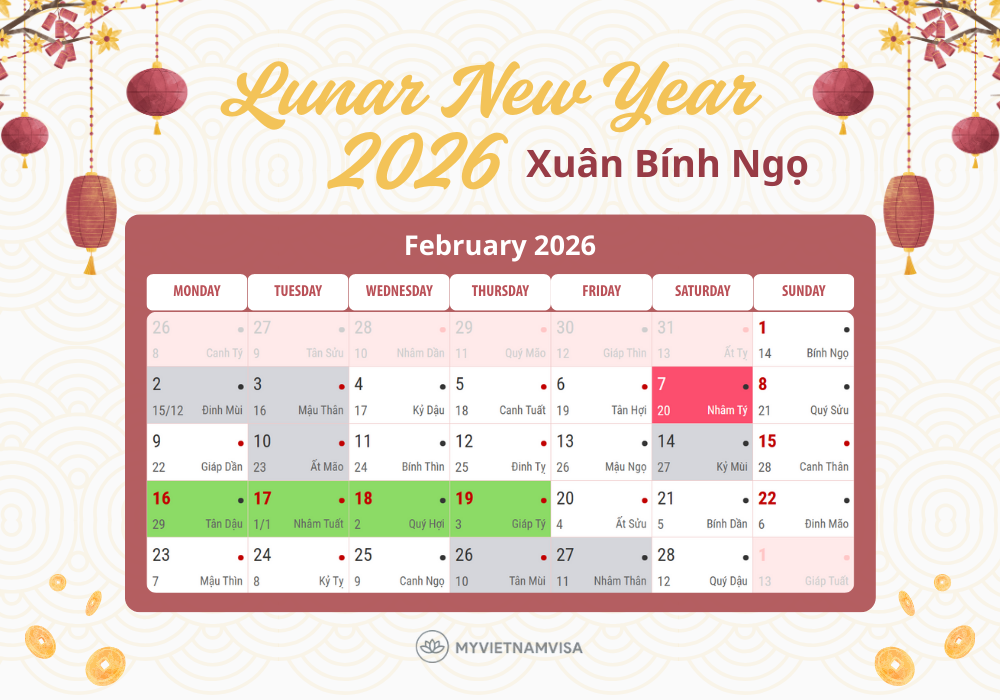
Source : myvietnamvisa.com
Day 1: February 17th, 2026 – The Official Start
Boom! The Year of the Horse officially kicks off. This is the day for visiting elders, exchanging red envelopes (hongbao) filled with money – a symbol of good luck – and setting the tone for the year. You’ll see lots of red decorations everywhere; it’s believed to ward off evil spirits and bring good fortune. It’s a day of renewed hope and fresh begiings. Don’t forget to wear something new!
Day 2: February 18th, 2026 – Welcoming the Gods
Day 2 is often dedicated to welcoming specific deities. For many, it’s about showing respect to the God of Wealth. People might visit temples or engage in rituals to invite prosperity into their homes. It’s a more spiritual day, focusing on blessings for the year ahead. Think about setting intentions; this is the time to really focus on what you want to manifest.
Day 3-7: Visiting and Feasting
The next few days are a whirlwind of social activity. Family visits are paramount. You’ll be hopping from house to house, sharing food and catching up. Each day might have its own subtle traditions, but generally, it’s about reinforcing social bonds and enjoying the holiday spirit. It’s also common for people to avoid certain activities, like haircuts, on specific days to avoid bad luck. It’s a busy but joyful period.
Lantern Festival: March 7th, 2026 (The Grand Finale!)
This is it, the big finish! The Lantern Festival marks the end of the New Year celebrations. It falls on the 15th day of the first lunar month. Think beautiful lanterns of all shapes and sizes, riddles being solved, and eating sweet glutinous rice balls called ‘yuanxiao’ or ‘tangyuan’. It’s a magical night, symbolizing reunion and hope for the future. It’s a perfect way to wrap up the extended holiday.
The 2026 Chinese Zodiac: It’s the Year of the Horse!
As mentioned, 2026 is the Year of the Horse. Specifically, it’s the Fire Horse. People born in Horse years (like 1954, 1966, 1978, 1990, 2002, 2014, and now 2026) are often described as energetic, independent, and a bit of a free spirit. They’re charming, quick-witted, and love adventure. The Fire element adds an extra layer of passion and intensity. If you’re a Horse, expect a year of dynamic energy and opportunities. If not, well, you get to ride along with their enthusiasm!
What About the Fire Element?
The Chinese zodiac isn’t just about animals; it’s also about the Five Elements: Wood, Fire, Earth, Metal, and Water. Each element rotates, adding another layer of character to the zodiac year. The Fire Horse is known for being particularly enthusiastic, courageous, and sometimes impulsive. This combination suggests a year that won’t be boring. Expect bold moves and a lot of drive. It’s a year to take calculated risks and embrace your ier fire.
Lunar New Year Traditions for 2026
The core traditions remain pretty consistent, but they’re always worth revisiting. It’s not just about the dates; it’s about the rituals that carry meaning. Cleaning the house before New Year’s Day is crucial – sweeping out bad luck. Then, decorating with red items and auspicious symbols like the character ‘Fu’ (福) meaning luck or fortune. Firecrackers and fireworks are a classic way to scare away evil spirits and celebrate the arrival of the new year with a bang. Family reunion diers are absolutely central, making sure everyone is together. It’s a time to honor ancestors too, showing respect for those who came before.
Source : travelchinaguide.com
The Reunion Dier: More Than Just a Meal
This is arguably the most important part of the whole celebration. The reunion dier on New Year’s Eve brings the entire family together. Dishes are chosen for their symbolic meanings. For example, fish (鱼, yú) sounds like ‘surplus’ (余, yú), symbolizing abundance. Dumplings (饺子, jiǎozi) resemble ancient Chinese gold ingots, representing wealth. Every dish tells a story and carries a wish for prosperity and happiness in the coming year. It’s a feast for the senses and the soul.
Red Envelopes (Hongbao): Lucky Money!
Ah, the coveted red envelopes. These are given by married couples and elders to children and unmarried adults. The red color symbolizes good luck and is thought to ward off evil spirits. The amount of money inside varies, but it’s the gesture that counts. It’s a way of passing on blessings and good fortune for the year ahead. Kids absolutely love this part, and frankly, who doesn’t enjoy a little extra cash?
Taboos: What NOT to Do in 2026
Just as there are traditions to follow, there are also taboos to avoid, especially in the first few days of the New Year. You generally don’t want to sweep or take out the trash on New Year’s Day itself – you might sweep away your good luck! Avoid arguing or saying unlucky words (like ‘death’ or ‘break’). It’s also considered bad luck to break anything, so handle dishes and valuables with care. And for the guys, no haircuts until the second lunar month, according to tradition! It’s all about starting the year with positive vibes and avoiding negative energy.
How Long is Chinese New Year Celebrated?
It’s not just a single day, oh no. The traditional celebration spans 15 days, starting from Chinese New Year’s Eve and culminating with the Lantern Festival. However, the public holiday in China is typically shorter, usually around 7 days, often including a weekend. Businesses might close for a longer period, and travel can be intense as people head home. So, while the spirit lasts 15 days, the official ‘day off’ is shorter, but still a significant break.
The ‘Little Year’ – Preparations Begin Early
Leading up to New Year’s Eve, there’s a period known as ‘Little Year’ (小年, Xiǎonián). This usually falls around the 23rd or 24th of the twelfth lunar month. It’s when preparations really ramp up: deep cleaning the house, shopping for gifts and festive foods, and getting your home ready. It’s the final push before the main event. Think of it as the final countdown to the biggest holiday of the year.
Plaing Your 2026 Chinese New Year Trip
Thinking of experiencing Chinese New Year 2026 firsthand? Awesome! Just be prepared for crowds. This is the biggest human migration on Earth, known as Chunyun. Flights and train tickets sell out months in advance. Prices soar. Cities might be quieter as people leave for their hometowns, but rural areas and family gatherings are buzzing. If you go, embrace the chaos, learn a few basic phrases (like ‘Gong Xi Fa Cai’ – Happy New Year), and be respectful of traditions. It’s an unforgettable experience, truly.

Source : chinesenewyear.net
Where to Experience It?
While China is the epicenter, you can experience vibrant celebrations in many other places too. Think Hong Kong, Singapore, Malaysia, and Chinatowns all over the world. Each place adds its own unique flavor. Major cities often have spectacular parades, lion dances, and public festivities. For an authentic experience, visiting a smaller town or village in China can be incredibly rewarding, offering a glimpse into deeper traditions, but be prepared for less English support.
The Significance of the Chinese New Year Calendar
Beyond just marking dates, the Chinese New Year calendar is deeply tied to agricultural cycles, ancient philosophies, and cultural identity. It’s a system that has sustained communities for milleia, coecting generations through shared celebrations and beliefs. The zodiac animals and elements provide a framework for understanding personality, fortune, and the flow of the year. It’s not just a calendar; it’s a worldview.
Coecting with Culture and Family
Ultimately, Chinese New Year is about family, community, and hope. It’s a time to reflect on the past year, honor ancestors, and look forward to a prosperous and happy future. The specific dates on the 2026 calendar are just the structure. The real magic lies in the shared meals, the laughter, the traditions passed down, and the collective wish for a better year ahead. It’s a powerful reminder of what truly matters.
Looking Ahead: Beyond 2026
The cycle continues, of course. After the Horse comes the Goat (or Sheep) in 2027, then the Monkey in 2028, and so on. Each year brings its own unique energy and challenges, shaped by the animal and the element. Understanding the calendar helps you anticipate these shifts and engage more deeply with the traditions. It’s a continuous story, unfolding year after year.
Frequently Asked Questions
-
What animal is it for Chinese New Year 2026?
Get ready! Chinese New Year 2026 is the Year of the Horse. Specifically, it’s the Fire Horse, bringing a year packed with energy and passion. So saddle up!
-
When is Chinese New Year 2026?
Mark your calendars! The big day for Chinese New Year 2026 is Tuesday, February 17th. Remember, the date changes every year because it follows the lunisolar calendar.
-
How long do Chinese New Year celebrations last?
The official festivities traditionally go on for 15 days, wrapping up with the Lantern Festival. However, the public holiday in China is usually about a week long. It’s a lengthy celebration, for sure!
-
What are the most important traditions for Chinese New Year 2026?
Key traditions include the reunion dier on New Year’s Eve, exchanging red envelopes (hongbao) with lucky money, and decorating everything with red for good luck. Cleaning your house before the New Year is also super important to sweep out bad luck.
-
What should I avoid during Chinese New Year 2026?
You’ll want to steer clear of sweeping or taking out the trash on New Year’s Day itself – you don’t want to sweep away good luck! Also, avoid arguing, saying unlucky words, or breaking things. And heads up, guys: traditionally, no haircuts until later in the month!