Ramadan 2026 Calendar Iftar Time
The Ramadan 2026 Calendar: When’s Iftar Time?
Alright, let’s cut to the chase. You need to know when to break your fast for Ramadan 2026. Forget the fluff; we’re talking pure, practical info about iftar time. The whole month revolves around that moment, right? It’s when the day’s struggle ends and the feast begins. This year, Ramadan kicks off around February 17th and wraps up March 19th. But here’s the kicker: the exact dates swing based on the moon sighting. So, while we’ve got a solid ballpark, always double-check closer to the time. It’s not just about the date, though. The real game-changer is the daily timing. The sun dictates everything here. As soon as it dips below the horizon, bam! It’s time for iftar. And if you’re in a place with weird daylight hours? That’s a whole other story we’ll get into.

Source : dreamstime.com
Why Timing is Everything During Ramadan
Look, fasting isn’t a joke. It’s a pillar of Islam, a time for reflection, discipline, and community. But let’s be real, the most anticipated moment every single day is breaking that fast. It’s more than just food; it’s a communal gathering, a spiritual release. Getting the iftar timing wrong? It’s like showing up to a party after everyone’s gone home. You miss the collective ‘Allahu Akbar’ as the fast is broken, the shared meals, the prayers. That’s why having an accurate Ramadan 2026 calendar is non-negotiable for anyone observing. It’s your daily roadmap. Without it, you’re basically navigating blindfolded.
Decoding the Ramadan 2026 Calendar: Your Daily Iftar Guide
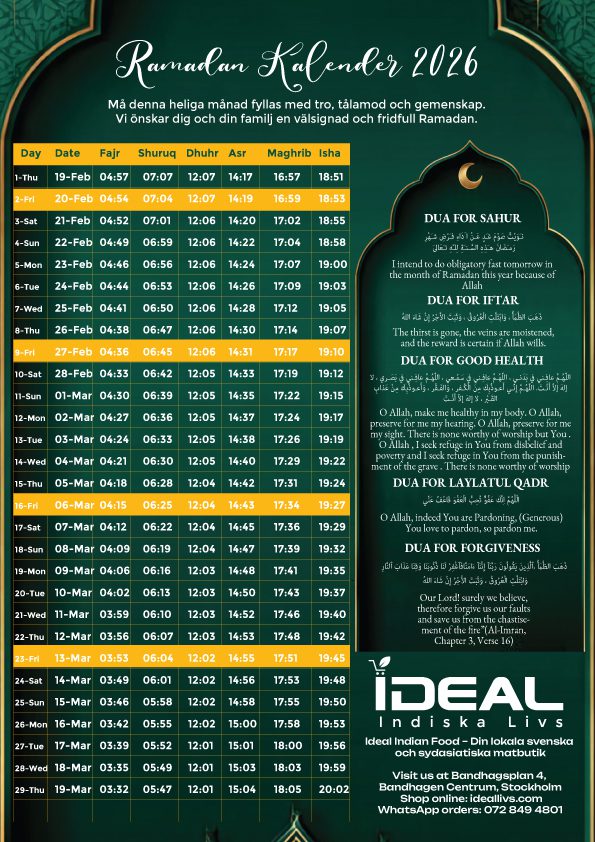
So, how do you actually read this thing? It’s not rocket science. Think of it as a schedule, but for spiritual discipline and community meals. The core elements you’ll see are Suhur time and Iftar time. Suhur is that pre-dawn meal, the last bit of fuel before the day’s fast begins. You want to finish eating and drinking well before the actual Fajr prayer time. Then, the main event: Iftar. This is the sunset meal. The calendar will give you the precise minute the sun goes down in your specific location. Crucially, it’s not the same everywhere. Time zones, geographical location – they all play a role. For example, Iftar in New York will be different from Iftar in London. It’s all about the local sunset. You can grab a detailed guide like the one from Islamic Society Greater Houston for Ramadan 2026 timings, but remember to check it against your local mosque or reliable Islamic sources for absolute accuracy. It’s important stuff!
Suhur: The Pre-Dawn Boost
Before the sun even thinks about rising, there’s Suhur. This meal is super important. It’s not just about stuffing your face; it’s about sustaining yourself for the entire day of fasting. Think complex carbs, protein, and plenty of water. You want to feel fueled, not sluggish. The calendar will mark the Suhur end time, which is basically the cutoff for eating and drinking before the Fajr (dawn) prayer. Don’t cut it too close! Give yourself a buffer. Rushing Suhur is the worst. It’s supposed to be a calm, reflective start to the day, not a frantic dash.
Source : ideallivs.com
Iftar: Breaking the Fast
And then, the moment we’ve all been waiting for: Iftar. This is where you officially end your fast. Tradition often dictates breaking it with dates and water, mirroring the Prophet Muhammad’s (PBUH) practice. It’s a simple, powerful act. After this initial break, a full meal usually follows. The calendar’s Iftar time is precise. It’s the exact sunset time for your locality. No guesswork here. You can find comprehensive calendars online, like this one for Ramadan 2026 on Islamic Finder, but always confirm with local sources. This ensures you’re aligning with your community and the precise astronomical event. It’s a sacred moment, and getting the timing right respects that. We’re talking about observing a core religious practice here, after all.
Ramadan 2026 Calendar: Key Dates and Times to Watch
Ramadan 2026 is slated to begin around Tuesday, February 18th. This date is tentative, depending on the moon sighting, which is a crucial part of Islamic tradition. The end date is estimated to be around Wednesday, March 19th. This gives you roughly 29 to 30 days of fasting, depending on the lunar cycle. The most critical timings you’ll be tracking daily are the Suhur deadline and the Iftar start time. Remember, these shift slightly every day as the earth rotates and the sun’s position changes. So, an update isn’t just a nice-to-have; it’s essential. Don’t just download a calendar and forget about it. Keep it handy. Check it daily. It’s your anchor for the month.
Where Will You Be for Ramadan 2026? Location Matters!
Okay, this is HUGE. The Ramadan 2026 calendar isn’t one-size-fits-all. Your location is everything. Are you in Chicago? London? Dubai? Sydney? Each place has a unique sunset time. Living in Northern Europe during winter means shorter days, so faster, shorter fasts. Conversely, if you’re in the Southern Hemisphere, say Australia, February/March is still summer, meaning longer daylight hours and significantly longer fasts. It’s a stark difference. You need a calendar specific to your city or region. Don’t wing it. Using a generic calendar will throw your timings way off. The Islamic Society Greater Houston provides a PDF for their area, which is a great example of localized info. You can find similar resources for virtually any city. It’s all about getting that precise, localized iftar time.
Think about it: fasting from sunrise to sunset. If you’re in Oslo in February, sunrise is late and sunset is early. You’re looking at maybe 6-7 hours of fasting. Now, compare that to Cape Town in March, where the days are still quite long. You could be fasting for 12-13 hours. That’s a massive difference! This is why localizing your Ramadan 2026 calendar is absolutely critical. It affects your spiritual practice and your daily schedule. Don’t rely on guesswork; find a reliable source for your specific geographic coordinates. It makes all the difference in observing Ramadan correctly and comfortably.
Navigating Longer Fasts: Tips for Endurance
Some of us are going to have it tougher this year. Those longer fasting days? They require strategy. It’s not just about willpower. What you eat during Suhur makes a massive difference. Forget sugary cereals; load up on slow-digesting foods like oats, whole grains, and lean proteins. Hydration is key, too. Drink water steadily throughout the night, not just gulping it down right before Suhur. And during the day? Conserve energy. Avoid strenuous activities if possible. Listen to your body. It’s a marathon, not a sprint. Having the correct Suhur end time and Iftar start time helps you plan your energy intake and rest periods effectively throughout these challenging, longer days. Plaing is everything.
Shorter Fasts: Making the Most of It
On the flip side, if you’re blessed with shorter fasting days, don’t take it easy! Use the time wisely. While the physical challenge is less intense, the spiritual purpose remains. Focus on increased prayer, charity, and reading the Quran. Use the extra time for reflection and community engagement. Make sure you’re still getting adequate nutrition during Suhur and Iftar to maintain energy levels for worship and daily life. Even with shorter days, understanding the precise Ramadan 2026 calendar ensures you respect the sacredness of the fasting period. Every moment counts, regardless of duration.
The Moon Sighting: The Final Word on Dates
Source : dreamstime.com
This is where things get a little… traditional. The Islamic calendar is lunar. This means the start and end dates for Ramadan aren’t fixed on the Gregorian calendar (the one most of us use daily). They depend on the sighting of the new crescent moon. This is traditionally done by religious authorities. So, while February 18th is the projected start for 2026, the actual official aouncement usually comes a day or two before. Same goes for the end of Ramadan and the start of Eid al-Fitr. It’s a practice that coects Muslims across the globe to an ancient tradition. Always keep an ear out for official aouncements from your local mosque or recognized Islamic bodies. The Ramadan 2026 start date is officially confirmed by this sighting, not just a pre-printed calendar.
Digital Tools vs. Traditional Calendars
We live in a digital age, and thankfully, there are tons of apps and websites dedicated to providing accurate Ramadan 2026 calendar information. Sites like Islamic Finder offer detailed, location-based timetables. Apps can send you notifications for Suhur and Iftar times, which is super handy. But don’t dismiss the old school just yet. A printed calendar from your local masjid often feels more personal and coected to your community. Plus, it’s a tangible reminder hanging on your fridge. Both have their merits. The key is reliability. Whichever you choose, make sure it’s from a reputable source and updated for your specific location. Accuracy is king here.
Apps & Websites: Your Pocket Ramadan Guide
For the tech-savvy, there are countless apps. Search your app store for “Ramadan Times” or “Iftar Times.” Many offer features like prayer alerts, Qibla direction, and even educational content. Websites provide similar functionality, often with more detailed explanations and community forums. For example, you can check out the comprehensive offerings at Islamic Finder’s Ramadan Calendar. These digital tools are fantastic for getting instant, up-to-the-minute iftar time updates, especially if you travel frequently. Just ensure the app or site allows you to input your precise location for the most accurate data.
Traditional Calendars: The Community Coection
There’s something grounding about a physical calendar. Many mosques and Islamic centers provide beautifully designed Ramadan 2026 calendars for free. These often include daily duas (supplications), inspirational quotes, and local event information. They serve as a constant visual reminder of the spiritual journey you’re undertaking. They also reinforce the community aspect of Ramadan. You might even find a downloadable PDF version, like the one from Islamic Society Greater Houston, which you can print out. It’s a tangible piece of your faith community.
Common Questions About Ramadan 2026 Iftar Times
Q1: When does Ramadan 2026 officially start?
The official start date for Ramadan 2026 hinges on the moon sighting. It’s projected to begin around February 18th, but the final confirmation usually happens just a day or two before. Always check with your local mosque or trusted Islamic authorities for the definitive aouncement. Don’t just rely on digital predictions alone; the sighting is key.
Q2: How do I find the exact Iftar time for my city in 2026?
Easy! Use a reliable Islamic calendar app or website that allows you to input your specific location. You can also check your local mosque’s schedule. Websites like Islamic Finder are great resources for finding accurate, localized iftar times. Just punch in your city, and voilà!

Source : freepik.com
Q3: What happens if I break my fast accidentally?
If you accidentally break your fast (forgetting you’re fasting), it generally doesn’t invalidate it. Just continue fasting for the rest of the day. However, if you break it intentionally without a valid excuse, you’ll need to make up that day’s fast later and potentially perform an act of atonement (kaffarah). It’s about intention and awareness.
Q4: Can I drink water after the Iftar call to prayer?
No. The Iftar time marks the absolute end of the fasting period for the day. Once the sun has set and the Maghrib prayer time begins, you are allowed to eat and drink. Drinking water or anything else after the stated Iftar time means your fast for that day is considered broken.
Q5: What’s the difference between Suhur and Iftar?
Suhur is the pre-dawn meal eaten before Fajr (dawn) prayer to sustain you during the day’s fast. Iftar is the evening meal where you break your fast after sunset, typically starting with dates and water. They are the two main meal points surrounding the daily fast.
Final Thoughts: Embrace the Sacred Month
Ramadan is a profoundly spiritual month. Having the correct Ramadan 2026 calendar and knowing your local iftar time is fundamental to observing it properly. It’s about discipline, reflection, community, and coecting with your faith on a deeper level. Whether you’re using the latest app or a traditional calendar from your mosque, make sure the information is accurate and specific to your location. May your fasts be accepted and your month be filled with blessings. Now go forth and plan your meals!
Frequently Asked Questions
-
When does Ramadan 2026 officially start?
The official start date for Ramadan 2026 hinges on the moon sighting. It’s projected to begin around February 18th, but the final confirmation usually happens just a day or two before. Always check with your local mosque or trusted Islamic authorities for the definitive aouncement. Don’t just rely on digital predictions alone; the sighting is key.
-
How do I find the exact Iftar time for my city in 2026?
Easy! Use a reliable Islamic calendar app or website that allows you to input your specific location. You can also check your local mosque’s schedule. Websites like Islamic Finder are great resources for finding accurate, localized iftar times. Just punch in your city, and voilà!
-
What happens if I break my fast accidentally?
If you accidentally break your fast (forgetting you’re fasting), it generally doesn’t invalidate it. Just continue fasting for the rest of the day. However, if you break it intentionally without a valid excuse, you’ll need to make up that day’s fast later and potentially perform an act of atonement (kaffarah). It’s about intention and awareness.
-
Can I drink water after the Iftar call to prayer?
No. The Iftar time marks the absolute end of the fasting period for the day. Once the sun has set and the Maghrib prayer time begins, you are allowed to eat and drink. Drinking water or anything else after the stated Iftar time means your fast for that day is considered broken.
-
What's the difference between Suhur and Iftar?
Suhur is the pre-dawn meal eaten before Fajr (dawn) prayer to sustain you during the day’s fast. Iftar is the evening meal where you break your fast after sunset, typically starting with dates and water. They are the two main meal points surrounding the daily fast.