Why Clean Your Bartesian Cocktail Machine?
Keeping your Bartesian cocktail machine clean is key to making tasty drinks. Residue buildup can block parts and spoil flavors. Proper cleaning also stops mold growth and keeps the machine safe to use. For a deeper understanding of this mechanic, analyzing resources on Bartesian use and care guides provides excellent foundational context.
Experts suggest cleaning your machine regularly to extend its life and maintain good hygiene. This guide covers the safe cleaning steps and maintenance tips every Bartesian owner should know.
Bartesian Cleaning Frequency
Cleaning your Bartesian machine often avoids problems. Ideally, clean the water reservoir and drip tray after every few uses. Perform a full cleaning, including the needle and descaling, every month. This keeps residue and mold from forming inside.
Consistent maintenance also reduces the need for troubleshooting. Users who clean less may face clogs or off-flavors. Stay on schedule to enjoy fresh cocktails every time.
For those interested in broader appliance care, this guide on cleaning musty smells offers useful insights on keeping machines fresh.
Basic Bartesian Cleaning Steps
Start by unplugging your machine for safety. Remove the drip tray and water reservoir, then wash them with warm soapy water. Rinse well and dry before replacing.
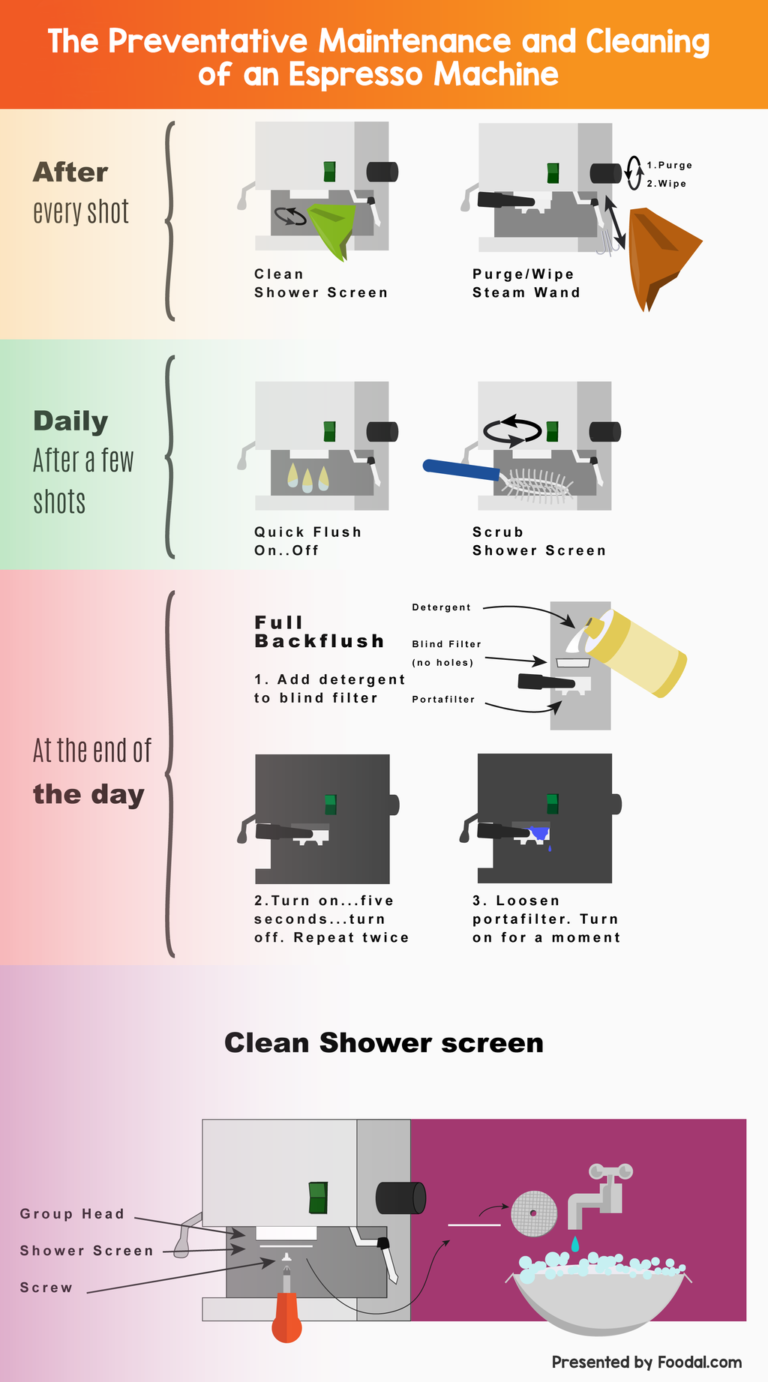
Next, clean the area around the pod holder and the needle. Use a soft brush or the Bartesian cleaning accessories to remove any residue. Wipe the exterior with a damp cloth to keep it looking new.
Run a rinse cycle using only water to flush the internal system. This helps clear out leftover ingredients and keeps the carbonation working well.
Repeat the rinse cycle after cleaning to ensure no soap or residue remains inside the machine.
How To Descale Bartesian Machine
Descaling removes minerals that build up from water. Use a Bartesian-approved descaling solution for best results. Fill the reservoir with the solution and run the machine’s special descale rinse cycle.
This cycle cleans parts like the needle and carbonation system. Afterward, run a few rinse cycles with fresh water to flush out all the descaler. This process helps maintain your machine’s performance and flavor quality.
Descaling should be done every 1-3 months depending on water hardness and usage.
Cleaning the Bartesian Needle
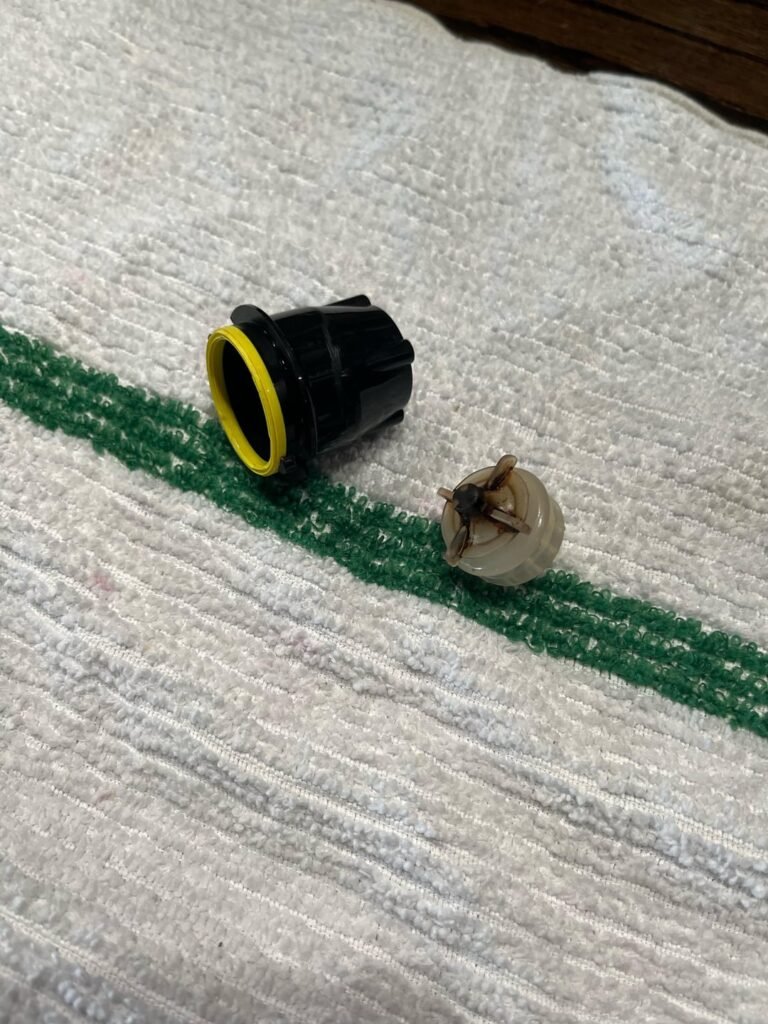
The needle pierces pods and mixes ingredients. It can clog with residue. So regular cleaning is vital. Use the small brush included in Bartesian cleaning accessories to gently clean the needle.
If residue is tough to remove, soak the needle area in warm water with a mild cleaning solution. Avoid harsh chemicals to prevent damage. Keeping this part clean ensures smooth pod insertion and proper drink mixing.

Water Reservoir and Drip Tray Cleaning
Remove the water reservoir regularly and rinse it with warm water. Use a mild detergent if needed but rinse thoroughly. This prevents mold and bacteria growth inside the tank.
The drip tray collects spills and should be emptied and cleaned after each use. Wash it with warm soapy water and dry completely before placing it back. This simple step helps keep your kitchen clean and your machine hygienic.
Neglecting these parts can lead to odor and mold buildup.
For more on cleaning water parts of machines, see the detailed guide on how to clean inside washing machine agitator.
Removing Bartesian Residue and Mold Prevention
Residue builds up in pods, drip trays. And needles if not cleaned. Use the Bartesian cleaning solution to soak removable parts. Wipe away residue with a soft cloth or brush.
Mold grows in damp, dark places. Always dry parts thoroughly and store the machine in a dry area. Running the rinse cycle often helps prevent mold inside the machine.
By preventing residue and mold, you ensure your cocktails taste fresh and your machine lasts longer.
Bartesian Machine Troubleshooting Tips
If your machine shows error lights or drinks taste off, cleaning is often the fix. Check for clogged needles or dirty reservoirs first. Running a full cleaning and descale cycle usually solves most issues.
Make sure to follow Bartesian cleaning instructions carefully. If problems persist, contact customer support or check community forums like Deep Clean : r/bartesian for advice.
Regular maintenance prevents many common troubles and keeps your machine working well.
Bartesian Cleaning Accessories
Using the right tools makes cleaning easier. Bartesian sells cleaning kits with brushes and special solutions made for their machines. These help you clean the needle, pods area. And other hard-to-reach parts safely.
Investing in these accessories improves your cleaning routine and protects your machine. Avoid using sharp or abrasive tools that might damage parts.
Safe Cleaning Best Practices
Always unplug your Bartesian machine before cleaning. Use mild detergents and Bartesian-approved solutions only. Avoid harsh chemicals or bleach that can cause damage.
Do not immerse the main unit in water. Clean only removable parts with water. Wipe the machine exterior with a damp cloth. Follow the official cleaning instructions to keep your warranty valid and the machine safe.
Conclusion: Bartesian Cocktail Machine Care
Keeping your Bartesian cocktail machine clean is vital for great drinks and long machine life. Follow a regular cleaning schedule, including washing the water reservoir, drip tray. And needle. Use Bartesian cleaning solution and descaling cycles to prevent buildup and mold.
Safe cleaning and using proper accessories protect your machine. Regular maintenance reduces troubleshooting and keeps your cocktails tasting fresh. By caring well for your Bartesian, you enjoy smooth, delicious drinks every time.
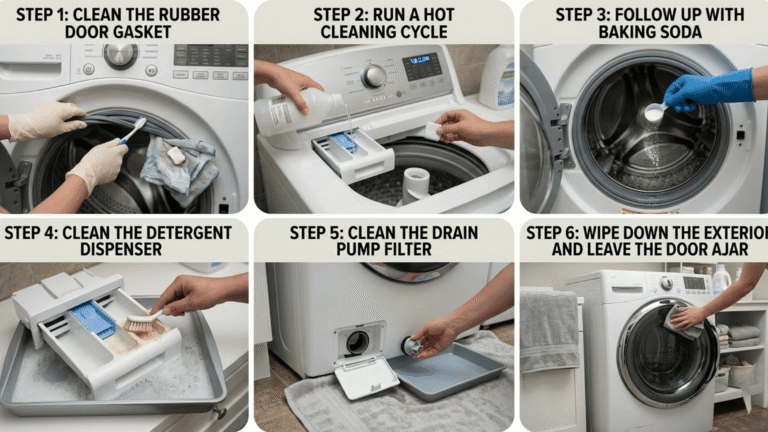
For more on maintaining kitchen machines, exploring how to clean washing machines can provide useful tips that apply across appliances.
| Part | Cleaning Interval | Recommended Method |
|---|---|---|
| Water Reservoir | After every 5-10 drinks | Warm soapy water rinse |
| Drip Tray | After every use | Wash with soap and dry |
| Needle | Monthly | Brush with Bartesian cleaning tool |
| Descale Machine | Every 1-3 months | Use Bartesian descaling solution |
Regular cleaning prevents problems and keeps your machine working well.
Always keep a cleaning schedule to avoid residue and mold buildup that can spoil your drinks.
| Issue | Possible Cause | Cleaning Solution |
|---|---|---|
| Slow carbonation | Carbonation system clogged | Run multiple rinse cycles, clean needle |
| Off taste | Residue buildup | Descale and clean water reservoir |
| Machine error light | Pod or needle blockage | Clean needle and pod area |
| Mold smell | Wet parts left uncleaned | Wash and dry drip tray and reservoir |
Following these tips ensures your Bartesian runs smoothly and safely.
Use Bartesian cleaning accessories to make these tasks easier and more effective.
| Item | Purpose | Notes |
|---|---|---|
| Bartesian Cleaning Solution | Remove residue safely | Use as directed on label |
| Cleaning Brush | Clean needle and pods | Soft bristles to avoid damage |
| Descaling Solution | Remove mineral buildup | Approved Bartesian product only |
| Soft Cloth | Wipe exterior | Use damp, not wet |
Using the right supplies is key to effective Bartesian machine hygiene.
Remember to follow the official Bartesian cleaning instructions for best results and safety.
Frequently Asked Questions
How often should I clean my Bartesian machine?
Industry experts recommend cleaning your Bartesian machine after every 15 to 20 drinks or at least once a month to avoid residue buildup and mold.
What is the best way to descale a Bartesian machine?
Use a Bartesian-approved descaling solution and run the machine’s rinse cycle. This removes mineral buildup safely without harming the machine.
How do I clean the Bartesian pods and needle?
Remove the used pods and gently clean the needle with a soft brush or the Bartesian cleaning accessories to clear any blockages or residue.
Can I use homemade cleaning solutions on my Bartesian machine?
It is safest to use Bartesian cleaning solution or approved descalers to prevent damage. Homemade solutions may void warranties or harm the machine.
What are signs that my Bartesian machine needs cleaning?
Signs include slower carbonation, strange tastes, residue buildup, or the machine alerting you to maintenance. Regular cleaning prevents these issues.

Michael Peterson is a home appliance writer focused on practical washing machine care, maintenance, and troubleshooting. He shares simple, reliable tips to help readers keep their washing machines running efficiently, avoid common problems, and extend appliance life.