So, you’re thinking about getting forklift certified? Good for you. It’s a solid move. Honestly, it’s one of those things that can open a surprising number of doors, especially if you’re looking for steady work in warehousing, construction, or manufacturing. Don’t underestimate the power of knowing how to operate one of these machines.
I’ve seen it happen a million times. Someone’s stuck in a dead-end gig, feeling the pinch, and then they get this one skill under their belt. Suddenly, they’re not just a worker; they’re the worker who can handle the heavy lifting. It’s a legitimate skill, and frankly, one that’s in demand.
But what does it actually take? Is it some grueling, months-long ordeal? Or is it something you can knock out relatively quickly? Let’s break it down, no fluff. This isn’t some corporate HR seminar; this is real talk about getting a skill that pays.
Why Bother Getting Forklift Certified Anyway?
The Money Factor: It’s Not Chump Change
Let’s cut to the chase: forklift jobs pay. It’s not just about minimum wage anymore. With certification, you’re signaling to employers that you’re trained, you’re safer, and you can hit the ground running. This translates directly into better hourly rates and more consistent hours. Think about it; who do you want operating expensive equipment? The guy who just showed up, or the one with a proper certificate?
Safety First (Seriously, This Is Huge)
Listen, forklifts aren’t toys. They’re powerful industrial machines, and accidents can be nasty, expensive, and even fatal. Getting certified means you’ve learned the dos and don’ts. You know about load capacity, stability, how to navigate tight spaces, and what to do if something goes sideways. Employers need to know you’re not going to be a liability. Workplace safety is non-negotiable.
Opening Career Doors You Didn’t Know Existed
This isn’t just about getting a job; it’s about getting a better job. Forklift certification can be your ticket into industries like logistics, construction sites, large retail distribution centers, and even specialized manufacturing plants. These are often stable, well-paying sectors. A few hours of training could literally change your career trajectory. It’s a surprisingly versatile skill.
Employer Demand: They Actually Need You
You might be surprised how many companies are actively looking for certified operators. Warehouses are the backbone of e-commerce, and they can’t function without people who can move pallets efficiently and safely. Construction projects require them for material handling. The demand is real, and it’s not going away. Being able to say “Yes, I’m certified” is a major plus on your resume.
Is Forklift Certification a One-Size-Fits-All Deal?

Source : bigrentz.com
The Different Types of Forklifts Out There
Here’s where it gets a little more detailed. It’s not just one generic “forklift.” You’ve got your standard sit-down rider forklifts, which are probably what most people picture. But then there are stand-up forklifts, pallet jacks (both electric and manual), reach trucks for high racking, and even order pickers. Different environments and tasks require different machines. Knowing this is part of being a competent operator.
Does Certification Cover Everything? (Spoiler: Not Exactly)
A general forklift certification usually covers the fundamentals that apply to most common types of lift trucks. Think safety procedures, basic operation, pre-operation checks, and load handling principles. However, if you’re going to be operating a highly specialized piece of equipment, like a side-loader or a very large industrial forklift, you might need additional, specific training for that particular machine. It’s good to clarify this with potential employers.
The Difference Between Theory and Practice
The certification process will involve both classroom-style learning (or online modules) and practical, hands-on training. You can’t just read about how to drive a forklift and expect to be good at it. You need to feel the controls, understand the turning radius, and practice stacking and unstacking. The certification validates that you’ve grasped both the knowledge and the skill. Don’t skip the practical part; it’s Key.
Understanding OSHA’s Role
The Occupational Safety and Health Administration (OSHA) sets the standards for workplace safety in the U.S. They mandate that employers provide training and evaluation for forklift operators. This means that any legitimate certification program you undertake is designed to meet OSHA’s requirements. It’s not just some random certificate; it’s backed by federal regulations designed to keep people safe. You can find a lot of good information and requirements directly on the OSHA website, though it can be a bit dense.
The Road to Certification: What’s the Actual Process?
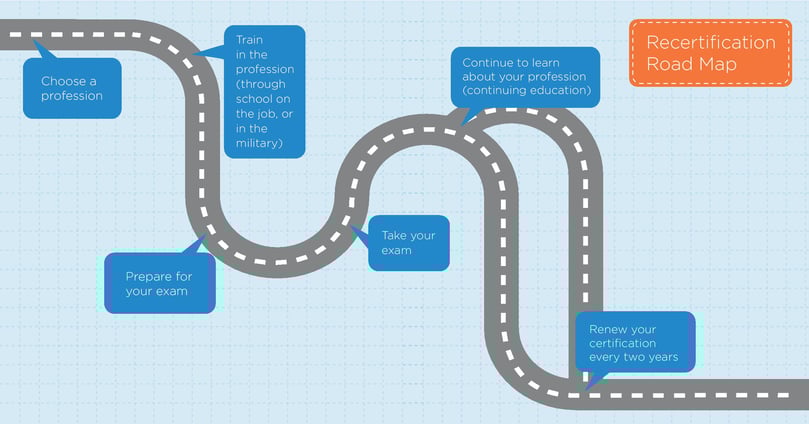
Source : info.nhanow.com
Step 1: Find a Reputable Training Provider
This is your starting point. You can’t just decide you’re certified. You need to go through a program. There are dedicated training centers, community colleges, and even some employers who offer training. Online courses are also incredibly popular now, especially for the theoretical part. Just make sure the provider is accredited and meets OSHA standards. We’ll talk more about choosing the right one later, but for now, know that your search starts here. Finding a good forklift training program is key.
Step 2: Complete the Training Modules
This is where you learn the meat and potatoes. You’ll cover topics like forklift stability, load handling, operator safety, hazard identification, and pre-shift inspections. Depending on the program, this could be a few hours of online videos and quizzes, or it might be a full day of classroom instruction. Pay attention! This knowledge is what keeps you and others safe.
Step 3: Pass the Practical Evaluation
After you’ve absorbed the theory, it’s time to get behind the controls. A qualified trainer will observe you operating a forklift. You’ll be asked to perform specific tasks, like picking up and dropping off loads, maneuvering in tight spaces, and demonstrating safe operating practices. This is where you prove you can actually do the job safely and effectively. Don’t get cocky here; demonstrate what you learned.
Step 4: Receive Your Certification Card
Once you’ve successfully completed both the written (or knowledge) test and the practical evaluation, you’ll be issued a forklift operator certificate. This is typically a wallet-sized card. It usually includes your name, the date of certification, and sometimes the types of forklifts you’re qualified to operate. Keep this safe! It’s your proof of qualification. You’ll need it to show employers.
Is It All Just Written Tests and Driving Around?
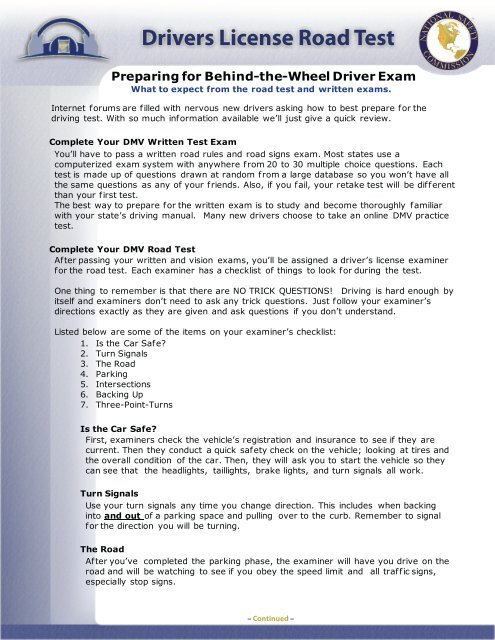
Source : yumpu.com
The Knowledge Assessment: More Than Just Memorizing Rules
The written or knowledge test isn’t just a formality. It’s designed to Make sure you understand the critical safety principles and operational procedures. You’ll be tested on things like center of gravity, load limits, how to operate on inclines, and recognizing unsafe conditions. Missing a key safety point here could mean a failed test. It’s about understanding the why behind the rules, not just the rules themselves. Think about the physics involved.
The Practical Skills Test: Showing Your Stuff
This is where you demonstrate your ability to safely and efficiently operate the equipment. You’ll likely be asked to perform maneuvers like Handling a course, stacking pallets at different heights, and picking up and placing loads accurately. The instructor will be looking for smooth control, awareness of your surroundings, and adherence to safety checks throughout the process. It’s your chance to shine.
Common Mistakes to Avoid During Training
During your training, watch out for a few common pitfalls. One is rushing. Speed is rarely rewarded in forklift operation; precision and safety are. Another is not doing thorough pre-operation checks. That quick walk-around can spot a leaky hose or a low tire that could cause a serious problem later. Also, don’t get complacent about your surroundings. Always be aware of pedestrians, other equipment, and overhead obstructions. Your certification depends on showing you’re vigilant.
What Happens if You Don’t Pass the First Time?
Don’t sweat it if you don’t pass an assessment on your first try. Most reputable training programs will allow you to retake the test after some additional instruction or practice. It’s a sign that you need to brush up on certain areas. Use it as a learning opportunity rather than a failure. The goal is to become a safe operator, not just to pass a test. Employers want competence, not just a piece of paper obtained through luck.
How Long Does This Whole Process Take?

Source : wellnesspulse.com
The Quickest Route: Online + Hands-On
For many people, the most efficient way to get certified is through a blended approach. You can often complete the theoretical portion online at your own pace. This might take anywhere from 2 to 4 hours, depending on how quickly you absorb the material. Then, you schedule a practical session with a certified trainer to complete the hands-on evaluation. This practical part is usually much shorter, maybe 1-2 hours, depending on your previous experience (if any).
The Traditional Classroom Experience
If you prefer or need a more structured environment, some places offer full-day or even multi-day classroom and practical training sessions. These are great if you want immersive learning or if your employer is sending you. They cover everything in one go. It’s a more intense but potentially more thorough experience for some learners. This can take 4-8 hours easily.
Factors That Influence Training Time
Your own learning speed is a big factor, of course. Do you pick things up quickly? Are you already familiar with heavy machinery? Some people might have prior experience that makes the practical part a breeze, while others might struggle with maneuvering. Also, the availability of trainers and equipment for the practical sessions can sometimes cause delays. Scheduling is key.
The Validity Period of Your Certification
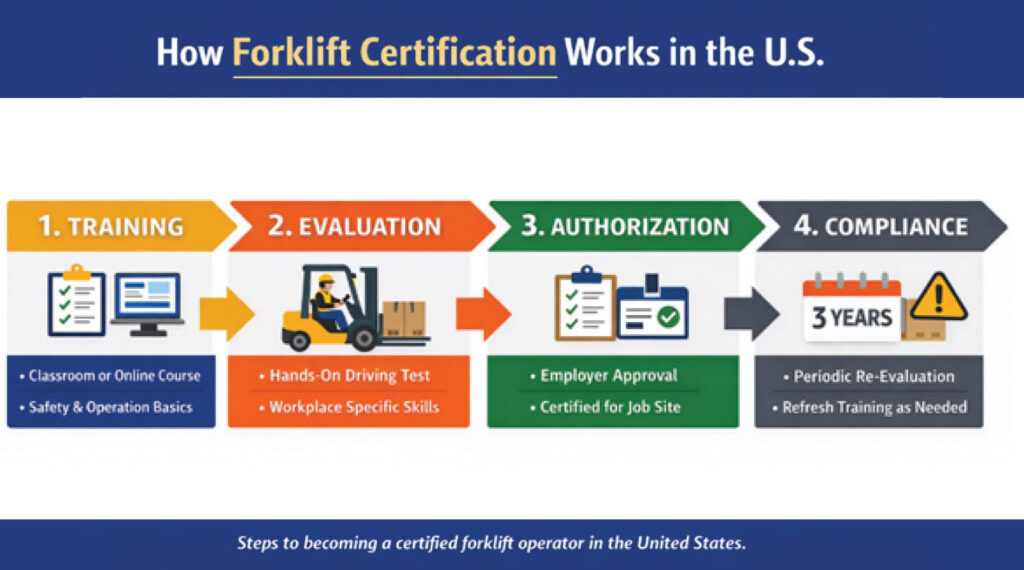
Here’s a Key point: forklift certifications aren’t usually for life. OSHA requires employers to periodically monitor operators and provide refresher training or re-evaluation if needed. Most certifications are considered valid for 1 to 3 years. Always check the specific expiration date on your card and plan to renew before it lapses. Staying current is part of being a responsible operator. Don’t let your forklift license expire.
Choosing the Right Training Program: Don’t Just Pick Any Old Place

Source : reddit.com
Watch: Forklift Certified in 5 Minutes
Accreditation and OSHA Compliance
This is non-negotiable. Your training provider must be accredited and their program must be designed to meet or exceed OSHA’s stringent requirements for forklift operator training. If they can’t clearly state this, walk away. You need a certificate that’s recognized and legally compliant. Look for providers that explicitly mention their adherence to OSHA forklift certification guidelines.
Reputation and Reviews Matter
What are other people saying about the training program? Look for online reviews, ask around at local warehouses or construction sites, or check with industry contacts. A good reputation indicates quality training and satisfied graduates. Negative reviews might highlight poor instruction, inconvenient scheduling, or issues with the certification itself. Do your homework before committing your time and money.
Cost vs. Value: What Are You Really Paying For?
Prices can vary significantly between training providers. While it’s tempting to go for the cheapest option, consider what you’re getting for your money. Does the price include both the knowledge and practical assessment? What types of forklifts are covered? Is there any post-training support? Sometimes, paying a little more for a more Full and reputable program is a much better long-term investment. Remember, you’re investing in your livelihood.
The Practical Training Environment
For the hands-on part, the training environment is important. Is it a safe, controlled area? Is the equipment well-maintained? A good program will have a dedicated space for practical training that simulates real-world conditions without unnecessary risks. Being trained in a chaotic or unsafe environment can be counterproductive and dangerous. Make sure they have actual forklifts for you to practice on!
| Aspect | Online/Blended Programs | Full-Day Classroom Programs |
|---|---|---|
| Flexibility | High – Learn anytime, anywhere for theory. Practical scheduled. | Low – Fixed schedule, requires physical attendance. |
| Pace | Self-paced for theory; practical is instructor-led. | Instructor-paced for both theory and practical. |
| Cost | Often slightly lower due to reduced overhead. | Can be higher due to facility and instructor time. |
| Ideal For | Self-motivated learners, those needing flexibility. | Learners who prefer structured environments, immediate Q&A. |
| Certification Timeline | Can be completed quickly if practical is scheduled promptly. | Completed in a single session (usually). |
How To Get Osha Approved Forklift Certification Online

Source : nationalforkliftfoundation.com
So, you’re thinking about getting forklift certified online, huh? It’s not as straightforward as clicking a button, but it’s definitely doable. The big thing to remember here is that OSHA doesn’t certify anyone directly. They set the rules. A legitimate online course will teach you those rules and prepare you for the practical evaluation you’ll still need.
Understanding OSHA’s Role in Online Certification
Let’s clear the air right off the bat: OSHA does not offer online certification. Period. They mandate that employers provide proper training and evaluation. What you’re looking for online are courses that meet OSHA’s stringent training requirements. Think of it like a driving school—they teach you the rules and how to drive, but the DMV gives you the actual license after you prove it.
Choosing a Reputable Online Training Provider
This is where you gotta do your homework. Not all online programs are created equal. Some are legit, some are… well, let’s just say they’re selling a piece of paper. Look for providers that clearly state they cover all the necessary OSHA topics. Check their reviews. Do they mention anything about a practical evaluation component? If they don’t, red flag.
I remember my buddy, Dave, he just wanted the cheapest online course he could find. Paid like fifty bucks. Turns out, it didn’t cover half of what he needed to know for his job. His employer made him retake a proper course. Waste of money and time. Don’t be Dave.
The Key Practical Evaluation Component
Here’s the kicker, and it’s non-negotiable: you MUST have a hands-on evaluation. Even the best online course can’t teach you how to safely maneuver a multi-ton machine just by watching videos. Your employer, or a third-party evaluator, needs to watch you operate a forklift in a real or simulated environment. This is where you prove you can actually do the job without, you know, crushing any toes or pallets.
What to Expect from an OSHA-Compliant Online Course
A good online course will dive deep into various aspects of forklift operation. We’re talking load capacities, stability principles, hazard identification, pre-operation checks, and safe operating procedures. It’s not just a quick quiz. Expect modules, videos, and maybe even some interactive simulations. The goal is comprehension, not just completion. You need to truly understand the risks involved in forklift operation.
Free Forklift Certification Training Programs Near Me
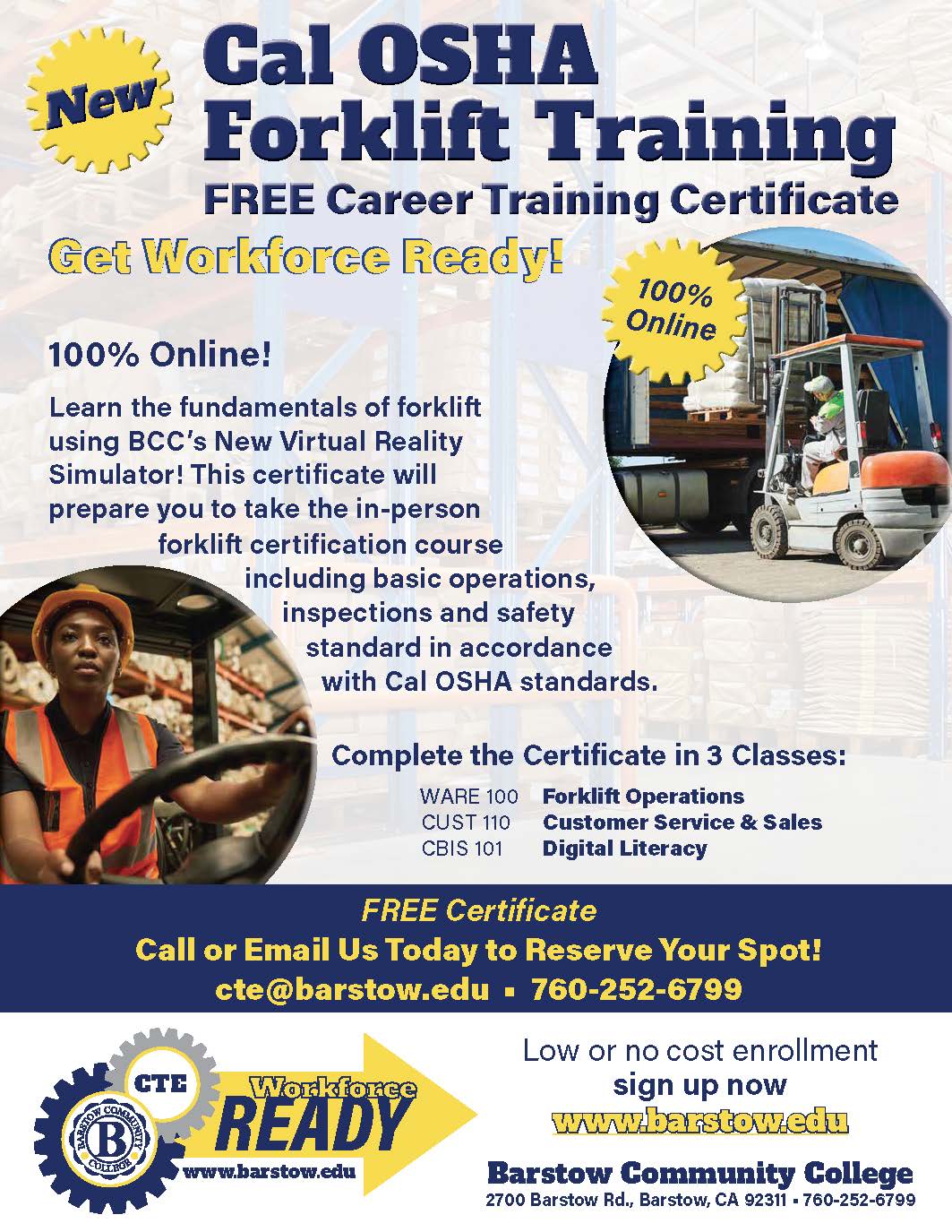
Source : barstow.edu
Okay, “free” and “forklift certification” together? It sounds like a unicorn, right? But trust me, it’s not entirely a fantasy. You just have to know where to look and be a little patient. Often, “free” comes with a catch, usually a commitment to work for someone.
Temporary Employment Agencies and Their Offers
Many staffing or temp agencies will offer to train and certify you for free, but here’s the deal: you have to work for them, placed at one of their client sites. It’s a win-win for them. They get a certified worker they can place, and you get your training paid for. Just make sure you understand the commitment before you sign up. You might be tied to them for a bit.
Community Colleges and Workforce Development Programs
Don’t sleep on your local community college or workforce development centers. Sometimes these places receive grants or have special programs designed to get people trained for in-demand jobs, like forklift operators. Call them up. Ask specifically about any forklift training grants or low-cost options they might have. It varies wildly by location, but it’s always worth a shot.
Employer-Sponsored Training: The Most Common “Free” Route
Honestly, the most common way people get forklift certified for “free” is by having their employer pay for it. If you’ve already landed a job that requires a forklift operator, and they’re not providing the training, that’s a bit unusual. Most companies recognize the need and will get you trained. Just have a conversation with your hiring manager. It’s part of the onboarding process for many roles. You show up, they train you. It’s that simple.
Government Assistance and Vocational Rehabilitation
Depending on your situation, you might qualify for government assistance programs. If you’re receiving unemployment or are part of a vocational rehabilitation program due to a disability, these avenues can sometimes cover the cost of training. It’s a long shot for some, but Needed to check if you fall into those categories. These programs exist to help people get back to work, and forklift certification is often a key to unlocking those opportunities.
How Much Does Forklift Certification Cost For Individuals
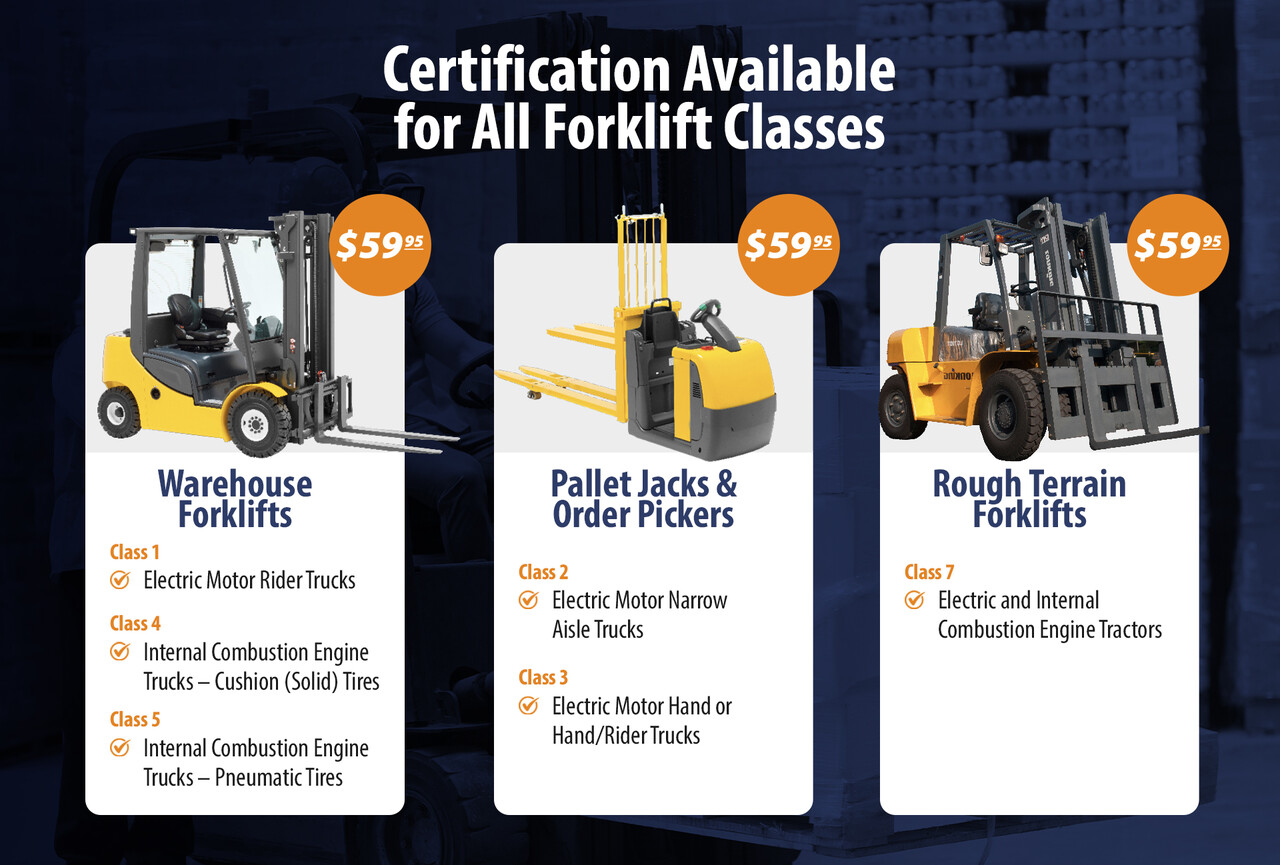
Source : certifyme.net
Alright, let’s talk brass tacks. How much is this going to set you back, especially if you’re footing the bill yourself? The price can bounce around quite a bit, depending on a few key factors. It’s not a fixed price tag, that’s for sure.
Typical Price Ranges for Forklift Training Courses
Generally, you’re looking at anywhere from $100 to $500 for an individual looking to get certified. Some very basic online-only courses might be cheaper, maybe $50-$75. But remember what I said earlier—those often lack the Key hands-on evaluation. For a Full program that includes both classroom/online theory and the practical assessment, expect to shell out more. Think closer to the $200-$400 mark for a solid course.
I saw one place online offering “certification” for just $30. Sounded too good to be true, and guess what? It was. They didn’t do the hands-on part, and the employer wouldn’t accept it. So, you really do get what you pay for when it comes to forklift certification cost.
Factors Influencing the Cost of Certification
What makes one course pricier than another? Well, a few things. The type of forklift you’re training on matters. Training on a basic sit-down counterbalance is usually cheaper than specialized equipment like a reach truck or an order picker. Also, whether the course is online-only versus in-person with a practical component makes a huge difference. Location can play a role too; training in a major metropolitan area might cost more than in a smaller town. And don’t forget the provider’s reputation – established schools often charge a premium.
Comparing Online vs. In-Person Training Costs
As a general rule, online forklift training tends to be less expensive upfront. You save on instructor time and facility costs. However, remember that you’ll likely still have to pay separately for your practical evaluation, which can add a hundred bucks or so. In-person courses, which bundle everything together, might seem more expensive initially, but they often provide a more complete experience and immediate feedback. It’s a trade-off between convenience and potentially a more thorough, all-inclusive learning environment.
Hidden Fees and What to Watch Out For
Be vigilant about potential hidden fees. Some providers might charge extra for the certification card itself, for study materials, or for rescheduling your practical test. Always ask for a complete breakdown of what’s included in the advertised price. A truly transparent provider will lay it all out. Don’t get surprised with a bill for something you didn’t expect. Always clarify the total cost for certification.
| Training Type | Typical Cost Range (USD) | Pros | Cons |
|---|---|---|---|
| Basic Online Course (Theory Only) | $50 – $150 | Flexible, self-paced, cheapest upfront. | Requires separate practical evaluation (additional cost), may not be sufficient alone. |
| Full Online + Practical | $150 – $350 | Includes theory and hands-on assessment, often more convenient than in-person. | Requires scheduling for practical session, quality can vary. |
| In-Person Classroom + Practical | $200 – $500+ | Direct instructor interaction, immediate feedback, all-inclusive. | Less flexible scheduling, requires travel, potentially higher cost. |
| Employer-Sponsored Training | $0 (for employee) | No cost to employee, job-specific training. | Requires employment first, tied to the employer’s training standards. |
How Long Is A Forklift Certification Good For Before Renewal
Source : certifyme.net
This is a question that trips a lot of people up, and the answer isn’t as simple as a fixed date. The reality is, OSHA forklift certification doesn’t have a mandatory expiration date that applies to everyone, everywhere. It’s more about competency than a calendar. But, and this is a big but, many employers and specific industries have their own renewal requirements.
OSHA’s Stance on Certification Expiration
Here’s the official word from OSHA: they require operators to be certified, and that certification must be renewed if the operator has been observed operating unsafely, has been involved in an accident, has a condition that could affect their ability to operate safely, or if their job requirements change. They don’t say “you must renew every two years.” It’s performance-based. If you’re doing your job right, safely, and competently, your certification technically doesn’t “expire” under OSHA’s primary mandate.
Employer Requirements and Industry Standards
This is where things get practical. While OSHA might not have a hard expiration, your employer almost certainly will. Why? Because they need to Make sure their workforce is consistently up-to-date on safety procedures and hasn’t developed bad habits. Many companies mandate renewal every 1, 2, or 3 years. It’s just good risk management. Think of it like renewing your driver’s license; even if you’re a perfect driver, there’s a renewal date.
My cousin works in a large distribution center, and they make everyone recertify every 18 months. Doesn’t matter if you’ve been operating forklifts for 20 years. It’s their policy to keep things fresh and Make sure everyone’s on the same page with safety protocols. It might seem like a hassle, but it’s often about maintaining forklift safety.
What Triggers a Required Renewal (Beyond Time)
As I mentioned, it’s not just about the clock ticking. If you have a near-miss incident (or worse, an actual accident), you’ll likely need retraining and recertification. If your supervisor notices you cutting corners or operating recklessly – maybe you’re consistently parking in the wrong spot or not doing your daily checks – that’s another trigger. Also, if you switch to operating a different type of forklift that requires different skills or knowledge, that could necessitate a renewal or additional training. Basically, any significant change in your performance or job scope can prompt a certification renewal.
The Benefits of Proactive Refresher Training
Even if your employer doesn’t mandate it, seeking out refresher training periodically is a smart move. The warehouse environment changes, new equipment comes out, and best practices evolve. Staying sharp keeps you employable and, more importantly, keeps you and everyone around you safe. It’s an investment in your career and your well-being. Don’t wait for a problem to arise; stay ahead of the curve. Think of it as sharpening your saw, constantly.
Steps To Become Forklift Certified Through Your Employer
Source : blog.rbauction.com
So, you’ve landed a job that needs a forklift operator. Awesome! Now, how do you actually get that certification through your new gig? It’s usually pretty streamlined, and the best part is, you’re getting paid while you learn. It’s the ideal scenario, honestly. You don’t have to hunt around for training; they bring it to you.
The Initial Conversation: Informing Your Employer
When you accept a job offer that involves forklift operation, you should have a clear understanding of the training process. If it’s not explicitly stated, don’t be shy! Ask your hiring manager or HR representative about their company’s policy on forklift certification. They should tell you if they provide in-house training, use a third-party vendor, or expect you to arrive with certification already. Most reputable employers will handle it for you, especially if it’s a requirement for the role.
Understanding Your Employer’s Training Program
Once they confirm they’ll provide the training, find out the specifics. Will it be done by a dedicated internal trainer? Will you be sent to an external facility? How long will it take? What types of forklifts will you be trained on? Knowing the details helps you prepare mentally and practically. Some companies might even give you study materials beforehand. Don’t underestimate the value of this employer-provided training; it’s often tailored to their specific workplace and equipment, which is incredibly useful.
My neighbor started a job at a huge Amazon warehouse. On his first day, they didn’t throw him onto a forklift. Nope. He spent a few hours in a classroom learning their specific safety rules, then went out to a designated training area with a certified supervisor. He drove around for a couple of days, getting pointers. They handled the whole employer forklift training process.
The Practical Assessment and On-the-Job Evaluation
Just like any other certification, there will be a practical evaluation. Your employer will have a designated supervisor or trainer assess your ability to safely operate the forklift in their specific work environment. This might involve a skills test in a controlled area or direct observation as you perform your job duties. They’re looking for safe maneuvering, proper load handling, awareness of your surroundings, and adherence to company policies. Passing this assessment is key to getting your official forklift operator certification.
Receiving Your Certification Documentation
After successfully completing the training and passing the evaluation, your employer will provide you with the necessary documentation. This typically includes a wallet-sized card and sometimes a certificate stating that you are a certified forklift operator. Make sure you get this paperwork! It’s proof of your qualification. Keep it safe, and know that it usually has an expiration date set by the company, which brings us back to those renewal discussions. It’s your ticket to operating safely and legally on the job.
Frequently Asked Questions
Is becoming forklift certified hard?
Honestly, it’s not that bad. Most people find the forklift certification process pretty straightforward. You’ll have some classroom time, maybe watch a video or two, and then a practical test. Think of it like getting your driver’s license – some studying, a bit of driving practice, and you’re good to go. Don’t sweat it too much!
How much does it cost for a forklift training?
The price can really swing depending on where you go. You might see training costs anywhere from under $100 to a few hundred bucks. Some employers will foot the bill for you, which is obviously the best deal. But if you’re paying out of pocket, budget around $150-$300 to be safe. It’s a small price for a solid skill.
What is the highest pay for a forklift job?
That’s a loaded question! The highest forklift pay can really get up there, especially if you’re in a specialized role or a high-cost-of-living area. We’re talking $25-$30 an hour, maybe even more for supervisors or those with unique certifications. But for a standard operator, think more like $18-$22 an hour to start. It’s decent money for the work.
Does it cost money to become forklift certified?
Yep, usually. While some employers cover it, if you’re on your own, expect to shell out some cash for the forklift certification course. It covers the training materials, instructor time, and the official certification itself. Like I said before, it’s typically a few hundred dollars, but consider it an investment in your earning potential.
How long does forklift certification last?
Most forklift certifications are valid for about two to three years. After that, you’ll need to get recertified. It’s usually a shorter process than the initial training, often focusing on refreshers and any new safety regulations. Keeping your certification current is key to staying employed.
