Okay, so you’re thinking about getting first aid certified, huh? Good for you. Seriously.
In this crazy world, knowing how to handle a crisis isn’t just a nice skill to have; it’s practically a superpower.
Forget just reading about it. We’re diving deep.
Why Bother With First Aid Certification?
More Than Just a Piece of Paper
Look, anyone can slap a bandage on a cut. But what happens when it’s more serious? We’re talking about genuine emergencies.
First aid certification isn’t just about learning the ‘how-to’ of medical basics; it’s about building the confidence to act when everyone else is frozen.
It’s that split second where you can make a monumental difference.
Everyday Heroes Need Training
It. Who’s usually around when something goes wrong? It’s usually just regular folks. Like you. Or me.
Maybe it’s a soccer mom at the park, a dad at a barbecue, or an office worker during a lunch break.
Becoming certified means you’re not just a bystander; you’re a potential lifesaver.
Job Opportunities and Requirements
Let’s be real, a lot of jobs actually require this. Especially if you’re working with kids, in healthcare, or even in certain construction roles.
Having that little card can open doors you never even knew existed.
It signals responsibility. It shows you’re prepared.
Peace of Mind, For Real
Honestly? There’s a huge psychological benefit here. Knowing you have the skills to help someone in distress is huge.
It’s not about bragging rights; it’s about knowing you won’t be useless when panic hits.
Personal preparedness is key.
A Quick History Lesson (The Not-So-Boring Kind)

Source : americanhealthtraining.com
From Battlefield to Backyard
First aid, believe it or not, has roots way back in military medicine. Think battlefield triage. Quick, life-saving interventions.
Inventors like Dominique Jean Larrey during Napoleon’s campaigns really pioneered this whole idea of rapid medical care on the front lines.
It was all about getting soldiers the help they needed fast.
The Red Cross and Beyond
Then came folks like Clara Barton, founding the American Red Cross. Suddenly, the focus shifted. It wasn’t just about soldiers anymore.
The idea was to bring these Needed skills to the general public. Everyday people helping everyday people.
This move was massive. It democratized emergency care, essentially.
Evolution of Standards
Over time, our understanding of medicine grew, and so did first aid training. What was Latest 50 years ago is now standard.
Protocols for CPR, bleeding control, dealing with shock – they’ve all been refined.
Organizations constantly update their guidelines based on the latest research.
What Exactly Is First Aid Certification?
Source : respondandrescue.com
It’s Not Just a Degree
First off, it’s not like getting a college degree. This is practical, hands-on training designed for immediate use.
You learn critical skills, and then you prove you can do them under pressure (well, simulated pressure).
Think of it as emergency response 101.
The Core Skills You’ll Grab
So, what do they actually teach you? A ton, but here’s the gist.
You’ll learn how to handle things like serious bleeding, choking emergencies, heart attacks, strokes, and even basic wound care.
CPR and AED use are almost always a central part of any certification course. This is non-negotiable.
Different Flavors of Certification
It’s not a one-size-fits-all deal. You’ve got options.
There’s basic first aid, which covers the essentials. Then there’s CPR/AED certification, often bundled.
You can also find specialized courses – like pediatric first aid for parents or babysitters, or wilderness first aid for hikers and campers.
How Long Does It Last?
Here’s the kicker: it’s not for life. Most first aid certifications expire. Usually after two years.
Why? Because medicine evolves. Skills can fade if you don’t practice or refresh them.
You’ll need to take a recertification course periodically to keep your skills sharp and your certification valid.
Choosing Your First Aid Training Provider

Source : aed.com
The Big Names in the Game
When you’re looking for a class, a few organizations pop up again and again. The American Red Cross is probably the most well-known. They have classes all over the country.
Then there’s the American Heart Association (AHA), which is particularly strong on the CPR and cardiac emergency side of things.
Local fire departments, community colleges, and even some large employers sometimes offer training too.
What Makes a Good Course?
Okay, so how do you pick? Look for a few things. Hands-on practice is Key. You need to actually do the compressions, not just watch a video.
Make sure the instructor is certified and experienced. A good teacher makes all the difference.
And check the course content. Does it cover what you actually need to know for your life? For parents, that means pediatric focus.
Online vs. In-Person (The Big Debate)
You’ll see a lot of online options. Some offer a hybrid approach – you do the theory online, then attend a short in-person session for the practical skills test.
While online learning is convenient for the knowledge part, practical skills really need that in-person component. You can’t practice chest compressions on your couch effectively.
For true certification, you almost always need that face-to-face evaluation.
Cost Considerations
Prices vary wildly. You might find a basic course for $30-$50, while a more Full or specialized one could be $100 or more.
Don’t just go for the cheapest. Think about the value. What are you getting for your money?
Quality training is worth the investment.
Getting Started: Your Actionable Checklist

Source : docs.userpilot.com
Step 1: Figure Out Your ‘Why’
Seriously, why do you want this? Is it for work? For personal safety? For your family?
Watch: How to get CPR and First Aid Certification?
Knowing your motivation helps you choose the right type of course. A lifeguard needs different training than a preschool teacher.
This initial step is surprisingly important.
Step 2: Research Local Providers
Hit the web. Search for “first aid classes near me.” Check out the websites of the Red Cross, AHA, and any local community centers or hospitals.
Look at their schedules. Do they fit your availability?
Don’t just book the first thing you see. Compare offerings.
Step 3: Understand Course Requirements
What’s involved? How long is the class? Do you need to bring anything? Is there any pre-work?
Some courses might have prerequisites, especially advanced ones. Make sure you meet them.
Confirm the certification you’ll receive and its expiration date.
Step 4: Register and Prepare
Once you’ve chosen, sign up! Often you can do this right online. If you’re looking for official Red Cross courses, you can explore options like those mentioned on their site here: first aid certification options.
Read any pre-course material they send you. Get your head in the game.
Show up ready to learn and participate. Ask questions!
Alright, so you’ve got the lowdown on why being first aid certified is a no-brainer. But now comes the real stuff: where do you actually get this magical piece of paper? And how much is this gonna set you back? Let’s break it down, no fluff.
Where To Get First Aid Certified For Babysitting

Source : americanhealthtraining.com
Thinking about babysitting? Smart move. Parents are gonna love knowing you’re prepped for the unexpected. It’s not just about playing with the kids; it’s about keeping them safe. Seriously, a little training goes a long way. Don’t just wing it. These little humans are precious cargo!
Local Community Centers & Youth Groups
Some community centers and even places like the YMCA or local scout troops offer first aid courses specifically geared towards babysitters. They often bundle it with CPR, which is a massive plus. It’s usually pretty affordable too, especially if you’re a member.
Online Providers with In-Person Skills Checks
You can find tons of online first aid courses that cover the theory. But here’s the kicker for babysitting: you’ll almost always need a hands-on skills session. Many providers offer this as a separate component, so you get the flexibility of online learning but still nail the practical stuff.
Pediatric First Aid Specialized Courses
Look for courses specifically branded as “Pediatric First Aid.” These are gold for anyone looking after children. They cover common childhood injuries and illnesses – think choking on small toys, allergic reactions, or fevers. Some organizations even offer certifications that are recognized by babysitting agencies.
How To Get CPR And First Aid Certified Online Same Day
Source : aedcpr.com
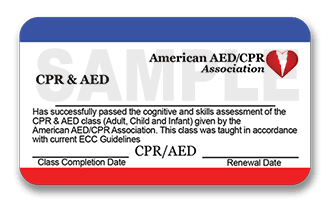
Life moves fast, right? Sometimes you need that certification yesterday. And yeah, it’s totally possible to knock out both CPR and first aid online and get your certificate on the same day. But pay attention – not all online certs are created equal.
Understanding Online vs. Blended Learning
Here’s the deal: most reputable organizations offer a “blended learning” approach for same-day certification. This means you do the bulk of the learning – the reading, the videos, the quizzes – online. Then, you head to an approved location for a short, in-person skills check.
Choosing Accredited Online Providers
When you’re searching for that online CPR and first aid course, make sure the provider is accredited by a recognized body. Think along the lines of the American Heart Association (AHA) or the American Red Cross. If they aren’t, that certificate might not be worth the digital paper it’s printed on, especially for work.
The Skills Check: Key for Certification
That same-day part? It hinges on completing the skills check. Once you nail that practical session after your online course, they can often issue your official first aid certification right then and there. It’s efficient, for sure.
How Much Does Basic First Aid Certification Cost
Source : cprcertified.com
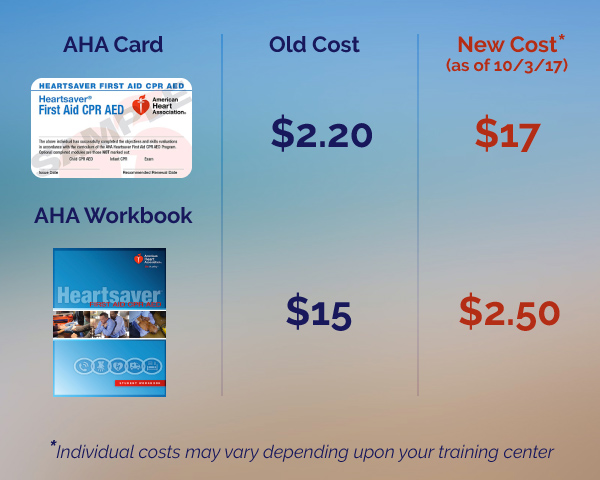
Okay, let’s talk brass tacks. How much green are we talking? The cost can seriously swing depending on where you go and what type of certification you need. It’s not a one-size-fits-all price tag, unfortunately.
Factors Influencing Certification Costs
Several things bump the price up or down. Location plays a role, as do the specific organizations offering the training. A Full course covering multiple scenarios will naturally cost more than a basic refresher. Think about it: more training equals more value, right?
Typical Price Ranges for Courses
You’re generally looking at anywhere from $50 to $150 for a standard basic first aid certification course, often bundled with CPR. Some specialized courses, like advanced first aid or wilderness first aid, can easily jump to $200 or more. It’s an investment, but a Key one.
Are There Free or Discounted Options?
Sometimes! Check with local non-profits, community centers, or even your employer. Many companies offer to pay for it as part of employee training. You might also find grants or scholarships available for certain groups. It never hurts to ask around.
Cost Comparison Table
Here’s a rough idea of what you might expect to shell out:
| Course Type | Typical Price Range | Includes | Notes |
|---|---|---|---|
| Basic First Aid (Online/Blended) | $50 – $100 | First Aid Basics, CPR (often Basic Life Support) | Requires in-person skills check for full certification. |
| Standard First Aid & CPR (In-Person) | $75 – $150 | Full First Aid, CPR (often Professional Rescuer Level) | Hands-on training, usually takes a full day. |
| Pediatric First Aid | $60 – $120 | Child/Infant specific emergencies, CPR | Ideal for babysitters, parents, teachers. |
| Advanced/Wilderness First Aid | $150 – $500+ | Extended care, remote settings, complex injuries | Often multi-day courses. |
Red Cross First Aid Certification Valid For Workplace
Source : redcross.org
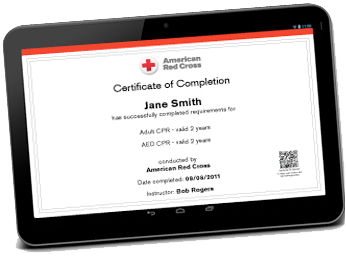
So, you got your Red Cross certificate. Awesome. But will your boss actually accept it? Short answer: usually, yes. The Red Cross first aid certification is pretty widely recognized, especially in many professional settings.
Red Cross as an Industry Standard
The American Red Cross is a big name in emergency preparedness. Their training programs are designed to meet or exceed national standards. Many employers rely on the Red Cross certification because it signifies a certain level of competence and adherence to established protocols.
Workplace Requirements & Recognition
For most typical office jobs, retail positions, or even many healthcare support roles, a standard Red Cross first aid certification is perfectly fine. They cover the essentials employers need their staff to know.
When You Might Need Something More
Now, if you’re in a high-risk industry – think construction, heavy manufacturing, or certain emergency services – your employer might require a more advanced or specialized certification. This could be something like OSHA-approved training or specific wilderness first responder courses. Always check with your HR department or supervisor to be sure.
How Long Does A Standard First Aid Certification Last
Source : c2cfirstaidaquatics.com
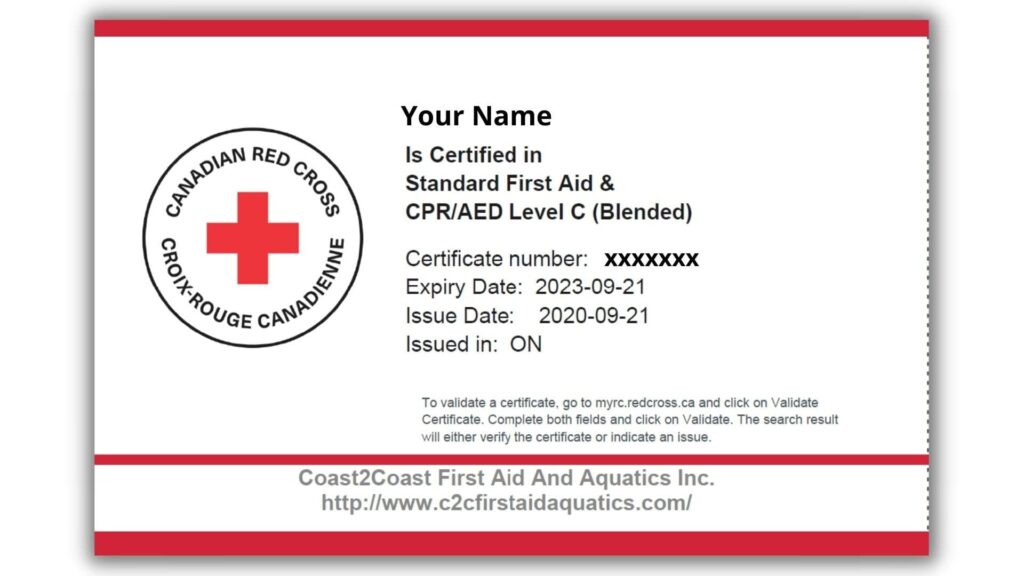
That shiny first aid certification you worked hard for? It’s not permanent, unfortunately. Like milk in the fridge, it has an expiration date. You’ll need to refresh your skills periodically.
The Standard Recertification Period
For most organizations, including the Red Cross and American Heart Association, a standard first aid certification is valid for about two years. After that, you’ll need to take a renewal or recertification course to keep your skills sharp and your certificate active.
Why Recertification Matters
Medicine and emergency procedures evolve. Recertification courses Make sure you’re up-to-date with the latest techniques and guidelines. It’s not just a bureaucratic hoop; it’s about making sure you’re providing the best possible care when it counts. Staying current is key.
Consequences of an Expired Certification
An expired certificate means you’re no longer officially certified. This can be a problem if your job requires it. You might not be allowed to work in certain roles, or you could face liability issues if something happens and you weren’t properly certified. Don’t let it lapse!
So there you have it. Getting certified is a process, sure, but it’s totally doable and absolutely worth it. Now go get that training!
Frequently Asked Questions
How long does it take to be first aid trained?
Honestly, it varies. Most basic first aid courses are pretty short, like a single day. Some can be done in a few hours online, but honestly, you need the hands-on stuff. More advanced stuff? That takes longer, maybe a couple of days. It’s not rocket science, but you want to get it right, you know?
How do I get certified to teach first aid?
Whoa, that’s a jump! Usually, you need to have been a certified instructor for a while with a recognized org. Think American Red Cross or American Heart Association. You’ll need to take specific instructor training courses. It’s a whole different ballgame than just knowing first aid. You’ve gotta be good at teaching and keeping people engaged, not just good at bandages.
Is first aid 2 or 3 years?
That’s about the certification validity period. Most standard certifications, like for CPR and basic first aid, are good for two years. Some might stretch to three, but you’ll definitely need to recertify. Best to check with the specific organization you got certified through. Don’t let yours expire – that’s just silly.
Can first aider administer aspirin?
This is a tricky one and depends heavily on the specific training and local regulations. Generally, for basic lay responder certifications, you’re taught to manage emergencies and call for professional help. Administering medication like aspirin often falls outside the scope unless you have specific medical training or it’s part of a protocol you’re authorized to follow. Always stick to your training and never give meds unless you’re absolutely sure it’s allowed and appropriate. Better safe than sorry, right?
What’s the difference between first aid and CPR certification?
Good question! They often go hand-in-hand, but they’re not the same thing. CPR certification is all about chest compressions and rescue breaths to keep someone’s heart and lungs going when they stop. First aid is broader; it covers a ton of stuff like treating cuts, burns, breaks, shock, and allergic reactions. You usually get both together, but they focus on different life-saving skills.
