Forget wading through endless jargon and confusing government websites. Let’s cut to the chase about getting that coveted OSHA certification. It’s not just a piece of paper; it’s your ticket to a safer workplace and frankly, a more respected professional standing.
Look, I’ve seen too many folks get caught up in the red tape. They think it’s some monumental task, reserved for safety officers and corporate types. Nah. It’s for anyone serious about their job.
This isn’t about ticking boxes; it’s about genuinely understanding how to prevent accidents before they even think about happening. We’re talking about protecting yourself, your colleagues, and even the bottom line of your business. Because nobody, and I mean nobody, wants to deal with a preventable injury.
The Real Deal About OSHA Certification
So, what’s the big fuss about OSHA certification? It’s basically the government’s stamp of approval, saying you’ve completed specific training to recognize and Reduce workplace hazards. Think of it as your official badge of honor in the safety world.
Why Bother With Training? It’s Not Just a Rulebook
Honestly, some people see it as just another hoop to jump through. But here’s the truth: effective safety training isn’t just about memorizing regulations. It’s about developing a safety-first mindset. It’s about spotting that loose wire before someone trips, or noticing that chemical isn’t being stored correctly.
It transforms you from someone who works on a site to someone who manages risk on a site. That’s a huge difference. A difference that keeps people safe and businesses humming.
Beyond Compliance: The Actual Benefits
Sure, compliance is the bare minimum. But let’s talk about the real juice. When you’re OSHA certified, you instantly boost your credibility. Employers love seeing that on a resume. It signals you’re proactive, responsible, and frankly, less likely to cause them headaches.
Plus, you become an Crucial asset to any team. You’re the one people can turn to with safety questions. You’re the one who can spot potential dangers others miss. That’s not just good for business; it’s good for your career progression.
Understanding the Different Levels: It’s Not One-Size-Fits-All
Here’s where it gets a little nuanced, but don’t let that scare you. OSHA doesn‘t have one single ‘certification’ for everyone. It depends on your industry and your role. Are you in construction? General industry? Maritime? Each has its own set of required or recommended training.
For instance, the highly regarded OSHA Certificate Program is designed for those who want to demonstrate significant commitment to workplace safety and health. But there are shorter courses, too.
Handling the OSH Act: A Crash Course
Source : oshaeducationcenter.com
Okay, so you’ve heard of OSHA, but what’s the actual legal foundation? It all stems from the Occupational Safety and Health Act of 1970. This groundbreaking piece of legislation basically said employers have a fundamental responsibility to provide a safe working environment.
It wasn’t just about setting standards; it was about creating an agency—OSHA—to enforce them. And part of that enforcement, and more importantly, prevention, comes through training.
The Employer’s Role: More Than Just a Paycheck
Under the OSH Act, employers are legally obligated to provide a workplace free from recognized hazards. This means they have to identify potential dangers, implement controls, and yes, train their employees on how to stay safe. It’s a partnership, really.
They’re supposed to supply the necessary safety gear, Make sure machinery is maintained, and provide Full training programs. Ignoring these duties isn’t just bad practice; it’s a recipe for fines and, worse, accidents.
Your Rights as a Worker: You’re Not Helpless
And you, as the employee? You have rights too! You have the right to a safe workplace. You have the right to training that makes you aware of hazards. You have the right to report unsafe conditions without fear of retaliation.
This is Key. Knowing your rights empowers you to speak up. Don’t just stand by if something feels off. Your voice matters in maintaining a safe work environment.
OSHA’s Enforcement: Sticky Situations and Sticky Fines
Let’s be blunt: OSHA doesn’t play games. When they inspect a site and find violations, the fines can be Large. We’re talking thousands, even tens of thousands, of dollars for serious or willful violations.
These aren’t just random punishments; they’re designed to shock companies into taking safety seriously. A Large OSHA fine can cripple a small business, proving that proactive safety is far cheaper than reactive damage control.
What Does ‘Osha Certified’ Actually Mean?
Source : oshaeducationcenter.com
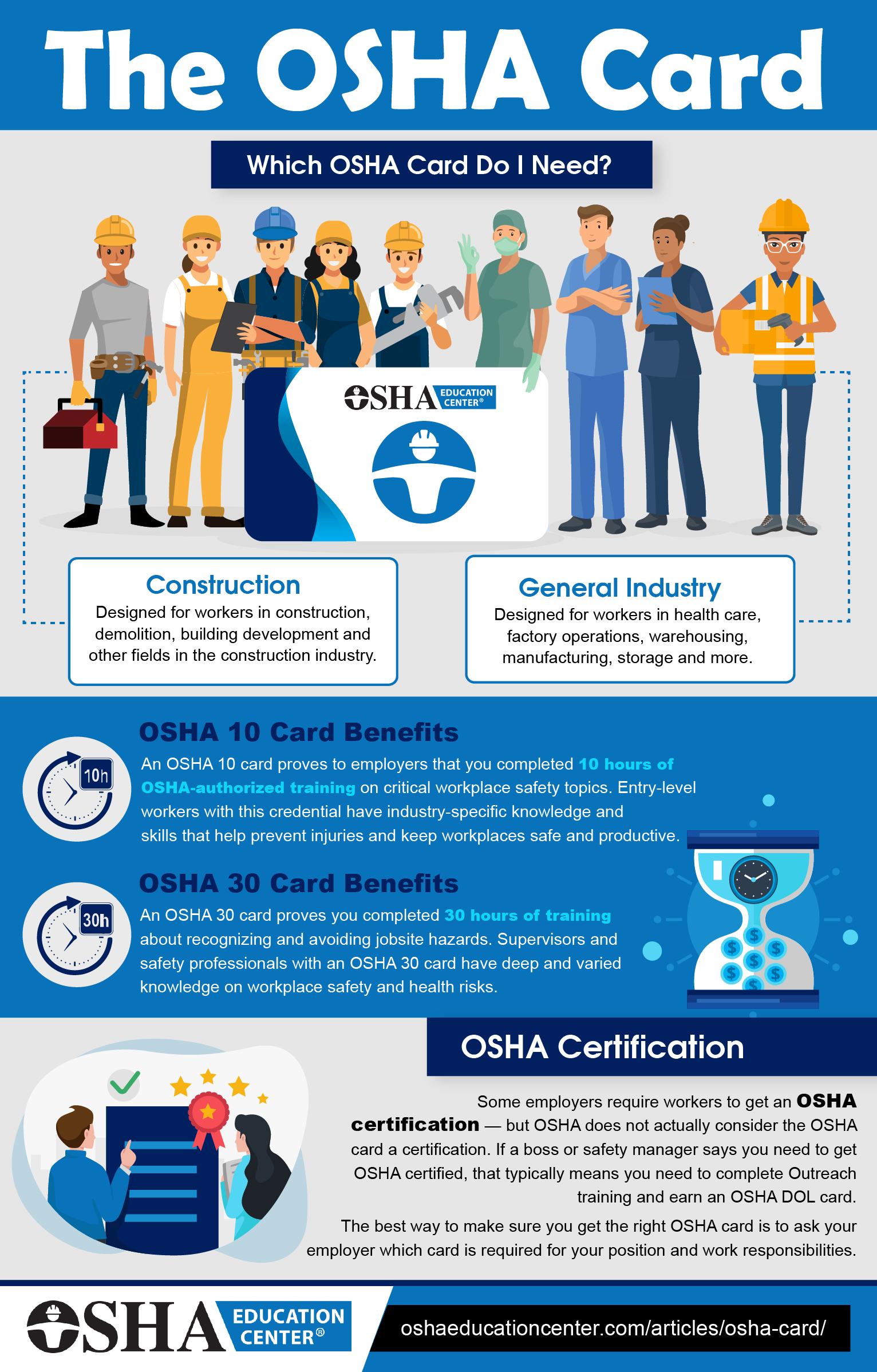
This is where confusion often creeps in. There isn’t a single, universal “OSHA Certified” card that applies to every job. Instead, OSHA offers various training programs, and successful completion earns you a certificate for that specific course.
So, when someone says they’re “OSHA Certified,” they typically mean they’ve completed one or more recognized OSHA training courses relevant to their field. It’s a mark of specific knowledge, not a blanket endorsement.
The Famous OSHA 10-Hour and 30-Hour Courses
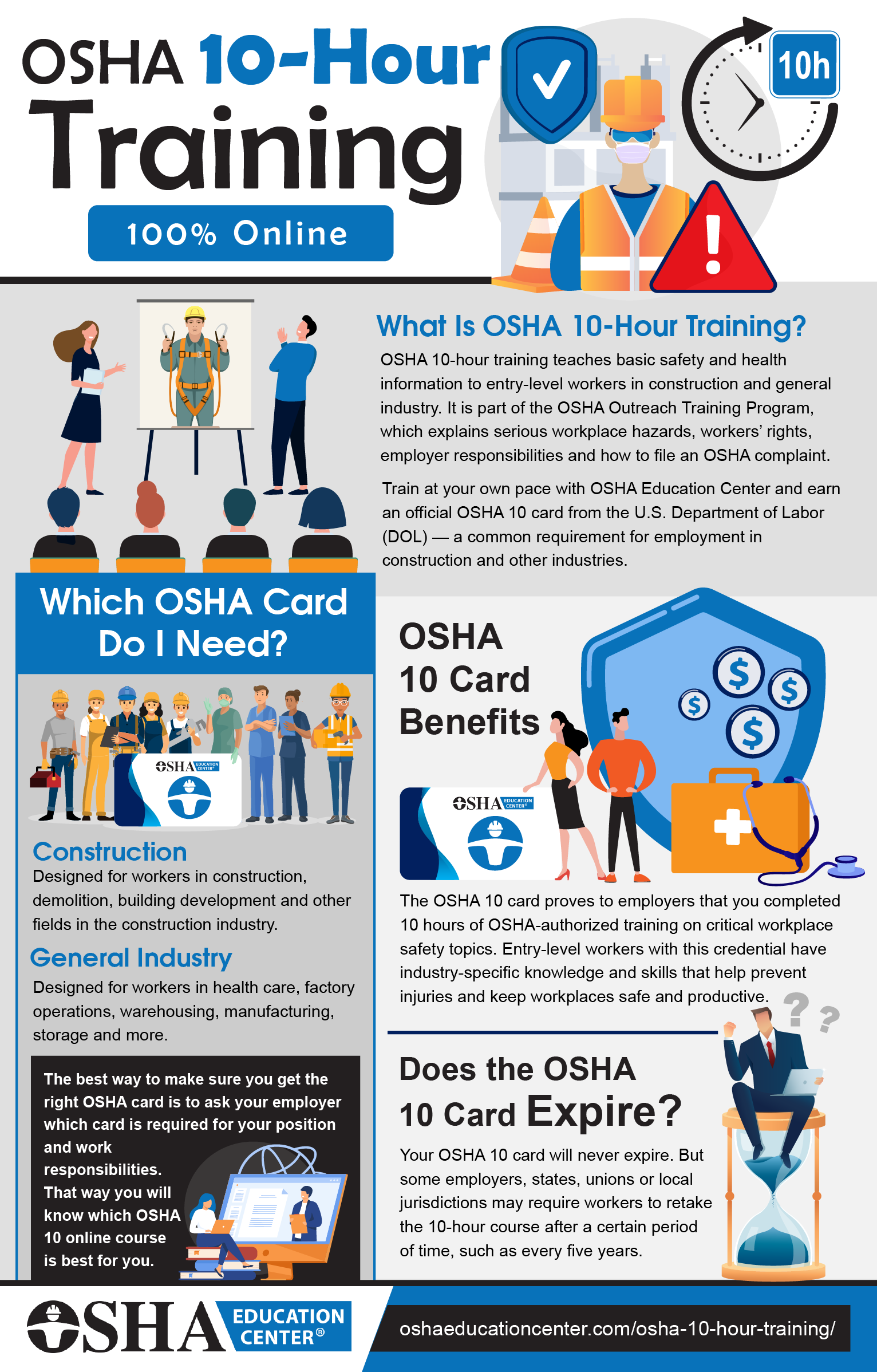
These are probably the most talked-about OSHA training programs. The OSHA 10-hour course is generally intended for entry-level workers, giving them a basic understanding of common workplace hazards. Think of it as the safety starter pack.
The OSHA 30-hour course, on the other hand, is geared towards supervisors, foremen, and those with some safety responsibility. It’s more in-depth, covering a wider range of hazards and compliance issues. It’s for people who need to actively manage safety, not just be aware of it.
Industry-Specific Training: Tailored Safety
Here’s the kicker: a construction worker needs different safety knowledge than a warehouse employee. That’s why OSHA offers numerous industry-specific training programs. Construction workers might focus on fall protection and scaffolding, while those in general industry might Look into machine guarding and hazard communication.
Choosing the right program is key. You don’t want to waste time learning about trenching safety if you’re working in a chemical plant. Getting relevant OSHA training is Top.
The OSHA Certificate Program: For the Dedicated Safety Pro
For those who really want to go the extra mile, there’s the formal OSHA Certificate Program. This isn’t just a single course; it’s a structured series of courses in specific OSHA standards. Completing this program signifies a deep commitment and broad expertise in occupational safety and health.
It’s a significant achievement and definitely sets you apart. It shows you’ve invested serious time and effort into mastering workplace safety principles. This is for the serious player.
Decoding the OSH Act Training Requirements
Source : safesitehq.com
Alright, let’s get down to brass tacks. What exactly does the law say about who needs what kind of training? It’s not always a straightforward directive handed down from on high. Often, it depends on the industry and the specific job you’re doing.
Watch: How to Get Your OSHA 10 Certification Online Fast & Easy
But the overarching principle is clear: if there’s a recognized hazard associated with your work, you need training to deal with it. Simple as that. Ignoring this is just asking for trouble.
When Is OSHA Training Legally Required?
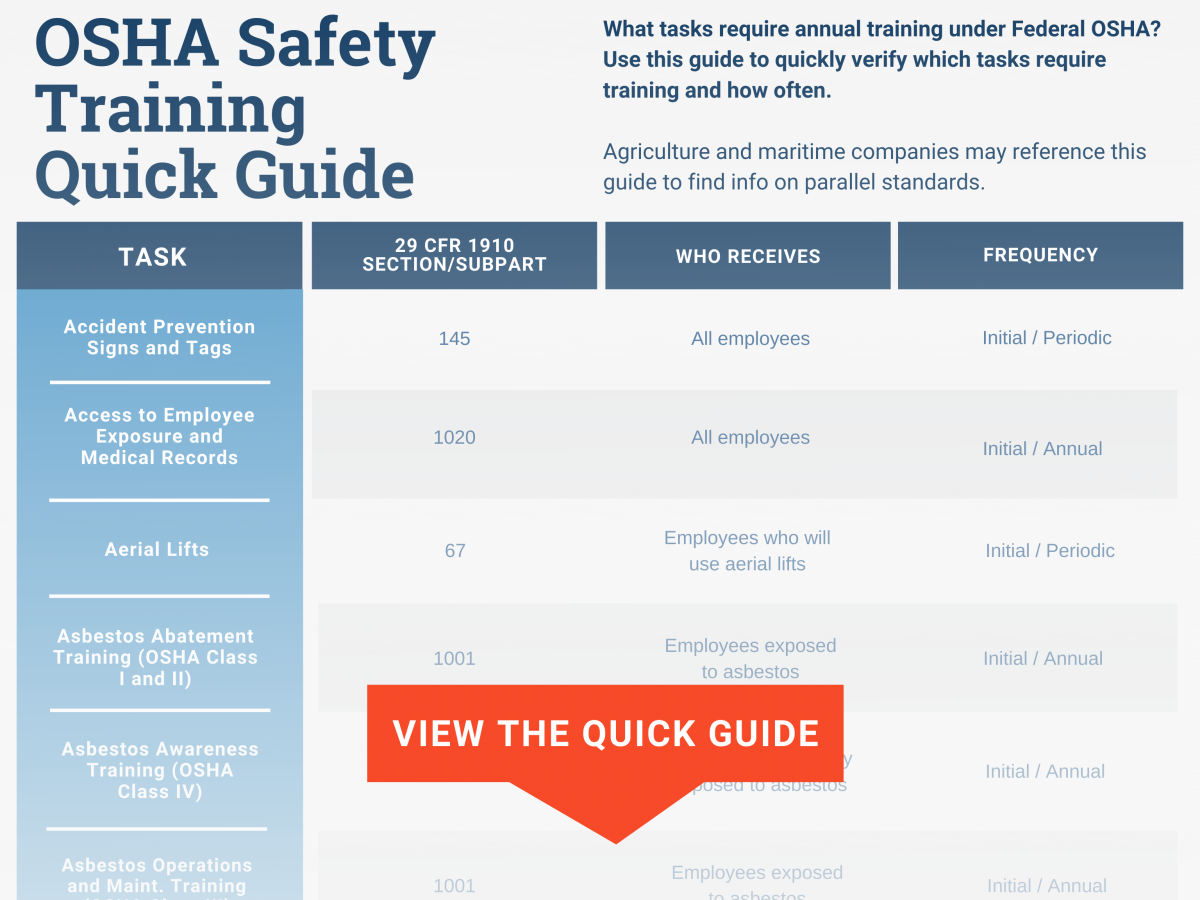
Federal OSHA standards mandate specific training for various hazards. For example, if your job involves working with hazardous chemicals, you’ll need training under the Hazard Communication Standard. Working with electrical equipment? Expect training on electrical safety.
Many states also have their own OSHA-approved State Plans, which might have additional or more stringent training requirements. So, it’s Key to know the rules specific to your location and industry. Mandatory OSHA training isn’t optional.
Common Industries Demanding Certification
Certain sectors are inherently riskier, making OSHA training practically a prerequisite for employment. Construction, manufacturing, healthcare, and warehousing consistently top the list of industries where OSHA compliance is heavily scrutinized.
If you’re aiming for a job in any of these fields, getting your OSHA 10 or 30-hour card before you even apply can give you a massive advantage. It shows you’re ready to hit the ground running, safety-conscious from day one.
Beyond the Basics: Specialized Hazard Training
We’ve touched on this, but it bears repeating. Basic awareness is one thing; dealing with a specific, acute hazard is another. Think confined spaces, lockout/tagout procedures for machinery, or respiratory protection.
These aren’t topics covered in a general 10-hour course. They require dedicated, specialized training modules. Failing to get this specific training when needed is a direct violation and incredibly dangerous. It’s about hazard-specific training.
Alright, let’s cut through the noise and get down to the nitty-gritty of actually getting that OSHA certification. We’ve talked about why it’s important, but now, how do you actually get it in your hands? This isn’t some mystical quest; it’s a process, and honestly, not a particularly difficult one if you know where to look. Think of it like getting your driver’s license – you gotta pass the test, and this is no different.
How To Get Osha 10 Hour Certification Online
Source : oshaeducationcenter.com
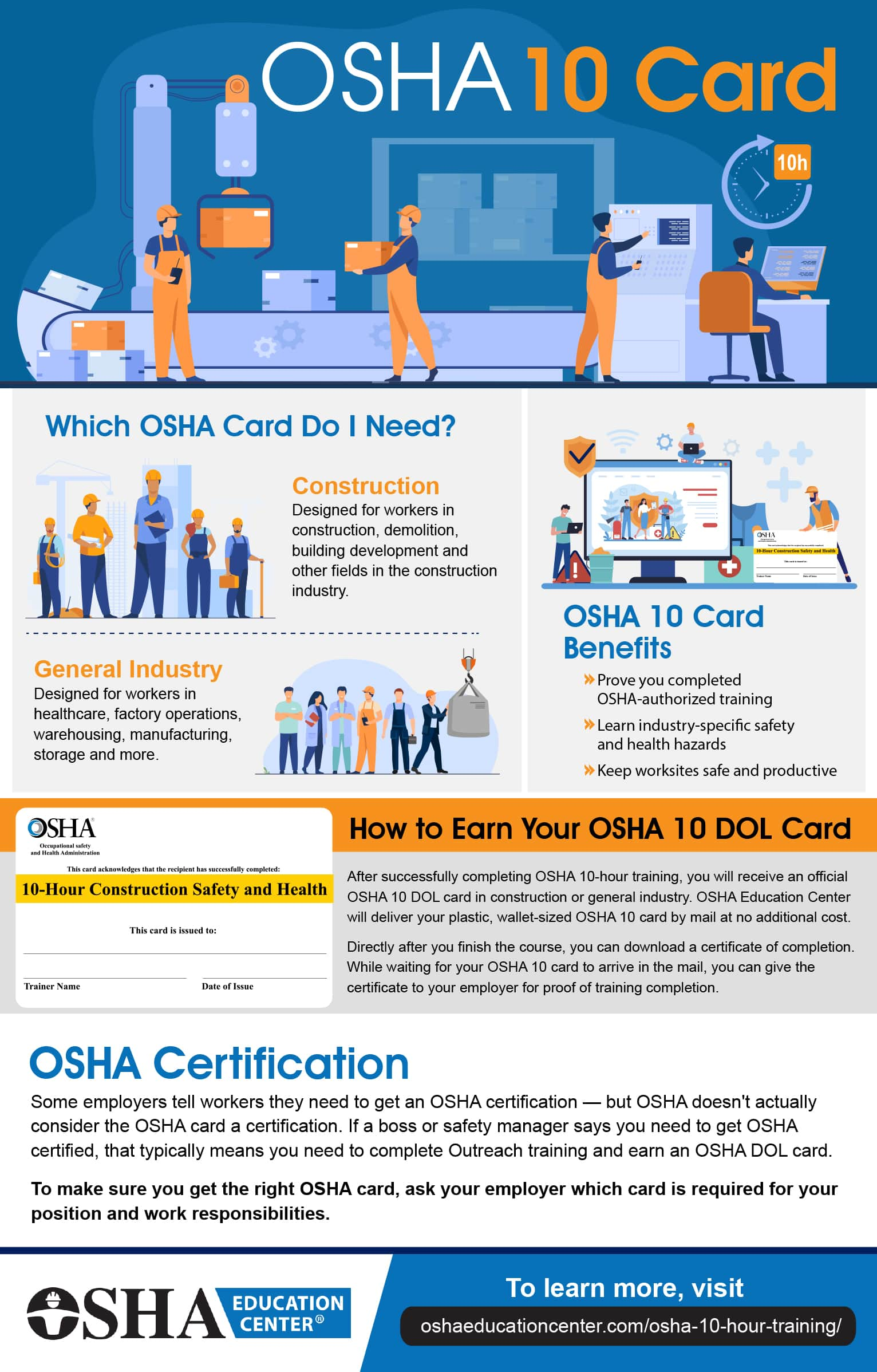
So, you’re looking to snag that OSHA 10-hour certification, and you want to do it from your couch? Smart move. The online route is ridiculously convenient, especially if you’ve got a demanding schedule. No need to book time off or drive across town. It’s all about fitting that Key safety knowledge into your life, whenever and wherever works best for you.
Choosing the Right Online Course Provider
This is where a lot of people get it wrong. Not all online courses are created equal, trust me. You need a provider that’s actually recognized by OSHA. Don’t just grab the cheapest one you see. Look for established names or ones that are listed on the official OSHA website. A legitimate provider means your certificate won’t be a worthless piece of paper.
Handling the Course Material
The 10-hour course is designed to cover the basics. You’ll hit topics like common workplace hazards, employee rights, and employer responsibilities. It’s broken down into modules, usually around 1-2 hours each. They’ll often use videos, quizzes, and sometimes even interactive elements. Just pay attention; it’s not rocket science, but understanding the material is key to passing the final exam.
The Final Exam and Certificate
Once you’ve slogged through all the modules, it’s time for the final test. These are typically multiple-choice and fairly straightforward if you’ve been paying attention. Most online courses allow you to retake it if you don’t pass the first time, which is a nice little safety net. After you pass, your OSHA 10 card (officially a completion card) will usually be mailed to you within a few weeks. Some providers offer a downloadable version sooner.
Difference Between Osha 10 And Osha 30 Certification
Source : oshatrainingschool.com
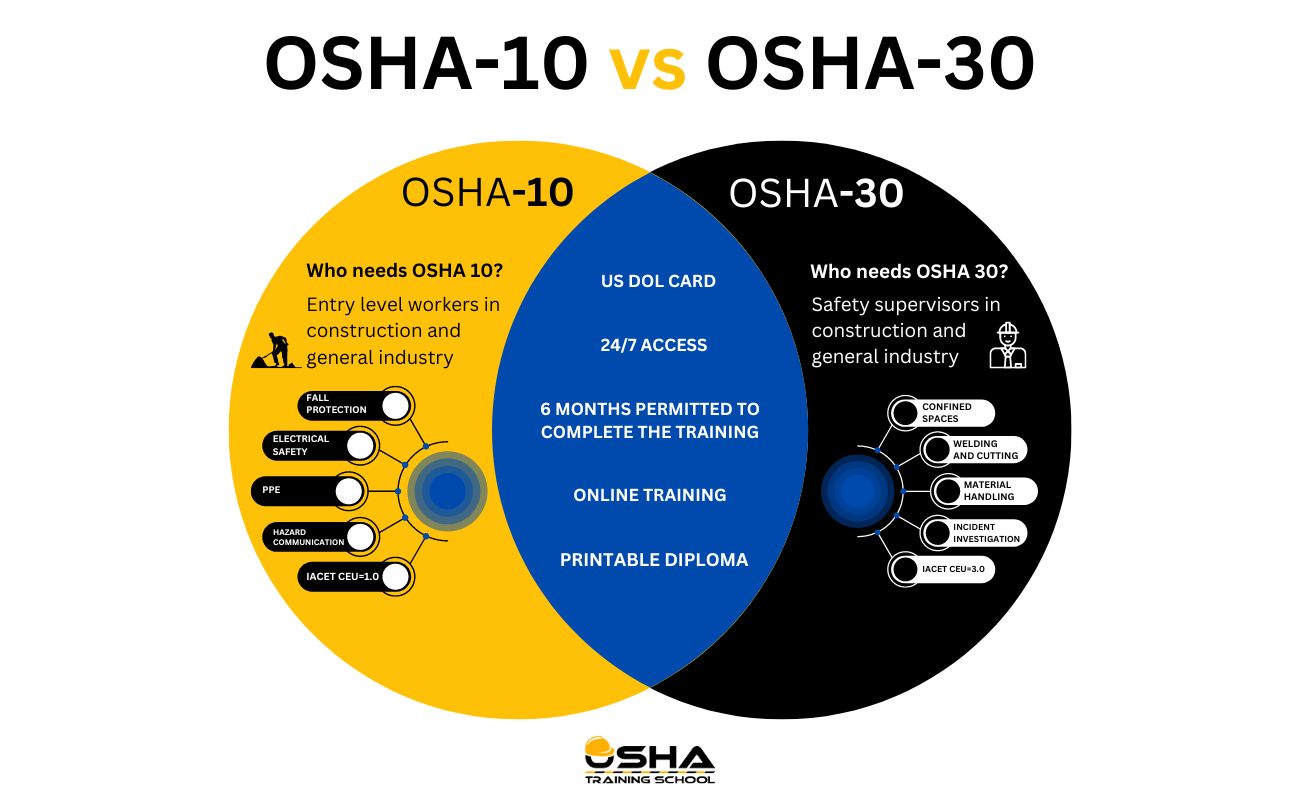
People get these two confused all the time, and it’s a pretty big deal. Think of OSHA 10 as the introductory safety course, and OSHA 30 as the in-depth masterclass. One’s for entry-level folks, the other for those in supervisory or higher-risk roles. The hours alone tell a big part of the story, but the content goes much deeper.
Target Audience and Scope
The OSHA 10 is generally aimed at workers who have entry-level positions or are new to the construction or general industry. It covers hazard recognition and avoidance. The OSHA 30, on the other hand, is designed for supervisors, foremen, and anyone with safety responsibilities. It goes into much greater detail on specific hazards, safety management systems, and regulatory compliance. More responsibility, more training.
Content Depth and Specificity
While both cover general safety principles, the OSHA 30 dives deep into more complex topics. You’ll find more specific information on things like fall protection, scaffolding, electrical safety, and hazardous materials in the 30-hour course. The 10-hour course provides a broader overview, touching on these but without the same level of detail. It’s like comparing a quick overview pamphlet to a Full textbook.
Industry Requirements and Recognition
In many industries, particularly construction, the OSHA 10 is the minimum requirement. However, some employers or specific projects might mandate the OSHA 30 for supervisors or even all workers. Having a 30-hour card signals a higher level of safety commitment and understanding. It can definitely open more doors for advancement. It’s a clear differentiator.
How Much Does Osha 30 Certification Cost For Construction
Source : oshaeducationcenter.com
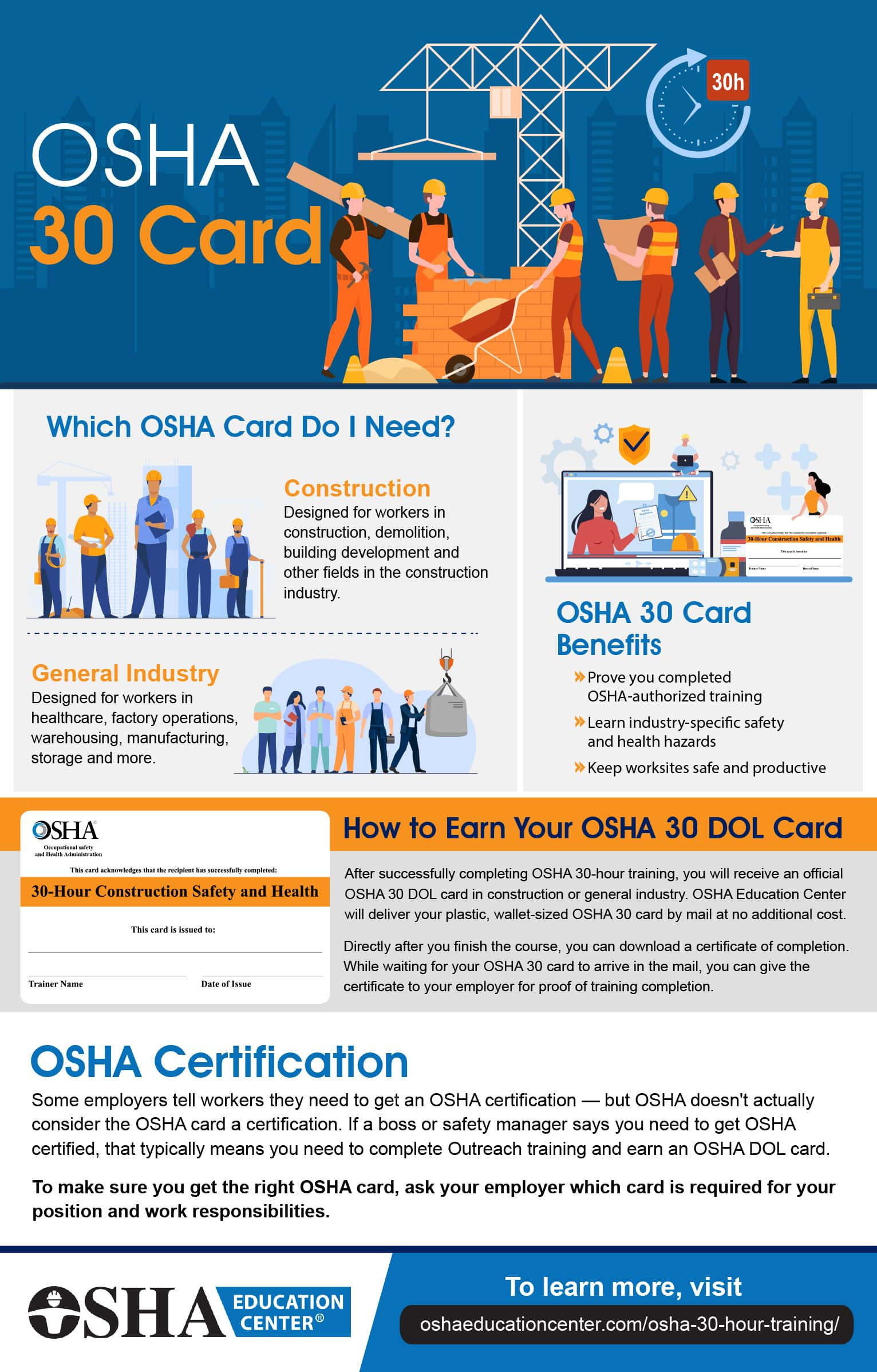
Let’s talk money. How much are you really shelling out for that OSHA 30 credential in the construction world? It’s not a fixed price, and it really bounces around based on who you take the course with and whether you do it online or in person. But, I can give you a ballpark, and it’s usually a worthwhile investment.
Online Course Pricing Variances
If you’re going the online route for your OSHA 30 construction certification, you’re generally looking at prices anywhere from $70 to $200. Some providers might sneak in a bit higher, especially if they offer extra features or Feature a particularly slick platform. The cheaper end often means a no-frills experience, which is fine if all you need is the card. Don’t expect personalized attention at those rock-bottom prices, though.
In-Person Training Costs
Taking a classroom-based OSHA 30 course will usually cost you more. Think anywhere from $200 to $500, sometimes even more. Why? Because you’re paying for the instructor’s time, the facility, materials, and often the convenience of live interaction. Plus, there’s the added cost of travel and potentially taking a day or two off work, which adds up.
Employer-Sponsored Training
The sweet spot? If your employer pays for it, it’s often free for you! Many companies, especially larger ones, offer OSHA training as part of their safety programs. They might have in-house trainers or contract with external providers. This is definitely the ideal scenario, as it removes the direct financial burden and shows your employer is invested in your safety.
| Training Type | Typical Cost Range (USD) | Pros | Cons |
|---|---|---|---|
| Online OSHA 10 | $20 – $70 | Flexible, affordable, self-paced | Less interaction, potential for less engagement |
| Online OSHA 30 | $70 – $200 | Convenient, good for busy schedules, cost-effective | Requires self-discipline, limited instructor feedback |
| In-Person OSHA 10/30 | $150 – $500+ | Direct interaction, networking opportunities, hands-on | Less flexible, travel costs, fixed schedule |
| Employer Provided | $0 (for employee) | Free, often company-specific safety focus | Availability varies, may not be your preferred format |
Is Osha Certification Mandatory For All Construction Workers

Source : constructionjunkie.com
This is the million-dollar question, right? Do you have to have this piece of paper to even step foot on a job site? The short answer is: it depends, but increasingly, yes. It’s not a blanket federal law for every single person in every single situation, but it’s pretty darn close in practice, especially in construction.
Federal Requirements vs. State and Local Laws
While OSHA sets federal standards, individual states can have their own occupational safety and health programs that might be stricter. Some states, like New York, have very specific requirements for construction safety training, often mandating OSHA 10 or OSHA 30 for workers on certain projects. Always check your local regulations. What’s good enough in Texas might not cut it in California.
Project-Specific Mandates
Even if there isn’t a state law forcing it, many general contractors and project owners will make OSHA certification a condition of employment or subcontracting. They’re the ones taking on the big liability, so they want to Make sure everyone on their site has a baseline understanding of safety. It’s a way to Reduce risk and avoid those nasty fines and potential lawsuits. You’ll see “OSHA 10 Required” posted on job sites all the time.
The Practical Reality on the Ground
Look, even if it’s not technically mandatory for your specific role in some obscure scenario, having that OSHA card makes you a more attractive candidate. Employers want workers who are safety-conscious. It signals you’re serious about your job and about not hurting yourself or others. Not having it can seriously limit your job prospects. It’s a standard expectation now.
Where To Find Legitimate Osha Certified Online Training
Source : oshaeducationcenter.com
Okay, you’ve decided online is the way to go. But where do you actually find a course that’s legit and won’t leave you with a fake certificate? This is Key. You don’t want to waste your time or money on something that won’t hold up. Think of it like buying a designer bag – you need to know it’s authentic.
The Official OSHA Training Provider List
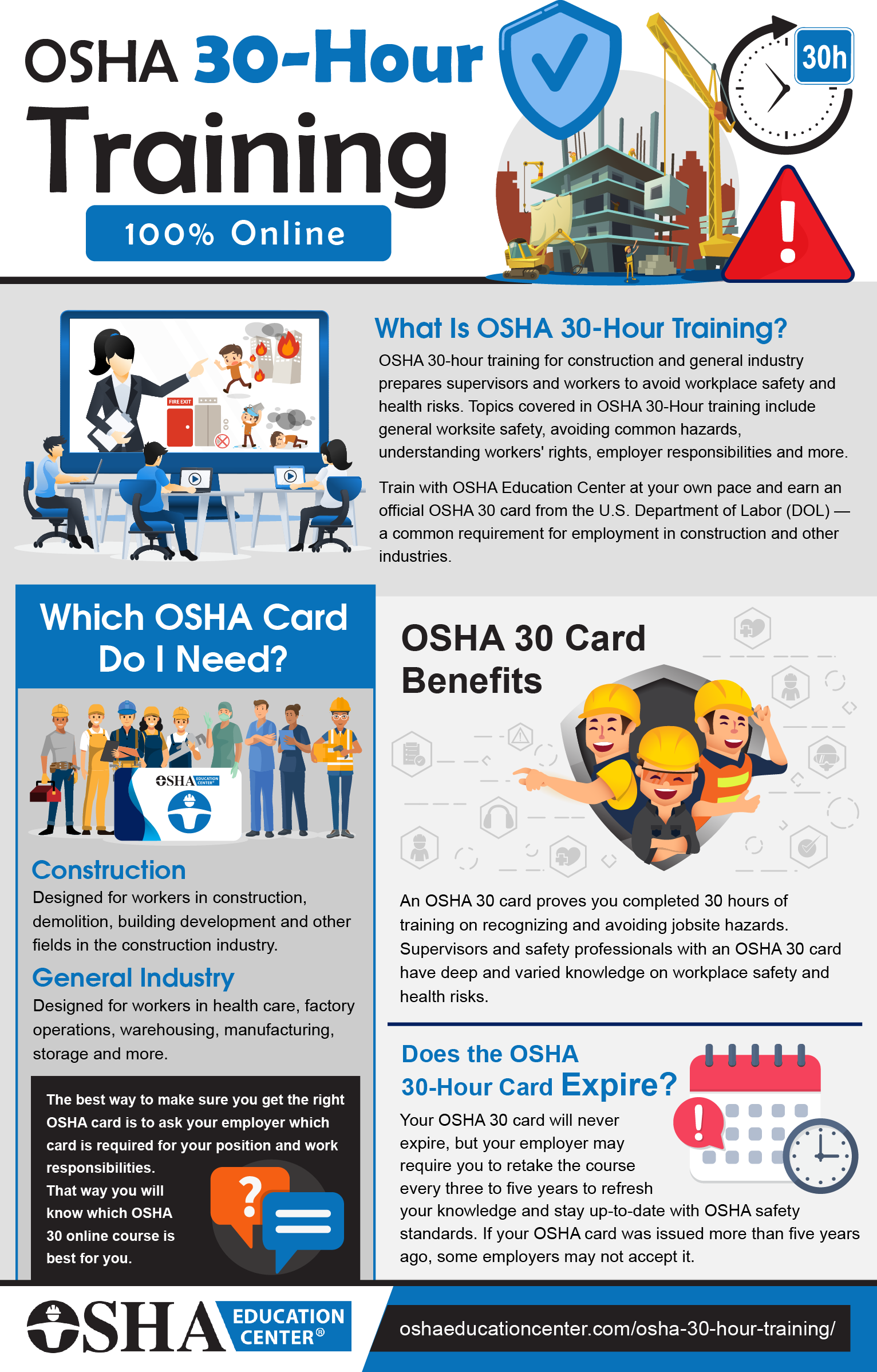
The absolute best place to start is the source itself. OSHA maintains a list of authorized OSHA Outreach Training Program providers. You can find this on their website. These are organizations that have been vetted and approved by OSHA to deliver the training. It’s the gold standard for ensuring legitimacy. Just go to the official OSHA training providers page and you can search by state or program.
Reputable Online Training Platforms
Beyond the official list, there are many reputable online training companies that partner with authorized providers. These platforms often offer user-friendly interfaces, good customer support, and clear instructions. Look for companies that clearly state they are OSHA-authorized, often displaying an OSHA logo and mentioning their provider number. Reviews can also be a good indicator, but always cross-reference with the official OSHA list if you’re unsure.
What to Look for in a Provider
When you’re evaluating an online provider, check a few things:
- Are they explicitly listed as an authorized provider or do they partner with one?
- Is the course content Full and up-to-date?
- Do they offer support if you have questions during the course?
- What is their policy on exam retakes?
- How quickly will you receive your card after completion?
Don’t be afraid to call them or check their FAQ section. A trustworthy provider will be transparent about these details. A lack of clear information is a red flag.
Frequently Asked Questions
How much do OSHA certifications cost?
Look, the OSHA certification cost really bounces around. You’re talking anywhere from a couple hundred bucks for basic online safety courses to maybe a grand or more if you’re going for some of the specialized, in-person training. It totally depends on the type of certification and who’s offering it. Some employers foot the bill, which is nice.
How can I be OSHA certified?
Getting OSHA certified isn’t some magical handshake. You gotta take specific courses. Think of it like getting a driver’s license – you learn the rules, you pass a test. The official OSHA website is your best bet for finding authorized training providers. Don’t just wing it; you need official training, plain and simple.
Is a tetanus shot OSHA recordable?
Here’s the deal: a tetanus shot itself? Nah, not usually recordable. But, if an employee needs one because of a work-related injury, like a nasty cut from some faulty equipment, then that medical treatment is something you’d log. It’s about the cause, you see?
How hard is it to become OSHA certified?
Honestly? It’s not rocket science, but you can’t just snooze through it. Some of the OSHA training is pretty straightforward, especially the introductory stuff. Others? They get pretty intense, covering serious safety protocols. If you pay attention and actually care about not getting hurt (or hurting others), you’ll be fine. It’s more about diligence than raw brainpower.
What’s the difference between an OSHA training card and a certification?
That’s a great question! Think of the OSHA training card, like the 10-hour or 30-hour card, as proof you completed a specific course. It shows you sat through the material. A true OSHA certification, though, often implies a more rigorous process, maybe involving hands-on skills or a Full exam demonstrating mastery in a particular safety area. It’s like the difference between attending a lecture and actually getting certified as a lifeguard – one is attendance, the other is demonstrated competence.
