Forget the stuffy textbooks for a minute. You wanna know how to get that sweet, sweet ABA certification? It’s not exactly rocket science, but it’s definitely more involved than figuring out which filter to use on your latest Instagram post.
We’re talking about a career change, a real commitment to helping people – often the most vulnerable ones. So, yeah, there’s some paperwork. But dig deeper, and you’ll find a path that’s incredibly rewarding. Let’s break it down, no fluff, just the facts you actually need.
What Even Is ABA, Anyway?
The Nuts and Bolts of Applied Behavior Analysis
Okay, so what’s the deal with Applied Behavior Analysis? At its core, it’s all about understanding why people do what they do. We look at behavior – any behavior, from tying your shoes to throwing a tantrum – and try to figure out the triggers and consequences.
It’s a scientific approach, grounded in learning theory. We’re not just guessing here. We’re observing, measuring, and analyzing. The goal? To make positive changes. Big ones.
Why “Applied” Matters So Much
The “applied” part is HUGE. It means we’re not just messing around in a lab. This stuff is for the real world. Think kids with autism learning to communicate, or adults with developmental disabilities gaining independence. It’s about making a tangible difference in someone’s life.
It’s about taking these big, fancy psychological principles and actually using them to solve problems. Practical. Effective. Life-changing.
The Science Behind the Support
It boils down to understanding the relationship between behavior and its environment. What happens before the behavior (antecedent) and what happens after (consequence)? That’s the magic formula. It’s called the ABC model: Antecedent, Behavior, Consequence.
By tweaking those antecedents or consequences, we can encourage desired behaviors and decrease undesired ones. It’s like teaching a dog a new trick, but way more complex and with way higher stakes. And way more ethically sound, obviously.
Is a Career in ABA Right For You?
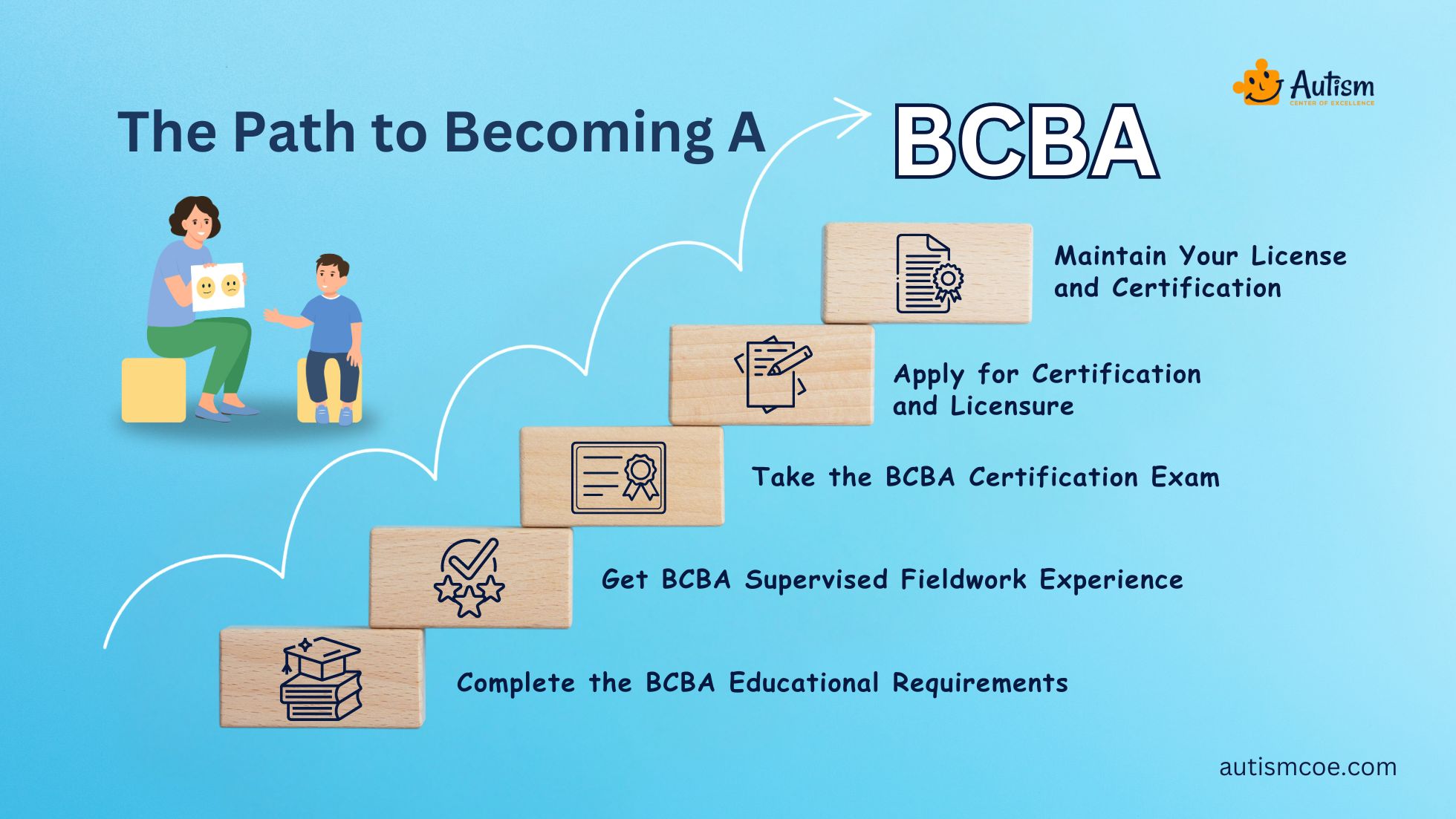
Source : autismcoe.com
More Than Just a Job: A Calling
Let’s be real. This isn’t a nine-to-five gig where you clock out and forget about it. Working in ABA means you’re invested. You’re in it for the long haul, celebrating the tiny victories that, over time, become massive leaps.
You need patience. And I don’t mean “wait a minute” patience. I mean “watch this kid finally make eye contact after weeks of trying” patience. It’s a commitment. A deep one.
The Gritty Reality: It’s Hard Work
Nobody’s handing out participation trophies here. You’ll deal with challenging behaviors. You’ll have days that test your limits. You might even question why you signed up for this.
But then you’ll see the progress. That breakthrough. That smile. And you’ll remember exactly why you’re doing it. It’s not easy, but man, is it worth it.
Are You a Problem Solver?
If you love digging into puzzles, figuring out “why,” and then devising a plan, ABA might be your jam. You’re not just a therapist; you’re a detective, an educator, and a strategist all rolled into one.
Every client is a unique case. No cookie-cutter solutions here. You need to be adaptable, analytical, and ready to roll up your sleeves.
The Needed Requirements: Laying the Foundation

Source : thisoldhouse.com
Education is Non-Negotiable
First things first: you need a degree. For the big leagues, the BCBA certification (that’s Board Certified Behavior Analyst), you’ll generally need a Master’s degree. Some states might have slightly different rules, but a graduate degree is pretty much the standard starting point.
This isn’t just about having a fancy piece of paper. It’s about building the knowledge base. You’ll be diving deep into psychology, research methods, and, of course, the principles of behavior analysis. Think coursework on assessment, intervention, ethics – the whole shebang.
Gaining Experience: The Real Teacher
Education is one thing, but hands-on experience is where you truly learn. You’ll need supervised fieldwork. This means working under a qualified BCBA, applying what you’ve learned in real-time with actual clients.
It’s not just shadowing either. You’ll be implementing behavior plans, collecting data, and learning the practical art of behavior analysis. This is where theory meets reality, and trust me, it’s a wild ride. You need to rack up those hours; they’re critical for getting certified in ABA.
The Official Credentials: What to Aim For
There are different levels of certification, and it’s important to know which one you’re gunning for. The most recognized is the BCBA. But there’s also the BCaBA (Board Certified Assistant Behavior Analyst) for those with a Bachelor’s degree, offering a stepping stone.
Each has its own set of requirements regarding education, supervised experience, and passing a rigorous exam. Know your target, and work backward. It’s like planning a heist, but for good.
Handling the Maze: Steps to Certification
Source : drugpatentwatch.com
The Application Process: Don’t Mess This Up
Once you’ve got your education and experience squared away, it’s time for the official application. This is where you prove to the certifying body (usually the BACB – Behavior Analyst Certification Board) that you’ve met all the requirements.
It’s detailed. You’ll be submitting transcripts, verifying your supervised hours, and detailing your experience. Double-check everything. Seriously. A small error can cause major delays. Think of it as your first major test of attention to detail.
The Exam: Prepare to Sweat
The certification exam is no joke. It’s designed to test your knowledge across the board – from ethical considerations to assessment strategies and intervention techniques. You need to know your stuff cold.
Many people find that taking practice tests is Crucial. You need to understand the format, the types of questions, and where your knowledge gaps are. Cramming probably won’t cut it here; it’s about consistent learning and application.
Maintaining Your Credential: It Doesn’t Stop
Getting certified isn’t the finish line; it’s the starting pistol. To keep your credential active, you’ll need to complete continuing education (CE) credits regularly. This ensures you stay up-to-date with the latest research and best practices in the field.
Plus, you have to adhere to the code of ethical conduct. It’s a professional field, and maintaining integrity is Top. No cutting corners. Ever.
Understanding State-Specific Licensure
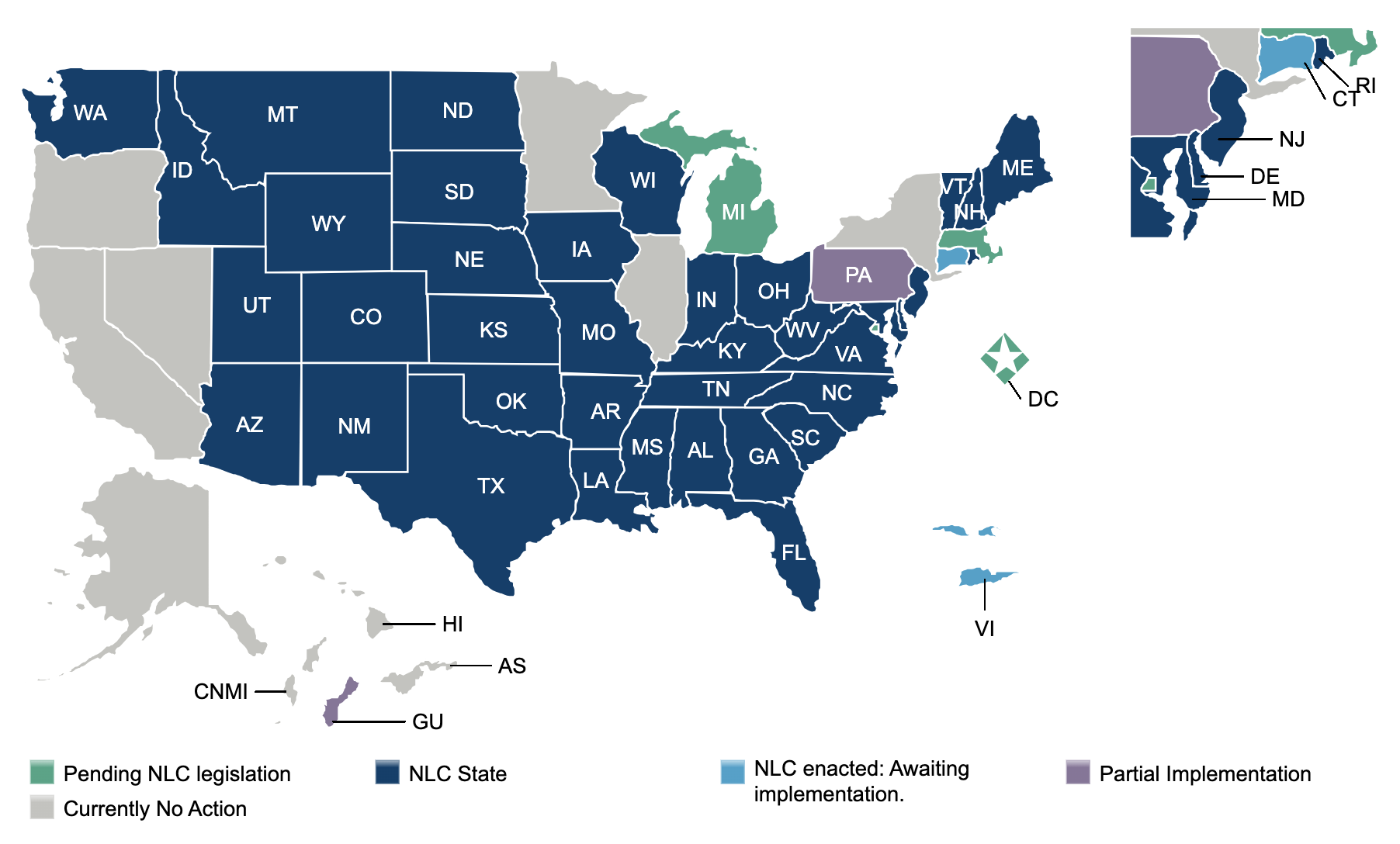
Source : nshcoa.com
Beyond National Certification: State Laws Matter
Here’s where it gets a little more complicated. While national certification (like BCBA) is Key, many states also require you to be licensed to practice. Think of it as a state-level stamp of approval on top of your national credential.
Watch: How to Become A BCBA: w/ Step By Step Guides
These requirements can vary significantly from one state to another. Some states might mirror the BCBA requirements closely, while others might have additional specific coursework or experience mandates. It’s super important to check the regulations in the state where you plan to practice. For example, the state of New York has its own specific requirements for becoming a licensed behavior analyst, detailed on their official website at op.nysed.gov.
Why Licensure is a Big Deal
Licensure isn’t just bureaucracy for its own sake. It’s about ensuring public safety and maintaining professional standards within a specific geographic area. It protects the individuals receiving services by ensuring practitioners meet a defined level of competence and adhere to ethical guidelines.
Practicing without the proper state license, where required, can lead to serious legal trouble and jeopardize your ability to work in the field. So, always do your homework on the specific state requirements.
Finding Your State’s Board
The best way to get accurate information is to go directly to the source. Search for the licensing board or professional regulatory agency for mental health or allied health professions in your target state. They will have the most up-to-date information on educational requirements, supervised experience, application procedures, and any state-specific exams.
Don’t rely on outdated articles or word-of-mouth for this. Official state websites are your best friend. They’ll lay out exactly what you need to do to legally practice behavior analysis in that particular jurisdiction. It’s the final hurdle before you can truly start helping people in your chosen location.
So, you’re ready to dive deep into the nuts and bolts of becoming a Board Certified Behavior Analyst (BCBA)? Forget the fluffy intro stuff; we’re getting down to business here. This is where we break it all down, no sugarcoating, just the straight facts you need to navigate this path.
How To Become A Board Certified Behavior Analyst Bcba
-80.jpeg)
Source : abtaba.com
The BCBA Credential: What It Really Means
Let’s be clear: becoming a Board Certified Behavior Analyst isn’t some walk in the park. It’s a rigorous process designed to Make sure only the most competent individuals are working with clients. It signifies a mastery of behavior analytic principles and their practical application. This certification is your golden ticket to practicing behavior analysis at a higher level.
Eligibility Requirements: The Gatekeepers
Before you even think about studying for the exam, you’ve got to tick the boxes. This usually involves a specific educational background and supervised experience. Missing even one of these can send you back to square one. It’s all about adhering to the strict guidelines set by the Behavior Analyst Certification Board (BACB).
The BACB Pathway: A Step-by-Step Breakdown
The journey to BCBA is a marathon, not a sprint. It starts with your foundational education, moves into gaining supervised practical experience, and culminates in passing a Full examination. Each step has its own set of rules and expectations. You can’t skip steps; you have to earn it.
What Degree Do You Need To Become Aba Certified

Source : wikihow.life
Master’s Degree: The Usual Suspect
For most folks aiming for BCBA certification, a master’s degree is the non-negotiable starting point. We’re talking about graduate-level coursework, typically in Applied Behavior Analysis (ABA), psychology, or a closely related field. This isn’t just about getting a piece of paper; it’s about acquiring the in-depth knowledge required.
Accreditation Matters: Don’t Get Fooled
Not all master’s degrees are created equal when it comes to BCBA. The program you choose absolutely needs to be accredited and meet the BACB’s stringent educational requirements. Picking the wrong program? That’s a waste of time and money. Always double-check that the curriculum aligns with what the BACB expects.
Alternative Paths: Are There Any?
While the master’s degree is the standard, are there any shortcuts? Generally, no. The BACB is pretty firm on this. However, some specialized doctoral degrees might also fulfill the educational prerequisites. If you’re not pursuing a master’s, you’d better be sure your doctorate is in the right ballpark. It’s a high bar for a reason.
How Long Does It Take To Become Aba Certified Therapist
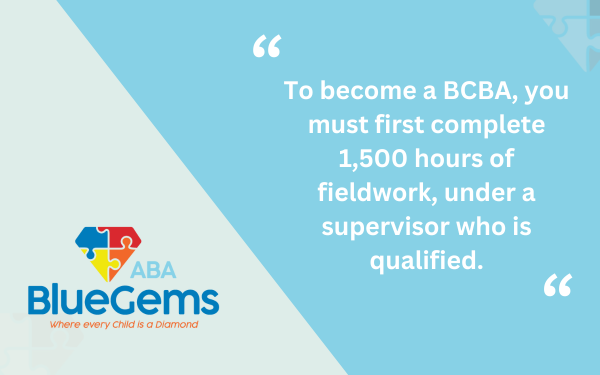
Source : bluegemsaba.com
The Educational Marathon
Let’s talk time. First, you’ve got your bachelor’s degree, which typically takes four years. Then comes the master’s program, usually another two to three years. So, just the formal education part can easily eat up six to seven years. That’s a significant chunk of your life dedicated to academics.
Supervised Experience: The Real Time Sink
This is where the clock really starts ticking, and it can feel like an eternity. The BACB requires a Large amount of supervised fieldwork. We’re talking about thousands of hours, often spread out over a year or more, depending on how much you can dedicate each week. This hands-on experience is Key, but man, it takes time.
Exam Prep and Application
Once you’ve completed your education and experience requirements, there’s still the exam itself. You need to prepare for it, which can take months. Then there’s the application process, waiting for approval, and finally scheduling the exam. All told, from starting your master’s to holding that BCBA, you’re likely looking at anywhere from 2 to 5 years post-bachelor’s degree. It’s a commitment, plain and simple.
How Much Does It Cost To Get Aba Certification

Source : abcachieve.com
Tuition Fees: The Big Kahuna
The lion’s share of the cost comes from your master’s degree program. Depending on whether you attend a public or private institution, and whether you’re in-state or out-of-state, tuition can range wildly. We’re talking tens of thousands of dollars. For example, a typical master’s program might cost anywhere from $20,000 to $60,000 or even more. Ouch.
Supervised Experience Costs
While supervised experience itself might not always have a direct tuition fee, there are often associated costs. Sometimes, you might be paying for supervision hours directly, or there might be indirect costs like travel if your fieldwork is far away. Plus, many people work part-time while accruing hours, meaning lost potential income. It’s not cheap, even if it’s not a direct bill.
Exam and Application Fees
Don’t forget the fees associated with the actual certification process. The BACB charges application fees and exam fees. These might seem small compared to tuition, but they add up. Currently, the BCBA exam fee alone is over $400. And that’s just for one shot! If you need to retake it, you pay again. It’s an investment, for sure.
| Cost Component | Estimated Range (USD) | Notes |
|---|---|---|
| Master’s Degree Tuition | $20,000 – $60,000+ | Varies by institution and program length. |
| Supervised Experience Costs | $0 – $5,000+ | Can include direct supervision fees or indirect costs. May also involve lost wages. |
| BACB Application Fee | ~$200 – $400 | Paid to the BACB during the application process. |
| BACB Exam Fee | ~$400 – $500 | Paid to the testing center. Subject to change. |
| Continuing Education (Annual) | $100 – $500+ | Required to maintain certification. |
| Total Estimated Investment | $20,700 – $66,400+ | This is a significant financial commitment. |
Registered Behavior Technician Rbt Vs Aba Certification

Source : abcachieve.com
RBT: The Front Lines
Think of a Registered Behavior Technician (RBT) as the direct service provider, the one working hands-on with clients day in and day out. They implement behavior plans designed by BCBAs. It’s a Key role, Needed for delivering effective ABA services. An RBT certification is much more accessible and requires less education and experience than a BCBA.
BCBA: The Designer and Supervisor
A BCBA, on the other hand, is the mastermind. They assess clients, develop treatment plans, supervise RBTs and other staff, and analyze data to make sure interventions are working. They hold the ultimate responsibility for the client’s care. This requires a much higher level of education and clinical experience. The BCBA certification is the pinnacle.
Key Differences in Requirements
The gulf between RBT and BCBA is vast. RBTs typically need a high school diploma, 40 hours of training, and to pass a competency assessment and exam. BCBAs need a master’s degree, specific supervised experience, and to pass a rigorous exam. One is about implementation; the other is about design and oversight. You can’t compare the two directly; they serve different functions.
Career Progression: Which Route for You?
Many people start their ABA careers as RBTs. It’s a fantastic way to get your foot in the door, gain experience, and see if the field is the right fit. From there, you can pursue the master’s degree and supervised experience to become a BCBA. It’s a common and logical career ladder within the field. The RBT is often the first step on the path to becoming a BCBA.
Thinking about advanced study? Programs like the one at Hunter College’s School of Education offer an Advanced Certificate in Applied Behavior Analysis, which can be a stepping stone for those looking to meet the educational requirements for certification.
Frequently Asked Questions
How long does it take to get an ABA certification?
Look, it’s not a weekend project. For the RBT, you’re looking at maybe a couple of months if you hustle. But for the BCBA, the big leagues? That’s a whole different ballgame. We’re talking months to years, depending on your experience, the supervision hours you need, and how fast you can nail the coursework and exams. It’s a marathon, not a sprint.
How much does it cost to get ABA certified?
Okay, let’s talk cash. Getting certified isn’t exactly cheap. You’ve got coursework fees, exam fees that can run a few hundred bucks each, and then there are supervision costs if you’re not already employed. For the RBT, it’s more manageable, maybe a few hundred total. But that BCBA certification? Easily a few thousand dollars when all is said and done. Factor in study materials and maybe even a prep course – it adds up fast.
Is ABA higher than RBT?
Totally. Think of it like this: RBT is the entry point, the boots on the ground. They work directly with clients under the supervision of a BCBA. A BCBA (Board Certified Behavior Analyst) is the one designing the treatment plans, analyzing the data, and overseeing the whole operation. So yeah, BCBA is definitely a higher level of certification and responsibility.
What certifications do you need for an ABA?
Depends on what you waa do! For direct client work, you’ll probably start with the Registered Behavior Technician (RBT). That’s the foundational cert. If you’re aiming for supervision and plan design, you’ll need the big one: Board Certified Behavior Analyst (BCBA). That one requires a Master’s degree, tons of supervised experience, and passing a rigorous exam. Don’t forget, you often need specific coursework too.
Can I get ABA certified online?
Mostly, yes! A lot of the ABA coursework can be done online these days, which is super convenient. However, you can’t just click your way to a certification. You’ll still need hands-on supervised experience working with clients. And the big exams? Those are usually in-person at testing centers. So, it’s a hybrid approach – online learning with real-world practice.
