Forget the sterile, robotic advice you’ve been wading through. Let’s cut to the chase about becoming a Qualified Mental Health Professional (QMHP). This isn’t some distant dream; it’s a practical, achievable path. But buckle up, because it’s a journey that demands grit and a genuine desire to help people. You want to make a real difference? Great. Let’s figure out how you get there.
So, What Exactly IS a QMHP Anyway?
Defining the Role Beyond the Acronym
People throw around “QMHP” like it’s just another professional title. But it’s more than that. It signifies a baseline of competence in mental health care. Think of it as the credential that says, “Okay, this person has the fundamental knowledge and skills to actually help someone navigate their mental health challenges.” It’s about ensuring a certain standard.
Why the Certification Matters (Seriously)
This isn’t about jumping through hoops for the sake of it. QMHP certification is Key for client safety and trust. When you’re certified, you’re telling potential employers and, more importantly, clients, that you’ve met specific educational and experiential requirements. It’s a signal of your commitment. It prevents unqualified folks from causing harm.
The Different Flavors of QMHPs
Now, here’s where it gets a little muddy. The exact definition and requirements for a QMHP can actually shift depending on the state you’re in. Some states might call it something slightly different, or have a specific designation within their system. It’s not a one-size-fits-all deal, which is why paying attention to your local regulations is key.
Peeling Back the Layers: The QMHP Background

Source : coursehero.com
A Little History: Why We Need QMHPs
The push for formalized credentials like QMHP didn’t happen overnight. Decades ago, the mental health field was a lot less regulated. This led to inconsistency in care and, frankly, some pretty bad outcomes for vulnerable individuals. Establishing clear standards was a necessary step to professionalize the field and Make sure folks got reliable support. It’s about building a more dependable system.
The Evolving Field of Mental Health Care
Mental health isn’t static. It’s a constantly evolving field. As we learn more about the brain, about trauma, and about effective treatment modalities, the requirements for professionals need to adapt. The QMHP framework aims to keep pace with these advancements, ensuring that those providing care are equipped with up-to-date knowledge. Things change, and so should our qualifications.
The Impact on Your Career Trajectory
Honestly? Getting certified opens doors. It’s not just a piece of paper. It’s a stepping stone. It allows you to work in specific roles, take on more responsibility, and generally command more respect within the profession. For anyone serious about a career in mental health, becoming a QMHP is often a non-negotiable step. It’s a smart move for your professional future.
The Absolute Essentials: What You’ll Likely Need

Source : bubsessed.com.au
Education: The Bedrock of Your QMHP Journey
Let’s be blunt: you’re not getting anywhere without the right education. Most QMHP paths require at least a Bachelor’s degree in a relevant field. We’re talking psychology, social work, counseling, sociology – you get the picture. Some states might even lean towards a Master’s for certain roles, but a solid undergraduate foundation is almost always the starting point. Without this academic grounding, you’re missing Key theoretical knowledge.
Practical Experience: Getting Your Hands Dirty
Degrees are great, but theory without practice? Pretty useless in this line of work. You’ll absolutely need supervised work experience. This means clocking hours in a setting where you’re directly interacting with individuals receiving mental health services. This hands-on exposure is where you really learn the ropes, hone your skills, and start applying what you learned in textbooks to real-life situations. It’s the crucible where theory meets reality.
Specific Coursework: The Targeted Knowledge
It’s not just about having a degree; it’s about what you studied. Many QMHP requirements specify particular coursework. Think abnormal psychology, human development, counseling theories, ethics. These are the building blocks. They equip you with the specific knowledge base needed to understand and address mental health conditions effectively. You need to have studied the right things.
Background Checks and Ethical Standing
Let’s not forget the practicalities. You’ll undoubtedly face background checks. This is standard for any role involving vulnerable populations. Your ethical compass is also Top. Any history of serious ethical breaches or legal issues can be a major roadblock. Trust is everything in this field, and that starts with a clean slate and a strong ethical foundation. They need to know you’re trustworthy.
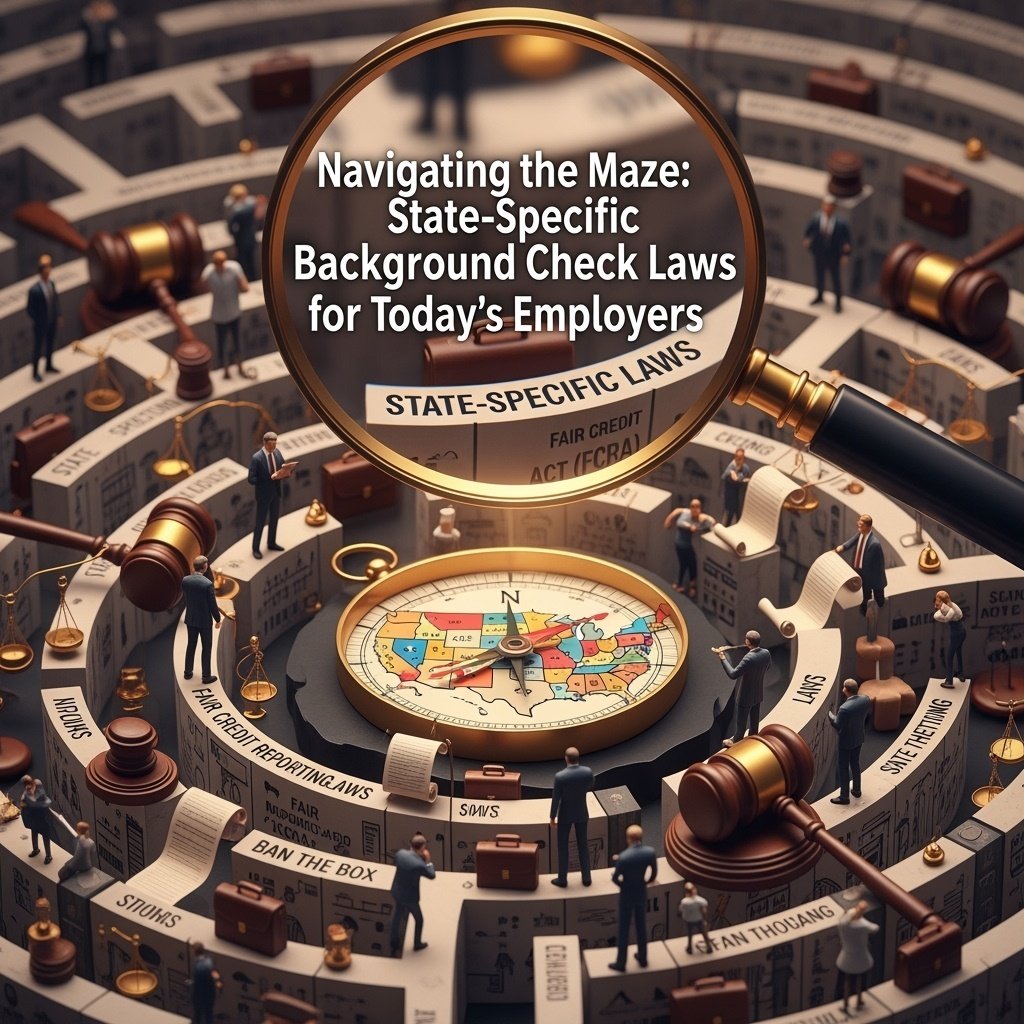
Handling the Maze: State-Specific Requirements
Source : accusourcehr.com
Why “Your State” is the Magic Phrase
Here’s the kicker: there isn’t a single, national QMHP governing body dictating everything. Instead, each state (and sometimes even specific counties or large agencies within a state) has its own set of rules. This is why the first, and most critical, step is always to identify the specific requirements for the state where you intend to practice. Don’t guess. Look it up. This is Top for `how to become qmhp certified`.
Where to Find Your State’s Official Guidelines
So, where do you find this golden information? Start with your state’s Department of Health and Human Services, or their equivalent agency. Often, licensing boards for social work, counseling, or psychology will have this information readily available on their websites. Sometimes, larger mental health organizations will even have helpful FAQs. It’s about proactive research.
Common Variations You’ll Encounter
You’ll see differences in degree requirements (Bachelor’s vs. Master’s), the number of supervised hours needed, the types of acceptable degrees, and even the specific exams you might have to pass. Some states have a tiered system, with different levels of QMHP requiring different qualifications. Be prepared for this variability. It’s not a simple checklist.
The Importance of Staying Updated
These regulations aren’t set in stone. They can and do change. New legislation, updated professional standards – it all impacts what’s required. Make sure you’re looking at the current requirements and have a plan to stay informed about any future changes. Ignorance isn’t a defense when it comes to meeting certification standards. Check periodically.
The Educational Deep Dive: Degrees and Beyond
Source : open.spotify.com

Bachelor’s Degrees: The Foundation
For many QMHP roles, a Bachelor of Arts (BA) or Bachelor of Science (BS) is your entry ticket. Fields like psychology, sociology, social work, and human services are your go-to majors. These programs provide the foundational understanding of human behavior, societal influences, and the basics of mental health. It’s where you start to build your knowledge base. It’s a broad education for a complex field.
Master’s Degrees: Stepping Up the Ladder
In some states or for more advanced positions, a Master’s degree is the ticket. This could be a Master of Social Work (MSW), a Master of Arts (MA) or Master of Science (MS) in Counseling, or a similar graduate-level program. A Master’s degree offers a more specialized and in-depth education, often with a greater emphasis on clinical skills and advanced theoretical frameworks. This is where you refine your expertise. It makes you a stronger candidate.
Relevant Coursework: The Specifics Matter
Beyond the degree title, pay close attention to the specific courses required. Many QMHP guidelines will list out exactly what needs to be on your transcript. This often includes subjects like:
- Human Growth and Development
- Abnormal Psychology
- Counseling Theories and Techniques
- Psychopathology
- Ethics in Human Services
- Cultural Diversity
Make sure your chosen program covers these critical areas. It’s about targeted knowledge acquisition.
Accreditation: Ensuring Quality Education
When looking at educational programs, always check for accreditation. Reputable programs are accredited by recognized bodies (like the Council for Accreditation of Counseling and Related Educational Programs – CACREP for counseling programs, or the Council on Social Work Education – CSWE for social work programs). This ensures the program meets certain quality standards and is more likely to be recognized by licensing boards. Don’t fall for unaccredited programs.
Gaining Key Experience: Supervised Practice

Source : simply.coach
Why Supervised Experience is Non-Negotiable
Look, you can read all the books in the world, but nothing replaces real-world, hands-on experience. This is especially true in mental health. Supervised experience allows you to apply theoretical knowledge under the watchful eye of an experienced professional. They guide you, correct you, and help you develop practical skills in assessment, intervention, and client management. It’s where you learn to do the job. You simply can’t skip this part.
What Constitutes “Supervised Experience”?
This typically means direct client contact hours. You’ll be working with individuals, families, or groups receiving mental health services. Crucially, a significant portion of your work time must be spent with a qualified supervisor who has regular meetings with you. These meetings are for case consultation, feedback, and professional development. It’s structured learning.
Finding the Right Supervisor and Placement
This can be one of the trickiest parts. You’ll need to find an agency or practice that offers QMHP internships or positions with qualified supervisors. Networking is huge here. Talk to professors, career services at your university, and other professionals in the field. Sometimes, volunteer work can be a great way to get your foot in the door and gain initial experience, though it may not always count towards official supervised hours. Be strategic about where you gain experience.
Documenting Your Hours: Be Careful!
Keep Careful records of your supervised hours. Agencies will have their own forms, but you should also maintain your own log. Note the dates, the hours spent in direct client contact, the nature of the work, and the dates and duration of your supervision sessions. This documentation is Needed when you apply for certification. Get this wrong, and you’re back to square one. Be incredibly diligent.
The Application Process: Putting it All Together
Source : he.kendallhunt.com
Gathering Your Documentation: The Paper Trail
Once you’ve met the education and experience requirements, it’s time for the paperwork. This usually involves submitting official transcripts, verification of your supervised work experience (often requiring signed forms from your supervisors), and proof of any required coursework. Get organized early. This process can be lengthy.
Exams: Testing Your Knowledge
Depending on your state, you might need to pass a standardized exam. These exams test your knowledge of mental health principles, ethics, and clinical practice. Study diligently! Review your course materials, consult practice exams if available, and make sure you feel confident before sitting for the test. Failing the exam means delays. It’s a hurdle you must clear.
Background Checks and Fingerprinting
Expect background checks and fingerprinting. This is a standard procedure to Make sure client safety. Be upfront about any past issues; transparency is key. A willingness to address past mistakes can sometimes be viewed more favorably than trying to hide them.
The Fee Structure: Budget Accordingly
There are almost always fees involved – application fees, exam fees, initial certification fees. These can add up. Research the specific costs for your state and budget accordingly. It’s an investment in your career. Factor these costs into your financial planning.
Watch: HOW TO GET LICENSED AS A CLINICAL MENTAL HEALTH …
Submission and Waiting Game
Finally, you submit your complete application package. Then comes the waiting. Processing times can vary significantly by state. Be patient, but also don’t hesitate to follow up politely if you haven’t heard anything within the expected timeframe. Patience is a virtue here. This is the final step before approval. It’s exciting to think about how this aligns with the broader discussion on how to become a qualified mental health professional.
Alright, let’s get into the nitty-gritty of actually becoming a Qualified Mental Health Professional. This isn’t some walk in the park; there are hoops to jump through, paperwork to file, and let’s be honest, probably a few moments where you question your life choices. But hey, if you’re passionate about helping people, it’s totally worth it.
What Are The Educational Requirements To Become Qmhp Certified
Source : ehscareers.com
First off, you can’t just wake up one day and decide you’re qualified. There are some foundational educational pieces you absolutely need in place. Think of it like building a house; you need a solid foundation before you can even think about putting up walls.
The Bachelor’s Degree Blueprint
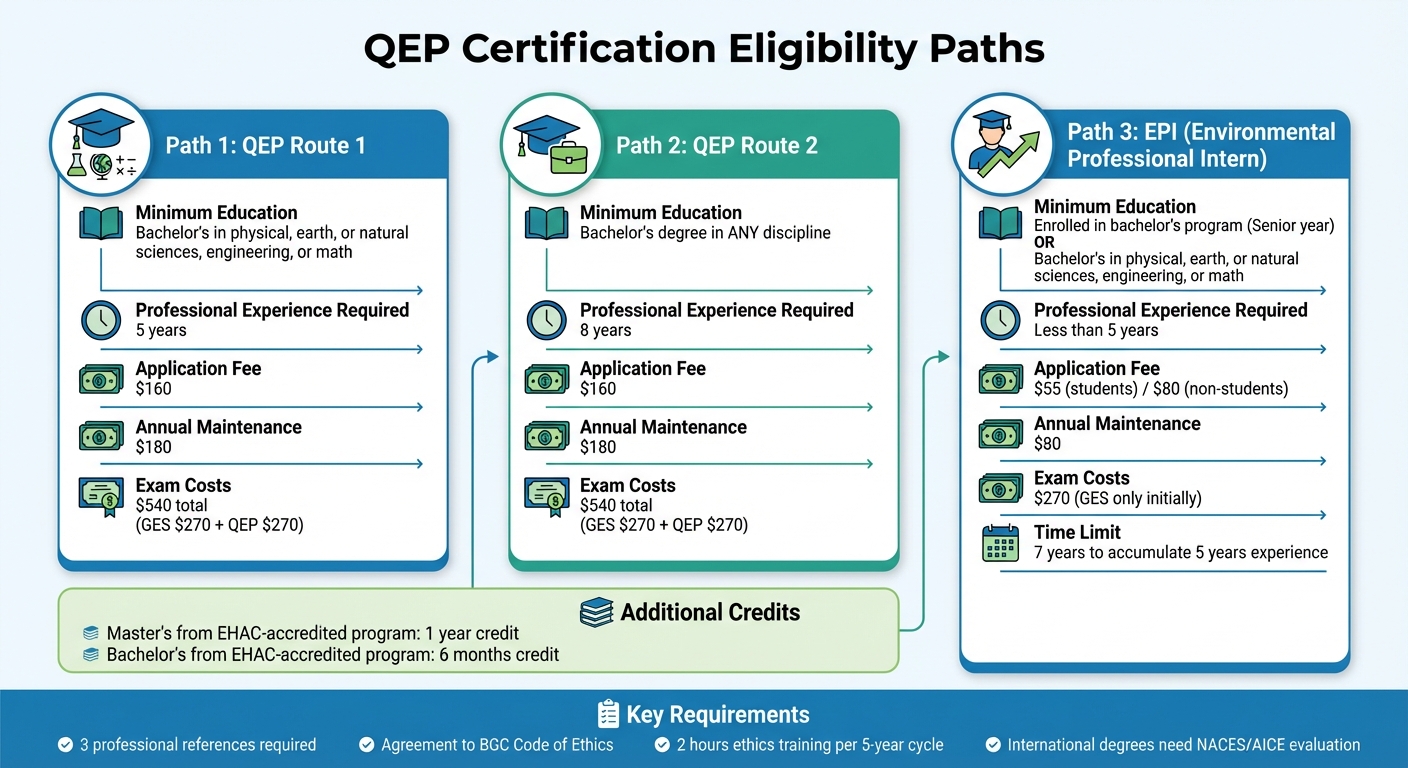
Most states, and this is a big one, require you to have at least a bachelor’s degree. And not just any old degree. It typically needs to be in a field related to human services. We’re talking psychology, social work, sociology, or something pretty darn close.
Master’s Degree: The Next Level
For certain roles or higher-level positions, a master’s degree might be the golden ticket. This is especially true if you’re aiming for licensure as a counselor or therapist down the line. It shows a deeper commitment and a more advanced understanding of the field.
Specific Coursework Matters
It’s not just about having the diploma. Many programs will want to see specific coursework completed. Things like abnormal psychology, human development, counseling theories, and ethics are usually on the checklist. They want to Make sure you’ve covered the core concepts.
How To Get Qmhp Certification In Virginia Or Texas
Source : luminpdf.com
So, you’ve got the education piece sorted. Now, how do you actually get that coveted QMHP certification in specific states? It’s not a one-size-fits-all situation. Virginia and Texas, for example, have their own flavors of bureaucracy.
Virginia’s Path to Certification
In Virginia, the process is pretty clearly laid out by the Board of Counseling. You’ll need to meet specific educational criteria, which I just touched on. Then, there’s typically an application process, and you might need to demonstrate relevant work experience. Make sure you check the official Virginia Department of Health Professions site for the latest requirements, as they can shift. This is Key to avoid any nasty surprises down the road.
According to the official resources, a QMHP in Virginia is often defined as an individual with a specific educational background who provides services under the supervision of a qualified professional. You’ll want to look at the specific definitions and requirements laid out on their site, which often includes supervised experience.
Texas’s Requirements Explained
Texas has its own set of rules, often managed through different state agencies depending on the specific type of QMHP designation. You’ll likely be looking at a combination of education, supervised experience, and potentially a competency exam. The key is to identify the exact agency overseeing the type of QMHP you want to become. It can get a little confusing, so patience is your friend here.
For instance, the requirements might vary if you’re working with adults versus children, or if you’re employed by a state facility versus a private agency. Always dive deep into the specific requirements tied to your intended role in Texas.
Handling State-Specific Applications
The bottom line? Don’t assume. Each state has its own application forms, fees, and processing times. Get familiar with the official websites. Seriously, bookmark them. This is where you’ll find the most accurate and up-to-date information for your QMHP application.
How Long Does It Take To Become A Qualified Mental Health Professional

Source : careersidekick.com
This is the million-dollar question, right? How long until you’re officially “Qualified”? Well, it’s not a simple number. It depends on a bunch of factors, kind of like asking how long it takes to build a deck – depends on size, complexity, and your skill level.
Education Takes Time
Let’s start with the obvious: your degree. A bachelor’s degree usually takes four years. If you’re going for a master’s, tack on another two to three years. So, right off the bat, you’re looking at a significant time investment just for the schooling part. No shortcuts here.
Supervised Experience: The Waiting Game
Then comes the supervised experience. This is a critical piece. Many QMHP roles require a certain number of hours working under a licensed professional. This can range from several months to a year or more, depending on the state and the specific type of QMHP you’re pursuing. It’s a period of intense learning and practical application.
The Application and Approval Process
After you’ve got your education and your supervised hours, you submit your application. How long does that take? It varies wildly. Some states are quicker than others. You could be looking at weeks, or sometimes a few months, for your QMHP credential to be officially approved. Paperwork can move at its own pace.
Putting It All Together
So, realistically, from starting your degree to having your certification in hand? You’re probably looking at anywhere from five to seven years or even longer if you pursue advanced degrees or have extended supervised experience requirements. It’s a marathon, not a sprint.
Qmhp Vs Qiddp Certification Differences And Requirements

Source : casemanagementbasics.com
Okay, let’s clear up some potential confusion. You might hear terms like QMHP and QIDDP thrown around. Are they the same? Nope. Not even close. Think of it like comparing a general practitioner doctor to a surgeon. Both are medical professionals, but their focus and training are different.
What Does QMHP Mean?
As we’ve been discussing, QMHP generally stands for Qualified Mental Health Professional. This is a broad designation, usually tied to providing direct mental health services. The specific requirements can vary by state, but it generally involves a relevant degree and supervised experience.
What Does QIDDP Mean?
QIDDP, on the other hand, stands for Qualified Intellectual Disabilities Professional. As the name strongly suggests, this certification is specifically for professionals working with individuals who have intellectual and developmental disabilities. The focus here is on supporting this specific population.
Key Differences in Focus and Training
The core difference lies in the target population and the specialized knowledge required. While a QMHP might deal with a wide range of mental health conditions, a QIDDP has in-depth training and experience related to intellectual disabilities, including behavior management, support strategies, and advocacy for this group. The educational requirements might overlap in some foundational areas, but the specialized coursework and practical experience will diverge significantly.
Handling Dual Certifications
Could you be both? Potentially, yes. If you have the foundational education and gain experience in both areas, you might be eligible for both certifications. However, this would require meeting the distinct requirements for each. It’s about demonstrating competency in two different, though sometimes related, fields.
| Feature | QMHP (Qualified Mental Health Professional) | QIDDP (Qualified Intellectual Disabilities Professional) |
|---|---|---|
| Primary Focus | General mental health services for a broad population. | Specialized services for individuals with intellectual and developmental disabilities. |
| Target Population | Individuals with mental, emotional, or behavioral disorders. | Individuals with intellectual disabilities and related conditions. |
| Typical Education | Bachelor’s or Master’s in psychology, social work, counseling, etc. | Often requires a specific degree and specialized training related to developmental disabilities. |
| Key Competencies | Assessment, counseling, case management, crisis intervention. | Behavior support, habilitation planning, community integration, advocacy. |
How Much Does Qmhp Certification Registration Cost
Source : intercoast.edu
Let’s talk money. Because, let’s face it, pursuing a certification isn’t free. There are costs involved, and they can add up. You need to budget for these expenses if you’re serious about this career path.
Application and Processing Fees
Most states will charge an application fee just to process your paperwork. This is usually a one-time fee when you initially apply for your QMHP registration. These fees can range from $50 to a few hundred dollars, depending on the state’s administrative costs.
Exam Fees (If Applicable)
Some states or specific QMHP designations might require you to pass an examination. These exams aren’t free. You’ll have to pay for the exam itself, and sometimes there are fees for rescheduling if you don’t pass on the first try. Factor in study materials too; those can add up.
License Renewal Costs
Certification isn’t a “set it and forget it” kind of deal. You’ll typically need to renew your certification periodically, often every one to two years. These renewals come with their own fees, which are usually less than the initial application fee but still represent an ongoing cost.
Continuing Education Expenses
To maintain your certification, you’ll almost always be required to complete continuing education (CE) hours. While sometimes these can be low-cost or even free, many require you to pay for courses, workshops, or conferences. This is an investment in staying current in the field, but it does have a price tag associated with it. So, for an initial certification, you might be looking at anywhere from a couple of hundred to over a thousand dollars, depending on your state and specific requirements.
Frequently Asked Questions
What is the highest mental health certification?
Honestly, there’s no single “highest” mental health certification because it really depends on what you want to do. For clinical practice, like becoming a licensed psychologist or psychiatrist, that’s a whole different ballgame requiring doctoral degrees. But for direct client care and counseling roles, certifications like the Licensed Professional Counselor (LPC) or Licensed Clinical Social Worker (LCSW) are pretty top-tier and often require significant supervised experience and a master’s degree. A QMHP certification is a solid stepping stone, especially for certain support roles.
Is QMHP a good career path?
Absolutely. If you’re passionate about helping people and want a career with real impact, a QMHP career path can be incredibly rewarding. You’re on the front lines, directly supporting individuals facing mental health challenges. It’s not always easy, no doubt. But seeing clients make progress, knowing you’ve been a part of that? That’s priceless. Plus, it opens doors to further specialization and advancement within the mental health field.
Is QMHP a doctor?
Nope, a QMHP is not a doctor. Doctors in the mental health field are typically psychiatrists (MDs) or psychologists (PhDs/PsyDs) who can diagnose conditions and prescribe medication. A QMHP (Qualified Mental Health Professional) usually has a bachelor’s or master’s degree and provides direct services like case management, counseling, and support. Think of them as Key members of the care team, but not physicians or doctoral-level clinicians.
What’s the difference between QMHP and LPC?
Good question! A QMHP certification generally signifies that you meet the basic educational and competency requirements to provide certain mental health services, often under supervision or in specific roles. An LPC (Licensed Professional Counselor), on the other hand, is a much more rigorous credential. It requires a master’s degree, extensive supervised clinical hours (often thousands), and passing a demanding licensing exam. LPCs can independently diagnose and treat mental health disorders. So, QMHP is a foundational level, while LPC is a fully licensed, independent practitioner.
How long does it take to get QMHP certified?
The timeline can vary quite a bit, really. If you already have a relevant degree, say a Bachelor’s in a field like psychology or social work, the process could be relatively quick, maybe a few months for coursework, exams, and background checks. However, some states might require specific supervised experience even for a QMHP credential, which can add significant time. It’s Key to check the specific QMHP requirements for the state you plan to work in, as they can differ.
