So, you wanna teach CPR? Awesome. Seriously, it’s a noble gig. Think about it: you could be the person who Provides someone with the skills to save a life. Pretty cool, right?
But hold up. It’s not as simple as just knowing CPR yourself. There’s a whole process, a legit certification path. Forget winging it; this is about being prepared, being authoritative. You need the right credentials. That’s what we’re diving into.
Why Teaching CPR is a Big Deal
Look, we all hope we never have to use CPR. But life happens. Accidents strike. That’s when seconds matter. Precious, life-or-death seconds.
The Ripple Effect of Certified Instructors
When you get certified to teach CPR, you’re not just getting a piece of paper. You’re becoming a Key link in a chain of survival. Each person you train has the potential to be a hero.
It’s like planting seeds. You teach one person, they teach a few others, and suddenly you’ve got a whole community prepared for emergencies. That’s a massive impact, way beyond your classroom.
Beyond the Classroom: Real-World Impact
It. Who’s most likely to be there when a crisis hits? Usually, it’s family, friends, coworkers. People who are just… around.
If those bystanders know CPR, because you taught them, you’ve exponentially increased the chances of a positive outcome. It’s a profound responsibility, and honestly, a pretty rewarding one.
The Authority Factor
Anyone can say they know CPR. But can they teach it effectively? Can they handle the pressure? Can they reassure a nervous student?
Being officially certified means you’ve met the standards. You’ve proven your knowledge and your ability to communicate it. People trust certified instructors. They know they’re getting the real deal when they learn from you.
Understanding CPR Certification Bodies
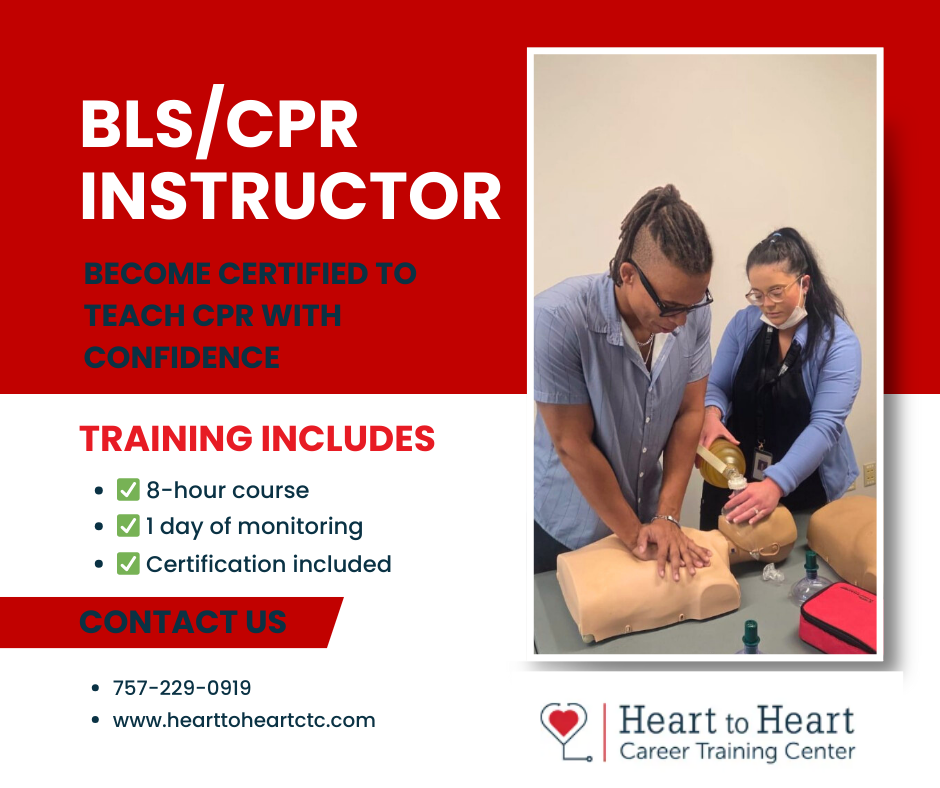
Source : hearttoheartctc.com
Alright, let’s cut to the chase. You can’t just pick any old CPR course and then decide you’re qualified to teach. There are big players in this game.
The main organizations set the curriculum, the standards, and the training protocols. You gotta get aligned with one of them. It’s not a free-for-all.
The American Heart Association (AHA)
The AHA is huge. Like, globally recognized huge. They have some of the most widely accepted and researched CPR guidelines out there.
If you’re serious about teaching, especially in a professional medical setting or a large organization, the AHA instructor certification is often the gold standard. They have specific pathways for different levels of instruction.
The American Red Cross
Then you’ve got the Red Cross. Another massive name, synonymous with emergency preparedness and life-saving training.
Their instructor courses are also incredibly Full. Many workplaces and community groups rely on Red Cross certified instructors. You can find their instructor training programs easily online. Check out the Red Cross instructor training to see if it fits your goals.
Other Recognized Organizations
While AHA and Red Cross are the big dogs, there are other reputable organizations out there. Sometimes, specific industries or regions might have preferred providers.
It’s always a good idea to check with your local health department or any potential employers about which certifications they recognize and prefer. Don’t get certified in something nobody accepts!
The Path to Becoming a CPR Instructor: A General Overview
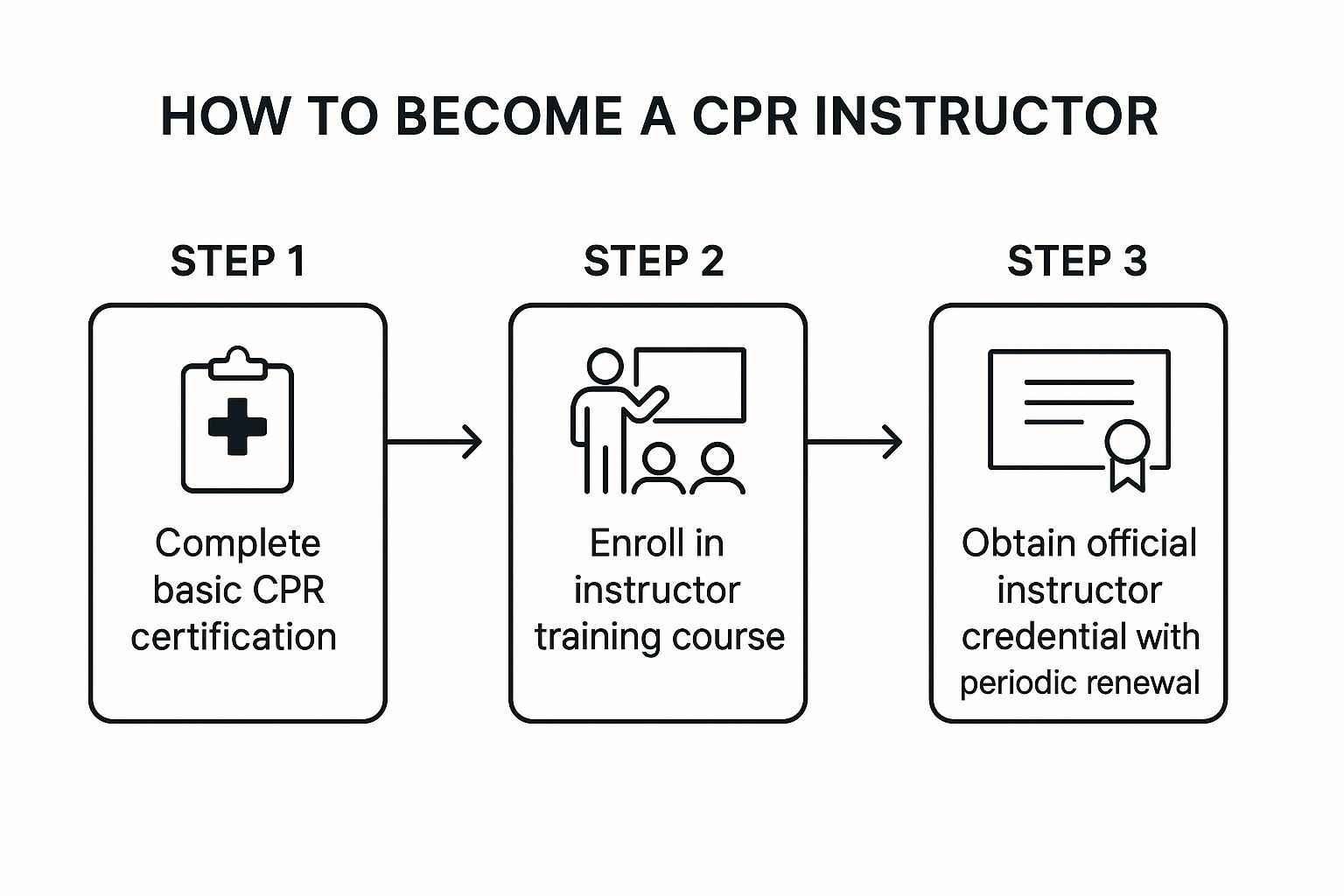
Source : readyresponsepa.com
Okay, so you’ve picked an organization, or at least you’re leaning towards one. What’s next? It’s not rocket science, but it does require dedication.
Think of it as a tiered system. You first need to be a solid CPR provider yourself. You can’t teach what you haven’t mastered.
Prerequisite: Current CPR Provider Certification
This is non-negotiable. You absolutely, positively must have a current, valid CPR certification from the same organization whose instructor course you plan to take.
If you want to be an AHA instructor, you need a current AHA CPR card. If you’re aiming for Red Cross, you need a current Red Cross CPR card. Makes sense, right? They want to Make sure you know the skills you’ll be teaching.
The Instructor Training Course Itself
This is the core of it. You’ll undergo a specific instructor development course. It’s designed to teach you how to teach, not just what to teach.
You’ll learn about adult learning principles, how to manage a classroom, how to demonstrate skills effectively, and how to assess your students’ competency. It’s about pedagogy, basically.
Skills Practice and Assessment
You won’t just sit in lectures. Expect hands-on practice. You’ll likely be demonstrating CPR skills repeatedly.
Watch: How To Become A CPR Instructor
And you’ll be evaluated. Instructors need to see that you can perform the skills flawlessly yourself and that you can teach someone else to do them correctly. This usually involves a skills check-off.
Written Examination
Yep, there’s a test. A written exam to gauge your understanding of the CPR guidelines, the course content, and your role as an instructor.
It covers everything from the actual CPR steps to the administrative aspects of running a class. You gotta know the material inside and out.
Teaching Practice (Practicum)
This is where you really prove yourself. Most programs require you to teach a portion of a CPR class under the supervision of an experienced instructor.
They’ll observe your teaching style, your ability to engage students, and your clarity. This practical component is Key for demonstrating your readiness.
So, you’ve decided to jump into the rewarding world of CPR instruction. Awesome. But where do you even start? Forget the fluff; let’s get down to brass tacks about getting that official certification. This isn’t some walk in the park; it requires dedication. But the payoff? Priceless.
How To Become An Aha Certified Cpr Instructor

Source : mycprcertificationonline.com
Alright, if you’re aiming for the gold standard, the American Heart Association (AHA) is likely your target. They’re the big dog in the CPR world, and for good reason. Getting their instructor certification means you’re aligned with some of the most rigorous training protocols out there. It’s a serious commitment, but one that opens a lot of doors.
Aha’s Rigorous Prerequisites
Before you even think about teaching, you need to prove you know your stuff. First, you’ll need a current basic life support (BLS) AHA provider card. This isn’t negotiable. You can’t teach what you haven’t mastered yourself. Think of it like a seasoned chef needing to nail a dish before they can teach it to apprentices. It’s all about foundational knowledge.
The Aha Instructor Essentials Course
This is where the rubber meets the road. The AHA’s Instructor Essentials Course is designed to teach you how to teach. It covers adult learning principles, curriculum mastery, and practical hands-on skills. You’ll learn how to manage a classroom, provide feedback, and Make sure your students are truly prepared. It’s intense, but Needed.
Hands-On Teaching Practice
Theory is one thing; practice is another. You’ll be required to complete a “skills check” where you demonstrate your proficiency in teaching CPR skills to actual students, under the watchful eye of a master instructor. This is your chance to shine, or to identify areas where you need more work. It’s all part of the process for becoming an AHA certified instructor.
Monitoring and Affiliation
Once certified, you’re not just out on your own. AHA instructors are typically required to Match with an AHA Training Center. This center provides ongoing support, access to materials, and sometimes even a pathway for your students to get official AHA cards. Plus, they’ll monitor your teaching to Make sure quality control. It’s a structured environment designed for success.
How Much Does It Cost To Become A Cpr Instructor

Source : cpred.com
Let’s talk money. Because, let’s be honest, nobody works for free, and certifications aren’t usually handed out like candy. The cost can really stack up, depending on the organization and the specific courses you need. It’s an investment, for sure. But when you consider the earning potential, it often pencils out.
Course Fees and Materials
The biggest chunk of change will likely go towards the actual training courses. These vary widely. You’ve got your initial provider courses, then the instructor courses, and sometimes additional specialty training. Don’t forget the manuals, pocket reference cards, and other materials you’ll need. These aren’t cheap, and they’re often required purchases. Expect to shell out a few hundred dollars just for the core curriculum and books.
Background Checks and Affiliation Fees
Some organizations, especially those tied to larger healthcare systems or government bodies, might require background checks. This is for student safety, naturally. Then there are potential affiliation fees. If you’re joining a specific training network or organization, they might charge an annual fee to maintain your status and access their resources. This is particularly true for organizations like the AHA.
Ongoing Certification and Renewal Costs
Getting certified isn’t a one-and-done deal. Most certifications expire every couple of years. You’ll need to pay for renewal courses and potentially retake exams. Plus, you might need to maintain your own BLS certification. These recurring costs add up over time, so factor them into your budget when calculating the total cost of CPR instructor certification.
Variable Costs: Location and Provider
The exact price can fluctuate based on where you take your training and which provider you choose. A course in a major city might cost more than one in a rural area. Likewise, some organizations might have higher fees due to their brand recognition or the specific curriculum they offer. It’s always wise to shop around and compare prices before committing. For example, the initial investment for an HSI instructor certification might differ from an AHA one.
Red Cross Vs Aha Cpr Instructor Certification Differences
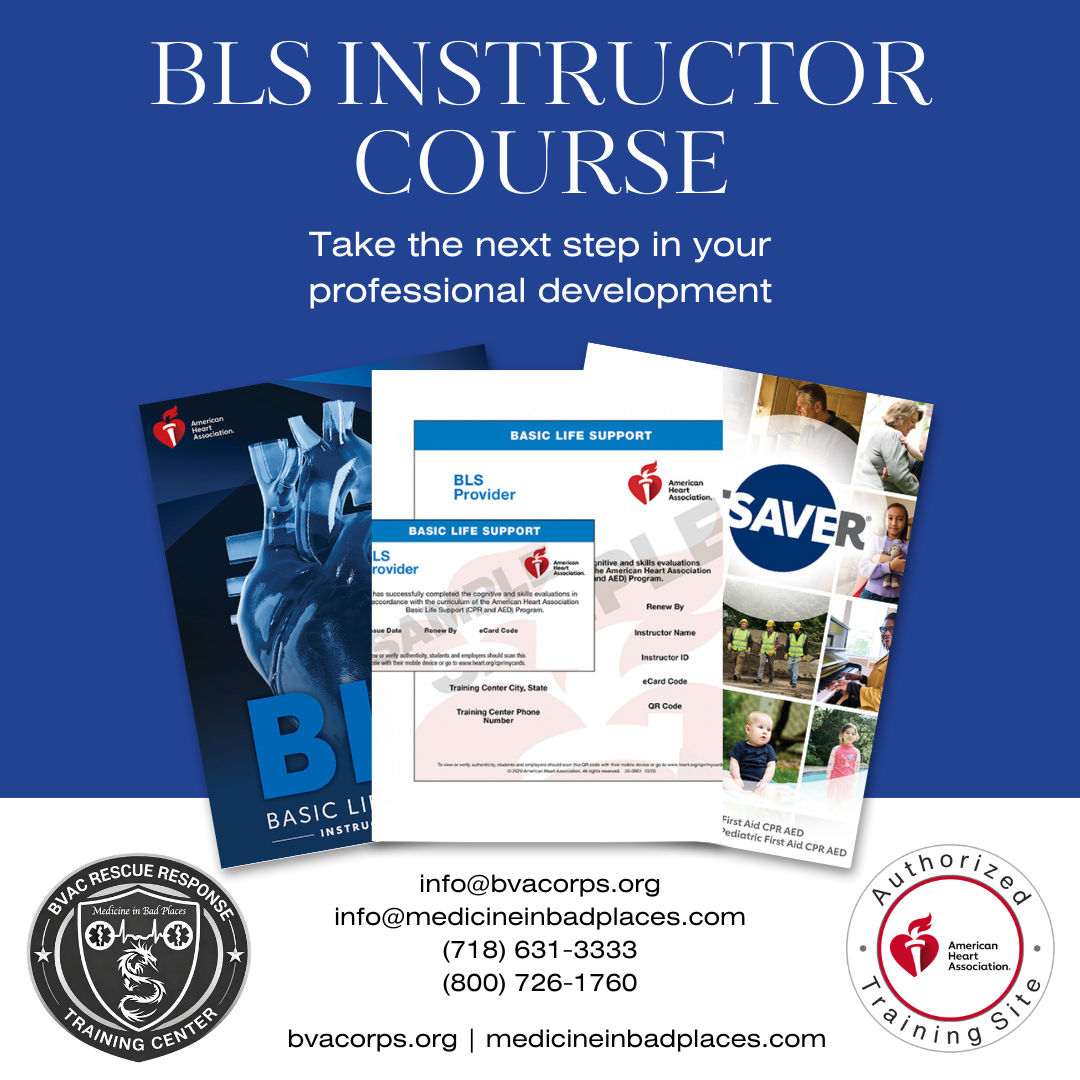
Source : bvacorps.org
Okay, so you’ve got the big two: American Red Cross and American Heart Association. Both are reputable, widely recognized, and produce well-trained instructors. But they aren’t identical twins. There are subtle, and sometimes not-so-subtle, differences you should know about.
Curriculum Focus and Approach
The AHA tends to be more clinically focused, often seen in hospital settings and among healthcare professionals. Their guidelines are very specific and evidence-based. The Red Cross, while also medically sound, often has a broader reach, including community-based training, workplace safety, and even lifeguarding certifications. Their approach might feel slightly more generalized to a wider audience.
Training Center Network Structure
Both organizations operate through a network of training centers. However, the AHA’s network is often described as more centralized and structured, with a strong emphasis on affiliation with healthcare institutions. The Red Cross also has a vast network, but it might feel more distributed and accessible to various community groups and non-healthcare entities. It really depends on your intended teaching audience.
Card Issuance and Recognition
While both issue official certifications, the way students receive their cards and the general perception of recognition can vary slightly. AHA cards are the de facto standard in many clinical settings. Red Cross cards are also highly respected, especially in non-clinical environments. For most general purposes, either card is perfectly acceptable, but it’s worth knowing where each holds the most sway.
Instructor Requirements and Renewal
The specific hoops you have to jump through to become and remain an instructor can differ. This includes the initial course structure, the required teaching practice, and the renewal process. The AHA, for instance, has specific requirements for teaching practice and monitoring that instructors must meet. The Red Cross has its own set of mandates. Check the latest guidelines for both to see which aligns better with your learning style and career goals.
Can You Become A Certified Cpr Instructor Online
Source : baysidecpr.com
This is a hot topic. In today’s digital age, everyone wants convenience. So, can you ditch the classroom entirely and get certified from your couch? The short answer is: it’s complicated, and mostly, no, not entirely online.
The Blended Learning Model
Most reputable organizations, including the AHA and Red Cross, now offer a blended learning approach. This typically means you’ll complete a significant portion of the didactic (knowledge-based) learning online through modules and videos. You’ll study the theory, the guidelines, the algorithms. It’s efficient and lets you learn at your own pace.
The Key Hands-On Skills Check
Here’s the catch: CPR is a physical skill. You absolutely must have hands-on practice and a skills validation component. You cannot learn to properly perform chest compressions, deliver rescue breaths, or use an AED effectively just by watching a video. This requires in-person, face-to-face instruction and assessment. There’s no real way around the in-person skills check.
Finding Local Skills Session Providers
So, while you can get a significant head start online, you will eventually need to find a certified instructor or training center that offers the in-person skills session. This is where you’ll physically practice the techniques and be evaluated by a qualified evaluator. Think of it as the practical exam after your online theory course. It’s non-negotiable for certification.
Not All Online Courses Are Equal
Beware of sketchy online-only programs promising full certification without any hands-on component. These are often scams or offer certificates that won’t be recognized by employers or official bodies. Always stick with programs from accredited organizations like the AHA, Red Cross, or other established training providers. Make sure their certification process meets industry standards.
Steps To Start A Cpr Training Business After Certification

Source : aedtotalsolution.com
You’ve got the certificate. Now what? You want to make this a business, right? Excellent. Turning your new skills into a thriving enterprise is totally doable, but it requires more than just knowing CPR. It’s about planning, marketing, and delivering consistent value.
Develop a Solid Business Plan
Before you buy a single manikin, you need a plan. Who are your target students? Local businesses needing employee training? Daycare providers? Community members? What services will you offer? Just BLS, or also First Aid, Pediatrics? How will you price your courses? Will you operate from a fixed location or be mobile? A solid business plan is your roadmap.
Get Necessary Equipment
You can’t train CPR without the right gear. This means quality manikins (adult, child, infant), AED training devices, barrier devices (masks, gloves), cleaning supplies, and potentially training videos or presentation equipment. Investing in good quality, up-to-date equipment is Key for effective training and student confidence. Don’t skimp here.
Marketing and Outreach Strategies
How will people find you? You need a strong marketing strategy. Think local: partner with businesses, community centers, schools, and healthcare facilities. Build a professional website and Use social media. Consider offering introductory discounts or group rates. Effective marketing for a CPR business is key to filling your classes.
Handling Legal and Insurance Requirements
Operating a business means dealing with legalities. You’ll likely need to register your business name, obtain any necessary local permits, and crucially, secure liability insurance. This protects you in case of an accident or unforeseen event during training. Don’t overlook this step; it’s Key for peace of mind and legal compliance.
Building Your Training Schedule and Logistics
Figure out your class schedule. Will you offer weekday, evening, or weekend classes? How many students can you accommodate per session based on your equipment and space? Plan your logistics for booking, reminders, and issuing certification cards. Efficient operations make for happy students and repeat business.
| Feature | American Heart Association (AHA) | American Red Cross | Health & Safety Institute (HSI) |
|---|---|---|---|
| Primary Focus | Healthcare/Clinical Settings | Community, Workplace, Lifeguarding | Workplace Safety, Healthcare |
| Instructor Course Structure | Instructor Essentials Course + Skills Check | Blended Learning (Online + In-Person Skills) | Blended or In-Person Options |
| Typical Cost Range (Initial) | $300 – $600+ | $250 – $500+ | $200 – $450+ |
| Card Validity | 2 Years | 2 Years | 2 Years |
| Recognition | High in healthcare | Broad recognition | Good workplace recognition |
Frequently Asked Questions
How long does it take to become certified to teach CPR?
Honestly, it varies a bit. But for most people, you’re looking at a couple of days of intense training. Some programs might break it up, but expect to dedicate some serious time. It’s not a quick weekend thing if you want to do it right.
What qualifications do I need to teach CPR?
You gotta have a current CPR certification first, obviously. Most places want you to have some solid experience in a healthcare or emergency setting too, though not always required for every single training organization. And then, you’ll need to complete an instructor course from a recognized provider like the AHA or Red Cross. Basically, you need to know your stuff and then learn how to teach it.
How much does a CPR instructor make per class?
This is where it gets fuzzy. Pay really swings depending on where you are, who you’re teaching for, and the specific organization. It could be anywhere from $50 to $200+ per class, sometimes more. Often, you get paid per student, so filling a class is key. Don’t expect to get rich quick, but it’s decent supplemental income if you’re consistent.
Can you teach CPR if you are certified?
Yes, but you need more than just your basic certification. You need to complete a specific CPR instructor course. This teaches you the teaching methods, how to manage a class, and how to properly assess students. Just being good at CPR yourself doesn’t automatically make you a great teacher.
What is the best CPR instructor certification agency to choose?
That’s a tough one and really depends on what you want to do. The American Heart Association (AHA) and the American Red Cross are the big two, and generally well-respected everywhere. Your choice might depend on which one is more prevalent in your local area or which one aligns best with your teaching style. Reputation matters, so stick with the recognized names.
