Forget wading through endless jargon about ductwork and refrigerant lines. Let’s cut to the chase: you want to know how to get yourself HVAC certified. And not just some flimsy online certificate you print out and frame. I’m talking about the real deal, the kind that gets you hired, respected, and actually earning a decent living fixing the things that keep people comfortable.
This isn’t some boring textbook lesson. We’re going deep, but in a way that actually makes sense. Think of it like this: you wouldn’t trust a surgeon who just skimmed a pamphlet, right? Same goes for HVAC. These systems are complex beasts, and somebody needs to know how to tame them.
So, buckle up. We’re about to break down exactly what it takes to become a legit HVAC technician. No fluff, no BS, just the straight dope on how to get your foot in the door and start building a career.
Why Bother With HVAC Certification Anyway?
The “I Can Fix It” Myth
Look, anyone can try to fix an air conditioner. Most of the time, it ends up costing you more. You might think you saved a few bucks, but then you call a pro anyway after making it worse. DIY HVAC disasters are a dime a dozen.
That’s where certification comes in. It’s the stamp of approval that says, “I know what I’m doing, and I won’t break your expensive equipment.” It separates the tinkerers from the actual professionals. And frankly, employers want professionals.
Money Talks, Skills Walk
Let’s be real, a big part of this is the paycheck. Certified technicians earn more. It’s a simple equation. More knowledge, more skills, more responsibility equals more dough. You’re not just turning a wrench; you’re diagnosing complex systems. That’s valuable.
It: when your AC blows warm air in July, who do you call? The guy with the fancy certification and the clean van. You trust them because they’ve proven they know their stuff. That trust translates directly into earning potential. HVAC salaries are pretty sweet for skilled folks.
Safety First, Always
This job isn’t just about comfort; it’s about safety. We’re talking about electricity, flammable refrigerants, and working with gas lines. Messing around without proper training is like playing Russian roulette with your life and the lives of others. HVAC safety is Top.
A good certification program hammers home the safety protocols. It teaches you how to handle hazardous materials correctly, how to avoid electrocution, and how to Make sure the systems you work on are safe for the homeowner. It’s not optional; it’s non-negotiable.
The Different Paths to Certification Glory

Source : stewartheatingandair.com
Formal Education: The Classroom Route
This is the traditional route. Think technical schools and community colleges. You’ll get a structured curriculum covering everything from theory to hands-on practice. These programs often partner with local businesses, giving you valuable connections.
For example, places like Tennessee College of Applied Technology (TCAT) Nashville offer solid HVACR programs. You get classroom learning, lab work, and usually, some form of credential upon completion. It’s a Full way to build a strong foundation. Technical school HVAC programs are a great starting point.
Apprenticeships: Learning by Doing
This is where you earn while you learn. You’ll work under an experienced technician, getting real-world experience on actual job sites. It’s a fantastic way to see the day-to-day reality of the trade and build practical skills.
Apprenticeships can be tough. You’re starting at the bottom, doing the grunt work. But the payoff is huge. You’re not just getting a certificate; you’re building a career network and gaining Crucial experience that classroom learning can’t replicate. HVAC apprenticeship programs offer paid training.
Manufacturer or Vendor Certifications
Once you’re already in the field, you might get specific certifications from HVAC equipment manufacturers (like Carrier or Trane). These are often more specialized, focusing on particular brands or types of equipment.
These aren’t usually your entry-level tickets. They build on existing knowledge. But they’re Key for career advancement, especially if you want to specialize in certain high-end systems. Think of them as advanced training for seasoned pros. HVAC manufacturer training is highly respected.
The Big Kahuna: EPA Section 608 Certification
This one’s a must-have. The Environmental Protection Agency (EPA) requires anyone who handles refrigerants to be certified. It’s all about protecting the ozone layer and preventing harmful emissions. Seriously, you can’t legally touch refrigerants without it.
There are different types of Section 608 certifications (Type I, II, III, and Universal). Most entry-level jobs will require at least a Type II or Universal. You’ll need to pass an exam, and yes, it covers some technical stuff. It’s a critical step for anyone serious about working with air conditioning and refrigeration. Getting your EPA 608 certification is non-negotiable.
Cracking the Code: What You’ll Actually Learn

Source : skillcatapp.com
The Science Bit: Thermodynamics and Heat Transfer
Okay, don’t freak out. It’s not rocket science, but you do need to understand the basics of how heat moves. Thermodynamics explains how energy works and how it can be transferred from one place to another. This is the foundation for understanding how AC units cool and heaters warm.
Physics of why ice melts or why a hot pan cools down. That’s the fundamental stuff. Understanding heat transfer helps you figure out why a system isn’t working efficiently and how to fix it. It’s all about moving heat where you want it to go. HVAC thermodynamics is foundational knowledge.
Electrical Systems: The Power Behind the Power
HVAC systems are packed with electrical components: motors, compressors, relays, thermostats, control boards. You need to understand basic electrical principles – voltage, current, resistance – and how to read wiring diagrams. Safety is a huge part of this, obviously.
Trying to fix a car without understanding how the engine gets power. Same idea here. You’ll be troubleshooting circuits, testing components, and making sure everything is wired correctly and safely. Knowing your way around a multimeter is key. HVAC electrical troubleshooting is a core skill.
Refrigerant Cycle: The Heart of Cooling
This is the magic behind air conditioning. You’ll learn how refrigerants change states (from liquid to gas and back) to absorb heat from your home and release it outside. It’s a continuous loop, and understanding each step is Key for diagnosing cooling problems.
You’ll learn about pressures, temperatures, and the different components involved: the compressor, condenser, expansion valve, and evaporator coil. Getting this part right is Needed for any cooling system. It’s the central pillar of AC work. Refrigerant cycle knowledge is Key.
Watch: How To Get an HVAC License in California: Complete Guide
System Installation and Maintenance
Beyond just fixing breakdowns, you’ll learn how to properly install new systems. This includes selecting the right equipment for a space, running linesets, connecting ductwork, and charging the system with refrigerant. Regular maintenance, like cleaning coils and checking filters, is also a big part of the job.
Preventative maintenance is where you can really shine. Keeping systems running smoothly saves customers money and prevents costly emergency repairs down the line. It’s about building long-term customer relationships. Proper HVAC system maintenance prevents future issues.
Alright, let’s cut through the noise and get down to brass tacks. You wanna know exactly how to snag that HVAC certification. Forget the fluffy intros; we’re diving deep into the nitty-gritty of what it actually takes. This isn’t just about ticking boxes; it’s about building a career you can be proud of.
How To Get EPA 608 HVAC Certification Online
Source : pennfoster.edu
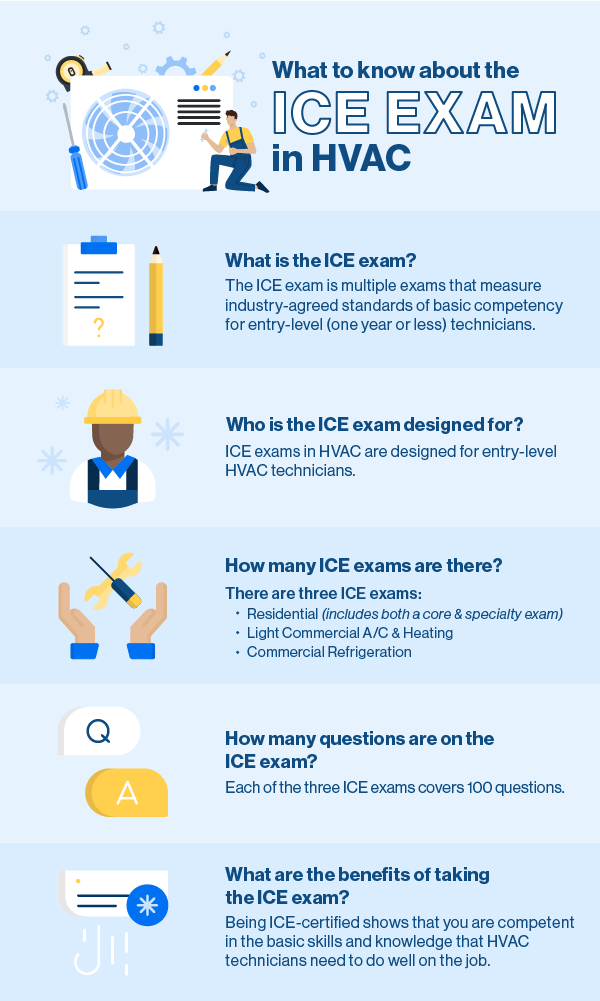
So, you’re looking to get that Key EPA 608 certification without dragging yourself to a classroom? Smart move. Plenty of folks are doing it this way now, and honestly, it makes a lot of sense for many people. It’s all about flexibility, right?
Online EPA 608 Course Options
There are a bunch of reputable outfits offering online courses. They’re not just flash-in-the-pan operations either; these are legitimate training providers. You’ll typically find modules covering everything from Section 608 regulations to refrigerant handling. Some even throw in practice tests, which are gold. Make sure the one you pick is nationally recognized.
What to Expect During Online Training
Don’t think “online” means “easy.” You’re still going to have to learn the material. Expect video lectures, downloadable study guides, and maybe even some interactive quizzes. It requires discipline, for sure. You’ve gotta set aside time to actually study, not just click through it.
The EPA 608 Exam Itself
Here’s the kicker: while you can train online, the actual proctored exam usually has to be taken in person. Some online providers partner with testing centers, so you can do your prep at home and then schedule your exam. It’s a hybrid approach, but it gets the job done. You’ll need to pass one of the four types of tests: Type I, Type II, Type III, or Universal. The Universal covers all three, and that’s usually the one you want for maximum versatility.
Choosing the Right Online Program
Do your homework. Read reviews. Check if they offer any kind of guarantee or refund policy. What are past students saying about the course material and the exam pass rate? A good program will be transparent about these things. Don’t just go for the cheapest option; value for money matters here.
How Long Does It Take To Become HVAC Certified At A Trade School

Source : skillcatapp.com
Trade school. It’s the classic route, right? Get in, get trained, get out. But how fast, really? It’s not like flipping a switch. This is a real skill you’re acquiring, and that takes time. Real, dedicated time.
Typical Trade School Program Lengths
Most HVAC trade school programs fall into a few categories. You’ve got your certificate programs, which can be pretty intense and might only take 6 months to a year. Then there are associate’s degrees, which obviously take longer, usually around two years. It really depends on the depth you want and the school you choose. Some schools pack more into less time.
Curriculum Breakdown and Time Commitment
What are you actually doing for all that time? It’s a mix of classroom theory and hands-on lab work. You’ll learn about thermodynamics, electrical systems, plumbing, and of course, all the refrigerant stuff. Then you’ll be in the shop, actually working on units, diagnosing problems, and fixing them. It’s demanding, and it often means full-time attendance. Think 20-40 hours a week, easily.
Internships and Practical Experience
A huge chunk of many trade school programs includes an internship or co-op. This is where you get real-world experience. It’s Crucial. You’re working under experienced technicians, learning the ropes of a job site. This practical component can sometimes extend the overall time it takes to complete your program, but it’s absolutely worth it for getting you job-ready.
Accelerated vs. Standard Programs
Some schools offer accelerated programs designed to get you out the door faster. They often cram more material into a shorter period, sometimes meaning longer school days or fewer breaks. It’s a trade-off: faster certification versus a potentially more relaxed learning pace. You gotta ask yourself if you can handle that intensity.
How Much Does HVAC Certification And Training Cost
Source : ww2.epatest.com
Let’s talk money. Nobody wants to spend a fortune, but you gotta invest in your future, right? HVAC training isn’t free, but the return on investment can be pretty sweet if you pick the right path. We’re talking about tuition, fees, tools, and everything in between.
Trade School Tuition and Fees
This is usually the biggest chunk of change. Trade school tuition can vary wildly. You might see prices ranging from a few thousand dollars for a basic certificate program to upwards of $15,000 or even $20,000 for a more Full associate’s degree program. Don’t forget about books, lab fees, and other miscellaneous costs. Always get a full breakdown before signing anything.
Online Course Costs
Online EPA 608 prep courses are generally much cheaper. You can often find them for a couple hundred bucks, sometimes even less. If you’re just looking to get your EPA card and plan to learn the trade on the job, this is the most budget-friendly option. However, it doesn’t give you the foundational skills a trade school would.
Tool Kits and Needed Equipment
You can’t be an HVAC tech without your tools. And let me tell you, a good set isn’t cheap. Expect to shell out anywhere from $500 to $1,000 (or more!) for a decent starter kit. This includes things like a manifold gauge set, vacuum pump, multimeter, tubing cutter, and flare nut wrenches. Some schools include tools in their tuition, others require you to buy them separately. Factor this into your budget!
Certification Exam Fees
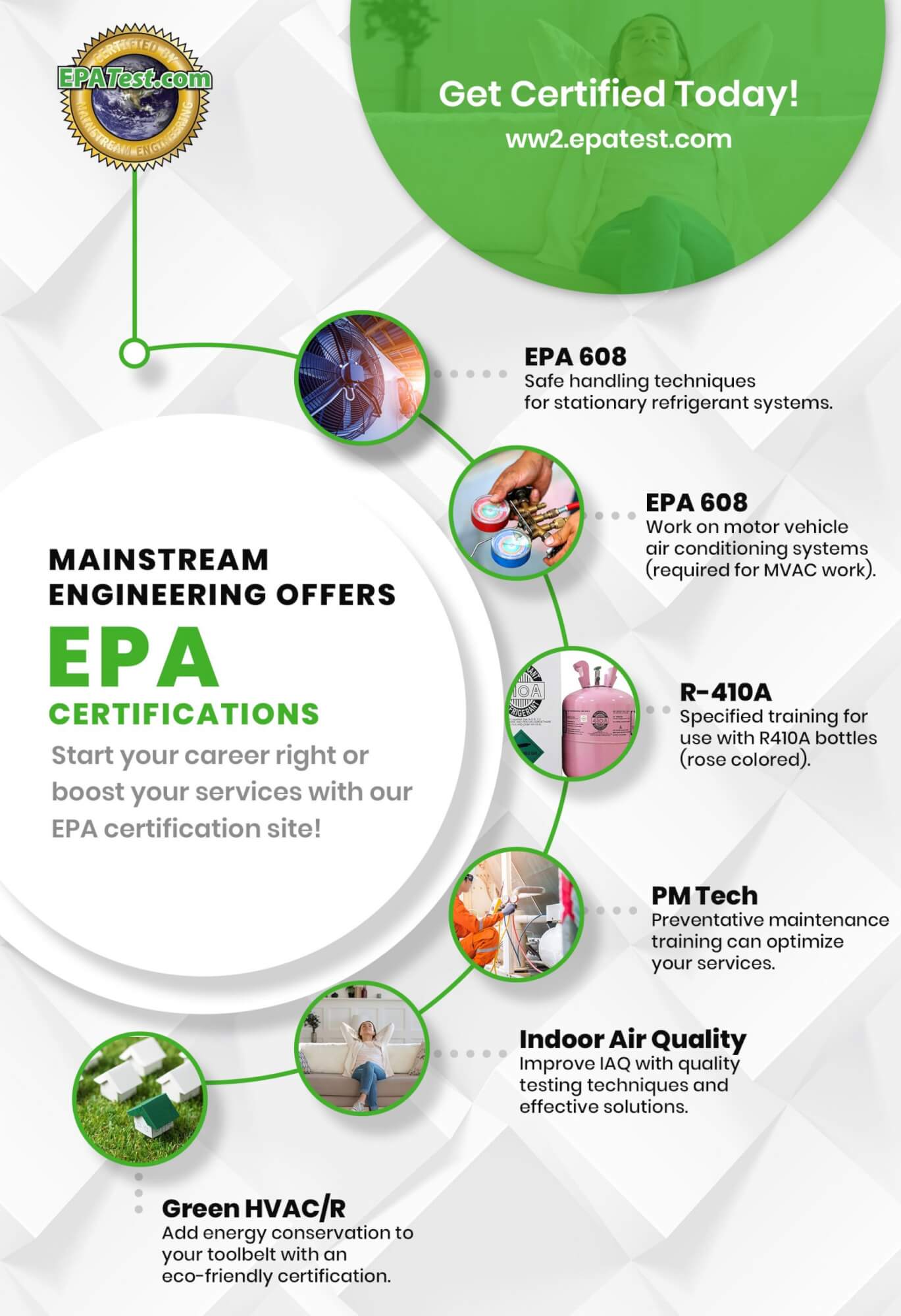
Don’t forget the actual exam fees. For EPA 608, the cost can vary depending on the testing provider, but it’s usually in the $50-$100 range. If you’re going for NATE certifications later on, those have their own separate fees, which can add up.
Financial Aid and Scholarships
Look, if the sticker shock is real, there’s usually help. Many trade schools offer financial aid, payment plans, and even scholarships. There are also external scholarships available specifically for trades. Don’t assume you can’t afford it until you’ve explored all your options. It’s worth the legwork.
NATE vs. EPA HVAC Certification: Which One Is Better

Source : immerselearn.com
Okay, so you’ve heard about EPA 608. That’s the baseline. But then there’s NATE. What’s the deal? Are they competitors? Complements? Let’s break it down, because knowing the difference can totally shape your career path. One is mandatory, the other is a badge of honor.
Understanding EPA 608 Certification
First off, EPA 608 is required by law if you’re going to be handling refrigerants. No ifs, ands, or buts. It’s focused specifically on environmental protection and safe refrigerant handling practices. It basically says you won’t screw up the ozone layer or cause a major environmental problem. It’s Needed, but it doesn’t really tell anyone you’re a master technician.
What is NATE Certification?
NATE, or North American Technician Excellence, is different. This is a voluntary certification. It’s designed to test your actual knowledge and skills as an HVAC technician. Think of it as proving you’re really, really good at your job. They have various specialty tests covering installation and service for different types of equipment.
NATE vs. EPA: The Key Differences
The biggest difference? EPA 608 is a requirement to do the job. NATE is a demonstration of your expertise. Companies often prefer NATE-certified techs because it shows a higher level of competence. It’s like the difference between having a driver’s license (EPA) and winning a professional race car driving competition (NATE).
Which Certification Should You Pursue?
Honestly, you need both. Start with EPA 608 – it’s non-negotiable for handling refrigerants. Once you’ve got some experience under your belt and you’re working in the field, then absolutely go for NATE. Earning NATE certifications shows you’re serious about your career and sets you apart from the pack. It can lead to better jobs and higher pay. Don’t get caught thinking one replaces the other; they serve different, but equally important, purposes.
How To Become HVAC Certified Without Going To School

Source : hvaccareernow.com
Can you actually do this? Can you bypass the formal schooling and still get legit HVAC certification? Yes, but it’s not exactly a walk in the park. It requires grit, self-motivation, and a willingness to learn on the fly. For some, this is the only viable route.
Apprenticeship Programs: The On-the-Job Route
This is probably the most common “no school” route. You find a company willing to take you on as an apprentice. You learn the trade hands-on, working alongside experienced technicians. These programs often provide structured training and might even cover the costs of your certifications. Plus, you’re earning while you learn! It’s a win-win. Many union and non-union shops offer these. For example, HVAC techs in Tennessee might find specific union apprenticeship opportunities through organizations like those affiliated with the trades in areas similar to HVAC licensing in Tennessee.
Self-Study and Passing Certification Exams
You can absolutely study on your own. Grab some textbooks, watch endless YouTube tutorials (vet the source!), and join online forums. Then, you’ll need to schedule and pass the required certification exams, like the EPA 608. This takes serious discipline. You’re your own teacher, your own motivator. And remember, experience is often a prerequisite for some higher-level certifications anyway.
Company-Sponsored Training
Some larger HVAC companies have their own in-house training programs. They might hire entry-level folks and then train them up specifically for their company’s needs. This is often tied to a commitment to work for them for a certain period. It’s a great way to get trained without upfront costs, but you’re essentially trading your time and loyalty.
The Importance of Experience
Look, no matter how you slice it, experience is king in the HVAC world. Even if you ace all the written tests, real-world problem-solving is learned on the job. You can’t simulate diagnosing a complex system failure in a classroom or even just from books. You need to be out there, in attics and crawl spaces, seeing what works and what doesn’t. That practical knowledge is what truly makes you certified in the eyes of the industry.
| Certification Type | Focus | Requirement Level | Typical Cost Range | Training Path |
|---|---|---|---|---|
| EPA 608 | Refrigerant Handling & Environmental Protection | Mandatory by Law | $50 – $200 (Training & Exam) | Online Prep, In-Person Exam; On-the-Job |
| NATE Certification | HVAC Skills & Knowledge (Installation/Service) | Voluntary, Industry Credential | $100 – $400+ per test (Exam Fees Only) | Requires Field Experience; Specialized Study |
| Trade School Certificate | Foundational HVAC Theory & Practical Skills | Formal Training (Not Legally Required) | $2,000 – $10,000+ | Full-time or Part-time Classroom & Lab Work |
| Trade School Associate’s Degree | Full HVAC Education, Broader Technical Skills | Formal Education (Often Preferred by Employers) | $8,000 – $20,000+ | 2-Year Program, Classroom, Lab, Internships |
| Apprenticeship Programs | On-the-Job Training with Structured Learning | Employer-Sponsored/Union | Often Low to No Cost (Paid Training) | Combination of Work & Related Instruction |
So, there you have it. The real breakdown. Don’t just skim this; let it sink in. Your path to becoming HVAC certified is laid out, warts and all. Now, what are you going to do about it?
Frequently Asked Questions
What is the $5000 rule for HVAC?
Honestly, that whole $5000 rule thing is a bit of a myth, or at least a misinterpretation for most aspiring HVAC techs. It pops up sometimes relating to certain apprenticeship programs or loan amounts, but there’s no universal law saying you need exactly five grand. Focus on the actual training costs and what fits your budget; don’t get hung up on that number.
What is the highest paid HVAC?
When you talk about the highest paid HVAC jobs, you’re usually looking at specialized roles. Think HVAC project managers, commercial system specialists, or guys who handle industrial refrigeration. These aren’t entry-level gigs, though. They require years of experience, extra certifications, and often a knack for leadership or super-technical troubleshooting.
What is the fastest way to get an HVAC license?
Look, the absolute fastest way to get started is usually through an intensive vocational program or trade school. They pack the Needed knowledge into a shorter timeframe, often 6-12 months. Pair that with an apprenticeship, and you’re moving. But remember, ‘fast’ doesn’t mean cutting corners on learning the critical safety stuff. Quality training is Top.
Is getting a HVAC certification worth it?
Absolutely, getting certified is a no-brainer. It’s not just a piece of paper; it opens doors. Employers actively seek out certified technicians because it proves you know your stuff and can handle the job safely and efficiently. Plus, it often means higher pay and better job security. Don’t skip this step.
What are the different types of HVAC certifications?
There are a bunch, really. You’ve got your core EPA Section 608 certification, which is mandatory for handling refrigerants. Then there are manufacturer-specific certs (like Trane or Carrier), and broader ones from organizations like NATE (North American Technician Excellence). Choosing the right HVAC certification depends on where you want to specialize, but starting with EPA 608 is a must.
