How Much Does It Cost To Get CPR Certified For Work
Look, you need to get CPR certified for your job. Maybe it’s a new gig, maybe your old card expired. Whatever the reason, a big question pops up: how much does CPR cost? It’s not exactly rocket science, but there are definitely a few moving parts that affect the price tag. Forget those vague online articles that tell you “it varies.” Let’s get down to brass tacks and figure out what you’re likely to shell out.
Getting certified isn’t just a hoop to jump through; it’s a critical skill. Knowing how to respond in an emergency can literally save a life. But that doesn’t mean your wallet needs to take a beating. Understanding the cost factors upfront can save you time and money.
Different CPR Certifications, Different Prices
Source : cprcertified.com
The first thing you gotta realize is that not all CPR certifications are created equal. They’re not interchangeable, and that’s a big reason why the cost of CPR certification swings so wildly.
Basic Life Support (BLS) vs. Heartsaver
This is where most people get confused. Heartsaver CPR is generally geared towards the general public or those in non-medical professions. Think teachers, coaches, office workers. It covers the basics. BLS, on the other hand, is for healthcare professionals. Doctors, nurses, paramedics – they all need BLS. It’s more in-depth, covering more scenarios and requiring a higher level of proficiency. Naturally, BLS courses tend to be a bit pricier because of the specialized training and the audience they serve.
Professional Rescuer Certifications
Source : cprcertificationvirginiabeachva.com
Beyond BLS, there are other professional certifications. These might be for specific industries or roles, like lifeguards or industrial workers. These often have additional modules tacked on, like First Aid or AED use. The more specialized the training, the higher the potential cost. It’s like buying a basic tool versus a full mechanic’s set – you pay for the extra functionality.
Certification Renewal Costs
Don’t forget that CPR cards expire! Usually, they’re good for two years. You’ll need to recertify to keep your credentials current. Renewal courses are typically shorter and less expensive than the initial certification, but it’s still an ongoing expense to factor into your budget. Ignoring renewal means your certification becomes worthless for work.
Factors Influencing CPR Certification Cost
Okay, so the type of certification matters. But what else drives up – or down – the price? A lot of little things add up, or surprisingly, don’t.
Training Provider Reputation and Affiliation
Are you going with the American Heart Association (AHA)? The American Red Cross? A local, independent training center? Major organizations like the AHA and Red Cross have standardized costs, but their affiliated training centers might have slightly different overheads. Some smaller, private training companies might offer lower prices, but you need to do your homework to Make sure they’re offering legitimate, accredited training. A cheap course from an unaccredited provider won’t do you any good at work, trust me.
Course Format: In-Person vs. Blended Learning
This is a HUGE one these days. You can often do a “blended learning” course. That means you do a chunk of the learning online – reading materials, watching videos – and then you just go in for a short, in-person skills check. These are usually cheaper than a full in-person course because the instructor time is reduced. The all-in-person courses, where you spend several hours in a classroom, tend to be more expensive. Think about the pizza shop owner: he might prefer the online part on his own time, saving him a full day’s wage for the class.
Location and Local Market Rates
Just like anything else, prices can vary depending on where you live. A CPR class in a major metropolitan area with a high cost of living might be more expensive than the exact same class in a small rural town. It’s supply and demand, plain and simple. Check out local listings for the average CPR certification cost in your specific area.
Included Materials and Certification Cards
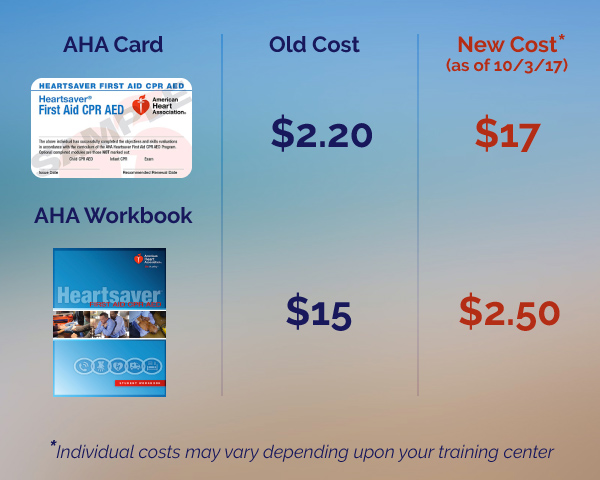
Does the course fee include everything? Sometimes, you might have to pay extra for a textbook, a workbook, or even the official certification card itself. Always clarify what’s included in the advertised price. The last thing you want is a surprise fee popping up at the end of the class. That’s just bad business.
Source : firstresponse-ed.com
Typical Cost Ranges for CPR Certification
Alright, let’s put some numbers to this. What can you actually expect to pay? This isn’t an exact science, but it gives you a solid ballpark.
Heartsaver CPR/AED Classes
For a basic Heartsaver or similar community-level CPR course, you’re generally looking at a price range between $50 to $100. This usually covers the full in-person course or a blended learning option. It’s affordable for most individuals needing it for volunteer work or as a general life skill.
BLS for Healthcare Providers
This is where the price creeps up a bit. BLS certification, which is often required for jobs in healthcare, typically costs between $70 to $150. The higher end often includes more Full materials or is offered by larger, more established training institutions. It’s a necessary investment for folks working in the medical field.
Advanced Certifications and First Aid Add-ons
If you need something more specialized, like CPR with advanced First Aid, or specific certifications for certain industries (think childcare providers or lifeguards), the cost can jump. These courses might run anywhere from $100 to $200 or even more, depending on the duration and complexity of the training. Think about adding on a specialized module – it adds to the bill.
Where to Find Affordable CPR Certification
Finding a good price doesn’t mean sacrificing quality. You just need to know where to look and what to ask for. Don’t just sign up for the first class you see!
Community Centers and Local Training Sites
Often, local fire departments, YMCAs, or community centers offer CPR classes at a significantly lower cost. They might be affiliated with the Red Cross or AHA but can pass on savings due to lower overhead. These are often great options for the guy running the local hardware store who needs to stay certified.

Source : cprwesleychapel.com
Online Blended Learning Options
Blended learning is usually the most budget-friendly. You complete the didactic (knowledge) part online at your own pace, then attend a brief in-person session for the skills assessment. This saves time and money. Just make sure the online portion is through a reputable source recognized by your employer.
Employer-Sponsored Training
This is the best-case scenario! Many employers, especially in healthcare, education, or childcare, will pay for your CPR certification directly or reimburse you for the cost. Always check with your HR department or supervisor first. Why pay out of pocket if your company is willing to foot the bill?
Calculating Your Potential Out-of-Pocket Expense
Let’s break down a hypothetical scenario. Imagine you’re a teacher needing recertification.
Scenario 1: Standard Renewal
You need to renew your Heartsaver CPR/AED certification. You find a local Red Cross training center offering a blended learning renewal course. The online portion is free through their portal, but the in-person skills session costs $75. You’ll walk away with a new card for a reasonable fee.
Scenario 2: Healthcare Provider Certification
You’re starting a new role as a medical assistant. Your employer requires AHA BLS certification. You opt for a blended learning course with an approved AHA provider. The online coursework is $30, and the in-person skills check costs $80. Your total out-of-pocket expense is $110. This is a common cost for CPR certification for work.
Comparison of CPR Certification Providers and Costs
Here’s a quick look at what you might expect from major players. Prices are approximate and can vary widely by location and specific course.
| Provider | Typical Course Type | Estimated Cost Range (USD) | Pros | Cons |
|---|---|---|---|---|
| American Heart Association (AHA) | BLS for Healthcare Providers (Blended) | $80 – $150 | Widely recognized, Full training, reputable | Can be more expensive, requires in-person skills check |
| American Red Cross | Heartsaver CPR/AED (Blended) | $60 – $110 | Nationally recognized, accessible locations, good for general public | May not be preferred for all healthcare roles, cost varies by center |
| Local Training Centers (Independent) | Various Certifications | $50 – $120 | Potentially lower cost, flexible scheduling | Varying quality, Make sure accreditation, check reviews |
| Online-Only Providers (e.g., CPR PRO) | “Certification” (Not usually accepted for work) | $20 – $70 | Very cheap, convenient | Often NOT accepted for jobs requiring hands-on skills validation, questionable legitimacy |

Source : uscpronline.com
Remember, always verify that the certification you choose is accepted by your employer. An online CPR card from a dubious website likely won’t cut it for most jobs.
Is Cheaper CPR Certification Always Better?
Absolutely not. You get what you pay for. While it’s smart to find a cost-effective CPR certification, opting for the absolute cheapest option might mean you’re not getting the quality training you need. A poorly taught class could leave you unprepared in a real emergency. Plus, many employers require certification from specific, recognized organizations like the AHA or Red Cross. Don’t risk getting a certification that’s worthless for your career.
Making the Investment in Your Career
Think of the CPR certification cost not as an expense, but as an investment. It’s an investment in your ability to perform a critical job function, an investment in workplace safety, and honestly, an investment in your own peace of mind. Knowing you’re prepared makes a huge difference.
Final Thoughts on CPR Certification Expenses
So, to wrap it up: how much does it cost to get CPR certified for work? Expect to spend anywhere from $50 for a basic community course up to $150 or more for specialized healthcare provider certifications. Blended learning options are usually your most budget-friendly bet, combining online learning with a quick in-person skills check. Always confirm your employer accepts the specific certification and provider. Don’t skimp on quality, but do shop around for the best value.
Frequently Asked Questions
How much does CPR certification typically cost?
Because prices vary a bit, but generally, you’re looking at somewhere between $20 to $75 for a CPR certification class. Some places might charge a bit more or less depending on the provider and if it includes First Aid training too.
Are there cheaper ways to get CPR certified for work?
But yeah, sometimes employers offer free CPR classes as a benefit, so definitely ask your boss first! Or, check with local fire departments or community centers; they often have lower-cost options.
What factors influence the price of CPR certification?
It really depends on the training provider, where you take the class, and what’s included. Classes that offer official certification from recognized organizations like the American Heart Association or Red Cross might cost a little more than a basic community course.
Is CPR certification expensive for businesses?
For businesses, the cost can add up if you have a lot of employees needing it. You might find group rates or have a trainer come to your workplace, which can be more cost-effective than sending everyone out individually. Some companies factor the CPR training cost into their overall safety budget.
Do online CPR courses cost less?
Often, yes. Online-only components or courses can be cheaper, but be careful. Most workplaces require a hands-on skills session to complete the certification. So, an online course might be just the theory part, and you’ll still need to do a practical session, which adds to the overall price.
