NASM vs ACE Personal Trainer Certification: The Ultimate Showdown
So, you wanna be a personal trainer, huh? Awesome! But hold up. Before you start dreaming about molding physiques and changing lives, you’ve got a big decision looming. Which certification are you gonna hang on your wall? It’s like choosing your weapon in a fitness war. Two of the biggest names? That’s gotta be NASM and ACE. They’re the heavyweights, the ones everyone talks about. But are they actually that different? And more importantly, which one is gonna get you hired faster and make you a better trainer?
Let’s cut through the marketing fluff. I’ve seen trainers come and go, and the ones who stick around, the ones who really make an impact, they usually picked their certification wisely. This isn’t about picking the cheapest or the easiest. It’s about picking the one that builds a rock-solid foundation for your career. We’re diving deep into NASM vs ACE, no holds barred. Forget those generic comparisons. We’re talking real-world impact.
Why Your Certification Choice Is A Career-Defining Moment
Source : traineracademy.org
The First Impression: What Employers Actually See
Look, when a gym owner or a studio manager is sifting through a pile of resumes, what’s the first thing they’re scanning for? That certification logo. It’s your initial handshake, your first impression. A recognized name like NASM or ACE immediately tells them you’ve met a certain standard. It’s a signal. Without it, you might as well be sending your resume with a scribbled note on a napkin.
Beyond the Paper: Real-World Skill Acquisition
Yeah, the paper matters. But what does that paper represent? Does it mean you can actually design a safe and effective program for a 60-year-old with bad knees? Or can you motivate a client who’d rather be watching Netflix? A great certification goes beyond rote memorization. It teaches you the ‘why’ behind the ‘what’. It Provides you with the critical thinking skills needed to adapt to any client.
Building Your Brand: Trust and Credibility
Your certification isn’t just a piece of paper; it’s the first brick in your personal brand. Think about it. When clients search online, they want a trainer they can trust. Seeing a reputable certification lends instant credibility. It tells them you’ve invested in your education and are serious about your profession. Without that foundation of trust, building a sustainable client base is tough, really tough.
NASM: The Science-Backed Behemoth
The NASM Approach: Precision and Evidence
NASM (National Academy of Sports Medicine) has built its reputation on a foundation of rigorous, science-based curriculum. They’re all about the OPT model (Optimum Performance Training). It’s systematic. It’s designed to take clients through phases, from stabilization to strength to power. This structured approach is a huge draw for trainers who appreciate a methodical path.
Core Curriculum and Key Concepts
What do you actually learn with NASM? A whole lot. We’re talking human movement science, program design, exercise technique, nutrition basics, and client assessment. Their focus is on corrective exercise and injury prevention, which is huge in today’s world. They really hammer home the idea of understanding the kinetic chain and how imbalances can lead to problems. It’s detailed.
![NASM vs ACE: Best Personal Trainer Cert? [updated]](https://www.ptpioneer.com/wp-content/uploads/2016/07/ACE-vs-NASM-course-overview.jpeg)
Source : ptpioneer.com
Employer Recognition and Industry Standing
Let’s be blunt: NASM is widely recognized. Most major gyms and fitness facilities actively seek out NASM certified trainers. They trust the rigor of the program. If you’re aiming for a corporate gym environment, NASM is often considered the default, the standard bearer. Their name carries weight, pure and simple. It often opens doors that might otherwise stay shut.
Specializations and Advanced Learning
NASM doesn’t stop at the general certification. Oh no. They offer a dizzying array of specializations. Think Performance Enhancement Specialist (PES), Corrective Exercise Specialist (CES), Fitness Nutrition Coach (FNC), and tons more. This allows you to really hone in on a niche and become an expert in a specific area. It’s a fantastic way to differentiate yourself and command higher rates.
ACE: The Wellness and Behavior Change Guru
The ACE Philosophy: Empowering Sustainable Habits
ACE (American Council on Exercise) has a slightly different flavor. While NASM leans heavily into the biomechanics and prescriptive programming, ACE puts a massive emphasis on behavior change. Their philosophy centers around empowering individuals to adopt and maintain healthy habits for life. It’s less about the ‘perfect’ workout and more about the ‘consistent’ workout. That’s a Key distinction.
Focus on Client Psychology and Motivation
This is where ACE really shines. They dive deep into exercise psychology. You learn motivational interviewing techniques, how to build rapport, and strategies for overcoming client barriers. This is incredibly valuable because, let’s face it, keeping clients motivated and consistent is often the hardest part of the job. ACE gives you the tools to tackle that head-on. It’s practical psychology for fitness.
Study Materials and Learning Experience
ACE provides Full study materials, often including textbooks, online quizzes, and practice exams. Their online platform is generally user-friendly. While NASM might feel more like a textbook-heavy academic course, ACE often balances that with a more practical, application-focused approach. They want you to apply the knowledge, not just regurgitate it.
Community and Support Network
ACE also boasts a strong community and a wealth of resources for its certified professionals. They offer continuing education, workshops, and networking opportunities. This can be Crucial for new trainers looking to connect with experienced peers and stay updated on the latest trends and research. Being part of the ACE network can be a real career booster.
NASM vs ACE: Head-to-Head Comparison
Accreditation: The Seal of Legitimacy
Both NASM and ACE are accredited by the NCCA (National Commission for Certifying Agencies). This is HUGE. It means they meet rigorous standards for development, implementation, and maintenance of certification programs. This accreditation is a critical factor for employer recognition. Without NCCA accreditation, a certification is often seen as less credible. It’s the gold standard for legitimacy.
Cost and Value Proposition
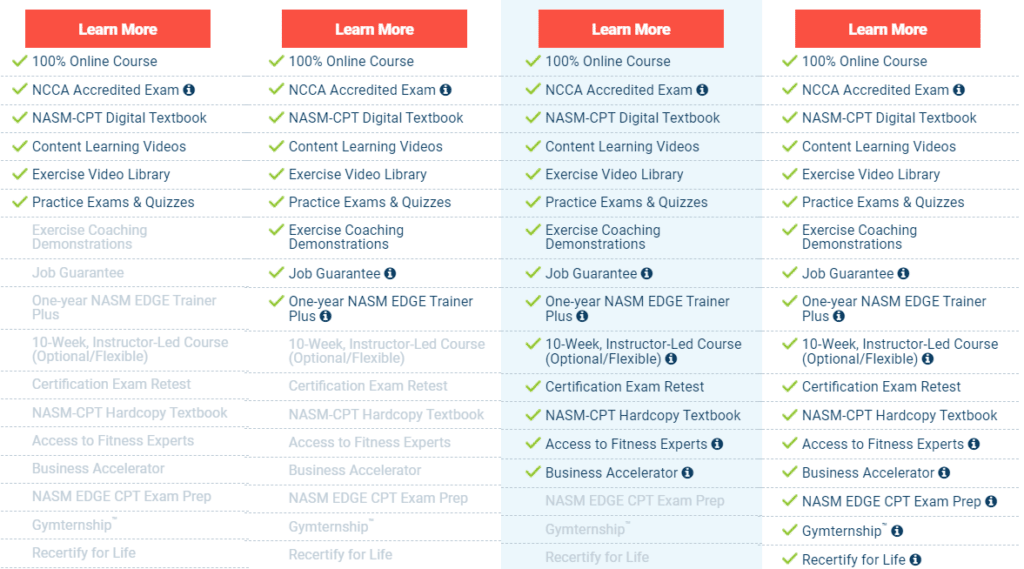
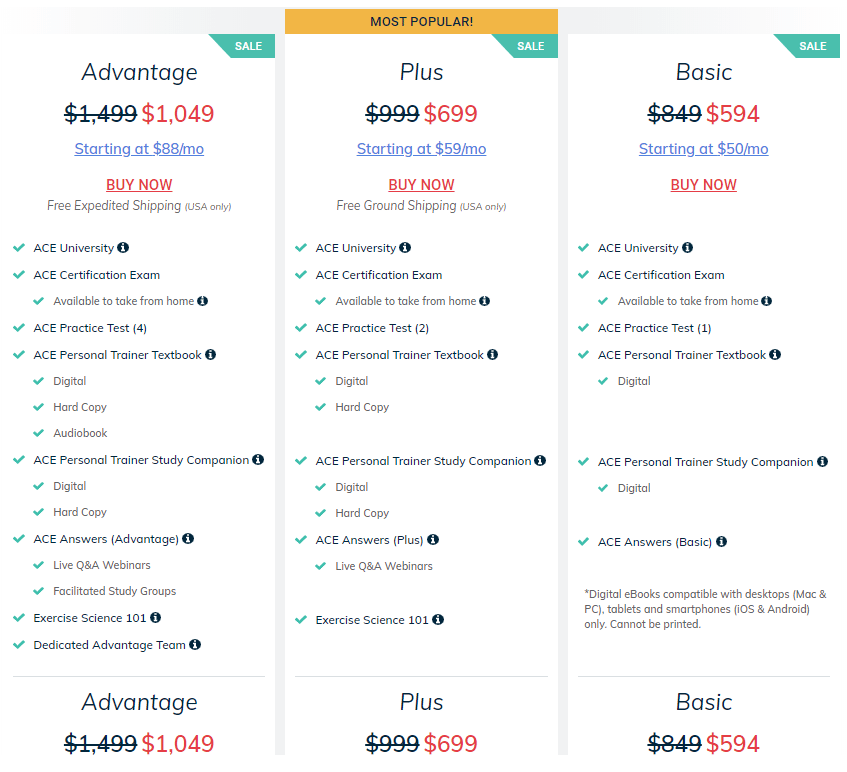
Pricing can vary significantly depending on the study package you choose. Generally, NASM’s packages tend to be a bit pricier, especially when you bundle in their extensive specialization options. ACE might offer a slightly more accessible entry point for some. However, ‘value’ isn’t just about the sticker price. It’s about the return on investment – how quickly the certification helps you land clients and build your income. Both offer decent value, but NASM’s advanced options can lead to higher earning potential if you specialize.
Exam Difficulty and Pass Rates
This is where things get interesting. The NASM exam is widely considered challenging. It’s multiple-choice, typically around 120 questions, and you need a score of 70% to pass. Many find the NASM exam to be more focused on recalling specific scientific details and the OPT model. The ACE exam is also rigorous, often around 150 questions, with a pass rate generally reported slightly higher than NASM’s. ACE tends to incorporate more scenario-based questions, testing your ability to apply concepts to real-life client situations. This makes the ACE exam feel more practical to some.
Study Materials and Learning Styles
Your preferred learning style should heavily influence your choice. NASM offers extensive materials, often leaning towards a textbook-heavy approach with detailed scientific explanations. It’s great if you love diving deep into the physiology. ACE provides a Strong online learning platform, practice quizzes, and a strong emphasis on application. If you’re more of a visual or kinesthetic learner, or if you prefer learning through practical examples, the ACE study materials might Connect more.
Exam Structure and Content Breakdown
NASM’s OPT Model vs. ACE’s Integrated Fitness Training (IFT) Model
At the heart of NASM’s programming is the OPT model. It’s a phased approach: Stabilization Endurance, Strength Endurance, Hypertrophy, Maximal Strength, Power. This provides a clear, step-by-step framework for program design. It’s highly systematic and easy to follow once you grasp the principles. It emphasizes progression and ensures clients build a solid foundation before moving to more intense training phases.
ACE, on the other hand, utilizes its Integrated Fitness Training (IFT) model. This model is also phased but places a strong emphasis on client assessment and individualized program design from the outset. It guides trainers through developing programs based on a client’s specific needs, goals, and fitness level, integrating cardiovascular, resistance, and flexibility training components. The IFT model is designed to be highly adaptable, ensuring trainers can create personalized plans that address all aspects of fitness.
Knowledge Domains Tested
Source : traineracademy.org
Both certifications cover similar core knowledge areas, but their emphasis differs. NASM places a significant emphasis on biomechanics, exercise science, and corrective exercise techniques. You’ll see many questions related to muscle imbalances, joint function, and the OPT model’s specific phases. Their focus is on the ‘how’ and ‘why’ of exercise mechanics for injury prevention and performance optimization.
ACE dedicates Large portions of its exam to exercise technique, program design, and human movement science, much like NASM. However, ACE also heavily emphasizes client assessment, motivation, adherence strategies, and behavior change theories. Questions often test your ability to interpret client assessments and develop programs that address not just physical goals but also psychological barriers to exercise. This makes the knowledge domains tested by ACE feel more Overall.
The Examination Experience: What to Expect
The NASM exam is typically administered online or at testing centers and consists of multiple-choice questions. It’s designed to test your recall of scientific information and your understanding of the OPT model. Many candidates report needing to memorize specific protocols and terminology. Success often hinges on thorough study of the NASM textbook and practice exams.
The ACE exam, also often available online or at testing centers, uses a mix of multiple-choice and scenario-based questions. This format requires you to not only know the information but also apply it to hypothetical client situations. Trainers often find this more reflective of the actual day-to-day challenges they’ll face. Preparing for the ACE exam involves understanding principles and how to apply them practically.
Key Differences: NASM vs ACE Deep Dive
Primary Focus: Performance vs. Behavior Change
This is arguably the biggest differentiator. NASM’s core strength lies in its emphasis on exercise science, biomechanics, and performance enhancement, particularly through its OPT model. It’s about building the physically optimal human being, with a strong bent towards injury prevention. It’s structured and prescriptive.
ACE, conversely, excels in its focus on behavior change and client adherence. They equip trainers with the tools to understand the psychological aspects of fitness, making them Skilled at helping clients build lasting healthy habits. If your passion is helping people overcome obstacles and commit to long-term wellness, ACE might be your jam.
Target Audience and Career Paths
While both certifications are versatile, their typical career paths can diverge slightly. NASM certifications are often favored by those looking to work in performance-based settings, such as sports performance centers, corrective exercise clinics, or gyms that emphasize strength and conditioning. Many trainers use NASM specializations like the CES or PES to target these specific niches.
ACE certifications are highly valued in general fitness settings, corporate wellness programs, community centers, and any environment where building long-term client relationships and promoting general health and well-being is Top. Their focus on behavior change makes ACE grads particularly effective at client retention and supporting diverse populations with varying health goals.
Continuing Education Units (CEUs)
Maintaining your certification requires earning Continuing Education Units (CEUs) over a specific period (usually two years). Both NASM and ACE offer a wide array of their own courses and workshops to fulfill these requirements. NASM provides numerous specialization courses, while ACE offers various workshops, seminars, and online courses focused on fitness, health, and behavior change. You’ll find Plenty of opportunities within each organization to stay current, but the content of those CEUs will naturally Match with their respective organizational focuses.
Cost of Study Packages
Package pricing can be a significant factor. NASM often presents tiered packages, from basic self-study options to premium bundles that include live workshops, practice exams, and even nutrition coaching components. These can range from a few hundred dollars to over a thousand, especially when adding specialization bundles. You can explore the latest offerings directly on the NASM resource center.
ACE also offers various study packages, often including textbooks, online learning modules, and practice assessments. Their pricing is generally competitive, sometimes appearing slightly lower than comparable NASM bundles. However, it’s Key to compare the content included in each package, not just the price. A detailed breakdown can be found on review sites comparing ACE vs NASM directly.
Who Should Choose NASM?
The Aspiring Performance Specialist
If your dream is to work with athletes, train clients for peak physical performance, or focus heavily on corrective exercise and injury prevention, NASM is likely your best bet. Their OPT model and specialized certifications (like the PES and CES) are tailor-made for these roles. You’ll be immersed in the science of human movement and performance optimization.
The Detail-Oriented Learner
Do you love dissecting the ‘why’ behind every movement? Are you drawn to intricate physiological details and structured, systematic approaches? NASM’s curriculum resonates with those who appreciate a deep, scientific dive. The OPT model provides a clear roadmap, appealing to learners who thrive on precision and detailed protocols.
Trainers Seeking Broad Gym Recognition
For many trainers, landing a job in a large commercial gym chain is the primary goal. NASM holds a very strong reputation among these employers. Its widespread recognition means that having a NASM certification on your resume often equates to immediate credibility in the eyes of hiring managers at many major fitness facilities across the country.
Who Should Choose ACE?

Source : nasm.org
The Client Relationship Builder
If you’re passionate about helping everyday people make lasting lifestyle changes, building strong client rapport, and understanding the psychological side of fitness, ACE is an excellent choice. Their strong emphasis on behavior change strategies and motivational techniques prepares you exceptionally well for this aspect of personal training.
The Overall Health Support
Are you interested in a broader view of wellness that encompasses not just physical fitness but also mental well-being and sustainable habits? ACE’s curriculum, with its focus on adherence and motivation, aligns perfectly with this Overall approach. You’ll learn to Enable clients to take ownership of their health journey.
Those Preferring Practical Application
If you learn best by doing and prefer study materials that emphasize practical application and real-world scenarios, ACE’s approach might feel more intuitive. Their exam, often featuring case studies and application-based questions, mirrors the problem-solving skills needed on the gym floor. It’s about applying knowledge, not just reciting it.
Putting It All Together: A Comparison Table
| Feature | NASM (National Academy of Sports Medicine) | ACE (American Council on Exercise) |
|---|---|---|
| Primary Focus | Exercise science, biomechanics, corrective exercise, performance optimization (OPT model) | Behavior change, client adherence, Overall wellness, general fitness |
| Accreditation | NCCA Accredited | NCCA Accredited |
| Exam Style | Multiple-choice, often more recall-based, emphasizes OPT model | Multiple-choice, includes scenario-based questions, emphasizes application |
| Study Materials | Textbook-heavy, detailed scientific explanations, OPT model focus | Online platform, practical examples, behavior change focus, IFT model |
| Specializations | Extensive (PES, CES, FNC, etc.) | Strong offerings in behavior change, group fitness, medical fitness |
| Employer Recognition | Very high, especially in performance and commercial gyms | High, particularly in general fitness, wellness, and community settings |
| Typical Cost | Mid-to-high range, can increase significantly with bundles | Competitive, often slightly lower entry-level than NASM |
| CEU Requirements | 2 years (2.0 CEUs) | 2 years (2.0 CEUs) |
| Ideal For | Aspiring performance coaches, corrective exercise specialists, science-minded learners | Trainers focused on lifestyle change, client motivation, Overall health, practical application |
The Verdict: Which Path is Right for You?
It’s Not About Better, It’s About FIT
Honestly, there’s no single “better” certification between NASM and ACE. They’re both top-tier, NCCA-accredited organizations that will provide you with a solid foundation. The real question is: which one aligns best with your personal goals, your learning style, and the type of clients you want to train?
If you’re drawn to the intricate science of the body, athletic performance, and corrective movement, NASM might feel like home. If you’re more interested in the human element – motivating clients, fostering long-term habits, and understanding the psychology of exercise – then ACE could be the perfect fit. Both will teach you to be a competent trainer, but they’ll steer you with slightly different compasses.
Your First Step Matters, But It’s Not Your Last
Remember, your initial certification is just that – the first step. The fitness industry is constantly evolving. Regardless of whether you choose NASM or ACE, your commitment to ongoing learning through continuing education, workshops, and practical experience is what will truly set you apart. Don’t stop learning after the exam. The best trainers never do. Invest in your growth, and your career will thank you.
So, weigh the options. Consider where you want your fitness journey to lead. Both NASM and ACE offer credible pathways to becoming a certified personal trainer. Choose the one that sparks your passion and sets you on the right track for the career you envision.
Frequently Asked Questions
What is the most recognized certified personal trainer certification?
Honestly, it kinda depends on who you ask and where you’re looking to work. But generally speaking, both NASM and ACE are super well-respected and widely recognized. ACSM is also up there, especially in more clinical settings. For most gyms and general personal training gigs, you can’t go wrong with NASM or ACE.
Who is better, ISSA or NASM?
It’s not really about one being definitively ‘better,’ more about what fits you. NASM tends to have a really strong emphasis on corrective exercise and a more structured approach. ISSA, on the other hand, is often seen as a bit more flexible and has a strong online component, which is cool if you’re doing things remotely or want to study on your own time. Think about your learning style and what kind of clients you want to train.
Is ACE or NASM cheaper?
Typically, ACE is a bit more budget-friendly than NASM. NASM’s materials and exam can sometimes come with a higher price tag, especially if you opt for their premium packages. But hey, a cheap certification isn’t worth much if it doesn’t get you the knowledge or the job, right? Always check their websites for the latest pricing and any sales they might be ruing.
What’s the difference in their exam difficulty?
Both NASM and ACE have exams that require solid preparation. NASM’s exam is often described as having more application-based questions, testing how you’d use the information in real-world scenarios. ACE’s exam can feel a bit more knowledge-recall focused, but still requires understanding of concepts. Neither is a walk in the park; you’ll need to study hard for either.
Which certification is better for begiers?
For total begiers, both NASM and ACE offer Full programs. NASM’s Optima program is pretty begier-friendly with its focus on the OPT model. ACE also has great resources for newcomers. It really boils down to which one’s study materials and teaching style Connect more with you. Maybe check out some free sample materials from both!
