How Long Does It Take To Become A Certified Physical Trainer? Let’s Get Real.
So, you’re thinking about diving headfirst into the world of fitness, becoming a certified physical trainer? Awesome. But let’s cut through the fluff right now. Everyone wants to know the magic number, the exact timeframe. The truth? It’s not a one-size-fits-all answer, not by a long shot.
Forget those cookie-cutter timelines you see plastered everywhere. Your journey is unique. It hinges on a bunch of moving parts, from how quickly you can absorb information to the specific certification you aim for. We’re talking weeks, months, maybe even longer if you’re juggling a full-time job or have other life commitments. It’s a sprint for some, a marathon for others.
But here’s the kicker: it’s not just about the clock ticking. It’s about what you do with that time. Are you just cramming for a test, or are you truly absorbing the knowledge to be a great trainer? Because that’s what separates the good from the truly Great. Let’s break down exactly what influences this timeline and how you can chart your own course to becoming a trainer.
The Core Timeline: What’s the Bare Minimum?

Source : hevycoach.com
Understanding Certification Requirements
Most recognized personal training certifications require you to pass a Full exam. This isn’t some pop quiz you can wing. You need a solid grasp of anatomy, kinesiology, exercise science, and program design. Some organizations offer study materials, but you’re largely on your own to master the content. It’s a serious commitment to learning fitness principles.
Study Time Before The Exam
Okay, so how much studying are we talking about? For many, a focused individual can prepare for a certification exam in as little as 4-8 weeks. This assumes you’re dedicating a significant chunk of your free time – think evenings and weekends. It’s intense, sure, but totally doable if you’re motivated. You’re essentially cramming a college-level course into a short, sharp burst. This often involves sifting through textbooks, online modules, and practice tests to solidify your understanding of exercise science fundamentals.
The Exam Itself and Immediate Aftermath
Once you feel ready, you book your exam. This might be at a testing center or even online, depending on the provider. The actual test-taking usually takes a few hours. After that? Well, sometimes you get results immediately, other times it’s a nail-biting wait. Passing the exam is the biggest hurdle, and it’s often the most time-consuming part of the initial process. But that’s just the first step in getting certified.
Initial Certification Processing Time
After you’ve conquered the exam, there’s the administrative side. You’ll need to submit paperwork, potentially pay fees, and wait for your official certificate to be processed and mailed out. This can range from a few days to a couple of weeks. It’s the final administrative hop before you can legally call yourself a certified personal trainer. Don’t underestimate this waiting period; it can feel longer than the studying!
Source : fpti.edu
Factors That Stretch the Timeline (The Reality Check)
Balancing Study with Life Demands
Let’s be honest, most people aren’t quitting their jobs to study full-time. You’ve got bills to pay, families to look after, maybe even another job. This means your study sessions are squeezed in. That 4-8 week timeline? It can easily stretch to 3-6 months, or even longer, when you’re fitting it around your existing life. It’s about sustainable progress, not burning out. Juggling these responsibilities requires serious time management skills to stay on track with your certification goals.
Choosing a Full Certification Program
Not all certifications are created equal. Some are more rigorous, offering more in-depth study materials and requiring more practical application. Programs like the National Academy of Sports Medicine (NASM) are highly respected and known for their Full curriculum. You might find that preparing for a more thorough certification, like those offered by NASM, requires more dedicated study time, potentially pushing your timeline out. It’s an investment in your future expertise, so don’t shy away from a more Strong program to Make sure you gain valuable knowledge and skills.
The Value of Practical Experience (Internships/Mentorships)
Some certification bodies or training programs encourage or even require internships or mentorships. This is Crucial! You get hands-on experience, working with real clients under supervision. While this is Key for developing your skills, it also adds time to your overall journey. A 3-month internship, for example, significantly extends the period from starting your studies to being fully certified and job-ready. This practical application is critical for truly understanding how to apply your theoretical knowledge and build confidence as a fitness professional.
Retaking a Failed Exam
It happens. Life gets stressful, or maybe you just didn’t prepare adequately. If you don’t pass the exam on your first try, you’ll need to reschedule, study more, and take it again. This adds weeks, if not months, to your timeline. It’s a setback, for sure, but it’s also an opportunity to identify weak areas and strengthen your understanding. Don’t let a failed attempt deter you from your ultimate goal of becoming a certified trainer.
Detailed Breakdown: Certification Types and Timelines
General Fitness Certifications (e.g., ACE, NASM, ACSM)
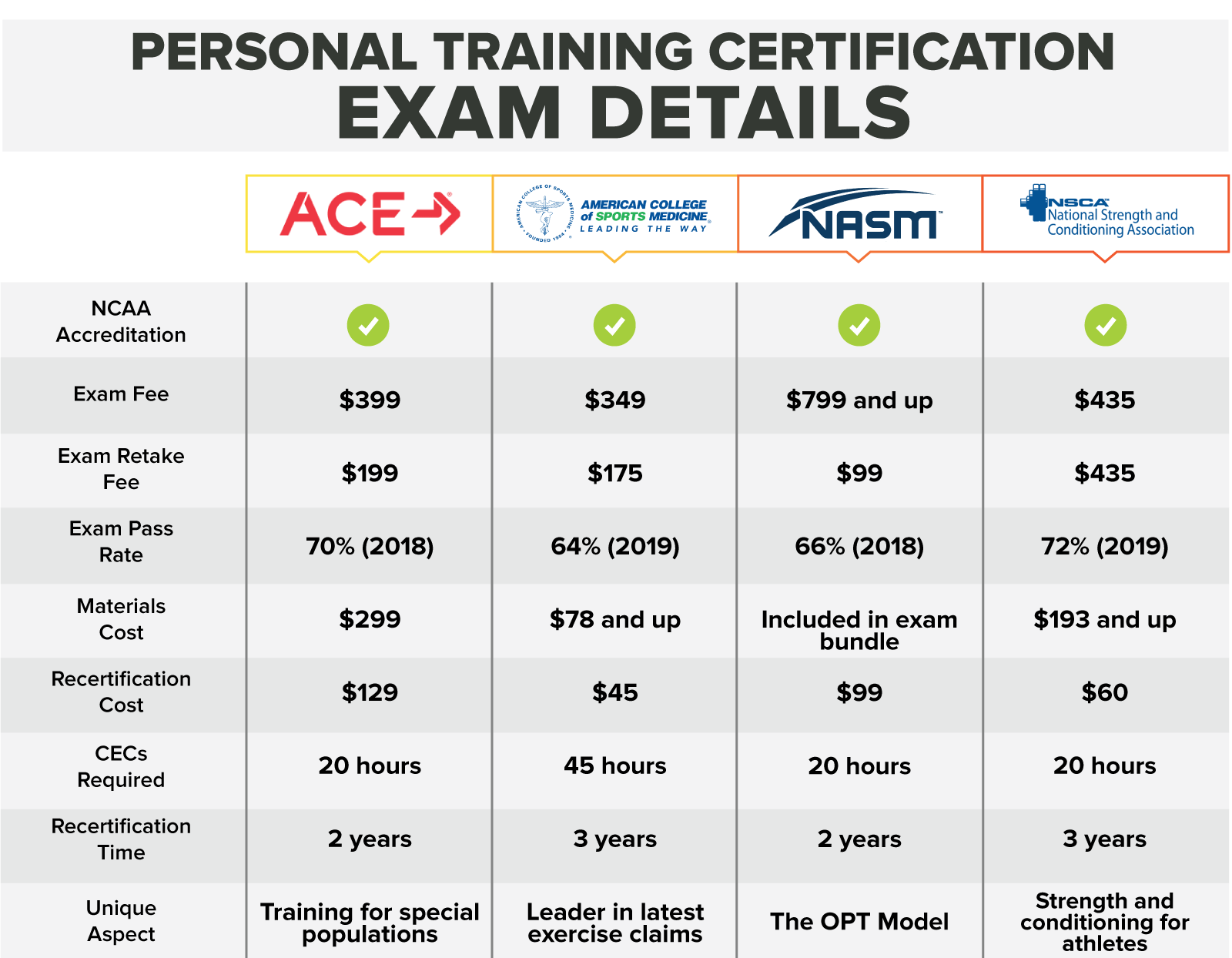
These are the most common starting points. Certifications from organizations like ACE (American Council on Exercise), NASM (National Academy of Sports Medicine), and ACSM (American College of Sports Medicine) are widely recognized. Generally, you can expect to spend anywhere from 2 to 6 months preparing for these exams, depending on your learning pace and the study materials you use. The required knowledge base is broad, covering everything from basic physiology to client assessment techniques. This is where most people begin their journey into personal training.
Specialty Certifications (e.g., Corrective Exercise, Nutrition Coaching)
Once you have a foundational certification, you might pursue specialties. These Look deeper into specific areas like corrective exercise, sports performance, or nutrition coaching. While you might already have your basic cert, acquiring a specialty often requires dedicated study for another 1-3 months per certification. You’re building on existing knowledge, but these specialized areas demand focused learning. Think of it as adding advanced degrees to your fitness education, making you a more versatile and marketable fitness expert.
Degree Programs (Kinesiology, Exercise Science)
Some trainers opt for a four-year degree in fields like Kinesiology or Exercise Science. This is a much longer path, obviously. While it provides an incredibly deep understanding of the human body and exercise physiology, it’s not strictly necessary to become a certified trainer. However, it can significantly enhance your credibility and open doors to more advanced roles, like working in clinical settings or higher education. This path typically takes four years of study.
Online vs. In-Person Study Programs
How you study impacts the timeline. Online courses offer flexibility, allowing you to study at your own pace. This can speed things up if you’re a self-starter or slow them down if you get easily distracted. In-person programs often have set schedules, which can provide structure but might be less adaptable to your personal life. Both can lead to certification, but the perceived speed often depends on individual discipline and preference for learning environments.
The Study Process: What Does it Actually Involve?
Choosing Your Certification Provider
The first, Key step is picking who you want to get certified by. NASM, ACE, ISSA, NSCA – they all have different curricula, costs, and levels of recognition. Do your homework! Research which certifications are respected in your area or by the gyms you’d like to work for. This decision can influence the study materials you’ll need and the depth of knowledge required, ultimately affecting your study duration.
Gathering Study Materials
Once you’ve chosen a provider, you’ll need their study package. This usually includes textbooks, online modules, practice quizzes, and sometimes even video lectures. Don’t skimp here. The quality of your study materials directly impacts how effectively you learn. Investing in Full resources from reputable organizations is key to building a solid foundation for your personal training career.
Structuring Your Study Schedule
This is where the real work begins. You need a plan. How many hours a day or week will you dedicate? Break down the material into manageable chunks. Schedule specific topics for specific days. Consistency is far more important than cramming. A well-structured schedule prevents overwhelm and ensures you cover all necessary topics systematically. It turns a daunting task into an achievable series of smaller goals, making the overall process of achieving certification feel less intimidating.

Source : traineracademy.org
Practice Exams and Knowledge Reinforcement
Reading the book is one thing; applying the knowledge is another. Use practice exams religiously. They simulate the real test environment and highlight areas where you need more work. Don’t just memorize answers; understand why an answer is correct. This active recall and testing method is Key for solidifying your learning and boosting your confidence before the actual exam. Effective reinforcement is key to passing on the first try and truly understanding the material for your clients.
Post-Certification Steps: The Journey Isn’t Over
Gaining Practical Client Experience
You’ve got the certificate! Congrats. But now comes the real test: working with actual people. Your first clients are your most important teachers. You’ll learn client communication, how to adapt programs on the fly, and how to motivate different personalities. This phase is Key for developing your skills beyond the textbook. Many trainers find this initial client acquisition and management period takes several months to really feel comfortable and competent, solidifying their practical skills.
Continuing Education Units (CEUs)
Most certifications require you to earn Continuing Education Units (CEUs) to maintain your credential. This means ongoing learning through workshops, courses, and conferences. It’s not a one-and-done deal. Staying current with the latest fitness research and techniques is Needed for being a great trainer and keeping your certification valid. Plan to dedicate time each year to earning these units; it’s part of being a professional in the ever-evolving fitness industry.
Building Your Client Base
Whether you work at a gym, train clients online, or run your own business, building a sustainable client base takes time and effort. Marketing yourself, networking, and providing excellent service are ongoing tasks. This isn’t a quick process; it involves building trust and relationships. Some trainers take a year or more to build a full roster of clients they can rely on. This consistent effort is key to making a viable career out of personal training.
Specializing and Advanced Training
Once established, many trainers seek further specialization. This could mean getting certified in areas like pre/postnatal fitness, performance enhancement, or even specific training modalities like kettlebells or TRX. Each specialization adds to your skillset and marketability but also requires additional time for study and practice. It’s about continuous improvement and adapting to client needs, which is a lifelong commitment for any dedicated fitness professional.
A Realistic Timeline Comparison Table
Let’s put some numbers to this, keeping in mind these are estimates and highly variable. Consider this a general guide, not a rigid rulebook. Your personal circumstances will dictate the actual time investment required for you to become a fully qualified trainer.
| Scenario | Estimated Minimum Time | Estimated Realistic Time | Key Factors Influencing Time |
|---|---|---|---|
| Part-time Study, Basic Certification (e.g., NASM) | 4 weeks | 3-6 months | Study hours per week, prior knowledge, learning speed. |
| Full-time Study, Basic Certification | 2 weeks | 1-2 months | Intensive focus, efficient learning, minimal distractions. |
| Part-time Study, Multiple Certifications/Specializations | 12 weeks | 6-12+ months | Adding complexity, balancing study with work/life, deeper learning. |
| Degree Program (Kinesiology/Exercise Science) + Basic Cert | 4 years | 4+ years | Formal academic pursuit, extensive foundational knowledge. |
| Building a Full Client Base Post-Certification | Ongoing | 6-24+ months | Marketing, networking, client retention, reputation building. |
Mythbusting: Common Misconceptions About Trainer Timelines
Myth: You can get certified in a weekend.
Some “certifications” can be completed very quickly, often online with minimal effort. But are they worth anything? Reputable organizations like NASM, ACE, and ACSM require significant study and a thorough understanding of exercise science. A weekend course might give you a piece of paper, but it won’t equip you to train clients safely and effectively. Don’t fall for the instant gratification trap; genuine expertise takes time to build. Focusing on quality education over speed is Top for long-term success.
Myth: Once certified, you’re done learning.
This couldn’t be further from the truth! The fitness industry is constantly evolving. New research emerges, training methodologies change, and technology advances. Maintaining your certification requires ongoing education (CEUs), but beyond that, a truly dedicated trainer is a lifelong learner. You need to stay curious, read journals, attend workshops, and continuously refine your skills. The certification is just the starting point, not the finish line for your professional development.
Myth: All certifications take the same amount of time.
As we’ve discussed, this is absolutely false. The time commitment varies wildly depending on the provider, the depth of the curriculum, and whether you’re pursuing foundational or specialized credentials. A high-quality certification from a recognized body will demand more preparation than a less rigorous, less respected one. Choosing a reputable certification is an investment in your knowledge and your future earning potential, influencing the time to become qualified.
Myth: The certification exam is the only barrier.
Passing the exam is a major milestone, but it’s not the end of the road. You still need to develop practical skills, learn how to run a business (or work within one), build a client base, and continuously educate yourself. These aspects often take far longer than the initial study period. Think of the exam as getting your learner’s permit; you still have a lot of driving (training) to do before you’re a seasoned pro. The real learning happens on the gym floor.
Source : issaonline.com
Optimizing Your Time: How to Speed Up (Smartly)
Dedicate Focused Study Blocks
Instead of scattered 15-minute study sessions, block out larger chunks of time – say, 2-3 hours at a stretch. This allows for deeper immersion and better retention. Turn off distractions, find a quiet space, and truly focus. Consistent, deep work sessions are far more productive than fragmented, superficial ones. This focused approach maximizes your learning efficiency and helps you progress faster toward your certification goals.
Use Varied Learning Methods
Don’t just read the textbook cover to cover. Mix it up! Watch video lectures, listen to podcasts, use flashcards, and engage with online study groups. Different methods engage different parts of your brain and can help reinforce complex concepts. Find what works best for you and incorporate it into your routine. This multi-modal approach can significantly speed up comprehension and make the learning process more enjoyable, leading to faster mastery.
Find a Study Buddy or Group
Learning with others can be incredibly beneficial. You can quiz each other, explain concepts (which solidifies your own understanding), and share resources. accountability partners can keep you motivated and on track. Just Make sure your study group is focused and productive; a group that spends more time socializing than studying will actually slow you down. The right group can accelerate your understanding and keep you motivated throughout.
Prioritize Weak Areas
As you work through practice questions and quizzes, identify the topics you struggle with most. Don’t shy away from them. Dedicate extra time and resources to these weaker areas. It’s tempting to focus on what you already know, but targeted effort on your knowledge gaps is the fastest way to improve your overall score and readiness. This strategic approach ensures you’re using your study time most effectively for exam success.
Conclusion: It’s a Marathon, Not a Sprint (Usually)
So, how long does it really take? The answer, frustratingly perhaps, is: it depends. But a realistic timeframe for most people, balancing life and aiming for a reputable certification like NASM, is typically between 3 to 6 months of dedicated part-time study. Some might do it faster, others will take longer. The key isn’t just the duration, but the quality of your preparation and your commitment to becoming a knowledgeable, competent trainer.
Don’t get bogged down chasing the quickest route. Focus on understanding the material deeply. Your clients will thank you for it, and your career will be built on a much stronger foundation. It’s about becoming a true professional, not just someone with a piece of paper. The time you invest now is the bedrock upon which your entire personal training career will be built.
Frequently Asked Questions
How fast can you become a physical trainer?
Because it varies so much, you could potentially become a certified trainer in as little as a few weeks if you already have a solid fitness background and choose a fast-track certification program. But realistically, most people take a few months to study and prepare for the exam.
Is 40 too old to become a PT?
But heck no! Age is just a number when it comes to becoming a physical trainer. Lots of people change careers in their 30s, 40s, and even later. Your life experience can actually be a huge asset in understanding and coecting with clients.
What is the quickest way to become a certified trainer?
The quickest way usually involves picking an online certification that offers condensed study materials and allows you to take the exam as soon as you feel ready. Think about programs that offer intensive weekend courses or self-paced online modules you can blast through.
Can I get certified online?
Totally! Many reputable organizations offer online certification programs for physical trainers. This is often the fastest and most flexible route, letting you study at your own pace from anywhere.
Do I need a degree to be a PT?
Nope, not usually. Most personal training certifications don’t require a college degree. You’ll need to pass an exam from an accredited organization, which often means having a high school diploma or GED, and some basic CPR/AED certification.
