Red Cross First Aid Certification: Your Ticket to Workplace Safety?
Look, let’s cut to the chase. When you’re running a business, especially one with actual people on staff, safety isn’t just a buzzword. It’s a minefield of potential disasters waiting to happen. And that’s where first aid certification comes in. But not just any certification will do, right? You need something reputable, something employers actually recognize. So, does that Red Cross first aid certification cut the mustard for workplace needs? Let’s dive in.
Is Red Cross First Aid Globally Recognized for Work?
Source : redcross.org
The Red Cross’s Esteemed Reputation
When you hear “Red Cross,” what comes to mind? Probably helping people after disasters, right? They’ve got this massive global reputation built on decades of reliable, life-saving work. This isn’t some fly-by-night operation. They’re a household name for a reason. That name recognition? It translates directly into trust when it comes to workplace safety training.
Accreditation and Standards
It’s not just about a fancy logo. The Red Cross adheres to strict standards. They Match with guidelines from major health organizations and regulatory bodies. This means their training isn’t just a suggestion; it’s built on established best practices. You can be pretty sure that a Red Cross certificate means something Large.

Source : attentivesafety.com
Industry Acceptance Varies
Here’s the kicker: while the Red Cross is widely respected, acceptance can sometimes depend on your specific industry and location. Some jobs have very specific, mandated training requirements. For most general business settings, however, Red Cross certification is usually more than enough. Always good to double-check specific regulations for your field, though.
What Kinds of Workplace Certifications Does Red Cross Offer?
First Aid/CPR/AED Essentials
This is the bread and butter, folks. The standard package most businesses look for. It covers the absolute critical skills: how to handle bleeding, choking, shock, and cardiac arrest. You learn to use an AED. It’s the foundational course for a reason. Getting this first aid certification is a smart move for almost any company.
Bloodborne Pathogens Training
Ever worried about someone getting exposed to, well, nasty stuff? This course specifically addresses the risks associated with bloodborne pathogens like HIV and Hepatitis B. It teaches proper cleanup procedures and how to prevent exposure. Key for industries where contact with bodily fluids is a possibility, like healthcare or even certain maintenance roles.
Other Specialized Training
Beyond the basics, the Red Cross offers more. Think things like workplace violence prevention, emergency preparedness for businesses, and even specific training for healthcare providers. They’ve really broadened their scope to cover a lot of bases. They even have specific programs designed for organizations looking to improve their overall safety culture. It’s about more than just patching someone up; it’s about preventing incidents.
How Does Red Cross Training Match with OSHA Requirements?
OSHA’s General Duty Clause
OSHA’s General Duty Clause basically says employers must provide a workplace free from recognized hazards. While they don’t always mandate specific first aid training providers, having employees trained in first aid absolutely helps meet this requirement. It shows you’re actively working to Reduce risks. A recognized name like the Red Cross bolsters that effort significantly.
Source : lasvegascprclasses.org
Meeting Compliance Needs
Many employers need to Make sure their staff has OSHA-compliant first aid training. The Red Cross generally meets these needs. Their courses are designed with regulatory standards in mind. This is Key for avoiding fines and, more importantly, ensuring your employees know how to respond in an emergency. It simplifies compliance for employers.
Documentation is Key
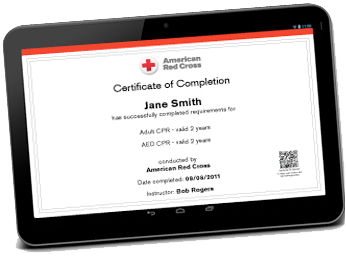
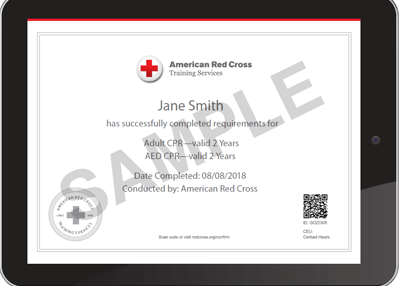
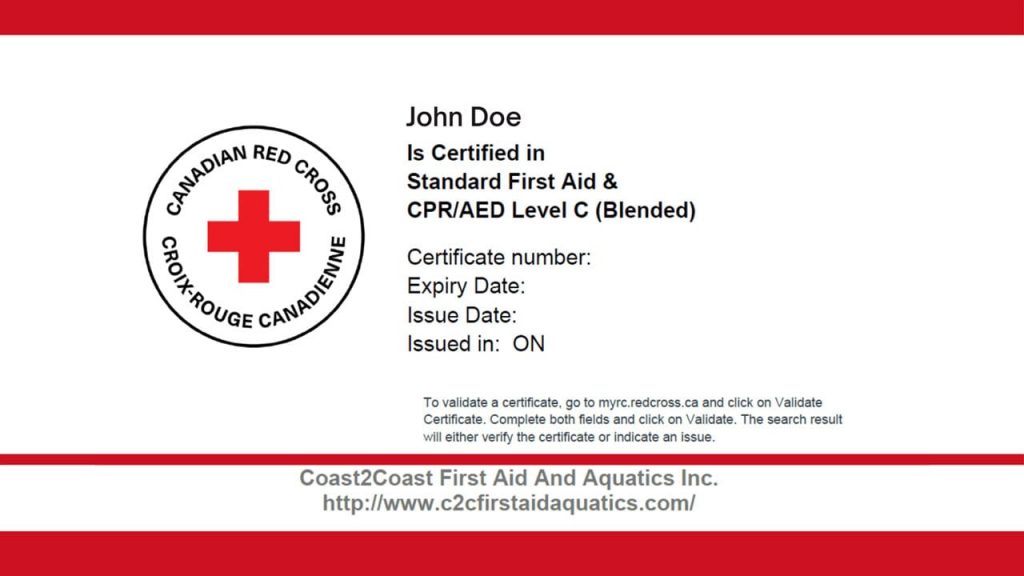
Having the certification is one thing; proving it is another. The Red Cross provides official documentation. This is Key for OSHA record-keeping. You need to be able to show that your employees have completed recognized training. This paperwork is your shield if an inspection happens.
Red Cross Workplace Training: Flexibility and Delivery Options
On-Site Group Training
Forget dragging your whole team to some stuffy classroom across town. The Red Cross can come to you. Their on-site training is super convenient. Imagine your team getting certified right there in your conference room. It minimizes disruption and maximizes convenience. This is a huge plus for businesses with multiple locations or strict schedules.
Online and Blended Learning
The digital age, right? The Red Cross offers online courses and blended learning options. You can complete a good chunk of the learning online at your own pace. Then, you just need to do a hands-on skills session. This offers incredible flexibility for busy workplaces. Newsweek even named them a top online learning provider, which speaks volumes.
Customizable Solutions
Not every workplace is the same. Maybe you need a specific focus on chemical exposure or industrial accidents. The Red Cross often works with organizations to tailor training to their unique needs. They can customize programs to address the specific risks inherent in your environment. This makes the training far more relevant and effective for your specific workplace safety program.
Source : respondandrescue.com
Cost-Effectiveness of Red Cross Certification
Comparing Training Investments
Let’s talk money. Getting Red Cross certification isn’t free, obviously. But when you weigh the cost against potential lawsuits, workers’ compensation claims, and lost productivity from injuries, it’s a bargain. Investing in employee first aid training is investing in risk mitigation. It’s a smart financial decision.
Value Beyond the Price Tag
The true value isn’t just the piece of paper. It’s the confidence your employees gain. It’s the potential to save a life or prevent a minor incident from becoming a major one. That peace of mind is Crucial. The Red Cross brand itself adds a layer of credibility that cheaper, unknown providers might lack.
Group Discounts and Packages
For larger organizations, there are often group discounts or package deals available. This can make the cost per employee quite reasonable. It pays to inquire about their offerings for bulk training enrollments. You might be surprised at how affordable it can be to get your entire team certified.
The Red Cross Training Curriculum: What’s New?
Regular Updates Based on Science
Medicine and safety protocols evolve. The Red Cross constantly updates its curriculum based on the latest scientific research and guidelines. This means you’re always getting trained on the most current, effective methods. Their commitment to evidence-based practices is a major selling point for any serious workplace safety training. They don’t just rest on their laurels.

Source : focushealthco.com
Introduction of New Manikins and Tech
They’re not stuck in the past. The Red Cross has been introducing innovative tools, like their SMART Manikin for self-directed training. This tech helps trainees practice skills like CPR with real-time feedback. It makes the learning process more engaging and effective. This focus on training technology keeps them at the forefront.
Focus on Emergency Preparedness
Beyond immediate medical care, there’s a growing emphasis on overall emergency preparedness. This includes planning for natural disasters, power outages, and other large-scale disruptions. The Red Cross helps businesses think holistically about resilience. It’s about building a safer workplace culture, not just reacting to emergencies.
Choosing the Right Red Cross Course for Your Business
Assessing Your Workplace Risks
First things first: what are the actual risks in your specific workplace? A construction site has different needs than an office building. Think about potential accidents, injuries, and exposures. This will guide you toward the most relevant courses. Don’t get training you don’t need, but absolutely get what you do need.
Understanding Compliance Mandates
Are there specific state or industry regulations you need to meet? Some jobs require more advanced certifications or specialized knowledge. Researching these requirements is non-negotiable. Ensuring your first aid certification meets all legal obligations is Top.
Consulting with Red Cross Representatives
The best approach? Talk to them directly. Red Cross representatives can help you navigate their course catalog and identify the best fit for your organization. They understand the various industry needs and can guide you toward the most appropriate and compliant training solutions. They’re there to help you figure it out.
Source : c2cfirstaidaquatics.com
Why the Red Cross Stands Out for Workplace Needs
Proven Track Record of Success
It boils down to trust and results. For decades, the Red Cross has been a leader in emergency preparedness and response. Their training programs are built on this deep well of experience. Businesses choose them because they know they’re getting reliable, effective training. It’s a name you can depend on.
Commitment to High Standards
They don’t cut corners. The rigorous standards and regular curriculum updates Make sure that anyone certified by the Red Cross is well-prepared. This commitment provides a level of assurance that’s hard to match. Knowing your employees are trained to a high standard offers significant peace of mind. It means quality workplace safety.
Full Learning Ecosystem
It’s not just a single course. The Red Cross offers a whole ecosystem of safety resources, from initial training to ongoing education and preparedness planning. They provide businesses with the tools and knowledge to build a Strong safety culture. This Overall approach makes them a powerful partner for any organization serious about protecting its people.
| Course Type | Primary Focus | Ideal For | Delivery Methods | Typical Validity |
|---|---|---|---|---|
| First Aid/CPR/AED | Emergency response for common injuries & cardiac events | Most general workplaces, offices, retail | In-person, Blended, Online Skills | 2 years |
| Bloodborne Pathogens | Preventing & responding to exposure risks | Healthcare, cleaning services, industrial settings | Online, Blended | Varies (often annual refresh recommended) |
| Emergency Preparedness | Business continuity, disaster response planning | All businesses, management, safety officers | In-person, Blended | Varies (annual review encouraged) |
| Advanced Training (e.g., BLS) | More in-depth medical response | Healthcare professionals, first responders | In-person, Blended | 2 years |
Frequently Asked Questions
Is Red Cross online CPR valid?
Yeah, the American Red Cross offers online CPR certification courses, and for many situations, they are valid. But, it’s always a good idea to check with your employer or the specific organization that requires the certification. Some might require a hands-on skills session to be fully valid for workplace needs.
Do employers verify CPR certification?
Most employers absolutely do. They want to make sure you’ve actually got the skills and the official CPR certification if an emergency happens. It’s part of their safety protocols, you know?
What is the most widely accepted CPR certification?
Honestly, the American Heart Association and the American Red Cross are generally the most recognized and widely accepted providers for CPR and first aid certification. Employers usually see these names and know they’re legitimate.
How long is first aid training valid?
Typically, first aid training certifications, including those from the Red Cross, are valid for about two years. After that, you’ll need to renew it to keep your skills and certification up to date.
Can I get Red Cross certified online for workplace requirements?
You can get started with Red Cross online first aid and CPR courses, which are super convenient. However, for many workplaces, you’ll likely need to complete an in-person skills check to get the full, official certification that they’ll accept. So, the online part is great for learning, but the hands-on bit is often key for workplace validity.
