How Long Does A Standard First Aid Certification Last?
So, you’ve gone and gotten yourself certified in first aid. Awesome. Seriously, good on ya. It’s one of those things that most people think about but never actually do. But then the nagging question pops up, right? How long does this fancy certificate actually hang around before it’s just a pretty piece of paper? It’s not like a driver’s license with a big, bold expiration date printed right there.
Let’s cut to the chase. You’re not going to find a single, universal answer that fits every single certification out there. It’s a bit more nuanced than that. Think of it less like a cookie-cutter program and more like a tailored suit – it depends on who made it and what their rules are.
But here’s the kicker: most of these certifications, the ones that actually mean something, have a shelf life. And it’s usually not as long as you’d hope. So, buckle up, because we’re diving into the nitty-gritty of how long your first aid certification is good for.
The Standard Lifespan of First Aid Certifications
Source : redcross.org
Why Certifications Expire
Look, nobody’s trying to nickel-and-dime you here. There’s a good reason these certifications expire. It’s all about keeping your skills sharp. Medical guidelines, best practices – they evolve. What was Latest five years ago might be… well, not so Latest now.
Think of it like this: if you learned to drive a car with a manual transmission back in the day, you’d still be able to drive one now. But imagine if cars suddenly started flying? You’d need a new set of skills, right? Same idea applies here. Keeping you current is the main goal of expiration dates.
Source : c2cfirstaidaquatics.com
Typical Duration Ranges
For the most part, you’re looking at a two-year window. Most reputable organizations, like the American Heart Association or the American Red Cross, set their standard certifications to be valid for two years. It’s a pretty common timeframe across the board.
This gives you enough time to feel confident and use your skills, but not so much time that you completely forget what you learned. It strikes a decent balance, really. You get a good run before you need to brush up.
Variations by Provider and Course Type
Now, this is where it gets a little fuzzy. While two years is the norm, it’s not a hard-and-fast rule for every single course. Some specialized courses might have shorter or longer validity periods. For example, a basic CPR certification might have a different expiry than an advanced wilderness first aid course.
Always, always, always check the specific details of the course you took. Don’t just assume. The provider usually makes this crystal clear on your certificate or their website. It’s your responsibility to know, so don’t get caught off guard.
Common First Aid Certification Providers and Their Expiry Policies
American Red Cross Standards
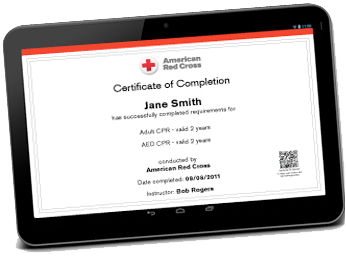
The American Red Cross is a huge player in this game. For most of their standard first aid and CPR/AED courses, the certification is valid for two years. They want to Make sure people are up-to-date with the latest emergency response protocols.
They offer renewal courses, which are often shorter than the initial training, designed to refresh your knowledge and skills. It’s a smart system they’ve got going. You can even find information about first aid renewal directly on their site.
American Heart Association Guidelines
Similarly, the American Heart Association (AHA) generally issues certifications that are valid for two years from the date of completion. They are particularly focused on cardiovascular and cardiopulmonary resuscitation skills, and their standards are rigorous.
AHA courses are widely recognized in healthcare settings, so adhering to their two-year renewal cycle is critical for professionals. Missing a renewal can have serious professional implications.
Other Certifying Bodies
Beyond the big two, you’ve got organizations like the National Safety Council, Medic First Aid, and others. While their specific course structures might differ slightly, the overarching theme of a two-year validity period remains remarkably consistent for standard adult first aid training.

Source : caringforcare.co.uk
Some niche or workplace-specific certifications might have different timelines, but for general public or workplace safety courses, two years is the industry standard. Don’t be surprised if you see this duration pop up again and again.
Factors Influencing Certification Duration
Course Level and Specialization
As hinted earlier, not all courses are created equal. A basic “First Aid Basics” course might have a standard two-year expiry. But what about something like “Wilderness First Responder”? Those often require longer training initially and may have different renewal requirements, sometimes shorter periods due to the extreme environments involved.
It: treating a cut in your office is vastly different from treating an injury miles from anywhere. The skills needed, and how quickly they might need refreshing, change drastically. So, the level of specialization matters.
Provider-Specific Policies
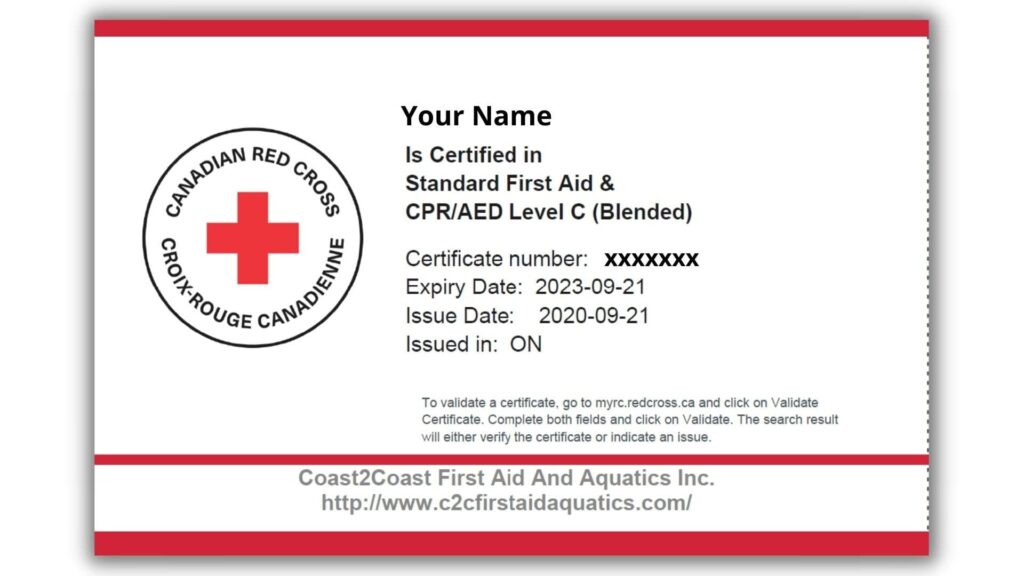
This is a big one. Even within the same general type of course, different organizations can set their own rules. One might say two years, another might say 18 months for a comparable course. It really comes down to their internal curriculum review cycle and what they deem necessary to maintain competency.
It’s always smart to double-check the fine print for the specific training provider you used. They’ll have the definitive answer for your certification’s validity.
Regulatory or Employer Requirements
Sometimes, your certification’s lifespan isn’t just up to the training provider. Your employer might have specific requirements, especially in high-risk industries. A construction company might mandate that all site supervisors renew their first aid certification every 18 months, even if the issuing body allows two years.
Similarly, certain government regulations or industry standards might dictate minimum renewal frequencies. Staying compliant with these external rules is just as important as the original certification itself. You don’t want to be the reason a project gets shut down.
The Renewal Process: What You Need to Know
When to Start Thinking About Renewal
Don’t wait until the last minute! Seriously. Mark your calendar with a reminder a couple of months before your expiration date. This gives you Plenty of time to find a suitable renewal course without the panic.

Source : hts-training.co.uk
Procrastination is the enemy here. You don’t want to be in a situation where your certification has lapsed and you can’t perform your duties or are unable to take on a new role. That’s a headache you can easily avoid.
Renewal Course Formats
Renewal courses are typically shorter and more focused than the initial certification training. Many providers offer blended learning options, combining online coursework with a shorter in-person skills session. This is super convenient for busy people.
Some might still require a full in-person session, depending on the complexity of the course and the provider’s policy. The goal is reinforcement, not re-teaching everything from scratch. They want to Make sure you’re still proficient.
Recertification vs. Re-training
It’s important to distinguish between these. Recertification usually refers to a renewal course that allows you to extend your existing certification for another period (e.g., two years). Re-training might imply taking the full initial course again, perhaps if your original certification has been expired for a while or if you need a different level of training.
Most often, if you renew within the grace period, it’s a straightforward recertification. Let it lapse too long, and you might be looking at a full course again. Always check the policy.
Why Keeping Your Certification Current Matters
Maintaining Needed Skills
Let’s be brutally honest: you’re not going to remember every single detail from your initial training after two years. Skills, especially practical ones, need regular practice. Renewal courses are designed to refresh your memory and reinforce critical procedures.
It like practicing a musical instrument. You can’t just play it once and expect to be a virtuoso forever. Consistent practice, even in short bursts, is key. Your first aid skills are no different.
Meeting Employer and Industry Standards
Many jobs require valid first aid certification. This isn’t just a formality; it’s often a legal or safety requirement. Employers need to know they have staff on hand who are trained and capable of responding to emergencies. An expired certificate means you’re technically not meeting those requirements.

Source : cprvam.com
It can affect your employability, your job duties, and even your company’s insurance or compliance status. Keeping it current is a professional responsibility. It shows you’re reliable and committed to safety.
Being Prepared for Real Emergencies
The ultimate goal? To be able to help someone when they desperately need it. An expired certification might mean your knowledge is outdated, potentially leading to incorrect or ineffective actions in a critical situation. The procedures might have changed, or you might simply forget a Key step.
When seconds count, you need that knowledge to be fresh and readily accessible. That’s why the renewal cycle is so important. It ensures you’re as prepared as possible when the worst happens. You want to be a solution, not part of the problem.
A Quick Comparison: Typical First Aid Certification Lifespans
| Provider Type | Standard Certification Duration | Common Renewal Frequency | Notes |
|---|---|---|---|
| American Red Cross | 2 Years | Every 2 Years | Renewal courses available (online/in-person). |
| American Heart Association | 2 Years | Every 2 Years | Widely recognized in healthcare. Recertification recommended before expiry. |
| National Safety Council | 2 Years | Every 2 Years | Focus on workplace safety; duration aligns with industry norms. |
| Wilderness First Aid (Various Providers) | 2-3 Years (Initial) | Every 1-2 Years (Renewal) | Often shorter renewal cycles due to specialized skills and environments. |
| Pediatric First Aid | 2 Years | Every 2 Years | Specific focus on children; duration generally standard. |
Don’t Let Your Skills Lapse!
So, there you have it. While that first aid certificate might feel like a permanent badge of honor, it’s got a limited lifespan. For most standard courses, you’re looking at a two-year validity. It’s a necessary evil to Make sure you’re up-to-date and ready to act when needed.
Don’t let your certification expire. Keep those Key skills sharp. Check your date, find a renewal course, and stay prepared. It’s one of the most practical things you can do for yourself and those around you.
Frequently Asked Questions
Is first aid 2 or 3 years?
Because it really depends on the specific certifying body, but generally, most first aid certifications are valid for three years. Some might be two, so always check with the organization that issued it.
How often do you have to get recertified for first aid?
But you’ll typically need to get recertified every two to three years. It’s Key to stay up-to-date with the latest protocols and skills, so don’t let it lapse!
How long is the first aid training certificate valid for?
Generally, your first aid training certificate is valid for three years from the date you completed the course. After that, you’ll need to take a refresher course or a full training again.
What happens if my first aid certification expires?
If your certification expires, you’re technically no longer considered certified to provide first aid. You’ll need to complete a recertification course or a new training program before you can be officially certified again.
Are there different validity periods for different first aid courses?
Yes, absolutely! While many standard first aid and CPR certifications are good for three years, some specialized courses, like wilderness first aid, might have shorter renewal periods, often two years. Always check the specifics of your course provider.
