How Long Does It Take To Get CPR Certified Online? The Real Lowdown
So, you’re wondering about getting CPR certified online and how fast you can get it done. Let’s cut to the chase: it’s not as simple as just clicking a button and poof, you’re certified. There are definitely variables involved, and frankly, some outfits make it sound easier than it is.
Forget those promises of “instant certification” that feel like you’re buying a degree from a roadside stand. Real certification takes a bit more substance. But the good news? For many situations, you can absolutely get it done efficiently, often in a matter of hours, not days or weeks. We’re talking about practical, recognized training here, not just a piece of paper.
What’s the actual timeline? It hinges on a few key factors, mostly related to the type of certification you need and the provider you choose. And yeah, we’ll get into that. Because nobody wants to waste time on training that doesn’t cut it when lives might be on the line (or your job depends on it).
Understanding the CPR Certification Process
Source : heartstartcpr.net
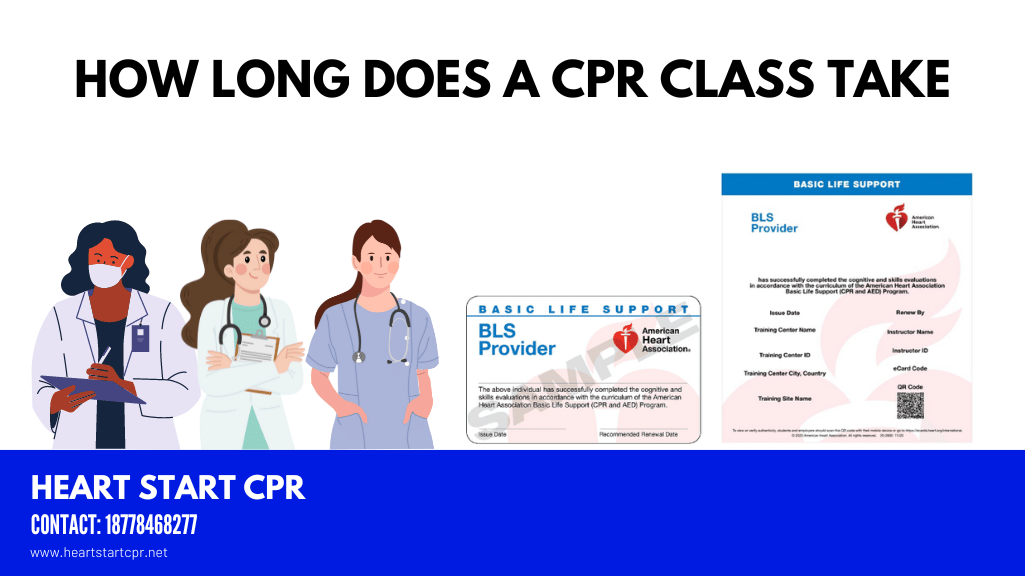
Before we talk time, let’s quickly grasp what CPR certification actually entails. It’s not just about watching a few videos. It’s about understanding the critical steps, practicing the techniques (even if simulated online), and passing an assessment to prove you’ve got the knowledge.
The Online Component: Knowledge Acquisition
Most online courses start with the theoretical side. This is where you’ll learn about recognizing emergencies, calling for help, understanding chest compressions, rescue breaths, and how to use an AED. Think of this as the textbook chapter. It requires focus and absorbing information.
The length of this phase can vary. Some modules are short and sweet, others are more detailed. It really depends on the curriculum depth. You might breeze through some sections or find yourself needing to re-watch a video or reread a chapter. That’s normal. The goal is comprehension.
Skills Practice: Where Online Gets Tricky
Here’s the rub with purely online courses. CPR is hands-on. You need to feel the rhythm of compressions, the resistance of the chest, and the proper head-tilt/chin-lift. Many legitimate online courses will require a separate skills session. This often involves an in-person component or a virtual skills check with an instructor.
This skills check is Key for full certification. It’s not just about knowing what to do, but being able to do it. Ignoring this step means you’re likely not getting a fully valid certification for many professional roles.
Source : redcross.org
Assessments and Testing
Once you’ve absorbed the material and, if required, completed a skills check, you’ll face an assessment. This is usually a multiple-choice test online. It covers the information presented in the course modules. It’s designed to verify you’ve learned the material and can recall it accurately.
The difficulty and length of the assessment depend on the provider. Some are straightforward quizzes, while others might have more complex scenario-based questions. Passing this is the final hurdle before you get your certificate.
Factors Influencing Online CPR Certification Time
So, what makes one person finish in two hours and another take all afternoon? It’s a mix of things, and you need to be aware of them. Don’t just assume every online course operates on the same clock.
Course Provider Differences
This is huge. Different organizations have different course structures, lengths, and approval levels. Some providers focus on brevity, packing the essentials into a couple of hours. Others might offer more Full training that takes longer but covers more advanced scenarios or specific populations.
American Red Cross. They have a Strong online component, but often, you’ll need to pair it with a hands-on skills session for full certification. Then you have other providers that focus solely on the online assessment for a specific type of certification (often for non-healthcare professionals).
Type of Certification Needed
Are you getting certified for basic awareness, for work, or as a healthcare provider? The required level significantly impacts the time. A basic CPR/AED course for the general public will be much shorter than a Full Basic Life Support (BLS) certification needed by nurses or doctors.
BLS courses, even the online-blended versions, demand more time because they cover more advanced techniques, multiple rescuers, and complex patient scenarios. These are not quick-and-easy affairs. They require a deeper understanding.
Your Learning Pace
Let’s be honest: everyone learns differently. Some people can power through video modules and quizzes in record time. Others might prefer to pause, take notes, and really digest the information. There’s no shame in taking your time to Make sure you actually learn it.
If you’re easily distracted or find the material complex, you’ll naturally take longer. Trying to rush through it defeats the purpose of getting certified in the first place. Your learning pace is a critical factor.
Completion of Required Components
Does the course require a separate in-person skills session? If so, you have to factor in scheduling that. This could add days or even weeks depending on availability in your area. Purely online courses (often called “certificate of completion” rather than “certification”) skip this, but their validity might be limited.
Also, consider if there are pre-course materials or post-course requirements. Some programs might have a mandatory introductory module before you even start the main content. That adds to the overall time commitment.
Typical Timeframes for Online CPR Certification
Alright, let’s put some numbers on this. What’s a realistic expectation for how long it takes? It really boils down to the type of online course.
Basic CPR/AED Online Courses (Certificate of Completion)
These are often the quickest. Designed for laypeople, they focus on the core skills. You can usually expect to complete the training and assessment in anywhere from 1 to 3 hours. These are great for personal knowledge or if your employer accepts this type of online-only credential.
Many providers offer these. You watch videos, read materials, and take a test. The certificate you receive usually confirms you’ve completed the training, but it might not meet strict healthcare provider standards. It’s a quick way to get recognized.

Source : americanhealthtraining.com
Blended Learning CPR Courses (Online + Skills Session)
This is a popular option. You complete the knowledge portion online at your own pace, and then attend a short, in-person skills session. The online part typically takes 2 to 4 hours. The skills session itself usually lasts about 1 to 2 hours.
So, in total, you’re looking at maybe 3 to 6 hours of combined effort. The advantage here is you get hands-on practice and a certification that’s often recognized more broadly than a purely online one. The American Red Cross, for example, offers several blended learning options.
Online BLS Certification (Healthcare Providers)
For healthcare professionals, Basic Life Support (BLS) is the standard. While some providers offer fully online BLS courses, many reputable ones use a blended approach. The online learning modules for BLS are typically more in-depth, potentially taking 3 to 5 hours. The subsequent in-person skills check is also usually longer and more rigorous, often 3 to 4 hours.
Therefore, a blended BLS certification can realistically take anywhere from 6 to 9 hours or even more, spread across your own schedule for the online part and a scheduled session for the skills check. This is a more intensive process for a reason – higher stakes in healthcare.
What ‘Instant’ or ‘Fast’ Online CPR Really Means
You’ll see a lot of marketing buzzwords: “Instant Certification,” “Get Certified in 1 Hour,” “Fastest Online CPR.” What’s the deal? Often, it means you can complete the assessment quickly and get a digital certificate immediately. But does that certificate hold weight?
Distinguishing Certificate of Completion vs. Certification
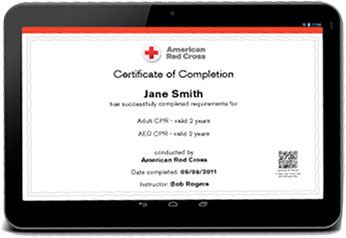
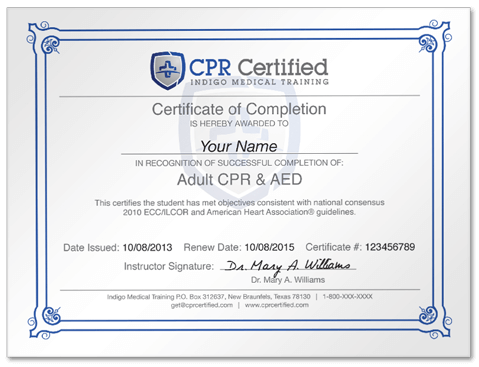
This is where people get tripped up. A Certificate of Completion means you finished the course material. A true Certification usually implies you’ve met specific standards, often including a hands-on skills validation, and are recognized by a governing body or agency (like AHA or Red Cross). Many “instant” online courses only provide a Certificate of Completion.
Always check the fine print. Who accepts this certificate? Is it valid for your job requirements? A certificate that isn’t accepted is essentially useless, no matter how fast you got it.
The Role of Skills Validation
Most recognized CPR certifications, especially for healthcare providers or professional rescuers, require a skills validation component. If an online course completely skips this, it’s likely not providing the full certification you need. This validation takes time – time to schedule and time to perform the skills.
Therefore, any course promising full, widely accepted certification in under an hour without any practical component is probably cutting corners. Be skeptical. You want to be sure you’re getting properly trained.
Providers Focusing on Non-Healthcare Roles
Some online-only programs are perfectly legitimate for specific audiences. If you need CPR knowledge for a volunteer position, for general workplace safety awareness, or simply personal preparedness, and your organization doesn’t require a specific type of certification, then a faster, online-only course might be ideal. These focus on knowledge recall and can often be completed very quickly.
These courses are valuable for disseminating basic life-saving knowledge widely. They just aren’t a substitute for the in-depth training required for medical professionals. The time to get certified depends heavily on this.
Choosing the Right Online CPR Course: Time vs. Validity
Here’s the million-dollar question: how do you pick a course that gives you the certification you need without taking forever? It’s about balancing speed with legitimacy.
Verify Accreditation and Acceptance
First things first: who is offering the certification, and who accepts it? If you’re a healthcare professional, you need a course recognized by organizations like the American Heart Association (AHA) or the American Red Cross. If you’re in a different field, check with your employer or governing body.
Source : cprcertified.com
A course from an unknown online entity might be cheap and fast, but if your job requires AHA or Red Cross certification, you’ve just wasted your time and money. Always verify accreditation upfront.
Understand Blended vs. Online-Only
Decide if you need or want the hands-on skills session. If your job requires it, a blended learning course is your best bet. If it’s for general knowledge, an online-only course might suffice and will definitely be faster.
Blended learning offers a solid middle ground. You get the flexibility of online learning for the theory and the assurance of in-person skills practice. It’s often the most practical solution for many people.
Read Reviews and Check Provider Reputation
Don’t just take their word for it. Look for reviews from other users. Are they happy with the training? Did they encounter any issues with certification acceptance? A reputable provider will have transparent information about their course structure, duration, and what type of certification is issued.
A quick search for “[Provider Name] reviews” can tell you a lot. Look for consistent feedback regarding the course duration and the validity of the certification. Trustworthy providers are usually easy to find information about.
Sample Online CPR Course Timelines – A Quick Comparison
Let’s break down some hypothetical scenarios to give you a clearer picture. This table compares different types of online CPR courses and their estimated time commitments.
| Course Type | Online Component Time | Skills Session (If Applicable) | Total Estimated Time | Typical Recipient | Common Acceptance |
|---|---|---|---|---|---|
| Basic CPR/AED (Online Only) | 1-3 Hours | /A | 1-3 Hours | General Public, Lay Rescuers, Non-Healthcare Employees | Employer acceptance varies; often for awareness |
| Blended Learning CPR/AED (e.g., Red Cross) | 2-4 Hours | 1-2 Hours | 3-6 Hours | General Public, Workplace Rescuers, Childcare Providers | Widely accepted for non-healthcare roles |
| Online BLS Prep Course (Part 1 of Blended) | 3-5 Hours | 3-4 Hours (Skills Check) | 6-9 Hours | Healthcare Providers (Nurses, Doctors, EMTs) | Requires AHA/Red Cross recognition for BLS |
| Advanced Certifications (Online Theory) | 4-8+ Hours | Variable (Often In-Person) | 4-8+ Hours + Skills | Specialized Healthcare Roles, Public Safety | Depends on specific governing body requirements |
Interpreting the Data
As you can see, the time to get CPR certified online can range dramatically. A purely online basic course is the fastest way to get a certificate. However, if you need a certification recognized by major health organizations for professional reasons, you’re likely looking at a blended approach and a greater time investment.
Don’t be fooled by “instant” claims if they don’t meet your specific needs. The fastest route isn’t always the most effective or valid one. Think about what you actually need the certification for before you choose a course based purely on speed.
The Value of a Skills Session
While it adds time, that hands-on skills session is Crucial. It’s where you translate theoretical knowledge into practical ability. Practicing chest compressions on a manikin helps you understand depth and rate. Learning to clear an airway ensures you know the steps.
This practical component ensures you’re not just guessing when an emergency happens. It builds confidence. For many, this added assurance is well worth the extra few hours. It makes the online CPR certification process more Strong.
Budget Considerations
Sometimes, the fastest online courses are also the cheapest. However, the cheapest isn’t always the best. More Full courses, especially blended ones with instructor-led skills sessions, naturally cost more due to the added resources and instructor time. Factor your budget alongside your time constraints and validity needs.
A $20 online-only certificate might seem appealing, but if it’s not accepted where you need it, it’s a waste. Investing a bit more in a recognized blended course can save you hassle and Make sure you have a valid credential. Consider the long-term value, not just the immediate price tag.
Maximizing Your Efficiency When Getting Certified Online
Want to get your online CPR certification done efficiently without sacrificing quality? It’s all about preparation and focus.
Choose Your Course Wisely (Before Starting)

Source : abc13.com
The biggest time-saver is picking the right course the first time. Do your research. Understand what type of certification you need and what providers are accepted. Avoid the temptation of the cheapest or fastest-sounding option if it doesn’t meet your requirements. A few minutes of research upfront can save hours later.
Check the course outlines. See how long they estimate the online portion will take. Does it Match with your schedule? Are skills sessions readily available if needed? Making an informed choice is key to efficient certification.
Dedicate Focused Time Blocks
Don’t try to do your CPR training while juggling ten other things. Block out specific times when you can focus solely on the course material. Turn off notifications, close unnecessary tabs, and let others know you need uninterrupted time. This helps you absorb information faster and reduces the need for re-watching or re-reading.
Even 30-60 minute focused sessions can be very productive. Trying to cram it in during your lunch break while being interrupted might take you twice as long overall. Treat it like an important meeting.
Use Course Resources Effectively
Most online courses offer resources like downloadable guides, FAQs, or practice quizzes. Use them! Don’t just passively watch videos. Engage with the material. If a practice quiz is available, take it before the final assessment. This helps reinforce what you’ve learned and identifies areas where you might need a second look.
These tools are designed to help you learn more effectively and efficiently. They can pinpoint exactly what you need to focus on, saving you time by not reviewing material you already know well. It’s about smart studying.
The Bottom Line: Speed is Relative
So, how long does it take? It can be as little as 1-3 hours for a basic online certificate of completion, or it can stretch to 6-9 hours or more for a Full blended BLS certification. The key isn’t just the raw number of hours, but ensuring the time you invest results in a valid, recognized certification that meets your specific needs.
Don’t compromise on quality or validity just to save a few hours. For many, a blended learning approach offers the best balance of convenience, thoroughness, and recognized certification. Make sure you know what you need, choose wisely, and dedicate focused time. That’s how you get CPR certified online effectively.
Frequently Asked Questions
How long does it typically take to complete an online CPR certification course?
Because it’s online, it’s super flexible! Most folks can finish theironline CPR certification in about 1 to 2 hours. Some might take a bit longer if they really want to dive deep into the material, but that’s the general ballpark.
Are online CPR certification courses as valid as in-person classes?
Yeah, for the most part. As long as the course is accredited by a recognized organization like the American Heart Association or American Red Cross, your online CPR certification is totally valid for many situations. Just double-check with whoever requires it, though!
What’s involved in an online CPR certification course?
It’s usually a mix of watching videos, reading up on the info, and taking quizzes. You’ll learn all the important stuff about how to respond to emergencies, give CPR, and use an AED. Then, you’ll usually take a final exam online to prove you know your stuff. Some courses might require a quick in-person skills check too, but many are fully online for thecertification process.
Can I get CPR certified online the same day?
You totally can! Because you can go at your own pace and don’t have to wait for a scheduled class, it’s often possible to finish and get your CPR certificate on the same day you start, especially if you dedicate a couple of hours to it.
What are the benefits of getting CPR certified online?
The biggest perks are convenience and speed. You can study whenever and wherever you want, fitting it around your life. Plus, it’s often more affordable than in-person classes. So, you get yourCPR certification without a huge time or money commitment.
