So, You Wanna Be an ABA Certified Guru? Let’s Talk Degrees.
Alright, so you’re thinking about diving headfirst into the world of Applied Behavior Analysis. Maybe you’ve seen the incredible impact ABA professionals have on individuals, particularly kids with autism, and you’re thinking, “Yeah, I could do that.” But then the inevitable question hits: what degree do you need to actually get there? It’s not just a simple yes or no. It’s a journey, a path that requires specific educational groundwork. Forget the idea of just winging it; this field demands serious credentials.
This isn’t like deciding to bake sourdough for fun. This is a career path with rigorous standards, and getting certified is the golden ticket. The certification bodies, like the Behavior Analyst Certification Board (BACB), have laid out very clear rules. We’re talking about specific academic achievements that form the bedrock of your future practice. So, let’s cut through the noise and get down to brass tacks about the educational requirements.
The Foundation: What Comes Before the Big Leagues?
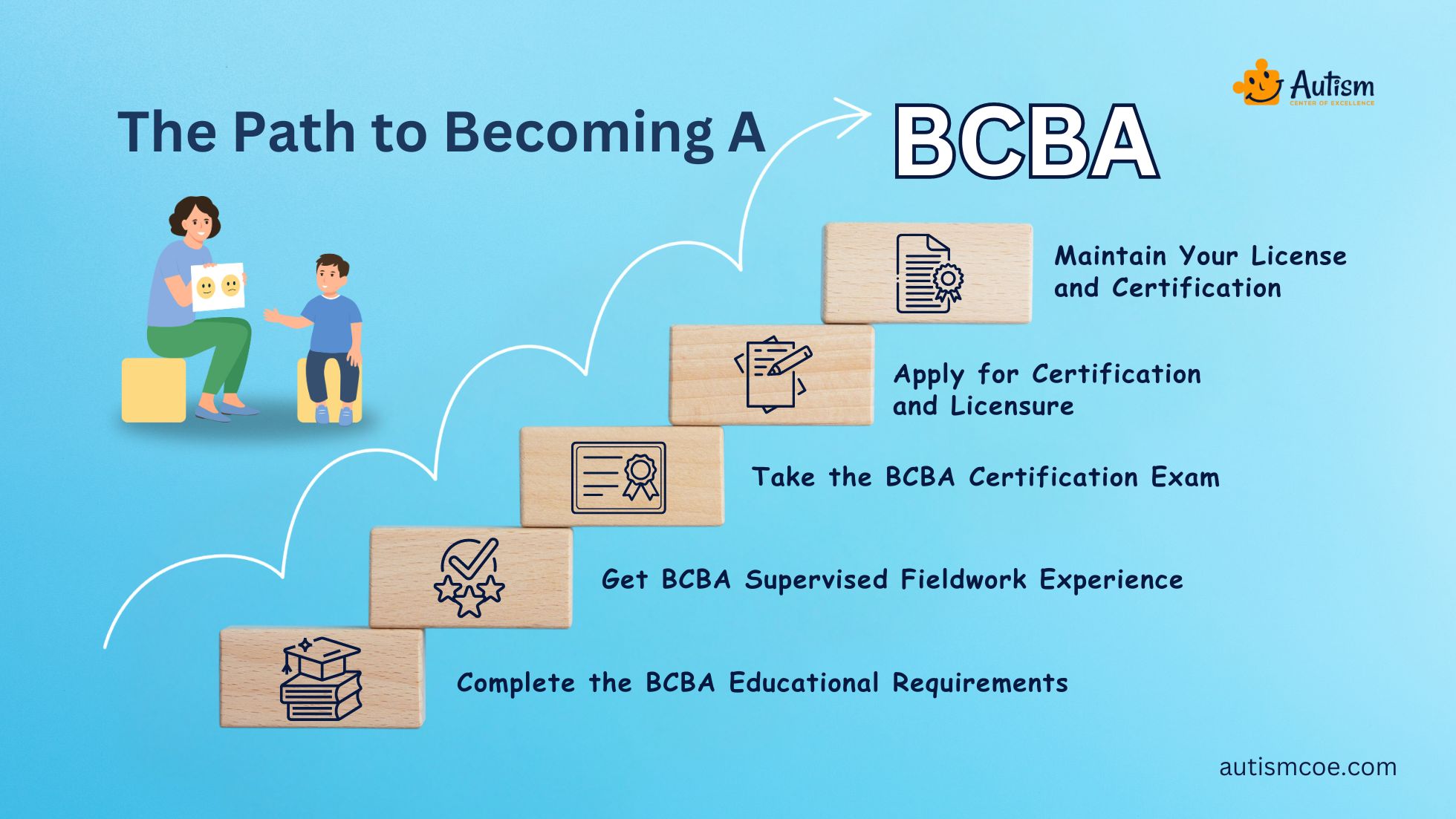
Source : autismcoe.com
Undergraduate Studies: It All Starts Here
Look, nobody becomes a Board Certified Behavior Analyst (BCBA) straight out of high school. Your first major hurdle is snagging a bachelor’s degree. This is non-negotiable. You can’t even begin to think about advanced ABA coursework without it. Many aspiring BCBAs choose majors that give them a head start.
Think psychology, education, or even sociology. These fields provide a solid understanding of human behavior, learning principles, and social dynamics – all Key for ABA. Some might even major in a more specialized field if their university offers it. The key is that the coursework should lay a strong theoretical foundation. You’re building the initial scaffolding for your knowledge base here.
Choosing the Right Bachelor’s Program
So, you’ve decided on a bachelor’s. Great. But which one? While a general psychology degree is super common, it’s worth looking at programs with specific tracks or concentrations related to behavior analysis, developmental disabilities, or special education. This gives you a slight edge, exposing you to relevant concepts early on.
Don’t discount programs that emphasize research methods or statistics either. Understanding how to collect and analyze data is central to ABA. It’s all about setting yourself up for success down the line. A well-chosen undergraduate path makes the transition to graduate studies much smoother. It’s about smart planning, not just getting a piece of paper.

Source : wikihow.life
The Key Role of Coursework
Even if your major isn’t a perfect fit, make sure you’re taking prerequisite courses. These often include foundational psychology classes, statistics, and research methodology. Some universities even offer introductory ABA courses at the undergraduate level. Snagging those if you can is pure gold. They give you a taste of what’s to come and demonstrate your early interest.
It’s about showing a consistent commitment. When you eventually apply for graduate programs or even certain supervised experience positions, having relevant undergraduate coursework can really set you apart. It signals that you’re serious about this specific career track and not just browsing options. A strong academic record in these areas is Key.
The Gatekeeper: The Graduate Degree Requirement
Master’s Degree: The Standard Path
Here’s the big one. To become a BCBA, the standard requirement involves obtaining a master’s degree. And not just any master’s. It needs to be in Applied Behavior Analysis or a closely related field where ABA coursework is a significant component. This is where you get the specialized, in-depth knowledge needed to practice.
The Behavior Analyst Certification Board (BACB) has very specific guidelines about what constitutes an acceptable degree. This isn’t a place where you can cut corners. You’ll find dedicated Master of Science (MS) or Master of Arts (MA) programs specifically in ABA. These are often designed with the BCBA certification requirements in mind. This is the most direct route.
What About a Doctorate?
Now, some people aim higher. You might hear about doctoral degrees (Ph.D. or Ed.D.) in behavior analysis or related fields. Holding a doctorate definitely meets the educational requirements for BCBA certification. In fact, it often leads to the BCBA-D designation, signifying a doctoral-level practitioner.
Is a doctorate necessary? Absolutely not for basic BCBA certification. A master’s is the established Standard. However, a doctorate offers even deeper specialization, research experience, and often opens doors to university positions or high-level research roles. It’s a significant commitment, usually taking several more years. For most aiming for the BCBA credential, a master’s is the sweet spot.
Accreditation Matters: Don’t Get Duped
This is SUPER important. Not all master’s programs are created equal, and crucially, not all are accredited in a way that the BACB accepts. You need to Make sure your program is from an accredited institution. Even more specifically, some programs might be accredited by bodies recognized by the BACB, like the Association for Behavior Analysis International (ABAI).
Why does this matter? Because if your degree isn’t from a BACB-acceptable program, you won’t be eligible to sit for the BCBA exam. Period. It’s a complete roadblock. Always, always check the BACB’s current requirements and verify the accreditation status of any program you’re considering. Don’t assume. Verify. This protects your investment of time and money.
Handling the Coursework Maze
Core ABA Curriculum
What will you actually learn in these graduate programs? Expect to dive deep into the foundational principles of behaviorism. You’ll cover topics like reinforcement, punishment, extinction, stimulus control, and motivation. It’s not just theory; it’s about understanding the how and why behind behavior change.
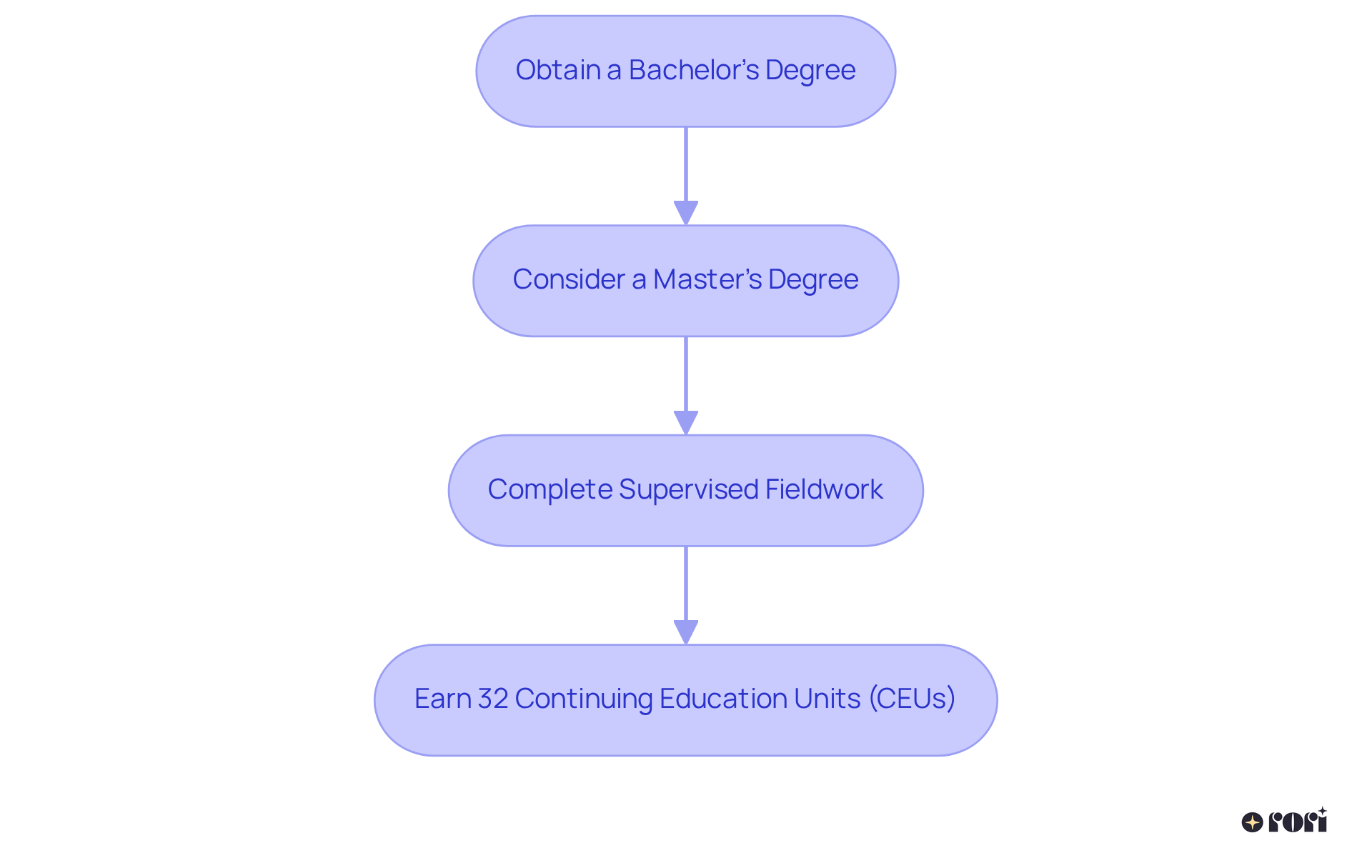
Source : rori.care
You’ll also get extensive training in assessment methods. This includes functional behavior assessments (FBAs), skill-based assessments, and preference assessments. Learning to accurately identify the function of behavior is critical. This is the Foundation of designing effective interventions. You’ll spend a lot of time on this.
Behavior Change Procedures
Then comes the intervention side. You’ll learn about various behavior change procedures. Think differential reinforcement, shaping, chaining, token economies, and crisis intervention strategies. Understanding how to ethically and effectively implement these techniques is Top. It’s about creating positive and lasting changes.
Ethical considerations are woven throughout the curriculum. You’ll study the BACB’s professional and ethical code extensively. This covers everything from client rights and confidentiality to ensuring competence and avoiding conflicts of interest. Practicing ABA ethically is just as important as being technically skilled. This is a core tenet of professional behavior analysis.
Research and Supervision Training
A solid ABA graduate program will also emphasize research methodology and data analysis. You need to be able to design studies, collect reliable data, and interpret results. This is how we know interventions are working and how the field advances. You’ll likely conduct your own research project or thesis.
Supervision training is another key component. As you progress in your career, you’ll likely supervise technicians or other individuals implementing behavior plans. Learning how to effectively train, mentor, and oversee others is Key for the dissemination of ABA principles. This includes providing constructive feedback and ensuring fidelity of implementation.
The Supervised Experience Hurdle
Beyond the Books: Practical Application
Let’s get real: a degree alone isn’t enough. Once you’ve got your qualifying master’s degree, you need to accrue significant supervised experience. This is where you apply what you’ve learned in real-world settings under the guidance of a qualified BCBA. Think of it as an intensive apprenticeship.
The BACB has strict requirements regarding the type and amount of supervised experience. This usually involves accumulating a certain number of hours over a specific period. These hours must be focused on behavior-analytic tasks, and a significant portion must involve direct supervision meetings. Without these hours, your degree is just a piece of paper in the eyes of the BACB.
Structured vs. Unsupervised? No Thanks.
The key word here is supervised. You can’t just go out and volunteer or work casually and expect it to count. The experience must be structured and supervised by a BCBA who is following specific BACB guidelines. This often involves a formal agreement outlining responsibilities, objectives, and meeting schedules.
There are different models for supervised experience, including concentrated (working full-time under supervision) and distance supervision models. Regardless of the model, the focus is on developing competence in the core skills of a behavior analyst. You need to demonstrate your ability to assess, plan, implement, and evaluate behavior-analytic services. This is often done through performance checklists and documented feedback.
Source : mypieces.org
Documentation is Everything
Keeping Careful records of your supervised experience is non-negotiable. You’ll need documentation signed by your supervisor verifying the hours and the types of activities performed. This documentation is submitted to the BACB as part of your certification application. Any gaps or inconsistencies can lead to delays or rejection.
This isn’t just busywork; it’s designed to Make sure you’ve truly gained the necessary practical skills. Your supervisor will be assessing your ability to implement behavior plans correctly, collect and graph data accurately, conduct assessments, and communicate effectively with clients and stakeholders. It’s a rigorous process designed to Make sure competency.
The BCBA Exam: The Final Boss
Eligibility is Key
Once you’ve completed your qualifying graduate degree and accrued the required supervised experience hours, you become eligible to apply to sit for the BCBA exam. The application process itself is thorough. You’ll submit transcripts, documentation of supervised experience, and other required forms. It’s the BACB’s way of double-checking that you’ve met all the prerequisites.
The exam is designed to assess your knowledge of behavior-analytic principles and their application. It covers a wide range of topics outlined in the BCBA Task List. Passing this exam is the final, critical step to becoming a certified behavior analyst. It’s a challenging exam, covering a vast amount of material.
What Does the Exam Cover?
The exam is typically a multiple-choice test administered at a testing center. It assesses your understanding of foundational concepts, measurement, experimental design, behavior change considerations, specific behavior-change strategies, and ethical considerations. You need to know not just the definitions but how to apply them in various scenarios.
Think of scenarios: you’ll be presented with hypothetical situations and asked to identify the best course of action based on ABA principles and ethical guidelines. It tests your analytical skills and your ability to problem-solve in a clinical context. Effective preparation often involves extensive studying, practice exams, and review courses. Many candidates find it helpful to join study groups.
Maintaining Certification
Becoming a BCBA isn’t a one-and-done deal. Once you pass the exam and are certified, you need to maintain it. This involves accumulating continuing education (CE) credits periodically, adhering to the BACB’s ethical code, and paying renewal fees. The BACB requires a certain number of CE credits every two years to Make sure BCBAs stay current with the latest research and practices.
This commitment to ongoing learning is Key. The field of behavior analysis is constantly evolving. Continuing education ensures that practitioners are up-to-date on best practices, new research findings, and any changes in ethical standards or regulations. It’s about lifelong learning and professional development. You must stay current to provide the best possible services.
Alternative Pathways & Related Certifications
The BCaBA: A Step Along the Way?
What if a master’s degree feels like too much right now? There’s the Board Certified Assistant Behavior Analyst (BCaBA) credential. This requires a bachelor’s degree in a relevant field and specific coursework and supervised experience, but less than a BCBA. A BCaBA can provide ABA services, but typically under the supervision of a BCBA.

Source : wikihow.life
Think of it as a stepping stone. It allows individuals to work directly in the field and gain valuable experience while pursuing their master’s degree. It’s a good option for those who want to start working in ABA sooner rather than later. However, it’s important to note that the BACB is phasing out the BCaBA pathway, so it’s a consideration for the near future, not a long-term replacement for the BCBA.
RBT: The Entry Level
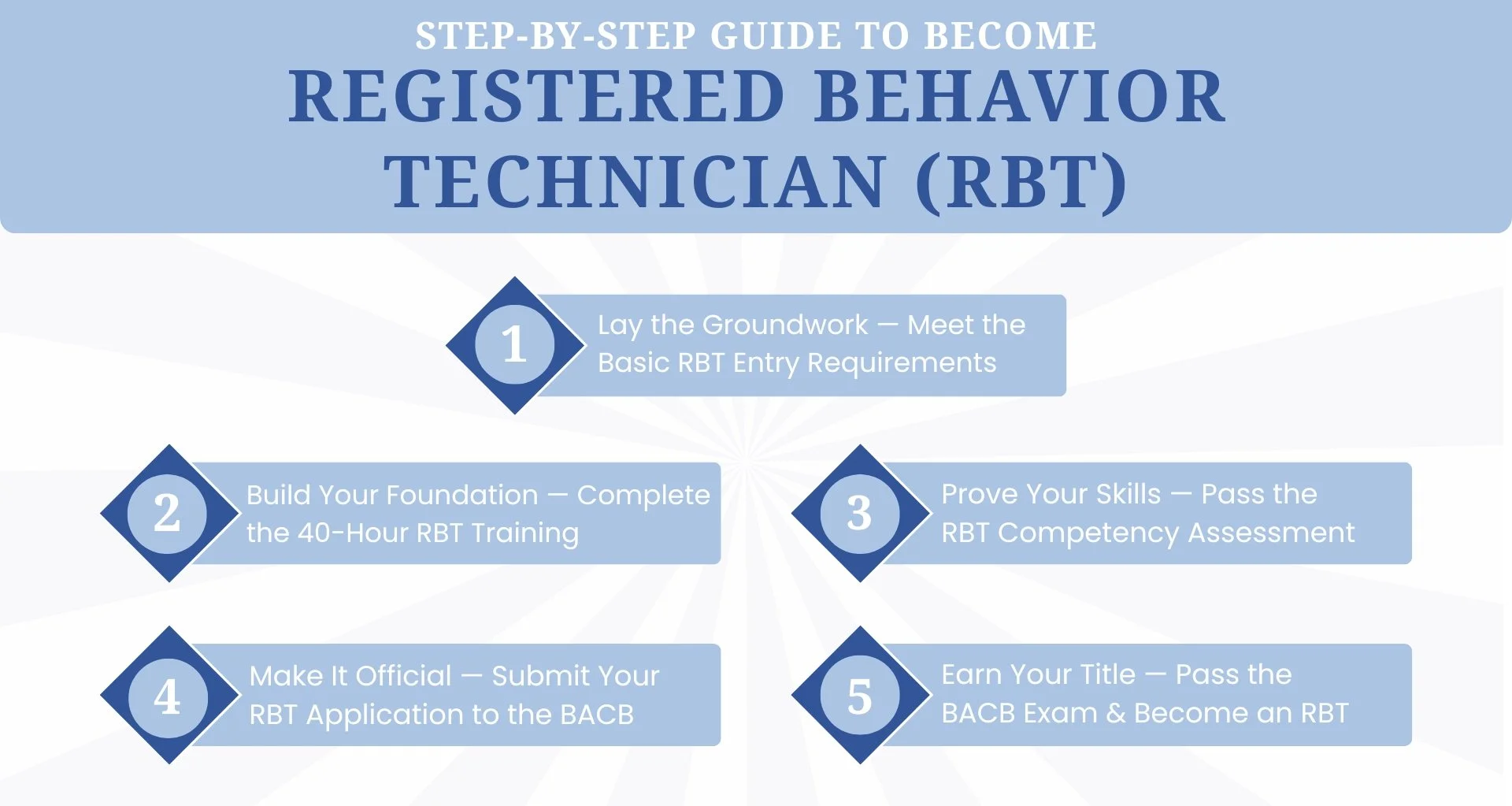
The Registered Behavior Technician (RBT) is an even more foundational certification. It requires a high school diploma, specific training (around 40 hours), and competency assessment. RBTs work directly with clients under the supervision of a BCBA or BCaBA, implementing behavior-analytic plans. They are the front lines of service delivery.
This is often the first step for many entering the ABA field. It provides hands-on experience and a solid understanding of direct implementation. Many individuals start as RBTs, discover their passion for ABA, and then pursue further education to become BCBAs. It’s a fantastic way to learn the ropes and see if ABA is the right fit for you. Getting this initial certification is a great way to start.
Doctoral Level ABA Programs
Earlier, pursuing a Ph.D. or Ed.D. in Behavior Analysis or a related field is another route. These programs are significantly more intensive and research-focused than master’s programs. They prepare individuals for advanced clinical practice, research positions, and academic careers. Graduates typically meet the educational requirements for BCBA certification automatically.
These programs Look into the theoretical underpinnings of behaviorism, advanced research methodologies, and often specialized areas within ABA. If you’re passionate about contributing to the scientific literature or leading research initiatives, a doctorate might be your calling. It’s a long-term commitment, typically 4-7 years, but it opens up unique career paths within the field of behavior analysis.
A Visual Breakdown: Degrees and Requirements
To make things crystal clear, let’s put some of this information into a table. Seeing the requirements laid out side-by-side can really help you visualize the path ahead.
| ABA Certification Educational Pathways | ||
|---|---|---|
| Credential | Minimum Education Required | Typical Role |
| RBT (Registered Behavior Technician) | High School Diploma + 40-hour training course | Direct client services, implementing behavior plans under supervision |
| BCaBA (Board Certified Assistant Behavior Analyst) | Bachelor’s Degree + Specific ABA Coursework | Provide ABA services under BCBA supervision; supervise RBTs |
| BCBA (Board Certified Behavior Analyst) | Master’s Degree (ABA or related field) + Specific ABA Coursework | Independent practice, assessment, treatment planning, supervision |
| BCBA-D (Board Certified Behavior Analyst – Doctoral) | Doctoral Degree (ABA or related field) | Advanced practice, research, academia, leadership roles |
Choosing Your Educational Journey
Online vs. On-Campus Programs
The good news is that with advancements in technology, many high-quality ABA graduate programs are available online. This offers incredible flexibility for individuals who are already working, have family commitments, or live far from a university offering specialized programs. The rigor and curriculum are often identical to their on-campus counterparts.
However, the choice between online and on-campus depends on your learning style and circumstances. Some people thrive in a traditional classroom setting with face-to-face interaction. Others excel with the self-paced structure of online learning. Both can lead to BCBA certification, provided the program meets the BACB’s standards. Always check the program details and accreditation status. You can learn more about how to become an applied behavior analyst via resources like Regis College’s guide.
The Importance of Practicum/Internship
Most reputable ABA graduate programs include a practicum or internship component. This is often integrated with, or runs parallel to, your supervised experience hours required for BCBA certification. It’s a structured opportunity to gain hands-on experience within a university-affiliated setting or through partnerships with local agencies.
Source : autismcoe.com
These experiences are Crucial. They allow you to practice your skills in a supervised environment, receive direct feedback from faculty and site supervisors, and build your professional network. Some programs may even assist with placing students in suitable practicum sites. It’s a Key bridge between academic learning and independent practice. Don’t underestimate the value of these practical components.
Considering a Ph.D. Early On?
If your long-term goal is academia or leading Latest research, it might make sense to go straight for a doctoral program after your bachelor’s. However, many people start with a master’s, gain clinical experience as a BCBA, and then decide to pursue a doctorate later. There’s no single “right” timeline.
The decision hinges on your career aspirations. A master’s degree is sufficient for clinical practice and supervision. A doctorate opens doors to research and higher education. Both require a significant commitment to learning and practice. Ultimately, the goal is to be a competent and ethical behavior analyst, regardless of the specific degree level.
Final Thoughts: It’s a Marathon, Not a Sprint
Getting your ABA certification, specifically the BCBA credential, is a significant undertaking. It requires dedication, a clear understanding of the requirements, and a strategic approach to your education and experience. It’s not a quick process; it’s a deliberate path paved with academic rigor and practical application.
Start with a solid undergraduate foundation. Choose a master’s program that is accredited and specifically focused on ABA. Complete your supervised experience diligently. And prepare thoroughly for the BCBA exam. The journey is challenging, but the reward – the ability to make a profound difference in people’s lives through the science of behavior analysis – is immense. You can find more official details directly from the BACB website.
Remember, this is about mastering a science and applying it ethically and effectively. Don’t cut corners. Invest in your education, seek quality supervision, and commit to lifelong learning. The field of behavior analysis needs skilled, passionate, and ethical practitioners. Your degree is the first, Key step on that path.
Frequently Asked Questions
What’s the main degree needed for ABA certification?
To become a Board Certified Behavior Analyst (BCBA), you’ll primarily need a master’s degree. Most folks go for a master’s in Applied Behavior Analysis, psychology, education, or a related field. It’s the foundation for all the coursework you gotta do.
Do I need a specific type of master’s degree?
Not always a specific ‘ABA’ master’s, but it needs to be in a field that covers the core principles of behavior analysis. Psychology or education degrees are common, as long as they have the required coursework. You gotta make sure your program is BACB-approved, though!
What if I have a bachelor’s degree?
A bachelor’s degree isn’t enough on its own to get certified as a BCBA. You’ll need that master’s degree first. Some people might go for a Registered Behavior Technician (RBT) certification with a bachelor’s, but for the BCBA, higher education is key.
How important is the coursework?
The coursework is super important! Your master’s program must include specific, BACB-approved coursework in behavior analysis. This covers all the theoretical stuff and practical applications you’ll need to know to work with clients effectively.
What happens after I get my degree and coursework?
After your degree and coursework, you’ll need to complete supervised fieldwork – that’s a big one. Then, you can sit for the BCBA exam. It’s a rigorous process, but totally doable with the right education and experience.
