So, You Want to Officiate a Wedding? Let’s Talk Cash.
Ever get that itch? You know, the one where your best friend pops the question, “Will you marry us?” Suddenly, you’re thrust into the spotlight, cape-wearing officiant mode activated. But before you start practicing your best pronouncements, there’s a Key, often overlooked step: getting officially legit. And yeah, that comes with a price tag. Nobody tells you this part, do they?
Forget the fancy robes for a second. We need to talk brass tacks. How much dough are we actually talking about to snag that legal certification to marry someone? It’s not a simple one-size-fits-all answer, believe me. It bounces around depending on where you are, what kind of “certification” you’re chasing, and who you’re going through.
I’ve seen folks get blindsided by unexpected fees. They think it’s a quick online click and boom, they’re ordained. Nope. There are layers to this onion, and understanding them can save you a headache – and maybe some cash. Let’s peel it back, shall we?
The Ordination vs. Certification Conundrum
Source : theknot.com
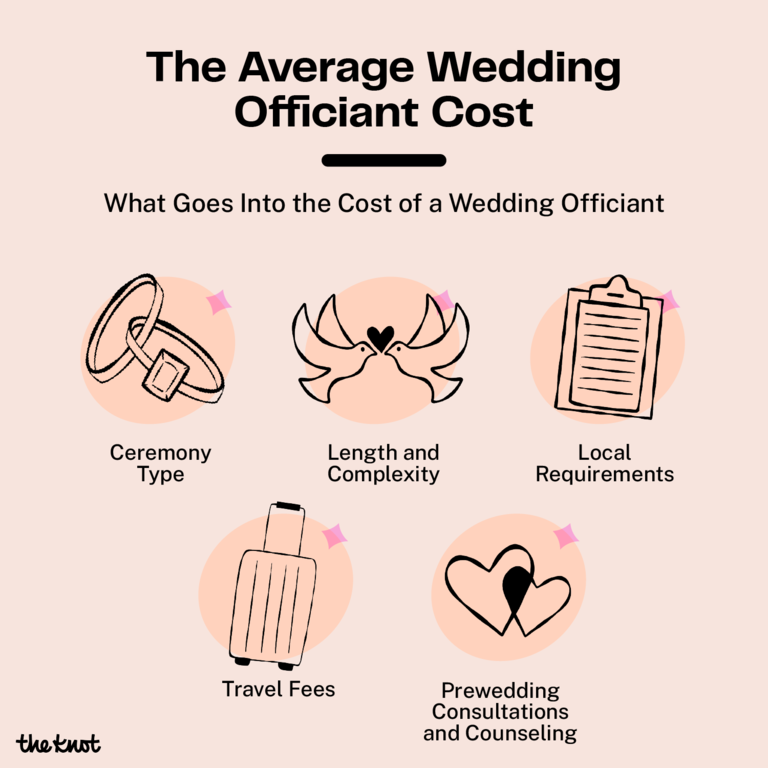
First off, let’s clear the air. The terms get thrown around like confetti at a reception: ordained, certified, licensed. They aren’t always the same thing, and this distinction matters when you’re looking at costs. It’s like trying to buy a car without knowing if you need a sedan or a truck.
Online Ordination Mills: The “Cheap & Easy” Route
This is probably what most people picture when they think of becoming an officiant. You hop online, fill out a form, maybe pay a small fee, and bam! You’re a minister. Think Universal Life Church, American Marriage Ministries, or similar outfits. They’re designed for speed and accessibility. These sites often market themselves as the cheapest way to get ordained.
The cost here is usually pretty minimal. We’re talking anywhere from $0 (yes, some are free, donations encouraged!) to around $60-$100 for a package that might include a certificate and an ordination card. It’s super convenient, and for many states, this is all you need. You’re basically declaring yourself a minister under their umbrella.

Source : getmarried.today
But here’s the kicker: the validity can vary wildly. Some states recognize these online ordinations with zero questions asked. Others? They might scratch their heads. It’s always, always a good idea to check your specific state and local requirements. Don’t just take the website’s word for it. This could be a Key first step.
State-Specific Licensing: The “Official” Path
Then you have the other end of the spectrum: actual legal licensing through a government entity. This is less common for the average friend-of-the-couple officiant and more for professional civil officiants or those in specific jurisdictions. Think of a judge or a justice of the peace – they don’t get ordained online; they’re appointed or elected and have specific legal standing.
This route is generally more involved and, you guessed it, often more expensive. You might be looking at background checks, application fees, potentially even specific training or exams. The costs here aren’t usually tied to a “certification” fee but rather to the administrative process of becoming a recognized legal official in that state. This is the most secure option for legal standing.
Hybrid & Religious Organizations: A Middle Ground?
Some religious denominations have their own internal processes for ordaining ministers. The cost here can vary dramatically. It might be included in seminary tuition, or there could be a specific ordination fee. It depends entirely on the denomination’s structure and requirements. These are often seen as the most authentic ordinations by traditional standards.
Sometimes, organizations act as intermediaries, providing training and resources alongside ordination. They might charge a membership fee or a Full package price that covers the ordination itself plus materials. These often offer more Strong support and are recognized more widely than the ultra-low-cost online mills.
The Hidden Costs: Beyond the Sticker Price
Okay, so you see a $40 ordination certificate for $50. Easy peasy. But hold your horses! Like any service, there are often add-ons and requirements that sneak up on you. It’s like buying a new phone and then realizing you need a case, screen protector, and charger.
Documentation & Shipping Fees
Many online ordination sites will offer a basic digital certificate for free or a low price. Want a fancy, official-looking paper copy? That’s usually an extra charge. And don’t forget shipping. If you need that document expedited because the wedding is next weekend (oops!), you’ll be paying a premium for faster delivery. This can easily double or triple the initial low cost.
Some services bundle these things. You might see a “Deluxe Package” that includes a laminated card, a wallet-sized ID, and a mailed certificate. Read the fine print carefully. What exactly is included in that base price versus the upgrade?
Ministry Supplies & Training
Once you’re ordained, what next? Some officiants want to look the part. You might need to buy a robe, a stole, or even a ceremonial kit. These are totally optional, of course, but they add to the overall investment if you’re aiming for a professional image. It’s not directly a certification cost, but it’s part of the ‘getting started’ budget.

Source : theamm.org
More importantly, some ordination organizations strongly encourage or even require basic training. This could be a short online course on ceremony etiquette, legal requirements, or public speaking. While often affordable ($20-$100), it’s another expense to factor in. They might say it’s to Make sure you perform a quality ceremony.
Renewals & Maintaining Status
Here’s a sneaky one: renewals. Some places require you to renew your ordination annually or every few years. They’ll send you an email (often lost in spam folders) reminding you that your status is expiring unless you pay a renewal fee. It’s usually a smaller amount than the initial ordination, but it’s a recurring cost. Always check if your chosen organization has renewal requirements.
Think of it like a magazine subscription. You get ordained once, but you might have to pay a small fee periodically to keep that “subscription” active, depending on the provider. Some people forget, and then suddenly, their ordination has lapsed right before a wedding!
How Much Do Wedding Officiants Actually Charge?
Okay, this is the question everyone really wants answered, right? It’s not just about getting certified; it’s about whether you can recoup that cost (and maybe make a little something). The cost to get certified is one thing; the fee you charge the couple is another entirely. And trust me, officiant fees are all over the map.
Factors Influencing Officiant Fees
Several things dictate what a couple pays. Location is huge. Officiating in downtown Manhattan will cost more than in a small rural town. The officiant’s experience and reputation matter too. A seasoned pro with glowing reviews can command higher fees than someone doing their first wedding. Is it a simple civil ceremony or a complex, custom-written religious service? That plays a big role.
Travel distance is another major factor. If you have to drive two hours each way, you’re going to charge for that time and mileage. Holidays and peak wedding season (summer/fall) often come with surcharges. It’s supply and demand, pure and simple.
| Service Type | Typical Fee Range (USD) | Notes |
|---|---|---|
| Basic Civil / Elopement (30 mins) | $150 – $300 | Often at courthouse or short notice. Minimal customization. |
| Standard Wedding Ceremony (1-2 hours) | $300 – $600 | Includes consultation, ceremony customization, rehearsal attendance (sometimes extra). |
| Custom / Religious Ceremony (2+ hours) | $500 – $800+ | Highly personalized, often involves religious elements, extensive consultation. |
| Holiday / Peak Season Surcharge | +$100 – $300 | Applies to major holidays or Saturdays during peak months. |
| Rehearsal Attendance (Separate) | $100 – $250 | If not included in the main package. |
| Travel Fee (Per Mile / Flat Rate) | Variable | Depends on distance and local rates. |
As you can see from the table, the average officiant fee isn’t trivial. It reflects the time, effort, and expertise involved. For reference, some officiants, like those at Minnesota Wedding Officiants, list clear fee structures based on ceremony type, ranging from $200 for basic services up to $550 for more elaborate standard ceremonies. This gives you a concrete idea of market rates.
The “Friend” Discount vs. Professional Rates
If you’re marrying your best friend, they might expect you to do it for free or just cover your gas money. That’s totally fine! It’s a gift of love. But if you’re doing this regularly, or if you’re becoming a semi-professional, you need to charge appropriately. Don’t undervalue yourself!
Being an officiant requires more than just showing up. There’s the initial meeting, script writing, revisions, phone calls, maybe a rehearsal, and then the actual ceremony performance. That’s a significant chunk of time. Charging a professional fee ensures you can cover your costs, maintain your ordination status (if applicable), and invest in your service. It also ensures the couple takes the role seriously.
Source : theamm.org
Understanding State-Specific Legalities (It’s Not Universal!)
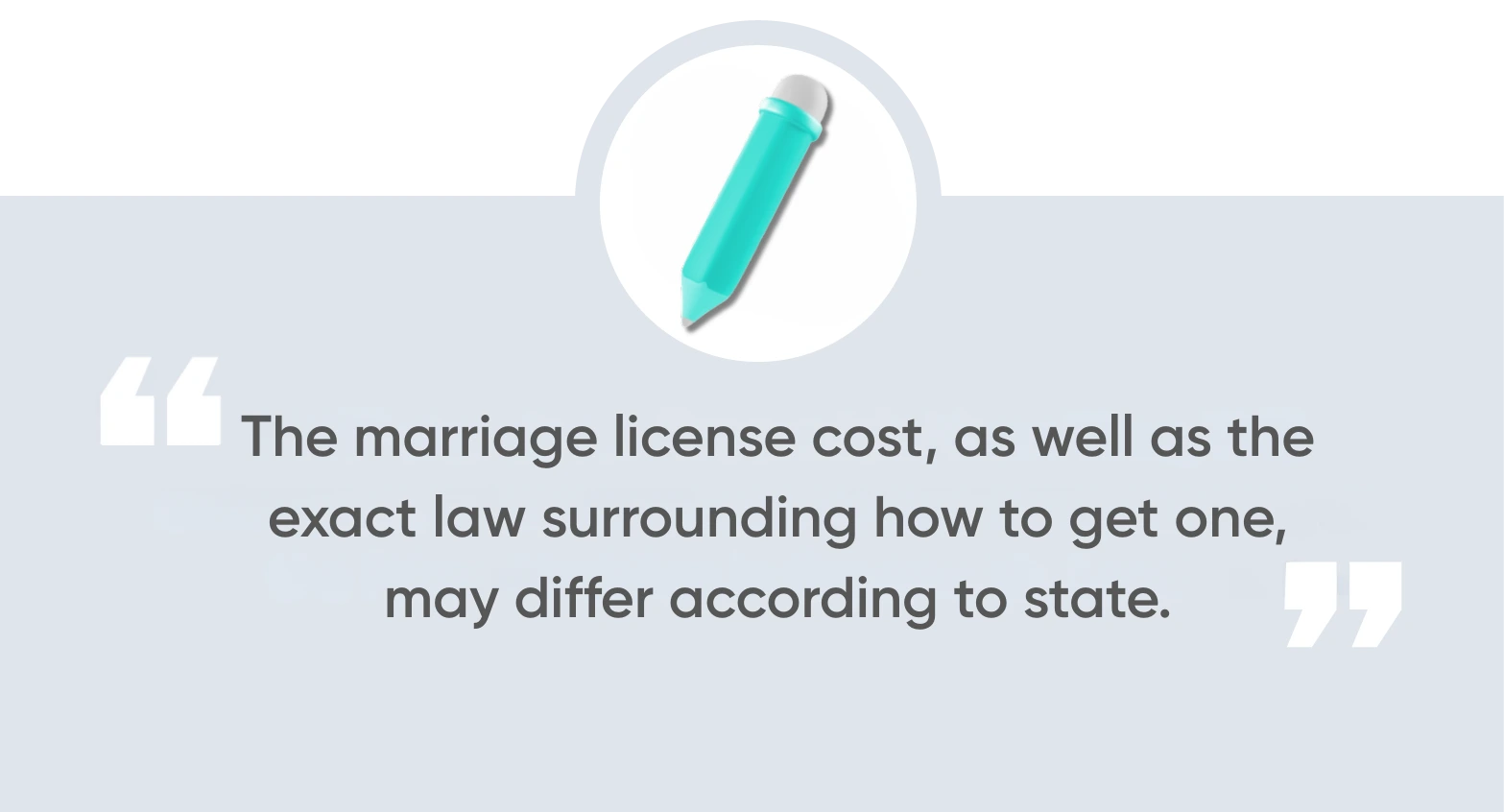
This is where things get messy and potentially costly. The rules for who can legally solemnize a marriage vary wildly from state to state. What’s perfectly fine in California might be a non-starter in Virginia. You absolutely MUST check the specific laws for the state where the wedding will take place. Don’t rely on hearsay!
States with Strict Requirements
Some states have very specific rules. For example, Pennsylvania requires officiants to register with the county where they will be performing the ceremony, and there’s a fee associated with that registration. Other states might require officiants to be registered with the state government, period. This registration often involves a fee and sometimes even specific training or background checks.
You might find yourself needing to go through a county clerk’s office or a state-level agency. These processes take time and paperwork, and yes, they usually come with a price tag. This isn’t about a private organization “certifying” you; it’s about meeting the government’s legal standard. These legal requirements are non-negotiable.
States with Minimal Regulation
Conversely, many states have minimal regulations. They might simply state that an officiant must be “authorized by a religious society” or recognized under law. In these places, a simple online ordination from a recognized church (like Universal Life Church) is often sufficient. The cost is just the fee for that ordination package. This is the easiest path in many areas.
However, even in these states, it’s wise to have proof of your ordination handy, just in case the county clerk or couple asks for it. A printed certificate or an ordination card is usually enough. Always double-check the specific county where the marriage license is being issued, as local registrars can sometimes have their own interpretations or requirements.
The MN.GOV Example: Handling Government Sites
Sometimes, even government websites can be confusing. You might land on a page like the one for Marriage Officiant information on mn.gov (though the specific link provided in the input seems to be a placeholder indicating an issue), and find a message like “We apologize for the inconvenience…” This highlights that Handling government regulations isn’t always straightforward. It implies you might need to dig deeper or contact offices directly to understand the specific Minnesota officiant laws or requirements.
The key takeaway here is research. Don’t assume. Visit the Secretary of State’s website, the Attorney General’s site, or even call the county recorder’s office in the relevant jurisdiction. Their websites are often the official source for understanding officiant eligibility and any associated fees or registration processes.
Breakdown: Cheapest vs. Most Full Options
Let’s put some numbers to it, shall we? We’re talking about the actual dollars and cents involved in getting yourself ready to officiate.
The Ultra-Budget Option
Source : brite.co
You want the absolute cheapest way? Go for a free online ordination from a place like the Universal Life Church, followed by a digital certificate. Cost: $0 – $20 (for a digital copy or donation). This is viable in states with very relaxed laws. You might get a physical card mailed for a few extra bucks, say $30-$50 total. It’s minimal investment for a maximum convenience.
- Online Ordination (Free/Low Fee): $0 – $30
- Digital Certificate: Included
- Mailed Physical Certificate/Card: +$20 – $50
- Total Estimated Cost: $0 – $80
The Mid-Range “Getting Started” Package
This is for someone who wants a bit more legitimacy and perhaps some basic resources. You might choose an organization that charges a moderate fee ($60-$150) for ordination, a mailed certificate, an ID card, and maybe access to some basic ceremony templates or guides. This offers a bit more peace of mind and a slightly more official feel. Think American Marriage Ministries or similar reputable organizations. It’s a solid middle ground.
- Ordination Fee: $60 – $150
- Mailed Certificate & ID Card: Included or +$20
- Basic Ceremony Guide: Included
- Total Estimated Cost: $60 – $170
The Full / Professional Package
If you’re serious about officiating, maybe even as a side hustle, you might invest more. This could include more in-depth training courses, legal guides specific to your state, higher quality documentation, and potentially membership in a professional organization. Costs can range from $150 to $300 or more, depending on the depth of resources and training provided. This is for those who want to be fully prepared.
- Ordination Package: $150 – $250
- Advanced Training/Resources: +$50 – $150
- Optional: State Registration Fee (if applicable): Varies
- Total Estimated Cost: $200 – $400+
Is It Worth the Cost to Get Certified?
So, after all that, is dropping some cash on becoming a certified officiant actually worth it? My take? Absolutely, yes. But it depends on your goals. If you’re just doing it once for your cousin Brenda who’s marrying her sweetheart Timmy, maybe the free option is fine. But even then, a small fee shows you’re taking it seriously.
For the Occasional Friend-Officiant
If you’re officiating just one or two weddings for people you care about, the cost is minimal. Paying $50-$100 for a certificate and peace of mind is a small price to pay for being a meaningful part of their big day. It ensures you’re legally covered and avoids any last-minute panic. It’s a small investment for a big favor.
Plus, having that official-looking certificate can make you feel more confident standing up there. It’s a tangible symbol of your role, even if the legal requirements are minimal in your state. You can proudly display it (or at least keep it safe!).
For the Aspiring Professional Officiant
If you see yourself officiating more than a handful of weddings, then yes, the cost is absolutely justified. You’ll likely want to invest in a more Full package. This might include better training, resources on writing ceremonies, marketing tips (if you go pro), and potentially state-specific registrations. The initial cost is just the tip of the iceberg compared to building a business.
Think of it like any other small business startup. You need the initial certification, but then you’ll invest in things like website hosting, insurance, marketing materials, and potentially further education. The certification fee is just step one, and a necessary one at that.
Source : brite.co
Avoiding Legal Hiccups and Disappointment
The biggest reason to pay for certification, even if a free option exists, is to avoid legal trouble. What happens if a marriage is later deemed invalid because the officiant wasn’t properly authorized? It’s a nightmare for the couple. Paying a reputable organization for ordination, or going through state registration, protects everyone involved. It’s about ensuring the marriage is legally sound.
It also prevents awkward conversations. Imagine showing up to the rehearsal only to be told by the county clerk that your online ordination isn’t recognized. Disaster! Spending a bit upfront on a legitimate ordination or registration process is the best insurance policy you can get.
Final Thoughts: Do Your Homework!
Look, nobody likes spending money, especially on something that feels like it should be free. But getting certified to marry someone isn’t just a formality; it’s a legal necessity in most places, and it carries responsibility. The cost varies, sure, but understanding the different pathways – from free online ordinations to state-required registrations – is key.
Always, always, always check the specific laws for the state and even county where the wedding will occur. What works in one place might not fly in another. Websites like those offering officiant services provide good starting points for understanding fees, but direct checks with government bodies are Key for legal accuracy.
So, before you agree to stand up there and declare two people soulmates, figure out the paperwork. It might cost you anywhere from nothing to a few hundred bucks, depending on your choices and location. But getting it right ensures the marriage starts off on the right legal foot. And that? That’s priceless.
Frequently Asked Questions
How much do you normally pay an officiant?
Honestly, it varies a lot. Some folks charge a flat fee, maybe anywhere from $200 to $500 for just the ceremony. Others might ask for a donation, or even just accept gas money if it’s a super short gig. But for a more experienced officiant or if they have to travel, you could be looking at $500 to $1000 or even more. It really depends on the officiant’s experience and the services they offer.
What is required to officiate a wedding in Pesylvania?
To officiate in Pesylvania, you just need to be 18 or older. And importantly, you’ve got to be ordained. This usually means getting ordained online through a reputable organization. There are no special state registration requirements for officiants themselves, just that you are legally able to perform the ceremony.
How to become an officiant in Maine?
Maine is pretty straightforward! Basically, you just need to be 18 years or older. The main thing is that you need to be authorized to perform marriages. This typically means getting ordained online through a recognized ministry. Maine doesn’t have a separate state registration for officiants; the key is being legally ordained.
Who traditionally pays for the officiant?
Traditionally, the couple getting married foots the bill for the officiant. It’s seen as a service they’re hiring to make their special day official. Sometimes, families might chip in, especially if it’s a close family friend or relative officiating, but the primary responsibility usually falls on the wedding couple.
How much does a judge or religious leader typically charge?
Okay, so if you’re thinking about a judge or a religious leader, the cost can be different. Religious leaders, like priests or rabbis, often perform ceremonies for free or for a small donation to their religious institution, especially if you’re a member. Judges usually don’t charge a separate fee for performing a wedding ceremony outside of their normal duties, but if you were to have a civil ceremony at a courthouse, there might be a small administrative fee.
