Deciphering CPR Class Durations for Medical Pros
So, you’re a healthcare provider, right? And you’re wondering just how long a CPR class actually takes. It’s not a simple, one-size-fits-all answer, and frankly, that drives me nuts sometimes. You’d think something this Key would have a standard time, but nope. It’s a bit of a maze out there.
Forget what you think you know about quick online modules. For us in the medical field, the training needs to be Strong. It’s not just about memorizing steps; it’s about muscle memory, critical thinking under pressure. That’s why these courses often take longer than you might expect.
The BLS Certification Standard
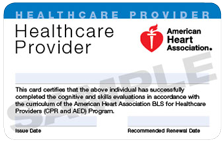
When we talk about CPR for healthcare providers, we’re almost always talking about Basic Life Support (BLS) certification. This isn’t your average community CPR course. It’s designed to meet the needs of a wide range of medical and emergency healthcare professionals.
Paramedics, nurses, doctors, dentists, therapists, and even medical and nursing students. They all need this specific level of training. It covers adult, child, and infant CPR, choking emergencies, and crucially, the use of an automated external defibrillator (AED). The depth required means more time spent practicing.
Standard BLS Course Timelines
Generally, a full BLS certification course, the kind you’d get from organizations like the American Heart Association or the Red Cross, typically runs anywhere from 4 to 6 hours. That’s the in-person component, mind you. We’re talking a solid chunk of your day dedicated to honing these life-saving skills.
Source : cprcertificationtallahassee.com
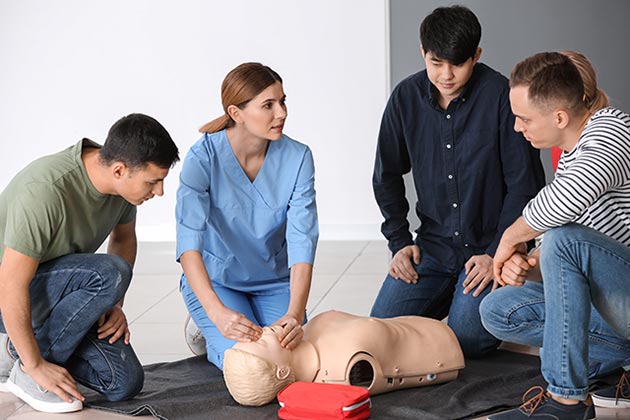
This timeframe includes lectures, demonstrations, hands-on skills practice, and the final assessment. You’re not just sitting there passively; you’re actively participating. For example, you’ll be practicing chest compressions on manikins until your arms ache (almost!). It’s intense, and it needs to be.
What Factors Influence Class Length?
Source : heartstartcpr.net
The exact duration isn’t set in stone. Several things can nudge that timer up or down. It really depends on the specific provider and the course format you choose. Don’t just assume every class is created equal!
Provider Variations
Different organizations have their own curriculum structures and teaching styles. The American Red Cross, for instance, offers Full training, and their class times can vary slightly based on the specific course and instructor. You can check out their offerings here: CPR Training.
Other training centers might have slightly different pacing. Some might be more lecture-heavy, while others focus intensely on hands-on practice. It’s why comparing course outlines is a good idea before signing up.
Course Format: Blended vs. In-Person
This is a big one. Many providers now offer blended learning options. This means you complete a portion of the course online, at your own pace, before attending a shorter, in-person skills session. For a healthcare provider, this typically cuts down the in-person time significantly, often to around 2-3 hours.
The online part covers the theoretical knowledge – the ‘why’ behind the techniques. The in-person session focuses on the practical skills: the ‘how’. It’s efficient, but you still need to dedicate time to both components. Some people prefer the full immersion of an in-person-only class, which, as we discussed, takes longer.
The Content Covered: Why It Takes Time
It’s not just about learning to push on a chest. Healthcare provider CPR is Full. It demands proficiency across various scenarios and age groups. This breadth and depth naturally require more instructional time.
Source : aedcpr.com
Adult, Child, and Infant Protocols
A significant portion of the class is dedicated to differentiating and mastering CPR techniques for adults, children, and infants. The anatomical differences and the specific steps required for each age group demand focused instruction and practice. Think about the varying compression depths and hand placements – it’s not a one-size-fits-all approach at all.
You’ll spend time practicing with different sized manikins, getting a feel for the correct pressure and rate for each. This hands-on aspect is critical for building true competency and takes up a good chunk of the course duration.
AED Usage and Airway Management
Proper use of an Automated External Defibrillator (AED) is a core component. Learning when to use it, how to attach the pads, and when to deliver a shock is Key. This isn’t intuitive for everyone, so significant time is allocated to training and practicing with AED training devices.
Advanced airway management adjuncts might be covered, depending on the specific BLS curriculum. Understanding how to use devices like pocket masks or bag-valve-mask (BVM) respirators also adds to the instructional time needed.
Beyond the Basics: Advanced Life Support (ALS)
For some healthcare roles, BLS is just the starting point. Advanced Life Support (ALS) courses, like Advanced Cardiovascular Life Support (ACLS) and Pediatric Advanced Life Support (PALS), build upon BLS skills. These courses are considerably longer.
ACLS Course Duration
An ACLS certification course is a beast compared to BLS. Expect to spend 12 to 16 hours, often spread over two full days. This includes extensive coursework on managing cardiac arrest, stroke, and other cardiovascular emergencies. You’ll be dealing with algorithms, medications, and complex team dynamics.
It’s a much higher level of training, focusing on the critical interventions needed in a hospital setting or during advanced pre-hospital care. The sheer volume of information and the need for simulated high-stress scenarios make these courses lengthy.
PALS Course Requirements
Source : cprtraining-center.com
Similarly, Pediatric Advanced Life Support (PALS) training for those working with children is also extensive. A PALS course typically takes around 10 to 16 hours, usually over two days. It delves into pediatric assessment, respiratory emergencies, shock, and cardiac arrest in infants and children.
The focus is on the unique physiological differences in pediatric patients and the specific management strategies required. Like ACLS, it involves complex scenarios and requires significant practice to Make sure providers can react effectively when a child’s life is on the line.
| Course Type | Typical In-Person Duration | Key Focus Areas | Target Audience |
|---|---|---|---|
| Basic CPR (Community) | 3-4 Hours | Adult CPR, AED use | General Public |
| BLS for Healthcare Providers | 4-6 Hours (In-person only) | Adult, Child, Infant CPR, AED, Choking, Basic Airway | Nurses, Doctors, EMTs, Medical Students |
| BLS Blended Learning | 2-3 Hours (Skills session) + Online portion | Same as BLS, but online theory | Healthcare Providers seeking flexibility |
| ACLS (Advanced Cardiovascular Life Support) | 12-16 Hours (often 2 days) | Cardiac Arrest, ALS Algorithms, Megacode scenarios, Pharmacology | Physicians, Nurses, PAs, Anesthesiologists |
| PALS (Pediatric Advanced Life Support) | 10-16 Hours (often 2 days) | Pediatric Assessment, Respiratory/Cardiac Emergencies in Children, Shock | Pediatricians, ER Nurses, PAs, Pediatric Specialists |
Certification Renewal: What to Expect
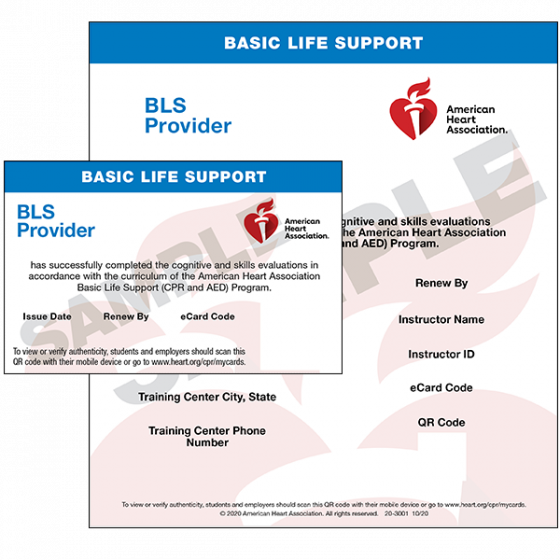
Your CPR certification isn’t permanent. It’s usually valid for two years. This means you’ll need to recertify regularly to maintain your credentials. The renewal process is generally shorter than the initial certification.
Renewal Course Time
For BLS renewal courses, you can typically expect the duration to be around 2 to 4 hours. This is because you’re expected to already have a foundational understanding of the material. The renewal course focuses on reinforcing skills, updating any changes in guidelines, and assessing your competency.
It’s still a hands-on process, involving skills practice and a written/skills test. But it’s designed to be more efficient for those who are already certified. You can find various renewal options, even for specific locations like BLS Certification Los Angeles, showing the localized availability.
Keeping Skills Sharp
The relatively short duration of renewal courses highlights the importance of continuous learning and practice. The core skills from your initial CPR class for healthcare providers need to remain sharp. Many providers recommend periodic self-study or practice sessions to supplement formal recertification.
Remember, even a short class duration doesn’t mean the content is less critical. It’s a refresher, assuming you’ve retained and practiced the Needed life-saving techniques. If you haven’t, the renewal class might feel more challenging than expected!
Making the Most of Your Training Time

Source : cpred.com
Whether it’s a 4-hour BLS course or a 2-day ACLS marathon, you want to get the most out of it. Time is valuable, especially for busy healthcare professionals. Be prepared, be engaged, and ask questions.
Pre-Course Preparation
If you opt for a blended learning format, absolutely do the online portion before the in-person skills session. Don’t wait until the last minute. Familiarize yourself with the concepts. This makes the hands-on part much more effective. Some in-person-only courses also provide pre-reading materials.
Reviewing the latest CPR guidelines on your own time can also be incredibly beneficial. It primes your brain for the information you’ll receive during the class. It’s about being proactive, not just reactive, with your education.
Active Participation is Key
During the class, don’t be shy. Ask the instructor clarifying questions. Participate fully in the practice scenarios. The more you engage, the better you’ll retain the information and the more confident you’ll be in an actual emergency. Treat every skill session like the real thing.
Your instructor is there to guide you, but they can’t read your mind. If something is unclear, speak up! This is Key for ensuring you meet the standards required for healthcare provider CPR certification. The goal is competence, not just a card in your wallet.
Frequently Asked Questions
What is the difference between CPR and CPR for healthcare providers?
Because basic CPR is for laypeople, like, anyone. But CPR for healthcare providers, or BLS (Basic Life Support), is more in-depth, focusing on things liketwo-rescuer CPR and usingbag-valve masks. It’s tailored for folks working in medical settings.
Why are CPR classes 4 hours long?
Basically, to cover everything properly. A 4-hour CPR class gives enough time to go overall the Needed skills, practice them, and make sure everyone’s confident. It’s a good balance between being thorough and not taking all day.
What does a healthcare provider CPR certification entail?
It involves learning and demonstrating skills foradult, child, and infant CPR, using anAED, and dealing with choking. You’ll practice scenarios and have to pass written and practical exams to show you’re competent.
How often do healthcare providers need to renew their CPR certification?
Typically, it’s every two years. Becausemedical guidelines change and it’s super important to keep your skills fresh and up-to-date with the latest techniques.
Can I take an online CPR class as a healthcare provider?
Some hybrid courses are available, but usually, for healthcare provider CPR, you need to complete an in-person skills session. Because the hands-on practice and evaluation are critical forBLS certification.
