CPR Certification: Why Waiting Is Not an Option
The Urgency of Immediate Skills
Look, let’s cut to the chase. When it comes to saving a life, time isn’t just a factor; it’s everything. Every second you’re fumbling around trying to remember what to do, someone’s life hangs in the balance. That’s why getting your CPR certification fast is non-negotiable.
Real-Life Scenarios Demand Preparedness
It. A loved one chokes at dinner. A stranger collapses in the grocery store aisle. These aren’t movie scenes; they’re real moments that can happen to anyone, anywhere. Being equipped with the knowledge to act immediately is an absolute must. You can’t afford to wait for a scheduled class weeks out.
Career Requirements Can’t Be Delayed
And let’s not forget the professional side. Many jobs, from healthcare to childcare to even some customer-facing roles, demand current CPR certification. If your employer needs it now, or you’re starting a new gig, you need that card yesterday. Waiting isn’t an option when it means you can’t work.
Decoding “Same Day CPR Certification”
Source : samedaycpr.com
What It Actually Means
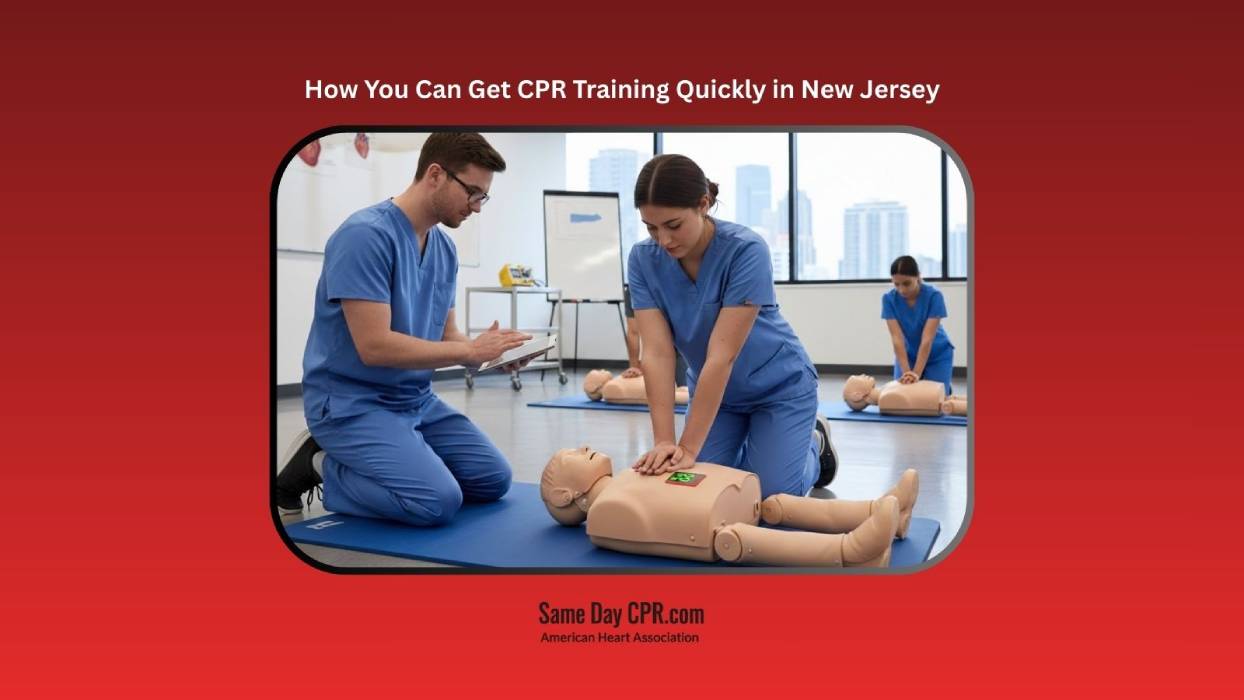
So, what’s the deal with “same day CPR certification“? It’s not some magic trick. It simply means you can complete the entire process – training, testing, and receiving your official card – all within a single day. No waiting for mail, no staggered modules over weeks. Just BAM! You’re certified.

Source : samedaycpr.com
The Components of a Fast Certification
Usually, these accelerated programs combine a condensed, practical-focused training session with a straightforward assessment. The key is efficiency, stripping away unnecessary fluff to focus on the critical skills you need to know. It’s about getting you trained and ready, pronto.
Beware of Scams and Incomplete Training
Now, you’ve got to be sharp. Not every “same day” offer is legitimate. Some might provide a certificate but lack the proper accreditation. Others might only offer online “certifications” that aren’t accepted by employers or official bodies. Always verify the issuing organization and Make sure it meets the standards required in your field.
The Most Direct Route: In-Person, Local Classes
Why Hands-On Training Wins
Let’s be brutally honest: CPR isn’t something you learn perfectly from a YouTube video. You need to practice the compressions on a manikin. You need to feel the resistance. You need an instructor watching your technique, correcting your form. In-person training offers this Key, hands-on experience that builds real confidence. It’s the fastest way to build competence.
Finding Classes in Orlando, FL
If you’re in the Orlando area, your best bet is to look for local training centers. Organizations like the American Heart Association (AHA) and the American Red Cross offer numerous classes. For example, you can find Full options through sites like CPR Certification Orlando. They often have multiple class times available throughout the week, including weekends.
Scheduling Power: Flexibility is Key
The beauty of local, in-person courses is the scheduling. Many providers understand the urgency. They run classes back-to-back, offering morning, afternoon, and even evening slots. You can often book a spot online just hours before the class starts. Check out the offerings from the American Red Cross in Orlando for immediate availability.
The City of Orlando’s Initiative
Even municipal services are stepping up. The City of Orlando’s Fire Department sometimes offers community CPR training. While these might not always be “on-demand” in the strictest sense, they represent a commitment to public safety. You can explore their programs and potentially find scheduled classes or request training through their official channels. Checking the City of Orlando’s CPR Training request page could yield results, though availability varies.
Online vs. Blended vs. In-Person: What’s Fastest?

Source : abc13.com
The Pitfalls of Purely Online “Certifications”
Let’s tackle the online elephant in the room. Can you get CPR certified online, same day? Technically, yes, but will it be accepted? Often, the answer is a hard no. Many employers and official bodies require a hands-on skills check component, which a purely online course lacks. It’s a shortcut that usually leads to a dead end.
Blended Learning: A Faster Hybrid Approach
Blended learning is a bit more promising. This involves completing the theoretical part online at your own pace, then attending a short, in-person session for the hands-on skills practice and final assessment. This can be quicker than a traditional full-day class if you’re a fast online learner. You still get the Needed practical component.
The Undeniable Speed of Full In-Person Classes
For the absolute fastest true certification, a full in-person class is often your best bet. Why? Because everything happens in one go. You walk in, you learn, you demonstrate your skills, you pass, and you walk out with your certification. No fragmented learning, no waiting for a separate skills session. It’s a complete package, delivered efficiently.
What to Expect in a Same-Day CPR Class
The Curriculum: Core Skills Covered
Don’t assume a same-day class cuts corners on Needed knowledge. You’ll still cover the critical steps: recognizing emergencies, chest compressions, rescue breaths, using an AED (Automated External Defibrillator), and dealing with choking. The difference is the delivery method – focused and efficient.
The Skills Assessment: Proving Your Mettle
This is where you show you’ve got it. You’ll perform CPR on a manikin, demonstrating proper hand placement, depth, and rate for compressions. You’ll practice rescue breaths. You’ll also likely need to show how to properly attach and use an AED. The instructor evaluates your proficiency directly.
Receiving Your Official Card
The best part? The payoff. Upon successful completion of the skills test, you’ll typically receive your official CPR certification card on the spot, or sometimes via email within a few hours. This is usually a physical card or a digital equivalent recognized by major organizations like the AHA or Red Cross. It’s proof you’re ready.
Choosing the Right Provider for Speed and Validity

Source : fremontcprclasses.com
Accreditation Matters: Don’t Get Fooled
This is Top. Make sure the provider is accredited by a recognized authority. The two big names are the American Heart Association (AHA) and the American Red Cross. Certifications from these organizations are universally accepted. Avoid uncertified providers or those offering “certificates” with no official backing.
Provider Reputation and Reviews
What are people saying? Look for providers with consistently positive reviews regarding their training quality, instructor knowledge, and efficiency. A quick search for “CPR certification reviews Orlando” should give you a good sense of the local options. A provider that prides itself on same day certification usually advertises this clearly.
Course Content and Instructor Quality
Even in a fast class, the instructor’s ability to teach clearly and engage students makes a huge difference. A good instructor can make complex skills easy to understand and practice. Don’t be afraid to ask about the instructor’s qualifications and the specific course content before you book.
Cost Considerations for Expedited Certification
Standard vs. Express Fees
Sometimes, the “same day” aspect might come with a slight premium. While many providers offer standard classes that finish the same day anyway, some might label express options. Compare prices between different accredited providers in your area. The core content and certification validity should be identical.
What’s Included in the Fee?
Always check what the course fee covers. Does it include the training materials, the manikin use, the assessment, and the official certification card? Some providers might have hidden fees for the card itself or for study materials. Transparency is key when looking for the fastest CPR certification.
Value Beyond the Price Tag
Remember, you’re not just paying for a piece of plastic. You’re investing in a life-saving skill. The true value lies in your preparedness. While getting it done quickly is the goal, don’t sacrifice quality or validity for a few dollars saved. A cheap, invalid card is worthless when it truly matters.
A Comparison: Traditional vs. Same-Day CPR Classes

Source : samedaycpr.com
| Feature | Traditional Multi-Day/Week Class | Same-Day In-Person Class | Online-Only “Certification” |
|---|---|---|---|
| Time to Complete | Several days or weeks, often with multiple sessions. | A single day (typically 4-8 hours). | A few hours, flexible self-pacing. |
| Hands-On Skills Practice | Extensive practice included. | Condensed but sufficient practice included. | None, or requires a separate in-person session. |
| Instructor Interaction | More time for questions and individual feedback. | Focused interaction during the session. | Limited or none during skills portion. |
| Certification Validity | Valid (if from accredited provider). | Valid (if from accredited provider). | Often NOT valid for employment or official purposes. |
| Convenience for Urgency | Low – requires significant advance planning. | High – ideal for immediate needs. | High for theoretical knowledge, low for practical requirement. |
| Cost Range (Approx.) | $50 – $150 | $60 – $175 | $20 – $70 (often without skills check) |
| Best For | Those with flexible schedules needing deep dive. | Individuals needing urgent certification for work or personal reasons. | Basic awareness, NOT for official certification needs. |
The Trade-offs: Speed vs. Depth
Traditional classes might offer more extended practice or theoretical discussion. They’re great if you have the time and aren’t under immediate pressure. But if you need that card ASAP, they simply don’t cut it.
Efficiency Through Focus
Same-day classes are designed for maximum efficiency. They focus on the critical skills and assessment, cutting out the fat. This doesn’t mean less important; it means delivered in a concentrated, faster format. It’s about skill acquisition under a deadline.
The Online Trap Explained
Purely online courses are the quickest for learning the theory, but they fail the practical test for most real-world applications. Think of it like reading a book on swimming versus actually jumping in the pool. You need the practical element, and that takes time, even if it’s just an hour.
Making the Most of Your Same-Day Training
Preparation is Still Key
Even for a fast class, do a little homework. If the provider sends any pre-reading material or suggests reviewing certain concepts, take a quick look. It’ll help you absorb the information faster during the actual session. Being prepared helps you learn CPR quickly.
Arrive Early and Focused
Don’t be the person stumbling in late, disrupting the class. Arrive 10-15 minutes early. This gives you time to settle in, gather your thoughts, and mentally prepare. A focused mindset is Key for absorbing information rapidly.
Engage and Ask Questions
Don’t be shy! If something isn’t clear, ask. Instructors are there to teach. In a fast-paced class, clarifying doubts immediately prevents confusion later. You want to leave this class with absolute certainty, not lingering questions about life-saving techniques.
Source : samedaycpr.com
The Bottom Line: Act Now, Get Certified Today
Don’t Procrastinate on Preparedness
Seriously, why wait? The need for CPR skills doesn’t adhere to a convenient schedule. Getting certified today means you’re ready for tomorrow’s emergencies. It’s a proactive step towards safety.
Your Action Plan: Book It!
Stop thinking about it and start doing. Search for “same day CPR certification Orlando,” check the links provided, and book a class that fits your schedule. Whether it’s through a dedicated training center or a community program, take that step.
Enable Yourself with a Key Skill
The fastest way to get CPR certified same day is to choose an accredited, in-person or blended learning course that offers immediate certification upon completion. It’s accessible, efficient, and most importantly, it Provides you with the ability to make a critical difference when it counts the most. Be ready.
Frequently Asked Questions
How long does a CPR certification take to get?
Honestly, it depends on the course type! Online-only courses are super quick, maybe 1-2 hours. But if you need the in-person skills check, you’re looking at 2-4 hours, maybe a bit more. It’s all about how fast you can nail the hands-on skills.
What are the 3 R’s of CPR?
Okay, so the classic ‘R’s used to be ‘Recognize, React, Respond’. But these days, it’s more like: Recognize the emergency, Respond by calling 911 and getting an AED, and then Resuscitate with compressions and breaths. It’s all about acting fast and knowing what to do!
How fast can you do CPR class?
You can totally do a CPR class the same day! Many places offer walk-in classes or last-minute spots. Online portions can often be finished in a couple of hours, and then you just need to find a local training center for the hands-on part, which is usually just a couple more hours. Boom, certified!
Can I get CPR certified online only?
You can get a CPR certification card online, but here’s the catch: for most healthcare or high-risk jobs, you’ll still need that in-person skills assessment. So, you can do the knowledge part online, but you’ll likely need to visit a training center for the final hands-on validation to be fully certified for certain professions. Best to check with your employer!
What’s the fastest way to get CPR certified?
The absolute fastest way is usually a blended learning course. You knock out the online theory part whenever you want, which takes a couple of hours. Then, you schedule a quick in-person skills session, which is usually only an hour or two. Many organizations offer same-day or next-day skills sessions, making it super speedy!
