HHA Vs. CNA Certification: What Is The Difference? Let’s Get Real.
So, you’re thinking about diving into the world of healthcare, huh? Awesome. But then you hit this wall: HHA or CNA? They sound kinda similar, right? Like, aren’t they both just helping people? Well, buckle up, buttercup, because while both are Key roles, the HHA vs CNA certification question matters. A lot. It dictates what you can do, where you can work, and frankly, how much you’ll be paid. Let’s cut through the noise and figure out which path is right for you.
Forget the generic fluff you’ve probably scrolled past. This isn’t about fluffy “we care” statements. This is about practical, real-world differences that impact your career trajectory. Understanding these distinctions is the first, and arguably most important, step in making an informed decision about your future in the caregiving industry. It’s about knowing your worth and your scope from day one. Don’t get caught out thinking they’re interchangeable!
We’re going to break down exactly what sets these two paths apart. From the nitty-gritty of training to the day-to-day responsibilities and the settings you’ll find yourself in. Because let’s be honest, nobody wants to sign up for the wrong gig and realize it weeks or months down the line. That’s a costly mistake in time, money, and potential burnout.
Understanding the Core Roles: HHA vs. CNA
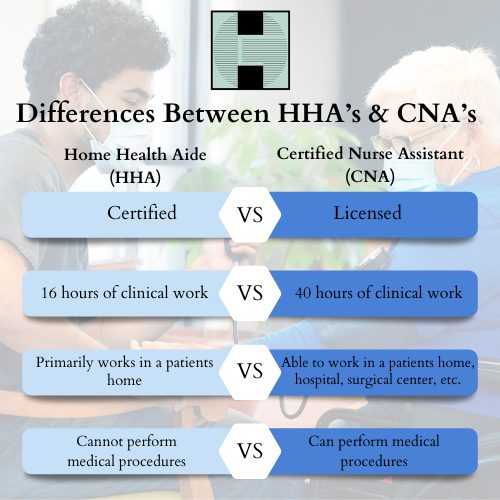
Source : hhstaff.com
At their heart, both Home Health Aides (HHAs) and Certified Nursing Assistants (CNAs) provide Needed patient care. They’re the boots on the ground, the hands that offer comfort and support. But think of it like this: a CNA is like a general practitioner in healthcare support, while an HHA is more like a specialist focused on home-based care. The scope, training, and regulatory oversight differ significantly. You can’t just assume one can do the other’s job.
What Exactly is a Home Health Aide (HHA)?
A Home Health Aide (HHA) is a healthcare professional who provides care to individuals in their own homes. This usually involves assisting clients with daily living activities (ADLs) that they can no longer perform independently. It’s about enabling people to maintain their independence and quality of life within a familiar environment. This role requires a lot of empathy and patience, often dealing with clients who have chronic illnesses or disabilities.
HHAs are Key for individuals recovering from surgery, those with long-term illnesses, or the elderly who need support. The focus is heavily on non-medical assistance, although they do monitor Key signs and report changes in the patient’s condition. It’s a deeply personal form of care, often forming strong bonds with the clients they serve.

Source : angelsoncallinc.com
What Exactly is a Certified Nursing Assistant (CNA)?
A Certified Nursing Assistant (CNA), on the other hand, has a broader scope of practice and typically works under the direct supervision of a Registered Nurse (RN) or Licensed Practical Nurse (LPN). CNAs can work in a wider variety of settings, including hospitals, nursing homes, assisted living facilities, and sometimes even in home care. Their training is more Full, equipping them for a wider range of medical tasks.
Think of CNAs as the primary caregivers assisting nurses. They perform tasks like taking Key signs, assisting with personal hygiene, helping patients move, feeding patients, and documenting patient conditions. They are often the first to notice changes in a patient’s health and must be able to communicate these observations clearly and efficiently to the nursing staff. It’s a role that requires constant vigilance and a solid understanding of basic medical procedures.
Key Distinctions in Daily Responsibilities
The day-to-day tasks highlight the fundamental HHA vs CNA differences. An HHA might spend their day helping a client with bathing, dressing, meal preparation, light housekeeping, and running errands. They also perform tasks like medication reminders (but not administering medication) and monitoring Key signs. The emphasis is on supportive care within the home environment.
A CNA, especially in a hospital or nursing home, will also assist with ADLs, but their duties extend further. They might be responsible for more complex tasks like inserting catheters, changing wound dressings, taking more detailed patient histories, and assisting with physical therapy exercises. Their work is often more medically oriented and closely integrated with the overall medical treatment plan devised by nurses and doctors.
Certification Requirements: The Path to Getting Started
The journey to becoming an HHA or a CNA involves specific training and certification, but the pathways aren’t identical. This is where many people get confused, and it’s Key to understand the investment required for each. The time and cost can vary, making one path potentially more appealing depending on your immediate goals and resources.
HHA Certification Process
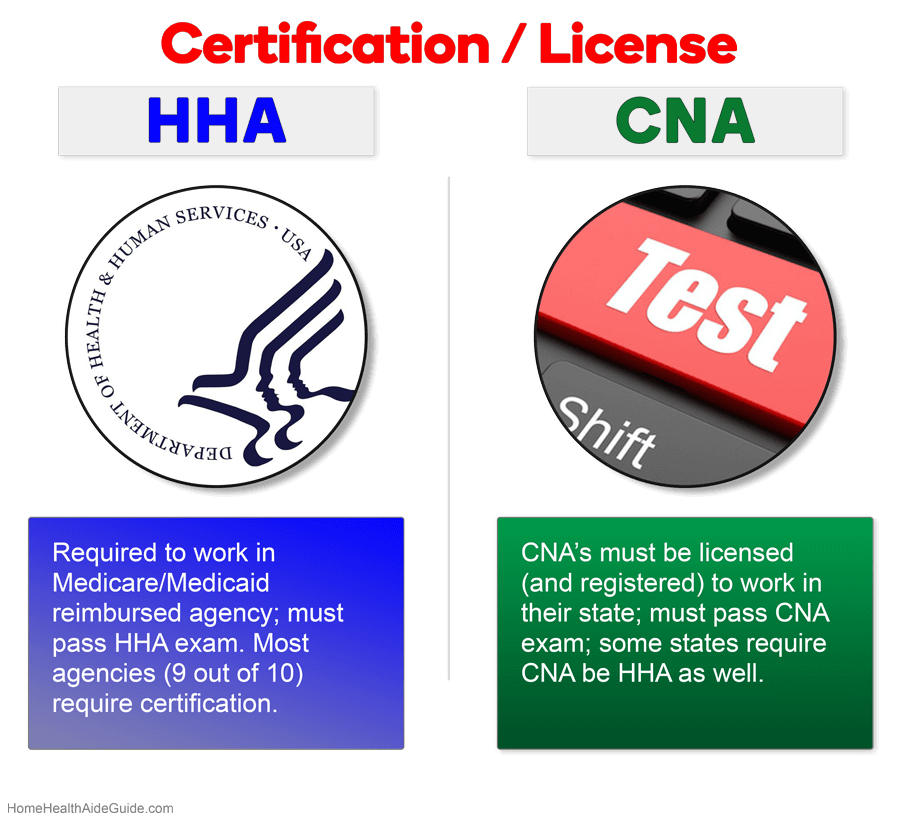
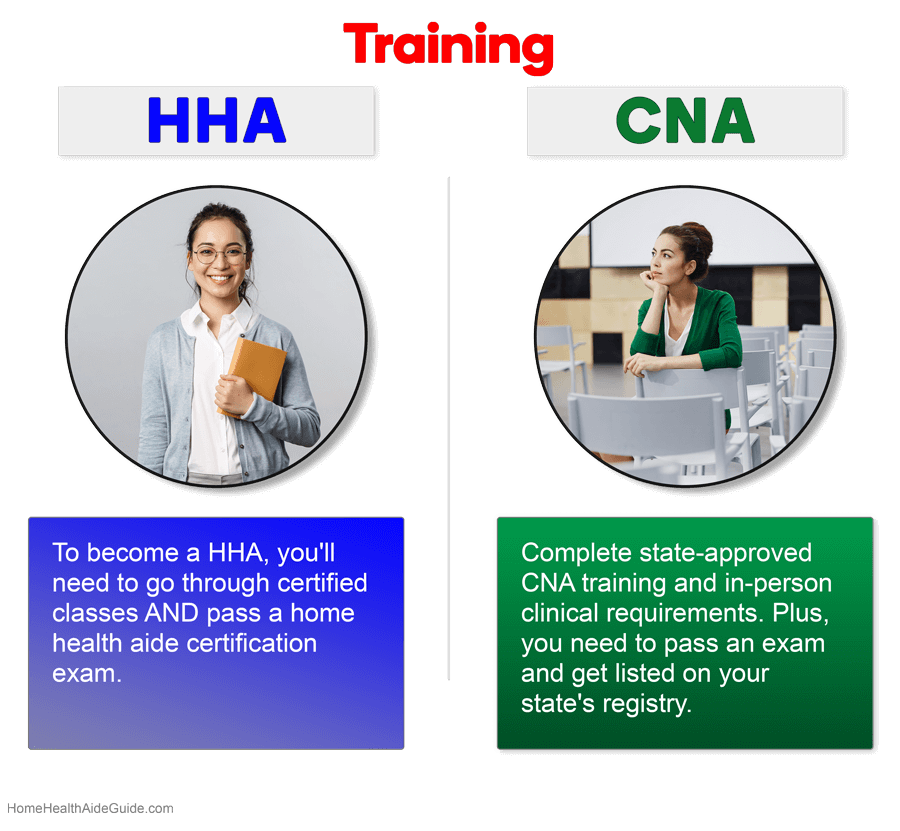
Becoming a Home Health Aide usually involves completing a state-approved training program. These programs are generally shorter than CNA programs, often lasting just a few weeks. They focus specifically on the skills needed for in-home care, including personal hygiene, basic health monitoring, nutrition, and safety procedures. Upon completion, you typically need to pass a competency exam. The specifics can vary by state, but it’s generally less intensive than CNA certification.
The curriculum for an HHA certification often covers topics like understanding the home care environment, providing personal care, infection control, recognizing and reporting changes in a client’s condition, and basic first aid. Some agencies might even offer their own in-house training, which can be a great way to get started if you’re looking for immediate employment. It’s all about getting you ready for the unique challenges of home-based care.
CNA Certification Process
The path to becoming a CNA is more rigorous. CNA training programs are typically longer, often ranging from 4 to 12 weeks, and cover a broader range of healthcare topics. These programs are usually offered at community colleges, vocational schools, or healthcare facilities. The curriculum includes anatomy, physiology, patient rights, Key signs, infection control, basic nursing skills, and emergency procedures. After completing the program, candidates must pass a state-administered exam, which usually includes both a written and a practical skills component. Passing this exam grants you the ‘Certified’ status.
Passing the CNA exam is a significant hurdle. The practical skills test, for instance, requires you to demonstrate proficiency in several hands-on tasks, like handwashing, checking Key signs, transferring a patient safely, and performing personal care. It’s designed to Make sure you can competently and safely perform the duties expected of a CNA. For a deeper dive into these differences, resources like Assisting Hands offer great comparative details.
State Variations and Requirements
It’s super important to remember that certification requirements are determined at the state level. What’s true in one state might be slightly different in another. Some states might have specific hour requirements for training programs, while others might have unique testing procedures. For example, while some states might require separate HHA certification, others might allow individuals with CNA certification to perform HHA duties, or vice versa, with additional agency-specific training. Always check the specific regulations in the state where you plan to work. This can dramatically impact the HHA vs CNA certification path you choose.
Don’t assume a national standard exists for every single aspect. For instance, the training hours for an HHA certification can range from as little as 40 hours to over 75 hours depending on the state. Similarly, CNA programs often hover around the 75-150 hour mark. Understanding these state-specific nuances is critical before you invest time and money into a program.

Source : globalonehomecare.com
Work Environments: Where Do They Practice?
The settings where HHAs and CNAs typically work are a major differentiator. While there can be overlap, their primary environments reflect the nature of their training and responsibilities. This impacts your daily work life, the type of patients you’ll encounter, and the team you’ll be working with.
Home Health Aide Settings
As the name suggests, the primary workplace for an HHA is the client’s home. This means you’ll be working in private residences, Handling different family dynamics and home environments. It offers a unique opportunity for one-on-one patient interaction and building a rapport with clients and their families. You’re not just a caregiver; you’re a guest in their personal space, which requires a high degree of professionalism and adaptability. It’s about making a difference right where people feel most comfortable.
This setting also means you’ll likely manage your own schedule, travel between different client homes, and be more autonomous in your daily tasks. The environment can be unpredictable, and you’ll need to be resourceful and able to handle various situations independently. It’s a rewarding role for those who thrive on independence and direct client relationships.
Certified Nursing Assistant Settings
CNAs have a much wider range of potential work environments. Hospitals are a common setting, where they assist nurses in caring for patients across various departments – from general medical-surgical units to critical care. Nursing homes and long-term care facilities are another major employer for CNAs, providing ongoing care for elderly residents or individuals with chronic conditions. You’ll also find CNAs working in assisted living facilities, rehabilitation centers, clinics, and even some home care agencies that Use their expanded skill set.
Working in these facility-based settings means you’ll be part of a larger healthcare team. You’ll collaborate closely with nurses, doctors, therapists, and other CNAs. This environment often involves caring for multiple patients simultaneously and adhering to strict facility protocols and schedules. It can be fast-paced and demanding, but also offers immense opportunities for learning and professional growth within a structured system. The collaborative nature of these settings is a huge plus for some.
Overlap and Blurring Lines
It’s worth noting that the lines can sometimes blur. Some home care agencies might hire CNAs to provide services because their broader training can be beneficial, even if they are performing tasks typically associated with HHAs. Similarly, in smaller facilities or certain roles, an HHA might perform duties that touch upon those of a CNA. However, the foundational training and scope of practice remain distinct. Always clarify the specific duties and requirements of any position you apply for, regardless of the title. Understanding the HHA vs CNA role in practice is key.
For instance, a home care agency might require its HHAs to complete a 40-hour training program, while also employing CNAs who have completed 100+ hours of training and passed a state exam. The CNA might be assigned more complex cases or be expected to perform tasks that fall outside the typical HHA scope. This flexibility can be a great advantage for agencies and clients alike, but it also underscores the need for clear job descriptions and qualifications. Information from sources like Fedelta Home Care can help clarify these nuances.
Scope of Practice: What Can They Legally Do?
This is where the rubber meets the road. The scope of practice defines the specific services each role is legally permitted to provide. Understanding this is Key to avoid stepping outside your boundaries, which can have serious legal and ethical consequences. It’s not just about what you’re trained to do, but what you’re allowed to do.
HHA Scope of Practice
The HHA scope of practice is generally focused on non-medical tasks and supportive care within the home. This includes assisting with activities of daily living (ADLs) like bathing, dressing, grooming, toileting, and feeding. HHAs also perform light housekeeping, laundry, meal preparation, and grocery shopping to support the client’s well-being at home. They are trained to monitor Key signs (temperature, pulse, respiration, blood pressure) and report any significant changes or concerns to a supervisor, typically a nurse or case manager.
Crucially, HHAs generally cannot administer medications, perform invasive procedures (like injections or wound care requiring sterile technique), or provide skilled nursing care. Their role is centered on maintaining the client’s comfort, safety, and independence in their home environment. They are the eyes and ears for the healthcare team, reporting observations that could impact the client’s health status. It’s about supportive, non-clinical assistance.
CNA Scope of Practice
The CNA scope of practice is considerably broader and more medically oriented, performed under the supervision of licensed nurses. CNAs can perform all the tasks of an HHA, plus a range of clinical tasks. This includes taking Key signs, collecting specimens (urine, stool), assisting with specific medical treatments ordered by a physician (like certain types of wound care or respiratory treatments), performing range-of-motion exercises, and helping with rehabilitation. In some settings, they may also be trained to administer certain medications, though this varies significantly by state and facility policy.
Source : homehealthaideguide.com
CNAs play a Key role in direct patient care within clinical settings. They assist nurses with charting, monitor patients for changes in condition, and respond to emergencies. Their training provides them with a foundational understanding of medical terminology, disease processes, and patient safety protocols, enabling them to provide a higher level of clinical support than an HHA. This expanded capability allows them to function effectively in more acute care environments.
Medication Administration Differences
This is a major point of divergence. Generally, HHAs are NOT permitted to administer medications. They can provide reminders for clients to take their own medications, Make sure prescriptions are refilled, and report if a client has missed a dose, but they cannot physically give the medication. This is a critical safety boundary.
CNAs, depending on state regulations and facility policies, may be permitted to administer certain types of medications. This could include oral medications, topical applications, or even injections in some specific circumstances and after additional training. However, this is a highly regulated area. Even when allowed, it’s always under strict supervision and following precise protocols. The HHA vs CNA difference here is stark and directly impacts patient safety and legal compliance.
Training Content and Duration: A Deeper Look
The curriculum and time commitment for each certification pathway are telling indicators of their differences. If you’re looking for a quicker entry into the healthcare field, one path might be more appealing than the other. But remember, longer training often means a broader skill set and potentially more career opportunities.
HHA Training Curriculum
HHA training programs typically focus on practical skills directly applicable to home care. Common modules include personal care skills (bathing, dressing, grooming), basic nutrition and meal preparation, infection control, safety procedures and emergency response in a home setting, communication and interpersonal skills, and recognizing and reporting abuse or neglect. They also learn about Key signs monitoring and basic first aid. The emphasis is on a supportive, non-medical approach.
The total training hours for HHAs are usually between 40 and 75 hours, making it a relatively short program. This allows individuals to enter the workforce more quickly. However, this condensed curriculum means HHAs don’t typically receive in-depth training in medical procedures or advanced patient care techniques. It’s tailored specifically for the unique demands of the home environment. You might find specific curriculum details on sites discussing the HHA vs CNA certification differences.
CNA Training Curriculum
CNA training programs are significantly more Full. They cover a broader range of subjects, including anatomy and physiology, basic nursing skills, patient rights and communication, infection control, Key signs measurement, transferring and ambulating patients, personal hygiene assistance, nutrition, and emergency procedures. Training often includes extensive supervised clinical practice in a healthcare facility, allowing students to apply their knowledge in real-world scenarios. Some programs also touch upon basic pharmacology and mental health awareness.
CNA programs typically require 75 to 150 hours of training, often spread over several weeks or months. This more extensive curriculum Provides CNAs with a wider range of skills and a deeper understanding of healthcare principles. This broader foundation prepares them for the complexities of working in diverse clinical settings and under the direct supervision of licensed nursing staff. The depth of knowledge gained is a clear differentiator.
Clinical Experience Component
A key difference often lies in the hands-on clinical experience. While HHA programs might include some supervised practice, CNA programs almost universally require a Large number of supervised hours in a clinical setting, such as a hospital or nursing home. This practical component is Key for developing proficiency in performing medical tasks safely and effectively.
For CNAs, these clinical hours are not just about learning; they’re about building confidence and competence. Working alongside experienced nurses and CNAs allows trainees to observe, practice, and receive immediate feedback. This real-world exposure is Crucial and helps prepare them for the demands of the job in a way that classroom learning alone cannot replicate. It’s often the most impactful part of the training.
Career Progression and Earning Potential
When choosing a career path, it’s natural to think about where it can lead and how much you can earn. The HHA and CNA roles offer different avenues for growth and varying salary potentials. Understanding these aspects can help you Match your career goals with the right certification.
Source : homehealthaideguide.com
HHA Career Outlook
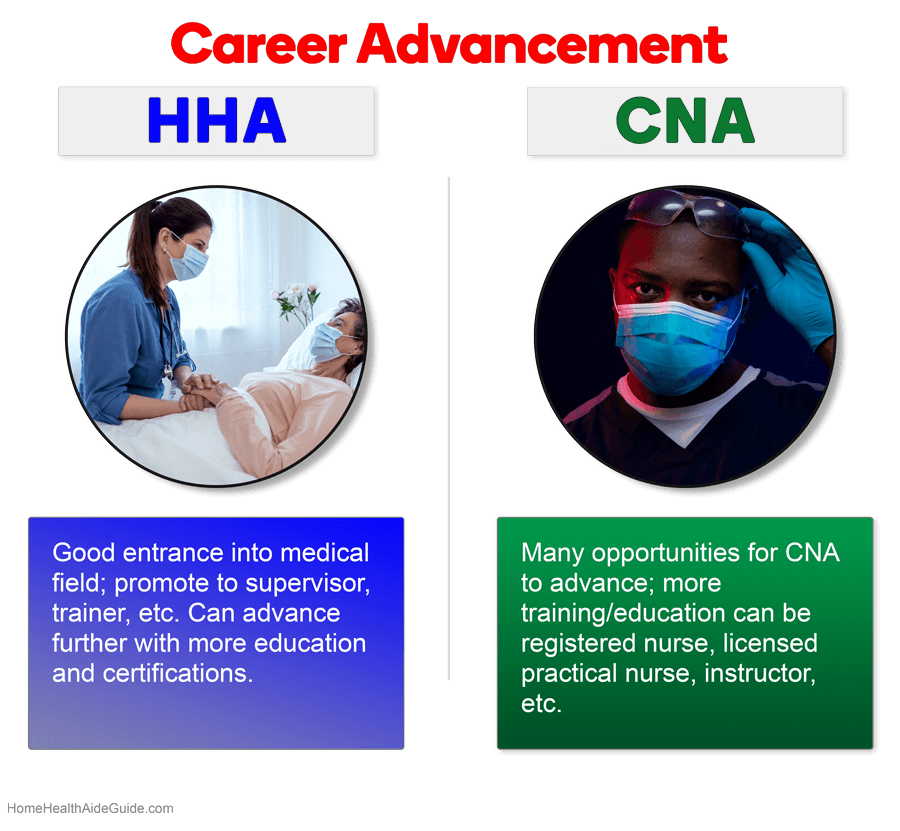
The demand for HHAs is strong and projected to grow significantly, driven by the aging population and the increasing preference for in-home care. HHAs often find steady employment with home care agencies, private individuals, and sometimes hospice organizations. Career progression for HHAs typically involves gaining more experience, perhaps taking on supervisory roles within an agency (like becoming a care coordinator), or specializing in certain types of care (e.g., dementia care).
Earning potential for HHAs can vary based on experience, location, and the agency they work for. While generally lower than CNA salaries, the rapid growth in demand can lead to competitive wages, especially in high-need areas. Many HHAs find the job deeply fulfilling due to the direct, personal impact they have on clients’ lives. The intimacy of the role is a major draw.
CNA Career Outlook
CNAs are in high demand across a wide spectrum of healthcare settings. Their broader skill set opens doors to hospitals, long-term care facilities, rehabilitation centers, and clinics. The career outlook for CNAs is excellent, with consistent job growth predicted. For CNAs looking to advance, the role often serves as a stepping stone to further education in nursing (LPN or RN programs) or other healthcare professions.
Salaries for CNAs tend to be higher than for HHAs, reflecting their broader training and scope of practice. Experienced CNAs or those working in specialized or high-acuity settings can command even higher wages. The opportunity to gain diverse clinical experience also makes the CNA path attractive for those interested in a long-term career in healthcare. Many see it as the foundational step towards becoming a nurse.
Advancement Opportunities
For HHAs, advancement might mean moving into roles like scheduling, client assessment, or training new aides within a home care agency. Some might pursue further certifications in specialized areas like Alzheimer’s or Parkinson’s care to enhance their skills and marketability. The path is often about deepening expertise within the home care niche.
For CNAs, the opportunities are more varied. Beyond gaining experience in different clinical settings, CNAs can pursue specialized certifications (e.g., in phlebotomy or EKG), become certified medication aides (where permitted), or use their experience and skills as a strong foundation for entering nursing school. The structured nature of the healthcare system provides clear pathways for career growth for CNAs. Many use the NCCDP resources to understand the broader healthcare Field and potential career moves.
Comparing Key Aspects: A Quick Glance
Let’s put some of the core differences side-by-side. Sometimes a simple comparison chart makes things crystal clear. It boils down the essentials so you can see the forest for the trees. This isn’t exhaustive, but it hits the main points.
Here’s a table to really nail down the HHA vs CNA differences:
| Feature | Home Health Aide (HHA) | Certified Nursing Assistant (CNA) |
|---|---|---|
| Primary Work Setting | Client’s Home | Hospitals, Nursing Homes, Clinics, Assisted Living |
| Scope of Practice | Non-medical assistance, ADLs, light housekeeping, Key signs monitoring | ADLs, Key signs, clinical tasks, basic medical procedures, charting assistance |
| Medication Administration | Generally NO (only reminders) | Sometimes, depending on state/facility and additional training |
| Training Duration | Shorter (e.g., 40-75 hours) | Longer (e.g., 75-150 hours) |
| Clinical Skills Focus | Basic health monitoring, ADL support | Broader range of medical tasks, patient observation |
| Supervision | Usually by RN, LPN, or case manager | Directly by RN or LPN |
| Career Advancement | Specialization in home care, agency roles | Nursing school, specialized certifications, diverse healthcare roles |
| Earning Potential | Generally lower | Generally higher |
Which Certification is Right for You?
The choice between HHA and CNA hinges on your personal goals, interests, and career aspirations. If you are passionate about providing compassionate, one-on-one care in a home setting and prefer a faster entry into the workforce, becoming an HHA might be the ideal path. It’s about building those close relationships and helping people live independently.
Conversely, if you are seeking a broader range of career opportunities within the healthcare system, are interested in clinical tasks, and potentially aiming for future advancement into nursing or other medical fields, the CNA certification offers a more Strong foundation. The extensive training and wider scope of practice prepare you for diverse and often more complex healthcare environments.
Source : homehealthaideguide.com
The Impact of Your Choice
Your decision directly impacts the types of patients you’ll work with, the skills you’ll develop, and the settings you’ll operate in. Think about your personality. Do you prefer the autonomy and personal connection of home care, or the structured, team-oriented environment of a hospital or nursing home? There’s no single “better” option, only the “better” option for you. Make sure you’re choosing based on what truly motivates you.
Deciding Your Path: HHA or CNA?
Handling the HHA vs CNA certification debate can feel overwhelming, but it really boils down to what kind of caregiving experience you want. Are you drawn to the intimate setting of a person’s home, helping them maintain dignity and independence? Or are you more interested in the broader medical field, working alongside nurses and doctors in clinical settings?
Reflecting on Your Personal Interests
Consider what genuinely excites you about healthcare. Do you enjoy hands-on personal care and building deep relationships with individuals? Home health aide work might be your calling. If you’re fascinated by medical procedures, enjoy working as part of a larger clinical team, and are looking for a role with extensive learning opportunities, then CNA certification could be a better fit. Your passion will fuel your success.
Tolerance for different work environments. Working in homes means dealing with the unpredictable nature of domestic life, while facilities offer a more controlled, albeit sometimes more demanding, pace. Both require immense patience, compassion, and strong communication skills, but the context in which you apply them differs significantly.
Considering Long-Term Career Goals
If your ultimate goal is to become a Registered Nurse (RN) or a Licensed Practical Nurse (LPN), the CNA certification often provides a more direct and relevant stepping stone. The clinical experience and medical knowledge gained are Crucial for nursing school applications and subsequent studies. It’s a solid foundation for a nursing career.
For those who envision a long-term career specifically in direct care without necessarily pursuing advanced nursing degrees, becoming an HHA offers a fulfilling and in-demand career path. Many experienced HHAs become highly valued caregivers, specializing in areas like elder care or chronic disease support. You can absolutely build a successful and rewarding career as an HHA.
Making the Informed Choice
The best way to decide is to research thoroughly, perhaps even speak with individuals working in both roles. Understand the specific requirements in your local area. Don’t rush the decision. Weigh the pros and cons based on your personal circumstances, interests, and future ambitions. Getting this right from the start will save you time, effort, and potential disappointment down the line. It’s your career, so own the decision!
Frequently Asked Questions
Is it better to be a CNA or HHA?
It really depends on what you’re looking for. A CNA certification usually involves more hands-on medical care and can open doors to hospitals and skilled nursing facilities. An HHA certification often focuses more on personal care and daily living assistance, frequently in a home setting. Think about whether you prefer clinical tasks or more personal, in-home support.
Does HHA do laundry?
Yeah, generally an HHA (Home Health Aide) will help with household tasks like laundry, light housekeeping, and meal preparation as part of assisting a client with their daily living. It’s all about helping the client maintain a safe and comfortable living environment.
Can CNAs make $1000 a week?
It’s possible, but not a guarantee. A CNA’s salary can vary a lot depending on location, experience, and the type of facility they work for. Sometimes, picking up extra shifts or working overtime could help you reach that goal, but it requires consistent effort.
Who gets paid more, CNA or caregiver?
Typically, a CNA (Certified Nursing Assistant) often earns a bit more than a general caregiver or HHA because their training is more extensive and includes certain medical tasks. But, that’s not always the case; experience and the specific duties can really influence pay rates for both roles.
What are the main differences in training between HHA and CNA?
The main difference is the depth of training. CNA programs are usually longer and cover more medical knowledge, like taking Key signs and assisting with specific medical procedures. HHA training is often shorter and focuses more on personal care, companionship, and basic health monitoring for clients in their homes.
