Cracking the SHRM Code: Exactly How Long Does Prep Take?
Alright, let’s cut to the chase. You’re wondering about the SHRM certification timeline. How much time do you really need to set aside to conquer that exam and snag those coveted credentials? It’s not a simple one-size-fits-all answer, and frankly, anyone who tells you otherwise is probably selling something.
Look, preparing for a SHRM certification is a marathon, not a sprint. It demands dedication, a solid strategy, and yes, a significant chunk of your time. But exactly how much time? That’s the million-dollar question, and we’re about to break it down.
Forget those vague estimates you’ve seen. We’re diving deep into the factors that dictate your personal prep time, what the experts say, and how you can build a realistic schedule. Because getting this right means you walk into that exam room feeling confident, not panicked.
The Great SHRM Prep Time Debate: How Long is Long Enough?
Source : hrjetpack.com
Understanding the Average SHRM Study Hours
So, what’s the magic number? The consensus, when you look at data from folks who’ve been through it, hovers around 100 to 150 hours of dedicated study. Think of it this way: if you’re studying 10 hours a week, that’s about 10-15 weeks. That feels about right, doesn’t it?
But here’s the kicker: that’s just an average. Your journey might be shorter, or it might take longer. Don’t get hung up on the number itself; focus on what you need to achieve during those hours. It’s about quality, not just quantity, when it comes to your SHRM prep.
Factors That Actually Influence Your Study Duration
What makes your situation unique? It’s a cocktail of things. Your prior HR experience plays a massive role. If you’ve been in the trenches for a decade, you’ll likely breeze through some topics much faster than someone just starting out. Your current understanding of HR principles is a huge predictor.
Then there’s your learning style. Are you a speed reader who absorbs information like a sponge? Or do you need to reread chapters multiple times, make flashcards, and engage in study groups? Be honest with yourself about how you learn best.
The specific SHRM certification you’re targeting matters too. The SHRM-CP and SHRM-SCP exams cover different depths and breadths of knowledge, and the SCP often requires a deeper strategic understanding.
SHRM’s Official Stance vs. Real-World Experience
SHRM itself offers guidance, suggesting around 100-150 hours for the SHRM-CP and potentially more for the SHRM-SCP. They provide official study materials, which are excellent, but they don’t prescribe a rigid timeline. You can find their general recommendations and insights into the exams on the official SHRM certification study pages.
However, real-world feedback often echoes these numbers, with many test-takers reporting similar study hour commitments. Some find they need less, especially if their HR background is extensive. Others might need significantly more, particularly if they’re balancing studying with a demanding job and personal life. It really highlights the personal nature of certification prep.
Deconstructing the SHRM Certification Process: What’s Involved?
Step 1: Understanding the SHRM Body of Applied Knowledge (BASK)
This is your bible. The SHRM Body of Applied Knowledge (BASK) outlines everything you need to know. It’s divided into behavioral and functional competencies. Seriously, spend time just familiarizing yourself with this document. It’s your roadmap.
Source : examedge.com
Don’t just glance at it. Understand the structure. Know what’s expected at your level (CP vs. SCP). This foundational knowledge is Key before you even think about scheduling your exam or setting a study start date. It informs your entire study plan.
Step 2: Eligibility and Application Submission
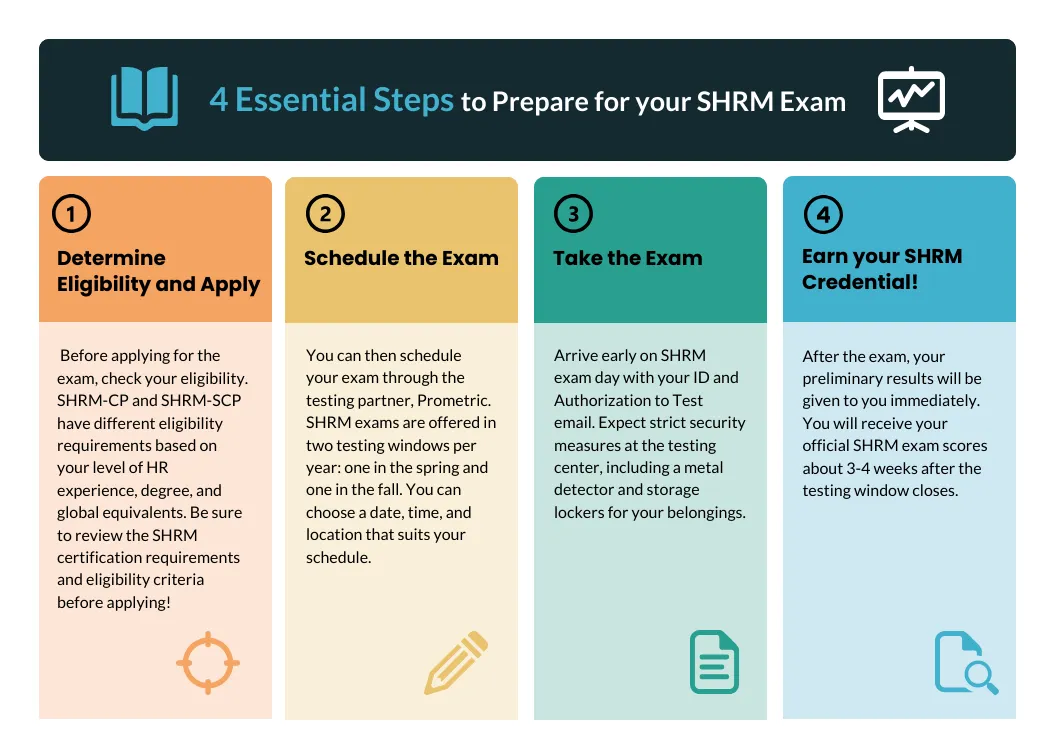
Before you even block out study time, you need to confirm you’re eligible. SHRM has specific criteria based on education and HR experience. Once confirmed, you apply and get approved. This step doesn’t take much study time, but it’s a necessary gatekeeper.
Missing this step means all your hard work might be for nothing. Double-check the requirements on the official SHRM certification process page. Getting your application approved is the official green light.
Step 3: Scheduling Your Exam Window
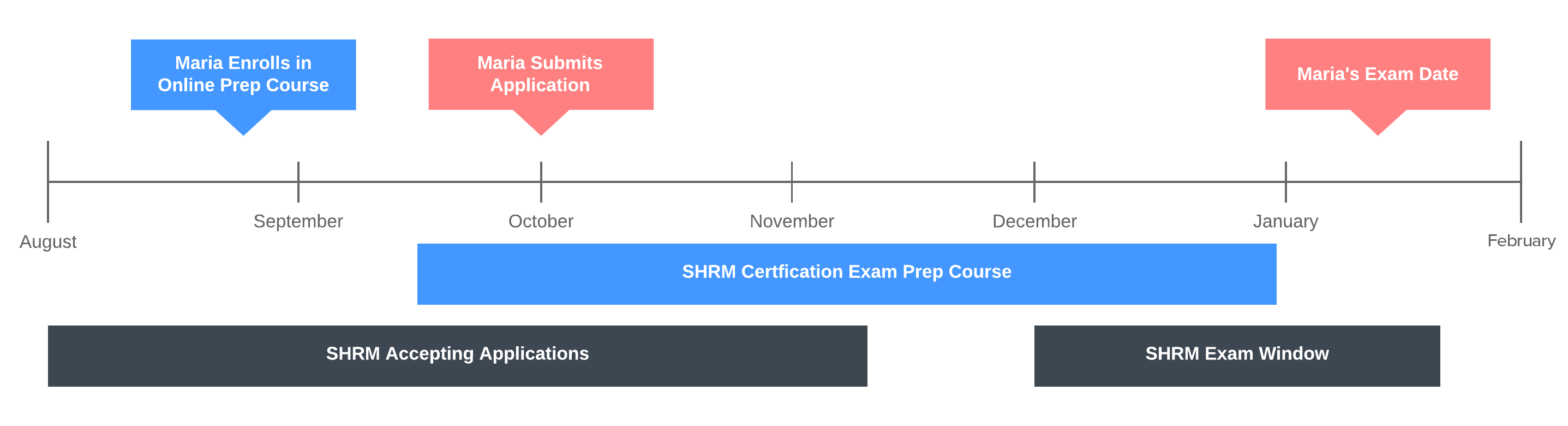
Once approved, you get an exam window. This is when you must sit for the test. This date is critical for your timeline. It’s your firm deadline. You can’t just wing it; you need to know when you’ll be taking the exam to work backward.
The length of this window varies, but it’s typically a few months. Use this to your advantage. This period is where your intensive study happens. Don’t procrastinate on scheduling; it gives you a tangible target.
Your Personal SHRM Prep Timeline: Building a Realistic Schedule
Assessing Your Current HR Knowledge Base
Be brutally honest here. Do you know the difference between FMLA and ADA off the top of your head? Can you discuss strategic talent management without breaking a sweat? Your existing knowledge dictates where you need to focus your energy. You might be strong in employee relations but weaker in compensation and benefits.
Take a diagnostic test if you can. Many prep providers offer these. It’s a fantastic way to get a baseline. Identify your weak spots early; that’s where the bulk of your study hours will go. Don’t waste time reviewing what you already know inside and out.
Creating a Study Plan That Fits Your Life
This isn’t optional. A study plan is your blueprint. You need to map out what topics you’ll cover each week. How many hours can you realistically commit per day or per week? Can you dedicate weekends? Or is it just 30 minutes during your commute?
Consider your energy levels. Studying when you’re exhausted is pointless. Schedule your sessions when you’re most alert. Maybe that’s early morning, or perhaps after dinner. A structured plan prevents cramming and ensures consistent progress. This is key for long-term retention.
Setting Milestones and Staying Accountable
Break down the vast amount of material into smaller, manageable chunks. Set weekly or bi-weekly goals. “This week, I’ll master recruitment and selection.” Or, “By the end of this month, I’ll have reviewed all compensation strategies.” This makes the mountain seem less daunting.
Find an accountability partner. Maybe it’s a colleague also pursuing certification, or a study group. Knowing someone else is counting on you, or that you need to report your progress, can be a powerful motivator. Checking off milestones builds momentum. It keeps the certification goal in sight.
Leveraging Study Resources for Maximum Efficiency
Official SHRM Learning System vs. Third-Party Courses
SHRM’s own Learning System is the gold standard. It’s directly aligned with the BASK and offers Full content, practice questions, and simulations. Many find this sufficient on its own. It’s meticulously designed to cover the exam blueprint.
Then you have third-party options like HR Jetpack, sjg, or others. These can offer different teaching styles, supplementary materials, or live instruction. HR Jetpack’s guide offers a good overview of various preparation strategies. Compare their approaches, reviews, and pricing to see what best suits your learning style and budget. Sometimes a combination is best.
The Power of Practice Exams and Questions
You wouldn’t run a marathon without training runs, right? Practice exams are your training runs for the SHRM test. They help you get used to the question format, the timing, and the difficulty level. More importantly, they reveal your knowledge gaps.
Don’t just take a practice test and forget it. Analyze your results. Why did you get a question wrong? Was it a knowledge gap, a misunderstanding of the question, or a time management issue? This analysis is Key for refining your study focus. Aim to complete hundreds, if not thousands, of practice questions.
Active Learning Techniques Beyond Reading
Reading dense material for hours on end? Snooze fest. Engage your brain actively. Use flashcards for key terms. Explain concepts out loud to yourself or a study buddy. Try to teach a topic to someone else – it solidifies your own understanding. Draw mind maps connecting different HR functions.
Consider joining an online HR community or forming a local study group. Discussing scenarios and challenging concepts with peers can be incredibly illuminating. This active engagement transforms passive learning into true comprehension. It makes the preparation process far more Active.
SHRM Certification Study Time: By the Numbers
SHRM-CP vs. SHRM-SCP: What’s the Difference in Time Commitment?
Generally, the SHRM-SCP exam requires a deeper dive. It focuses more on strategic application, while the SHRM-CP leans towards operational and tactical HR knowledge. This means the SHRM-SCP preparation might demand more hours for many individuals, perhaps pushing the upper end of that 100-150 hour range, or even exceeding it.
If you’re considering the SCP, factor in the advanced nature of the questions. You’re not just recalling facts; you’re analyzing situations and determining the best strategic HR approach. This requires more critical thinking and, consequently, potentially more study time to hone those skills.
Comparing Study Time Based on HR Experience Level
Someone with 1-2 years of HR experience will likely need more time than a seasoned HR Director with 10+ years. It’s simple: more experience means more exposure to the concepts covered in the BASK. You’ve likely encountered many of these situations firsthand.
Conversely, early-career professionals might need to dedicate more hours to building that foundational knowledge from scratch. They might spend more time on the basic principles before tackling the more complex, strategic aspects. This is where a structured course can be incredibly beneficial.
Source : leadership.eckerd.edu
Typical Study Durations: A Breakdown
Let’s put some hypothetical numbers to it:
- Entry-Level HR (0-3 years exp): Might need 150-200+ hours.
- Mid-Level HR (3-7 years exp): Likely in the 100-150 hour range.
- Senior-Level HR (7+ years exp): Potentially 80-120 hours, focusing on strategic nuances.
Remember, these are estimates. Your personal situation could vary significantly. The key is consistent, focused effort over a defined period. Don’t just aim for hours; aim for understanding. This approach to SHRM certification prep is far more effective.
Common Pitfalls That Extend Your SHRM Prep Time
The “Cramming” Mentality: Why It Backfires
Trying to absorb everything in the last few weeks is a recipe for disaster. The SHRM exams aren’t about rote memorization; they test your application of knowledge. Cramming doesn’t allow for the necessary assimilation and strategic thinking. You’ll likely burn out and retain very little.
Long-term, consistent study allows your brain to process the information, make connections, and build confidence. Short, intense bursts right before the exam often lead to anxiety and poor performance. It’s the enemy of deep understanding and good exam results.
Ignoring the Behavioral Competencies
Too many people focus solely on the functional (knowledge-based) aspects and neglect the behavioral competencies. The SHRM exams heavily weigh these situational judgment questions. You need to understand how to apply HR knowledge effectively in real-world scenarios.
These behavioral questions require you to think like a strategic HR leader. How would you handle a complex employee relations issue? What’s the best approach to talent management aligned with business goals? Ignoring these drastically underestimates the difficulty of the SHRM exam.
Lack of a Structured Study Plan
Just picking up a book and reading randomly won’t cut it. Without a plan, you’ll waste time on topics you already know well or skip Key areas entirely. You need a roadmap, like the ones discussed earlier, to guide your study sessions.
A good plan ensures you cover all the material in the BASK systematically. It helps you allocate sufficient time to your weaker areas and builds in review periods. A disorganized approach is a sure way to prolong your preparation period unnecessarily.
Maximizing Your Study Efficiency: Tips from the Pros
Consistency Over Intensity
Studying for 2 hours every day is far more effective than cramming for 14 hours on a Saturday. Regular, consistent study sessions allow for better information retention and reduce the risk of burnout. Your brain needs time to process and consolidate knowledge.
Even 30-60 minutes a day, consistently applied, can make a huge difference over several months. Treat your study time like an important appointment you can’t miss. This habit is fundamental to successful SHRM certification prep.
Active Recall and Spaced Repetition
Don’t just passively re-read notes. Actively test yourself. Use flashcards. Try to recall information from memory before looking at the answer. This technique, known as active recall, significantly strengthens memory pathways.
Spaced repetition involves reviewing material at increasing intervals. For example, review a topic today, then again in three days, then a week later, then two weeks later. This combats the forgetting curve and embeds knowledge deeply. Many study apps use this principle effectively.
Simulate Exam Conditions
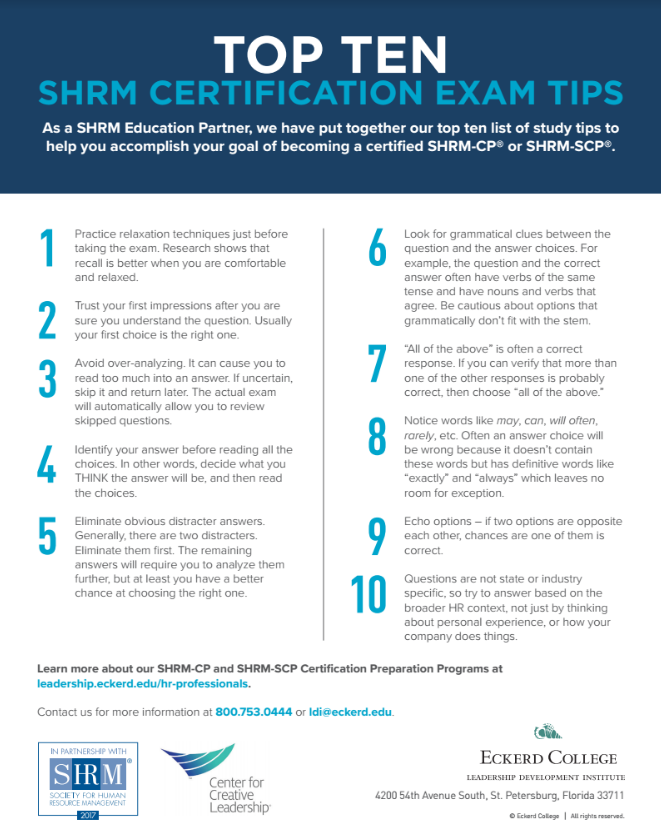
When you take practice exams, do it under timed, distraction-free conditions. Mimic the actual test environment as closely as possible. This helps you build stamina and get comfortable with the pressure of the clock.
Turn off your phone, close unnecessary tabs, and sit at a quiet desk. This practice isn’t just about finishing on time; it’s about training your brain to perform under pressure. This final stage of exam readiness is Key.
Calculating Your Personal SHRM Prep Time: A Practical Approach
The “Time Per Topic” Method
Break down the SHRM BASK into its core components. Estimate how much time you think you’ll need for each topic, considering your current strengths and weaknesses. Sum these up to get a rough total.
For example: Compensation & Benefits (20 hours), Talent Acquisition (15 hours), Employee Relations (25 hours), etc. Add a buffer of 15-20% for review and unexpected challenges. This gives you a more granular, personalized estimate for your SHRM certification timeline.
The “Weeks to Exam Date” Strategy
Decide on your target exam date. Then, work backward. How many weeks do you have? Divide the estimated total hours (e.g., 120 hours) by the number of weeks. This tells you how many hours you need to study per week. If you have 12 weeks and need 120 hours, that’s 10 hours per week.
Adjust this based on your available time. If 10 hours a week is too much, you might need to push your exam date back to allow for a more manageable 5-7 hours per week. This ensures your plan is sustainable. It makes the prep process feel less overwhelming.
Using a SHRM Study Time Calculator (If Available)
Some third-party prep providers offer online tools or calculators that help you estimate study time based on your inputs (experience, chosen certification, etc.). While not perfect, these can provide another data point to consider. They often factor in common learning curves.
These tools can be helpful for getting a ballpark figure, but always cross-reference with your own assessment. They can’t account for personal learning speed or unexpected life events that might impact your study schedule. Think of them as a guide, not gospel for your study duration.
When to Know You’re Ready: Beyond Just the Clock
Consistent High Scores on Practice Exams
If you’re consistently scoring in the high 80s or 90s on multiple full-length practice exams, you’re likely in good shape. Especially if these scores are achieved under timed conditions. This indicates strong comprehension and test-taking ability.
Source : shrm.org

Don’t just look at the overall score. Analyze why you’re getting questions right. Are you truly understanding the concepts, or just memorizing patterns? Confidence in your answers, not just the score itself, is key. This shows true mastery.
Comfort with SHRM Terminology and Concepts
You should be able to discuss HR concepts using the appropriate SHRM terminology without hesitation. You should intuitively understand the difference between, say, strategic alignment and operational efficiency in an HR context. You feel fluent in the language of the BASK.
If you find yourself constantly pausing to look up terms or struggling to articulate concepts, you might need more study time. Feeling comfortable and confident explaining these ideas is a strong indicator of readiness for the SHRM certification exam.
Ability to Analyze Situational Judgment Questions
For the behavioral competencies, can you confidently analyze scenarios and select the most appropriate HR action, even when multiple options seem plausible? Can you articulate why your chosen answer is superior to the others, based on SHRM principles?
This analytical skill is critical. If you’re guessing or feeling lost on these types of questions, dedicate more time to practicing them. Understanding the underlying rationale is more important than just picking an answer. This is where the strategic thinking for SHRM really shines.
Final Thoughts: Your SHRM Prep Journey is Personal
Welcome the Marathon, Not the Sprint
Preparing for SHRM certification is a significant undertaking. It requires a commitment of time and effort. See it as an investment in your career, not a short-term chore. A steady, consistent approach over weeks or months is far more effective than last-minute cramming.
The time invested now pays dividends throughout your career. You’re not just studying for an exam; you’re deepening your expertise and becoming a more valuable HR professional. This mindset shift is Key for success.
Tailor Your Timeline to YOU
Don’t get fixated on what “everyone else” is doing. Your background, learning style, and available time are unique. Create a study plan that realistically fits your life and acknowledges your current knowledge level. The ideal study duration is the one that works for you.
Be flexible. Life happens. If you fall behind one week, don’t give up. Adjust your plan and get back on track. The goal is consistent progress towards mastery, not rigid adherence to an arbitrary schedule. Your personal journey to SHRM certification matters most.
Focus on Understanding, Not Just Hours Logged
The number of hours is less important than what you learn during that time. Aim for deep comprehension of the SHRM BASK, including both functional knowledge and behavioral competencies. If you understand the material thoroughly, the hours will naturally fall into place.
Walk into that exam room feeling truly prepared, not just because you logged ‘X’ hours, but because you know your stuff. That confidence is the real prize. Good luck! You’ve got this.
| Factor | Impact on Study Time | Estimated Time Range (Hours) | Notes |
|---|---|---|---|
| Experience Level | High |
|
More experience often means faster comprehension of core concepts. |
| Learning Style | Medium | Varies greatly | Visual, auditory, kinesthetic learners may need different approaches or more time. |
| Target Certification | Medium | SCP generally requires more time than CP | SCP focuses more on strategic application. |
| Study Method | Medium | Self-study vs. structured course | Structured courses might provide efficiency, self-study requires strong discipline. |
| Prior HR Knowledge | High | Directly impacts time needed per topic | Strong foundation in specific areas reduces study time for those topics. |
| Consistency of Study | High | Regular vs. sporadic | Consistent daily/weekly study is more effective than cramming. |
Frequently Asked Questions
What is the hardest HR certification to get?
Honestly, it really depends on your background and experience. But generally speaking, the SHRM-SCP is considered more challenging than the SHRM-CP because it requires more strategic thinking and a deeper understanding of applying HR principles to business outcomes. It’s for seasoned HR pros.
How many hours of study are recommended for SHRM certification?
Most folks find they need anywhere from 100 to 200 hours of dedicated study time. It’s not a quick cram session! Think of it as building a strong foundation. Some people ace it with less, some need more, but this range is a good starting point for your SHRM prep.
Can I pass the SHRM certification exam without a course?
Totally possible, but it’s a tough road! Many people pass using self-study with books and online resources. But, if you’re looking for structure and guidance, a prep course can really make a difference. It really depends on how well you know the material and your study habits.
What is the SHRM certification pass rate?
SHRM doesn’t release official pass rates, which can be a bit frustrating. However, anecdotal evidence suggests it’s a challenging exam. Passing often depends more on your preparation and understanding of the material than any specific exam difficulty set by SHRM.
Is SHRM certification worth the cost and effort?
For sure! Getting your SHRM certification can seriously boost your career. It shows employers you’ve got the HR knowledge and skills. Plus, it often leads to better job opportunities and higher salaries. It’s an investment in your professional future.
