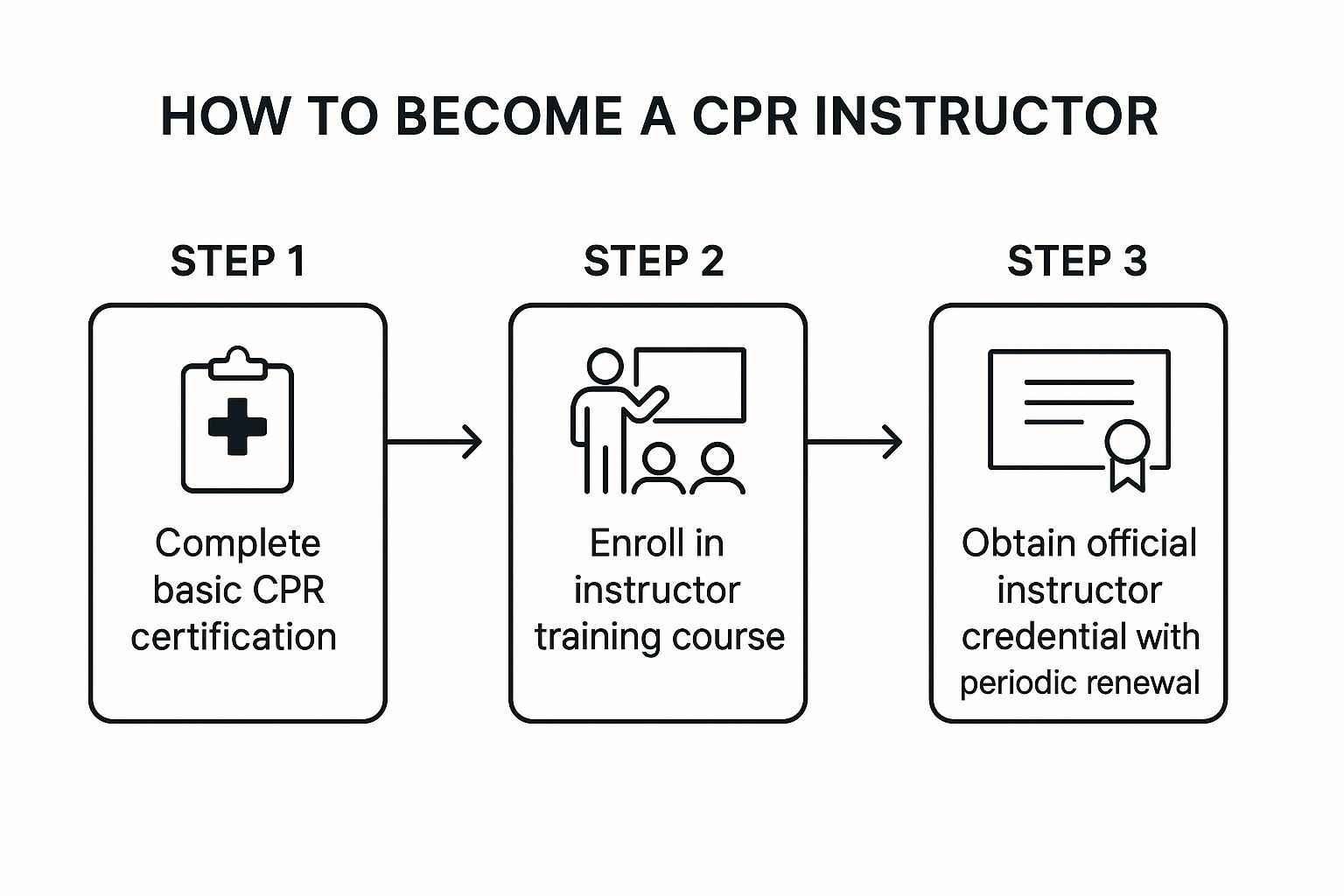
So, you’ve decided you want to teach CPR. Good for you. It’s not just about knowing the steps; it’s about having the guts to step in when things go south. But before you can inspire a new generation of lifesavers, you’ve gotta get yourself properly certified to teach CPR. And honestly, it’s a lot more involved than just acing a quick quiz.
It. You’re not just a teacher; you’re a potential lifeline. The people you train need to trust you implicitly. They need to know that when they’re faced with a real emergency, they can recall your instructions perfectly. That means your own training has to be top-notch, and the certification process reflects that.
This isn’t some walk in the park. Becoming a certified CPR instructor means diving deep, understanding the ‘why’ behind every action, and mastering the skills to actually teach them effectively. Forget just memorizing CPR guidelines; we’re talking about becoming a true educator in life-saving techniques.
Why Bother Becoming a CPR Instructor?
The Ripple Effect of Saving Lives
Seriously, what’s better than knowing you’ve equipped someone else to potentially save a life? It’s a profound feeling, knowing you’ve played a part in a chain reaction of good. You don’t just teach a skill; you Enable people.
Personal Growth and Mastery
Let’s be real, going through the instructor certification process forces you to truly understand CPR inside and out. It sharpens your own skills and builds an incredible sense of confidence. You become the go-to person, the expert. It’s a huge boost for your personal development.
Community Impact
Communities need qualified instructors. Whether it’s for new parents, corporate safety teams, or high school students, there’s a constant demand. By becoming an instructor, you’re directly contributing to a safer, more prepared community. It’s tangible impact you can see.
The Big Two: Choosing Your Certifying Organization
Source : readyresponsepa.com
American Heart Association (AHA) – The Gold Standard?
Look, you can’t talk about CPR without mentioning the AHA. They’re the big dogs, the ones most people recognize. Getting certified through them means you’re aligned with some of the most widely accepted and researched protocols out there. Their instructors are highly respected.
Their certification pathway is pretty structured. You’ll typically need to hold a current healthcare professional-level CPR card yourself (like BLS, ACLS, or PALS) before even considering the instructor course. It’s designed to Make sure you have a solid foundation before you start teaching others. You can find more details on becoming an AHA instructor right here: cpr.heart.org.
American Red Cross – The Other Major Player
Then you’ve got the American Red Cross. Also a massive name, and for good reason. They have a huge reach and a strong reputation for training. Many organizations and businesses specifically look for Red Cross certified instructors. Their approach is also Strong and focuses heavily on practical application.
The Red Cross offers various instructor pathways, often tailored to different levels of CPR and first aid. They emphasize high-quality training and believe in creating confident, competent instructors. If you’re leaning this way, checking out their instructor training programs is a must: redcross.org is your starting point.
Choosing the Right Fit for You
Honestly? Both are fantastic. The “best” one often depends on where you live, what kind of clients you want to attract, or if you have a preference for one organization’s methodology. Think about local hospitals or community centers – what certification do they typically require or prefer? That’s often a good indicator.
The Foundational Requirement: Being a Current CPR Provider

Source : mycprcertificationonline.com
You Can’t Teach What You Don’t Know (Well)
This is non-negotiable. Before you can even dream of teaching CPR, you absolutely must be proficient in performing it yourself. We’re not talking about a lapsed card from years ago. You need a current, valid CPR certification, usually at a healthcare provider level.
Healthcare Provider vs. Lay Rescuer CPR
This is a critical distinction. Most instructor programs require you to hold a certification that covers CPR for healthcare professionals (often called Basic Life Support or BLS). This is more in-depth than the CPR training typically given to the general public. It involves more complex scenarios and a deeper understanding of physiology.
Maintaining Your Own Skills
It’s a cycle. To teach effectively, you need to stay current. This means regularly renewing your own CPR certification according to the standards of your chosen organization. It keeps your skills sharp and your knowledge up-to-date with the latest guidelines. You can’t afford to let your own CPR skills lapse.
The Instructor Course: Diving into the Teaching Part
Source : hearttoheartctc.com
Understanding Adult Learning Principles
Teaching adults is different from teaching kids. You’ll learn about how adults learn best – they often bring experience, they value practical application, and they need to see the relevance. Instructor courses dive into these adult learning principles to make you an effective educator.
Mastering the Skill Demonstration
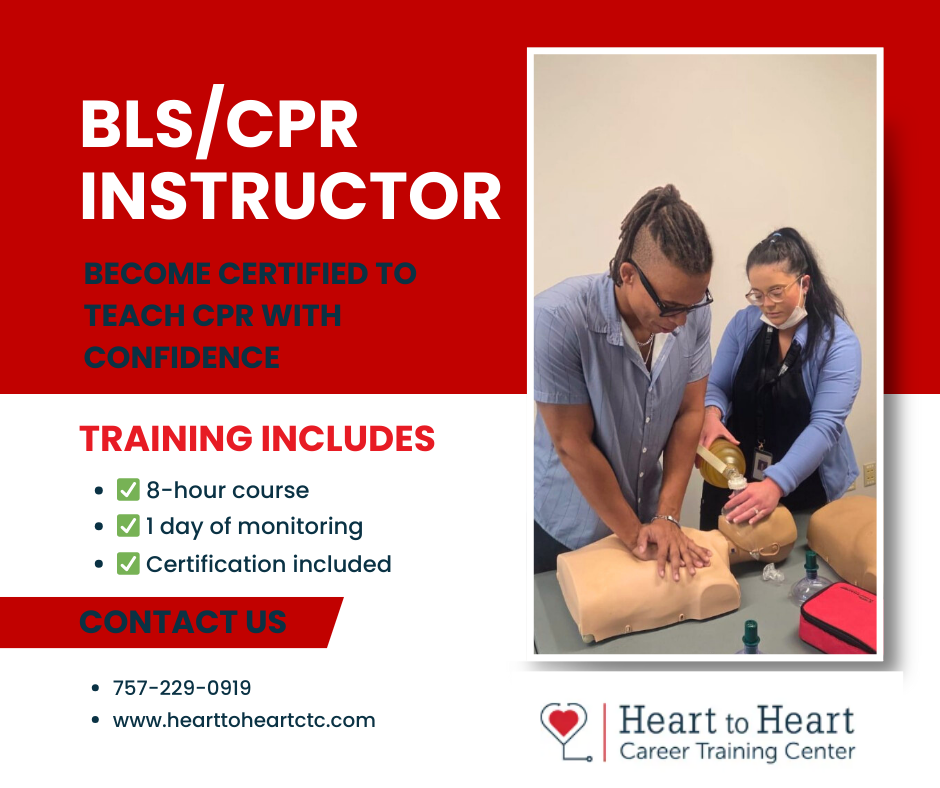
It’s one thing to do CPR; it’s another to show someone how to do it perfectly. Instructor courses spend a lot of time on the fine points of demonstrating skills. How do you position your hands for chest compressions? What’s the ideal rate? You’ll practice this endlessly until it’s second nature.
Giving and Receiving Feedback
A huge part of teaching is constructive feedback. You’ll learn how to observe students, identify areas for improvement, and deliver that feedback in a way that’s helpful, not discouraging. You’ll also be on the receiving end, which is just as important for your own growth. This is a core competency for teaching CPR effectively.
Course Management and Logistics
Beyond the actual CPR skills, you’ll get the lowdown on managing a class. This includes everything from setting up the training space, managing equipment (like manikins and AED trainers), to keeping accurate records and understanding the administrative side of running a course. It’s the nuts and bolts that keep things running smoothly.
This often involves understanding specific equipment protocols, ensuring manikins are clean and functioning, and knowing how to properly use training AEDs. It sounds basic, but it’s Key for delivering a professional training experience.
Skills Check and Didactic Assessment

Source : abc13.com
The Practical Skills Evaluation
Get ready to be evaluated. You’ll have to demonstrate proficiency in all the core CPR and first aid skills you’ll be teaching. This isn’t a casual “okay, looks good.” It’s a rigorous assessment where your technique is scrutinized against established criteria. Think high-stakes practice.
You’ll be expected to perform skills like high-quality chest compressions, rescue breaths, using an AED, and potentially managing choking or bleeding, all while under observation. Passing this is key to proving your hands-on competency.
The Written (or Cognitive) Test
Alongside the practical skills, there’s almost always a written component. This tests your knowledge of the underlying principles, the latest guidelines, and the reasoning behind the procedures. It ensures you understand the ‘why’ and not just the ‘how.’ You’ll need to hit a passing score here too.
This part often covers topics like the chain of survival, recognizing different types of emergencies, and understanding legal and ethical considerations. It’s designed to confirm your theoretical understanding complements your practical abilities. Don’t underestimate this written CPR knowledge component.
Putting it All Together: The Final Steps
Source : berkeleycprclasses.com
Course Completion and Certification Card
Once you’ve successfully navigated the instructor course, completed all required modules, and passed both the skills check and the written exam, congratulations! You’ll receive your official instructor certification from the organization you trained with. This card signifies you are qualified to teach their courses.
Understanding Your Instructor Responsibilities
Having that card is just the beginning. Your certification comes with responsibilities. This includes adhering to the organization’s standards, maintaining your own credentials, and properly documenting the courses you teach. It’s about upholding the integrity of the training. Your instructor certification is a mark of trust.
Ongoing Training and Renewal
Instructor certifications aren’t usually for life. You’ll need to renew your instructor credentials periodically, often by taking a refresher course or meeting specific teaching requirements within a set timeframe. This ensures you stay current with any changes in guidelines or teaching methodologies. Staying active is Key for maintaining instructor status.
Alright, let’s cut to the chase. You’ve got the passion for teaching CPR, maybe you’ve even seen firsthand how Key those skills are. But how do you go from a qualified bystander to a certified instructor? It’s not just about knowing CPR; it’s about knowing how to teach it effectively. This isn’t a walk in the park; it requires dedication and following a specific path. We’re going to break down the nitty-gritty here, no fluff, just the real deal.
How Do You Become Certified To Teach Cpr At Your Workplace
Source : surefirecpr.com
So, you’re thinking about bringing CPR certification training into your own company? Smart move. It’s way more efficient than sending folks off-site. Plus, you can tailor it to your specific environment, think about the emergency drills for your factory floor or your office building. Becoming an instructor within your workplace often streamlines the process, but it still means adhering to established standards.
Becoming An In-House CPR Instructor
Most companies want their own people to handle this. It’s about control, cost-effectiveness, and relevance. You’ll likely need to get certified through a recognized training provider first. Then, you can coordinate with your HR or safety department to establish an internal training program. It’s a win-win: you get to teach, and the company gets a safer workforce.
Workplace CPR Training Logistics
Practicalities. Where will you hold the classes? Do you have the necessary manikins, AED trainers, and other equipment? Will you be teaching just your colleagues, or will you open it up to other local businesses? Planning these details is key before you even start the instructor course. It shows you’re serious about the commitment.
Partnering With External Training Organizations
Sometimes, the easiest route is to partner. Your company might already have a relationship with a local training center. You can become certified through them and then offer their courses on-site. This often handles the administrative side and ensures your training meets the highest standards. It’s a solid way to get started without reinventing the wheel.
Steps To Become Certified To Teach Cpr And Bls
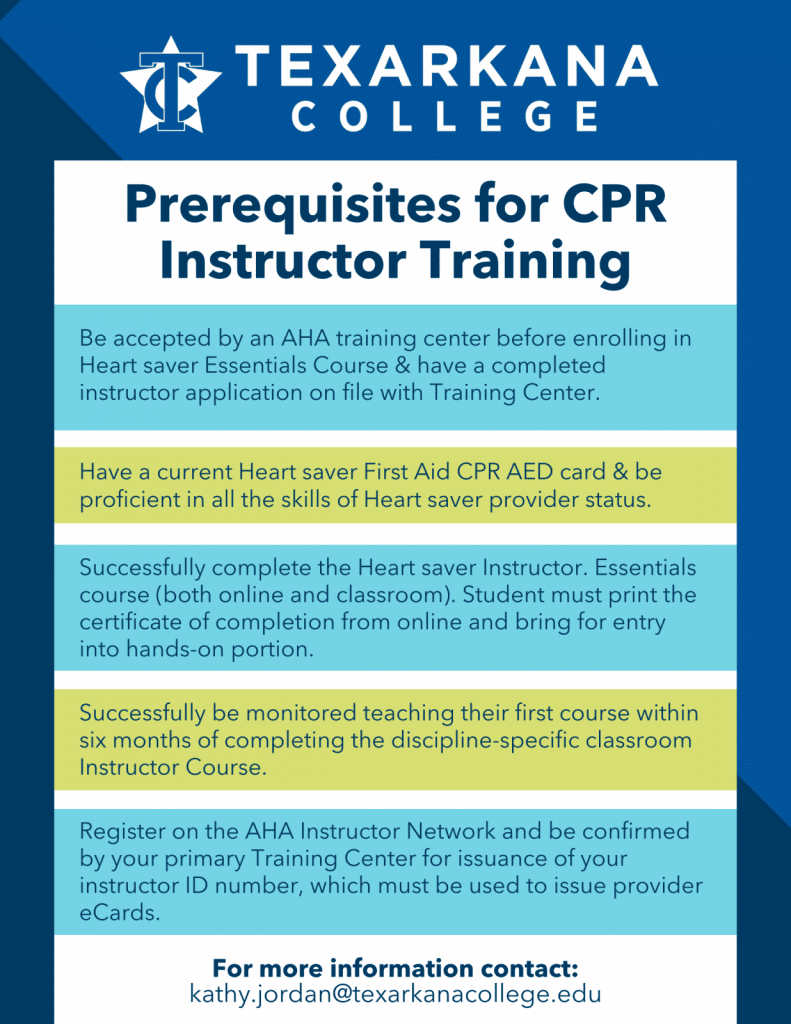
Source : cbe.texarkanacollege.edu
Teaching CPR is one thing, but adding Basic Life Support (BLS) into the mix? That’s a whole different ballgame, and it’s absolutely Key for healthcare professionals. The process is similar but often has a few extra layers. You’re not just teaching compressions; you’re teaching a full spectrum of life-saving interventions.
Prerequisites For BLS Instructor Training
Before you can even think about teaching BLS, you generally need to be a currently certified healthcare provider. Think nurses, doctors, paramedics, EMTs – the folks on the front lines. You’ll also need to have successfully completed a BLS course yourself and likely hold a valid CPR certification. This ensures you have the foundational knowledge and skills.
Completing The BLS Instructor Course
The actual instructor course is rigorous. It involves a mix of online modules and in-person skills sessions. You’ll be tested on your proficiency in performing BLS skills yourself, and then critically, on your ability to teach those skills to others. Expect to be evaluated on your instructional techniques, debriefing abilities, and how you manage a classroom.
Passing The BLS Instructor Candidate Assessment
There’s no beating around the bush: you have to pass. This isn’t a casual exam. You’ll be observed teaching various BLS skills to students, and your performance will be scored against strict criteria. A significant part of this is demonstrating effective feedback and remediation. It’s about ensuring you can mold competent providers.
Becoming An Official BLS Instructor
Once you’ve successfully completed the instructor course and passed your assessments, you’ll be issued your official BLS instructor certification. This usually comes from a recognized organization like the American Heart Association (AHA) or the American Red Cross. Congratulations, you’re now equipped to train the next wave of life-savers!
How Do You Become Certified To Teach Aha Cpr Classes
Source : willowgrovecpr.com
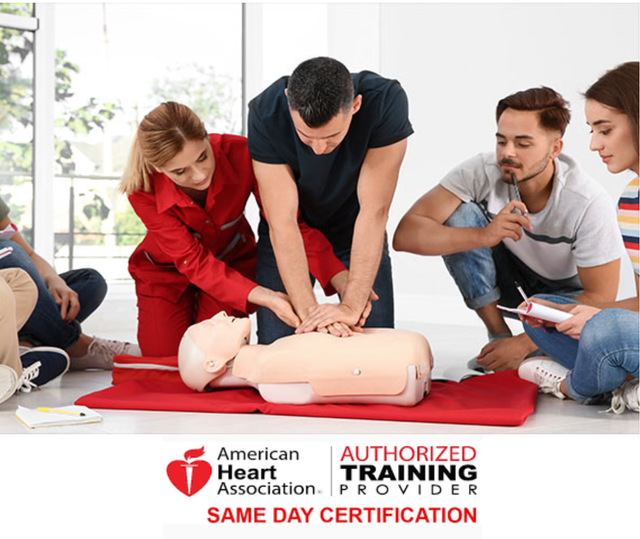
Let’s talk American Heart Association (AHA). They are, without a doubt, a major player in CPR and BLS training worldwide. If you want to teach AHA classes, you’re aiming for a respected and widely recognized certification. It’s a solid choice for anyone serious about this field.
Finding An AHA Training Center
You can’t just decide to teach AHA CPR out of thin air. You need to Match yourself with an official AHA Training Center (TC). These centers are licensed by the AHA to offer their courses and certify instructors. You can usually find a list of TCs on the AHA’s website. It’s your gateway into teaching their curriculum.
Completing The AHA BLS Instructor Essentials Course
The AHA has specific pathways. For BLS, you’ll typically start with the BLS Instructor Essentials online course. This covers the core concepts of teaching AHA courses, discipline-specific guidelines, and an overview of the BLS curriculum. It’s a prerequisite before you move on to the hands-on part.
AHA BLS Instructor Course (In-Person)
After the online module, you’ll attend an in-person BLS Instructor Course. This is where you’ll demonstrate your own BLS skills and your ability to teach them effectively. The course focuses on how to teach the AHA’s latest guidelines, manage a class, and use their educational materials properly. You’ll be actively practicing teaching scenarios.
AHA Instructor Candidate Monitoring
This is a critical step. You’ll need to be monitored teaching a full BLS Provider course by a Training Center Coordinator (TCC) or another experienced AHA instructor. This hands-on observation ensures you meet the AHA’s high standards for instruction. Passing this monitoring is what finalizes your status as an official AHA BLS Instructor.
Cost And Requirements To Become A Cpr Instructor
Source : cprclassescolumbia.com
Let’s get down to brass tacks: what’s this going to cost you, and what hoops do you really have to jump through? Nobody likes surprises when it comes to spending money and investing time.
Typical Costs Involved
The price tag can vary significantly. You’re looking at anywhere from $150 to $500 or even more, depending on the organization (AHA, Red Cross, HSI, etc.) and whether the cost includes materials like instructor manuals or student workbooks. Some training centers bundle these costs, while others charge separately. It’s wise to shop around and understand exactly what’s included.
Here’s a general breakdown:
| Cost Component | Estimated Range | Notes |
|---|---|---|
| Instructor Course Fee | $150 – $400 | Covers instruction and basic materials. |
| Instructor Manual/Kit | $50 – $150 | May be required and sold separately. |
| Certification Card Issuance | $10 – $25 per card | Often charged by the training center. |
| Renewal Fees | Varies (typically every 2 years) | Covers ongoing certification. |
Needed Prerequisites
First off, you need to be a competent CPR provider. You can’t teach what you don’t know. This usually means holding a current, valid CPR certification in the discipline you intend to teach (e.g., Healthcare Provider, Heartsaver). Some organizations might require you to have a certain number of documented student completions before you can become an instructor.
Instructor Training Program Requirements
Beyond the basic CPR certification, you’ll need to enroll in and successfully complete an official instructor course from a recognized training provider. This course is designed to teach you how to teach, not just the skills. You’ll be assessed on your knowledge and teaching ability. Be prepared for both theoretical and practical evaluations.
Ongoing Training And Affiliation
Becoming an instructor isn’t a one-and-done deal. You’ll need to affiliate with a Training Center. Think of them as your organizational home base. They provide support, curriculum, and handle official card issuance. Also, expect to engage in continuous education and refresh your own skills to stay current with guideline changes.
How To Maintain Your Cpr Instructor Certification

Source : rosevillecprclass.com
So you’ve done the hard yards, passed the tests, and now you’re a certified CPR instructor. Awesome! But here’s the kicker: that certification has a shelf life. You can’t just let it lapse. Keeping it active means staying sharp and adhering to the rules.
Continuing Education Units (CEUs)
Most certifying bodies require you to earn continuing education units or participate in specific professional development activities to maintain your instructor status. This ensures you’re staying up-to-date with the latest CPR guidelines and teaching methodologies. Check with your specific provider for their CEU requirements.
Active Teaching Requirements
This is huge. Many organizations mandate that you teach a certain number of courses within a given timeframe (e.g., within your certification cycle). If you’re not actively teaching, they figure your skills might be getting rusty. Teaching isn’t just about keeping yourself sharp; it’s about fulfilling your role as a trainer.
Here are some typical metrics:
- Minimum Courses Taught: Often requires teaching 4-6 courses per year.
- Minimum Students Trained: Some require a minimum number of students trained annually.
- Documented Teaching Hours: Other programs might track total hours spent instructing.
Regular Skill Updates And Recertification
Guidelines change. They always do. Every few years, you’ll need to go through a recertification process. This usually involves attending an updated instructor course or at least completing updated online modules and passing a skills test. Staying current is non-negotiable. You might also need to renew your own basic CPR certification regularly.
Maintaining Affiliation With A Training Center
Earlier, you usually need to be affiliated with an official Training Center. This relationship needs to be maintained. You’ll work with your Training Center Coordinator (TCC) to Make sure all your paperwork is in order, you’re adhering to their policies, and your instructor credentials remain valid. They are your primary point of contact for all things instructor-related. Check out resources like HSI’s instructor pathway for specific examples of ongoing requirements.
Frequently Asked Questions
How long does it take to become certified to teach CPR?
It’s not like earning a PhD, that’s for sure. Usually, you’re looking at a single weekend, maybe two days max, for the initial training. Then there’s the online portion for some courses, which you can bang out pretty quick if you buckle down. So, realistically? Maybe 16-20 hours total, give or take. You’ll be ready to go before you know it.
What qualifications do I need to teach CPR?
Honestly, the bar isn’t super high to get started. You absolutely need a current CPR certification yourself, obviously. Then, you typically need to complete an instructor course specific to the certifying body, like the American Heart Association or Red Cross. Some might want a basic level of education or a clean background check, but beyond that, it’s mostly about showing you can teach the material effectively. Not rocket science.
How much do CPR instructors get paid per class?
This really varies, dude. If you’re working for a big training center, they might pay you a flat hourly rate, maybe $20-$30 an hour, sometimes more. But if you’re independent, you can often charge per student. We’re talking anywhere from $15 to $50+ per person, depending on your location and how much you want to hustle. So, a class of 10 could net you a decent chunk of change.
Is being a CPR instructor profitable?
Can it be? Absolutely. Is it goa make you rich overnight? Probably not. Think of it like this: you set your own schedule, you can teach at different locations, and demand is always there. If you’re organized and market yourself well, especially in areas with high need like construction or childcare, you can definitely build a solid side hustle or even a full-time gig. It’s about putting in the work.
What’s the difference between an AHA and Red Cross CPR instructor?
Basically, they’re two of the biggest dogs in the yard. The American Heart Association (AHA) and the Red Cross are both reputable, but they have slightly different curricula and instructor training pathways. Choosing one often depends on what’s more recognized or preferred in your local area. Some people prefer the AHA’s approach; others lean towards the Red Cross. It’s less about ‘better’ and more about which certification you choose.
