Alright, let’s cut the fluff and get straight to it. You want to get ServSafe certified. Why? Because the food industry doesn’t mess around. One slip-up, one bad plate served, and your reputation (and maybe your business) goes down the drain faster than a spilled milkshake.
This whole certification thing? It’s not just some bureaucratic hoop you have to jump through. It’s your shield. Your proof that you know your stuff, from preventing foodborne illnesses to keeping your kitchen cleaner than a surgeon’s operating room.
Forget those dry, boring manuals you might be picturing. We’re going to break down exactly what you need to do, real talk. No jargon, no corporate speak. Just the facts to get that ServSafe card in your wallet.
So, What Exactly IS ServSafe?
Honestly, when I first heard about it, I thought it was just another government thing. But it’s way more than that. ServSafe is basically the gold standard for food safety training and certification in the United States. Think of it as the ultimate “I know how to handle food without making people sick” badge.
The Official Word (But We’ll Make It Human)
The National Restaurant Association runs the show. They developed this whole program to make sure folks working with food understand the critical stuff. We’re talking about preventing contamination, proper cooking temperatures, safe storage – all that jazz. It’s about protecting the public, plain and simple.
Why Should YOU Care? Beyond Just “The Rules”
Look, you’re probably not doing this for kicks and giggles. You’re likely running a restaurant, a catering gig, or maybe even slinging food from a truck. This ServSafe certification isn’t just for your employees; it can be for you, the boss. It shows you’re serious. It shows you’re responsible. And frankly, it can save you a massive headache down the line. Think fewer health code violations, happier customers, and a whole lot less stress.
Is It A Certificate Or A Degree?
Definitely not a degree. It’s a certification. You take a course, pass an exam, and boom, you’ve got a ServSafe certificate. It usually lasts for five years. Then you gotta refresh it. Keeps you current, you know?
Why Bother Getting Certified? Seriously, Why?
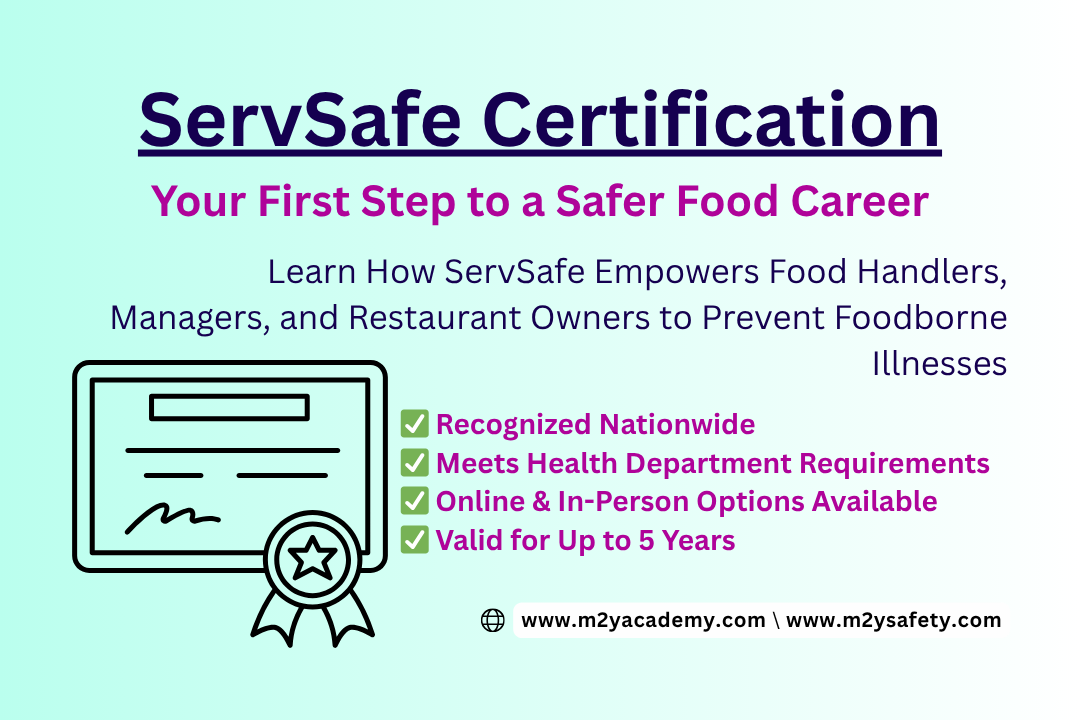
Source : m2yacademy.com
Okay, okay, I get it. “Another thing to do.” But hear me out. This isn’t just about ticking a box. This is about building trust.
Customer Confidence: The Big Kahuna
Nobody wants to eat food that might make them ill. It’s a no-brainer. When customers see that your staff, or even you, are ServSafe certified, it sends a powerful message. They feel safer. They trust you. That trust translates directly into repeat business and good word-of-mouth. Imagine a diner seeing that certificate proudly displayed. They breathe a little easier, right?
Legal & Regulatory Muscle
Depending on where you are, having certified food handlers might not just be a good idea; it might be the law. Health departments want to see it. For some positions, like a manager, it’s often mandatory. Getting certified means you’re compliant. You avoid those nasty fines and potential shutdowns. It’s a smart business move.
Preventing Disasters (And Lawsuits!)
Foodborne illness outbreaks are a nightmare. They can ruin your reputation overnight. They can lead to expensive lawsuits. Proper food safety training is your first line of defense. Understanding cross-contamination, time and temperature controls, and personal hygiene dramatically reduces the risk. It’s way cheaper to get certified than to deal with the fallout from a food poisoning incident.
Employee Training & Accountability
ServSafe provides a solid foundation for all your staff. It teaches them the “why” behind the rules, not just the “what.” This creates a more knowledgeable and accountable team. When everyone understands the stakes, they’re more likely to follow protocols diligently. It standardizes your food safety practices across the board.
ServSafe Certification: The Breakdown

Source : bostonfoodsafety.com
So, you’re convinced. Good. Now, how does this actually work? It’s pretty straightforward, honestly.
The Core Components: What You’ll Actually Learn
The ServSafe program covers the essentials. We’re talking about the fundamentals of food safety. This includes:
- The Importance of Food Safety: Why it matters, the risks involved.
- Microbiological Contamination: Understanding bacteria, viruses, and parasites. How they grow and how to stop them.
- Time and Temperature Control: The danger zone – how long food can safely hang out there.
- Preventing Cross-Contamination: Keeping raw and cooked foods separate, cleaning surfaces.
- Personal Hygiene: Handwashing, proper attire, what to do when you’re sick.
- Receiving and Storing Food: Ensuring deliveries are safe and storage is optimal.
- Food Preparation and Cooking: Safe methods, holding temperatures.
- Hazard Analysis and Critical Control Points (HACCP): A more in-depth look at preventing hazards.
- Pest Management: Keeping the little critters out of your kitchen.
Learning Options: Choose Your Own Adventure
ServSafe isn’t one-size-fits-all. They offer different ways to learn, which is pretty cool. You can pick what works best for your schedule and learning style.
Online Courses: Learn on Your Own Time
This is super popular. You get access to the course material online. You can go at your own pace, pause, rewind. It’s perfect for busy folks. You just need a computer and an internet connection. Many people find the online ServSafe course incredibly convenient.
In-Person Classes: The Traditional Route
Some people prefer a classroom setting. You get direct instruction from an instructor. You can ask questions in real-time and interact with other learners. These are often offered by local health departments, culinary schools, or private training companies. It’s a more structured approach for certified food protection managers.
Blended Learning: The Best of Both Worlds?
This option combines online learning with a proctored exam in person. You study the material at home, then you go to a designated location to take the official exam. It offers flexibility with a guarantee of exam integrity.
The Exam: Don’t Sweat It (Too Much)
Okay, the exam. It’s multiple-choice. You need a passing score to get certified. The exact score can vary slightly depending on the specific ServSafe certification you’re pursuing, but generally, it’s around 75%. If you study the material, really absorb it, you’ll be fine. It’s designed to test your knowledge, not to trick you. You can find plenty of ServSafe exam prep resources online if you’re feeling nervous.
Who Needs This ServSafe Thing Anyway?
Source : servsafecertified.com
Is it just for the head chef? Nope. This applies to a surprising number of people in the food world.
Managers and Supervisors: Absolutely
If you’re in charge, you absolutely need this. Often, at least one manager or supervisor on duty must hold a ServSafe Manager Certification. It shows you have the ultimate responsibility and knowledge for food safety in the establishment.
Front-Line Staff: Everyone Who Touches Food
This includes cooks, servers, bussers, baristas, bartenders – anyone who handles food or drinks. Depending on local regulations and your company policy, they might need a ServSafe Food Handler certification. It’s basic but Key training.
Caterers and Event Staff
If you’re catering an event, food safety is Top. You’re often working in unfamiliar kitchens or temporary setups. Having ServSafe certified staff is non-negotiable for protecting your clients and your business.
Childcare and Senior Care Workers
Anyone preparing or serving food in facilities like daycare centers, schools, or nursing homes often requires this certification. The populations they serve are more vulnerable to foodborne illnesses.
Home-Based Food Businesses
Even if you’re selling baked goods or jams from your home kitchen (where permitted), you might need to demonstrate food safety knowledge through a ServSafe certification. Check your local cottage food laws.
Getting Your Official ServSafe Creds: Step-by-Step

Source : gettips.com
Ready to dive in? Here’s the roadmap to getting that coveted ServSafe certification.
Step 1: Identify Your Needs
First things first, figure out which certification you need. Are you a manager? Do you just need the basic food handler knowledge? Check your local health department regulations and your employer’s requirements. The most common ones are ServSafe Food Protection Manager and ServSafe Food Handler. You can also check out the official ServSafe website for details on all their offerings.
Step 2: Choose Your Training Method
Based on your certification needs and personal preferences, select how you want to learn. Online? In-person class? Blended? Decide what fits your budget and schedule. Remember, the training is Needed for passing the exam.
Step 3: Register and Complete the Training
Sign up for your chosen course. If it’s online, you’ll likely get immediate access. If it’s an in-person class, follow their registration instructions. Dedicate the time to actually study the material. Don’t just skim it. These are critical skills.
Step 4: Schedule and Take Your Exam
Once you’ve completed the training (or if you’re taking the exam only), you’ll need to schedule your test. For online courses, you often schedule a proctored exam at an approved testing center. In-person classes usually have the exam immediately following the training. Make sure you bring the required identification.
Step 5: Pass the Exam and Get Certified!
Pass that exam, and congratulations! You’ll receive your official ServSafe certificate. Typically, this is a PDF you can download or a physical card mailed to you. Frame it, put it on your wall, and wear it like a badge of honor. You’ve earned it.
Step 6: Maintain Your Certification
Remember, ServSafe certifications aren’t forever. They usually expire every three to five years (check your specific certificate). You’ll need to retake the course and pass the exam to renew it. This ensures you stay up-to-date with the latest food safety guidelines.
Watch: ServSafe Practice Test Training – Introduction to ServSafe …
A Quick Look at the Costs Involved

Source : amazon.com
Let’s talk brass tacks. How much dough are we looking at?
Training Course Fees
The cost of the training itself can vary wildly. Online courses might range from $50 to $150. In-person classes can be a bit more, maybe $100 to $250 or even higher, often including the exam fee and materials. Check prices directly from ServSafe or approved providers.
Exam Fees
Sometimes the exam is bundled with the course, but not always. If you’re just taking the exam or if it’s separate, expect to pay anywhere from $30 to $70 for the exam itself. This is for the official proctored exam.
Study Materials (Optional but Recommended)
While the course provides materials, some people like extra practice exams or study guides. These can add another $20 to $50 to your total cost. Definitely look into ServSafe practice tests if you want to be extra prepared.
Renewal Costs
Don’t forget about renewal! When your certification expires, you’ll have to pay for the training and exam again. Budget for this every few years to maintain your certified status.
| Certification Type | Typical Cost Range (USD) | Validity Period | Who Needs It |
|---|---|---|---|
| ServSafe Food Protection Manager | $100 – $250 (includes training & exam) | 5 Years | Managers, Supervisors, Owners |
| ServSafe Food Handler | $50 – $100 (includes training & exam) | 3-5 Years (Varies by state/employer) | All food-handling employees |
| ServSafe Alcohol | $30 – $60 | 3 Years | Bartenders, Servers, Staff serving alcohol |
| ServSafe Allergens | $30 – $60 | 3 Years | Staff handling allergen info, Managers |
Alright, so you’ve decided to take the plunge and get ServSafe certified. Smart move. But where do you even begin? It’s not exactly like grabbing a manual from the library and cramming. There are different paths, different costs, and yeah, even different expiration dates depending on where you hang your apron.
Let’s break down the nitty-gritty. This isn’t just about passing a test; it’s about understanding the real-world implications of food safety. Because let’s be honest, nobody wants to be the reason someone gets sick. Nobody.
How To Become ServSafe Certified Online Food Handler
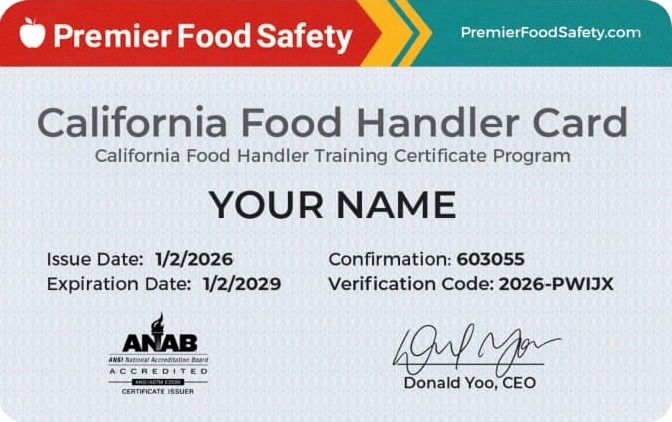
Source : premierfoodsafety.com
The Convenience of Online Food Handler Training
Look, I get it. Life is busy. Between slinging hash and trying to have a social life, finding time for in-person classes can feel like a mythical quest. That’s where the online ServSafe Food Handler option shines. It’s all about flexibility. You can log in at 2 AM, on your lunch break, or whenever you actually have a spare five minutes. No commute, no rigid schedules. Just you and the material. It’s a lifesaver for busy folks.
Handling the Digital ServSafe Platform
So, how does this digital journey actually work? You’ll typically sign up on the official ServSafe website or through an authorized provider. They’ll give you access to the training modules. These aren’t just boring lectures, either. They usually include videos, interactive quizzes, and scenarios to keep you engaged. Think of it as a digital handshake with food safety principles. It’s pretty straightforward.
Examining the Online ServSafe Food Handler Test
Once you’ve digested the material, it’s time for the exam. The online ServSafe exam is proctored, meaning someone verifies your identity to Make sure it’s really you taking the test. This might happen via webcam or by following specific instructions. They want to make sure it’s a legitimate certification. Passing this unlocks your official ServSafe Food Handler card, a badge of honor in the food service world.
Post-Certification: Accessing Your Official Card
After you nail that exam, what happens next? Your certification is usually available for download shortly after you pass. You’ll get a digital copy, and often a physical card will be mailed to you. It’s important to keep this card handy. Many employers require it, and health inspectors might ask for it during a visit. It’s your proof you know your stuff.
How Much Does ServSafe Manager Certification Cost
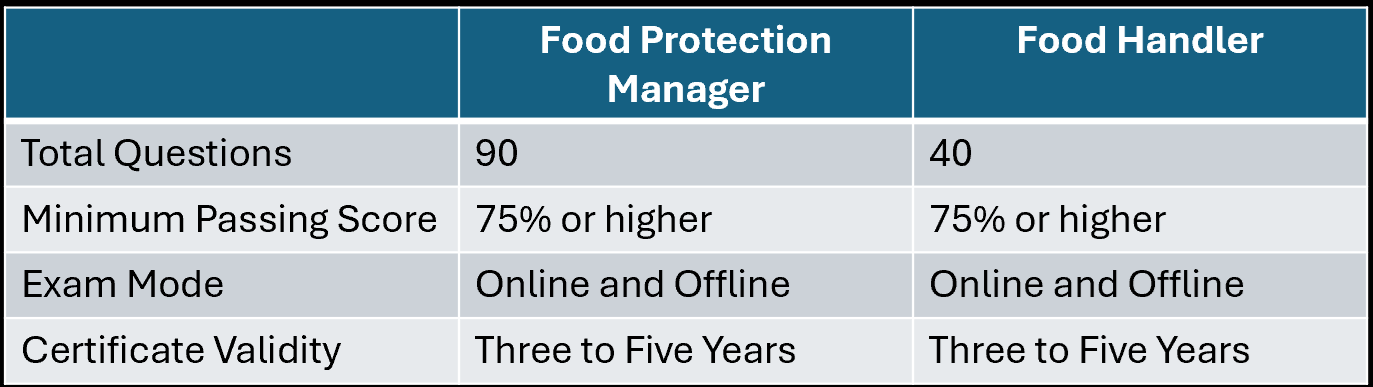
Source : gotestprep.com
Understanding the Price Tag for Managerial Roles
Let’s talk brass tacks: money. Getting your ServSafe Manager certification isn’t free, and the cost can vary. It’s a bit more involved than the Food Handler card. You’re dealing with more Full material, and often, the exam is proctored in person. Expect to shell out a bit more for this level of expertise. It’s an investment, really.
Comparing Different Provider Pricing Structures
The price isn’t set in stone across the board. You’ll see different numbers depending on who you go through. Some authorized ServSafe providers might bundle the training materials and the exam fee together, while others might charge separately. You could find options ranging from around $75 to over $200. Always shop around a bit. Check out the official ServSafe website for a starting point.
Hidden Costs: Study Guides and Retakes
Don’t forget about potential extras. While some packages include study guides, you might want to buy a dedicated one for extra prep. And what if you don’t pass the first time? Retake fees can add up. Factor those possibilities into your budget. It’s better to be prepared for the worst-case scenario, financially speaking. A little foresight goes a long way here.
Value Proposition: Is It Worth the Investment?
So, is it worth the dough? Absolutely. For anyone aiming for a management position, this certification is practically non-negotiable. It signals responsibility, a deep understanding of food safety protocols, and a commitment to preventing outbreaks. For employers, it means peace of mind and a reduced risk of costly violations. It’s a small price to pay for such significant benefits.
| Certification Level | Typical Training Cost | Typical Exam Fee | Total Estimated Cost | Key Features |
|---|---|---|---|---|
| Food Handler | $0 – $15 | $7 – $20 (if required separately) | $15 – $35 | Basic food safety knowledge, online or in-person options. |
| Manager Certification | $50 – $120 | $30 – $50 | $80 – $170 | Full food safety management, requires proctored exam. |
| Alcohol Certification (Responsible Beverage Service) | $20 – $40 | $15 – $30 | $35 – $70 | Focus on legal aspects of serving alcohol, state-specific requirements. |
ServSafe Certification Practice Test And Study Guide Free

Source : youtube.com
The Importance of Practice Before the Real Deal
You wouldn’t run a marathon without training, right? Same goes for your ServSafe exam. Diving in cold is a recipe for disaster. Taking a ServSafe practice test is Key. It helps you gauge your knowledge, identify weak spots, and get comfortable with the question format. It’s like a dress rehearsal for the main event.
Where to Find Free Study Materials Online
Okay, so you want to save a buck. Who doesn’t? Fortunately, you can find a ton of free resources online. Many websites offer sample questions and even full-length practice exams that mimic the real ServSafe test. These are fantastic for getting a feel for the content. Just do a quick search for “free ServSafe practice test” and you’ll find plenty of options. Look for reputable sources, though.
Leveraging Study Guides for Deeper Understanding
Beyond practice tests, free study guides are gold. These often break down the key ServSafe concepts into digestible chunks. You’ll find information on everything from temperature danger zones to cross-contamination prevention. They supplement the official training material and reinforce what you’ve learned. A good study guide makes complex topics feel much more approachable.
Tips for Effective Self-Study and Test Preparation
Just having the materials isn’t enough. You need a strategy. Break your studying into manageable sessions. Don’t try to cram everything in the night before. Focus on understanding the ‘why’ behind the rules, not just memorizing them. Use flashcards for key terms. Explain concepts out loud to yourself. The goal is genuine comprehension, not just passing a quiz. Active learning is key here.
How Long Is ServSafe Certification Good For In My State

Source : inspectle.com
Understanding Expiration Dates: It’s Not One-Size-Fits-All
This is a big one, and honestly, it trips people up. You pass that ServSafe exam, feel great, and then… oops. Did you check the expiration? The validity period for your ServSafe certification isn’t universal. It absolutely varies significantly from state to state, and sometimes even by county or city within a state.
Researching State-Specific Requirements and Renewals
Your first move should be to pinpoint your location. Are you in Texas? California? New York? Each state has its own health department regulations. You’ll need to check their specific requirements for food manager certification duration. Many states mandate recertification every 3 to 5 years. It’s your responsibility to know this. Ignorance isn’t a valid excuse when the health inspector shows up.
ServSafe Manager vs. Food Handler: Different Timelines
Don’t confuse the expiration dates for different levels of certification. Your ServSafe Manager card likely has a longer validity period than, say, a state-specific Food Handler card or the national ServSafe Food Handler program. Always verify the expiration for the specific certification you hold and the requirements of your jurisdiction. The Manager certification is typically good for 5 years nationally, but local rules can override this.
Planning for Recertification: Staying Ahead of the Curve
So, how do you avoid letting your certification lapse? Plan ahead. Put reminders in your calendar. Note the expiration date on your actual card. When it gets closer, start looking into the recertification process. Often, it involves taking the exam again, though sometimes there are streamlined renewal options. Staying current is Key for maintaining your job and ensuring compliance. Don’t wait until the last minute to figure this out.
Steps To Get ServSafe Alcohol Certification For Bartenders

Source : youtube.com
Why Bartenders Need Specific Alcohol Training
Serving alcohol isn’t just about mixing drinks. It’s about responsibility. That’s where ServSafe Alcohol comes in. This training focuses on the legal aspects of serving alcohol, recognizing signs of intoxication, and preventing underage drinking and DUIs. It’s Needed knowledge for anyone behind the bar. Many establishments require this, and in some states, it’s legally mandated.
Finding an Authorized ServSafe Alcohol Training Provider
Similar to other ServSafe programs, you’ll need to find an authorized provider. You can often take the training online or in a classroom setting. The content covers topics like the effects of alcohol, checking IDs, handling difficult situations, and legal liabilities. It’s designed to equip you with the tools to serve responsibly. Check the official ServSafe website to find approved courses near you or online. It’s usually a pretty straightforward registration process.
The ServSafe Alcohol Examination and Certification Process
After completing the training modules, you’ll take an exam. This test assesses your understanding of responsible alcohol service practices. It typically covers legal responsibilities, identifying intoxication, and intervention techniques. Passing the exam earns you the ServSafe Alcohol certification. This card demonstrates your commitment to safe and legal alcohol service. Many employers see this as a significant qualification for bartenders.
State-Specific Mandates and Reciprocity
Here’s another area where locality matters. Some states or local municipalities have specific laws regarding alcohol server training. Your ServSafe Alcohol certification might fulfill these requirements, but it’s Key to verify. Some states might require a specific state-approved course. While ServSafe Alcohol is widely recognized, always double-check the regulations for your specific area. It ensures you’re fully compliant and avoids any nasty surprises. You can often find this info on your state’s liquor control board website.
Frequently Asked Questions
What is the Servsafe exam like?
It’s not some walk in the park, but it’s totally doable. You’ll get a mix of multiple-choice questions covering everything from food safety basics to proper handling procedures. Think about things like temperature danger zones and cross-contamination. Really study the materials, and you’ll be fine. Passing this food safety certification is key.
How long does Servsafe certification last?
Servsafe certification is good for five years. Yep, a full five years. After that, you’ll need to re-take the exam to keep your credentials current. It’s good to stay sharp on food safety practices anyway, right?
Can I take the Servsafe exam online?
Absolutely. Most people these days take the Servsafe exam online. You can get the course materials, study them at your own pace, and then take the proctored exam whenever you’re ready. It’s way more convenient than finding a classroom session.
What happens if I fail the Servsafe exam?
Don’t sweat it if you don’t pass the first time. You can usually retake the exam. Most programs allow for a retake within a certain period. Just review the areas where you struggled and give it another shot. It’s all about proving you know your stuff when it comes to food handler safety.
Is Servsafe certification required by law?
It depends on where you are and what your job is. Many states and local health departments require at least one person in a food establishment to have a Servsafe certification. It’s a standard requirement for managers and supervisors in the food industry. Better safe than sorry, eh?
