Access Your Potential: A Deep Dive into Becoming a Red Cross CPR Instructor Online
Ever thought about being the person who saves lives? Not just once, but by teaching others how to do it? It’s a powerful feeling, and getting certified as a Red Cross CPR instructor online is more accessible than you might think. Forget dusty classrooms and rigid schedules; the digital age has opened doors.
Seriously, if you’ve got a knack for teaching and a passion for preparedness, this is your shot. We’re talking about equipping people with skills that can literally mean the difference between life and death. And guess what? You can often do a big chunk of this training from your couch. Pretty neat, right?
This isn’t just about getting a certificate, though. It’s about becoming a Key link in the chain of emergency response. It’s about empowering your community. So, let’s break down exactly how you get from zero to hero in the world of CPR instruction. Ready to dive in?
Why Choose Red Cross Instructor Training?

Source : mycprcertificationonline.com
The Gold Standard in Emergency Preparedness
Look, when you mention CPR, the American Red Cross is usually the first name that pops into your head. They’ve been doing this for ages, and their programs are recognized worldwide. When you become a Red Cross instructor, you’re aligning yourself with a brand that screams credibility and trust. People know and respect the Red Cross, so they’re more likely to trust the training they receive from its instructors.
It’s not just a name, either. Their curriculum is constantly updated based on the latest scientific findings and guidelines. This ensures you’re teaching the most current and effective life-saving techniques. Being part of that means you’re always at the forefront of emergency care education.
Impact Beyond the Classroom
It: a single CPR class you teach could impact dozens, even hundreds, of lives over time. You’re not just teaching a skill; you’re building confidence and preparedness in individuals, workplaces, and communities. Imagine a parent knowing exactly what to do if their child chokes, or a coworker able to help during a medical emergency at the office. That’s tangible impact.
This ripple effect is huge. You become a local hero, in a way. The satisfaction that comes from knowing you’ve empowered someone to potentially save a life? That’s priceless. It’s far more rewarding than just clocking in and out.
Flexibility and Opportunity
The beauty of the online component is the flexibility it offers. You can often complete much of the didactic (classroom-style) learning at your own pace. This is perfect for folks juggling jobs, family, or other commitments. Want to study late at night? Go for it. Prefer early mornings? No problem. It fits your schedule.
Plus, once certified, you have numerous avenues. You can teach for the Red Cross directly, partner with local organizations, or even start your own training business. The entrepreneurial spirit can really take flight here.
Handling the Red Cross Instructor Requirements
Eligibility Basics: Who Can Apply?
First things first, you can’t just jump into teaching CPR without some foundational requirements. Generally, you need to be at least 18 years old. Beyond that, you absolutely must possess a current basic-level certification in the course you wish to teach. For CPR, this means holding a valid CPR/AED certification from a recognized organization (ideally the Red Cross itself, for a smoother transition).
They also look for individuals who demonstrate good moral character and a commitment to the Red Cross mission. It’s not just about knowing CPR; it’s about embodying the values of service and preparedness. You’ll need to pass a background check, too. It’s all part of ensuring the integrity of the instructors.
Prerequisite Certifications: What You Need
This is non-negotiable. Before you can even think about becoming an instructor, you need to be proficient in the skills you’ll be teaching. For CPR, this typically means holding a current certification in CPR/AED for the specific level you want to instruct – usually Adult, Child, and Infant CPR/AED. If you plan to teach First Aid as well, that certification is a must-have.

Source : readyresponsepa.com
The Red Cross wants instructors who are not just knowledgeable but also skilled and confident in performing the procedures themselves. Think of it like this: you wouldn’t want a driving instructor who can’t parallel park, right? Same principle applies here. You need to demonstrate mastery first.
The Digital Divide: Meeting Online Requirements
Since we’re focusing on the online aspect, let’s talk tech. You’ll need reliable internet access. No dodgy Wi-Fi here; you need a stable connection for streaming videos, participating in virtual discussions, and submitting assignments. A decent computer or tablet is also Needed – something that can handle online learning platforms without a hitch.
Good communication skills are key, too. You’ll be interacting with instructors and fellow trainees online. Being able to express yourself clearly, both in writing and verbally (if there are video calls), is important. It shows you’re ready for the teaching role. Meeting these online prerequisites ensures a smooth learning experience.
Step-by-Step: Your Online Instructor Journey Begins
Phase 1: The Foundational Online Coursework
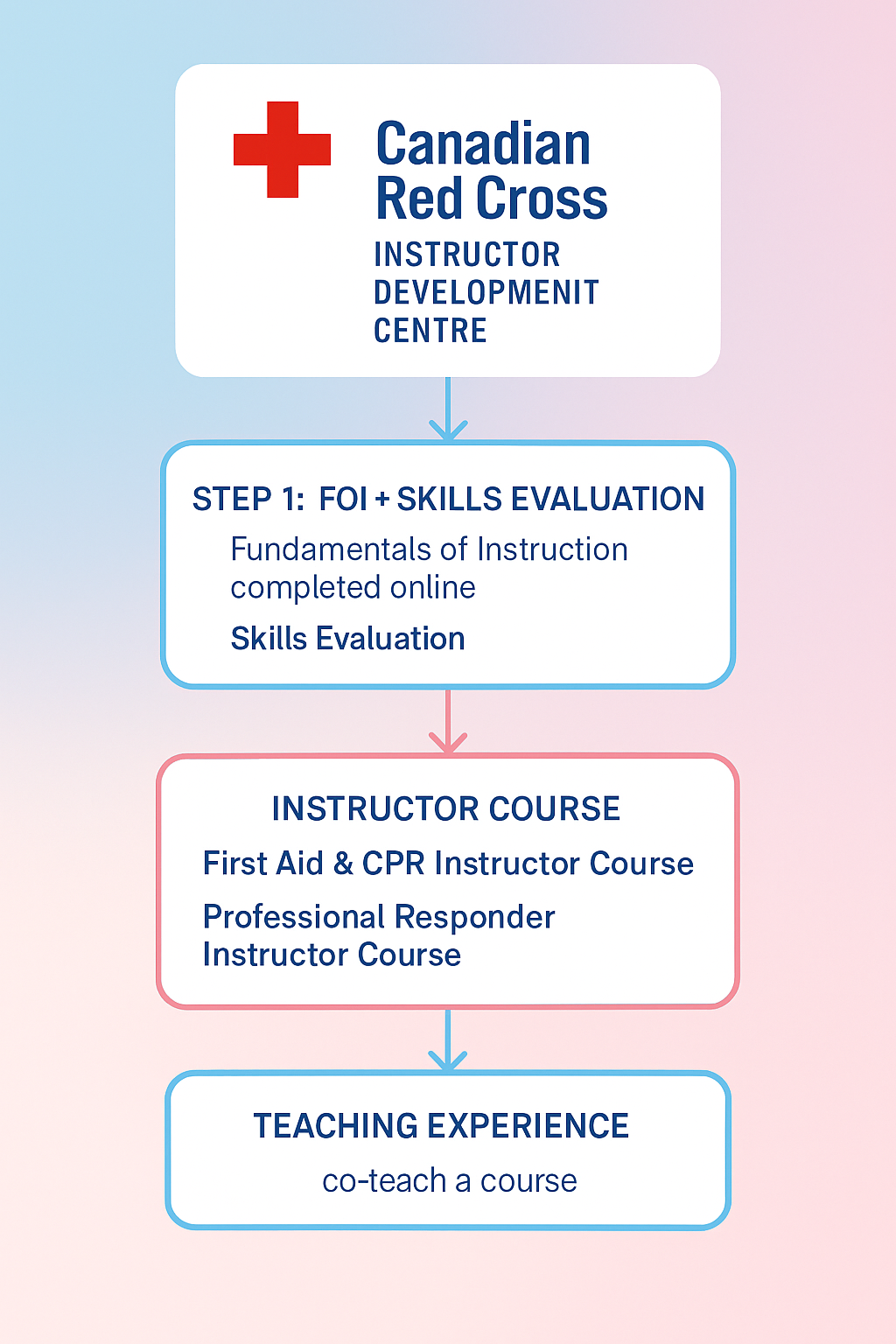
This is where the bulk of the theoretical learning happens, and the online format shines. You’ll typically start with self-paced modules covering everything from the science behind CPR and first aid to teaching methodologies. Expect video lectures, readings, interactive quizzes, and scenario-based exercises. It’s designed to be engaging, keeping you motivated.
The goal here is to solidify your understanding of the course content and introduce you to effective teaching strategies. You’ll learn how to explain complex concepts simply, manage a classroom (even a virtual one!), and assess learning. This phase really builds your instructional foundation.
Phase 2: Skill Demonstration and Virtual Coaching
Okay, so you can’t learn hands-on skills entirely online. That’s where the blend comes in. Many Red Cross programs incorporate a virtual skills session or require you to demonstrate proficiency using manikins and other equipment. This might involve pre-recorded videos of you performing skills, or live sessions with an instructor via video conference.
This is also where feedback becomes critical. Your skills will be evaluated, and you’ll receive constructive criticism to refine your technique. This interaction is Key for building confidence in the physical aspects of CPR and first aid. It’s about translating book smarts into practical application.
Phase 3: The Instructor Candidate Course (ICC)
This is the big one – the actual instructor training course. It’s more intensive and focuses specifically on how to teach the Red Cross curriculum effectively. You’ll Look deeper into teaching techniques, adult learning principles, and how to manage different learning styles. Expect practice teaching sessions, where you’ll lead segments of a course and receive detailed feedback from your facilitator.
This is your chance to really hone your delivery. You’ll learn how to handle difficult questions, manage potential classroom disruptions, and create a positive learning environment. Successfully completing the ICC is the final hurdle before you become a certified instructor. It’s the culmination of your preparation and shows your readiness to guide new learners.
Choosing Your Specific Red Cross Instructor Path
CPR/AED Instructor Certification
This is the core path for many. If your primary goal is to teach cardiopulmonary resuscitation and automated external defibrillator use, this is your ticket. The training covers adult, child, and infant CPR. You’ll learn the latest guidelines and how to effectively transfer that knowledge to others. Think schools, workplaces, community groups – everywhere CPR skills are needed.
This path is often the most straightforward if you’re just starting out. It’s a fundamental skill set that has broad applicability. You can teach the basic Heartsaver® courses, or even more advanced professional rescuer levels, depending on the specific certification you pursue. This is about becoming a CPR educator.
First Aid Instructor Certification
Often bundled with CPR, First Aid instruction is another critical area. This certification covers how to respond to a wide range of common injuries and medical emergencies – bleeding, burns, sprains, seizures, shock, and more. As an instructor, you’ll teach people how to provide immediate care until professional medical help arrives.
Combining CPR and First Aid instructor credentials makes you incredibly versatile. You can offer Full emergency preparedness training. Many organizations require both, so having both certifications opens up more teaching opportunities. It’s a natural pairing for anyone serious about emergency response training.
Bridging Courses for Experienced Professionals
What if you’re already a seasoned instructor, but with a different organization? The Red Cross offers “bridge” courses. These are designed to get you up to speed on the Red Cross-specific curriculum, protocols, and teaching methodologies. They recognize your existing expertise and streamline the process.
These bridge programs are often shorter and more focused than the full initial training. They Use your prior experience, allowing you to transition more quickly. It’s a smart way for experienced educators to Match with the Red Cross brand and curriculum without starting entirely from scratch.
The Technical Side: Online Learning Platforms and Tools
Red Cross Learning Center: Your Digital Hub
The American Red Cross utilizes a Strong online platform, often referred to as the Red Cross Learning Center. This is your go-to spot for accessing course materials, completing modules, tracking your progress, and finding resources. It’s designed to be user-friendly, even if you’re not a tech whiz. Think of it as your virtual campus.
You’ll find everything from downloadable manuals and videos to interactive quizzes and discussion forums. It’s Key to familiarize yourself with this platform early on. Getting comfortable Handling it will make your learning experience much smoother. This is where your digital education happens.
Needed Software and Hardware
Beyond the Red Cross platform, what else do you need? A reliable computer or tablet is a must. Make sure it has a working webcam and microphone, especially for any virtual skills sessions or instructor feedback sessions. A stable, high-speed internet connection is non-negotiable. You don’t want to be kicked offline during a Key training module!
You might also need specific software, like a PDF reader for manuals or potentially a video player. The Red Cross usually provides clear guidelines on any technical requirements well in advance. Check the specific course details for any software downloads or compatibility checks needed. Prepare your tech toolkit.
Virtual Classroom Etiquette and Participation
Online learning isn’t just about passively watching videos. Active participation is key. This means engaging in discussion forums, asking thoughtful questions, and contributing to group activities if applicable. When participating in live virtual sessions, mute your microphone when not speaking to minimize background noise. Be punctual and attentive.
Treat the virtual classroom with the same respect as a physical one. Dress appropriately if you’re on camera, minimize distractions in your environment, and be fully present. Your engagement reflects your seriousness about becoming an instructor and your ability to manage a learning environment. This active involvement matters.
Source : focushealthco.com
Practical Application: Skills Practice and Final Certification
Hands-On Skills Check: Bridging the Gap
The physical skills of CPR and First Aid can’t be fully mastered online. The Red Cross has systems for this. You might attend a designated in-person skills session, or a qualified local instructor might proctor your skills check. In some cases, you might record yourself performing specific skills for evaluation.
The key is demonstrating competency. You need to show you can perform chest compressions effectively, administer rescue breaths correctly, control bleeding, and manage other emergencies according to the latest guidelines. This practical assessment is a critical step before receiving your final certification. It’s about proving your capability.
Teaching Practice and Feedback
The Instructor Candidate Course (ICC) heavily emphasizes teaching practice. You won’t just be learning the material; you’ll be learning how to teach it. This often involves micro-teaching sessions where you present a topic to your peers and instructor. You’ll receive detailed feedback on your presentation style, clarity, pacing, and ability to engage learners.
This is Crucial. You learn to anticipate student questions, manage time effectively, and adapt your teaching approach. The feedback loop is designed to build your confidence and polish your skills. Getting constructive criticism here helps you become a more effective teacher.
Receiving Your Official Instructor Credentials
Once you’ve successfully completed all the online modules, virtual sessions, skills assessments, and the ICC, congratulations! You’ve officially earned your Red Cross Instructor certification. This will typically be a digital credential you can access and print. It signifies that you are authorized to teach Red Cross courses in your area of certification.
Your certification will have an expiration date, usually two years. Maintaining your status involves meeting specific renewal requirements, which often include teaching a certain number of classes and completing refresher training. This ensures you stay current with the latest protocols.
Maintaining Your Instructor Status: What Comes Next?
Renewal Requirements: Staying Current
Your Red Cross instructor certification isn’t a one-and-done deal. It’s valid for a specific period, typically two years. To keep it active, you must meet renewal requirements. These usually involve teaching a minimum number of classes within that two-year cycle and completing a renewal training course or assessment. The exact number of classes varies depending on the specific certification.
The Red Cross mandates this to Make sure instructors remain proficient and up-to-date with any changes in guidelines or course materials. Failing to meet these requirements means your certification will expire, and you’ll need to go through the initial certification process again. So, staying active is key.
Continuing Education and Skill Updates
The world of emergency medicine doesn’t stand still, and neither does the Red Cross curriculum. You’ll need to stay informed about updates to CPR and First Aid guidelines. This often happens through mandatory refresher courses, online updates, or newsletters from the Red Cross. Being proactive about learning new techniques or changes is part of the job.
Consider attending additional workshops or courses offered by the Red Cross or other reputable organizations. This not only keeps your skills sharp but can also expand the range of courses you’re qualified to teach. Continuous learning is Needed for any effective instructor.
Teaching Opportunities and Resources
Once certified, where do you go? You can seek opportunities to teach through local Red Cross chapters, hospitals, community centers, or even corporate training departments. Many instructors also start their own independent training businesses. The Red Cross provides resources and support for its instructors, often including access to marketing materials and administrative tools.
Use the Red Cross instructor network. Connect with other instructors, share experiences, and learn best practices. The support system available is one of the significant benefits of teaching under the Red Cross banner. Make sure to explore the resources available through the Red Cross website. Your journey as an instructor is ongoing, and there’s always more to learn and share.
Potential Earnings and Career Outlook
Earning Potential for Instructors
What can you expect to earn? It varies wildly. Factors include your location, the number of classes you teach, your affiliation (teaching directly for Red Cross vs. running your own business), and the types of courses you offer. Some instructors teach just a few classes a month for extra income, while others make it a full-time career.
As an independent instructor, you set your own rates, often charging per student or per class. Corporate training gigs or specialized courses can command higher fees. While it’s not typically a get-rich-quick scheme, the potential for a decent supplementary income or a stable full-time wage is definitely there, especially if you’re entrepreneurial.
Demand for CPR and First Aid Training
The need for CPR and First Aid training is consistently high. OSHA (Occupational Safety and Health Administration) requires many workplaces to have trained personnel. Good Samaritan laws encourage bystanders to help in emergencies. Plus, there’s growing awareness and demand from the general public for personal preparedness.
Schools, daycare centers, healthcare facilities, construction sites, gyms, and community organizations all need certified individuals. This creates a steady demand for qualified instructors. The skills you teach are universally valuable, meaning you’re entering a field with reliable job prospects.
Expanding Your Teaching Portfolio
Don’t stop at just CPR! The Red Cross offers training in a wide array of subjects. You can become certified to teach Wilderness First Aid, Babysitting courses, Bloodborne Pathogens training, Aquatics safety, and even more advanced healthcare provider courses. Building a broader portfolio makes you a more valuable asset and opens up diverse teaching opportunities.
Consider which courses Match with your interests and local demand. Becoming proficient in multiple areas increases your marketability and allows you to cater to a wider range of clients. This diversification is a smart strategy for long-term career growth as an instructor. Explore the possibilities at Red Cross Learning Center.
Tips for Success as a New Online Instructor
Master the Material Inside and Out
You’ve been trained, but never stop learning. Be so familiar with the CPR and First Aid guidelines that you can explain them in multiple ways. Understand the ‘why’ behind each step, not just the ‘what.’ This allows you to answer student questions confidently and adapt your teaching on the fly. True mastery comes from deep understanding, not just memorization. Be the expert they can rely on.
Review the materials regularly, even after you’re certified. Keep up with updates from the Red Cross. The more comfortable you are with the content, the more natural and effective your teaching will be. Students can sense when an instructor truly knows their stuff.
Develop Engaging Teaching Techniques
Passive learning is boring. Incorporate activities, discussions, and real-world scenarios into your classes. Use props, visual aids, and storytelling to make the information memorable. For online classes, Use interactive features, breakout rooms, and polling tools. Keep your energy levels high and create a positive, encouraging atmosphere. Make learning fun and memorable.
Source : ruralrescuetraining.com
Don’t be afraid to inject your personality! While adhering to the official curriculum, find ways to connect with your students personally. Share relevant anecdotes (briefly!) or use relatable examples. This makes the information stickier and the learning experience more enjoyable.
Welcome Feedback and Continuous Improvement
See feedback not as criticism, but as fuel for growth. Actively solicit feedback from your students through evaluations. Ask your peers or a mentor instructor to observe your classes and provide constructive input. Be open to suggestions on how you can improve your delivery, clarity, or engagement. This commitment to self-improvement is what separates good instructors from great ones.
Regularly reflect on your classes. What went well? What could have been better? Did students seem engaged? Were there common points of confusion? Use these reflections to refine your approach for the next session. Continuous learning applies to teaching skills just as much as it applies to CPR techniques.
Common Challenges and How to Overcome Them
Technical Glitches and Connectivity Issues
Let’s face it, technology isn’t always perfect. You might encounter internet drops, platform bugs, or audio/video problems. The key is to have backup plans. Always have the Red Cross instructor support number handy. If possible, have a secondary internet connection (like a mobile hotspot). For skills sessions, Make sure your equipment is tested beforehand.
Communicate proactively with your students if you experience issues. Inform them of the problem and your expected resolution time. If a session needs to be rescheduled due to technical difficulties, do so promptly and professionally. Calmly addressing tech hiccups is Key.
Keeping Students Engaged Online
Holding attention through a screen can be tough. Combat this by breaking down content into smaller chunks. Use frequent check-ins, polls, and Q&A sessions. Encourage active participation through chat features or brief breakout room discussions. Vary the pace and delivery methods – mix videos, live instruction, and interactive exercises. Keep the energy up!
Make it relevant. Constantly tie the skills back to real-life situations where students might need them. Ask them about their experiences or concerns. This personal connection helps maintain focus and demonstrates the practical value of the training. Student engagement is Top.
Managing Diverse Learning Styles Virtually
In any classroom, online or off, students learn differently. Some are visual learners, others auditory, and some kinesthetic (hands-on). Your online training needs to cater to this. Use a variety of media – videos, clear audio, written instructions, and interactive elements. For skills practice, clear demonstrations and opportunities for practice are Key.
Offer supplementary resources for those who want to dive deeper or review concepts. Provide clear, concise summaries. Be patient and willing to re-explain concepts in different ways. Acknowledging and accommodating diverse learning needs is a hallmark of a great instructor.
Final Thoughts: Your Path to Impact
Becoming a Red Cross CPR instructor online is more than just a certification; it’s a calling. It’s about stepping up to be a Key resource in your community. The process, especially with the online options, is structured yet flexible, allowing motivated individuals to gain the skills and confidence needed to teach life-saving techniques.
Remember, the Red Cross provides a world-renowned curriculum and Strong support. Combine that with your passion and dedication, and you’re well on your way. Whether you’re looking for a rewarding side hustle or a fulfilling career path, the steps outlined here provide a clear roadmap. It’s time to make a real difference. Explore your options further by visiting CPR1’s guide for Full insights.
Frequently Asked Questions
How much do CPR instructors get paid per class?
Because it varies wildly, it’s hard to pin down an exact number. But generally, you can expect to make anywhere from $20 to $50 per hour or per class, depending on your experience, location, and if you’re teaching for an organization or independently. Some instructors also make money through selling CPR supplies.
How long does it take to become a CPR instructor?
It can be pretty quick! For most programs, once you complete the prerequisite courses and your instructor training, you could be certified in as little as a few days to a couple of weeks. It really depends on the program’s schedule and how fast you can complete the required online and in-person components. Becoming a certified CPR instructor is definitely achievable in a short time frame.
Is online CPR instructor certification legit?
Yeah, totally! But you gotta make sure it’s through a reputable organization like the American Red Cross or American Heart Association. A lot of the initial training can be done online now, which is super convenient. Just remember, you’ll usually need some hands-on, in-person practice and skills testing too. So, a fully online CPR instructor course might not be the whole picture, but the online portion is definitely legit and a big part of it.
What are the prerequisites for becoming a CPR instructor?
Before you can even think about teaching CPR, you need to be a certified provider yourself. That means holding a current certification in the type of CPR you want to teach, like Basic Life Support (BLS) or Heartsaver. You’ll also need to be proficient in all the skills. Most organizations require you to pass an instructor candidate assessment, and some might have other specific training requirements.
Can I teach CPR classes online from home?
Mostly yes, with a caveat! You can definitely teach the knowledge-based parts of CPR and first aid online through blended learning formats. But for the hands-on skills practice and the final skills testing, you’ll typically need to be in person. So, while you can do a lot of the instructor training online, the actual teaching of skills usually requires a physical classroom or training space for the students. You can’t get certified to teach skills solely online.
