You Don’t Need a Fancy Degree to Change Lives: Your RBT Path Starts Now
Forget what you think you know about needing a college degree for every decent job. Seriously. When it comes to becoming a Registered Behavior Technician (RBT), that piece of paper you didn’t get (or maybe didn’t want) is often totally irrelevant. It’s about heart, grit, and a specific kind of dedication. That’s what truly matters in this field, helping individuals with autism and other developmental disabilities. We’re talking about making a real, tangible difference.
So, how do you actually jump into this rewarding career without staring down a mountain of student loan debt? Let’s break it down. It’s way more straightforward than you might think. This isn’t some secret club with an exclusive, degree-holding membership. Far from it.
Ditching the Degree Myth: RBT Realities
Source : mypieces.org
The Degree Gatekeepers Are Wrong
There’s this pervasive idea that you need a bachelor’s degree for any career that involves actual brainpower. Hogwash. For RBTs, the focus is on practical skills and supervised experience. Your ability to connect with clients and implement behavior plans trumps a diploma any day. Think about it – would you rather have a therapist who memorized textbooks or one who genuinely understands and connects with your child’s needs? It’s a no-brainer.
What the BACB Actually Cares About
The Behavior Analyst Certification Board (BACB) sets the standards, and guess what? They prioritize specific training and supervised fieldwork. A degree isn’t on their mandatory list. They want to Make sure you have the competency to do the job safely and effectively. That means specific coursework and hands-on practice. It’s about doing, not just knowing.
Your Experience IS Your Education
When you’re working towards your RBT certification, your real-world experience is golden. Every session, every client interaction, every successfully implemented strategy is a building block. This is practical learning at its finest. It’s the kind of education that sticks because you’re living it. You learn by doing, by adapting, and by seeing direct results.
The Foundational Steps: No College Required
Source : onlinerbttraining.com
The 40-Hour Training Course: Your First Big Move
This is non-negotiable. You absolutely must complete a 40-hour supervised training course that covers specific ABA (Applied Behavior Analysis) concepts. These courses are designed to give you the foundational knowledge you need. They’re often available online, making them super flexible. You can fit them around your life, not the other way around. Look for reputable providers; not all courses are created equal, so do a little digging.
Finding a Qualified Supervising BCBA
This is HUGE. You can’t just take the training and call it a day. You need a Board Certified Behavior Analyst (BCBA) to supervise your fieldwork. This person guides your learning, observes you in action, and signs off on your competency. Finding the right supervisor is critical. They’re your mentor, your guide, and the gatekeeper to your certification. Don’t be afraid to shop around a bit to find someone you click with.
The Competency Assessment: Showing What You Know
Part of your training involves demonstrating your skills. A BCBA will assess your competency in various behavior-analytic tasks. This means they’ll watch you implement techniques, collect data, and manage client behavior. It’s your chance to shine and prove you’ve grasped the material. Passing this means you’re ready for the next big hurdle. It’s a practical exam, essentially.
Gaining That Key Fieldwork Experience
Logging Your Supervised Hours
After your 40-hour training, you need to rack up at least 40 hours of supervised fieldwork. This isn’t just showing up; it’s structured, hands-on experience. Your BCBA supervisor will guide you, observe your sessions, and provide feedback. These hours are Key for developing real-world skills and understanding the nuances of ABA therapy. It’s where theory meets practice in a very real way.
The Nature of Supervised Fieldwork
What does this actually look like? It means working directly with clients under the watchful eye of your supervisor. You’ll be implementing behavior intervention plans, taking detailed notes, and communicating with the BCBA. The goal is to Make sure you’re applying techniques correctly and ethically. This is your apprenticeship, your deep dive into the day-to-day of being an RBT.
Where to Find Fieldwork Opportunities
Many agencies that offer RBT training also provide fieldwork supervision. You can also connect with BCBAs directly or look for postings on specialized job boards. Don’t underestimate networking! Let people in the field know you’re looking. Sometimes the best opportunities come from unexpected connections. This is where you start building your professional network too.
The RBT Exam: Your Final Boss Battle
Preparing for the RBT Exam
Once you’ve completed your training and supervised fieldwork, it’s exam time. The RBT exam is administered by the BACB and covers everything you’ve learned. There are practice tests and study guides available to help you prepare. Familiarize yourself with the format and the types of questions you’ll encounter. The goal is to feel confident, not panicked. You’ve done the hard work; this is the final step.
What the Exam Actually Covers
The exam tests your knowledge of fundamental behavior principles, data collection, implementation of behavior change strategies, and ethical considerations. It’s designed to Make sure you can function effectively as an RBT. You’ll likely see questions about client scenarios, data analysis, and ethical dilemmas. It’s Full, but if you’ve done the training and fieldwork diligently, you’ll be well-prepared. This is your chance to prove your mettle.

Source : onlinerbttraining.com
Passing the Exam and Getting Certified
After you pass the exam, congratulations! You’ll submit your application to the BACB. Once approved, you officially become a Registered Behavior Technician. It’s a huge accomplishment! You’ve navigated the process without a traditional degree, proving your capabilities through training and experience. This certification opens doors to a fulfilling career helping others.
Handling the RBT Certification Requirements: A Clearer Picture
The Needed Components Checklist
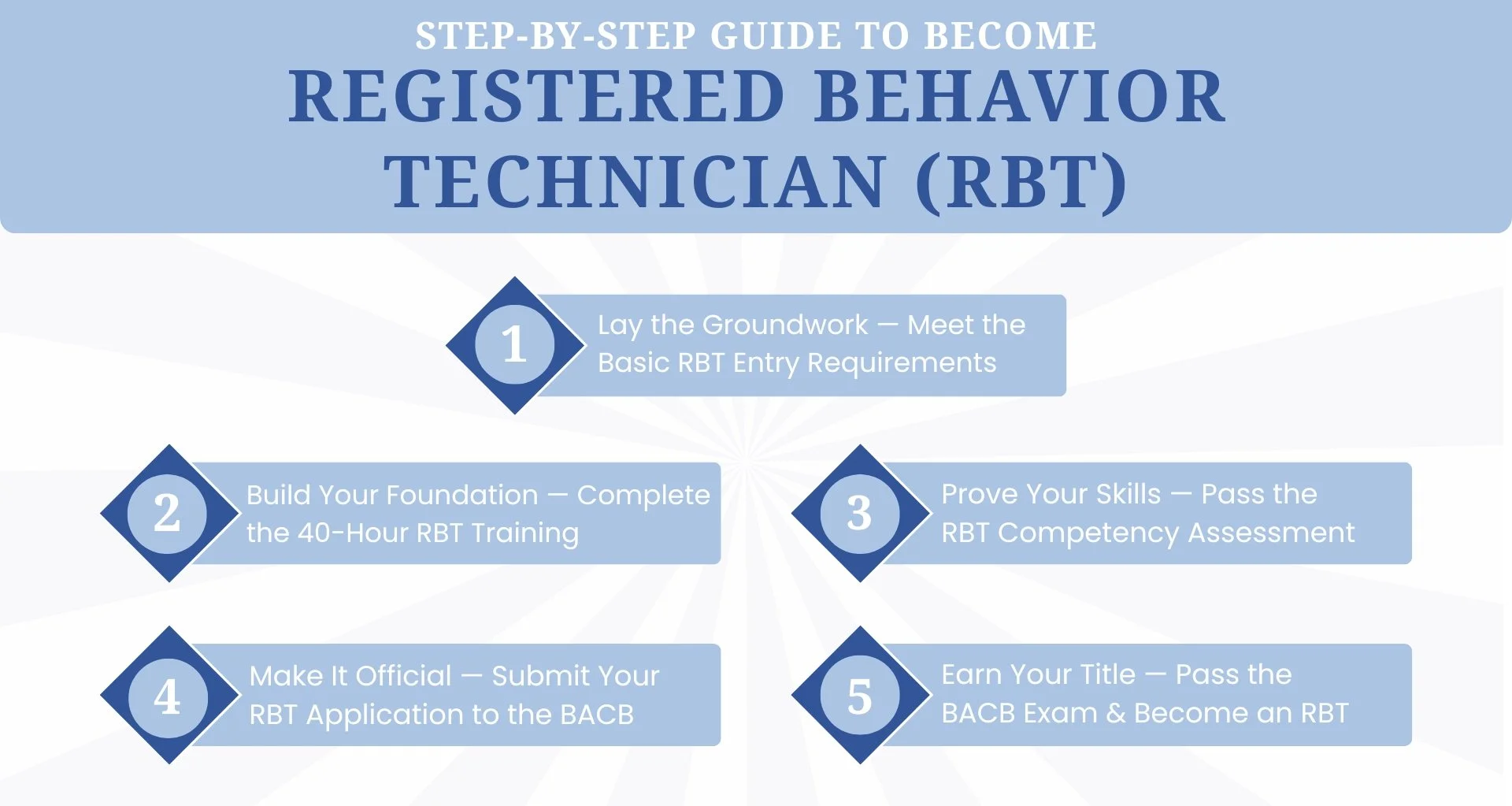
Let’s boil it down. What are the absolute must-haves?
- Complete a 40-hour RBT training program.
- Pass a competency assessment.
- Accumulate at least 40 hours of supervised fieldwork.
- Pass the BACB RBT certification exam.
- Submit your application and meet all BACB requirements.
See? No degree mentioned anywhere. It’s all about tangible skills and verified training. This makes the field much more accessible.
Understanding the Role of Supervision
Supervision isn’t just a hoop to jump through; it’s the backbone of your RBT development. A good supervisor provides Crucial feedback, corrects errors, and helps you refine your approach. They Make sure you’re not just learning techniques but mastering them. This ongoing guidance is what differentiates a trained individual from a competent RBT professional. Don’t take this part lightly.
The BACB’s Official Stance
The Behavior Analyst Certification Board (BACB) is the ultimate authority here. Their official requirements are clear and publicly available. They’ve intentionally designed the RBT certification pathway to be accessible to individuals who may not have a college degree but possess the drive and aptitude for the work. You can find their specific requirements on their website, confirming this pathway is legitimate and widely recognized. As one resource highlights, you can indeed be an RBT without college.
Common Questions Answered (Because We Know You Have Them)
Can I Use Online Training for My RBT Course?
Yes, absolutely! Many excellent and accredited 40-hour RBT training programs are delivered entirely online. This flexibility is a lifesaver for people juggling work, family, or other commitments. Just Make sure the program is BACB-approved and includes the necessary components, like the competency assessment. Online doesn’t mean less effective, especially when paired with good supervision.
What If I Have Some ABA Experience Already?
Existing experience can certainly be beneficial, but it generally doesn’t replace the structured 40-hour training. The training covers specific BACB-approved content that you need to demonstrate knowledge of. However, your prior experience might help you grasp the concepts faster and excel during the competency assessments and fieldwork. Document everything meticulously; past experience can sometimes count towards supervised hours if properly verified by a BCBA.
How Long Does the Whole Process Typically Take?
It varies, of course. But realistically, from starting your 40-hour training to sitting for the exam, you’re likely looking at anywhere from 3 to 6 months. This timeline depends heavily on how quickly you can secure supervision and complete your fieldwork hours. Some people might do it faster, others take a bit longer, especially if they’re balancing it with other responsibilities. It’s a marathon, not a sprint.
Your Future as an RBT: Making an Impact
The Rewarding Nature of the Job
Let’s be real, this job isn’t just about a paycheck. It’s about witnessing breakthroughs. It’s seeing a child communicate for the first time, or helping someone gain a new skill that improves their daily life. That kind of fulfillment is hard to find elsewhere. You become a Key part of a client’s support system, and that’s incredibly powerful. The impact you can make is profound.

Source : abcachieve.com
Career Growth and Advancement
Becoming an RBT is often just the first step. Many RBTs use their experience and certification as a springboard to further education and career advancement. You might pursue a bachelor’s degree to become a BCBA yourself, or move into related roles in education or therapy. Your RBT journey is a solid foundation for a long-term career in the human services field. It’s a starting point, not an endpoint.
Finding Job Opportunities
The demand for qualified RBTs is high. Therapy centers, school districts, and home-based ABA providers are constantly looking for skilled professionals. Your certification, gained without a degree, makes you a valuable candidate. Don’t be discouraged by job postings that mention degrees; many are flexible, especially if you have the RBT credential and solid experience. Highlight your practical skills and your training completion.
Key RBT Requirements Without a Degree: A Snapshot
| Requirement | Details | Degree Needed? |
|---|---|---|
| RBT Training Course | Minimum 40 hours, BACB-approved content. Often online. | No College Degree |
| Competency Assessment | Demonstrate practical skills to a supervisor. | No |
| Supervised Fieldwork | At least 40 hours, direct client interaction, supervised by BCBA. | No Degree Required |
| RBT Certification Exam | Pass the official BACB exam. | No |
| Background Check | Standard criminal background check. | No |
Alternative Pathways to RBT Certification
While the standard path is outlined above, remember that the core requirements remain consistent. The key is demonstrating competence through training and practice, not academic credentials. Always refer to the official BACB guidelines or reputable training providers for the most current and accurate information. They’re the final word on what’s needed.
Frequently Asked Questions
What are the basic eligibility requirements for RBT certification without a degree?
Because you don’t have a degree, you’ll still need to be at least 18 years old and have a high school diploma or GED. You’ll also need to pass a background check and complete the required training. The training is the big part, focusing on ABA principles and practical skills. So, while no degree is needed, the RBT training is Needed.
How long does the RBT training take if I don’t have a degree?
But typically, the RBT training program is around 40 hours. This is a standardized amount, regardless of your educational background. It covers everything from ethical considerations to behavior management techniques. You can usually do it online or in person, and some programs are self-paced, making it flexible.
Can I get RBT certified solely through online courses without a degree?
Yes, absolutely! Most RBT certification pathways allow for online training completion. You’ll find many reputable providers offering the 40-hour RBT training curriculum online. Just make sure the course is BACB-approved, which is super important for your certification. After the course, you’ll still need supervised fieldwork, but the initial training can definitely be done online.
What kind of experience is needed after completing the RBT training?
After your 40-hour training, you’ll need to complete 40 hours of supervised fieldwork. This is where you apply what you’ve learned in real-world settings with clients. A qualified supervisor, like a BCBA or BCaBA, will observe and provide feedback. This hands-on experience is Key for developing your skills and preparing you for the certification exam, even without a degree.
Is the RBT exam harder without a degree background?
No, the exam difficulty doesn’t change based on whether you have a degree or not. The RBT exam tests your knowledge of the RBT Task List, which is covered thoroughly in the 40-hour training. Focus on understanding the concepts, practicing the skills, and getting good supervision. Your preparation is what matters most for passing, not your prior education level.
