Alright, let’s cut through the noise. You’re here because you want that shiny Google SEO certification without shelling out a fortune, right? Forget those sketchy online promises that cost an arm and a leg. I’m talking about the real deal – the kind of knowledge that actually moves the needle for your website and your career. And guess what? You can snag it for nada. Zip. Zilch. Let’s dive in and find out exactly how to make that happen.
It. Having a legitimate Google certification on your resume? It’s not just a badge; it’s a signal to employers and clients that you understand how the biggest search engine on the planet actually works. It’s about understanding user intent, technical SEO, content strategy – the whole shebang. And the best part? You don’t need a hefty budget to get there. We’re going to map out the exact path, step-by-step, so you can start building that expertise today.
The Real Deal with Google Certifications
Why Bother with a Google SEO Certification?
Look, I get it. The internet is flooded with “courses.” But a Google certification? That’s different. It means you’ve been tested by the source. It’s like getting a stamp of approval from the folks who literally write the algorithm. This isn’t just about learning; it’s about validating your skills in a way that actually matters to people who hire or buy SEO services. You’re showing you’ve done the homework, directly from the masters.
For starters, it lends serious credibility. When you’re applying for jobs or pitching clients, you can point to a specific credential that proves you know your stuff. It’s a tangible asset that sets you apart from the masses who just claim they understand SEO. This is about earning trust, built on a foundation of verified knowledge. And that’s huge in this crowded digital space.
Are There Actual Free Google Certifications?
Here’s the kicker: Google itself doesn’t offer a singular, overarching “Google SEO Certification” that you can just grab for free after a quick quiz. That’s a bit of a misconception. What Google does offer are incredible, free learning resources and courses through platforms like Grow with Google. These aren’t always branded as a formal “certification” in the way some paid courses are, but the knowledge they impart is pure gold, directly from Google.
These resources are designed to equip you with the skills needed to succeed in digital marketing, including SEO. Think of it like this: Google wants more people doing SEO correctly. They provide the education, and while some partners might offer certificates for completing their courses based on Google’s teachings, the core learning materials are often accessible freely. You just have to know where to look.
Handling the Grow with Google Ecosystem
So, where do you find these gems? The Grow with Google initiative is your best friend here. It’s a massive hub packed with free tools, training, and resources aimed at helping individuals and businesses thrive online. They partner with various organizations to deliver training on digital skills, and yes, SEO is a major component.
This isn’t some fluffy introductory webinar. We’re talking about Full modules covering everything from website fundamentals to advanced analytics. You’ll find courses that touch on search engine optimization principles, how search engines work, and how to improve a website’s visibility. It’s the foundational knowledge you need, straight from the horse’s mouth. It’s a seriously good place to start building your expertise.
Leveraging Partner Platforms for Free SEO Training

Source : backlinko.com
Source : educba.com
Coursera: SEO Fundamentals (Often Free Audit Option)
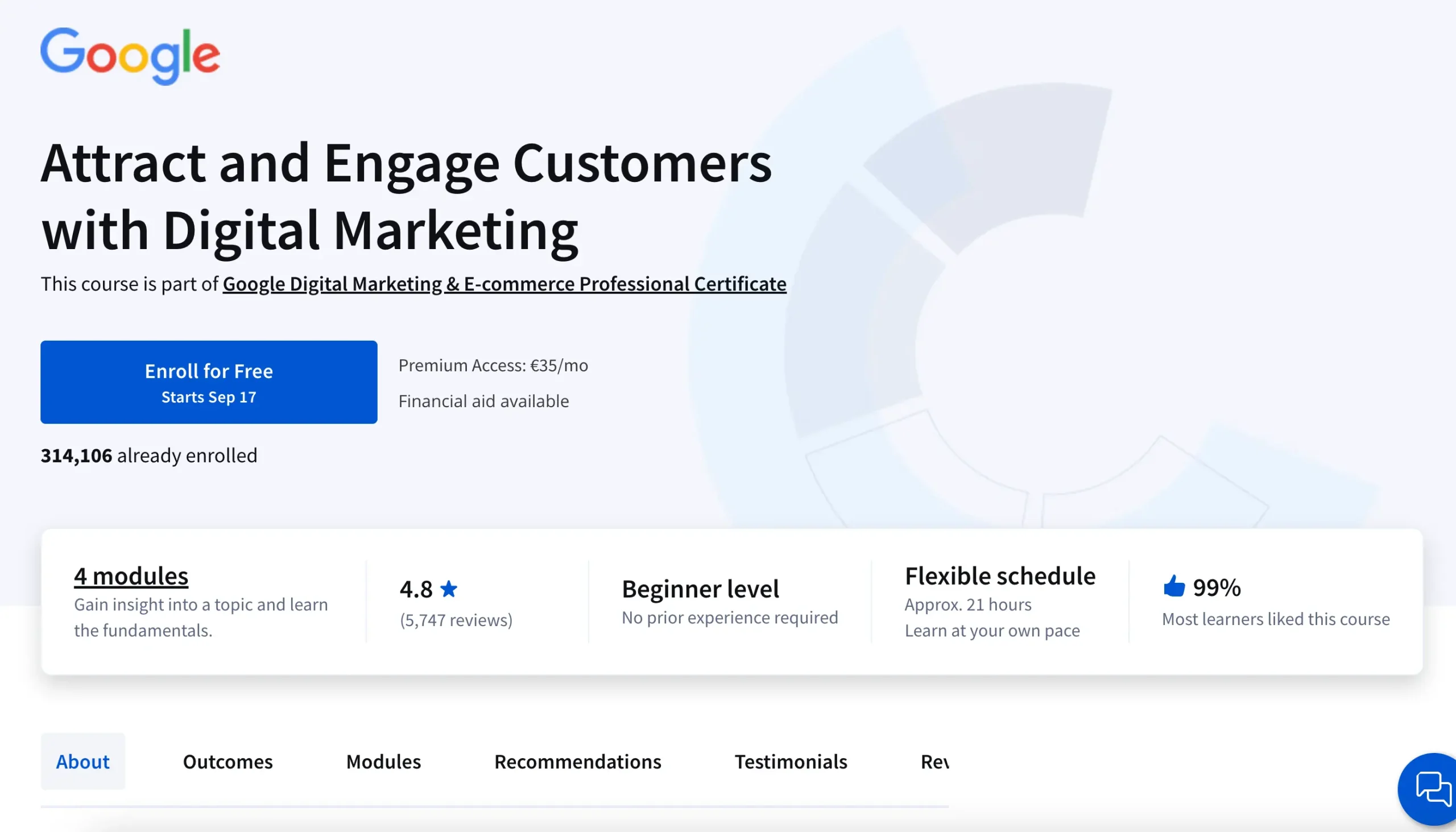
Now, let’s talk about a big player: Coursera. While many courses on Coursera have a paid certificate option, you can almost always audit the course for free. This means you get full access to all the video lectures, readings, and assignments. It’s an incredible way to learn the material without paying a dime. For SEO, the Google SEO Fundamentals course is a standout.
This specific course is designed by Google experts, so you know the content is top-notch and directly relevant. You’ll learn about keyword research, on-page optimization, technical SEO, and how Google Search works. Even without the graded assignments or the final certificate, the learning you’ll gain is immense. You can absorb all the knowledge, practice the techniques, and then maybe consider paying for the certificate later if you decide you absolutely need that formal credential.
HubSpot Academy: Your Free Inbound Marketing & SEO Hub
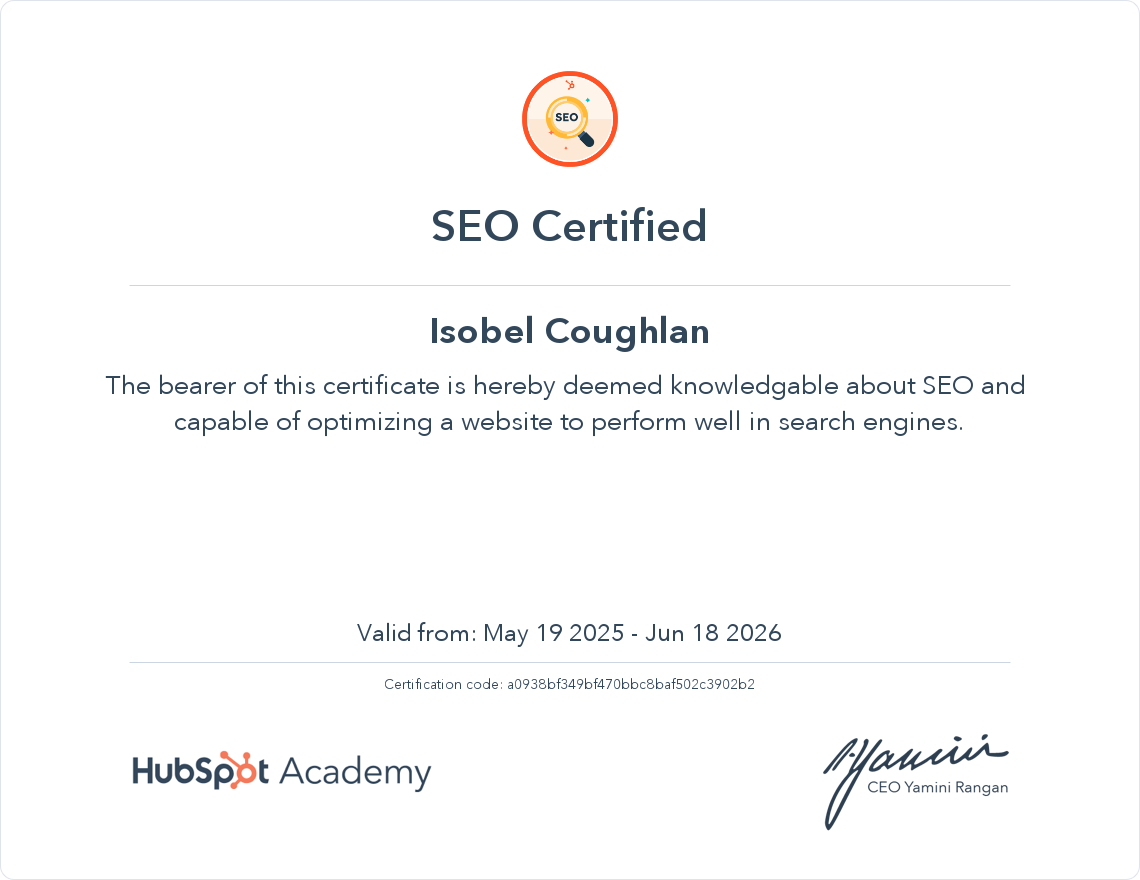
HubSpot Academy is another powerhouse for free digital marketing education. They are famous for their inbound marketing certification, but they also offer excellent, free courses specifically on SEO. The SEO Training course is a must-watch. It breaks down complex SEO concepts into digestible lessons.
What I love about HubSpot’s approach is how practical it is. They don’t just teach theory; they show you how to implement it. You’ll learn about everything from building an SEO-friendly website structure to creating content that ranks. And yes, you can earn a free certification from HubSpot Academy upon completion, which, while not from Google directly, is highly respected in the industry and demonstrates a solid understanding of SEO principles.
Understanding the Difference: Google’s Material vs. Partner Certificates
It’s Key to understand the distinction. Google provides the foundational knowledge and often the curriculum through its own materials or partnerships. Platforms like Coursera and HubSpot Academy then build courses around these principles, sometimes offering their own branded certificates. A certificate from HubSpot or Coursera, while valuable, isn’t the same as a direct Google-issued credential. However, the learning content itself is often derived from or aligned with Google’s best practices.
Think of it like this: Google gives you the blueprints and the building materials for a house. Coursera or HubSpot teach you how to use those materials to build the house, and then give you a certificate for your construction skills. The knowledge is authentic, even if the certificate has a different name on it. For many career goals, this is more than enough to prove your competency.
Deep Dive: Needed Free Google SEO Learning Modules
Module 1: Understanding How Google Search Works
Before you can Improve for Google, you’ve got to understand how it actually functions. This isn’t just about keywords. Google uses complex algorithms to crawl, index, and rank billions of web pages. Free courses often dedicate significant time to explaining this foundational layer. You’ll learn about the difference between crawling and indexing, and the factors that influence Google’s search engine results pages (SERPs).
Key takeaways here include grasping the concept of search intent – what is the user really looking for when they type something into the search bar? Understanding this is Top. You’ll also get insights into how Google’s algorithms have evolved to prioritize user experience and helpful content, moving away from older, manipulative tactics. This module is the bedrock upon which all other SEO efforts are built.
Module 2: Keyword Research & Content Strategy
This is where the rubber meets the road for content creators and marketers. Effective keyword research isn’t just about finding popular terms; it’s about identifying the phrases your target audience uses and understanding the volume and difficulty associated with them. Free modules will guide you through using tools (even free versions of paid tools) to Find these opportunities.
You’ll learn how to translate keyword research into a Strong content strategy. This involves planning, creating, and distributing valuable content designed to attract and retain a clearly defined audience. It’s about answering user questions thoroughly, providing unique insights, and structuring your content in a way that’s both user-friendly and search engine-friendly. Think topic clusters and pillar pages.
Module 3: On-Page Optimization Essentials
Once you have your keywords and content plan, you need to Improve the actual web pages. On-page SEO involves elements you can control directly on your website. This includes optimizing title tags, meta descriptions, header tags (H1, H2, etc.), image alt text, and the internal linking structure of your site. These might sound technical, but they’re relatively straightforward to implement once you understand their purpose.
The goal here is to make it crystal clear to Google (and users!) what your page is about. Proper use of header tags, for example, helps structure your content logically, making it easier for both users and search engine bots to read and understand. Optimizing meta descriptions, while not a direct ranking factor, is Key for click-through rates from the SERPs. It’s about presentation and clarity.
Module 4: Technical SEO Fundamentals
Technical SEO deals with the backend aspects of your website that affect its search engine performance. This covers things like website speed, mobile-friendliness, site architecture, XML sitemaps, and `robots.txt` files. A technically sound website is easier for Google to crawl and index effectively, which is a prerequisite for ranking well.
You’ll learn how to identify and fix common technical SEO issues. For instance, understanding mobile-friendliness is non-negotiable, given Google’s mobile-first indexing approach. Website speed is another critical factor; slow-loading pages frustrate users and negatively impact rankings. These technical elements form the backbone of a successful SEO strategy, ensuring Google can access and understand your content.
Source : semrush.com
Maximizing Your Free Learning Experience
Treat It Like a Paid Course: Dedicate Time & Effort
Just because it’s free doesn’t mean it’s easy or requires less commitment. The most successful learners treat these free resources with the same respect they would a high-priced course. Block out specific times in your schedule. Take notes. Engage with the material. Don’t just passively watch videos; actively try to understand the concepts and how they apply.
Setting aside dedicated study time each week. Maybe it’s an hour every evening after dinner, or a solid block on Saturday mornings. Whatever works for you, commit to it. Consistency is key. Showing up regularly is half the battle when it comes to acquiring any new skill, especially one as Active as SEO.
Practice What You Learn: Build a Test Site
Theory is great, but SEO is a practical discipline. The absolute best way to solidify your learning is to get hands-on. If you don’t already have a website or blog, consider setting one up – even a simple free one on platforms like WordPress.com or Blogger can Act as your personal playground. Use it to experiment with keyword research, content creation, and on-page optimization techniques.
This isn’t about creating a masterpiece overnight. It’s about the process. Try implementing different header structures, writing meta descriptions, and adding internal links. Use free tools like Google Analytics and Google Search Console (which are Needed and also free!) to track your progress. Seeing the impact of your efforts, even on a small scale, is incredibly motivating and reinforces the lessons learned. This practical application is Key for true understanding.
Join Online Communities and Forums
You’re not alone in this journey! There are countless online communities, subreddits (like r/SEO), and Facebook groups dedicated to SEO and digital marketing. Engaging in these communities allows you to ask questions, share insights, and learn from the experiences of others. You’ll find seasoned professionals and fellow learners all discussing the latest trends and challenges.
Don’t be afraid to ask “dumb” questions. Everyone starts somewhere. Often, the discussions happening in these forums can provide real-world context to the theoretical knowledge you’re gaining from your free courses. You might even discover new free tools or techniques that weren’t covered in the official curriculum. It’s a fantastic way to supplement your learning and stay updated.
Beyond Google: Valued SEO Certifications You Can Earn Free
HubSpot’s Inbound Marketing & SEO Certifications
HubSpot Academy is a goldmine. Their Inbound Marketing Certification covers foundational principles that are intrinsically linked to SEO success – attracting visitors through valuable content. They also have specific SEO courses that are genuinely free, complete with exams and a respectable certificate upon passing. These certifications are widely recognized and demonstrate a strong grasp of modern digital marketing strategies.
HubSpot’s approach is very practical, focusing on how to Match your marketing efforts with customer needs. Their SEO modules often Look into content creation, link building strategies (the ethical kind!), and using data to inform your decisions. Earning a HubSpot certification signals that you understand the full funnel approach to attracting and converting customers online, with SEO as a core component.
Semrush Academy: Free SEO Courses and Certifications
Semrush is a leading SEO software provider, and their Semrush Academy offers a surprising amount of high-quality, free training. While their tools are premium, their educational content is often accessible without a subscription. They have courses covering various aspects of SEO, from technical audits to content marketing and local SEO.
Completing courses like “SEO Fundamentals” or “Content Marketing Fundamentals” through Semrush Academy can equip you with a deep understanding of the tools and strategies used by professionals. They offer certifications for many of their courses, which, again, provide a tangible credential. These are excellent for showcasing your proficiency with industry-standard tools and concepts.
Moz Academy: Free Learning Resources
Moz is another giant in the SEO world, known for its beginner-friendly guides and the influential “Beginner’s Guide to SEO.” While their full academy courses are often paid, they frequently offer free webinars, introductory modules, and valuable blog content that can significantly boost your SEO knowledge. Keep an eye on their learning resources section.
Even without a formal certificate from Moz, immersing yourself in their free educational materials is incredibly beneficial. They explain complex topics in an accessible manner, making them ideal for newcomers. Understanding the core principles outlined by Moz will provide a solid foundation that complements any other training you undertake. Their insights are always worth exploring.
The Future of SEO and Continuous Learning
Why SEO is Always Evolving
Source : reliablesoft.net
Search engine optimization isn’t a set-it-and-forget-it kind of deal. Google is constantly updating its algorithms – sometimes multiple times a day! What worked yesterday might not work tomorrow. This constant evolution means that ongoing learning is not just recommended; it’s absolutely Needed for anyone serious about SEO.
The focus is increasingly shifting towards user experience, expertise, authoritativeness, and trustworthiness (E-E-A-T). AI is also playing a bigger role in how content is processed and ranked. Staying ahead of these changes requires a commitment to continuous education. Relying solely on a certification earned years ago just won’t cut it in today’s fast-paced digital Field.
Staying Updated: Google’s Official Channels
The best source for understanding changes directly from the top? Google itself. Make it a habit to follow official Google channels. This includes the Google Search Central Blog (formerly Webmaster Central Blog), their YouTube channel, and their social media updates. These are the primary sources for announcements regarding algorithm updates and best practices.
Subscribing to these channels ensures you’re getting information straight from the source, unfiltered by third-party interpretations. When Google announces a major update, understanding the why behind it is just as important as knowing that it happened. This direct line of communication is Crucial for adapting your strategies effectively.
The Importance of a Learning Mindset
Getting a certification is a fantastic starting point, but it’s the mindset of continuous learning that will truly set you apart. Welcome the fact that SEO is a field where you’ll always be learning something new. See algorithm updates not as threats, but as opportunities to improve your understanding and refine your strategies.
Cultivate curiosity. Experiment. Analyze your results. Read industry blogs, listen to podcasts, and participate in discussions. The certifications provide a framework, but your ongoing dedication to learning and adaptation is what will lead to long-term success in the ever-changing world of search engine optimization. It’s a marathon, not a sprint.
Your Actionable Roadmap to Free Google SEO Certification (Kind Of!)
Step 1: Immerse Yourself in Grow with Google Resources
Start by exploring the Grow with Google platform. Identify the modules or courses that specifically address search engine optimization, digital marketing fundamentals, and website analytics. These provide the core Google-approved knowledge base. Don’t skip the basics; they are foundational.
Prioritize understanding how Google Search works, the principles of keyword research, and the basics of on-page and technical SEO. Take notes diligently. These resources are designed to be Full, so give them the attention they deserve. This is your primary learning material.
Step 2: Audit Free Courses on Coursera and edX
Head over to Coursera and look for the Google-offered SEO Fundamentals course. Select the free audit option. This gives you access to all the learning content without the paid certificate. Similarly, check edX for any related courses from reputable institutions that might offer free auditing. Focus on absorbing the information presented.
Treat these audited courses as if you were paying for them. Complete the modules, watch the lectures, and absorb the information. The goal here is knowledge acquisition. You’re building a Strong understanding of SEO principles directly from Google-sanctioned materials, even if the final credential isn’t a direct Google one.
Step 3: Complete HubSpot Academy’s Free SEO Training
Navigate to HubSpot Academy and enroll in their free SEO training course. This course is fantastic because it not only teaches you the concepts but also offers a free certification upon completion of the exam. This is a tangible credential you can add to your profile.
Pay close attention to the practical advice and implementation strategies HubSpot provides. Their certifications are well-regarded in the industry and demonstrate a practical understanding of SEO and inbound marketing. This is your first official, free credential you can showcase.
Step 4: Explore Semrush Academy for Advanced Insights
Sign up for free courses at Semrush Academy. They offer excellent training on various SEO topics, often including certifications. Courses like “SEO Fundamentals” and others focusing on specific areas like content or technical SEO are incredibly valuable. This expands your knowledge beyond the absolute basics and introduces you to tools and techniques used by professionals.
Focus on courses that Match with your learning goals. Semrush provides a slightly more tool-centric perspective, which is useful for understanding how SEO is practically applied in a professional setting. Their certifications add another layer of credibility to your growing skill set. You’re building a Full profile here.
Watch: SEO Full Course 2026 [FREE] | SEO Tutorial For Beginners …
The Value Proposition: Why Free is Still Valuable
Skill Acquisition Over a Piece of Paper
Let’s be brutally honest. In the world of SEO, practical skills and demonstrable knowledge trump a single certificate any day of the week. While a Google certification sounds impressive, what employers really want is someone who can drive traffic, improve rankings, and understand analytics. The free courses from Google partners equip you with these exact skills.
Focus on the learning. Absorb the information. Practice the techniques. If you can show evidence of your skills – perhaps through a portfolio of work, case studies from your test site, or by discussing your knowledge intelligently in an interview – that’s far more powerful than just holding a certificate. The free resources provide the substance.
Building a Foundational Knowledge Base
These free programs are designed to build a solid foundation. You learn the core principles, the terminology, and the fundamental strategies that underpin all successful SEO efforts. This foundational knowledge is Key. Without it, any advanced tactics you try will likely be ineffective or even detrimental.
Think of it like learning to build a house. You need to understand the physics of structures, the properties of materials, and the basic building codes before you can start designing a mansion. These free courses provide that Needed architectural understanding for the digital world. It’s about getting the fundamentals rock-solid.
Cost-Effective Professional Development
For individuals looking to break into SEO, switch careers, or upskill in their current role, the cost can be a major barrier. Leveraging these free online certifications and learning resources makes professional development accessible to everyone, regardless of their financial situation. It democratizes education in a field that can be quite lucrative.
This is your opportunity to invest in yourself without depleting your savings. You can Get valuable, in-demand skills that can directly impact your earning potential. It’s a smart, strategic move for anyone looking to advance their career in the digital space. Why pay when you can learn effectively for free?
Is There a Direct “Google SEO Certified Professional” Exam?
The Google Ads Certification – A Related but Different Beast
It’s important to clarify that Google does offer direct certifications, but they are primarily focused on Google Ads (formerly AdWords). You can get Google Ads certified for free through the Google Skillshop. While understanding Google Ads is a valuable digital marketing skill, it’s distinct from organic SEO, which is about improving a website’s visibility in Google’s unpaid search results.
Many professionals pursue both. Organic SEO and paid search (PPC) work hand-in-hand. However, if your sole focus is on mastering organic search engine optimization, the Google Ads certification, while free and valuable, won’t cover the core SEO topics in the depth you might expect. It’s a different discipline.
Why Google Doesn’t Offer a Single “Master SEO” Certificate
The nature of SEO itself is likely why Google doesn’t offer a singular, all-encompassing “Google SEO Certified Professional” exam. SEO is Active, Complex, and constantly evolving. It’s less about memorizing a fixed set of rules and more about understanding principles, adapting to changes, and applying critical thinking. A single certification might become outdated quickly.
Instead, Google focuses on providing the educational resources and best practices. They want people to understand how search works and how to create valuable content for users. By partnering with platforms like Coursera and offering resources through Grow with Google, they Make sure the foundational knowledge is widely disseminated. It’s a more organic approach to education.
Focus on Full Knowledge, Not Just the Name
When you’re looking to prove your SEO skills, the emphasis should always be on the depth of your knowledge and your ability to apply it. A certificate from a reputable partner like HubSpot, combined with a strong portfolio and a clear understanding of Google’s guidelines, will often speak louder than a hypothetical, universally recognized “Google SEO” certificate.
Your goal should be to truly understand SEO – the technical aspects, the content strategy, the user behavior, and the analytics. The free resources available are more than sufficient to build this Full understanding. Focus on mastering the skills, and the recognition will follow, whether it comes from a specific certificate or from your proven results.
Putting Your Free SEO Knowledge to Work
Build a Portfolio – Your Best Advertisement
This is non-negotiable. Once you’ve gone through the free courses and practiced on a test site, start documenting your work. Create a simple portfolio showcasing what you’ve learned and achieved. This could include:
- Case studies of your test website: traffic growth, keyword ranking improvements, engagement metrics.
- Examples of content you’ve optimized or created.
- Technical SEO audit reports (even hypothetical ones based on practice sites).
- Analysis of competitor SEO strategies.
Source : reliablesoft.net
Your portfolio is tangible proof of your abilities. It’s what potential employers or clients will scrutinize. Highlight the specific skills you’ve gained from your free training and how you’ve applied them. Quantifiable results are best – use numbers and data wherever possible to demonstrate impact. This showcases your practical value.
Offer Pro Bono Work or Internships
To gain real-world experience and add more impressive items to your portfolio, consider offering your SEO services pro bono to a local non-profit, a small business you frequent, or even a friend’s venture. Alternatively, seek out internships (paid or unpaid, depending on your situation) at marketing agencies or companies with an in-house marketing team. This practical application is Crucial.
Working on live projects exposes you to unique challenges and real user data. You’ll learn how to navigate client expectations, manage different types of websites, and troubleshoot unexpected issues. Every project, successful or otherwise, provides learning opportunities and strengthens your resume. This hands-on experience is often what employers are truly seeking.
Network, Network, Network!
Beyond online communities, actively engage in networking. Attend local digital marketing meetups (if available), participate in webinars, and connect with professionals on LinkedIn. Let people know you’re passionate about SEO and eager to learn and contribute. Building relationships can open doors to opportunities you might not find otherwise.
Informational interviews are a great tactic. Reach out to SEO professionals and ask if they’d be willing to chat for 15-20 minutes about their career path and insights. Most people are happy to share their experiences. This not only builds your network but also provides valuable career advice and potential job leads. Networking is key.
HTML Data Table Example: Free SEO Certification Comparison
Here’s a quick look at some of the best free resources and what they offer:
| Platform/Course | Focus Area | Certification Type | Cost | Google Alignment |
|---|---|---|---|---|
| Grow with Google Resources | Broad Digital Skills, SEO Principles | No Formal Certificate (Knowledge-based) | Free | Direct from Google |
| Coursera: SEO Fundamentals (Audit) | SEO Fundamentals, On-Page, Technical | Audit Access Only (Paid Certificate Available) | Free (Audit) / Paid (Certificate) | Developed/Recommended by Google |
| HubSpot Academy: SEO Training | SEO, Content Marketing, Inbound Strategy | Free HubSpot Certification | Free | Aligns with Google Best Practices |
| Semrush Academy Courses | Technical SEO, Keyword Research, Content Marketing | Free Semrush Certifications (for some courses) | Free | Industry Standard Tools & Practices |
| Google Ads Skillshop | Paid Search Advertising (PPC) | Free Google Ads Certification | Free | Direct from Google (Paid Ads Focus) |
Final Thoughts: Your SEO Journey Starts Now
So, there you have it. Getting a formal “Google SEO Certification” for free in the way some people imagine isn’t quite how it works. But that doesn’t mean you can’t get world-class SEO training and valuable certifications without spending a dime. The key is to be resourceful, strategic, and committed.
Use the incredible free resources from Grow with Google, Coursera (via auditing), HubSpot Academy, and Semrush. Focus on building genuine skills, practicing what you learn, and documenting your progress. The journey to becoming a proficient SEO professional is ongoing, and these free resources provide an Best starting point. Now, go get learning!
Frequently Asked Questions
How much does SEO certification cost?
Honestly, getting certified in SEO itself doesn’t have to cost you a dime. Many platforms offer free courses that lead to certificates. So, you can totally boost your resume without opening your wallet. It’s all about finding the right free SEO resources.
Which free SEO course is best?
That’s a tough one, because ‘best’ is subjective! But, Google’s own Digital Garage often pops up as a top contender for its Full and free SEO training. HubSpot Academy is another solid choice with a great curriculum. Just dive in and see which style clicks with you!
Is there any free course for SEO?
Absolutely! Loads of them. Beyond Google’s Digital Garage and HubSpot, you’ve got options from SEMrush Academy, Moz Academy, and even YouTube chaels dedicated to teaching SEO. You can learn a ton of valuable skills and get certificates, all online and for free.
Can I get a Google SEO certification for free?
Yes, you sure can! Google offers free courses through its Google Digital Garage, and some of these cover SEO fundamentals. While it might not be a ‘Google SEO Certification’ specifically labeled as such, completing their relevant modules can give you a certificate demonstrating your knowledge in digital marketing and SEO.
What are the benefits of a free SEO certification?
Well, for starters, it’s free! Big win. But seriously, it adds credibility to your resume, shows potential employers you’re proactive about learning, and gives you a solid foundation in search engine optimization. Plus, it’s a great way to validate what you’ve learned from various free online resources.
