Demystifying the Cost and Requirements to Become a CPR Instructor
So, you’re thinking about becoming a CPR instructor, huh? That’s awesome! It’s a noble path, no doubt about it. You get to equip people with life-saving skills. Pretty cool gig. But let’s cut to the chase: what’s it really going to cost you, and what hoops do you actually need to jump through? Forget those vague articles that tell you “it depends.” We’re diving deep into the nitty-gritty, laying it all out so you know exactly what you’re signing up for. This isn’t just about a certificate; it’s about building a reputation and a viable way to teach. Let’s get into it.
The Initial Investment: More Than Just a Price Tag
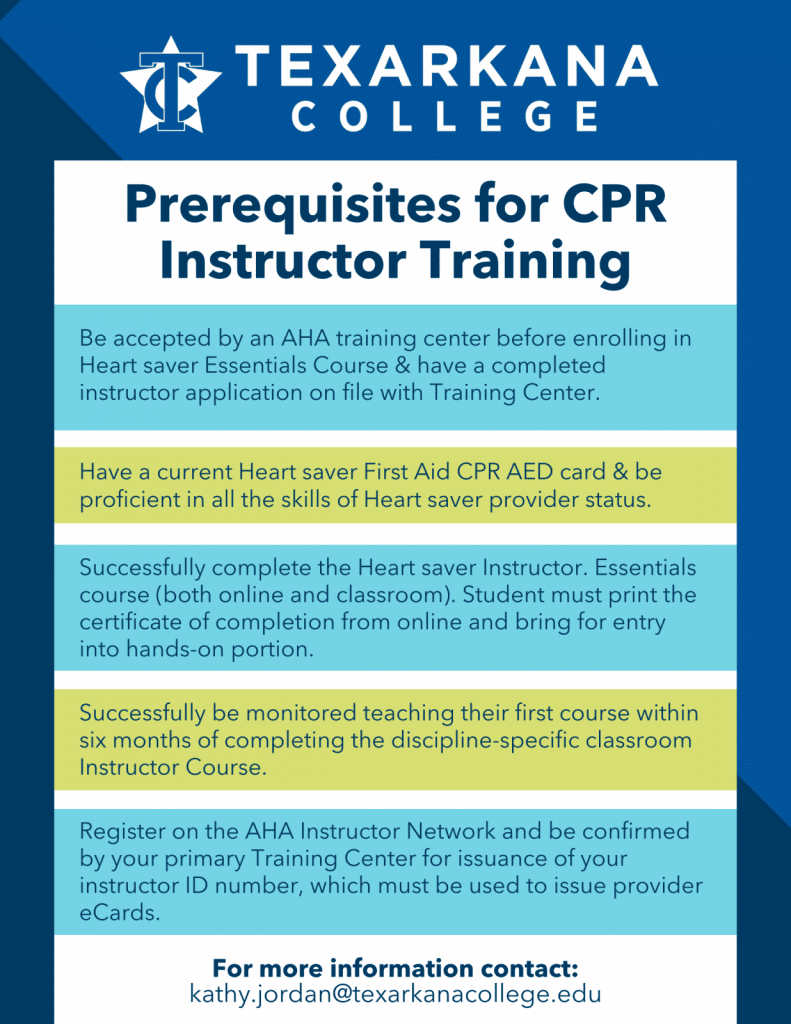
Source : cbe.texarkanacollege.edu
Everyone wants to know the bottom line. But honestly, it’s rarely just one number. Think of it like starting any business, even if you’re just teaching on the side. There are upfront costs, and then there are the ongoing ones. You’ve got to factor in the training itself, the materials, maybe even some gear. It’s not pocket change, but it’s definitely doable if you plan right. Understanding these initial investments is Key before you even sign up for a course.
Understanding the Prerequisite Courses
Before you can even dream of teaching CPR, you’ve got to prove you know your stuff. That means taking the core CPR and First Aid courses yourself. Most organizations require you to be currently certified in the very courses you plan to teach. This isn’t just a formality; it ensures you have the fundamental skills. You’ll need to show proof of this certification, often from an accredited provider. These courses themselves aren’t free, but they’re generally quite affordable. It’s the first step on the ladder.
Certification Fees: The Core Cost
Now we get to the actual instructor training. This is where the bulk of the initial cost lies. Different organizations have different fee structures. Some might bundle everything, while others break it down. You’ll see prices ranging anywhere from a couple hundred to several hundred dollars for the primary instructor certification course. This fee typically covers the training program itself, administrative costs, and your initial instructor card or certificate. It’s a significant part of the cost of becoming an instructor.
Required Materials and Equipment
You can’t teach without the right tools! Most organizations require you to purchase specific instructor manuals, student guides, and sometimes even testing materials. These aren’t cheap, and they’re often proprietary, meaning you have to buy them directly from the certifying body or an approved vendor. Think of the guy running a pizza shop on 4th Street – he needs dough, toppings, and an oven. You need manuals, manikins, and maybe AED trainers. This is a definite, tangible cost for instructors.
The “Instructor Essentials” Component
Many major providers, like the American Heart Association (AHA), have an “Instructor Essentials” online course. This digital component walks you through the methodology of teaching, adult learning principles, and how to effectively use their curriculum. It’s usually a separate fee, often around $30-$50. While it might seem like a small add-on, it’s a critical piece of the puzzle for understanding how to teach CPR effectively.
Handling the Major Organizations: AHA vs. Red Cross and Others
Okay, let’s talk turkey. When you decide to become a CPR instructor, you’re likely going to Match with a major player. The big two? That’s usually the American Heart Association (AHA) and the American Red Cross. Each has its own set of requirements, training methodologies, and, you guessed it, costs. Choosing one often depends on your local market, your personal preference, or even which one offers better support in your area. Don’t just pick one randomly; there are differences.
American Heart Association (AHA) Pathway
The AHA is a powerhouse in CPR training. Becoming an AHA instructor involves a few key steps. First, you need to be an exceptionally proficient provider yourself – you’ll likely need to pass a skills test. Then, you’ll take an AHA Instructor Essentials course, typically online. After that, you’ll participate in a hands-on classroom training session led by an AHA Training Center Coordinator or Faculty. The AHA has a very structured process. You can find more details on their specific pathway here: become an AHA instructor. Expect costs to vary by training center, but the core certification and materials will have a set price.
American Red Cross Pathway

Source : mycprcertificationonline.com
The Red Cross offers a Strong instructor certification program as well. Their approach often involves a blended learning format, combining online modules with in-person skills sessions. They emphasize safety and readiness. You might also find specific “bridging” courses if you’re already certified by another organization. The Red Cross aims to make their training accessible, and they have various formats to suit different needs. For a look at their offerings, check out Red Cross instructor training. Costs here also depend on the specific course and location.
Other Certifying Bodies and Niche Providers
While AHA and Red Cross dominate, they aren’t the only game in town. There are other organizations, like the National Safety Council (NSC) or various local training centers that might offer their own certifications. Sometimes, these can be more affordable or cater to specific industries. Think about the requirements for training employees at a manufacturing plant versus a daycare center. Each might prefer a specific certification. It’s worth exploring these options, especially if you’re on a tight budget or looking for a particular market niche. Exploring these alternatives can reveal surprising cost savings and unique training opportunities.
Comparing Training Center Fees
This is a HUGE variable. Even within the same organization (like AHA or Red Cross), the specific Training Center you choose will set its own fees for the instructor course and ongoing affiliation. Some centers might be run by non-profits with lower overhead, while others are private businesses. You might find one center charges $500 for a course, and another nearby charges $750 for the exact same certification. Do your homework and compare pricing from multiple centers in your area. This is where you can really impact your overall training cost.
Deep Dive into Specific Requirements
It’s not just about money. There are actual, concrete requirements you’ve got to meet. These aren’t suggestions; they’re prerequisites. If you don’t tick these boxes, you won’t get certified. Period. Let’s break down what they usually are.
Current Provider Certification
I mentioned this earlier, but it bears repeating. You absolutely must hold a current, valid certification in the CPR and First Aid courses you intend to teach. If you want to teach BLS (Basic Life Support) for Healthcare Providers, you need a current BLS card. If you want to teach Heartsaver CPR, you need a current Heartsaver card. This isn’t negotiable. You’ll likely have to show proof, often within a certain number of months from your instructor course. Think of it as needing a valid driver’s license before you can teach someone to drive.
Skills Proficiency Demonstration
Beyond just having the card, you’ll need to demonstrate you can perform the skills flawlessly. During your instructor training, expect to be evaluated on your own CPR, AED, and choking rescue skills. You need to perform them to the same standard you’ll be teaching. This often involves scenarios where you have to show competence under pressure. They’re looking for precision, speed, and accuracy. Flashes of brilliance don’t cut it; consistent, correct execution is key.
Background Check and Affiliation Agreement
Some organizations, particularly those working with vulnerable populations or within larger healthcare systems, may require a background check. It’s about ensuring safety and trust. You’ll also likely need to sign an affiliation agreement with a Training Center. This agreement outlines your responsibilities as an instructor, the center’s responsibilities, how you’ll get materials, and reporting requirements. It’s a formal commitment, binding you to the standards of the organization.
The Instructor Candidate Workbook/Modules
Most programs include some form of self-study material. This could be a physical workbook or a series of online modules. These cover topics like how to use the curriculum, how to conduct skills testing, how to manage a classroom, and how to document training. It’s Needed reading – don’t just skim it. This is where you learn the nuts and bolts of the teaching process itself. Consider it your instructor’s user manual.
The Hidden Costs: Things People Forget
Alright, let’s talk about the costs that creep up on you. The ones that don’t make the main course fee list but can add up faster than you think. These are the ‘oops, I forgot about that’ expenses. Smart instructors plan for them.
Transportation and Venue Costs (If Applicable)
If you’re planning to run your own training sessions, where will you hold them? Renting space can be a significant expense. Community centers, hotel conference rooms, or even dedicated training facilities charge fees. You also have to factor in travel costs to get to your own training sessions or to the initial instructor course. Gas adds up, especially if you live far from a training hub. This is a big one if you’re operating independently.
Ongoing Certification Renewal Fees
Your instructor certification isn’t a lifetime thing. It typically needs to be renewed every two years. And guess what? Renewal usually involves a fee. Sometimes it’s a reduced fee compared to the initial certification, but it’s still an ongoing cost. You’ll need to stay current with your provider certification too, which has its own renewal cycle and associated costs. It’s like a subscription service for your credibility.
Continuing Education Units (CEUs)
To maintain your instructor status, especially with organizations like the AHA, you’ll need to accrue Continuing Education Units (CEUs) or complete specific continuing education activities. This might involve attending update courses, completing online modules, or participating in skills testing sessions. While some CEUs might be free, others can come with a cost. Staying current is part of the job, and sometimes, knowledge costs.
Liability Insurance
This is non-negotiable if you’re serious about this. If someone gets hurt during your training, or if they claim your training was inadequate and something happens later, you need protection. Liability insurance covers you in case of lawsuits. While not always mandated by the certifying body for basic instructors, any reputable training center or independent instructor absolutely needs it. Don’t skip this. The peace of mind alone is worth the premium. It’s a critical safety net.
Cost Breakdown: A Sample Scenario
Let’s paint a picture. Imagine Sarah, who wants to become an AHA BLS Instructor in a mid-sized city. She’s already a competent BLS provider. Here’s a potential breakdown of her costs, using rough estimates. Remember, your mileage may vary wildly! This is just to give you a tangible idea.
Estimated Initial Training Costs for Sarah (AHA BLS Instructor)
- Current BLS Certification Renewal: If hers is expiring, maybe $70.
- AHA Instructor Essentials (Online): Approximately $30 – $50.
- Hands-On BLS Instructor Course Fee (Paid to Training Center): This is the big one. Could range from $400 – $700 depending on the center. Let’s say $550.
- Required AHA BLS Instructor Manual (E-book or Physical): Around $50 – $75.
- Instructor Candidate Workbook/Materials: Sometimes included, sometimes extra. Let’s budget $20.
- Travel to Training Center (x2 days): Gas and maybe parking. $40.
Total Initial Estimated Outlay: Roughly $765 – $935.
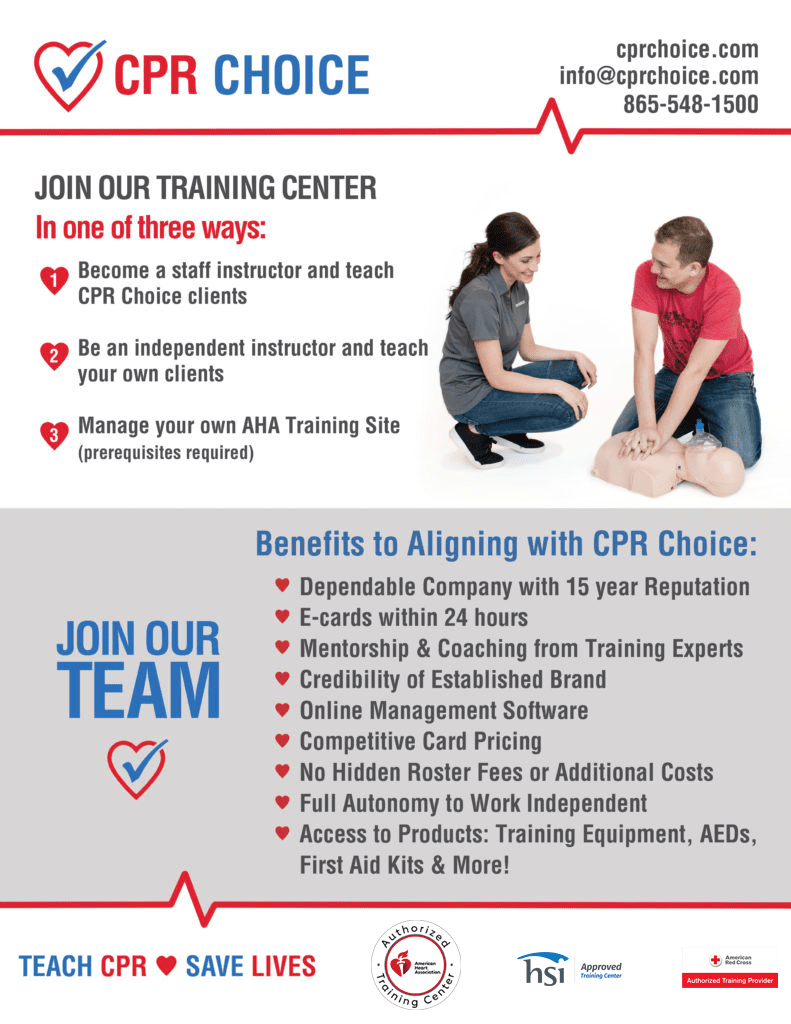
Source : cprchoice.com
Potential Ongoing Annual Costs
- Instructor Certification Renewal Fee (every 2 years): Let’s estimate $100/year average.
- Liability Insurance: Could be $300 – $600 annually, depending on coverage. Let’s say $450/year.
- Continuing Education/Update Courses: Budget $100 per year average.
- Replacement of Training Materials (e.g., manikin parts, AED pads): Variable, but budget $50/year.
Total Estimated Ongoing Annual Cost: Approximately $700.
This shows that while the initial hurdle might seem manageable, the ongoing commitment requires consistent financial planning. It’s an investment, not a one-off purchase. You can find more detailed cost discussions at resources like CPR Training School, which offers a Full guide to these expenses.
The Requirements Checklist: What You Absolutely Need
Let’s boil it down. Forget the fluff. What are the absolute must-haves to even be considered for instructor training? This is your bare-bones checklist. If you don’t have these, stop reading and go get them first.
Requirement 1: Valid Provider Certification
As stressed before, you need to be a current, certified provider in the discipline you wish to teach. This means holding an active card from a recognized agency (like AHA or Red Cross) for the specific course(s) – e.g., BLS, Heartsaver CPR/AED/First Aid. No exceptions. This is the foundation upon which everything else is built. Without this, you’re not even in the game.
Requirement 2: Demonstrated Skills Proficiency
You can’t just have the card; you need to show you can do it. During the instructor course, you’ll be evaluated on your practical skills. This means performing CPR on a manikin correctly, using an AED device properly, and demonstrating the steps for choking relief. Competency is non-negotiable. They’re looking for near-perfect execution.
Requirement 3: Access to Technology and Internet
So much of modern instructor training is online. You’ll need reliable internet access to complete online modules, take tests, and potentially register students. A decent computer or tablet is also Needed. If you’re not tech-savvy, this could be a stumbling block. Welcome the digital age, or find a training center that offers Strong in-person alternatives.
Requirement 4: Commitment to Teaching and Mentorship
Most organizations want instructors who are committed. This often means teaching a certain number of courses per year to maintain your affiliation with a Training Center. They may also require you to be mentored by an experienced instructor initially, or have a Training Center Coordinator monitor your first few classes. It’s about quality control and ensuring you develop into a confident, capable educator.
The Value Proposition: Why It’s Worth the Investment
Okay, we’ve talked costs and requirements. It sounds like a lot, right? But let’s flip the coin. Why do people bother? Because the return on investment, both tangible and intangible, is massive. It’s not just about the money you might make; it’s about the skills you impart and the impact you have.
Empowering Others with Life-Saving Skills
This is the big one. The emotional and societal ROI. You are literally teaching people how to save a life. Think about the ripple effect. One person trained might save a family member, a friend, a stranger. You become a Driver for preparedness in your community. That feeling? Priceless. You’re contributing directly to public health and safety. That’s a powerful motivator that goes way beyond a paycheck.
Professional Development and Credibility
Becoming a certified instructor adds a significant credential to your resume. It demonstrates leadership, expertise, and a commitment to safety. It can open doors to new career opportunities, enhance your current role (especially in healthcare or education), or even Act as a springboard for starting your own training business. Your professional credibility gets a serious boost.
Potential for Supplemental or Full-Time Income
Let’s not ignore the financial aspect. While you won’t get rich overnight, CPR instruction can provide a steady stream of supplemental income. Teach a few classes a month on evenings or weekends, and you can significantly boost your earnings. For some, it grows into a full-time business, offering a flexible and rewarding career. The earning potential varies wildly based on location, demand, and your business acumen, but it’s definitely there. It’s a viable way to earn income.
Flexibility and Autonomy
As an instructor, particularly if you affiliate with a training center or start your own, you often have a high degree of flexibility. You can often set your own schedule, choose the courses you want to teach, and decide where and when you want to work. This autonomy is incredibly appealing for those seeking work-life balance or a career that fits around other commitments. You’re the boss of your training schedule.
Making the Financial Decision: Is It Right for You?
So, crunching all the numbers, assessing the requirements – is becoming a CPR instructor the right move for you? It depends on your goals, your resources, and your commitment. It’s not a decision to take lightly, but it’s also not insurmountable.
Assessing Your Personal Financial Situation
Be honest with yourself. Can you afford the upfront costs? Do you have a buffer for potential ongoing expenses? If finances are extremely tight, you might need to save up or explore more budget-friendly certification options. Perhaps starting with just a provider certification and teaching under someone else’s umbrella first is a better initial step. Evaluate your personal budget carefully.
Understanding Your Time Commitment
It’s not just about the money you pay; it’s about the time you invest. The initial training can take several days or spread out over weeks. Maintaining your certification requires ongoing teaching and learning. Are you willing and able to commit that time? Think about how this fits into your current life. Your time commitment is as valuable as your money.
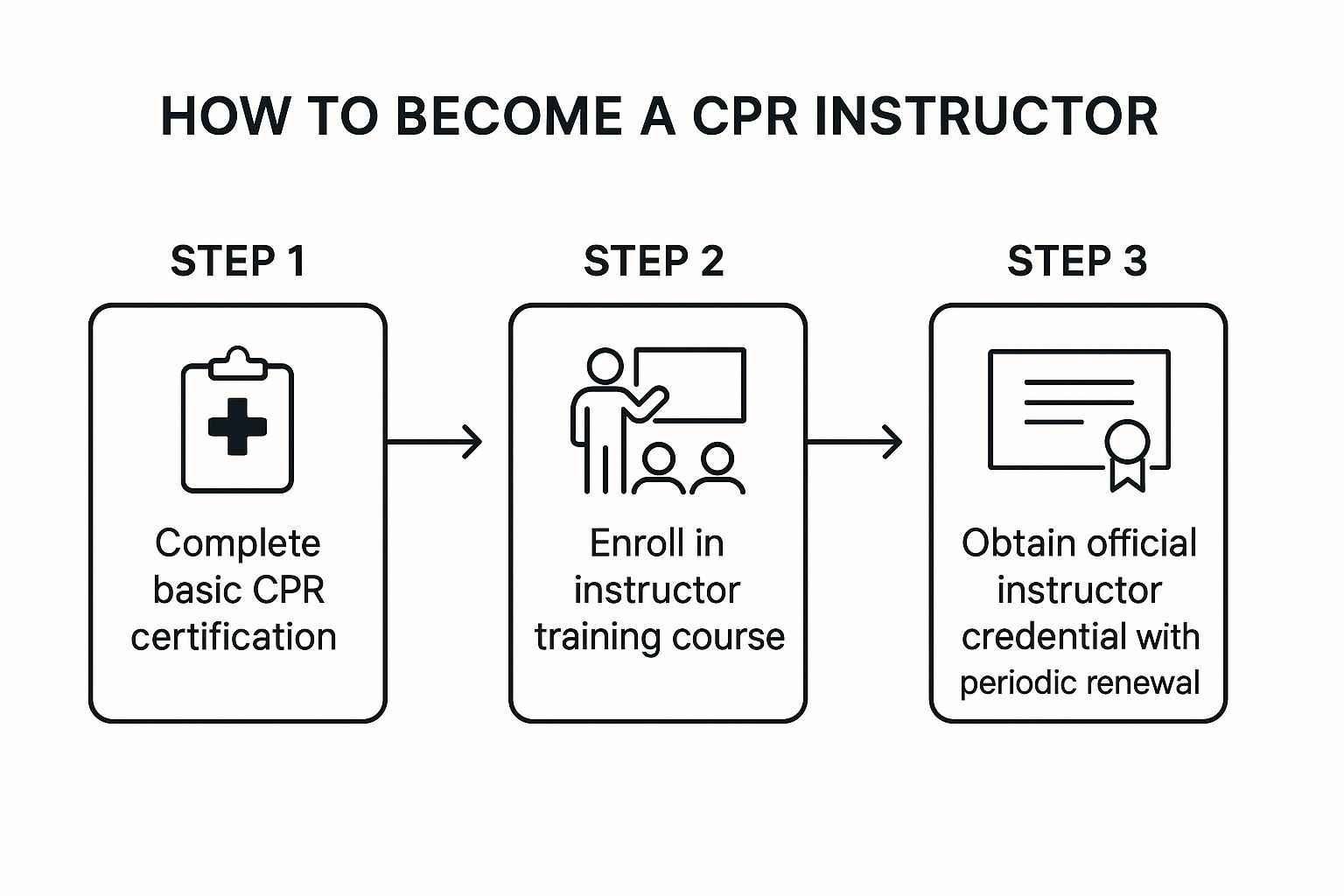
Source : readyresponsepa.com
Evaluating Your Local Market Demand
Is there a need for CPR instructors in your area? High demand means more opportunities to teach, potentially higher earnings, and a quicker return on your investment. Research local hospitals, community colleges, businesses, and fire departments. See who is offering classes and if there’s a gap you could fill. Understanding the local demand is Key for success.
Long-Term Goals vs. Short-Term Costs
Are you looking for a way to make a little extra cash on the weekends? Or do you envision building a full-fledged training business? Your long-term goals will heavily influence whether the costs and requirements are justified. For a short-term goal, the investment might seem high. For a long-term career, it’s likely a bargain. Weigh the long-term benefits against the immediate expenses.
Preparing for Success: Tips for Aspiring Instructors
You’ve decided to go for it. Awesome! Now, how do you make sure you succeed and don’t just burn through cash? A little preparation goes a long way.
Choose the Right Certifying Organization and Training Center
As discussed, do your research. Compare AHA, Red Cross, and others. Within those, compare Training Centers. Look for positive reviews, understand their fee structure clearly, and see what kind of support they offer new instructors. A good Training Center is your partner in success. Don’t just pick the cheapest or the closest. Pick the best fit for you.
Network with Experienced Instructors
Talk to people who are already doing it. Ask them about their experiences, the challenges they faced, and their biggest tips. They can offer Crucial insights into the real-world aspects of teaching CPR that you won’t find in a manual. Building a network can lead to mentorship opportunities and future collaborations. Your network is your net worth.
Invest in Quality Teaching Materials
While you have to buy them, don’t skimp on quality. Make sure your manikins are in good working order, your AED trainers function correctly, and your supplies are clean and readily available. Happy students and effective training come from good resources. You might even consider investing in a second manikin or a more advanced training device if your budget allows. Quality teaching materials matter.
Practice, Practice, Practice!
Remember those skills you demonstrated? Keep practicing them. Practice your teaching delivery, your explanations, and your scenario management. The more comfortable and proficient you are, the better instructor you’ll be. Confidence comes from preparation. Run through class scenarios in your head, or even out loud. Consistent practice builds expertise.
Frequently Asked Questions
How much does it cost to become certified to teach CPR?
Because costs can totally vary, but generally, you’re looking at anywhere from $100 to $300 for the initial training and materials. Some organizations might have slightly different price points, so it’s good to shop around a bit. This usually covers your instructor course fees, a manual, and maybe some basic supplies. Always check with the specific CPR certification provider you’re interested in.
Is being a CPR instructor profitable?
But yeah, it can be! The profitability really depends on how much you teach and what you charge. You can set your own rates or work for an organization. Think about teaching private classes, corporate training, or even community events. The more classes you can fill, the better your earning potential. It’s a great way to earn some extra cash or even make it a full-time gig if you’re dedicated to CPR education.
How long does it take to become a CPR instructor?
Because it’s not usually a super long process. Most certification programs can be completed in a weekend or spread out over a few days. You’ll have some online coursework, followed by an in-person skills session and a final exam. So, you could potentially be ready to teach within a week or two, depending on your schedule and the program’s structure. Quick, right?
Is there a demand for CPR instructors?
But absolutely! There’s a pretty consistent demand for CPR instructors. Think about it: workplaces, schools, healthcare facilities, community groups – they all need certified individuals to teach CPR. Plus, certifications expire, so there’s always a need for recertification training. It’s a skill that’s always in demand, making it a stable field to get into.
What are the basic requirements to become a CPR instructor?
Because you generally need to have a current CPR certification yourself, like Basic Life Support (BLS) or Heartsaver, depending on the instructor level you’re pursuing. You’ll also need to pass an instructor course, which includes demonstrating proficiency in CPR skills and teaching techniques. Some providers might have a minimum age requirement, usually 18, and a certain level of education or experience might be beneficial, but not always strictly required. It’s all about proving you can teach the life-saving techniques effectively.
