So, You Want to Lead Silver Sneakers? Here’s the Real Deal.
Forget fancy degrees for a sec. If you’ve got a passion for keeping our seniors active and you’re itching to lead some fun group exercise, then teaching Silver Sneakers might just be your jam. But hold your horses. It’s not just about showing up with a smile and a killer playlist (though that helps!). There are a few hoops you’ll need to jump through. Let’s break down what you actually need to get your foot in the door.
The Absolute Basics: What You Can’t Live Without
Source : yumpu.com
First things first, let’s talk essentials. You can’t just waltz into a community center and start shouting out jumping jacks. There are some non-negotiables here, things Tivity Health (the folks behind Silver Sneakers) are pretty firm on. Think of it as the price of admission to a rewarding gig.
Age & Eligibility Criteria
You gotta be of legal age, obviously. But beyond that, Silver Sneakers looks for instructors who understand the unique needs of older adults. This means you’re likely looking at being 18 years or older. It sounds simple, but it’s the first hurdle. No teenybopper instructors here!
Physical Health Requirements
This one’s a no-brainer, right? You’re leading exercise classes for seniors. You need to be in decent shape yourself. We’re not talking marathon runner, but you should be able to demonstrate movements safely and have the stamina to get through a class without needing a nap afterwards. A demonstrable level of fitness is key.
Background Check: The Necessary Evil
Just like working with kids, working with seniors means safety is Top. You’ll definitely need to pass a background check. This is standard procedure for most organizations working with vulnerable populations. It ensures peace of mind for everyone involved. Expect this to be part of the application process.
CPR/AED Certification: Non-Negotiable
This is HUGE. You absolutely, positively must have a current CPR (Cardiopulmonary Resuscitation) and AED (Automated External Defibrillator) certification. Accidents happen, and knowing how to respond in an emergency is critical. This isn’t just a suggestion; it’s a hard requirement. You’ll need proof, so keep that card handy!

Source : patch.com
Certification: Where the Magic (and Paperwork) Happens
Okay, so you’ve got the basic checkboxes ticked. Now, let’s get to the meat of it: the certifications. This is where you prove you actually know what you’re doing and aren’t just winging it. Silver Sneakers, rightly so, wants qualified professionals.
The SilverSneakers Foundations Course
This is your gateway. Tivity Health offers a specific course called the SilverSneakers Foundations program. It’s designed to teach you the ins and outs of instructing older adults, covering everything from anatomy and exercise modifications to program structure and member engagement. You can find details about it online, and it’s a must-do. Seriously, check out this SilverSneakers Foundations course for the lowdown.
Accredited Fitness Certification: The Big Leagues
Beyond the Foundations course, you’ll need a certification from a recognized fitness organization. Think along the lines of ACE, NASM, or ACSM. These certifications prove you have a solid understanding of exercise science, program design, and client assessment. It’s a serious credential. They want to see that you’ve gone through rigorous training. Without one of these, you’re likely out of luck.
Specialty Certifications (The Bonus Round)
While not always strictly mandatory for basic Silver Sneakers classes, having specialty certifications can really make you stand out. Think about certifications in:
- Senior Fitness: Obviously a great fit.
- Functional Training: Great for everyday movements.
- Balance and Stability: Key for the senior demographic.
- Water Aerobics: If you plan to teach those types of classes.
These show a deeper commitment and expertise. It makes you a more versatile and valuable instructor.
Experience Counts: Show Me What You’ve Got
Paper qualifications are one thing, but real-world experience is another. Silver Sneakers partners with various organizations, and these partners often look for instructors who have a proven track record. They want to know you can handle a group and make it effective.
Previous Group Fitness Experience
Have you taught Zumba? Spin? Yoga? Any kind of group fitness background is a plus. It shows you understand group dynamics, how to cue effectively, and how to manage energy in a room. If you’ve taught classes before, highlight that experience on your application. It speaks volumes.
Working with Older Adults (Directly or Indirectly)
Even if it wasn’t formal fitness instruction, have you worked with seniors before? Maybe in a community center, a care facility, or even volunteering? This kind of experience demonstrates empathy and an understanding of the challenges and joys of this age group. It’s about connection as much as exercise.
Building Rapport and Engagement
Can you connect with people? Can you make them feel seen and motivated? This is the art of teaching. Instructors who can build strong rapport and keep participants engaged are the ones who get rehired and recommended. It’s not just about the movements; it’s about the people. A good instructor makes everyone feel welcome.
Partnering with SilverSneakers: The Ins and Outs
So, how do you actually get a Silver Sneakers class? It’s usually through their network of partners. You’re not typically an employee of Silver Sneakers itself, but rather an instructor hired by a facility that participates in the program.
Source : tools.silversneakers.com
Understanding the Partner Network
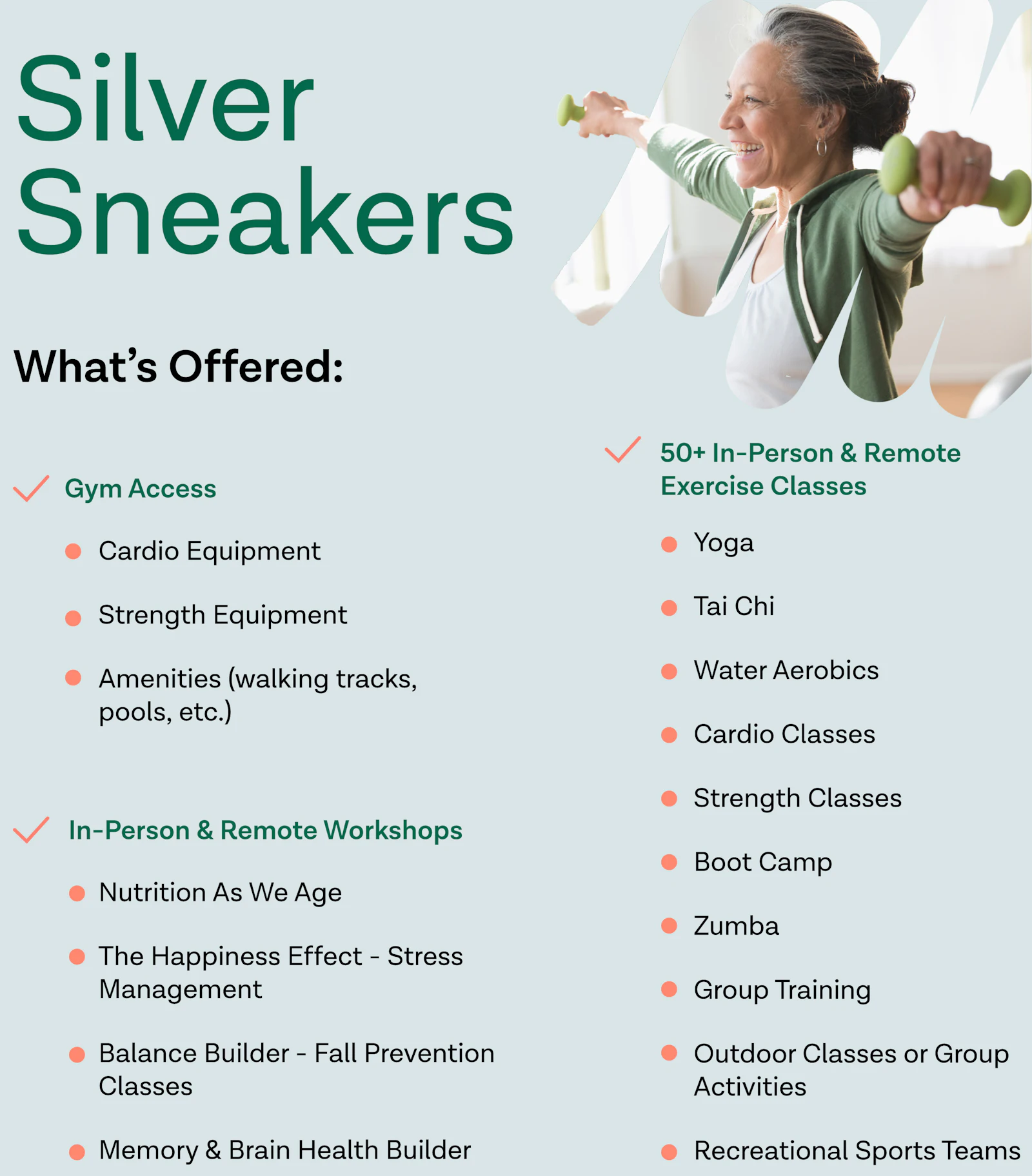
Silver Sneakers works with thousands of fitness centers, YMCAs, community centers, and other health and wellness locations across the country. Your first step is often to find out which of these locations near you are partners. Then, you approach them about teaching Silver Sneakers classes. You can learn more about their partnerships here: SilverSneakers Instructor Partnerships.
The Application and Interview Process
Each partner facility will have its own hiring process. Expect to submit a resume, provide copies of your certifications, and likely go through an interview. Some might even ask for a demo class. Be prepared to showcase your personality and teaching style. They want to see your passion!
Negotiating Your Role and Schedule
Once you’re approved, you’ll typically work as an independent contractor or part-time employee for the facility. This means you’ll discuss your class schedule, pay rates, and responsibilities directly with the location. Flexibility is often a perk of these roles.
Handling Different Class Formats
Silver Sneakers isn’t just one-size-fits-all. They offer a few different class types, and your certification or interest might lean towards one over another. Knowing the options helps.
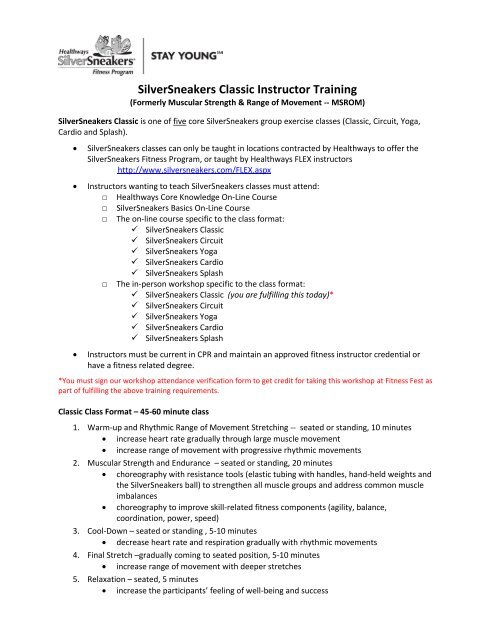
SilverSneakers Classic
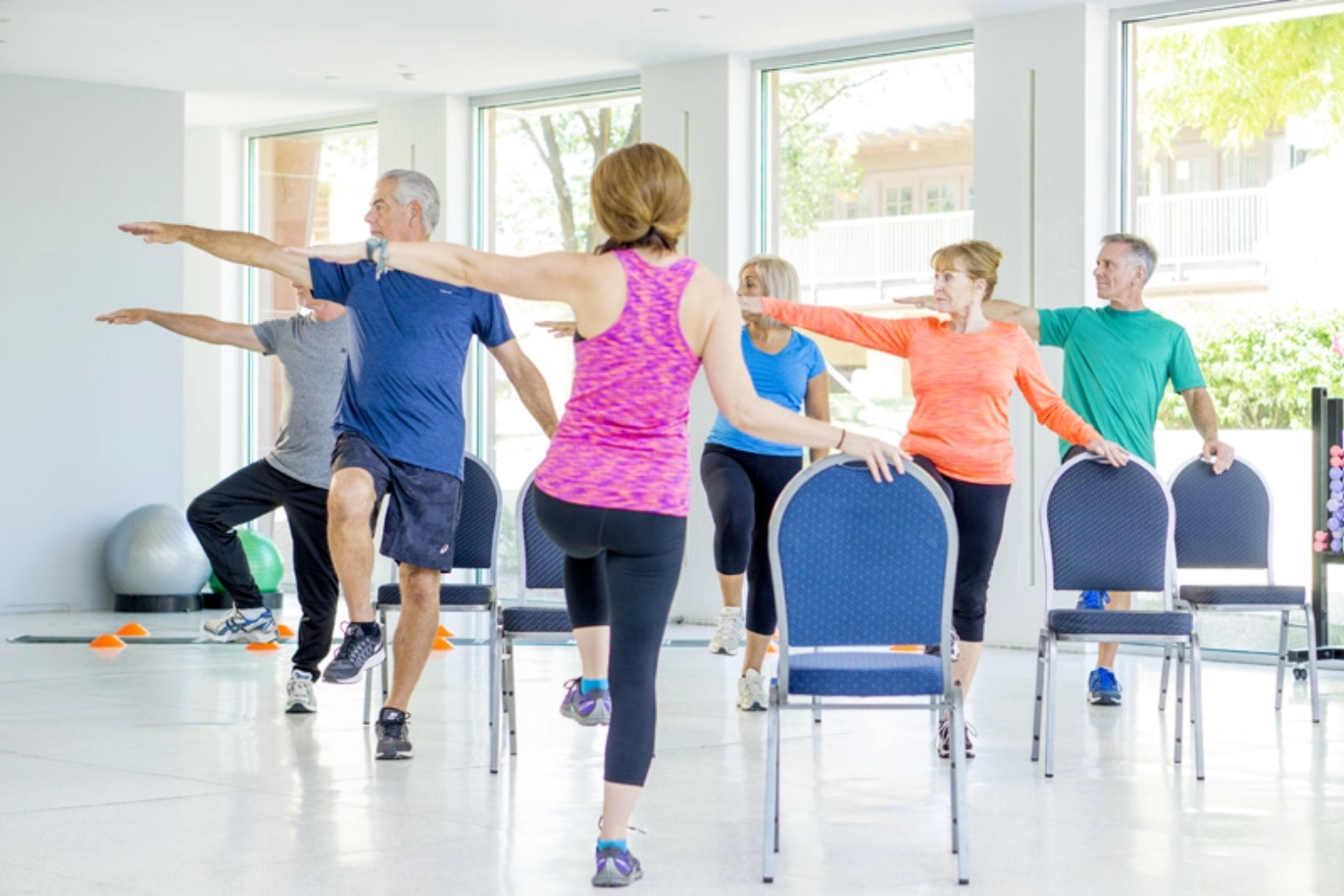
This is the bread and butter. Focuses on muscular strength, body composition, and functional fitness. It’s adaptable for varying fitness levels. Think seated or standing exercises using resistance bands and light weights. It’s about building strength for everyday life.
SilverSneakers Cardio & Strength
A bit more Active. This class blends cardiovascular conditioning with strength training. It’s designed to improve heart health and endurance while still incorporating resistance exercises. It’s a good step up for those looking for a bit more intensity.
SilverSneakers Circuit
Involves moving through different stations with various exercises. This format can incorporate strength, flexibility, and cardio elements. It keeps things varied and engaging, preventing boredom and working different muscle groups efficiently.
SilverSneakers Yoga
Focuses on improving flexibility, balance, and relaxation. Uses gentle stretching and poses, often adapted for seated positions. It’s fantastic for mobility and stress reduction. This requires a specific knack for mindful movement instruction.
Financials & Compensation: What’s In It For You?
Let’s be real, you need to earn a living. Understanding how instructors are compensated is Key before diving in. It’s not always a full-time salary, but it can be a great way to supplement income or build a part-time career.
Source : oakstreethealth.com
Typical Pay Structures
Most Silver Sneakers instructors are paid either per class or an hourly rate. This varies wildly depending on the facility, your experience, and your location. Some might offer a flat fee per 45-minute or 60-minute class. Others pay an hourly wage for your time spent teaching and prepping. It’s rare to find benefits unless you’re hired directly by a larger chain.
Factors Influencing Your Earnings
Your pay rate hinges on several things:
- Your Certifications: More certs often mean higher pay.
- Your Experience: Seasoned instructors command more.
- Location: Cost of living impacts rates. Big cities pay more.
- Facility Type: A high-end gym might pay more than a small community center.
- Class Demand: Popular classes might justify higher rates for the instructor.
The Value Beyond the Paycheck
Don’t forget the intangible benefits! The joy of helping seniors improve their health, the community you build, the personal satisfaction – these are huge. For many, teaching Silver Sneakers is less about the money and more about making a difference. It’s incredibly fulfilling work.
A Quick Look at Instructor Requirements Comparison
Here’s a simplified breakdown of what you generally need, compared to other common fitness roles. It highlights where Silver Sneakers sits in terms of requirements.
| Requirement | Silver Sneakers Instructor | General Group Fitness Instructor | Personal Trainer |
|---|---|---|---|
| Age (Min) | 18+ | 16-18+ | 18+ |
| CPR/AED Cert | Required | Often Required | Required |
| Specialized Course | SilverSneakers Foundations | None Specific | General Cert (NASM, ACE etc.) |
| General Fitness Cert | Required (e.g., ACE, NASM) | Often Preferred | Required |
| Experience Focus | Seniors, Group Dynamics | Group Class Delivery | One-on-One Training |
Final Thoughts: Are You Ready to Lead?
Teaching Silver Sneakers classes is a genuinely rewarding path. You get to make a tangible difference in the lives of older adults, helping them stay healthy, independent, and socially connected. It requires dedication, the right certifications, and a heart for service. But if you’ve got those things, and you’re willing to put in the work to meet the requirements, you’ll find it’s an incredibly fulfilling role. So, get certified, get inspired, and get ready to lead!
Frequently Asked Questions
What qualifications do I need to teach group fitness classes?
Typically, you’ll need a basic certification, like one from ACE or NASM, and CPR certification. Some places might want specific training for certain formats, but a solid foundation is key. Gotta be ready to keep everyone safe and motivated!
Do SilverSneakers instructors get paid?
Yeah, they usually do! Pay structures can vary. Some are employed by the fitness facility, others might be independent contractors. The pay often depends on the facility and your experience, but it’s definitely a paid gig.
Do you need a certification to teach group fitness?
For most reputable places, absolutely yes. A recognized group fitness certification shows you know your stuff and can safely lead a class. CPR is also a must. It’s about professionalism and safety, you know?
How much do group fitness instructors get paid per class?
It really bounces around. Depending on your location, experience, and the gym’s pay scale, you could see anywhere from $20 to $60 or even more per class. Some instructors make a flat rate, others might get a cut of membership fees if they bring in clients.
What kind of insurance do I need as a group fitness instructor?
Good question! You’ll likely want to look into liability insurance. This protects you in case someone gets hurt during your class. It’s a pretty standard requirement, especially if you’re working independently or with facilities that require it.
