Forget Fancy Titles, Let’s Talk Real Project Management Certs for Rookies
So, you wanna wrangle projects, huh? Think you can just waltz in and start bossing people around like a seasoned pro? Nah. Not gonna happen without some ammo. And I’m not talking about your uncle’s golf clubs. I’m talking about certifications. The real deal for beginners.
Look, everyone starts somewhere. You’re not gonna be leading the charge on the next Mars mission right out of the gate. But you can absolutely get your foot in the door, prove you’ve got the brains, and show employers you’re not just blowing smoke. That’s where these entry-level project management certifications come in.
Forget the stuffy, jargon-filled textbooks for a second. We’re diving into what actually matters to get you hired. What signals to that hiring manager that you’re worth a shot, even if your resume looks thinner than a supermodel’s Thanksgiving dinner invitation.
It’s about making yourself stand out. In a sea of applicants, a cert is a Guide. A signal that says, “Hey, I’ve done the work. I know the lingo. I’m ready.
And let’s be honest, the world of project management can be a bit… daunting. So many acronyms! So many methodologies! It’s enough to make your head spin. But that’s precisely why a solid, beginner-friendly certification is your best first move.
Why Bother With a Certification at All?
Seriously, why invest your time and hard-earned cash? Isn’t experience king? Well, yes and no. Experience is gold, sure. But what if you don’t have any yet? Or you’re transitioning from a totally different field?
A certification is your shortcut. It’s a way to demonstrate core competencies without needing five years of “managing” spreadsheets and ordering office supplies. It shows you’ve taken the initiative to learn the fundamental project management principles.
Think of it like this: you wouldn’t hire a chef who’d never cooked a meal, right? A certification is like showing you’ve graduated culinary school, even if your only “restaurant” experience is making killer grilled cheese. It validates your knowledge. It’s tangible proof.
It’s Not Just About the Paper (Though That’s Nice Too)
The real value isn’t just the shiny certificate you hang on your wall (or, let’s be real, the digital badge you slap on LinkedIn). It’s the learning. The process of studying Provides you with the vocabulary, the tools, and the mindset that project managers use every single day.
You’ll start understanding things like scope, risk, stakeholders, and deliverables. You’ll learn about different ways to approach a project – Waterfall, Agile, Scrum. It’s like getting a secret decoder ring for the corporate world. Suddenly, all those meetings won’t sound like they’re in a foreign language.
Plus, having that knowledge under your belt makes you a more confident candidate. You can answer interview questions with more authority. You won’t be fumbling when they ask about your understanding of project lifecycle phases.
Standing Out in a Crowded Job Market
Let’s face it, the job market is brutal. Especially for entry-level roles. Everyone’s trying to get their foot in the door. How do you make your application rise above the rest? A certification is a differentiator.
Hiring managers are busy. They scan resumes. A certification pops. It’s a quick signal that you’re serious about this career path. It means you’ve invested in yourself, and you’re willing to put in the effort. This project management credential can be the tie-breaker.
It’s especially Key if you lack direct project management experience. Instead of a glaring gap, you’ve got a proactive step highlighted. It shows foresight. It shows dedication. These are qualities employers crave, no matter your level.
The “Beginner” Advantage: Focusing Your Efforts
The world of PM certifications can be overwhelming. PMP? CAPM? Prince2? CompTIA? Google? IBM? It’s a minefield. Trying to tackle the most advanced ones first is like trying to run a marathon without walking.
That’s why we’re focusing on the best entry-level project management certification options. These are designed for people just starting out. They cover the foundational knowledge without demanding years of prior experience. It’s the smart way to build your foundation.
Picking the right one early on can set you on the right track. It helps you build specific skills and knowledge relevant to the roles you’re applying for. Don’t just grab any certificate; grab the right one.
The Top Contenders: Your Go-To Certs for Newbies
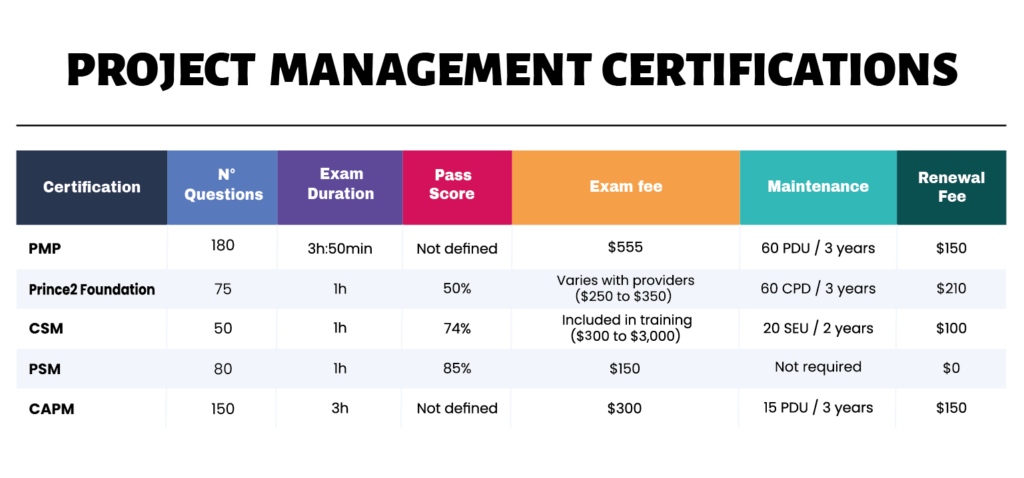
Source : spoclearn.com
Alright, enough preamble. Let’s get down to brass tacks. What are the actual certifications you should be looking at? We’ve sifted through the noise to bring you the ones that pack the most punch for beginners. These are the ones that hiring managers actually recognize and value.
We’re talking about certifications that offer a solid understanding of project management principles without requiring you to have managed a Fortune 500 company’s budget for the last decade. These are your stepping stones.
Each one has its own flavor, its own strengths. Think about what kind of industries you’re interested in, what kind of companies you want to work for. That’ll help steer you.
Certified Associate in Project Management (CAPM)® – The PMI Standard
Okay, let’s talk about the big dog’s little brother: the CAPM. This certification is from the Project Management Institute (PMI), the same folks who bring you the gold-standard PMP. If you’re aiming for a career in project management, getting familiar with PMI’s offerings is a smart move.
The CAPM is specifically designed for individuals with little or no project management experience. It’s your formal introduction to PMI’s methodology and terminology. Think of it as the Needed primer before you tackle anything more advanced. It’s a fantastic starting point.
To get it, you need a secondary degree (high school diploma or equivalent) AND either 23 hours of project management education/training or 1,500 hours of experience on a project team. The education hours are usually the easier path for beginners, often fulfilled through specific courses. The exam itself tests your knowledge of the foundational concepts outlined in PMI’s PMBOK® Guide.
Why is it good? It shows you understand the core concepts and processes. It signals to employers that you’ve been formally trained in project management fundamentals according to a globally recognized standard. Many companies look for this as a baseline, especially for junior roles. It’s a respected beginner certification.
CompTIA Project+ – The Vendor-Neutral All-Rounder
Next up, we’ve got CompTIA Project+. If you like the idea of being vendor-neutral and covering a broad spectrum of project management knowledge, this is your jam. CompTIA is known for its IT certifications, but Project+ is their dedicated PM offering, and it’s aimed squarely at beginners and those who need a foundational understanding.
What makes it cool is its focus on the entire project life cycle. It covers everything from initiation and planning to execution, monitoring, controlling, and closing. Plus, it delves into core project management concepts, methodologies (like Agile and Waterfall), risk management, change management, and project documentation. It’s a Full overview.
The best part? No specific experience required. You just need to pass the exam. This makes it incredibly accessible for someone just starting out, perhaps even someone in an IT role who wants to add project management skills to their resume. It’s perfect for understanding the project management workflow.
It’s recognized across various industries, particularly those with a strong IT component. If you’re looking to manage IT projects or gain foundational PM skills without committing to a specific methodology early on, CompTIA Project+ is a solid, accessible choice.
Google Project Management Certificate – The Practical, Real-World Focus
This one’s a bit different. It’s not a traditional “certification” in the sense of a single proctored exam after studying a standard. Instead, the Google Project Management Certificate is a series of courses delivered on Coursera. It’s designed to be highly practical and job-ready, focusing on skills employers are actively seeking. It’s part of many entry-level career path initiatives.
Offered through Coursera, this program covers Needed project management concepts, Agile and Waterfall methodologies, communication, stakeholder management, and risk management. It’s very hands-on, with opportunities to practice skills through simulated real-world scenarios and projects. Think of it as an immersive training program that culminates in a certificate.
What’s the draw? It’s directly developed by Google, a company notorious for its innovation and operational efficiency. It emphasizes practical application and portfolio-building. Completing it provides you with projects you can showcase to potential employers. It’s about learning by doing.
This certificate is excellent for absolute beginners, career changers, or those who learn best through interactive online modules. It positions you well for entry-level roles like Project Coordinator, Junior Project Manager, or Project Assistant. It’s a modern approach to certification.
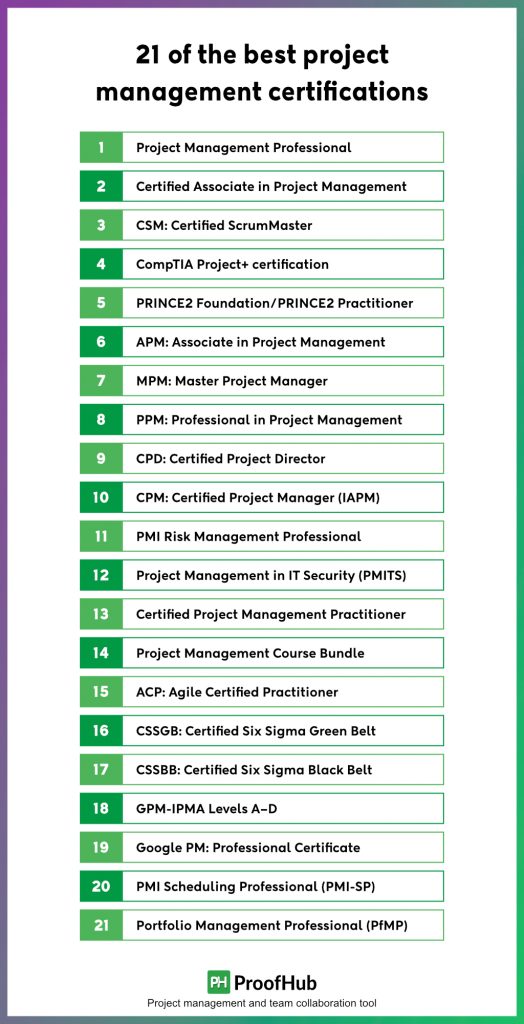
Source : proofhub.com
IBM Project Manager Professional Certificate – Another Strong Online Option
Similar to the Google offering, the IBM Project Manager Professional Certificate is another Strong online program, typically found on Coursera. IBM, a titan in the tech industry, brings its extensive experience to bear in this program, focusing on developing job-ready project management skills.
This certificate covers a wide array of project management topics, often including foundational principles, Agile methodologies (like Scrum), risk management, stakeholder engagement, and project planning tools. It’s designed to equip learners with both the theoretical knowledge and the practical skills needed to succeed in entry-level PM roles.
The IBM certificate often includes hands-on projects and assignments that help solidify learning and build a portfolio. This practical element is Key for demonstrating competence to employers when you don’t have extensive work history. It’s a skill-building powerhouse.
It’s a great option for those who prefer a structured, online learning environment from a reputable tech giant. It prepares you for roles such as Project Coordinator, Associate Project Manager, or Project Analyst. It’s a solid, reputable choice for beginners.
Deep Dive: CAPM® – Is It Your Best First Step?
Let’s zoom in on the CAPM. The Certified Associate in Project Management. For a long time, this has been the go-to for folks just dipping their toes into the project management waters. And for good reason. It’s the little sibling to the almighty PMP, and that pedigree means something.
If you’re serious about making project management your career, understanding the PMI ecosystem is almost non-negotiable. Getting the CAPM early on is like learning the alphabet before you start writing novels. It sets the foundation.
But is it the right foundation for everyone? Let’s break down what it really means to pursue this particular certification. We’ll look at who it’s best for, the hurdles you’ll face, and why it holds its weight in the job market.
Who Should Seriously Consider the CAPM?
First off, if you have limited or no project experience, the CAPM is tailor-made for you. It’s literally in the name: “Associate.” It acknowledges that you’re building your experience. It’s designed to validate your understanding of foundational knowledge.
It’s also fantastic for students or recent graduates looking to enter the field. Or maybe you’re currently in a role adjacent to project management – like a team member, analyst, or coordinator – and you want to formalize your knowledge and move towards managing projects yourself. It’s a clear career progression marker.
Are you someone who prefers a structured, globally recognized framework? PMI is that framework. If you anticipate working for larger organizations or in industries that heavily rely on PMI standards (which is a lot of them!), then starting with the CAPM aligns perfectly with that path. It’s about playing the long game.
The CAPM Requirements: Are You Eligible?
Okay, so what’s the barrier to entry here? It’s not sky-high, but it’s not non-existent either. You can’t just walk in off the street. PMI wants to see some commitment.
Here’s the breakdown: You need a high school diploma, GED, or equivalent. That’s the baseline. Then, you have two paths:
- Option 1: Education Hours. You need 23 hours of formal project management education or training. This is usually satisfied by completing specific courses or training programs. Many online platforms offer these courses, often bundled.
- Option 2: Project Experience (Less Common for Beginners). Alternatively, you can have 1,500 hours of experience working on a project team. This is tougher for true beginners, hence why most opt for the education hours.
You’ll need to document this eligibility when you apply. And yes, PMI audits applications, so be honest! The CAPM eligibility criteria are there for a reason. It ensures a baseline understanding before you sit for the exam.
The CAPM Exam: What to Expect
The exam itself is a 3-hour, 150-question multiple-choice test. It’s based on the PMBOK® Guide (currently 7th edition, with foundational concepts aligned across recent editions) and the Exam Content Outline. It covers a wide range of knowledge areas, including the project environment, agile/adaptive methods, and the role of the project manager.
It’s rigorous. It’s designed to test your understanding of the processes, tools, and techniques. You won’t just be guessing; you’ll need to know the material. This is where dedicated study is Key. Many people take prep courses or use study guides specifically designed for the CAPM.
Passing it signifies you’ve grasped the core principles that PMI promotes. It shows you can speak the language and understand the systematic approach to managing projects. The CAPM exam difficulty is real, but manageable with preparation.
CAPM vs. PMP: Why Start with the Associate?
This is a common question. Why not just go straight for the PMP? Well, the PMP (Project Management Professional) is the big league. It requires 36 months (or 4,500 hours) leading projects if you have a four-year degree, or 60 months (or 7,500 hours) if you have a secondary degree. That’s a lot of experience.
The CAPM is your gateway. It proves you have the foundational knowledge before you rack up all that experience. It’s a way to get certified recognition while you’re still building your resume. Many people get their CAPM first, then pursue the PMP later once they meet the experience requirements.
Think of it as earning your stripes. The CAPM shows you know the rules of engagement. The PMP shows you’ve proven those rules in the trenches. Starting with CAPM makes the PMP journey significantly smoother. It’s a strategic career move.
CompTIA Project+: The IT Pro’s PM Stepping Stone
Let’s pivot to CompTIA Project+. If your background or aspirations lean heavily towards the technology sector, this certification is a really smart play. CompTIA has a solid reputation in the IT world, and Project+ fits perfectly into that ecosystem. It’s not just for certified IT pros, though.
What I love about Project+ is its vendor-neutral stance. It doesn’t tie you to one specific methodology or software. Instead, it focuses on the universal principles and practices of project management that apply across the board. This flexibility is gold when you’re starting out and figuring out where you fit.
It’s designed for people who need to understand project management but might not be aiming to be a full-time PM right away, or maybe they’re in a role where project management is part of their job. Think IT specialists, business analysts, or even team members who want to contribute more effectively.
Why Project+ Makes Sense for IT-Focused Beginners
The tech industry thrives on projects – new software rollouts, system upgrades, network implementations. Having a project management certification signals that you understand how to manage these initiatives effectively. CompTIA Project+ bridges that gap perfectly.
It covers the entire project life cycle, from initiation through closing, and emphasizes core competencies like planning, communication, risk management, and change control. It uses terminology that resonates within the tech world but is also broadly applicable. It’s a practical skillset for tech.
Crucially, there are no prerequisites for CompTIA Project+. No years of experience required, no specific educational background needed. You just need to pass the exam. This makes it incredibly accessible for anyone looking to add project management skills, particularly those already in or transitioning into IT roles. It’s an entry point with tangible value.
Understanding the Project+ Exam Structure
The Project+ exam (currently PK0-005) is a single test that covers a broad range of project management topics. It’s typically computer-based and focuses on practical application rather than just rote memorization. The exam is divided into domains:
- Project Management Concepts (25%): Covers foundational principles, project life cycles, and methodologies.
- Project Initiation (15%): Focuses on defining project scope, objectives, and deliverables.
- Project Planning (25%): Deals with developing schedules, budgets, resource plans, and risk management strategies.
- Project Execution & Change Management (20%): Covers managing tasks, communication, stakeholders, and handling changes.
- Project Monitoring & Control (15%): Focuses on tracking progress, managing issues, and reporting performance.
The questions often present scenarios, asking you to choose the best course of action. This makes it feel more like real-world problem-solving. CompTIA provides a detailed exam objective list, which is your roadmap for studying. Mastering these objectives is key to acing the Project+ exam.
Project+ vs. CAPM: Which Path to Choose?
This is where personal preference and career goals really come into play. Both are excellent for beginners. If you see yourself deeply embedded in the traditional PMI framework and potentially aiming for PMP down the line, CAPM is a natural fit. It’s globally recognized and strongly aligned with PMI standards.
However, if you’re in or targeting the IT industry, value vendor neutrality, and prefer a certification that doesn’t require a formal education component beforehand, CompTIA Project+ shines. It’s often seen as more accessible in terms of prerequisites and perhaps slightly more focused on the practical execution aspects relevant to IT projects. It’s a strong contender for IT professionals.
Job descriptions you’re looking at. Do they mention PMP or PMI frameworks? Go CAPM. Do they emphasize IT projects, agility, and practical skills without strict methodology adherence? Project+ might be the better bet. Both will Strengthen your resume significantly, but the choice depends on your intended trajectory. It’s about finding the best fit for your ambition.
Beyond the Exam: Continuous Learning with CompTIA
One thing to remember about CompTIA certifications, including Project+, is that they often require renewal. This encourages continuous learning, which is Key in the ever-evolving fields of IT and project management. Usually, this involves earning continuing education units (CEUs) or retaking a current version of the exam.
This renewal process ensures that your knowledge stays current. For Project+, it means keeping up with evolving methodologies, tools, and best practices. It’s a built-in system to keep your certification relevant and valuable over time.
So, while the initial effort is passing the exam, consider the ongoing commitment. For many, this is a positive aspect, ensuring they stay sharp and adaptable. It demonstrates a sustained commitment to professional development, which is always a plus for employers. It’s a commitment to growth.
Google Project Management Certificate: The Modern, Hands-On Approach
Okay, let’s talk about something a bit different – the Google Project Management Certificate. This isn’t your typical proctored exam scenario. This is a whole learning program designed by Google, delivered through Coursera, and focused intensely on getting you job-ready, like, yesterday. It’s a prime example of modern learning for career entry.
If you’re someone who learns best by doing, diving into real-world scenarios, and building a portfolio as you go, this certificate is absolutely worth considering. Google has poured its practical, results-driven approach into this program, making it super relevant for today’s job market.
It’s less about a single, high-stakes exam and more about a Full curriculum designed to equip you with tangible skills. And let’s be honest, having Google’s name attached certainly doesn’t hurt when you’re trying to impress a potential employer.
What Exactly Does the Google Certificate Cover?
This program is structured as a series of courses, typically around six or seven, that build upon each other. You’ll start with the fundamentals: what project management is, the different methodologies (Agile, Waterfall, Scrum – they cover the bases!), and the core roles and responsibilities.
But they don’t stop there. You’ll dive deep into:
- Planning and Scope Management: Defining what the project is and what it isn’t.
- Risk Management: Identifying potential problems before they derail everything.
- Communication and Stakeholder Management: Keeping everyone in the loop and managing expectations.
- Budgeting and Scheduling: The nuts and bolts of keeping a project on time and on budget.
- Agile and Scrum Methodologies: Needed for many modern tech and business environments.
- Project Management Tools: Familiarity with common software used in the field.
A significant part of the program involves hands-on activities, quizzes, peer-graded assignments, and importantly, portfolio-worthy projects. You’ll often work on case studies or simulate managing a project from start to finish. This practical experience is Crucial.
The “Portfolio Project” Advantage
This is where the Google certificate really shines for beginners. Traditional certifications often focus purely on testing knowledge. This program focuses on demonstrating that knowledge through practical application. You’ll likely end up with several completed projects that you can talk about in detail during interviews.
Being able to say, “In my training, I developed a full project plan, including risk assessment and stakeholder communication strategy, for a hypothetical software launch.” That’s a powerful statement compared to just listing a certification. These portfolio projects are your proof.
It helps bridge that “no experience” gap. Employers can see concrete examples of your capabilities. You’re not just telling them you know how to do something; you’re showing them. This makes you a much more attractive candidate, especially for those Key first roles.
Who is the Google PM Certificate Best For?
This certificate is a fantastic option for:
- Absolute beginners with zero project management background.
- Career changers looking to pivot into a project management role.
- Individuals in support or operational roles who want to take on more project responsibilities.
- Anyone who prefers an online, self-paced learning environment with a strong emphasis on practical skills.
- Those targeting roles like Project Coordinator, Junior Project Manager, Project Assistant, or Project Analyst.
If you’re looking for a structured, guided path that culminates in demonstrable skills and projects, this is a top-tier choice. It’s a practical pathway to entry-level PM roles.
Comparing Online Certificates: Google vs. IBM
We’ll touch more on IBM later, but it’s worth noting that both Google and IBM offer Strong project management certificates through platforms like Coursera. They share similarities: online, self-paced, Full curriculum, focus on practical skills, and portfolio development.
The specific content and emphasis might differ slightly based on IBM’s or Google’s internal expertise and industry focus. For instance, one might have a deeper dive into specific Agile frameworks, while the other might emphasize stakeholder communication in a particular context. It’s worth looking at the detailed syllabus for each.
Both are excellent choices for beginners seeking practical, job-ready skills. The ‘best’ often comes down to personal learning style and which company’s approach resonates more with you. They represent a modern trend in skill-based certification.
IBM Project Manager Professional Certificate: Enterprise Expertise for Beginners
Following the trend of major tech companies developing Full online learning programs, the IBM Project Manager Professional Certificate is another powerhouse option for aspiring project managers. Like its Google counterpart, this certificate is typically delivered via Coursera and aims to provide a Strong, practical education for entry-level roles.
IBM brings decades of experience in managing complex, large-scale projects to this program. This means you’re learning from an organization that understands the intricacies of project delivery in enterprise environments. It’s about gaining insights from an industry leader.
If you’re drawn to the structured, methodical approach often found in larger corporations, or if you simply want to learn project management skills from a globally recognized tech giant, the IBM certificate is a compelling choice. It offers a blend of theory and hands-on application.
What Does the IBM Certificate Entail?
This professional certificate is usually composed of multiple courses designed to progressively build your project management knowledge and skills. You can expect to cover a curriculum that includes:
- Foundational Project Management Concepts: Understanding the core principles, phases, and terminology.
- Agile Project Management: Deep dives into methodologies like Scrum and Kanban, which are Key in many industries today.
- Project Planning and Scheduling: Learning to create realistic timelines, allocate resources, and manage dependencies.
- Risk and Quality Management: Strategies for identifying, assessing, and mitigating risks, and ensuring project quality.
- Stakeholder Communication: Effectively managing communication with all parties involved in the project.
- Using Project Management Tools: Often includes exposure to popular software and platforms used in the industry.
A key feature, similar to the Google certificate, is the emphasis on practical application and portfolio building. You’ll likely engage in case studies, simulations, and real-world project exercises that allow you to apply what you’ve learned directly.
Leveraging IBM’s Expertise and Resources
What sets an IBM-backed program apart? It’s the depth of experience and the often rigorous nature of the content. IBM operates at the cutting edge of technology and business solutions, so their approach to project management is likely to be modern, efficient, and grounded in real-world challenges.
The program is designed to be accessible to beginners, but it doesn’t shy away from the complexities involved in managing projects, especially in Active environments. You’ll learn how to adapt methodologies, manage change, and lead teams effectively. It’s about building resilient project management skills.
Completing this certificate Provides you with the knowledge and confidence to tackle entry-level roles and positions you as someone who has been trained by one of the world’s leading technology and consulting firms. It’s a strong signal of capability.
Source : blog.goldstandardcertifications.com
Is the IBM Certificate Right for Your Career Goals?
This certificate is an excellent choice if you:
- Are a beginner aiming for an entry-level project management role.
- Are looking for a structured online program with clear learning objectives.
- Appreciate learning from the expertise of a major technology company like IBM.
- Want to gain practical skills in both traditional and Agile methodologies.
- Need to build a portfolio of projects to showcase to employers.
- Are targeting roles such as Project Coordinator, Junior PM, or Business Analyst.
It provides a solid educational foundation that complements the theoretical knowledge tested by traditional certifications like CAPM or Project+. It’s a well-rounded development path.
Comparing Online Certificates: IBM vs. CAPM
When comparing the IBM certificate to something like the CAPM, the core difference lies in the approach. CAPM is a formal certification exam based on established PMI standards. It’s a standardized test of knowledge.
The IBM certificate, on the other hand, is a Full learning program. While it results in a certificate, the emphasis is heavily on the learning process, skill development, and project creation. It might be perceived as more of a training program than a formal certification in the strictest sense, but its value in the job market is undeniable, especially for demonstrating practical readiness.
For a beginner, the choice might depend on whether you want to focus on mastering a standardized framework (CAPM) or engaging in a broader, hands-on skill-building program from an industry leader (IBM). Both are valuable additions to a resume, but they offer different learning experiences. It’s about choosing the right learning style for you.
How to Choose: Matching Certs to Your Career Goals
Alright, we’ve thrown a lot of acronyms and program names at you. CAPM, Project+, Google PM Cert, IBM PM Cert. They all sound good, right? But how do you actually pick the one that’s going to do the most for your specific situation? It’s not a one-size-fits-all deal.
Think of it like picking the right tool for a job. You wouldn’t use a sledgehammer to hang a picture frame, would you? You need to match the tool – the certification – to the task – your career aspirations. Let’s get strategic about this.
Don’t just pick the one that sounds coolest or the one your buddy got. Dig a little deeper. Consider your background, your interests, and where you see yourself in the next couple of years. That’s the real key.
Consider Your Industry and Company Type
This is huge. Are you aiming for a massive, established corporation? Maybe one that strictly adheres to industry standards? Or are you eyeing a fast-paced tech startup? The environment matters.
For highly regulated industries or large enterprises that follow structured methodologies, certifications aligned with PMI standards, like the CAPM, often carry significant weight. They speak the language of established processes.
If you’re leaning towards the tech world, especially software development or IT services, then CompTIA Project+ or the online certificates from Google and IBM might be more relevant. These often emphasize Agile, adaptability, and practical tool usage, which are staples in tech environments. It’s about finding the language the industry speaks.
Evaluate Your Current Skills and Experience Level
Be honest with yourself. Where are you starting from? If you have absolutely zero project experience and are completely new to the concepts, a Full learning program like the Google or IBM certificates might be the most beneficial. They provide structured learning from the ground up.
If you have some basic understanding, maybe from academic coursework or observing projects, the CAPM could be a good step to formalize that knowledge within a globally recognized framework. It requires a bit more self-study or formal training hours.
If you’re already in an IT role and just want to add a PM layer, CompTIA Project+ is often a Smooth fit. It complements existing IT skills without demanding a complete overhaul of your understanding. Your current skill set is a big factor.
Factor in the Learning Style and Time Commitment
How do you learn best? Do you thrive in a classroom-like setting (even online)? Do you prefer reading textbooks and taking standardized tests? Or are you more hands-on, needing to build things and work through scenarios?
The CAPM and Project+ are primarily exam-focused. Success relies heavily on your ability to study and pass a specific test. The Google and IBM certificates are learning-program-focused. They require consistent engagement with course material, assignments, and projects over a period of time (often several months).
Consider your available time, budget, and preferred learning method. Rushing into an exam-focused cert without adequate preparation can lead to disappointment. Conversely, committing to a long program you don’t enjoy might lead to burnout. Choose the path that fits your life.
Long-Term Career Trajectory: Paving the Way
Think beyond your first job. Where do you want to be in 5 or 10 years? Most ambitious project managers eventually aim for the PMP certification. PMI is the dominant player in the professional certification space for project managers globally.
If your ultimate goal is PMP, starting with the CAPM makes a lot of sense. It aligns you with PMI’s Body of Knowledge and prepares you for the terminology and concepts you’ll encounter later. It’s a natural stepping stone.
While the online certificates and CompTIA Project+ are valuable for landing those Key first roles and building foundational skills, they don’t directly Match with the PMP path in the same way CAPM does. However, the skills gained are transferable, and you can always pursue CAPM or directly work towards PMP experience requirements later. It’s about charting your ultimate career map.
The Real-World Value: What Employers Actually See
Okay, let’s cut through the fluff. You’re getting certified to get a job, right? So, what’s the bottom line? Do employers actually care about these entry-level certs? The answer is a resounding yes, but with some important caveats.
A certification isn’t a magic bullet. It won’t guarantee you the job. But it absolutely can, and often does, give you a significant edge, especially when you’re starting out. It’s a signal, a validator, and often, a requirement.
Let’s talk about what hiring managers are looking for and how these certifications fit into the picture. It’s more than just a line item on your resume; it’s a reflection of your commitment and understanding.
Certifications as a Screening Tool
For many HR departments and hiring managers, especially for entry-level roles, certifications act as an initial screening mechanism. If a job posting lists “CAPM preferred” or “Project+ knowledge a plus,” having that certification immediately puts your application in a stronger position.
It tells them you’ve met a certain standard. You understand the basic language and processes of project management. This saves them time sorting through hundreds of resumes from people who might not have even the most fundamental grasp of the field. It’s a quick way to filter candidates.
Think of it like a prerequisite. You wouldn’t apply for a job requiring a driver’s license if you didn’t have one. Similarly, for many junior PM roles, certain certifications are becoming the de facto requirement. It’s a gatekeeper for opportunity.
Demonstrating Initiative and Commitment
Beyond the technical knowledge, certifications signal something Key: initiative. Pursuing a certification requires effort, time, and often, financial investment. It shows you’re proactive about your career development.
Employers love candidates who demonstrate this kind of drive. It suggests you’re not just looking for “a job,” but a career path, and you’re willing to invest in yourself to succeed. This proactive mindset is highly valued.
It also shows commitment to the profession. You’re not just dabbling; you’re making a statement that you’re serious about project management. This dedication can be a deciding factor when comparing candidates with similar educational backgrounds or experience levels.
Bridging the Experience Gap
This is arguably the most significant benefit for beginners. Most project management roles, even junior ones, ask for some level of experience. If you’re fresh out of school or transitioning careers, this is a major hurdle. Entry-level certifications help bridge that gap.
While a certificate isn’t the same as years of hands-on experience, it proves you understand the principles of management. It shows you know how to plan, execute, monitor, and close projects, even if your primary experience comes from academic projects, volunteer work, or simulated scenarios (like in the Google/IBM programs).
It transforms a resume gap into a point of strength. Instead of “No project experience,” you have “Certified Associate in Project Management (CAPM)” or “Completed Google Project Management Certificate with portfolio projects.” It’s a powerful resume booster.
Types of Roles Your Certification Can Qualify You For
With these entry-level certifications, you’re typically looking at roles such as:
- Project Coordinator
- Junior Project Manager
- Associate Project Manager
- Project Assistant
- Project Analyst
- Team Lead (in smaller settings)
- Scrum Master (especially with Agile training)
These roles are designed for individuals who need guidance and are learning the ropes. Your certification demonstrates you’re ready for that learning curve and can contribute meaningfully from the start. It’s about landing that first Key project management job.
Remember, the certification is your entry ticket. Your performance in the role, your willingness to learn, and your continued professional development will determine your long-term success. But that ticket? It’s often earned through a solid beginner certification.
Preparing for Your Chosen Certification Exam
So you’ve picked your weapon – CAPM, Project+, Google, IBM. Awesome. Now comes the grind. Getting certified isn’t just about signing up; it’s about preparing to ace it. And let me tell you, these exams aren’t walkovers. They require focus, strategy, and solid study habits.
You can’t just skim the material the night before and expect miracles. Whether it’s a formal exam or a series of rigorous online modules, you need a plan. A good preparation strategy can make the difference between passing and failing, or between feeling confident and feeling completely lost.
Let’s break down how to actually gear up for success. This isn’t just about memorizing facts; it’s about understanding the concepts and how they apply in the real world. That’s the key to passing and, more importantly, to actually being a good project manager.
Use Official Study Materials and Guides
Every reputable certification body provides official resources. For CAPM, this means diving deep into the PMBOK® Guide and the Exam Content Outline. PMI also offers official training courses and study guides. Don’t skip these. They are literally designed to Match with what’s on the test.
For CompTIA Project+, their official study guides, practice tests, and training materials are Crucial. They map directly to the exam objectives. Likewise, Google and IBM provide detailed syllabi and recommended reading/viewing for their certificate courses.
These official materials are your primary source of truth. They define the scope and depth of knowledge required. Relying solely on third-party resources can sometimes lead you astray or miss critical nuances. Always start with the official documentation.
Consider a Dedicated Prep Course
While self-study is possible, many people find a structured prep course incredibly beneficial. These courses, whether online or in-person, offer:
- Expert Instruction: Learn from people who know the material inside and out.
- Structured Curriculum: Follow a logical study plan, keeping you on track.
- Practice Exams: Simulate the real testing environment and identify weak areas.
- Community Support: Often includes forums or groups where you can ask questions and connect with other learners.
For the CAPM, many training providers offer courses specifically designed to cover the 23 education hours requirement and prepare you for the exam. For Project+, CompTIA itself partners with various training vendors. For the online certificates, the program is the prep course. Investing in a quality prep course can significantly boost your chances.
Practice, Practice, Practice with Mock Exams
This is non-negotiable. Taking practice exams is one of the most effective ways to prepare. It does several things:
- Tests Your Knowledge: Identifies areas where you need more study.
- Familiarizes You with Question Format: Helps you understand how concepts are tested.
- Builds Stamina: Prepares you for the duration and intensity of the actual exam.
- Manages Time: Teaches you to pace yourself effectively during the test.
Many prep courses include access to practice tests. There are also third-party providers. Don’t just take one; take several. Analyze your results. Don’t just look at your score; understand why you got questions wrong. Mastering practice certification exams is Key.
Create a Study Schedule and Stick to It
Rambling study sessions rarely cut it. You need a plan. Break down the material into manageable chunks and assign specific times to study them. Consistency is key.
For example, if you’re studying for the CAPM, you might dedicate specific evenings to learning about risk management, then schedule a weekend session for Agile methodologies. If you’re doing the Google certificate, block out time each week to complete modules and assignments.
Treat your study time like an important appointment. Put it on your calendar. Avoid distractions during these times. A well-structured study schedule will prevent cramming and Make sure thorough understanding.
Making the Most of Your Certification: Beyond the Exam Room
Okay, you passed! Congrats! You’ve got the digital badge, maybe even a fancy certificate to print. But what now? Getting certified is a massive step, but it’s not the finish line. It’s actually just the starting line for your project management career.
The real value comes from how you Use that credential. How you integrate the knowledge into your work, how you present yourself to employers, and how you continue to grow. Don’t let that hard-earned certification gather digital dust.
Let’s talk about putting your new status to work. This is where the rubber meets the road, turning a piece of paper (or a badge) into tangible career advancement. It’s about making your investment pay off.
Update Your Resume and LinkedIn Profile
This seems obvious, but you’d be surprised how many people forget. Make sure your newly acquired certification is prominently displayed on your resume, usually in a dedicated “Certifications” section or near your education. Don’t bury it!
On LinkedIn, add it to your “Licenses & Certifications” section. Use the official name and include the issuing organization (e.g., Project Management Institute for CAPM). Many certifications also have shareable badges you can display. This makes you instantly searchable for recruiters looking for those specific skills. A well-optimized profile is key.
Don’t just list it; think about how you can weave the skills and knowledge gained into your experience descriptions. Use the terminology you learned. Quantify achievements where possible, even if they stem from training projects.
Actively Seek Roles Requiring Your Certification
Now that you’re certified, target job postings that specifically mention your credential or the skills it represents. Use your certification as a filter when searching for jobs.
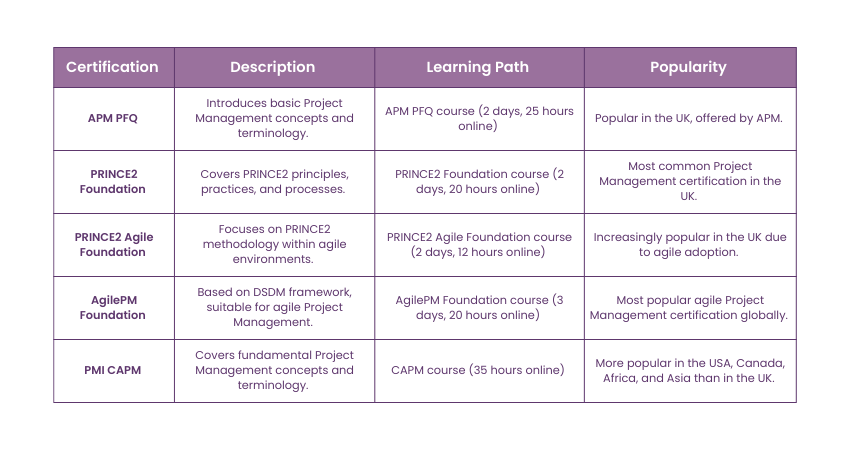
Source : theknowledgeacademy.com
If you have the CAPM, look for roles that mention PMI or PMP as a plus. If you have Project+, focus on IT project roles. If you completed the Google or IBM certificates, highlight those portfolio projects and target coordinator or junior PM positions. You’re now a qualified candidate for specific roles.
Don’t be afraid to apply even if you don’t meet every single “preferred” qualification. Your certification demonstrates a baseline competency that many other entry-level candidates might lack. It’s your foot in the door.
Network with Other Certified Professionals
Use professional organizations and online communities. PMI chapters, for example, often have local meetups and events where you can connect with experienced project managers, many of whom hold the PMP and understand the value of starting with the CAPM.
LinkedIn groups, forums related to your certification, and even online course communities (like those on Coursera) are great places to network. Ask questions, share your experiences, and learn from others. Building a professional network is Crucial for career growth.
These connections can lead to mentorship opportunities, job leads, and insights into industry trends. Don’t underestimate the power of human connection in career development. People hire people they know and trust.
Plan Your Next Steps: Continuous Learning
Your entry-level certification is a milestone, not the final destination. Project management is a constantly evolving field. Agile methodologies, new tools, and different industry demands mean you need to keep learning.
What’s next? If you have CAPM, the natural progression is often working towards the PMP by gaining the required experience. If you have Project+, consider advanced CompTIA certs or specialized Agile certifications like Certified ScrumMaster (CSM).
The Google and IBM certificates often have pathways to further specializations. Regardless of your starting point, commit to ongoing professional development. Pursue advanced training, attend webinars, read industry blogs. Continuous learning keeps your skills sharp and your career moving forward.
Remember, the goal is not just to collect certificates but to become a truly effective project manager. Use your certification as a springboard for practical application and lifelong learning. It’s a journey of growth.
A Comparison Table: Entry-Level PM Certifications at a Glance
Choosing the right certification can feel like Handling a maze. To help simplify things, here’s a quick comparison of the key entry-level options we’ve discussed. This should give you a clearer picture of their focus, requirements, and target audience.
Keep in mind that this is a snapshot. Always refer to the official issuing bodies for the most current details on requirements, exam content, and fees. But this table should Act as an excellent starting point for your decision-making process.
Understanding these differences will help you Match your choice with your specific career goals and background. It’s about making an informed decision, not just picking the first one you see.
| Feature | CAPM® (PMI) | CompTIA Project+ | Google Project Mgmt Cert. | IBM Project Mgr Prof Cert. |
|---|---|---|---|---|
| Primary Focus | Foundational PM knowledge based on PMI standards; stepping stone to PMP. | Vendor-neutral, practical PM skills, strong in IT context. | Hands-on, job-ready skills, portfolio building; Agile focus. | Enterprise-level PM skills, Agile methodologies, practical application. |
| Prerequisites | High school diploma/GED + 23 education hours OR 1,500 project hours. | None. | None (beyond course access). | None (beyond course access). |
| Format | Single proctored exam (150 questions). | Single proctored exam (multiple-choice, scenario-based). | Series of online courses with projects & assessments. | Series of online courses with projects & assessments. |
| Issuing Body | Project Management Institute (PMI). | CompTIA. | Google (via Coursera). | IBM (via Coursera). |
| Key Benefit for Beginners | Establishes foundational knowledge recognized globally; aligns with PMP. | Accessible, broad skill set valuable in IT; no experience needed. | Develops practical skills & portfolio; direct job-readiness focus. | Learn from enterprise expertise; strong focus on Agile & practical tools. |
| Ideal For | Aspiring PMs aiming for traditional PM career paths, PMP goal. | IT professionals, those needing vendor-neutral PM basics. | Career changers, absolute beginners, hands-on learners. | Beginners valuing enterprise insights, Agile training, structured online learning. |
| Recognition | High, especially in corporate/traditional PM roles. | Good, particularly strong within IT and tech-adjacent roles. | Growing rapidly, valued for practical skills. | Growing, recognized for practical skills from a major tech firm. |
Choosing the right certification is a personal journey. Weigh these factors carefully. Your first certification is a significant step, so make it a strategic one!
Final Thoughts: Your Project Management Journey Starts Now
Look, getting that first project management certification isn’t about proving you’re a guru overnight. It’s about showing you’ve done the homework. It’s about opening doors that would otherwise remain firmly shut.
Whether you choose the globally recognized CAPM, the IT-friendly CompTIA Project+, or the hands-on practical skills from Google or IBM, you’re making a smart investment in yourself. You’re signaling to the world that you’re serious about a career in project management.
Don’t get bogged down in analysis paralysis. Pick the option that best aligns with your current situation and your future aspirations. The most important thing is to take that first step.
The Power of a Starting Point
Remember, your initial certification is a launchpad. It validates your foundational knowledge and demonstrates your commitment. It’s the evidence that allows you to confidently step into those entry-level roles like Project Coordinator or Junior Project Manager.
It helps you speak the language, understand the processes, and contribute value from day one. Without it, you’re often just another resume in the pile, struggling to overcome the dreaded “experience required” hurdle. This certification provides credibility.
Use the knowledge gained not just to pass the test, but to excel in your first project management positions. Apply the principles, ask smart questions, and continue learning. Your certification is the key; your performance is what unlocks the door.
Welcome the Learning Process
The journey to certification is as valuable as the certificate itself. You’ll gain critical insights into how projects are planned, executed, and delivered. You’ll learn about managing risks, communicating with stakeholders, and adapting to challenges.
Welcome the study process. Engage with the material. Don’t just memorize; seek to understand. The skills you develop during preparation are the very skills you’ll need on the job. Treat your certification prep as your first project.
This foundational knowledge will serve you throughout your career, no matter how advanced your roles become. It’s the bedrock upon which all future project management success is built.
Your Career is a Project – Manage It!
It: your career is a project. It has goals, stakeholders (you, your boss, your family), risks, and requires planning and execution. Use the same discipline and strategic thinking you learn in project management to manage your own career path.
Identify your goals (like landing that first PM job). Break them down into actionable steps (getting certified, updating your resume, networking). Monitor your progress and adjust your plan as needed. Your career management is critical.
Start today. Choose a certification, commit to the process, and take control. The world of project management is waiting for capable, motivated individuals like you. Go get that first project management certification and launch your career!
Frequently Asked Questions
Can I pass PMP in 3 months?
Yeah, totally! But it’s goa be intense. You’ll need to really dive deep into the material and dedicate a solid chunk of time each day to studying. Plus, you gotta have the required project management experience already. It’s not impossible, but it’s a sprint, not a marathon, for that PMP certification.
Is PMP still worth it in 2026?
Oh, absolutely! The PMP certification isn’t going anywhere. It’s still the gold standard for experienced project managers. Companies everywhere recognize its value, and it shows you’ve got the skills to lead projects. Demand for certified pros will stay strong.
Should I take CAPM or PMP first?
For begiers, definitely start with the CAPM certification. It’s designed for those just starting out or with less experience. Think of it as the stepping stone. Once you get some real-world project experience under your belt, then aim for the PMP. It’s the natural progression.
What’s the easiest entry-level project management certification?
Honestly, the Certified Associate in Project Management (CAPM) is usually considered the most accessible for begiers. It doesn’t have the same stringent experience requirements as the PMP, and the exam covers foundational concepts. It’s a great way to get your foot in the door and understand the basics of project management.
How much does an entry-level project manager make?
Entry-level project manager salaries can really vary depending on your location, the industry, and the company. But generally, you’re looking at anywhere from $50,000 to $75,000 or more. Getting that first certification, like the CAPM, can definitely boost that starting salary.
