So, you’re looking to become a Certified Nursing Assistant (CNA) in Texas, huh? Forget those dry, corporate-sounding guides. Let’s cut to the chase about the timeline to become a CNA in Texas. It’s not some instant gratification gig. This takes time, dedication, and knowing the exact steps. Think of it like training for a marathon; you wouldn’t just show up on race day, right? You need a plan. A solid, step-by-step roadmap. And that’s exactly what we’re going to lay out here. No fluff, just the real deal on getting that certification and launching your healthcare career.
The Need for Speed: Why a Timeline Matters
Why Rushing Isn’t the Answer
Look, I get it. You want to start working, earning, and making a difference. Pronto. But trying to shave corners off the CNA certification process in Texas? That’s a recipe for disaster. You could end up with an incomplete application or, worse, fail your exam because you skipped Key training. It’s about building a strong foundation, not just a quick paycheck. Patience, grasshopper.
Setting Realistic Expectations
What’s the magic number? How long does it really take? It varies, but generally, you’re looking at anywhere from a few weeks for an intensive, full-time program to a couple of months for a part-time one. This isn’t a weekend course. It requires significant commitment. We’re talking about understanding patient care, medical ethics, and hands-on skills. This is serious stuff. You need to budget your time accordingly for the Texas CNA timeline.
The Ripple Effect on Your Career
Getting certified isn’t just a checkbox. It’s the entry point. A well-earned certification means you’re prepared. You’re less likely to make costly mistakes. And that confidence? Employers notice it. A rushed, half-baked approach can hinder your job search later on. You want to be the candidate they call first, not the one they have to train from scratch. Choosing the right path now impacts your future CNA career.
Phase 1: Laying the Groundwork – Eligibility and Program Choice
Source : texarkanacollege.edu
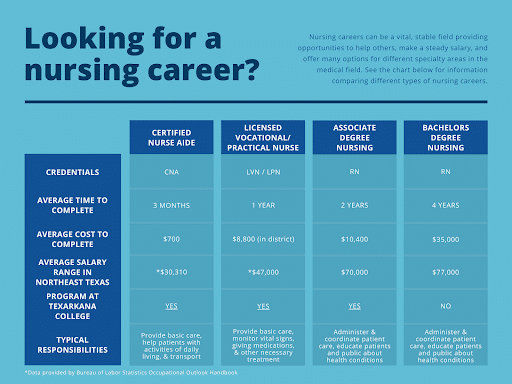
Meeting the Basic Requirements
Before you even think about textbooks or scrubs, you’ve got to make sure you can become a CNA. What are we talking about? Primarily, age and background checks. You usually need to be at least 18. And yeah, they run background checks. Certain convictions can be a roadblock. It’s not meant to be punitive, but to protect vulnerable patients. Always check the latest requirements from the Texas Department of Health and Human Services. You can find Full details on the official Texas Nurse Aide Registry website.
Source : westcoastuniversity.edu
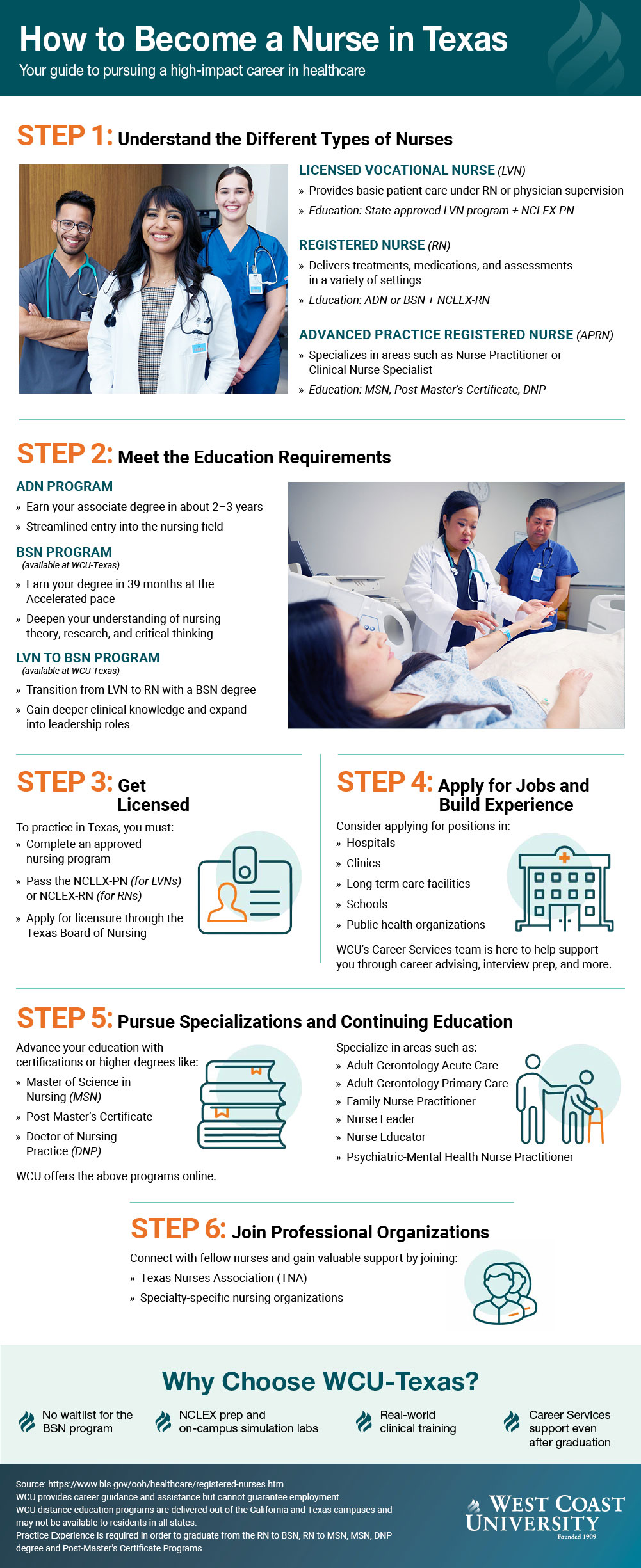
Finding an Approved Training Program
This is HUGE. You can’t just learn from your cousin who’s a nurse. Texas has specific requirements for CNA training programs. They must be approved by the state. This ensures a standardized, quality education. Look for programs accredited by the Texas Department of Health. These programs cover everything from basic patient care and Key signs to infection control and resident rights. Don’t just pick the cheapest or closest. Pick one with a good reputation and a curriculum that aligns with the state exam. A good program sets the stage for your CNA training in Texas.
Full-Time vs. Part-Time: What’s Your Pace?
This decision heavily influences your timeline. Full-time programs are intense. They cram the required hours into a shorter period, often 3-6 weeks. Great if you can dedicate yourself fully. Part-time programs spread the hours over a longer period, maybe 6-12 weeks. This works better if you’re juggling work or family. Consider your learning style, your schedule, and your financial situation. Both paths lead to certification, but the clock ticks differently. This is a key factor in your CNA certification timeline.
Phase 2: The Training Grind – Classroom and Clinicals
Classroom Education: More Than Just Lectures
This is where you absorb the knowledge. Expect to learn about anatomy, physiology, medical terminology, patient rights, communication skills, and safety procedures. It’s not just memorizing facts; it’s understanding why things are done a certain way. Your instructors will guide you through theory, but they’ll also emphasize critical thinking. Pay attention! This knowledge is fundamental for passing the exam and, more importantly, for providing quality patient care.
Clinical Rotations: Getting Your Hands Dirty
This is where the rubber meets the road. Clinicals are mandatory hands-on training in a real healthcare setting – usually a nursing home or hospital. You’ll practice the skills you learned in the classroom under the supervision of a registered nurse or instructor. Think taking Key signs, helping with bathing and dressing, moving patients safely, and communicating with residents and staff. This practical experience is Crucial. It solidifies your learning and builds your confidence. It’s a non-negotiable part of your CNA training.
Skill Development and Competency Checks
Throughout your training, instructors will constantly assess your practical skills. You’ll practice procedures like handwashing, bed making, catheter care, and emergency response scenarios. They’ll check your competency, ensuring you can perform these tasks safely and efficiently. Don’t be shy about asking questions or asking to practice a skill again. This is your learning ground. Mastering these skills is critical for the CNA skills exam.
Phase 3: The Gauntlet – Exams and Application
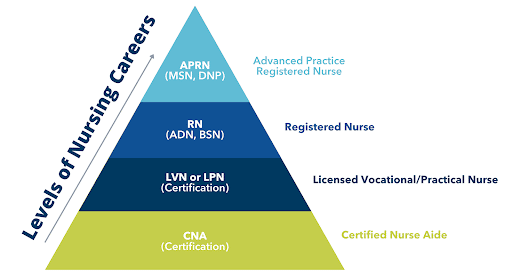
Applying for the Certification Exam
Once you’ve successfully completed your training program, it’s time to apply to take the state certification exam. Your training provider will usually guide you through this process. You’ll need to submit an application and proof of your completed training. This step is Key for getting on the official schedule to test. Make sure your application is accurate and complete to avoid delays in your path to becoming a CNA.
Source : texarkanacollege.edu
The Written (Knowledge) Exam
This part tests your understanding of the concepts covered in your training. It’s typically multiple-choice and covers topics like patient rights, safety, communication, and basic nursing skills. Don’t underestimate it! Review your notes, use practice tests, and really focus on understanding the principles behind patient care. Many resources, like those found at CNA Training Institute, offer practice exams that can be a lifesaver.
The Skills (Performance) Exam
This is where you demonstrate your practical abilities. You’ll be asked to perform several nursing tasks in front of an evaluator. They watch your every move – your technique, your communication with the “patient,” and your adherence to safety protocols. You’ll need to show you can competently perform skills like taking Key signs, transferring a patient, or providing personal care. Practice, practice, practice is the mantra here. Mastering these skills is key to passing the CNA exam.
What Happens if You Fail?
It happens. Don’t panic. If you don’t pass one or both parts of the exam, you typically have a window of opportunity to retake them. There might be additional waiting periods or fees involved, so check the specific regulations. Use the time to study areas where you struggled. Maybe get some extra practice on specific skills. Failing isn’t the end; it’s just a temporary setback on your journey to CNA certification.
Phase 4: Post-Certification – Landing the Job and Staying Certified
Getting Your Official Certification
Once you pass both exams, congratulations! You’re officially on your way. Your name will be added to the Texas Nurse Aide Registry. This is your official proof of certification. You’ll likely receive a confirmation or certificate. Keep this documentation safe! It’s your golden ticket to employment. This registry confirms you meet the standards for a Certified Nursing Assistant in Texas.
The Job Hunt Begins
Now the real fun starts: finding your first CNA job! Hospitals, nursing homes, assisted living facilities, home health agencies – they all need CNAs. Your training program might have career services to help. Polish your resume, highlighting your training and clinical experience. Prepare for interviews. Network with people you met during your clinical rotations. Websites like Indeed.com are great resources for finding available CNA positions.
Maintaining Your Certification: The Renewal Dance
Certification isn’t a one-and-done deal. In Texas, you need to renew your CNA certification periodically, typically every two years. How? By working as a paid CNA for at least 8 hours in the preceding 24 months. You also need to keep your training current with continuing education requirements. Failing to meet these requirements means your certification lapses, and you’ll have to go through the whole process again. Staying current is Needed for maintaining your CNA license.
The Actual Timeline Breakdown: A Realistic Look
Intensive Full-Time Programs
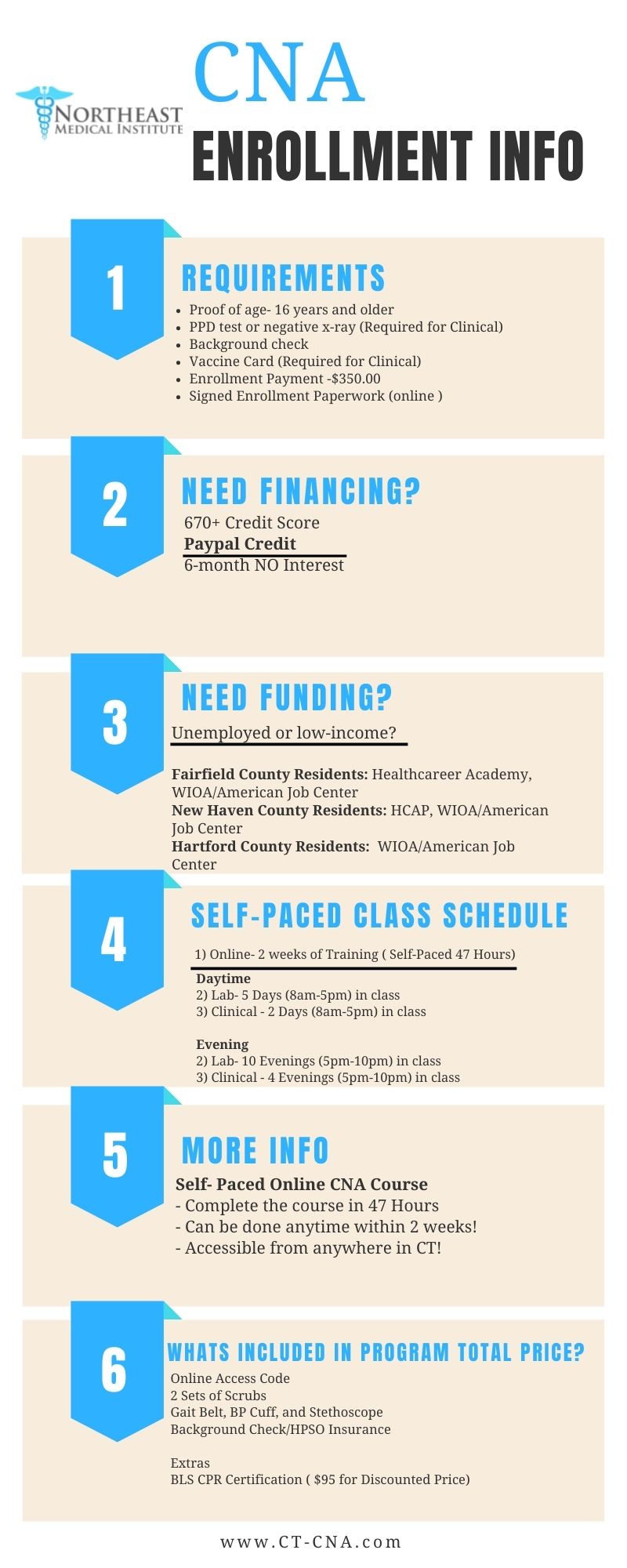
These are sprints. Programs often run Monday-Friday for 3-6 weeks. You’ll be immersed in coursework and clinicals. Total training time: Around 75-100 hours. Add a week or two for exam application and scheduling. You could realistically be ready to test within 1-2 months from starting.
Source : northeastmedicalinstitute.com
Flexible Part-Time Programs
These are marathons. Spread over 6-12 weeks, often with evening or weekend classes. Training hours are the same, but spread out. This allows for work or other commitments. Factor in another 2-4 weeks for testing after finishing. Expect a total timeline of roughly 2-4 months.
Factors That Can Stretch the Timeline
- Program Availability: Sometimes approved programs have waiting lists.
- Scheduling Your Exams: Testing slots can fill up, especially in popular areas.
- Background Check Delays: If there are issues, this can take longer.
- Personal Circumstances: Illness, family emergencies, or financial issues can cause interruptions.
- Retaking Exams: If you don’t pass on the first try, add time for retesting.
So, while a few months is typical, it’s not unheard of for the process to stretch to 4-6 months or even longer depending on these variables.
CNA Certification Timeline: Key Stages and Estimated Durations
| Stage | Description | Estimated Duration |
|---|---|---|
| Eligibility & Program Search | Verifying requirements, researching and enrolling in an approved program. | 1-3 Weeks |
| CNA Training Program | Completion of classroom hours and mandatory clinical rotations. | 3-12 Weeks (depending on full-time vs. part-time) |
| Exam Application & Scheduling | Submitting application, getting approved, and scheduling written and skills exams. | 1-4 Weeks |
| State Certification Exams | Taking and passing both the written and skills components of the exam. | 1 Day (exam date) |
| Registry Confirmation & Job Search | Receiving registry confirmation and actively seeking employment. | 1-4+ Weeks |
| TOTAL ESTIMATED TIMELINE | The complete journey from start to potential employment. | Approx. 1.5 – 6 Months |
Don’t Just Finish, Finish Strong
The goal isn’t just to get certified; it’s to be a competent, confident healthcare professional. Rushing through the training or the exams compromises that. A solid understanding gained over a reasonable timeframe makes you a better CNA. It leads to better patient outcomes and a more fulfilling career. Remember, this is just the beginning of your journey in the healthcare field. Getting it right the first time pays dividends.
Frequently Asked Questions
Which is harder, CNA or RN?
Honestly, it depends on what you mean by harder! Becoming an RN is definitely more academically rigorous, requiring more schooling and a higher level of clinical knowledge. But, the day-to-day work of a Certified Nursing Assistant can be incredibly demanding physically and emotionally. You’re on your feet all day, helping patients with personal care, and dealing with challenging situations. So, while RNs have more complex responsibilities, CNAs have a very different, but equally tough, set of challenges.
How long does it typically take to become a CNA in Texas?
Generally, it’s pretty quick! Most CNA programs in Texas are designed to be short and efficient. You’re usually looking at anywhere from 4 to 12 weeks to complete your training and be eligible to take the state certification exam. It really speeds things up if you can find a program that fits your schedule and commit to it.
What are the basic requirements to start CNA training in Texas?
For CNA training in Texas, you usually need to be at least 18 years old, have a high school diploma or GED, and pass a background check. Some programs might have additional health screening requirements, like a TB test or immunization records. It’s always best to check with the specific school you’re interested in for their exact prerequisites.
How much does CNA training typically cost in Texas?
The cost can really vary, but you’re often looking at anywhere from $500 to $1500 for CNA certification programs in Texas. This usually covers tuition, books, and sometimes even the exam fees. Some places offer payment plans, and scholarships might be available, so definitely explore those options to make it more affordable.
What is the process for getting certified as a CNA in Texas after training?
Once you finish your approved CNA training program in Texas, you’ll need to pass a state-approved competency exam. This usually involves a written portion and a skills demonstration. After you pass, your name is added to the Texas Nurse Aide Registry, and you’re officially a certified nursing assistant!
