So, you’re thinking about becoming a CNA, huh? Great choice. It’s a job that matters, you know? Helping people when they’re at their most vulnerable. But let’s cut to the chase: everyone wants to know the magic number. How long does this whole certification thing really take?
Forget those cookie-cutter answers you’ll find everywhere else. This isn’t a one-size-fits-all situation. It’s more like asking how long it takes to bake a cake – depends on the oven, the ingredients, and how impatient you are.
We’re gonna break down exactly what goes into getting that coveted CNA certification. It’s not just about sitting in class; it’s a whole process. And yeah, it can feel like a marathon sometimes. But a totally worth-it marathon, I promise.
The Real Deal Behind CNA Certification Timelines
Look, nobody has a crystal ball for this. The time it takes to get your CNA certification isn’t set in stone. It’s a moving target, influenced by a bunch of different factors. Think of it like planning a road trip – you know the destination, but how fast you get there depends on traffic, detours, and maybe how many coffee stops you make.
Program Lengths: More Than Just Hours
This is the big one. CNA programs vary wildly. Some are super condensed, designed for folks who need to get in and get out fast. Others are more spread out, maybe part of a longer college program or designed for people working other jobs.
You’ll see programs advertised that clock in at just a few weeks. Intense, right? Then you’ve got others that might stretch over a couple of months. It really depends on the state requirements and the specific school you pick.
The curriculum itself includes classroom learning, hands-on skills practice (this is HUGE, by the way), and finally, that Key clinical experience. You can’t skip any of it. It’s all designed to make you a competent, confident nursing assistant.
State Regulations: The Ultimate Gatekeepers
Every state basically has its own rulebook for CNAs. They dictate the minimum number of hours you need to complete. Some states are cool with shorter programs, maybe around 60-75 hours. Others demand more, pushing 120 hours or even higher.
This is why you can’t just look at a national average and assume it applies to you. If you’re in California, the path might look different than if you’re in Texas. It’s absolutely Needed to check your specific state’s Board of Nursing website for the exact requirements.
These regulations aren’t just arbitrary numbers. They’re there to Make sure you get the proper training and are ready to provide safe patient care. It’s serious stuff.
Your Schedule: Life Happens
Are you going full-time, immersing yourself in the program? Or are you trying to squeeze CNA classes in around a full-time job or family obligations? That’s going to make a massive difference. A full-time, intensive program could have you ready for the exam in, say, four to eight weeks.
Part-time programs, however, might take double that time, or even longer. You’re essentially stretching the same coursework over a greater period. It’s a trade-off: flexibility versus speed.
And let’s not forget the waiting game. Sometimes, getting into a specific program or securing a spot for your clinical rotations can add weeks or even months to your timeline. Patience, young grasshopper.
Beyond the Classroom: The Actual Path to Certification
Source : collegemoneytips.com
So, you’ve finished the program. Awesome! But guess what? You’re not a certified nursing assistant yet. There are still a couple of hoops to jump through.
The certification exam is the big one. And getting scheduled for that? It can sometimes take a little while, depending on the testing center and how busy they are.
The Certification Exam: Your Final Hurdle
This exam has two parts: a written (or sometimes oral) knowledge test and a practical skills demonstration. You have to pass both to become certified. It’s not a walk in the park, but with proper preparation, you’ll do great.
Most states contract with third-party testing companies to administer these exams. You’ll need to register, pay the fee, and then wait for an available appointment slot. This waiting period can vary significantly from state to state and even testing center to testing center.
It like waiting for concert tickets. Sometimes you get them right away, other times you’re stuck in a virtual queue for ages. Booking your exam early is always a smart move.
Background Checks and Paperwork: The Necessary Evils
Almost every state requires a background check. This involves fingerprinting and a criminal history review. It’s a standard procedure to Make sure patient safety. This process can add a few days to a couple of weeks, depending on how quickly the agencies can process your information.
Then there’s all the paperwork. Application forms, proof of program completion, payment of fees – it can feel like a bureaucratic maze. Make sure you’ve got all your ducks in a row to avoid delays.
Seriously, a single missing document can hold up your entire application. Double-check everything before you submit it. You don’t want to be the person who has to resubmit a form and wait all over again.
Clinical Hours: Getting Your Hands Dirty
Every CNA program requires a set number of supervised clinical hours. This is where you actually work with patients in a real healthcare setting – usually a nursing home or hospital. It’s Crucial experience.
The number of hours varies by state and program, but it’s typically a significant chunk of your training. These hours need to be completed within the program’s timeframe, and sometimes finding a facility with openings can be a bottleneck. Coordination is key.
This is often the most rewarding part of the training, though. It’s where theory meets practice, and you really start to feel like a healthcare professional. You’re learning by doing, which is the best kind of learning.
Typical Timeframes: A Realistic Snapshot

Source : cnaonlinecourse.com
Okay, so let’s try to pin down some numbers, even though we know it’s not exact. What’s a reasonable expectation?
For a full-time, accelerated CNA program that meets minimum state hour requirements, you’re often looking at anywhere from 4 to 8 weeks. That’s assuming no major hiccups.
Part-time programs, or those integrated into longer academic schedules, can easily stretch to 2 to 4 months. Some college-based programs might even take longer if they’re structured over a semester.
Then you add the time to schedule and pass your certification exam. This could be another 1 to 4 weeks after completing your program, depending on availability.
So, a realistic ballpark for the entire process from starting your program to getting your official certification number could be anywhere from six weeks to four months. It’s a spectrum, my friend.
Accelerated Programs: Speed Demons
These programs are designed for maximum efficiency. Think 5-day weeks, often longer days, packed with both classroom instruction and clinical practice. They move at a whirlwind pace.
If you can dedicate yourself fully, these are fantastic for getting into the workforce quickly. You’ll likely find programs like this at private vocational schools or community colleges offering intensive short courses. Just be prepared for an demanding schedule.
You’ll be hitting the ground running. Skills practice, patient care scenarios, medication aide basics (in some states) – it’s all condensed. It requires serious focus.
Traditional Programs: Steady and Sure
These are often found at community colleges or larger educational institutions. They might run over a full semester, offering a more relaxed pace. More time to absorb information, perhaps?
This structure can be great if you’re balancing other commitments or prefer a less intense learning environment. The downside? It naturally takes longer to complete.
But hey, a little extra time doesn’t hurt. It often means more Full instruction and potentially stronger foundational knowledge. Sometimes slower is better.
Online Components: Blended Learning
Some programs offer online coursework for the theory portion, allowing you to do that at your own pace from home. This can be a huge time-saver. But remember, the hands-on skills and clinical hours? Those must be done in person.
So, while you might knock out the book learning faster, you’ll still need to commit to scheduled in-person sessions. It’s a hybrid approach. Very common nowadays.
It offers a nice balance of flexibility and practical, real-world training. Perfect for those juggling busy lives. Many students find this model incredibly effective.
Factors That Can Slow Things Down
Source : registerednursing.org
We’ve talked about the ideal path, but let’s be real: things don’t always go perfectly. Several common snags can add time to your journey.
Program availability is a big one. Sometimes the CNA program you want just isn’t running when you need it to. Or maybe it’s full. You might have to wait for the next cohort to start.
Program Scheduling and Availability
Finding a program that fits your schedule can be tough. Many popular programs have waiting lists. You might apply today and not get a start date for a couple of months.
This is especially true for well-regarded schools or those with convenient locations. Popularity breeds queues, as they say. Don’t get discouraged; just have a backup plan or two.
Consider looking at multiple schools or different program types (full-time vs. part-time) to increase your chances of starting sooner. Being flexible here is key.
Retaking Exams or Skills
What if you don’t pass the certification exam on your first try? It happens. You’ll have to wait to retake it, and depending on the state’s rules, there might be a waiting period or additional fees. This can easily add weeks.
Similarly, if you struggle with a particular skill during your clinicals, your instructor might require you to practice it more before you can be signed off. It’s all about ensuring competency.
The good news? Most programs provide Plenty of preparation and practice for the exam. Focus during training, and you’ll likely ace it the first time around. It’s not designed to trick you.
Personal Commitments and Life Events
Life throws curveballs. A family emergency, a sudden illness, needing to pick up extra shifts at your current job – these things can force you to pause or even withdraw from a program temporarily. It’s understandable, but it does impact the timeline.
It’s important to be realistic about your capacity when choosing a program. Can you truly commit the time and energy required? Being honest with yourself upfront can prevent future delays.
If life does intervene, communicate openly with your program director. They can often help you find a way to rejoin the program later or offer alternative solutions. Don’t just ghost them!
The Bottom Line: What to Expect
Source : collegemoneytips.com
So, to wrap up this first part: How long does it take to become a certified nursing assistant? It’s not a simple number. It’s a range, usually between six weeks and four months, heavily influenced by the program’s length, your state’s rules, and your own schedule.
Don’t just look at the shortest advertised program time. Factor in the registration, the actual classes, the clinicals, and the exam scheduling. That’s the real journey.
If you’re looking for a quick start, an accelerated program might be your best bet. But if you prefer a more measured pace, a traditional program could be better. The most important thing is to get the right training and be prepared for the exam.
The time invested is worth it for a career that’s both rewarding and stable. You’re getting into a field where you’ll make a tangible difference every single day. Who can put a price on that?
Why the Urgency? The CNA Job Market
Source : nocotraining.com
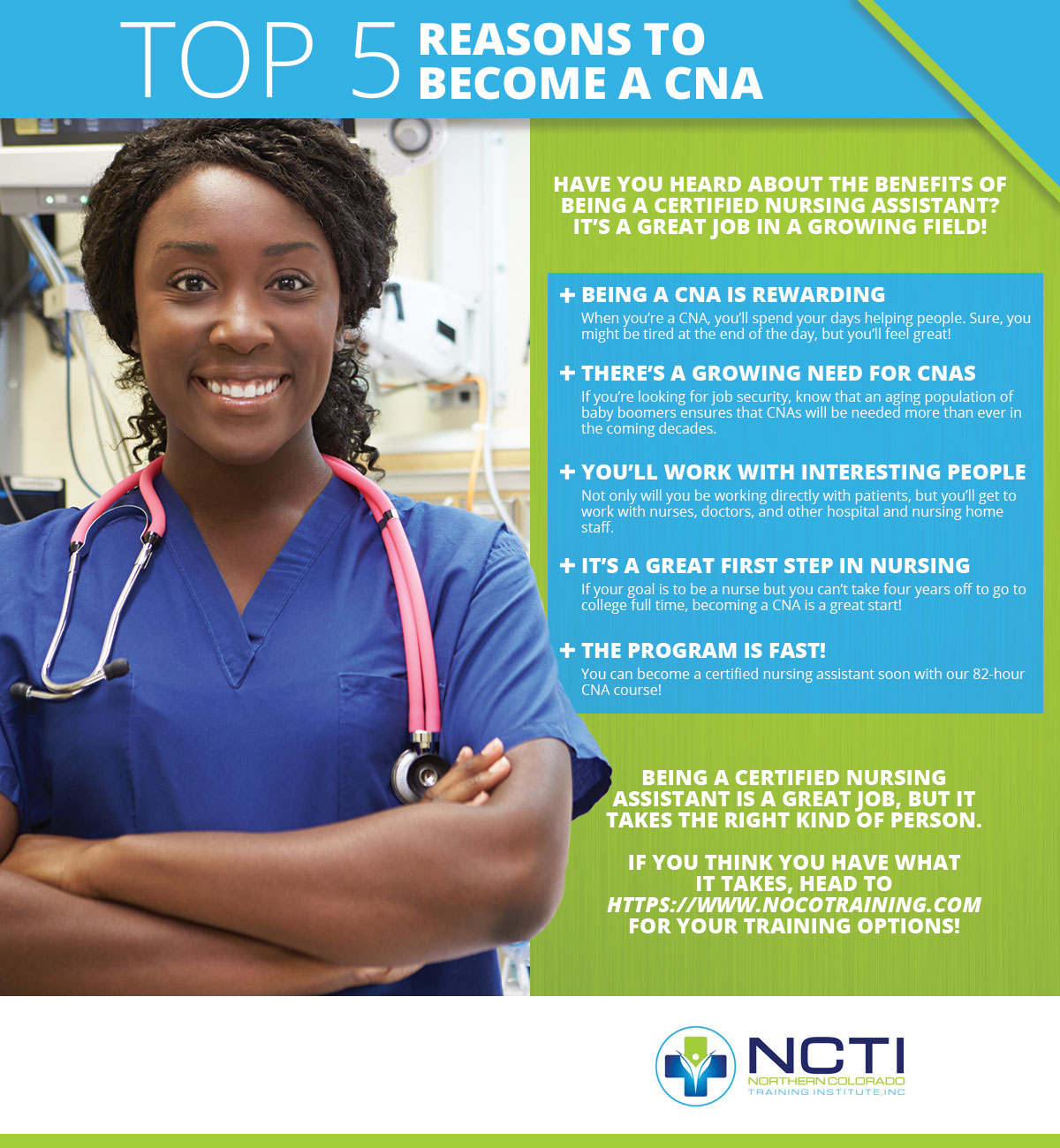
Let’s face it, a lot of people are asking this question because they need a job, and they need one now. The healthcare industry is constantly looking for CNAs. It’s a high-demand field.
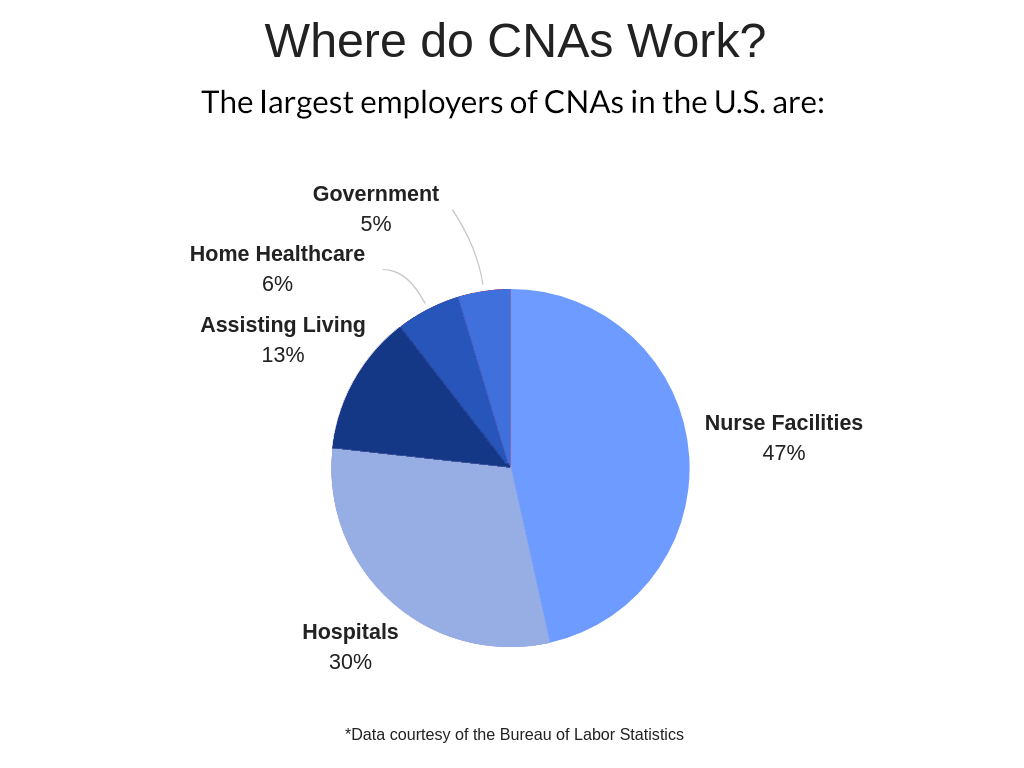
Nursing homes, hospitals, assisted living facilities – they all need CNAs. The aging population means the need is only going to grow. Getting certified quickly can open doors faster.
This isn’t just a job; it’s a stepping stone. Many CNAs use their experience and training to further their careers in healthcare, maybe becoming LPNs or RNs. The certification is a solid first step.
Demand is High, Always
Seriously, the demand for CNAs is consistently high across the country. Healthcare facilities often struggle to find enough qualified staff. This means more job opportunities for you, and often, better negotiation power.
You won’t be out of work for long after getting certified. Facilities are eager to hire people who have completed their training and passed the state exam. It’s a reliable career path.
Stability. Even during economic downturns, healthcare generally remains Strong. People always need care, and CNAs are on the front lines providing it.
Career Advancement Opportunities
Becoming a CNA isn’t necessarily the end of your educational journey. It’s often the beginning! Many CNAs go on to pursue further education in nursing or other healthcare fields.
Your CNA experience provides Crucial real-world knowledge that helps tremendously in advanced nursing programs. You already know the basics of patient care, Key signs, and interacting with patients and families. This practical foundation is gold.
Plus, employers often look favorably upon candidates who have started as CNAs. It shows dedication and a genuine interest in patient care. You can check out options like the nursing program at The City College of New York to see how CNA training can link into broader academic paths.
Building Needed Skills
Beyond the technical skills like taking Key signs or assisting with daily living activities, being a CNA builds critical soft skills. Communication, empathy, patience, problem-solving under pressure – these are all honed on the job.
You learn to communicate effectively with patients who may have difficulty speaking, with families who are worried, and with other healthcare professionals. It’s a masterclass in interpersonal skills.
These are transferable skills that are valuable in any profession, but they are absolutely fundamental in healthcare. You’re not just learning a job; you’re developing as a person.
Program Costs: What You’re Actually Paying For
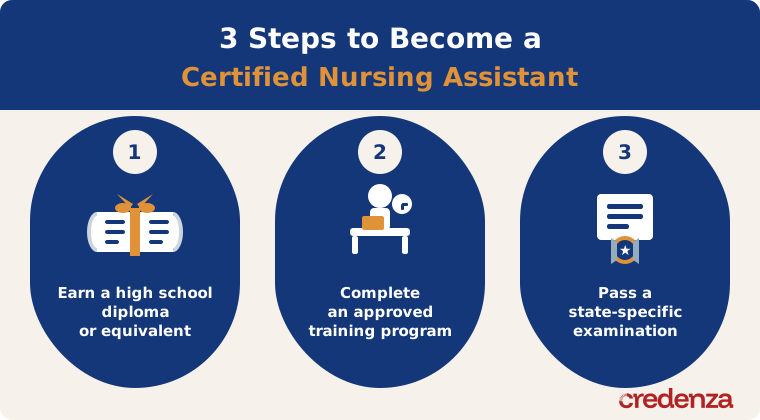
Source : credenzahealth.com
Okay, let’s talk money. How much does this whole CNA training thing set you back? It varies, just like the time commitment.
You’ll see program costs ranging from a few hundred dollars to a couple of thousand. This usually covers tuition, textbooks, supplies, and sometimes even the cost of the certification exam itself.
Don’t forget to factor in potential extra costs like uniforms, background checks, CPR certification, and transportation to clinical sites. Always ask for a detailed breakdown of what’s included.
Tuition Fees: The Main Event
This is the biggest chunk. Prices depend heavily on the type of institution. Community colleges often have lower tuition rates than private vocational schools. Some hospital-based training programs might even be free or low-cost, often with a commitment to work for them afterward.
Make sure you understand what the tuition covers. Does it include the exam fees? Uniforms? Textbooks? Clarify this upfront to avoid surprise expenses. A good program will be transparent about costs.
Look for programs that offer payment plans or financial aid options if the upfront cost is a concern. Many students need a little help to make it work.
Associated Costs: The Hidden Fees
Beyond tuition, there are other expenses. You’ll likely need to buy a specific uniform (scrubs), comfortable shoes, and a stethoscope. Textbooks and workbooks add up too.
Don’t forget fees for things like background checks, fingerprinting, and the certification exam itself, if they aren’t bundled into the tuition. Sometimes, you’ll need CPR certification, which has its own fee.
Also, consider transportation costs to and from the training facility and your clinical sites. Factor these into your overall budget. A detailed list of required materials and their estimated costs is usually provided by the program.
Financial Aid and Scholarships
Good news! There are often ways to fund your CNA training. Look into federal financial aid (like Pell Grants) if the program is part of a larger accredited institution. Some states offer specific grants or scholarships for healthcare training.
Many private schools also offer their own payment plans or internal scholarships. Check with the admissions office about what’s available. It never hurts to ask!
Some employers, particularly larger healthcare systems, offer tuition reimbursement programs if you commit to working for them after certification. It’s a great way to get trained without breaking the bank. Always explore these options; this resource can give you some ideas about program costs and timelines.
Choosing the Right Program for YOU
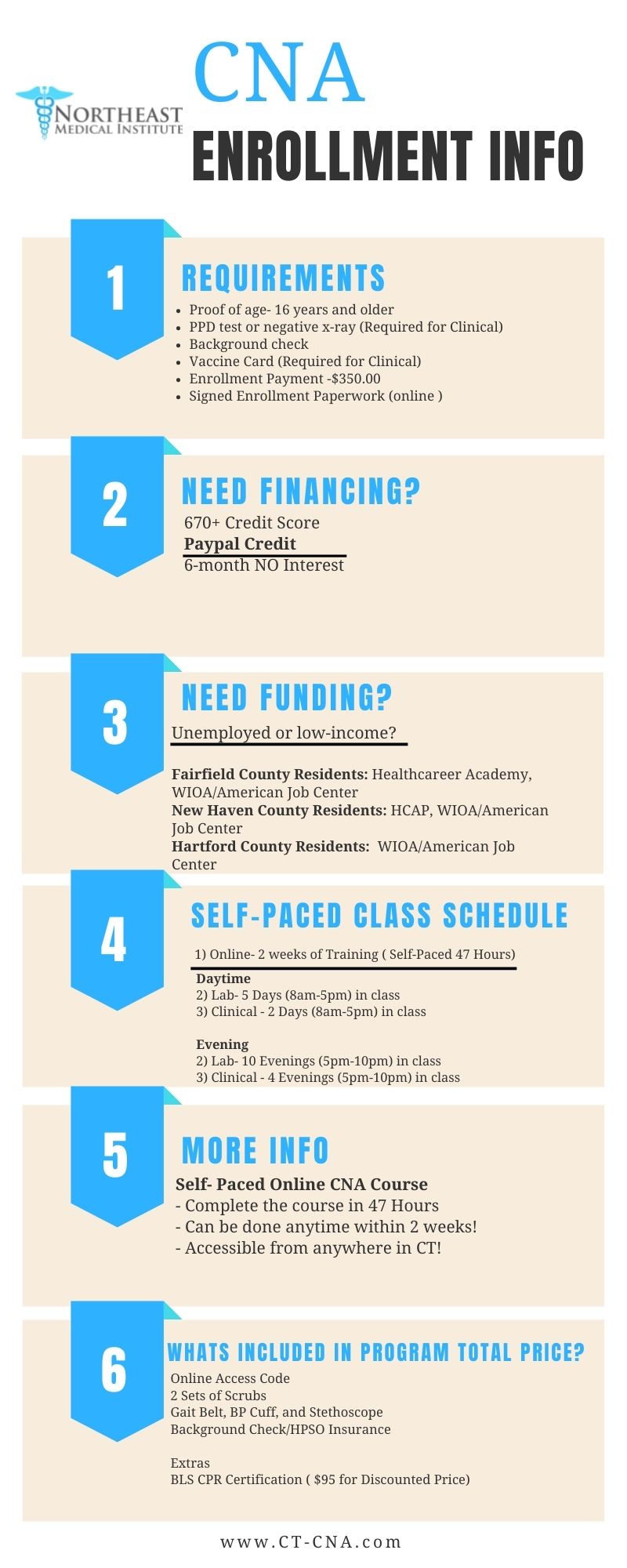
Source : northeastmedicalinstitute.com
Okay, we’ve covered a lot. Now, how do you pick the program that’s actually going to work for your life and your goals?
Start by researching programs in your area. Look at their completion rates and their job placement assistance programs. Do they have good reviews? Talk to people who have gone through them if you can.
Consider the program length – do you need to get certified ASAP, or do you have time for a more traditional schedule? What’s your budget? Are there financial aid options?
And importantly, does the program’s teaching style Connect with you? Some are very lecture-heavy, others are more hands-on. Find what fits your learning style best.
Accreditation and Approval: Don’t Skip This Step
This is NON-NEGOTIABLE. Make sure the program you choose is approved by your state’s Board of Nursing. If it’s not, you won’t be eligible to take the certification exam. Period.
Accreditation from recognized bodies (like the Accrediting Bureau of Health Education Schools – ABHES, or the Commission on Accreditation of Allied Health Education Programs – CAAHEP) is also a good sign. It means the program meets certain quality standards.
You can usually find a list of approved programs on your state’s Board of Nursing website. Verify, verify, verify! It’s your ticket to taking the exam.
Program Schedule Flexibility
Do you work nights? Weekends? Have kids to get to school? You need a program that fits your life, not the other way around. Look for options that offer morning, evening, or even weekend classes if that’s what you need.
Some programs offer hybrid models, combining online theory with in-person skills labs and clinicals. This can be a lifesaver for busy individuals. Just Make sure the hands-on components are structured conveniently.
Be honest about your availability. Trying to cram a full-time program into a part-time schedule is a recipe for disaster (and failure). Choose a format that sets you up for success.
Hands-On Training Quality
This is Key. CNA work is hands-on. Your program needs to provide Plenty of opportunities for you to practice skills under supervision. This means well-equipped skills labs and sufficient, well-supervised clinical hours in a real healthcare setting.
Ask about the student-to-instructor ratio during skills practice and clinicals. Smaller ratios usually mean more personalized attention and feedback. You want to feel confident in your abilities before you’re on your own.
The quality of the clinical experience can make or break your preparedness. A good program will have established relationships with reputable facilities for these rotations.
How Long Does It Take To Pass The Cna State Exam

Source : fhcaorlando.com
The Dreaded Cna Exam Wait Times
So, you’ve finished your training, right? Feels good. But then comes the next hurdle: the CNA state exam. How long does it really take to just get that appointment? It’s not always instant, let me tell you. Some states are quicker than others, but you could be staring down a few weeks, or even a couple of months, depending on your local testing center’s schedule. Don’t assume it’s a walk in the park timing-wise.
What’s Actually On The Cna State Exam?
This isn’t just about memorizing facts. The CNA state exam has two parts: a written (or oral, if you need it) knowledge test and a practical skills demonstration. You’ve got to nail both. Think about it like learning to ride a bike. Reading the manual is one thing, but actually balancing and pedaling? That’s the practical. You need to show you can do the job, not just talk about it. It’s a make-or-break moment.
Passing The Skills Portion – Your Timeline Reality
The skills part is where most folks sweat. You’ll be given a few random nursing tasks to perform in front of an evaluator. Things like checking Key signs, dressing a patient, or even performing personal hygiene. How long does it take to master these? Practice, practice, practice. Your training program should hammer these home, but you’ll need to keep them fresh in your mind. Rushing this stage is a recipe for disaster. You want to feel confident, not flustered, when that clipboard comes your way.
When Do You Get Your Official Cna Results?
Okay, you’ve taken the test. Now what? Waiting for the results can feel like an eternity. Generally, you might get your written scores right away, but the official certification can take a bit longer. This is often tied to how quickly the state board processes everything. For most, it’s a matter of a few weeks to receive your official CNA certification. Just enough time to start daydreaming about your new career.
4 Week Cna Training Classes And Certification Timeline
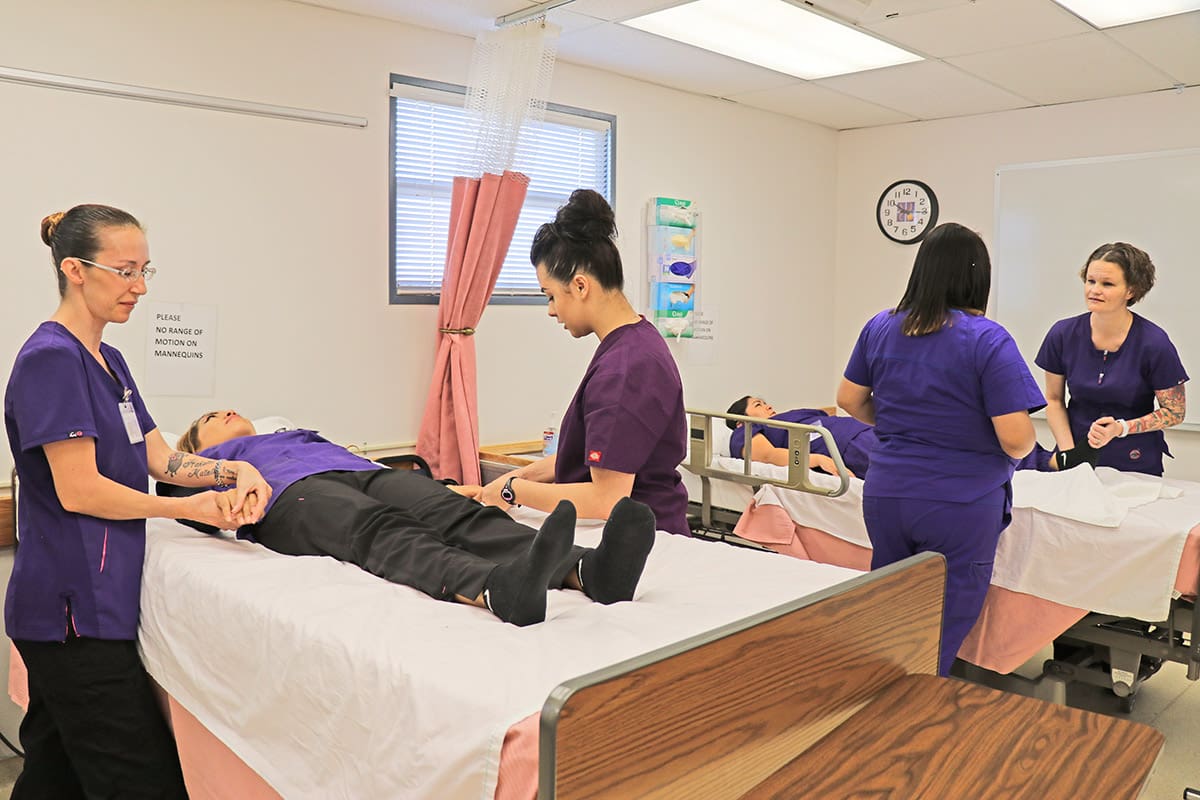
Source : sanjuancollege.edu
The Accelerated Cna Program Option
Think you can cram everything into a month? For some, yes! These 4-week CNA programs are designed for speed. They pack a ton of information and hands-on practice into a compressed schedule. It’s intense. You’ll be living and breathing CNA skills for a solid month. Great if you’re motivated and need to get working fast, but not for everyone. It demands serious dedication.
What Does A 4-Week Cna Program Really Cover?
Don’t let the short timeline fool you into thinking they skip stuff. A reputable 4-week CNA course will still cover all the Needed patient care areas. We’re talking Key signs, patient safety, infection control, personal hygiene, assisting with mobility, basic medical terminology, and even some anatomy and physiology basics. They just streamline the delivery. It’s a whirlwind, but the goal is competency.
The Timeline From Classroom To Certification
So, you finish your 4-week CNA training. What’s next on the clock? Typically, the program will help you schedule your state exam right after completion. If things move quickly, you could potentially be taking your exam within a week or two of finishing your course. Passing means you’re looking at getting your official certification usually within a few weeks after the exam. So, from day one of class to being a certified nursing assistant? It’s absolutely possible within 6-8 weeks if everything aligns perfectly. It’s a tight but achievable schedule.
Pros And Cons Of A Compressed Cna Timeline
Speed is the obvious pro. Get certified faster, start earning sooner. You also stay “in the zone” with your learning – less time to forget what you just practiced. However, the cons? It’s demanding. You might feel rushed, and there’s less room for error or needing extra help. Some people thrive on the pressure, others get overwhelmed. It’s a trade-off, for sure.
Timeline To Become A Certified Nursing Assistant In Texas

Source : cna.plus
Texas Cna Requirements: A Quick Overview
Alright, let’s talk Texas. Things are pretty specific down there. To become a Certified Nursing Assistant in Texas, you generally need to complete a state-approved training program. This program must be at least 100 hours, which includes both classroom instruction and supervised clinical practice. No shortcuts on that front. Texas wants to Make sure you’re well-prepared.
Approved Cna Training Programs In The Lone Star State
Finding an approved program is your first step. These are offered at community colleges, vocational schools, and even some healthcare facilities. The Texas CNA training curriculum is set by the state, so you know you’re getting standardized education. Make sure any program you look at is listed as approved by the Texas Department of Health and Human Services. This isn’t the place to wing it.
Handling The Cna Exam Process In Texas
Once you finish your training hours, you’ll need to take the C.N.A. examination. This is administered by a third-party testing company. You have a limited time frame after completing your training to take and pass the exam. Missing this window means you might have to repeat some training! The state provides a Candidate Bulletin with all the nitty-gritty details, which you absolutely should read. Seriously, read it.
How Long Until You’re Officially Certified in Texas?
So, from starting your 100-hour program to getting that official Texas CNA certification? If you go straight through, don’t delay scheduling your exam, and pass on the first try, you’re looking at roughly 4-6 weeks total. This includes the training time, a short wait for exam availability, and then processing time for your certificate. It’s a structured path, and sticking to the timeline is key.
Requirements And Hours To Become Certified Nursing Assistant
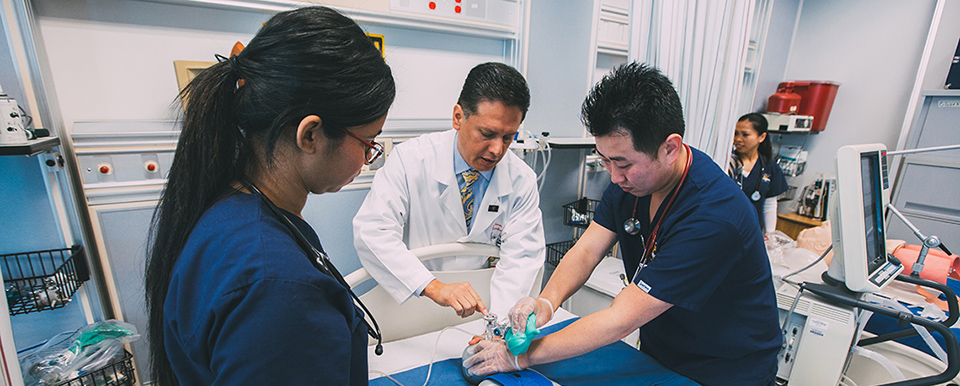
Source : hccs.edu
The Foundational Training Hour Mandate
What are the bare minimums to even get into a CNA program? Well, usually, you just need to be of a certain age (often 18) and have a high school diploma or GED. But the real meat of the requirements comes during the training. Most states mandate a specific number of training hours. Think 75 hours for some, but many, like Texas, push for 100 hours or more. This isn’t just classroom time; it includes Needed hands-on clinical experience.
Clinical Hours: The Real World Preparation
These aren’t just suggested hours; they are legally required. You’ll spend a significant chunk of your training time actually working with patients under the supervision of a registered nurse. This could be in a hospital, nursing home, or assisted living facility. Getting these supervised clinical hours is Key. It’s where theory meets reality, and you learn to apply your knowledge. Don’t skimp on this part; it’s Key for your confidence and competence.
Background Checks And Health Screenings
Don’t forget the administrative side. Most healthcare employers and state certification boards require a thorough criminal background check. They need to know you’re trustworthy to care for vulnerable individuals. You’ll also likely need a physical exam and up-to-date immunizations, like the flu shot and TB test. This ensures you’re healthy enough to work and won’t pose a risk to patients.
The Exam Gateway: Passing Is Non-Negotiable
All the training in the world means nothing if you can’t pass the certification exam. This is the ultimate gatekeeper. The requirements dictate that you must pass both the written and practical skills portions. Each state has its own exam provider and passing score, but the principle is the same: demonstrate your knowledge and skills. It’s the final hurdle before you can officially call yourself a Certified Nursing Assistant.
How Long Does It Take To Become A Certified Nursing Assistant Online
Source : cnaonlinecourse.com
The Rise Of Online Cna Training Programs
Can you actually become a CNA from your couch? Well, sort of. Online programs have popped up, promising flexibility. But here’s the catch: you can’t do the entire CNA program online. The clinical skills part? That has to be done in person, hands-on. So, while some theory and knowledge components might be delivered via distance learning, you’ll still need to find a local facility to complete your required supervised clinical hours. It’s a hybrid model, really.
The Online Component: Flexibility vs. Rigidity
The online portion offers immense flexibility. You can study at your own pace, fitting lessons around work or family commitments. This is a huge plus for many aspiring CNAs. You might watch video lectures, complete quizzes, and read modules. However, this flexibility requires discipline. You need to stay on track with the material to be ready for the in-person components and the eventual state exam. Don’t let the ease of online access lull you into complacency.
Bridging The Gap: The In-Person Clinical Requirement
This is where the online CNA path meets the real world. You’ll need to arrange time at a healthcare facility – often arranged by the online program itself, but sometimes you’re on your own – to practice and demonstrate your skills. This usually involves a set number of hours, similar to traditional programs. It’s Needed for mastering patient care tasks that simply cannot be taught or assessed through a screen. Think about it: you can’t learn to properly transfer a patient by watching a YouTube video alone.
Total Timeline For Online-Based Cna Certification
So, how long does it take? It varies wildly. If you’re highly motivated and can dedicate significant time, you might complete the online theory portion quickly. Then, add the time required for your clinical hours and waiting for exam slots. It’s still realistic to aim for certification within 2-3 months if you’re efficient. But if you’re juggling a lot, it could stretch to 4-6 months or even longer. The clock really starts ticking once you commit to those hands-on skills. You still have to pass the official exam, remember!
| Program Type | Typical Training Duration | Estimated Time to Exam | Total Time to Certification (Approx.) | Key Consideration |
|---|---|---|---|---|
| Traditional Full-Time Cna Program | 2-6 Weeks | 1-3 Weeks Post-Training | 1-2 Months | Intensive, fast-paced learning |
| 4-Week Accelerated Cna Program | 4 Weeks | 1-2 Weeks Post-Training | 6-8 Weeks | High intensity, requires strong focus |
| Part-Time Cna Program | 6-12 Weeks | 2-4 Weeks Post-Training | 2-3 Months | More flexible, slower pace |
| Online/Hybrid Cna Program | Variable (Online theory + in-person clinicals) | 2-4 Weeks (depends on scheduling clinicals) | 2-4 Months (can vary widely) | Requires self-discipline; clinicals are mandatory |
| State-Specific Requirements (e.g., NY) | Varies (Check specific program approvals, e.g. NYSED nurse aiding) | Varies by state board scheduling | Varies by state | Adherence to state mandates is Key |
Frequently Asked Questions
What are the typical prerequisites for CNA training programs?
Before you can even think about sitting in a CNA class, you usually need a high school diploma or GED. Some places might also want you to pass a background check. It’s not rocket science, but gotta have those basics down.
How many hours of training are generally required for CNA certification?
The hours can vary a bit state-by-state, but most programs clock in between 75 and 150 hours. This includes classroom learning and Needed hands-on clinical practice. You need both to really get the hang of patient care.
Can I become a CNA faster through an accelerated program?
Yep, absolutely! Accelerated CNA programs are a thing. They pack all the required hours into a shorter timeframe, sometimes as little as two to four weeks. It’s intense, but totally doable if you’re focused and ready to hit the ground ruing.
What is involved in the CNA certification exam?
It’s usually a two-part deal. You’ll have a written test covering knowledge from your training, and then a practical skills test where you demonstrate tasks like checking vitals or helping a patient with mobility. Passing both is key to getting your official certification.
Are there any costs associated with CNA training and certification?
Oh yeah, there are definitely costs. Expect to pay for tuition, books, uniforms, and exam fees. Some programs are more affordable than others, and financial aid might be an option. Budgeting for these CNA program costs is smart.
