Forget those stuffy classrooms and dry textbooks. Becoming a certified group exercise instructor for seniors isn’t just about ticking boxes; it’s about igniting a passion for active aging. You want to make a real difference, right? I mean, helping older adults find joy and vitality through movement, that’s the good stuff.
It’s more than just counting reps or shouting encouragement. This gig demands a blend of empathy, knowledge, and a serious dose of understanding about what makes the senior population tick (or, more importantly, what helps them move). Let’s dive into what this journey actually looks like. It’s not rocket science, but it does require a thoughtful approach.
The “Why” Behind Senior Fitness: More Than Just Exercise
Look, the world is getting older. It’s a fact. And with age comes… well, let’s be honest, some physical challenges. But that doesn’t mean folks have to slow down dramatically. Far from it!
Why Seniors Need Specialized Guidance
You can’t just throw a bunch of 70-year-olds into a high-intensity interval training class and expect miracles. Their bodies are different. They have different needs, different limitations, and frankly, different goals than a 20-year-old athlete. It’s about respecting that.
Senior fitness isn’t about pushing limits; it’s about enhancing quality of life. Think reduced risk of falls, improved cardiovascular health, and maintaining independence. That’s the real payoff here.
The Social Connection Factor
And let’s not forget the social aspect. For many seniors, a group exercise class is a lifeline. It’s their weekly dose of community, connection, and shared laughter. It combats loneliness, a silent killer we often overlook.
Mildred, who lives alone. Her Tuesday morning yoga class isn’t just about stretching; it’s where she catches up with her friends, shares stories, and feels like part of something. That’s huge. This exercise community is Key.
Debunking Myths About Aging and Exercise
There’s still this lingering idea that older people should be sedentary. It’s a dangerous myth. With the right modifications and approach, seniors can (and should!) engage in a variety of physical activities.
It’s our job as instructors to shatter that perception. We show them that strength, flexibility, and endurance are achievable at any age. We just need to know how. This requires specialized knowledge for seniors.
Is a Specialization Really Necessary?
Source : acefitness.org
So, you’re already a certified personal trainer or group fitness instructor. Awesome! But is that enough when working with the older demographic? My take? Absolutely not. You need more.
Understanding Age-Related Physiological Changes
It. Bone density decreases. Joints might become a bit creakier. Cardiovascular systems change. Muscle mass tends to decline. These aren’t minor details; they fundamentally impact how someone can and should exercise.
A generic certification doesn’t dive deep into the specifics of sarcopenia or osteoporosis. You need to grasp these physiological shifts to design safe and effective programs. It’s about injury prevention, first and foremost. This is a critical safety concern.
Modifications and Progressions for Older Adults
What works for a 30-year-old might be a recipe for disaster for an 80-year-old. You need to learn how to scale exercises up and down. How do you adapt a squat for someone with knee pain? What’s a safe alternative to jumping jacks?
This isn’t just about making exercises easier; it’s about making them appropriate. A good senior fitness specialist knows dozens of modifications for every basic movement. It’s an art and a science.
The Difference a Specialization Makes
Honestly, getting a specific certification shows you’re serious. It tells potential clients, employers, and even yourself that you’ve invested the time and effort to truly understand this population. It builds credibility.
For instance, the NASM Senior Fitness Specialization dives into exactly these topics. It’s not just a piece of paper; it’s a roadmap to becoming a competent and confident instructor for older adults. It prepares you for the real challenges. This is a valuable credential.
Types of Group Exercise Certifications for Seniors
Source : afaa.com
Okay, so we agree a specialization is key. But what are your actual options? It’s not a one-size-fits-all market, thankfully. Different organizations offer different flavors of certification.
Full Senior Fitness Certifications
These are the big ones. They cover a broad range of topics, from anatomy and physiology specific to aging to program design, nutrition, and even business aspects. They aim to make you a well-rounded expert.
Think of them as the deep dive. You’ll spend hours learning about chronic conditions, balance training, flexibility work, and strength conditioning tailored for the older adult. You’ll gain a ton of practical knowledge.
Specialized Modality Certifications
Sometimes, you might want to focus on a specific type of activity. Maybe you’re passionate about adaptive yoga for seniors, or perhaps water aerobics for older adults. There are certifications for those niches too.
These can be excellent add-ons to a more general certification, or great starting points if you already have a strong foundation and want to specialize further. It shows a commitment to a specific area of expertise.
Continuing Education Units (CEUs) and Workshops
The learning never stops, right? Even after you get your main certification, you’ll need to keep your skills sharp and stay updated. Many organizations offer workshops and courses focused on specific topics or new research.
These are fantastic for picking up new techniques, refreshing your knowledge, or exploring advanced concepts. Plus, they often count towards your certification renewal requirements. Think of them as mini-masterclasses.
Choosing the Right Certification for YOU

Source : acefitness.org
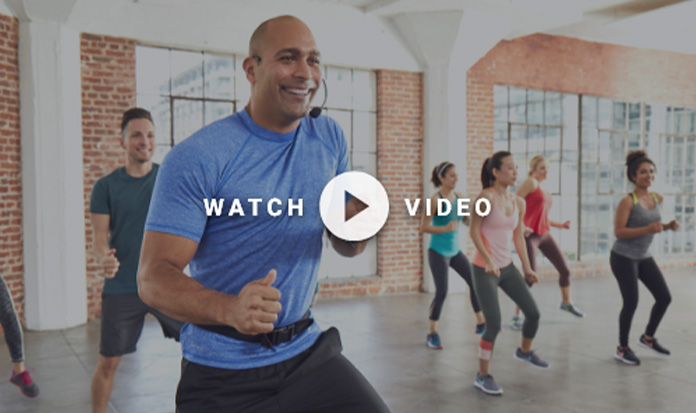
Watch: Become a fitness instructor for older adults
Now for the million-dollar question: which one do you pick? It’s a personal decision, and what’s “best” depends on your circumstances and goals.
Accreditation and Reputation
First off, make sure the certification is recognized. Look for organizations accredited by reputable bodies (like the NCCA in the US). A certificate from a fly-by-night operation won’t carry much weight. Reputable certifications matter.
Check reviews. Ask other professionals in the field. What do they recommend? A strong reputation often means a more rigorous program and better recognition in the industry.
Curriculum Content and Delivery Method
Does the course cover what you need to learn? Does it Match with your learning style? Some offer online-only courses, while others have a blended approach with in-person components.
Review the syllabus. Does it include modules on common senior health issues? Does it offer practical application exercises? A Full curriculum is non-negotiable.
Cost and Time Commitment
Let’s talk brass tacks. Certifications vary wildly in price and the time required to complete them. Be realistic about your budget and the time you can dedicate.
Don’t just go for the cheapest or fastest option. Weigh the cost against the value and the depth of the material. A higher initial investment in a quality certification often pays off in the long run through better skills and job prospects.
Alright, let’s get down to brass tacks. You’re past the “why” and now you’re staring down the barrel of “how.” Specifically, how do you get that shiny piece of paper saying you’re legit to lead a room full of seasoned folks in some jazzed-up aerobics? Forget the fluff. We’re diving deep into the nitty-gritty of certifications, costs, and what these programs actually want from you. Because let’s be honest, nobody’s got time for ambiguity when they’re trying to make a real impact.
AFAA and ACE Senior Fitness Specialist Certification Cost
Source : acefitness.org
So, you’re eyeing those big names, AFAA and ACE. Smart move. They’re reputable. But what’s the damage to your wallet? It’s not just the exam fee, mind you. Think study materials, maybe a workshop or two. It adds up faster than you’d think.
Understanding the Base Exam Fees
First off, the sticker shock. The NETA Senior Fitness Certification often comes in around a few hundred bucks. AFAA and ACE? They’re in that ballpark, sometimes a bit higher, especially if you bundle study guides or practice tests. It’s an investment, sure, but a necessary one if you want credibility.
Bundled Packages and Study Resources
Now, here’s where it gets interesting. Do you go for the bare-bones exam, or do you shell out extra for the Full study package? Many trainers find that the bundled options, while pricier upfront, actually save them time and frustration. They often include practice exams, video lectures, and detailed manuals. For senior fitness certification, these resources are gold.
Recertification Costs and Continuing Education Units
Don’t forget this part: certifications expire. It’s not a one-and-done deal. You’ll need to pay recertification fees every couple of years. Plus, you’ll have to rack up continuing education units (CEUs). This means more courses, workshops, or even attending conferences. It’s built-in professional development, but it’s also an ongoing expense you need to budget for.
How To Become Certified In Group Exercise For Seniors Online

Source : issaonline.com
The world’s gone digital, and fitness is no exception. Getting certified online sounds convenient, right? And it is! But you gotta be smart about choosing a program. Not all online courses are created equal, and you don’t want to end up with a piece of paper that’s basically worthless.
Benefits of Online Certification Programs
Let’s talk convenience. Studying from your couch? On your lunch break? Perfect. Online programs offer Best flexibility. You can learn at your own pace, revisit modules as needed, and avoid travel costs. It’s a huge win for busy individuals. This makes online group exercise certification super appealing.
Choosing the Right Online Platform
Here’s the catch. Is the platform reputable? Does it offer live interaction, or is it just a bunch of pre-recorded videos? Look for programs that have strong instructor support, interactive quizzes, and maybe even virtual labs or case studies. A good online course should feel engaging, not isolating.
Handling Virtual Exams and Practical Components
How do they test you? Some online certifications still require an in-person practical assessment, while others have you submit video demonstrations. Understand the process before you sign up. You need to make sure you’re comfortable with the testing format. A well-structured online senior fitness certification will be clear about this.
Requirements To Teach SilverSneakers Group Exercise Classes
Source : acefitness.org
Ah, SilverSneakers. It’s practically a household name among active seniors. If you want to get in on teaching these popular classes, there are specific hoops you need to jump through. It’s not just about being a good instructor; it’s about meeting their established criteria.
General Certification Requirements
Most likely, you’ll need a foundational group fitness certification from a recognized organization. Think ACE, AFAA, NASM, or similar. SilverSneakers wants assurance that you know the basics of exercise science, anatomy, and safe instruction. Without a solid group exercise certification, you’re probably not even in the running.
Specific SilverSneakers Instructor Training
Beyond the general cert, SilverSneakers often has its own training modules or workshops. These cover their specific class formats, teaching philosophies, and how to work with their particular demographic. You might need to complete these after your general certification. It’s about aligning with their brand and mission.
Background Checks and Insurance
Don’t forget the administrative stuff. Most organizations that partner with facilities like gyms or community centers require instructors to pass background checks. Liability insurance is also a must. It protects you and the facility. For teaching SilverSneakers classes, these are non-negotiable.
Best Senior Fitness Certification Programs For Personal Trainers
Source : afaa.com
Okay, personal trainers, listen up. You’ve got the one-on-one chops, but leading a group of seniors requires a different skill set. It’s about adapting exercises for varying abilities, managing group dynamics, and creating an encouraging atmosphere. What are the top programs that bridge that gap?
NASM Senior Fitness Specialist (SFN)
NASM is a powerhouse in the training world, and their Senior Fitness Specialist certification is top-tier. It dives deep into physiological changes associated with aging, chronic conditions, and how to design safe, effective programs. This is perfect for trainers looking to add a specialized group offering.
AFPA Senior Fitness Instructor Certification
The American Fitness Professionals & Associates (AFPA) offers a solid program focused specifically on senior fitness. It covers exercise physiology, nutrition, common health conditions, and program design for older adults. It’s Full and well-respected, giving trainers a strong foundation.
ISSA Certified Senior Fitness Trainer
The International Sports Sciences Association (ISSA) also has a dedicated certification for senior fitness. They emphasize a Overall approach, looking at strength, endurance, flexibility, and balance. Trainers often appreciate ISSA’s accessible online platform and detailed curriculum for senior fitness trainer specialization.
How To Get Certified In Chair Yoga And Group Exercise For Seniors

Source : americansportandfitness.com
Combining chair yoga with general senior group exercise? Now that’s a smart niche. It caters to those with limited mobility but still want the benefits of both yoga and structured exercise. But how do you get qualified for both?
Foundational Group Exercise Certifications
You’ll likely start with a general group fitness instructor certification. This covers the basics of anatomy, physiology, program design, and risk management for leading any group fitness class. It’s the bedrock upon which all other specializations are built. Without this, you’re missing critical knowledge.
Specialized Chair Yoga Training
For the chair yoga component, you’ll need specific training. Look for certifications that focus on adapting yoga poses for seated participants, using props effectively, and understanding the therapeutic benefits for seniors. This isn’t just about sitting and stretching; it’s about mindful movement. A good chair yoga certification will cover modifications extensively.
Integrated Senior Fitness Programs
Some programs might offer a combined approach, or you might need to piece it together. Consider certifications that specifically address adapting all types of exercise for seniors, including flexibility, strength, and balance. This Overall view ensures you can confidently lead a blended class, offering seniors a well-rounded experience and covering Key senior group exercise needs.
| Certification Body | Approximate Cost (USD) | Key Focus Areas | Online Option Available |
|---|---|---|---|
| AFAA (Group Fitness) | $250 – $400 (includes study materials) | General group fitness principles, modifications | Yes |
| ACE (Group Fitness) | $300 – $450 (package dependent) | Exercise science, program design, client assessment | Yes |
| NETA (Senior Fitness) | $200 – $350 | Specific needs of older adults, chronic conditions, modifications | Yes |
| NASM (Senior Fitness Specialist) | $300 – $500 (package dependent) | Aging process, chronic disease, program design for seniors | Yes |
See? It’s not just about one number. You gotta factor in study materials, potential workshops, and the fact that you’ll need to keep learning. So, when you look at the cost of certification, be thorough. Get all the details before you click ‘buy’.
Frequently Asked Questions
How much does a group fitness certification cost?
It really bounces around. You’re looking at anywhere from $100 for a basic online one that might not be worth the paper it’s printed on, to upwards of $500 or more for the big names like ACE or NASM. Don’t just grab the cheapest option; a solid certification is worth the investment.
How much do group fitness instructors get paid per class?
This is the million-dollar question, right? It varies wildly depending on where you are and what kind of gym or studio you’re working for. You could see anywhere from $15 an hour for a small community center gig, all the way up to $50, $75, even $100 per class if you’re a rockstar instructor at a high-end place or teaching specialty formats. A lot of gyms pay per class taught, not hourly.
How do you get a group fitness certification?
Easy enough. First, you gotta find a reputable organization – think ACE, NASM, AFAA, SCW. Then, you usually hit the books (or their online portal) to learn the material – anatomy, exercise science, how to cue, how to design classes. Finally, you take an exam, usually multiple choice, sometimes practical. Pass that bad boy, and boom: certified group instructor.
What’s the best certification for senior fitness specifically?
While general group fitness certs are a great starting point, if you’re serious about seniors, look for specialized ones. Organizations like the SCW (Seniors Fitness Institute) or programs from organizations like the National Academy of Sports Medicine (NASM) with their Senior Fitness Specialization are gold. They cover the unique needs, contraindications, and adaptations Key for working with older adults. It’s not just about modifying; it’s about understanding their physiology.
Do I need a certification to teach seniors?
Technically? Maybe not to volunteer at the local senior center. Realistically? YES. If you want to get hired by a gym, a health club, or even a reputable community program, they will absolutely require a recognized certification. It protects you, it protects them, and most importantly, it protects the seniors you’ll be leading. It shows you know your stuff and aren’t just winging it.
