Cracking the Code: Your Realistical Timeline To Pass The AAMA Certified Medical Assistant Exam
Look, you’re thinking about becoming a Certified Medical Assistant (CMA). That’s a smart move. But let’s cut the fluff. You want to know how long this whole process really takes, right? It’s not just about cramming for a test; it’s a whole journey from deciding to go for it to actually hanging that CMA certificate on your wall. This isn’t some magic formula; it’s a roadmap. And honestly, most of the online stuff is too vague. We’re talking real-world timeframes here.
We’ll break down the entire timeline, from the moment you decide this is your path to passing the exam. We’re talking about realistic expectations, not just wishful thinking. Because time is money, and frankly, who has extra time to waste figuring this out?
Laying the Foundation: The Educational Journey

Source : acmso.org
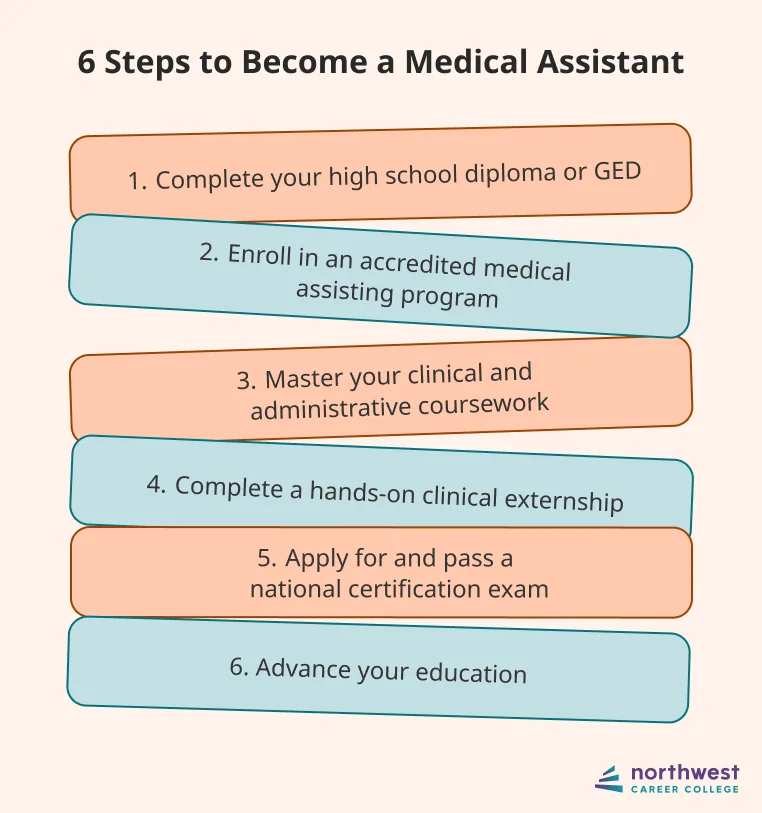
Before you even think about the exam, you gotta get the education. This is non-negotiable. The AAMA is pretty clear about this. Your formal training has to meet their standards. Forget shortcuts here; they’ll bite you later.
Choosing the Right Program
First off, what kind of program are you looking at? Medical assisting programs aren’t all created equal. You’ve got certificate programs, associate’s degrees, and sometimes even diploma programs. Each has a different time commitment. A certificate might be quicker, but an associate’s degree gives you a broader educational base.
Goals. Do you want to get into the workforce ASAP? Or are you looking for a more Full education that might open more doors down the line? Your choice here directly impacts your starting point for the CMA exam timeline.
ce2cf049-b427-458b-aa32-ac1dec561653.png?sfvrsn=d9113ae8_1)
Source : aama-ntl.org
Program Length Varies Wildly
So, how long does this education piece actually take? It really depends. Certificate programs can be as short as nine months to a year. They’re focused and get you the core skills. Associate’s degrees, though? Those usually clock in at around two years. That’s a significant chunk of your timeline right there.
Some people already have a degree in a related field and might only need to complete specific coursework. That’s a different ballgame entirely. But for most, it’s about dedicating yourself to a full program. This foundational step is Key.
Accreditation Matters (Seriously)
Don’t just pick any program. It has to be accredited by an agency recognized by the U.S. Department of Education. The Commission on Accreditation of Allied Health Education Programs (CAAHEP) or the Accrediting Bureau of Health Education Schools (ABHES) are the big ones. If your program isn’t accredited, your eligibility for the CMA exam is toast.
This accreditation check should be one of your very first steps. It saves you a massive headache later. Believe me, I’ve heard horror stories of people finishing programs only to find out they weren’t eligible. A program’s accreditation impacts everything.
Gearing Up: Post-Graduation and Eligibility
Okay, you’ve tossed your cap in the air. You’ve got your diploma or degree. Now what? This is where the pre-exam prep really kicks into gear. You’re not eligible to sit for the CMA exam the second you graduate.
Meeting the Eligibility Criteria
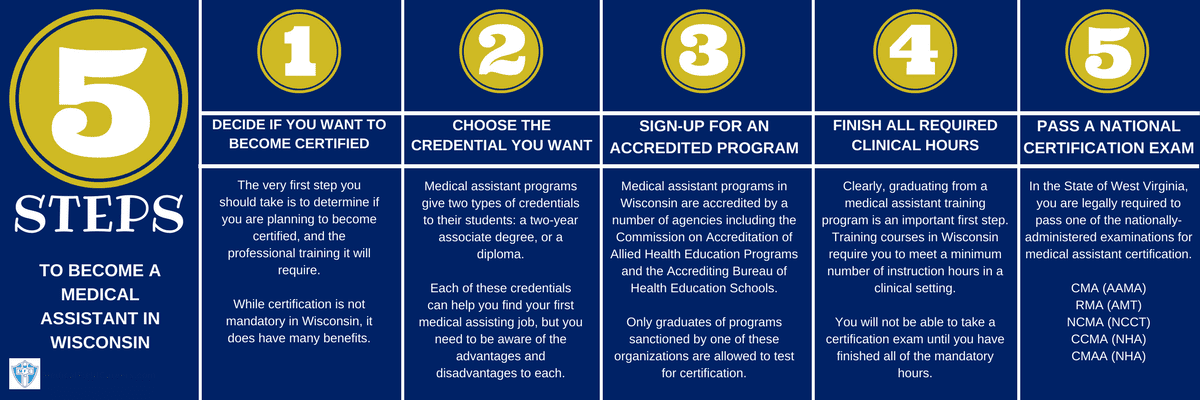
The American Association of Medical Assistants (AAMA) has specific requirements. You’ve got to have graduated from an accredited program (remember that accreditation part?). You also need to pass a specific examination – that’s the CMA (AAMA) exam itself. There are other pathways, like having current CMA (AAMA) certification or specific work experience, but for most recent grads, it’s about the program completion.
Make sure you’ve got all your ducks in a row before you even think about applying to test. Check the official AAMA website for the most up-to-date eligibility rules. They can change, and you don’t want to be caught off guard.
The Application Process
Once you’re sure you’re eligible, you apply to take the exam. This involves filling out forms and paying fees. You’ll typically apply through the AAMA, and they’ll verify your educational credentials. This step alone can take a week or two, depending on how quickly you gather your documents and how backed up the AAMA is.
Don’t rush this. Double-check everything. A simple mistake on your application could delay your ability to schedule your exam. That’s lost time you can’t get back. Get your application submitted correctly the first time.
Scheduling Your Exam Slot
After the AAMA approves your application, they’ll send you authorization to schedule your exam. You’ll then work with their testing provider, which is currently PSI. You’ll get instructions on how to create an account and pick a testing center and a date. This is where the actual timeline starts getting more concrete, but also more variable.
Source : medicalfieldcareers.com
Availability can be a real factor. Popular testing centers fill up fast, especially during peak times. You might need to be flexible with your schedule. Don’t expect to apply one day and test the next. Give yourself at least a few weeks, if not a month or more, for scheduling. This is a key part of your exam scheduling timeline.
The Heart of It: Studying for the CMA Exam
This is where the bulk of your focused effort happens. You’ve got your eligibility, you’ve applied, and you’ve got an authorization to schedule. Now it’s crunch time. How much study time do you actually need?
Assessing Your Knowledge Gaps
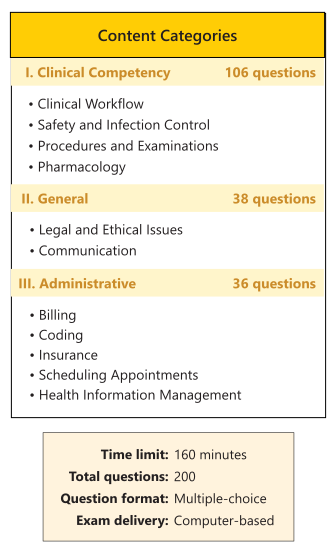
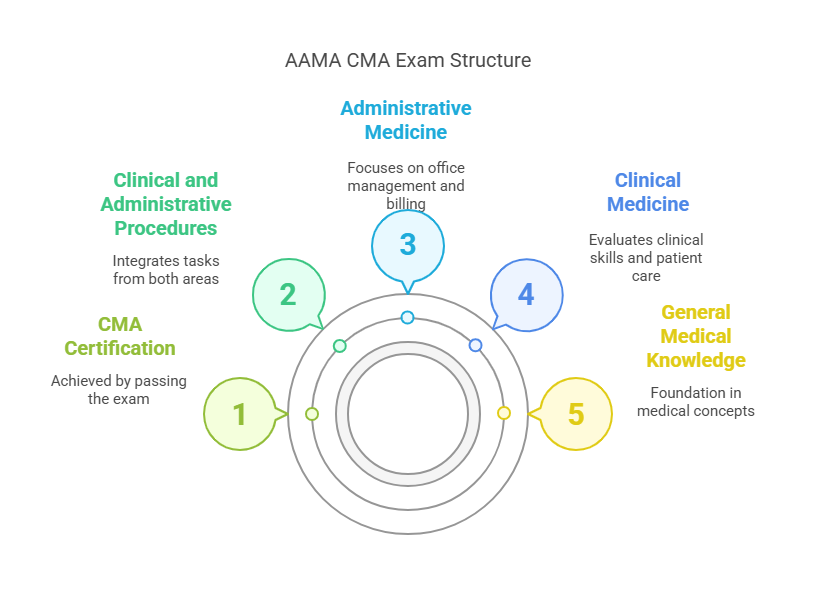
Be honest with yourself. What areas do you feel strong in? What subjects were a blur in your program? The CMA exam covers a lot: clinical, administrative, and general knowledge. You need to identify your weak spots early. A diagnostic test or practice exam can be a good starting point.
Don’t just skim over topics you don’t like. The CMA Exam Content Outline from the AAMA is your bible here. Use it to guide your study. Identify the key content areas that need the most attention.
Developing a Study Plan
A structured study plan is Needed. Don’t just randomly pick up a book. Decide how many hours per week you can realistically dedicate. Break down the content outline into manageable chunks. Schedule specific topics for specific days or weeks.
Consistency is way more important than marathon cram sessions. Even 30-60 minutes of focused study each day is better than 8 hours once a month. This plan will dictate your personal study timeline for the exam.
Resource Selection: Books, Practice Tests, and More
What are you going to use to study? There are tons of review books out there. Find ones that are up-to-date and reputable. Practice tests are GOLD. They simulate the exam experience and help you gauge your progress. Look for resources that mirror the AAMA’s content outline closely.
Some programs offer review courses, which can be incredibly helpful. Others prefer self-study. Whatever you choose, make sure the materials are reliable and Full. Investing in good study materials is critical.
Typical Study Timeframes
So, how long does the studying actually take? For someone who just finished an accredited program and has a good grasp of the material, maybe 4 to 8 weeks of focused study is sufficient. You’re refreshing and reinforcing knowledge.
If it’s been a while since you were in school, or if you feel your program didn’t cover everything thoroughly, you might need longer. 2 to 3 months of dedicated study isn’t uncommon. Some people even study for 6 months if they’re balancing it with work or family. It’s all about your personal starting point and learning style. This is where your dedicated study period truly lives.
Source : mometrix.com
The Big Day: Exam Administration and Results
You’ve studied, you’ve scheduled, and now you’re walking into that testing center. This part of the timeline is relatively short but incredibly important.
Getting To the Testing Center
Plan your trip to the testing center. Know the location, figure out parking, and allow Plenty of travel time. You don’t want to be stressed about logistics on exam day. Arrive early. Being late means you might not be allowed to test, and guess what? You’ll have to reschedule and go through the whole process again.
Bring the required identification. Check the PSI or AAMA instructions before you leave home. Forgetting your ID is a classic way to derail your exam day preparation. Don’t let that happen.
The Exam Experience
The CMA (AAMA) exam is computer-based and consists of 200 multiple-choice questions. You’ll have a set amount of time to complete it – typically 3 hours and 20 minutes, plus time for tutorials and breaks. It’s designed to test your competency across all the core areas of medical assisting.
Pace yourself. Don’t get stuck on one difficult question. Mark it and come back to it if you have time. Remember, you’re aiming to demonstrate your competence, not just guess your way through. Managing your time during the exam is key.
Receiving Your Results
This is the moment of truth. How soon will you know if you passed? Usually, you’ll receive your preliminary score report immediately after finishing the exam at the testing center. This tells you whether you passed or failed.
However, the official confirmation and your score details will come later from the AAMA. This can take anywhere from a few days to a couple of weeks. They want to Make sure everything is processed correctly. Waiting for official exam results can feel like an eternity.
Post-Pass: Certification and Beyond
Congratulations! You passed! But the timeline isn’t quite over yet. There are a few more steps to officially become a certified medical assistant.
Source : acmso.org
Formalizing Your Certification
Once the AAMA confirms your pass, they will issue your official CMA (AAMA) certificate. This document is proof of your credential. Keep it safe! It often takes a few weeks after you receive your preliminary results to get the official certificate in the mail.
This is the culmination of all your hard work. Your official certification document signifies you’ve met the national standard. It’s a major milestone.
Maintaining Your Credential
Being a CMA isn’t a one-and-done deal. Your certification is valid for a period (usually 60 months, or five years). To maintain it, you’ll need to complete continuing education (CE) units. You also need to keep your AAMA membership current (if you choose to maintain it) and reapply for certification before your current one expires.
Failure to meet these requirements means your certification lapses. Then you’d have to go through the whole process again, including retaking the exam. Planning for ongoing professional development is part of the long-term timeline.
Putting It All Together: A Sample Timeline
Okay, let’s boil this down into some rough numbers. Remember, this is just an example, and your mileage will vary.
Scenario 1: The Accelerated Path
You enroll in a 1-year accredited certificate program. You graduate, study intensely for 6 weeks, apply immediately, and get a testing slot within 3 weeks. Total time from starting the program to passing the exam: Approximately 1 year and 3 months.
This is aggressive. It assumes you hit the ground running with your studies and have no scheduling delays. It’s doable for some, but requires serious focus. This path highlights a quick CMA certification timeline.
Scenario 2: The Standard Associate’s Degree Path
You enroll in a 2-year accredited associate’s degree program. You take a month to study after graduation, a month for application processing and scheduling. Total time from starting the program to passing the exam: Approximately 2 years and 2 months.
This is more typical for students pursuing a degree. It allows for a more Full education alongside the exam preparation. It’s a typical CMA exam timeline for many.
Scenario 3: The “Been Away From School” Path
You completed an accredited program several years ago and need a refresher. You dedicate 3 months to focused study, allow 2 weeks for application, and take 1 month to get scheduled. Total time from deciding to study to passing the exam: Approximately 4 months.
Source : northwestcareercollege.edu
This focuses solely on the preparation and testing phase, assuming the educational requirement is already met. It emphasizes the time to pass the CMA exam after initial education. This is about your study and test readiness.
Factors That Can Stretch Your Timeline
Life happens. Sometimes, things don’t go according to plan, and your timeline gets extended. It’s important to be aware of these potential hiccups.
Work and Life Balance
Most people pursuing this credential are balancing it with jobs, family, or other commitments. This inevitably slows things down. You might need to study part-time, stretching out your program or your dedicated study period. Finding the right work-life balance is Key.
Don’t beat yourself up if it takes longer. A rushed job often leads to mistakes or burnout. It’s better to take the time needed to do it right. Slow and steady often wins the race in achieving career milestones.
Financial Considerations
Programs cost money. Exam fees cost money. Study materials cost money. Sometimes, people need to work more hours to afford these things, which eats into study time. Or they might need to save up before enrolling or applying. Financial planning directly impacts your overall timeline commitment.
Consider scholarships, grants, or payment plans offered by educational institutions. Sometimes, employers offer tuition assistance. Exploring all options can help keep your journey on track financially. Budgeting is key for managing exam costs.
Scheduling Availability
Test center availability can be a bottleneck. If you live in a less populated area, or if you’re trying to test during a busy season (like right after graduation), you might face longer waits. This is a common reason for timeline extensions. You need to be prepared for potential delays in exam scheduling.
Be proactive. As soon as you get your authorization to schedule, start looking at dates and locations. If your preferred dates aren’t available, be ready to consider alternatives or wait a bit longer. Patience is a virtue here, especially when dealing with testing center logistics.
Key Takeaways for Your Timeline
Let’s wrap this up with the absolute essentials. If you’re serious about passing the CMA exam and want a realistic timeline, focus on these points.

Source : careeremployer.com
1. Education First, Always
Your accredited program is the bedrock. Don’t cut corners here. The time spent in your program (1-2 years typically) is the non-negotiable starting point. Understand the duration of your education is the first major block of time.
2. Strategic Study is Key
Post-program, dedicate specific time to study. Whether it’s 4 weeks or 3 months, have a plan. Consistent, focused effort yields better results than sporadic cramming. This focused study period is critical for success.
3. Factor in Application & Scheduling
Give yourself at least a month between finishing your primary studies and your actual exam date to account for applications, approvals, and scheduling. Rushing this part can lead to unnecessary stress and delays. Plan for the administrative lead time.
4. Be Prepared for Variables
Life happens. Work, family, finances, and test center availability can all stretch your timeline. Build some buffer time into your estimates. It’s better to finish early than to feel constantly rushed. Understand that external factors influence timing.
The timeline to pass the AAMA Certified Medical Assistant exam is a personal journey. But by understanding the stages and potential variables, you can create a realistic plan and set yourself up for success. Now go get it!
Frequently Asked Questions
What is the pass rate for the AAMA exam?
Honestly, the AAMA doesn’t release an official pass rate, but most people who are well-prepared nail it. The key is knowing your stuff and feeling confident. It’s all about solidifying your medical assistant knowledge.
How long does the AAMA exam take?
You get a solid 3 hours and 20 minutes to take the exam. Plenty of time to review your answers and make sure you didn’t miss anything. Don’t rush, but don’t dawdle either. Focus on time management during your exam preparation.
How fast can I get my MA certification?
Once you pass the exam, you’ll typically get your results fairly quickly, often within a few weeks. Then, your official certification follows. It’s a pretty streamlined process once you’ve passed the certified medical assistant exam.
What are the main study areas for the AAMA exam?
You’ll want to focus on clinical skills, administrative duties, and the general knowledge base of a medical assistant. Brush up on anatomy, physiology, patient care, and medical terminology. Thorough study of clinical and administrative tasks is Key.
Can I retake the AAMA exam if I don’t pass?
Yep, you can retake it! There are specific rules about waiting periods and the number of times you can attempt it, so check the official AAMA guidelines. But don’t sweat it too much; good preparation makes a big difference. Always aim to pass on your first try with effective exam strategies.
