The Real Timeline To Become A Certified Nursing Assistant In Texas (No BS!)
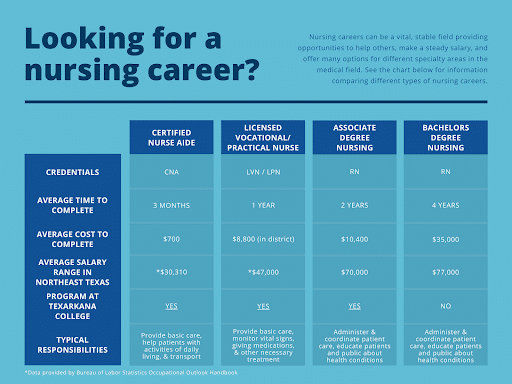
So, you wanna be a Certified Nursing Assistant in Texas? Good for you! It’s a noble calling, helping folks when they need it most. But let’s cut the fluff. How long does this whole process actually take? Forget those vague timelines you’ve seen elsewhere. I’m talking about the nitty-gritty, the real-deal schedule you can expect.
We’re not just looking at classroom hours here. Oh no. We’re diving deep into background checks, state exams, and finding the right program for you. Because trust me, one size definitely does not fit all when you’re trying to get this done quickly and correctly.
Step 1: Meeting the Initial Requirements (Don’t Skip This!)
Source : texarkanacollege.edu
Age and Education Basics
First things first, you gotta be at least 18 years old. No exceptions, sorry teenagers. You’ll also need a high school diploma or a GED. If you’re still working on that, get it sorted before you even think about CNA programs. It’s a non-negotiable prerequisite for the Texas Nurse Aide Registry.
Background Check: The Necessary Evil
Texas requires a criminal background check. They’re looking for certain convictions, especially those related to abuse or neglect of vulnerable individuals. This isn’t something you can rush; it takes time for the results to come back. Make sure you’re upfront about any past issues. Honesty is the best policy here, folks.
Health Screening and Immunizations
You’ll need a physical exam from a doctor to prove you’re healthy enough for the job. This usually includesTB testing (a PPD or chest X-ray) and proof of immunizations like MMR, Varicella, and the Hepatitis B vaccine. Some programs might have specific requirements, so double-check with your chosen school. Getting these done can take a week or two, depending on your doctor’s availability.
Source : collegemoneytips.com
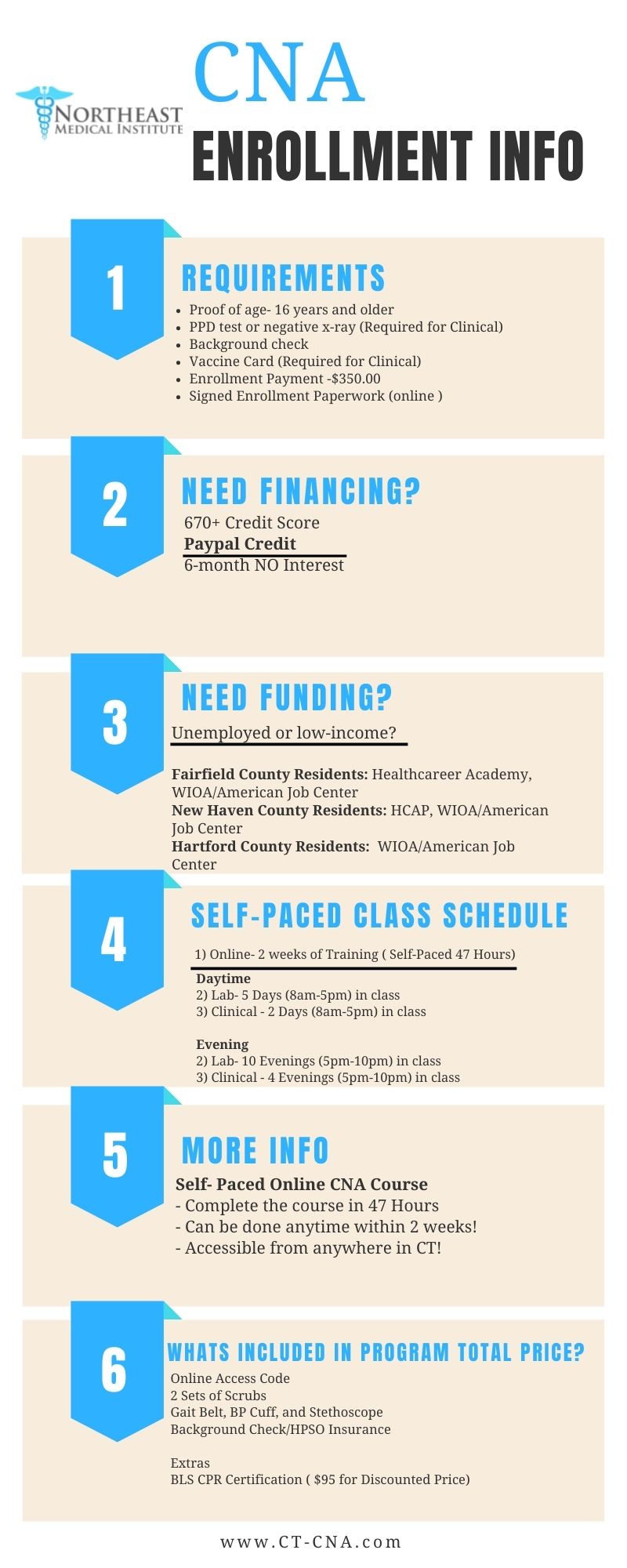
Step 2: Choosing Your Approved CNA Training Program
What Makes a Program “Approved”?
Not just any class will do. The Texas Department of Health Services (DSHS) has a list of approved training programs. These programs meet specific curriculum standards, ensuring you get the right knowledge and skills. You can find this list on the official state website. Don’t mess around with unapproved programs; it’s a waste of time and money.
Program Lengths: Full-Time vs. Part-Time
This is where the timeline really starts to branch out. Full-time programs are the speed demons, often cramming everything into 3-6 weeks. Think Monday through Friday, with long days. Part-time programs are more forgiving, usually meeting a few evenings a week or on weekends. These can stretch anywhere from 6-12 weeks, sometimes longer. Consider your existing commitments – a job, family – when making this choice. Speed isn’t everything; finishing is.
Location, Location, Location (and Cost!)
Proximity matters. Do you want to drive an hour each way? Probably not. Look for programs close to home or work. Also, compare costs. While most approved programs fall within a certain range, prices can vary significantly. Factor in tuition, books, uniforms, and background check fees. Some programs might even offer payment plans, which could affect your overall financial timeline.
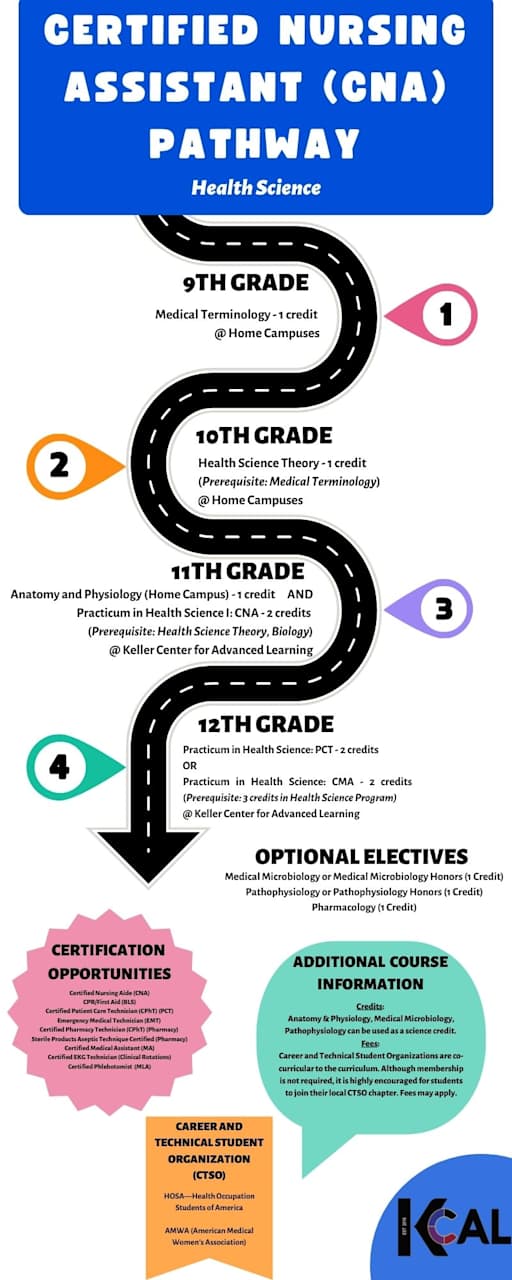
Step 3: Completing Your CNA Training
The Classroom Component: What You’ll Learn
This is the book stuff. You’ll cover everything from basic patient care, Key signs, and infection control to communication skills and emergency procedures. Expect lectures, discussions, and maybe some quizzes. It’s Key to absorb this information; it forms the foundation for your skills test and, more importantly, for actually caring for patients safely.
The Clinical Skills Lab: Hands-On Practice
This is where theory meets practice. You’ll learn and practice Needed CNA skills like bathing, dressing, feeding, transferring patients, taking Key signs, and bed making. You’ll do this in a controlled lab environment, often with manikins and other students acting as patients. Repetition is key here. Get comfortable with each skill.
Supervised Clinical Experience: The Real Deal
This is the capstone of your training. You’ll spend a set number of hours (usually around 40, but check your program specifics) in a real healthcare setting – a nursing home, hospital, or assisted living facility. You’ll work under the direct supervision of a registered nurse or instructor, performing the skills you learned in the lab on actual residents. This is Crucial experience and a Key part of your CNA certification process.
Source : kcal.kellerisd.net
Step 4: Applying for the Certification Exam
Getting Your Application Approved by the State
Once you’ve successfully completed your training program, your instructor will typically help you with the application to take the state certification exam. This involves submitting the required forms and proof of training completion to the Texas Department of Licensing and Regulation (TDLR) or whoever oversees the registry at that moment. They need to verify you finished an approved program. Don’t lose your completion certificate!
The Waiting Game: How Long Does Approval Take?
This part can be a bit unpredictable. Once your application is submitted, it can take anywhere from a few days to a couple of weeks for the state to process it and approve you to test. Factors like the volume of applications they’re receiving can influence this. Some programs might have partnerships that Speed up this, but generally, budget for about a week or two of waiting. This is a key point in your timeline to become a CNA in Texas.
Scheduling Your Exam Date
As soon as you get the green light, it’s time to book your exam. Testing centers can get busy, especially during peak times. Don’t delay! You want to schedule your test as soon as possible after receiving approval to keep the momentum going. The sooner you test, the sooner you can get to work.
Step 5: Passing the Texas CNA Certification Exam
The Two-Part Exam: Written and Skills
The Texas CNA exam isn’t just one thing. It’s a two-part ordeal: a written knowledge test and a practical skills demonstration. You have to pass both parts to become certified. They are usually taken on the same day, back-to-back.
The Written Exam: What to Expect
This is a multiple-choice test covering the knowledge you gained during your training. Topics include patient rights, safety procedures, communication, basic nursing skills, and more. You’ll typically have about 90 minutes to complete it. Study your notes, review practice tests, and you should be golden.
The Skills Exam: Show What You Know
This is where you’ll physically perform several CNA skills. The exact skills vary, but they’re drawn from the core competencies taught in your training. You’ll be given a scenario and have to demonstrate the correct steps, including important things like handwashing and safety checks. An evaluator will watch you closely. Practice these skills until they’re second nature!
Source : texarkanacollege.edu
Passing Scores and Retakes
You need a minimum score on the written test and must correctly perform all critical steps in the skills section. If you fail one part, you only need to retake that specific part. You have a limited number of attempts (usually three) before you have to repeat the entire training course. So, study hard and practice your skills!
The Actual Timeline: Putting It All Together
The Fastest Possible Route (If Everything Goes Perfectly)
Let’s talk speed. If you find a quick, intensive 3-week full-time program, get approved immediately, and pass both parts of the exam on your first try, you could technically be looking at a timeline of around 4 to 5 weeks from starting training to being certified. This is rare and requires flawless execution and zero delays.
A More Realistic Full-Time Timeline
Most people doing full-time training will fall into the 6 to 8-week range. This accounts for a standard 4-6 week training program, plus a week or two for background checks, state application processing, and scheduling the exam. It also assumes you pass the exam on your first attempt. This is a common scenario for many aspiring CNAs.
The Part-Time Pathway: A Longer Haul
If you’re juggling life and choosing a part-time program that lasts 8-12 weeks, your total timeline will naturally extend. Add on the administrative time for applications and testing, and you’re realistically looking at 10 to 16 weeks, or even a bit longer. This allows for a more manageable learning pace, but it takes patience.
Factors That Can Extend Your Timeline
Life happens, right? Delays in background checks, waiting for a testing appointment, needing to retake an exam, or even just program scheduling can add weeks. A particularly backed-up testing center or a holiday break can push things out. It’s why it’s smart to aim for the faster end but prepare for a slightly longer journey. Don’t get discouraged if it takes a bit longer than you initially planned.
Post-Certification: Getting to Work
Receiving Your Official Certification
After you pass the exam, your name will be added to the official Texas Nurse Aide Registry. You should receive official documentation, though this can also take a week or two. This is your proof! You’re officially a Certified Nursing Assistant in Texas and ready to start applying for jobs.
Source : northeastmedicalinstitute.com
Job Searching and Application Process
Once you have your certification, the job hunt begins. Update your resume, highlight your new skills, and start reaching out to facilities. Some facilities might have their own application and onboarding processes that can take another week or so. Think about where you want to work – nursing homes, hospitals, home health agencies? Each might have a slightly different hiring pace.
Typical Time from Certification to First Day
Many facilities aim to get new hires started quickly. If you’re proactive and prepared, you could potentially be starting your first CNA job within 1 to 3 weeks of receiving your official certification. This includes time spent interviewing, completing facility-specific paperwork, and passing any additional required screenings.
Making the Most of Your Training Investment
Choosing a Program Wisely Saves Time
Don’t just pick the closest or cheapest option without research. A reputable program with good instructors and efficient administrative processes will help you stay on track. Reading reviews and asking current or former students can provide valuable insights. The CNA training process in Houston, for example, has many reputable institutions you can investigate.
Staying Organized is Key
Keep all your documents in order: ID, diploma/GED, immunization records, training completion certificate, and any communication from the state or testing center. Missing paperwork is a surefire way to cause delays. Create a folder (physical or digital) and keep everything related to your CNA journey in one place.
Proactive Communication Pays Off
If you’re having trouble with an application, aren’t sure about a requirement, or need to reschedule, communicate! Contact your training program, the testing center, or the relevant state agency. Don’t wait for problems to escalate. Being proactive can often solve minor issues before they become major timeline setbacks.
Data Snapshot: CNA Certification Timeline Breakdown
Here’s a quick look at how the weeks can stack up:
| Stage | Estimated Duration | Key Considerations |
|---|---|---|
| Training Program (Full-Time) | 3-6 Weeks | Intensive schedule, requires commitment. |
| Training Program (Part-Time) | 6-12 Weeks | More flexible, longer overall duration. |
| Background Check & Application Processing | 1-3 Weeks | Can vary based on state volume. |
| Exam Scheduling & Waiting | 1-2 Weeks | Depends on testing center availability. |
| Passing the Exam | 1 Day | Pass both written and skills sections. |
| Job Search & Onboarding | 1-3 Weeks | Time to secure a position and complete hiring steps. |
| Total Realistic Timeline | 6-16+ Weeks | Varies greatly based on program choice and individual pace. |
Source : westcoastuniversity.edu
Handling the Texas Nurse Aide Registry
Understanding the Registry’s Role
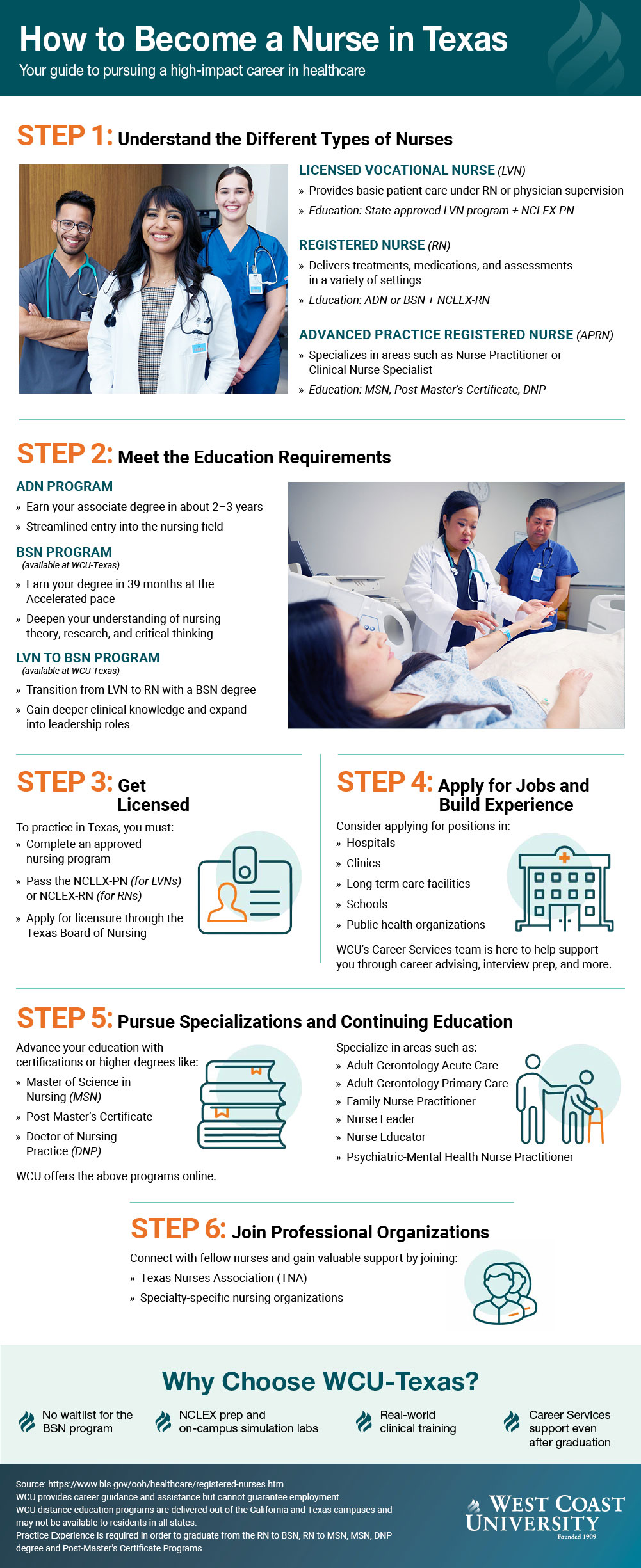
The Texas Nurse Aide Registry is the official state database of all individuals who have successfully completed an approved training program and passed the certification exam. It’s managed by the DSHS and ensures that only qualified individuals are working as CNAs in Texas. Facilities use this registry to verify your credentials. You can check your status on the registry yourself.
Keeping Your Certification Active
Your CNA certification isn’t a lifetime thing without renewal. You need to renew it periodically, typically every two years. This usually involves working for pay as a CNA during that period and completing continuing education requirements. Failure to renew means your certification lapses, and you’ll have to go through the process again. Don’t let that happen!
Resources for Official Information
For the most up-to-date and official information, always refer to the Texas Department of Health Services. They are the ultimate authority on all things CNA certification in the state. You can find details about requirements, approved programs, and the registry itself on their official website, like the information on becoming a certified nurse aide in Texas.
Final Thoughts: Your CNA Journey Timeline
So, there you have it. Becoming a Certified Nursing Assistant in Texas isn’t an overnight thing, but it’s definitely achievable. Whether you’re aiming for the speedy 6-week route or a more relaxed 16-week part-time schedule, understanding the steps and giving yourself realistic timeframes is Key. Don’t get bogged down by the process; focus on learning, practicing, and passing that exam. Your future patients are counting on you!
Frequently Asked Questions
What’s the typical timeline to become a CNA in Texas?
Because it varies a bit, but generally, you’re looking at about 4 to 8 weeks. This includes your training program and then passing the state exam. So, it’s pretty quick to get started in healthcare!
How long does a CNA training program usually take in Texas?
Most programs are around 4 to 6 weeks long. Some might be a little shorter, some a bit longer depending on the school and if you’re doing it full-time or part-time. It’s all about getting you the necessary CNA skills.
How long do I have to wait to take the CNA exam in Texas after finishing my training?
You can usually schedule your exam pretty soon after completing your training program. The key is getting your program completion verified. Don’t wait too long, though, because your training needs to be fresh for the Texas CNA test.
Are there any factors that could slow down the timeline to become a CNA?
Yeah, definitely. Things like program availability, scheduling your exam, or even just needing to retake a part of the exam if you don’t pass the first time can add time. Also, background checks can sometimes take a bit. So, be patient with the CNA certification process.
Can I speed up the process of becoming a CNA in Texas?
Sometimes. If you find an accelerated or intensive program, that can shave off some time. Also, being super organized with scheduling and paperwork helps. But remember, you still need to absorb all the nursing assistant knowledge and skills properly.
