So, You Want to Be a CNA Online? Let’s Talk Timelines.
The Burning Question: How Fast Can You Actually Do It?
Everyone’s asking, right? How long does it take to become a CNA online? It’s the million-dollar question for anyone eyeing a career change into healthcare without wanting to spend years in a classroom. And honestly, the answer isn’t a simple one-size-fits-all. It’s more like, “it depends.
But let’s cut through the fluff. You’re looking for a realistic timeframe. Something you can plan around. Something that tells you when you might be pulling on those scrubs for real. We’re talking about getting you from “thinking about it” to “certified and ready to work.
Forget the “Get Rich Quick” Schemes – This is Real Life
There are a lot of programs out there promising the moon. “Become a CNA in 2 weeks!” they shout. While some accelerated programs might get you through the coursework quickly, remember there are other pieces to this puzzle. We’re talking clinical hours, state exams, and background checks. So, temper those expectations a little.
Think of it like baking a cake. You can have the best ingredients and the quickest oven, but you still need to let it bake properly. Rushing it means you end up with a gooey mess. This is your career, not a race to the bottom.
What REALLY Dictates the Timeline?
Several factors play a massive role. Your chosen CNA program is huge, obviously. But so is your own pace, the state you’re in, and even your ability to schedule those Key clinical hours. It’s a multi-faceted thing, and ignoring any one part will mess up your timing.
We’ll break down each of these components. Because understanding the “why” behind the timeline is just as important as knowing the timeline itself. Knowledge is power, after all, especially when it comes to your future.
The Core Components: Building Blocks of Your CNA Journey
Source : collegemoneytips.com
Online Coursework: The Brainy Bit
This is where most of the “online” part comes in. You’ll be hitting textbooks (digital ones, usually), watching lectures, and taking quizzes. This covers all the Needed knowledge: patient care basics, anatomy, infection control, ethics – the whole nine yards. The length here varies wildly.
Some programs are designed to be self-paced, meaning you can blast through them if you have the time and the drive. Others have set weekly modules. This section could take anywhere from a few weeks to a couple of months, depending on the program’s structure and your personal commitment.
Source : collegemoneytips.com
Clinical Hours: Getting Your Hands Dirty
This is the non-negotiable, gotta-be-there part. You can’t learn bedside manner from a screen alone. You absolutely need supervised hands-on experience in a real healthcare setting – think nursing homes, hospitals, or clinics. This is where you practice everything you learned online, under the watchful eye of an instructor or supervisor.
Most states mandate a specific number of clinical hours. It’s typically somewhere around 30-100 hours. This part often takes the longest to schedule and complete because it involves coordinating with facilities and fitting into their operational schedules. Don’t underestimate this time sink!
State Exams and Certification: The Final Hurdle
Once you’ve aced your coursework and finished your clinicals, you’re not quite done. You’ve got to pass a state-specific exam. This usually involves a written (or computer-based) knowledge test and a practical skills assessment. They want to see you can actually do the stuff, not just talk about it.
The time it takes to get scheduled for this exam and then receive your official certification can add another few weeks to the process. It’s the final gatekeeper, ensuring you meet the standards. You’ll be listed on your state’s nurse aide registry once you pass.
Variations Across the States: It’s Not Uniform
State-Approved Programs: The Foundation
The biggest variable? Your state. Every state has its own board of nursing or health department that dictates the requirements for CNA certification. This means the length of the required training programs, the specific curriculum, and the testing procedures can differ significantly. What’s accepted in California might not fly in Florida.
You absolutely must Make sure any online CNA program you consider is approved by the licensing body in the state where you intend to work. Skipping this step means your hard-earned certificate might be worthless. It’s a critical foundational step, and finding a state-approved program is Top.
Finding Clinical Placement: The Logistical Nightmare
While the coursework might be online, the clinical component almost always needs to be done in person. Some programs have established partnerships with healthcare facilities and can help you find a placement relatively easily. Others? Not so much. You might be on your own, cold-calling places and hoping for a spot.
This can add significant time. If you live in a rural area or a place with high demand for clinical slots, it could take weeks or even months to secure a placement. Some resources, like the Red Cross, offer training that includes clinical components, sometimes streamlining this.

Source : cna.plus
Exam Scheduling and Registry Listing
After completing your training, you need to schedule your certification exam. Depending on the volume of candidates and the testing center availability in your area, this can sometimes involve a wait. Once you pass, your name gets added to the state’s nurse aide registry. This process, from applying to test to being listed, can take anywhere from a couple of weeks to over a month.
Some states are faster than others. It’s always wise to check with your specific state’s regulatory agency for the most accurate timeline information. Don’t assume it’s instantaneous.
Typical Timeframes: Breaking Down the Average
The “Fast Track” Online Programs
Okay, let’s talk about those faster options. Some fully online or hybrid programs are designed for speed. They might condense the coursework into a shorter period, perhaps 4-8 weeks, assuming you can dedicate significant time each day. These often require you to find your own clinical sites or have limited slots available.
For example, a program might offer 120 hours of combined coursework and clinicals, all wrapped up in a tight schedule. This is doable if you’re unemployed or can take extended leave from work. You’ll be hitting the books and the bedside hard. This is for the super-motivated!
The Standard Online/Hybrid Model
This is probably the most common scenario. You’ll find programs that blend online learning with in-person clinicals, and they generally take longer to accommodate varying schedules. Expect this route to take anywhere from 6 weeks to 3 months.
This timeframe allows for a more relaxed pace with the coursework, perhaps a few hours a week, and then a dedicated block for clinicals. It’s a realistic option for people juggling other commitments, like part-time jobs or family responsibilities. Many community colleges, like Pima Community College, offer these types of programs.
Slower Paced or Part-Time Options
Then there are the programs designed for maximum flexibility. These might spread the online coursework over several months, perhaps 3-6 months or even longer, especially if the clinical component is also part-time. This is ideal for individuals who need to earn income while studying or have significant family obligations.
The advantage here is less stress and the ability to absorb information more thoroughly. The downside? It takes longer to get certified and start earning your CNA salary. Think of it as a marathon, not a sprint. You get there eventually, but it’s a slower, steadier pace.
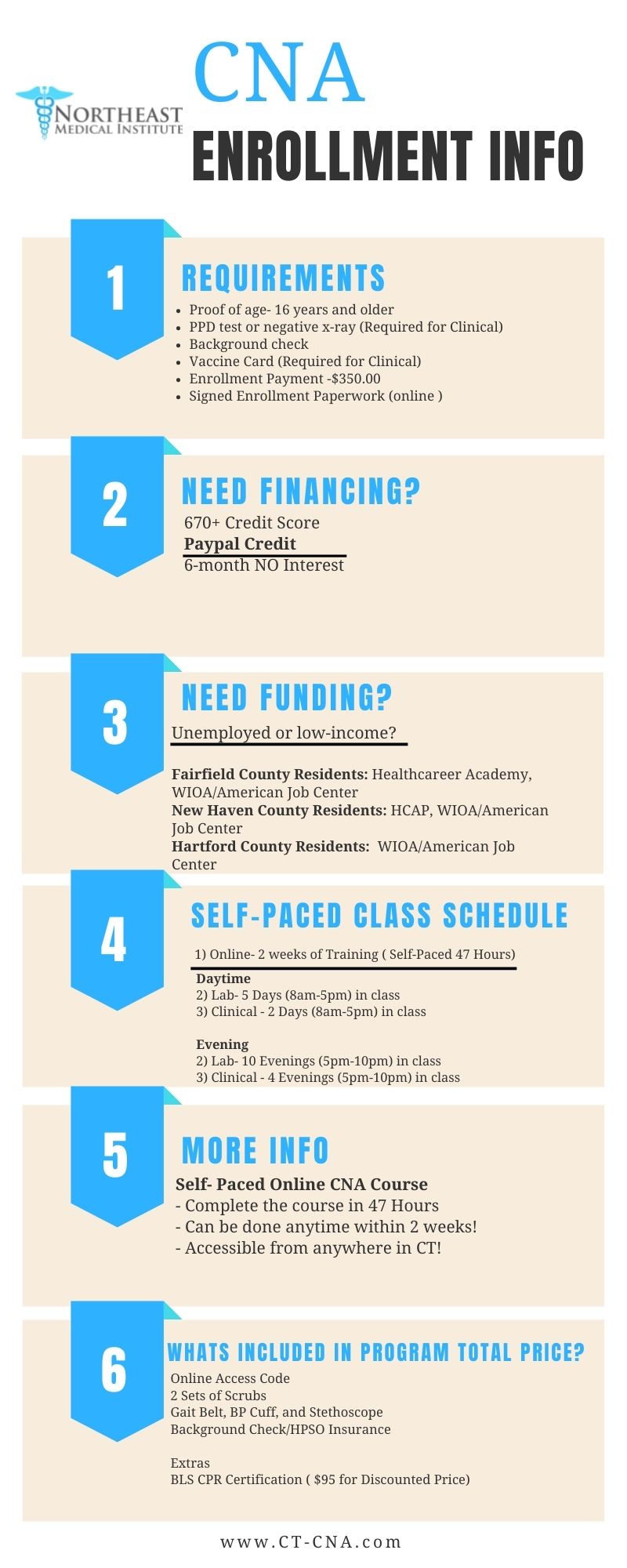
Source : northeastmedicalinstitute.com
Factors That Can Speed Things Up (or Slow Them Down)
Your Personal Pace and Dedication
Let’s be brutally honest: how long it takes to become a CNA online often boils down to you. How many hours can you realistically commit each week? Are you disciplined enough to log in and study even when you don’t feel like it? Can you power through assignments and quizzes without procrastinating?
If you can dedicate 15-20 hours a week (or more!) to the coursework and quickly arrange your clinicals, you’ll definitely be on the faster end of the spectrum. If you’re squeezing in an hour here and there between work and life, it’s going to take longer. Simple as that.
Program Structure and Support
The design of the program itself is a massive factor. Does it have built-in support systems? Are instructors readily available for questions? How streamlined is the process for finding and scheduling clinical rotations? Some programs, like those from reputable organizations, might have better infrastructure.
A program that actively helps you secure clinical placements can shave weeks off your timeline. Conversely, a program that leaves you high and dry to figure out your own clinicals can add significant delays. Look for programs with strong student support services. It’s worth the investment.
Clinical Site Availability and Your Location
We mentioned this, but it bears repeating because it’s that important. If you live in a densely populated area with many healthcare facilities, finding a clinical slot might be quick. If you’re in a more remote location, or if all the local facilities are already saturated with students, you could be waiting a while. This is often the biggest bottleneck.
Sometimes, geographic location is the ultimate decider. It can influence everything from program availability to how quickly you can complete those Needed in-person clinical hours. Websites like Nursa often discuss the practicalities of getting certified and finding work.
A Snapshot of CNA Program Timelines: What to Expect
The Quickest Possible Scenario (Rare but Possible)
In a hyper-accelerated, perhaps state-specific program with guaranteed clinical slots and a highly motivated student, you might theoretically finish the entire process—coursework, clinicals, and exams—in as little as 4 to 6 weeks. This is extremely rare. It demands full-time dedication and a program designed for maximum speed.
Think of it as a boot camp. Intense, fast, and not for the faint of heart. You’d need to be fully available, living and breathing CNA training. It’s a sprint, pure and simple.
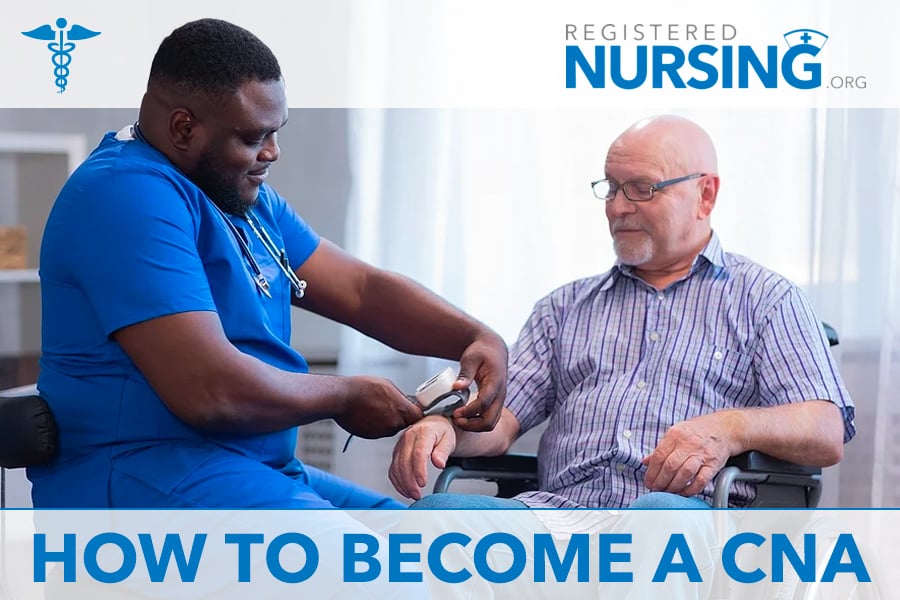
Source : registerednursing.org
The Most Common Online Program Timeline
For the majority of students pursuing online or hybrid programs, a realistic timeframe is usually between 6 weeks and 3 months. This range allows for the completion of online modules, the required in-person clinical experience, and passing the certification exams. It balances speed with practicality.
This is the sweet spot for many. It’s manageable alongside other life demands but still gets you into the workforce relatively quickly. Most reputable online CNA programs fall into this bracket. It’s a solid, achievable goal.
A More Relaxed, Part-Time Approach
If life is hectic, or if the program allows for extended completion times, you could be looking at 3 to 6 months or longer. This might involve taking fewer online modules per week or experiencing delays in clinical placement. It prioritizes flexibility over speed.
This isn’t a bad thing! It might mean you gain a deeper understanding and are better prepared. Plus, you can often continue working or managing other responsibilities without feeling completely overwhelmed. It’s about finding the right fit for your circumstances.
Making the Choice: Finding the Right Program for YOU
Assess Your Own Schedule and Learning Style
Before you even look at programs, take a hard look at your life. How much time can you honestly dedicate each week? Are you a self-starter who thrives with online modules, or do you need face-to-face interaction? Be realistic. Don’t pick a 4-week program if you can only study 5 hours a week.
Your personal bandwidth is the most critical factor. Knowing this will help you filter programs effectively. It’s better to choose a slightly longer program that you can successfully complete than a “fast” one you abandon halfway through.
Research Program Accreditation and Reviews
Don’t just pick the first result you see. Check if the program is accredited by recognized bodies and, more importantly, approved by your state’s nursing board. Read reviews from past students. Did they find the support helpful? Was the clinical placement process smooth? Were they successful in passing their exams?
Look for testimonials that mention the actual time it took them. Are they consistent with the program’s claims? Good online reviews, especially those detailing the student experience, are gold. Bad ones? Run for the hills.
Source : nocotraining.com
Understand ALL Associated Costs and Fees
Beyond tuition, what else are you paying for? Background checks, scrubs, textbooks, exam fees, potential travel costs for clinicals – these add up. Some programs might hide fees, so ask for a detailed breakdown. Factor these into your overall budget and timeline considerations.
Knowing the total cost helps you plan financially. Some programs might seem cheaper upfront but end up costing more overall. Always ask for a complete fee schedule. Transparency is key here. A good program will lay it all out clearly.
Data Table: Online CNA Program Timeline Comparison
| Program Type | Estimated Coursework Time | Estimated Clinical Time | Total Estimated Time (Pre-Exam) | Pace |
|---|---|---|---|---|
| Hyper-Accelerated Boot Camp | 2-3 Weeks | 1-2 Weeks | 4-6 Weeks | Intense, Full-Time |
| Standard Online/Hybrid | 4-8 Weeks | 2-4 Weeks | 6-12 Weeks (1.5-3 Months) | Moderate, Flexible |
| Part-Time/Extended Option | 8-16+ Weeks | 4-8+ Weeks (Can be staggered) | 3-6+ Months | Slow, Very Flexible |
Final Thoughts: Patience is a Virtue, Especially in Healthcare
So, how long does it take? The short answer is: it varies. But for most people doing it online, expect somewhere between six weeks and three months for the core training and clinicals. Add a little buffer for exams and certification processing.
Don’t get caught up chasing the “fastest” program if it doesn’t fit your life or learning style. The goal is to become a competent, confident CNA. Rushing the process might save you time initially, but it could cost you in the long run if you’re not fully prepared. Choose wisely, dedicate yourself, and you’ll be working in your new healthcare career before you know it.
Frequently Asked Questions
What is the fastest you can become a CNA?
Because it varies so much by state and program, it’s tough to give a single number. But generally, you’re looking at anywhere from 4 to 12 weeks for an online CNA program. The quickest route usually involves a really intensive program that packs everything in. Gotta make sure you’re still covering all the bases though, so don’t just chase speed! Focus on actually learning to be a great Certified Nursing Assistant.
Can CNAs make $1000 a week?
It’s definitely possible, but not the norm everywhere. To hit that kind of income, you’d likely need to work a lot of hours, maybe overtime, or pick up extra shifts. Specializing in certain areas or working in high-demand locations can also boost your pay. Sometimes travel CNA jobs pay that much, too. So yeah, maybe, but it takes some hustle to become a high-earning CNA.
How much does an online CNA program usually cost?
So, the cost for online CNA programs can really swing. You might find some programs that are super affordable, maybe a few hundred bucks. Others can go up to a couple thousand dollars. It depends on the school, what’s included (like books or uniforms), and how long the program is. Always check what you’re getting for your money when looking at online CNA training.
Do I still need clinical hours if I do an online CNA program?
Oh yeah, absolutely! Even with an online program, you can’t skip the hands-on part. You’ll still have to complete a set number of supervised clinical hours at a healthcare facility. This is super important for actually learning the job and getting you ready to pass your certification exam. The online part is mostly for the theory and classroom stuff, but the practical CNA skills are a must.
Are online CNA programs accredited?
That’s a big one! You gotta make sure any online CNA program you’re considering is accredited by a recognized body. Accreditation means the program meets certain quality standards. Without it, your training might not be accepted by your state for certification. Always do your homework and look for approved CNA programs to avoid any headaches later.
