Alright, let’s talk about something genuinely important, something that touches lives in a way few things can: making sure our older generation stays active, engaged, and healthy. And I’m not just talking about the occasional gentle stretch. I’m talking about becoming a certified pro in chair yoga and leading group exercise sessions designed specifically for seniors. It’s more than just a job; it’s a calling, really. Think about it: the profound impact you can have. It’s deeply rewarding.
This isn’t your average fitness certification, mind you. We’re diving deep into the specifics of working with a population that has unique needs and incredible resilience. You’re not just learning poses; you’re learning how to adapt, how to connect, and how to truly make a difference. It’s about empowerment, both for you and for the seniors you’ll be guiding. Let’s get this covered, shall we?
Why This Niche Is Exploding Right Now
Honestly, the world is finally waking up to the fact that seniors aren’t just sitting around waiting for the next meal. They’re vibrant, they want to live full lives, and they need qualified people to help them do it safely. This is where you come in.
The Growing Senior Population Demands More
Look at the numbers. The baby boomer generation is aging, and they’re not slowing down like previous generations. They’re more health-conscious, more active, and frankly, they expect more. They want quality of life, and that includes physical well-being. This massive demographic shift creates a huge demand for specialized fitness instructors.
Suddenly, generic fitness classes just don’t cut it. Seniors need programs tailored to their specific physical capabilities and limitations. Chair yoga, in particular, has become a star player. It’s accessible, effective, and incredibly beneficial for everything from mobility to mental clarity. You’re stepping into a field with guaranteed demand.
The Unique Benefits of Chair Yoga
Let’s be real: not everyone can hop on a mat and do a sun salutation. That’s the beauty of chair yoga. It removes the barriers. People can participate regardless of balance issues, joint pain, or limited mobility. It’s yoga, simplified and adapted.
The benefits are staggering. We’re talking improved circulation, reduced stiffness, better posture, and even enhanced mood and cognitive function. It’s a Overall approach. The seniors I’ve worked with? They light up. They feel seen, heard, and capable. It’s Major stuff.
Group Exercise Beyond the Mat
And it’s not just yoga. Group exercise for seniors encompasses a broad spectrum. Think gentle aerobics, resistance training with bands, balance drills, even seated dance classes. The key is creating a supportive, social, and fun environment. People often come for the exercise and stay for the camaraderie.
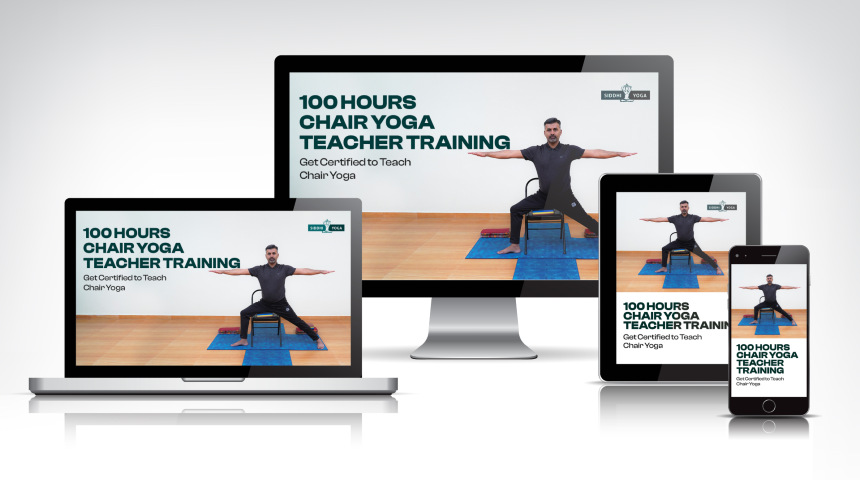
Source : theyogipreneur.com
Leading these sessions requires a different skillset than a one-on-one personal training gig. You need to manage group dynamics, provide clear verbal cues, and Make sure everyone feels included. It’s about building a community as much as it is about building strength. The demand for skilled group fitness leaders in this sector is soaring.
Finding the Right Certification Program: What to Look For
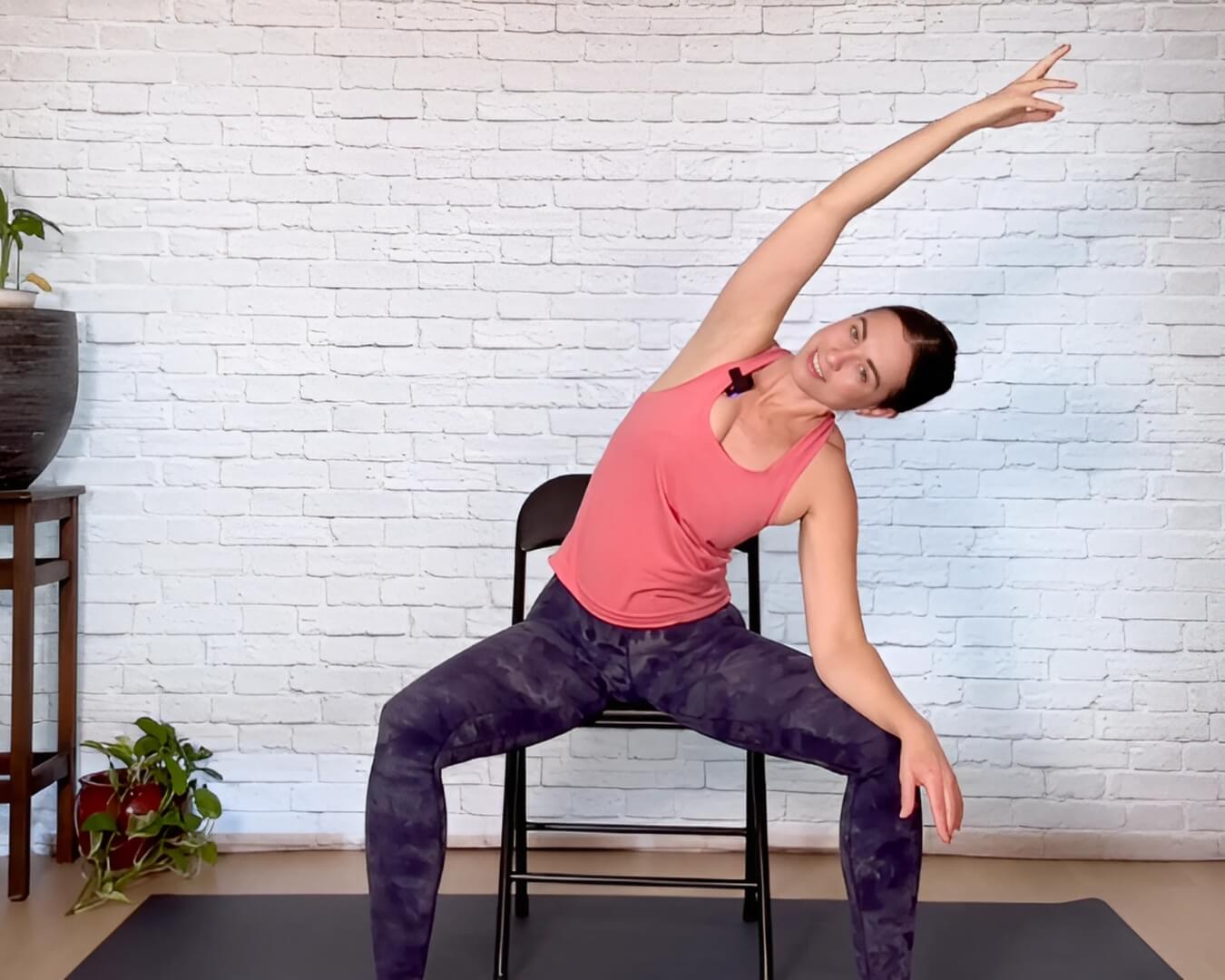
Source : asanaathome.com
Okay, so you’re sold on the idea. Awesome. Now, how do you actually get qualified? This is Key. Not all certifications are created equal, and you need to be discerning. Cutting corners here is a disservice to yourself and, more importantly, to the seniors you’ll serve.
Accreditation and Recognition Matters
First things first: is the certification program accredited by a reputable organization? This isn’t just a bureaucratic hoop to jump through. Accreditation means the program meets certain standards for quality and content. It lends credibility to your qualification. You want employers and clients to recognize and trust your credentials.
Look for programs that might be recognized by larger fitness organizations or yoga alliances. While specialized certifications might not always have the same level of formal accreditation as a 200-hour yoga teacher training, there are certainly industry leaders whose certificates carry weight. Doing your homework here is non-negotiable.
Curriculum Depth and Practical Application
What exactly will you learn? A good program won’t just skim the surface. It needs to cover anatomy and physiology relevant to seniors, common conditions (like arthritis, osteoporosis, diabetes), modifications for various limitations, contraindications, and safety protocols. Seriously, safety is Top.
Does the curriculum include practical components? You need hands-on experience. This could involve practice teaching sessions, case studies, or even opportunities to observe or assist experienced instructors. Theory is great, but you need to know how to apply it in a real-time group setting. I can’t stress the importance of practical skills enough.
Instructor Expertise and Support
Who is teaching the course? Are they seasoned professionals with years of experience working specifically with seniors? Do they have a genuine passion for this population? Look at their backgrounds. A celebrity yoga guru might be inspiring, but they might not have the specific knowledge you need for this niche.
What kind of support do you get during and after the program? Is there a community forum? Are instructors accessible for questions? Some programs offer ongoing mentorship or resources for graduates, which can be Crucial as you launch your career. A good program invests in its students’ success long-term.
Understanding the Investment: Time and Cost
Be realistic about the commitment. Certifications range from a few days of intensive training to longer, more Full programs spread over weeks or months. Factor in the cost, too. While you don’t want the cheapest option, you also need to Make sure the value justifies the price. Compare what’s included.
Consider the format: online, in-person, or hybrid? Each has pros and cons. Online offers flexibility, while in-person provides direct interaction. A hybrid model might offer the best of both worlds. Figure out what learning style suits you best and what fits your current schedule and budget. Getting certified is an investment.

Source : sunnyhealthfitness.com
Deep Dive: Chair Yoga Teacher Training Essentials
Let’s get granular on chair yoga specifics. This isn’t just about sitting in a chair. It’s about mindful movement, breathwork, and creating an accessible yoga experience. A solid training program will cover these critical areas in detail.
Anatomy and Physiology for Seniors
You absolutely must understand the aging body. We’re talking about potential joint changes, decreased bone density, cardiovascular considerations, and neurological shifts. A good training will break down age-related changes and how they impact movement. It’s not about limitations; it’s about informed adaptation.
You’ll learn about common conditions like arthritis, osteoporosis, and balance disorders. Understanding these conditions allows you to make appropriate modifications and avoid poses that could cause harm. For example, knowing when to avoid certain twists or how to support the spine during seated backbends is Key. This is foundational knowledge.
Seated Poses and Modifications Galore
The core of chair yoga is, of course, the poses done while seated. You’ll learn a wide range of asanas adapted for the chair: seated cat-cow, gentle twists, forward folds, hip openers, and even seated variations of warrior poses. The focus is on safe range of motion.
Crucially, you’ll be trained on how to modify these poses for different needs. What if someone can’t lift their arm high? What if their knee doesn’t bend that way? You’ll learn techniques using props like straps or blocks, or simply verbal cues to adjust the pose for maximum benefit and minimum risk. This adaptability is the hallmark of a great instructor. Mastering chair yoga poses is key.
Breathwork (Pranayama) and Mindfulness
Yoga isn’t just about the physical postures. Breathwork is central, and for seniors, it can be particularly beneficial for relaxation and respiratory health. You’ll learn seated breathing exercises (pranayama) like diaphragmatic breathing, alternate nostril breathing (nadi shodhana), and calming breaths.
Mindfulness and meditation are also key components. These practices can significantly reduce stress, improve focus, and enhance overall well-being. Training should include simple, accessible techniques for leading guided meditations and cultivating present-moment awareness. It’s about calming the mind as much as moving the body. This Overall approach is what makes senior yoga so special.
Creating a Safe and Welcoming Environment
Beyond the physical practice, you’ll learn the art of creating a supportive, inclusive atmosphere. This involves clear, concise communication, positive reinforcement, and cultivating a sense of community among participants. How do you make everyone feel seen and valued?
Safety protocols are Top. This includes understanding how to set up the space (ensuring chairs are stable, clear pathways), how to manage potential falls or dizziness, and knowing when to refer a participant to a healthcare professional. A Full training will emphasize risk management and ethical considerations. Your responsibility is immense, so understanding safety protocols is non-negotiable.
Mastering Group Exercise for Seniors: A Full Approach
Chair yoga is fantastic, but a well-rounded senior fitness professional can lead a variety of group classes. This requires understanding group dynamics and adapting exercises for a mixed-ability group.
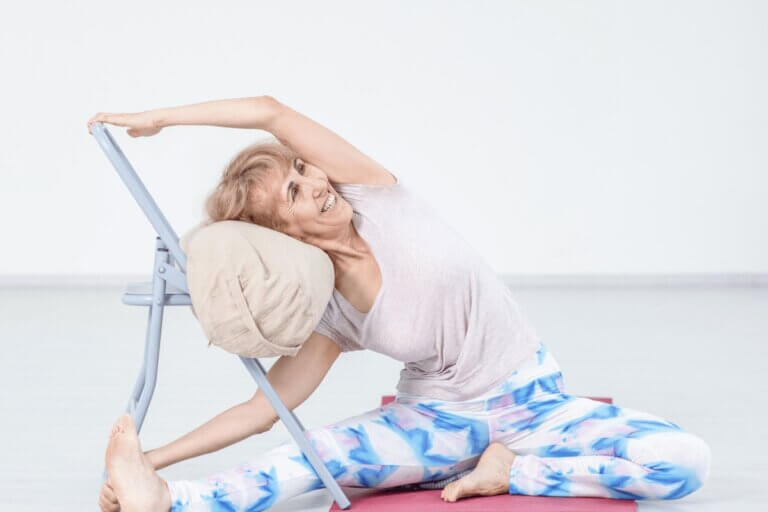
Source : asanaathome.com
Designing Effective Senior Fitness Routines
What makes a fitness routine effective for seniors? It’s about functional fitness – exercises that improve the ability to perform daily activities. Think strength training for lifting groceries, balance exercises for preventing falls, and endurance work for sustained energy.
You’ll learn to structure classes that incorporate warm-ups, cardiovascular segments, strength training (using bodyweight, resistance bands, light weights), flexibility, and cool-downs. The progression of intensity and complexity is key. You need to build up gradually. Designing these routines requires a thoughtful, science-based approach to senior fitness.
Incorporating Various Modalities
Don’t limit yourself! Explore different types of classes. Gentle aerobics, for instance, can improve cardiovascular health while being low-impact. Resistance training builds muscle mass, which is Key for metabolism and bone health. Balance drills are non-negotiable for fall prevention.
Consider incorporating elements of Tai Chi or Qigong for balance and mindfulness, or seated dance classes for fun and coordination. The more tools you have in your toolbox, the better you can serve diverse needs. Variety keeps participants engaged and motivated. Think broadly about group exercise options.
Communication and Cueing Skills
Leading a group means being a clear and confident communicator. Seniors often benefit from precise, slower-paced verbal cues. You need to describe movements step-by-step and provide visual demonstrations. Using simple language and avoiding jargon is Needed.
Learn to use positive and encouraging language. Acknowledge effort and celebrate small victories. You’ll also need to develop the skill of looking around the room constantly, scanning for anyone struggling or needing modification. This active observation is key to effective cueing and safety.
Building Community and Motivation
Group exercise is as much social as it is physical. You’re not just leading a workout; you’re fostering a supportive community. Encourage interaction among participants before and after class. Create a welcoming, non-judgmental atmosphere where everyone feels comfortable.
Motivation often comes from social connection and a sense of belonging. Recognize participants by name, inquire about their well-being, and create opportunities for them to connect. A truly inspiring instructor builds loyalty and helps participants feel genuinely invested in their health journey. Fostering community spirit is powerful.
Accredited Training Options: Where to Start
So, where do you actually go to get this specialized training? There are some excellent pathways, and thankfully, more options are popping up all the time. Doing your research is key, as you want a program that aligns with your goals and learning style.
Online vs. In-Person Training
Online programs offer incredible flexibility. You can learn at your own pace, often from the comfort of your home. This is perfect for those juggling other commitments or living far from training centers. Look for programs with a strong online presence, including video demonstrations and live Q&A sessions. The convenience of online courses is undeniable.
In-person training provides Crucial hands-on experience and direct interaction with instructors and peers. You get immediate feedback on your technique and can practice leading exercises in a supervised environment. This is often preferred by those who thrive on direct engagement. Both have their merits; it’s about personal preference and circumstance.

Source : int.livhospital.com
Key Program Features to Compare
When comparing programs, dig into the details. What is the total training hour count? Does it include a practicum or internship component? What specific populations does the curriculum address? Are there opportunities for continuing education?
Check out instructor qualifications and read testimonials. A reputable program will be transparent about its curriculum and faculty. Don’t be afraid to reach out and ask questions. You’re investing significant time and money, so Make sure the program delivers real value. Look for Full training programs.
Examples of Reputable Providers
There are several organizations offering excellent chair yoga and senior fitness certifications. For instance, the American Yoga Academy offers a 60-hour Chair Yoga Teacher Training program designed to equip you with specialized skills. It’s a solid option for deep dives into the practice.
Another fantastic resource is My Vinyasa Practice, which provides thorough training focused on adapting yoga for diverse populations. They emphasize practical application and understanding the ‘why’ behind modifications. Also, consider organizations like Silver Age Yoga, which focuses specifically on teaching yoga to seniors, offering valuable insights into the style and philosophy at Teach the Style.
Cost and Value Proposition
Certification costs can vary widely, from a few hundred dollars for shorter online courses to over a thousand for more intensive, in-person programs. Remember, the cheapest option isn’t always the best. Consider the depth of the curriculum, the expertise of the instructors, and the support provided.
Potential return on investment. A Full certification can open doors to numerous teaching opportunities in gyms, community centers, retirement homes, and even private settings. It’s an investment in your career and your ability to make a meaningful impact. Evaluate the value of certification.
The Certification Process Itself: What to Expect
Okay, you’ve chosen a program. What’s next? The actual journey toward getting that piece of paper (or digital badge!) that signifies your expertise. It’s a process, but a rewarding one.
Coursework and Learning Modules
Most programs will involve a mix of theoretical learning and practical application. You’ll likely work through online modules, read assigned texts, watch video lectures, and complete quizzes or assignments to gauge your understanding. Pay close attention to the detailed anatomy and physiology sections; they are critical.
Don’t just passively consume the material. Take notes, reflect on how the information applies to real people, and actively engage with the content. This is where you build your knowledge base. The foundation you lay here is Needed for everything that follows. Understanding the coursework deeply is Key.
Practical Application and Practice Teaching
This is where the rubber meets the road. You’ll likely need to practice teaching sessions, either in person or via video submission. This might involve teaching friends, family, or fellow students. The feedback you receive during this phase is gold.
You’ll learn to refine your verbal cues, practice modifications on the fly, and manage the flow of a class. Don’t be afraid to make mistakes; that’s part of the learning process. Welcome the opportunity to hone your skills. Effective practice teaching is Key.
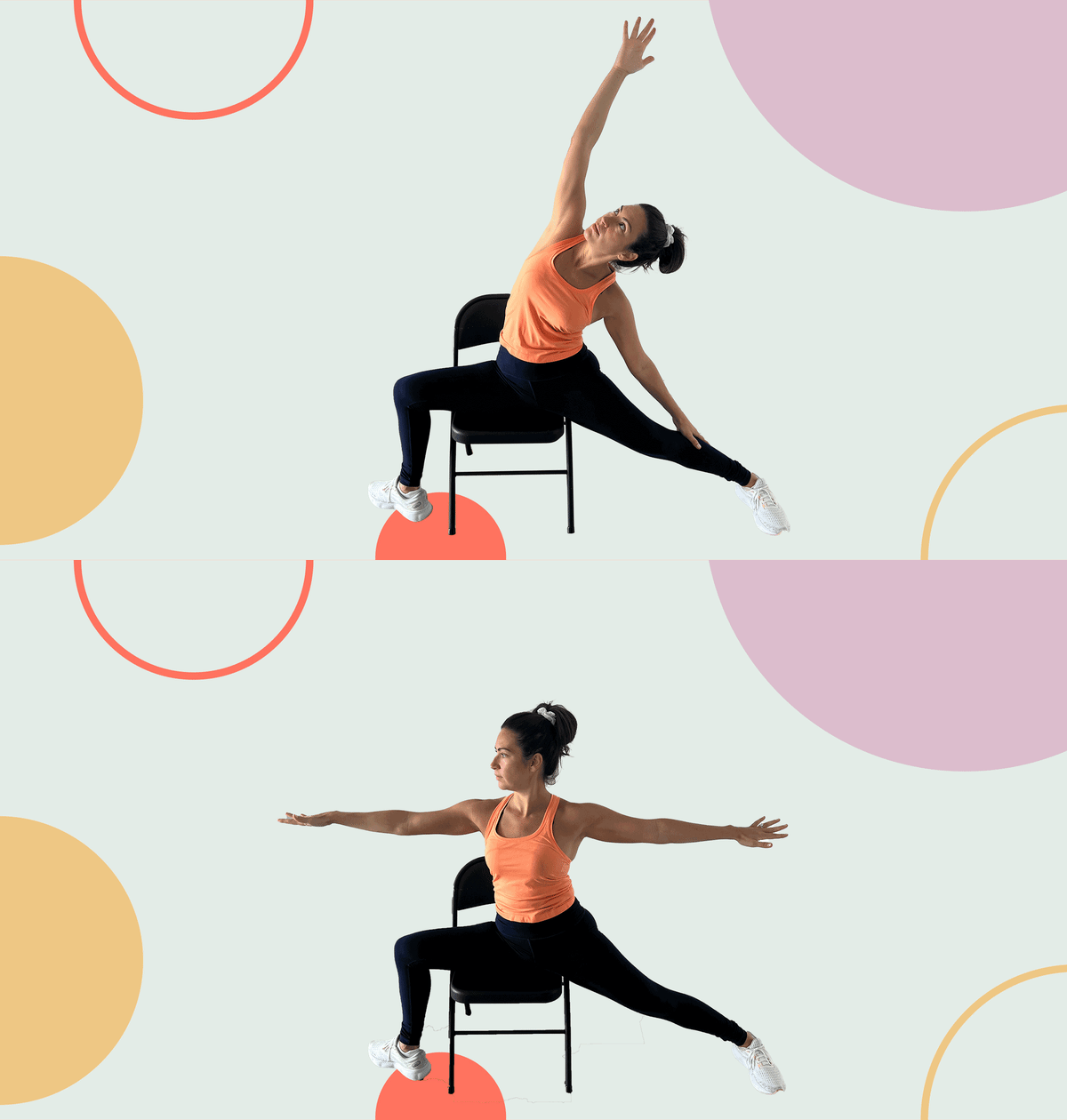
Source : today.com
Assessment and Final Exams
To earn your certification, you’ll need to pass an assessment. This could take various forms: a written exam covering course material, a practical teaching demonstration, or a combination of both. Some programs might also require a case study or a final project.
Prepare thoroughly for your assessments. Review your notes, revisit challenging concepts, and practice your teaching skills. Passing the assessment isn’t just about getting certified; it’s about demonstrating that you have the competence and confidence to teach safely and effectively. Passing the final exam confirms your readiness.
Post-Certification Requirements
Some certifications may require continuing education units (CEUs) to maintain your credentials. This encourages ongoing learning and keeps your skills sharp. Staying current with best practices is important in any health-related field. Always check the specific requirements of your certifying body.
You might also want to consider liability insurance, especially if you plan to teach independently or through various organizations. Protecting yourself is a professional necessity. This is part of building a sustainable career as a certified instructor. Being aware of post-certification steps is smart.
Building Your Career as a Senior Fitness Specialist
You’ve got the certification. Now what? It’s time to put those skills to work and build a fulfilling career making a real difference in the lives of seniors.
Where to Find Teaching Opportunities
The opportunities are diverse! Think community centers, senior living facilities (independent, assisted living, memory care), hospitals, rehabilitation centers, gyms with dedicated senior programming, and even private clients who prefer one-on-one or small group instruction in their homes. Don’t overlook places like libraries or places of worship that might offer programs.
Network with activity directors, fitness managers, and healthcare professionals who work with seniors. Let them know about your qualifications and the unique value you offer. Sometimes, the best opportunities come from unexpected connections. Be proactive in seeking out teaching opportunities.
Marketing Yourself Effectively
How do you get noticed? Create professional marketing materials: business cards, flyers, and a simple website or social media presence. Highlight your certifications, your specific expertise in senior fitness and chair yoga, and testimonials from satisfied participants. Emphasize the benefits you provide – improved mobility, reduced pain, increased social connection.
Consider offering a free introductory class or workshop to attract new participants. Word-of-mouth is incredibly powerful in this field, so focus on delivering Great classes that participants love and want to share with their friends. Effective marketing yourself is key to building a client base.
The Business Side of Teaching
If you plan to freelance or run your own classes, you’ll need to consider the business aspects. This includes setting your rates, managing your schedule, handling payments, and understanding basic bookkeeping. You might need to register as a sole proprietor or LLC depending on your location and business structure.
Research local regulations and requirements. Consider investing in professional liability insurance to protect yourself. Treat your teaching practice like a business, even if it starts small. Professionalism builds trust and ensures longevity. Understanding the business side is Key.
Watch: Online Chair Yoga Teacher Training and Certification …
Continuing Education and Specialization
The world of health and fitness is always evolving. To stay relevant and continue growing, commit to ongoing learning. Attend workshops, take advanced training modules, and read industry publications. Consider specializing further, perhaps in areas like adaptive yoga for specific conditions or fall prevention strategies.
Building on your initial certification demonstrates your dedication to your profession and enhances your expertise. This allows you to serve your clients even better and can open up new, advanced teaching opportunities. Never stop learning; it’s the mark of a true professional. Embracing continuing education is smart.
Ethical Considerations and Professionalism
Working with a vulnerable population like seniors comes with significant responsibilities. Maintaining the highest ethical standards is non-negotiable. Your professionalism builds trust and ensures the well-being of your clients.
Scope of Practice: Knowing Your Limits
It’s Key to understand what you are qualified to do and what falls outside your scope. As a certified yoga or fitness instructor, you are not a medical professional. You cannot diagnose conditions, prescribe treatment, or give medical advice. Always refer participants to their doctors or physical therapists for health concerns.
Your role is to provide safe and effective exercise programming within your training. If a participant has a complex medical condition or is recovering from an injury, you may need clearance from their healthcare provider before they can participate. Respecting these boundaries is fundamental to professional conduct.
Confidentiality and Client Privacy
Information shared by participants, whether about their health, personal lives, or challenges, should be kept confidential. Build a relationship of trust where clients feel safe sharing with you, but always protect their privacy. Avoid discussing clients with others, even in general terms, unless it’s directly relevant to their care and with their explicit consent.
If you are working within an organization, adhere to their privacy policies. This respect for confidentiality is a Foundation of ethical practice in any helping profession. Protecting client privacy is Top.
Inclusivity and Respect for Diversity
Your classes will likely attract individuals from diverse backgrounds, with varying beliefs, abilities, and life experiences. It is your responsibility to create an environment that is welcoming and respectful to all. Avoid making assumptions and be open to learning about different perspectives.
Make sure your language and teaching style are inclusive. Adapt your approach to meet the needs of everyone in the room, celebrating the diversity that enriches the group experience. Treat every individual with dignity and profound respect. Promoting inclusivity makes your classes better for everyone.
Building Trust and Rapport
Trust is the currency in any client-instructor relationship, especially with seniors. Be reliable, punctual, and consistently deliver high-quality instruction. Listen actively to your participants, show genuine care, and be responsive to their feedback and needs. Your consistency and authentic engagement are what build lasting client rapport.
Honesty and transparency are Key. If you make a mistake, own it. If you don’t know something, say so and commit to finding out. This authenticity fosters deeper trust and strengthens your professional reputation. Being a trustworthy figure is perhaps the most important aspect of your role.

Source : groupxtraining.com
Putting It All Together: Your Impact and Future
So, you’re looking at the whole picture now. Getting certified in chair yoga and group exercise for seniors isn’t just about adding a qualification to your resume. It’s about equipping yourself to make a tangible, positive impact on a population that truly deserves it.
The Ripple Effect of Your Work
It. A senior who improves their balance might avoid a fall, maintaining their independence. Someone who finds relief from joint pain through gentle movement might rediscover joy in daily activities. A lonely individual who finds community in your class might feel more connected and less isolated. Your work creates ripples that extend far beyond the yoga mat or exercise space.
You’re not just teaching poses or movements; you’re fostering independence, improving quality of life, and promoting mental and emotional well-being. The impact is profound and deeply human. It’s incredibly powerful work, truly.
Career Longevity and Fulfillment
The demand for qualified senior fitness professionals is only going to grow. This field offers a stable and rewarding career path for those passionate about helping others. It’s a way to build a career that aligns with your values and provides genuine fulfillment.
Unlike some fitness trends that fade, the need for effective, compassionate senior fitness instruction is enduring. You can build a long-term career doing work that matters. This is about making a difference, day in and day out. Seek out career fulfillment.
Your Role as an Support
As a certified instructor, you become an Support for healthy aging. You can educate seniors, their families, and even the broader community about the importance of physical activity and the benefits of programs like chair yoga. You have a unique platform to influence positive change.
Share your knowledge, champion accessible fitness options, and help break down misconceptions about aging and ability. Your voice and expertise matter. You play a Key role in promoting a society that values and supports active, healthy lives for everyone, regardless of age. Be a proud Support for seniors.
A Final Thought: It’s More Than Just a Certification
Achieving this certification is a step towards a deeply meaningful vocation. It requires dedication, continuous learning, and a genuine heart for service. But the rewards – the smiles, the improved health, the strengthened community – are immeasurable. Go out there and make a difference. You’ve got this. It’s absolutely worth the effort.
The journey to becoming a certified chair yoga and group exercise instructor for seniors is one of growth, learning, and profound connection. It’s about more than just physical movement; it’s about enhancing lives. Welcome the process, stay curious, and never underestimate the power of showing up with compassion and expertise. Your future students are waiting.
Frequently Asked Questions
How long does it take to become a chair yoga instructor?
Because it varies, but honestly, you can often knock out a good certification in afew weeks to a couple of months, depending on how much time you can commit. Some are self-paced, which is super handy!
What is the average pay for a yoga teacher?
But it really hops around! You might see anywhere from $20 to $75+ per class, depending on the studio, your experience, and where you’re teaching. If you’re doing private sessions orspecialty classes like for seniors, you can often charge a bit more.
What are the benefits of chair yoga for seniors?
So many good things! It’s great for improvingflexibility andstrength without much risk of falling. Plus, it really helps with balance and can be a nice social thing too. For folks who can’t do a lot of standing poses, it’s a lifesaver!
Do I need prior yoga experience to get certified?
Not usually! Mostchair yoga certifications are designed for people who want to teach seniors, and they’ll teach you everything you need to know. So, no need to be a yoga guru beforehand, just an eagerness to help!
Where can I find certification programs for senior group exercise?
You can find them online from various fitness organizations and specialized yoga training providers. Look for programs that specifically mentionsenior fitness oradaptive exercise. A quick search for “senior group exercise certification” should give you tons of options!
