Cracking the Code: Your No-Nonsense Guide to Getting Certified in Project Management Online
So, you’re thinking about diving into the world of project management certification, huh? Good move. Seriously. It’s not just about a fancy piece of paper; it’s about proving you’ve got the chops to wrangle chaos and actually deliver results. Forget those dusty textbooks and stuffy classrooms, though. The real game now is online. And trust me, Handling it can feel like a minefield if you don’t know what you’re doing. Let’s break it down, straight talk, no fluff.
This isn’t your typical “how-to” that just regurgitates generic advice. We’re talking real strategies, real talk, and a clear path forward. You want to get certified online? Let’s get you there. It’s achievable, and frankly, it’s becoming the standard for anyone serious about their career in managing projects.
Why Bother With Project Management Certification Anyway?

Source : 4pmti.com
The Credibility Boost You Can’t Ignore
Let’s be blunt: a project management certification instantly puts you in a different league. It’s a signal to employers, to clients, even to your own team, that you’ve met a recognized standard. Think of it like a master plumber getting their license. You know they know their stuff. This credential does the same for your project skills.
Opening Doors to Better Opportunities
This is the big one. Certified pros often snag higher salaries and more senior roles. It’s not a magic bullet, but it definitely tips the scales. Companies actively look for this. They want assurance, and certification provides it. Suddenly, those job descriptions that seemed out of reach? They start looking a lot more friendly.
Source : niftypm.com
Sharpening Your Actual Skills
It’s not just a badge. The process of preparing for a project management certification forces you to really understand the methodologies, tools, and best practices. You’ll revisit concepts you might have forgotten or never even considered. It’s a deep dive, and that makes you a better manager, period. You’ll be more organized, more strategic.
Future-Proofing Your Career Path
The business world is constantly evolving. New technologies, new methodologies – it’s a whirlwind. Having a solid foundation, backed by a recognized certification, makes you adaptable. You can pivot more easily, learn new skills faster, and stay relevant. It’s an investment in your long-term career security.
The Online Advantage: Flexibility and Accessibility
Learn on Your Own Terms, Not Theirs
This is why online is king now. You’re not tied to a rigid schedule or a specific location. Got a full-time job? Family commitments? No problem. You can study late at night, during your lunch break, whenever works. It puts you in the driver’s seat of your own education. It’s about fitting certification into your life, not the other way around.
Access to a World of Expertise
Forget being limited to local training providers. Online courses and certifications connect you with top instructors and programs from anywhere in the world. You can learn from the best, regardless of where you live. Think about accessing university-level material without leaving your couch. That’s the power of online learning for project management certification.
Often More Cost-Effective
Let’s face it, traditional in-person training can be outrageously expensive. Add travel, accommodation, and lost workdays, and it adds up fast. Online options usually slice off a big chunk of that cost. You get the same, if not better, quality of education for a fraction of the price. It’s a smarter financial choice for most people.
Diverse Learning Formats
Online platforms aren’t just static PDFs. You’ll find video lectures, interactive simulations, quizzes, discussion forums, and even live Q&A sessions. This variety keeps things engaging and caters to different learning styles. It makes the whole process less of a chore and more of an experience. Learning feels more Active.
Handling the Big Players: PMP vs. Google vs. Others

Source : graduate.northeastern.edu
The Gold Standard: Project Management Professional (PMP)®
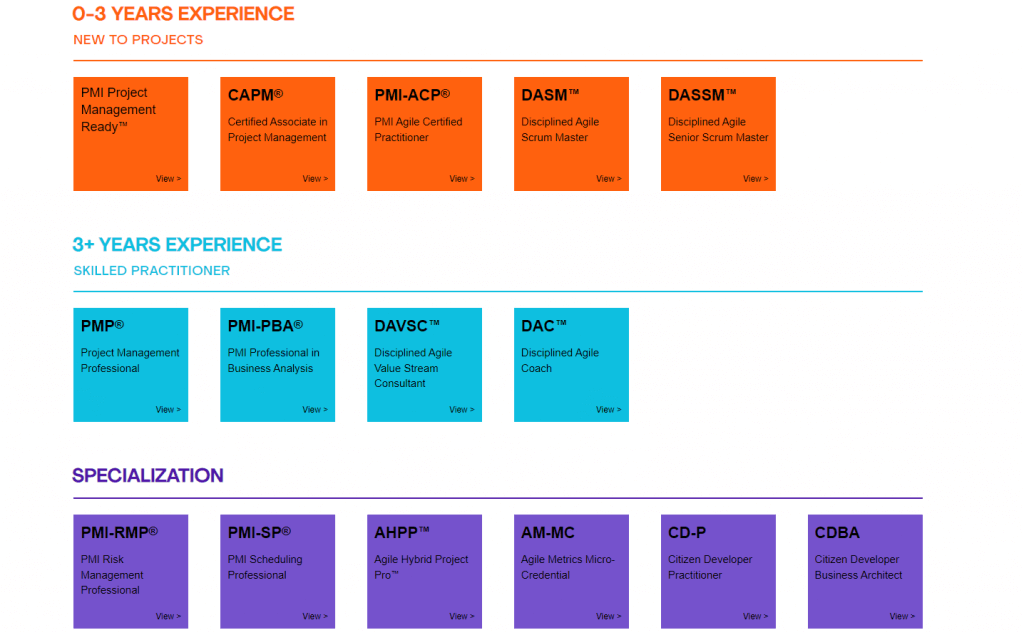
When people talk about the top-tier certification, they’re usually talking about the PMP certification. Offered by the Project Management Institute (PMI), it’s globally recognized and highly respected. Getting your PMP means you’ve got serious experience and have passed a rigorous exam. It requires specific education and project experience hours, so it’s not for beginners.
The PMP covers a broad range of project management knowledge, based on PMI’s PMBOK® Guide. It’s ideal for experienced project managers looking to validate their skills and move into more senior or complex roles. You can prepare for the PMP exam through various online courses and study materials, making the certification itself accessible online, even if the eligibility requirements are experience-based. You absolutely need to check out the official requirements on the PMI website to see if you qualify.
The Accessible Entry Point: Google Project Management Certificate
Google’s offering is a different beast. It’s designed for people starting out or looking to transition into project management. It’s delivered via Coursera and requires no prior experience. This certificate focuses on the fundamentals and practical skills you need to get your foot in the door. It’s a great way to learn the ropes and build a portfolio.
This program covers Needed project management tools and methodologies, often including specific software relevant to today’s market. It’s about giving you employable skills quickly. While it doesn’t carry the same weight as the PMP for seasoned professionals, it’s an excellent and affordable starting point for many. It makes project management certification feel attainable for a much wider audience.
Specialized and Niche Certifications
Beyond PMP and Google, there are tons of other certifications. Think PRINCE2 for those working in the UK or Europe, Certified Associate in Project Management (CAPM) for those with less experience than PMP requires, or Agile certifications like CSM (Certified ScrumMaster) or SAFe. Each one targets a specific methodology, industry, or experience level. Choosing the right one depends entirely on your career goals and where you see yourself working.
| Certification | Issuing Body | Target Audience | Experience Required | Focus Area | Typical Cost Range (USD) | Online Availability |
|---|---|---|---|---|---|---|
| PMP (Project Management Professional) | PMI | Experienced Project Managers | 3-5 years (varies by education) | General PM, various methodologies | $555 – $745 (exam fee) + training costs | Exam online; Prep courses widely available |
| Google Project Management Certificate | Google (via Coursera) | Beginners, Career Changers | None | Fundamentals, Agile, practical skills | Approx. $39-$79/month (Coursera subscription) | Fully online course and assessment |
| CAPM (Certified Associate in Project Management) | PMI | Entry-level/Less Experienced PMs | 1,500 hours project experience OR 23 hours PM training | Foundational PM knowledge | $225 – $300 (exam fee) | Exam online; Prep courses widely available |
| CSM (Certified ScrumMaster) | Scrum Alliance | Scrum practitioners, team members | None (but experience helps) | Agile Scrum framework | $700 – $1,200 (includes training) | Training and exam typically online |
The Step-by-Step Process: Getting Certified Online
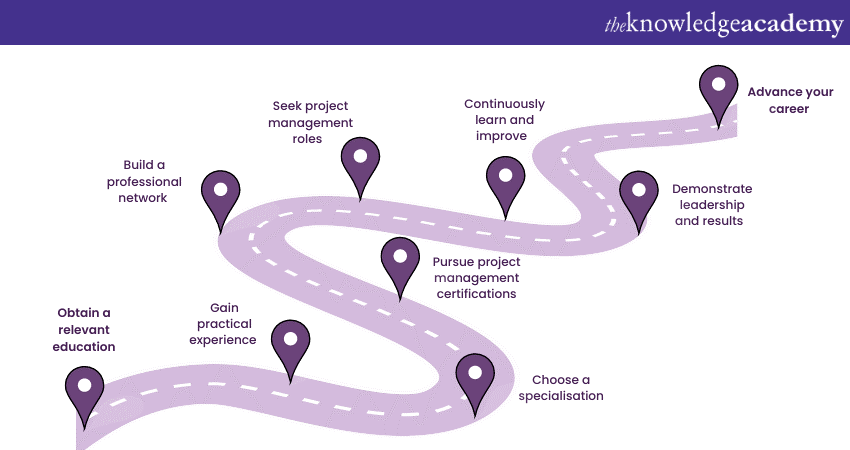
Step 1: Define Your Goal and Choose Your Certification
This is foundational. Don’t just pick a random certificate. What do you want to achieve? Are you aiming for a senior role (PMP)? Are you starting from scratch (Google Certificate, CAPM)? Do you want to specialize in Agile (CSM)? Research the requirements, the exam format, and the career paths associated with each. Your project management certification path starts with this decision.
Step 2: Meet the Prerequisites (If Any)
This is where you might hit a wall if you haven’t done your homework. PMP, for example, demands proof of education and significant project management experience. If you don’t have it, you might need to gain that experience first, or consider a different certification like the CAPM. Don’t waste time and money on a certificate you can’t even sit for. Seriously, double-check the fine print.
Source : theknowledgeacademy.com
Step 3: Select Your Online Training Provider
Once you know your target cert, you need to find a reputable online course. Look for providers that are accredited or have high success rates for the specific certification you’re after. Read reviews. Check the curriculum – does it Match with the exam objectives? Many platforms offer bundles that include study materials, practice exams, and sometimes even the certification exam voucher itself. Finding the right online project management course is Key.
Step 4: Immerse Yourself in the Study Material
This is where the hard work happens. Dedicate consistent time to studying. Break down the material into manageable chunks. Use flashcards, mind maps, practice questions – whatever works for your learning style. Don’t just passively watch videos; engage with the content. Understand the ‘why’ behind the processes, not just the ‘what’.
Step 5: Take Practice Exams Religiously
Seriously, don’t skip this. Practice exams are your best friend. They simulate the real exam environment, help you identify weak areas, and build your confidence. Aim to consistently score above the passing threshold before you book your actual exam. This is where you really solidify your knowledge for the certification exam.
Step 6: Schedule and Take Your Online Exam
Most online certifications allow you to schedule your exam at a time that suits you, often taken from your own computer with a proctoring service. Make sure your internet connection is stable and your workspace is quiet and meets the proctoring requirements. Stay calm, read each question carefully, and trust the preparation you’ve done. Passing the online certification exam feels amazing.
Step 7: Maintain Your Certification
Many certifications, especially PMP, require ongoing professional development units (PDUs) to maintain them. This ensures you stay current in the field. Keep track of your learning activities and report them as required. This ongoing commitment is part of what makes a certification valuable.
Mastering the PMP Exam: A Deeper Dive
Understanding the PMP Exam Structure
The PMP exam is no joke. It’s a beast. It’s no longer just about the PMBOK® Guide; it’s heavily focused on three domains: People, Process, and Business Environment. You’ll face situational questions that test your ability to apply knowledge in real-world scenarios. Expect a mix of Agile, Predictive, and Hybrid approaches. It’s designed to see how you think like a project manager.
The Key Role of Experience Hours
Remember those experience requirements? They’re non-negotiable for PMP. You need documented proof of leading projects. This isn’t just about being on a project; it’s about leading the planning, execution, and closing. This requirement weeds out those who haven’t actually managed projects. It’s the gatekeeper for this prestigious PMP certification.
Source : rebelsguidetopm.com
Choosing the Right PMP Prep Course
Don’t try to wing PMP prep alone. A good online course is Needed. Look for ones that offer PDU-approved training, Full study guides, and plenty of practice questions. Some popular providers specialize in PMP prep and have high pass rates. Consider bootcamps or self-paced options based on your learning style and schedule. Investing in quality PMP preparation pays dividends.
Developing a Strategic Study Plan
Cramming won’t cut it for PMP. You need a structured study plan that spans several weeks, if not months. Break down the material logically. Focus on understanding concepts, not just memorizing terms. Allocate specific times for reading, video modules, and practice tests. Consistency is key to conquering the PMP exam.
The Google Project Management Certificate: Your First Step
What You’ll Actually Learn
This Coursera certificate is packed with practical skills. You’ll cover everything from project initiation and planning to risk management and stakeholder communication. It often incorporates popular tools like Asana, Trello, and Jira, giving you hands-on experience. It’s designed to make you job-ready for entry-level project coordinator or junior PM roles.
No Experience? No Problem.
This is the beauty of the Google certificate. It’s built for people who are new to the field. You don’t need a background in project management. The course guides you through the fundamentals step-by-step. It’s a welcoming entry point into the profession, removing a major barrier for many aspiring PMs.
Building Your Portfolio with Coursework
A key feature of many online programs, including Google’s, is the project-based learning. You’ll often complete practical assignments that you can showcase to potential employers. This tangible work demonstrates your understanding and skills far better than just a certificate alone. It’s about showing, not just telling, for your project management resume.
Connecting to the Job Market
Google often partners with employers through platforms like Coursera. Completing the certificate can connect you to job listings specifically looking for individuals with this credential. It provides a direct link between your newly acquired skills and potential employment opportunities. It’s a smart way to Use your online certification.
Beyond the Big Names: Exploring Other Online Certifications
Watch: PMP Full Course 2026 | Project Management Tutorial for …
CAPM: The Prequel to PMP
If you’re new to project management but aspire to the PMP eventually, the Certified Associate in Project Management (CAPM) is your stepping stone. It validates your understanding of fundamental project management principles. It requires less experience than PMP, making it accessible to students, recent grads, or those early in their careers. It’s a solid way to start building your credentials.
Agile and Scrum Certifications (CSM, PSM)
The world runs on Agile now, especially in tech. Certifications like Certified ScrumMaster (CSM) from the Scrum Alliance or Professional Scrum Master (PSM) from Scrum.org are incredibly popular. They focus specifically on the Scrum framework, a leading Agile methodology. If you want to work in software development or fast-paced environments, these are Needed.
Industry-Specific Certifications
Don’t forget about certifications tailored to specific industries. Think about IT project management (CompTIA Project+), construction project management, or healthcare project management. These often combine general PM principles with industry-specific knowledge, making you a highly valuable asset in that niche. Your niche certification can set you apart.
Choosing the Right Fit for Your Career Trajectory
The key is alignment. A certification is only as good as its relevance to your goals. Are you aiming for large-scale infrastructure projects (PMP might be best)? Or perhaps managing software sprints (Agile certs)? Consider your current role, your desired future role, and the industries you’re interested in. Your career goals should dictate your certification choice.
Making the Most of Your Online Learning Experience
Combatting Procrastination: The Online Learner’s Nemesis
Let’s be real: studying online requires discipline. The temptation to scroll social media or binge-watch shows is HUGE. Create a dedicated study space. Set a schedule and stick to it. Use tools like the Pomodoro Technique (work intervals with short breaks) to stay focused. Reward yourself for hitting study milestones. Self-motivation is Top for online certification success.
Engaging with Online Communities and Forums
Don’t study in a vacuum. Most online courses have discussion forums or dedicated communities. Participate! Ask questions, answer others’ questions, and share your insights. You’ll learn from different perspectives, clarify doubts, and build a network. It’s amazing what you can learn from fellow students tackling the same project management challenges.
Leveraging Practice Questions Effectively
Practice questions aren’t just for testing; they’re learning tools. When you get a question wrong, don’t just move on. Understand why you got it wrong. Review the relevant material. If you get one right, Make sure you understand the underlying principle, not just the answer itself. This active learning is Key for exam preparation.
Source : educba.com
Time Management is Non-Negotiable
Balancing study with work and life is tough. You need to be ruthless with your time. Break down the certification material into small, weekly goals. Block out specific times in your calendar for study sessions. Treat these appointments as seriously as you would a client meeting. Effective time management skills are Key.
The Post-Certification Game: What Now?
Updating Your Resume and LinkedIn Profile
As soon as you pass, update everything. Add the certification clearly to your resume and your LinkedIn profile. Use the official designation (e.g., PMP, CAPM). This immediately signals your achievement to recruiters and your network. Don’t be shy about this accomplishment; it’s a major win.
Networking with Certified Professionals
Join professional organizations related to your certification (like PMI). Attend local chapter meetings or virtual events. Connect with other certified professionals. They can offer advice, mentorship, and insights into new opportunities. Building your professional network is key to career growth.
Seeking Out New Project Opportunities
Now that you’re certified, actively look for projects that Use your new skills and credentials. Volunteer for challenging assignments at your current job. Look for roles that specifically mention your certification. Use your certification as a springboard to take on more responsibility and gain further experience. This is where the career advancement truly begins.
Continuing Professional Development
Remember those PDUs? Certification isn’t a one-and-done deal. You need to keep learning. Attend webinars, take advanced courses, write articles, mentor others. This not only keeps your certification active but also ensures you remain at the forefront of project management practices. Continuous learning is the hallmark of a true professional in the project management field.
Frequently Asked Questions
What are the most common online project management certifications?
Because there are a few big ones, you’ll see the PMP (Project Management Professional) come up a lot, especially for experienced folks. Then there’s the CAPM (Certified Associate in Project Management) for those just starting out. Google also has its own Project Management Certificate, which is pretty popular for entry-level roles.
How long does it typically take to get a project management certification online?
But it really varies, you know? For something like the Google certificate, you might knock it out in like 6 months if you’re really hustling. For the PMP, though, it’s often a bigger commitment, maybe a few months of serious studying after you’ve met the experience requirements.
Are online project management certifications respected by employers?
Totally! Employers definitely see value in online project management certifications. It shows you’ve got a baseline knowledge and are serious about the field. Especially for the PMP, it’s a huge credibility booster.
What are the prerequisites for obtaining a project management certification online?
It depends on the cert. For the PMP, you’ll need a certain number of hours of project management experience and some formal education. The CAPM is more for begiers, so less stringent. Google’s cert doesn’t have strict prerequisites, making it super accessible.
How much do online project management certifications usually cost?
So, the cost can be all over the place. Some online courses and certificates are quite affordable, maybe a few hundred bucks. Then you have the exam fees for the big ones like the PMP, which can add a couple hundred more. It’s an investment in your career, though!
