The Real Scoop: Finding the Best AHA Approved Online CPR Certification Programs
Alright, let’s cut to the chase. You need a CPR certification, and you’re looking online. Smart move. But here’s the kicker: not all online programs are created equal. Especially when you need something that’s actually going to be recognized when it matters most. We’re talking about those situations where seconds count, and knowing your stuff is non-negotiable. Forget those sketchy sites promising a certificate faster than you can say “chest compressions.” We’re diving deep into what makes an online CPR certification legit, particularly those approved by the big guns like the American Heart Association (AHA).
Seriously, who has time to waste on a course that won’t cut it? This isn’t about getting a piece of paper; it’s about being prepared. So, let’s break down the options and figure out which online CPR courses are worth your hard-earned cash and, more importantly, your trust.
Why Authenticity in Online CPR Matters (More Than You Think)
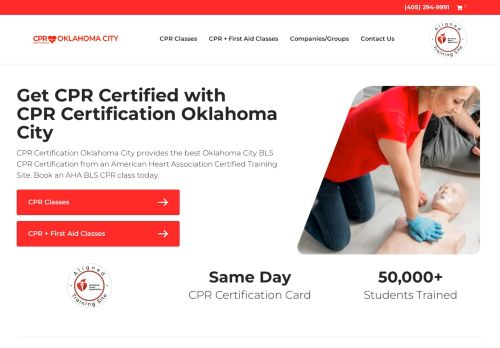
Source : cprcertificationokc.com
Look, anyone can slap “CPR Certified” on a website. But when a life’s on the line, you better believe the training needs to be rock-solid. This isn’t like getting a loyalty card at the coffee shop. An authentic CPR certification means you’ve actually learned the right techniques, and more importantly, that the issuing body is credible.
The “AHA Approved” Stamp: What’s the Big Deal?
When you see “AHA approved,” it’s not just marketing jargon. The American Heart Association sets the global standards for CPR and emergency cardiovascular care. Their guidelines are based on extensive scientific research. So, an AHA-approved course means you’re learning the most current, evidence-based protocols. This is Key for effectiveness. Without this backing, your certificate might be about as useful as a screen door on a submarine.
Beyond the Certificate: Real-World Skills
A good online CPR program doesn’t just teach you to pass a quiz. It should equip you with the confidence and knowledge to act in an emergency. This means understanding when to call for help, how to perform high-quality chest compressions, deliver rescue breaths, and use an automated external defibrillator (AED). The best programs bridge the gap between online learning and practical application, even if the hands-on portion is separate.
The Danger of Sub-Par Certifications
Let’s paint a picture. Imagine you’re at a park, and someone collapses. You whip out your certificate from “SuperFastCPR.biz.” The paramedics arrive, and they ask about your training. If it’s not recognized, you might be standing there feeling utterly useless, and worse, the person needing help isn’t getting the best possible care. That’s the risk you take with unverified, non-AHA CPR training. Stick to reputable providers to avoid this nightmare scenario.
Handling the Online CPR Maze: Key Features to Look For
So, you’re convinced. You need the real deal. But how do you sift through the hundreds of options? It’s not just about finding the cheapest or the fastest. We need to look for specific features that guarantee quality and acceptance. Think of it like buying a reliable car versus a lemon.
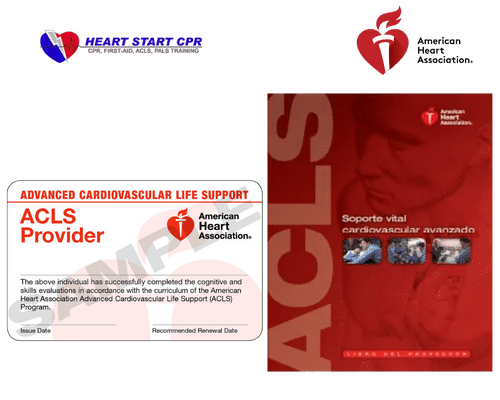
Source : heartstartcpr.net
Accreditation and Endorsement: The Trust Factors
First things first: does the provider clearly state their accreditation? For online CPR certification, this usually means aligning with recognized organizations like the AHA or conforming to OSHA standards. Some programs are simply “OSHA compliant,” which is good, but AHA approval is often preferred, especially in healthcare settings. Always check the provider’s accreditation page.
Course Content: Depth Over Speed
A quick glance at the curriculum is Needed. Does it cover adult, child, and infant CPR? What about choking emergencies and AED usage? A Full course will detail these elements. Look for programs that explain the “why” behind the techniques, not just the “how.” A superficial overview won’t prepare you for the unexpected.
Hands-On Component (Where Applicable)
Many credible online CPR certification programs are blended learning. This means you complete the theoretical part online, but you still need a hands-on skills session. Organizations like the American Heart Association offer “Heartsaver” and “BLS” courses with an online component (AHA eLearning) followed by an in-person skills check. This blend provides flexibility while ensuring practical competency. Some purely online options might be sufficient for specific workplace requirements (like certain OSHA-related training), but for general public or healthcare use, a skills check is often Key.
Certification Validity and Renewal Process
Most reputable CPR certifications are valid for two years. Check how the provider handles renewals. Is it a full course again, or a shorter refresher? Understanding the renewal process upfront can save you hassle down the line. Also, consider if the certification is nationally recognized or just locally accepted. You want broad acceptance.
The AHA’s Official Stance on Online CPR
The American Heart Association itself offers pathways for online learning. They understand the need for flexibility. However, they are very specific about how their training works. It’s not just about clicking through slides and taking a test. Their approach ensures that the Key psychomotor skills are assessed.
AHA eLearning: The Foundation for Skills
The AHA offers online courses that Act as the foundational knowledge for CPR. These are typically called “eLearning” courses. You learn the theory, the steps, and the science behind resuscitation. This is a fantastic way to get the information when and where it suits you. You can access their resources anytime, making AHA online learning incredibly convenient.
The Key Skills Session
Here’s the key differentiator for AHA-approved training: the in-person skills check. After completing the online AHA eLearning module, you must attend a hands-on session with a certified AHA instructor. This instructor verifies your ability to perform CPR and use an AED correctly. This component is non-negotiable for obtaining a full AHA BLS (Basic Life Support) or Heartsaver certification. You can find these sessions through authorized AHA Training Centers.
Where to Find AHA Courses
If you’re set on an AHA certification, the best place to start is the official American Heart Association website. They have a Strong system for finding authorized training centers and courses. Handling to cpr.heart.org/en/ will give you direct access to their official course offerings and instructor locators. This ensures you’re getting genuine AHA training.
Reputable Providers Offering Online CPR Options (Beyond Just AHA)
While AHA is the gold standard for many, other organizations offer valuable and often OSHA-compliant online CPR certification. The American Red Cross is another major player, and some reputable private companies also provide recognized training. It’s about understanding their specific approvals and target audience.
The American Red Cross Approach
The American Red Cross also provides Full CPR training, including online and blended options. Their courses are widely recognized and respected. They often have flexible formats, allowing you to learn at your own pace. You can explore their offerings at redcross.org. They emphasize a practical approach to preparedness.
Other Recognized Online Platforms
Several other platforms offer online CPR and First Aid certifications. These might be suitable for specific workplace requirements where a full AHA or Red Cross certification isn’t mandated, but OSHA compliance is. Examples include organizations like the National CPR Foundation, which offers courses for various levels, including Healthcare Provider (HCP) and Basic Life Support (BLS). Their certifications are often designed to be nationally accepted and adhere to current guidelines.
Understanding OSHA Compliance
For many workplaces, particularly those not directly in healthcare, OSHA (Occupational Safety and Health Administration) compliance is the primary requirement. Many online CPR courses will explicitly state they meet OSHA standards. This means the training covers workplace safety and emergency response relevant to job sites. While not always as rigorous as AHA for clinical skills, it’s Needed for specific professional contexts.

Source : onlinecprskills.com
Comparing Top Online CPR Certification Programs
Let’s put some of the leading providers side-by-side. This isn’t exhaustive, but it gives you a feel for the differences. Remember, the “best” program often depends on your specific needs – whether you’re a healthcare professional, a teacher, a babysitter, or just a concerned citizen.
Provider Spotlight: AHA vs. Red Cross vs. Others
American Heart Association (AHA): The industry Standard, especially for healthcare. Requires a hands-on skills session for full certification. Rigorous, research-based. Ideal for medical professionals.
American Red Cross: Also highly respected, with a strong focus on community preparedness. Offers flexible online and blended learning. Great for general public and many workplaces.
National CPR Foundation & Similar Providers: Often focus on purely online completion, ideal for those needing OSHA compliance or a quick, convenient renewal. Certification validity and acceptance can vary more widely, so check requirements carefully.
Certification Levels and Target Audiences
Courses vary in intensity. Basic CPR is for everyone. Pediatric CPR is for those working with children. BLS (Basic Life Support) is typically for healthcare providers and requires a deeper understanding and proficiency. Advanced certifications exist but are less common for general online programs.
Cost and Time Commitment Differences
Purely online courses can be as low as $20-$50 and take just an hour or two. Blended AHA or Red Cross courses might cost more ($75-$150+) and involve several hours of online work plus a separate skills session (another 1-2 hours). Factor in the value of the recognition you receive.
The Best AHA Approved Online CPR Programs: Our Picks
Okay, drumroll please. Based on credibility, curriculum, and acceptance, here are the top ways to get an AHA approved online CPR certification, keeping in mind the blended learning model.
Option 1: AHA Blended Learning (Heartsaver/BLS)
This is the most direct route to an official AHA certification. You complete the theoretical part online via AHA eLearning. Then, you schedule a skills session at an authorized training center. This ensures you meet the highest standards. It’s the most recognized option for healthcare jobs.
Option 2: AHA CPR Courses via Authorized Training Centers
Many hospitals, community colleges, and private training companies are authorized AHA providers. They might offer slightly different schedules or pricing for their blended courses. You can find these through the American Heart Association website. Search for a local training center to see their course formats.
Option 3: AHA Certification Through Reputable Online Platforms (with Skills Check)
Some online platforms partner with AHA instructors to Help the required skills check. You’d still do the eLearning component, but the platform helps you connect with the in-person assessment. Make sure they are clearly listed as an AHA provider. This can sometimes offer more scheduling flexibility than finding a center directly.
A Comparison Table: Key Features of Popular CPR Certifications
Let’s break down some common options:
| Provider/Course Type | Approval Body | Format | Typical Cost | Time Commitment (Online) | Hands-On Required? | Ideal For |
|---|---|---|---|---|---|---|
| AHA Heartsaver eLearning + Skills Check | American Heart Association (AHA) | Blended (Online + In-Person) | $75 – $120 | 2-3 hours | Yes | General Public, Teachers, Daycare Workers, Workplace Safety |
| AHA BLS Provider eLearning + Skills Check | American Heart Association (AHA) | Blended (Online + In-Person) | $90 – $150 | 3-4 hours | Yes | Healthcare Professionals, EMTs, Nurses, Doctors |
| Red Cross CPR/AED Online Course | American Red Cross | Online or Blended Options | $30 – $80 (Varies by format) | 1.5 – 4 hours | Sometimes (depending on course) | General Public, Workplace Safety, Non-Clinical Roles |
| National CPR Foundation (Example) | OSHA Compliant / Various Accreditations | Primarily Online | $20 – $50 | 1-2 hours | No | Individuals needing quick, affordable, OSHA-compliant cert; Non-healthcare roles |
Making the Final Decision: What’s Right for You?
Choosing the best online CPR certification isn’t a one-size-fits-all deal. You’ve got to assess your needs honestly. Are you a nurse needing to recertify your BLS? Then it has to be AHA. Are you a scout leader needing basic safety skills? Maybe a Red Cross or even a fully online, OSHA-compliant course will do.
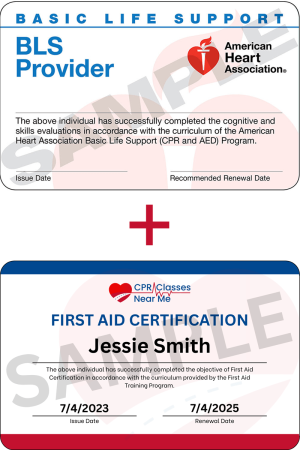
Source : cprclassesnearme.com
Know Your Requirements
This is the absolute first step. Check with your employer, your licensing board, or whoever is asking for the certification. Do they specifically require an AHA or Red Cross certification? Or is a generally recognized, OSHA-compliant certificate acceptable? Don’t guess; confirm. This avoids wasted time and money.
Consider the “Why” Behind the Certification
If your goal is to be genuinely prepared for a real-life emergency, the more rigorous training (like AHA’s blended approach) is usually better. It reinforces critical skills through practice. If it’s purely a compliance checkbox for your job, a faster online option might suffice, but understand the limitations.
Don’t Forget the Practical Skills
Even with the best online theory, CPR is a physical skill. If your chosen program doesn’t include a verified hands-on component (or you don’t plan to seek one out separately), be honest about your readiness to perform in a critical situation. The best CPR programs acknowledge this reality.
The Bottom Line: Get Certified, Get Prepared
Getting your CPR certification online can be incredibly convenient. But convenience should never trump credibility. Stick with well-known organizations like the American Heart Association and the American Red Cross, especially if you’re in a professional healthcare field. For other situations, carefully vet providers to Make sure their training meets your specific needs and is properly accredited.
Act Now, Be Ready
Don’t put off getting certified. Whether you choose a fully online course or a blended learning approach, the important thing is to get trained and get that valid CPR certificate. Time spent learning these skills is never wasted. It could, quite literally, save a life.
Final Checkpoints for Quality Programs
Before you click “enroll”:
- Does it meet your required standards (AHA, Red Cross, OSHA)?
- Is the curriculum Full (Adult, Child, Infant, AED, Choking)?
- Is the provider clearly accredited and reputable?
- What is the process for receiving your official card and certificate?
- Are there hidden fees or unclear requirements?
Choosing wisely means peace of mind and genuine preparedness. Go get that online CPR certification!
Frequently Asked Questions
What is the most accredited CPR certification?
Honestly, when it comes to accreditation, the AHA (American Heart Association) is pretty much the gold standard. They’re widely recognized and their certifications are accepted pretty much everywhere you’d need them for work or volunteering. Other orgs exist, but AHA is the big one.
Which is better, BLS or Heartsaver?
It really depends on what you need it for! If you’re a healthcare professional or work in a medical setting, BLS (Basic Life Support) is usually what you’ll need. Heartsaver is more for the general public or those in jobs with a low risk of workplace exposure to infectious diseases. Check with your employer to be sure!
Can AHA CPR be done online?
Yes and no. AHA offers a “blended learning” approach. You can do the knowledge portion online (AHA eLearning), but you still have to complete an in-person skills session to get your official certification. So, you can’t get a full AHA CPR certification without some hands-on practice.
What does AHA approved mean for online CPR?
Basically, “AHA approved” means the online course content and the subsequent in-person skills check meet the rigorous standards set by the American Heart Association. It assures that the training is up-to-date with their latest guidelines and will be recognized by employers who require an AHA card.
Are online CPR certifications valid?
For AHA, the online-only portion isn’t a full certification. You need that hands-on skills check. However, for other organizations, some fully online CPR certifications might be accepted, but always double-check with whoever requires your certification. It’s safer to go with a blended approach for wider acceptance.
