Best CFP Exam Prep Courses & Study Materials: Your Ultimate Guide
Alright, let’s cut to the chase. You’re aiming for that Certified Financial Planner™ designation, and frankly, the exam is no joke. It’s a beast. Thinking about how to conquer it? It’s like trying to climb Mount Everest without the right gear. You need a solid plan, and crucially, the right prep materials.
Forget generic advice. We’re diving deep into what actually works, what’s worth your hard-earned cash, and what will have you staring blankly at the screen come test day. This isn’t just about passing; it’s about mastering the material and feeling confident walking into that testing center. Let’s get you armed and ready.
Why All the Fuss About CFP® Exam Prep?
Source : kitces.com
The Exam’s Reputation: It’s Not for the Faint of Heart
Seriously, the CFP® exam has a reputation for being incredibly tough. It covers a vast amount of financial planning topics, from retirement and estate planning to ethics and insurance. It’s designed to test your ability to apply knowledge, not just memorize facts. Many candidates find it much harder than they anticipated, hence the need for serious preparation.
The High Stakes Involved
Passing this exam isn’t just a personal victory; it’s a significant career advancement. Earning the CFP® mark signifies a high level of expertise and ethical commitment. It opens doors to better opportunities, higher salaries, and increased client trust. Failing, on the other hand, means delays, added costs, and a blow to your confidence. The stakes are undeniably high.
Ensuring Competency and Credibility
The CFP Board sets a high bar for a reason. They want to Make sure that anyone calling themselves a CFP® is truly competent and acts in the best interest of their clients. Effective exam prep doesn’t just aim to pass the test; it aims to build that foundational competency. It’s about becoming a better financial planner, period. This focus on competency and credibility is Top.

Source : amazon.com
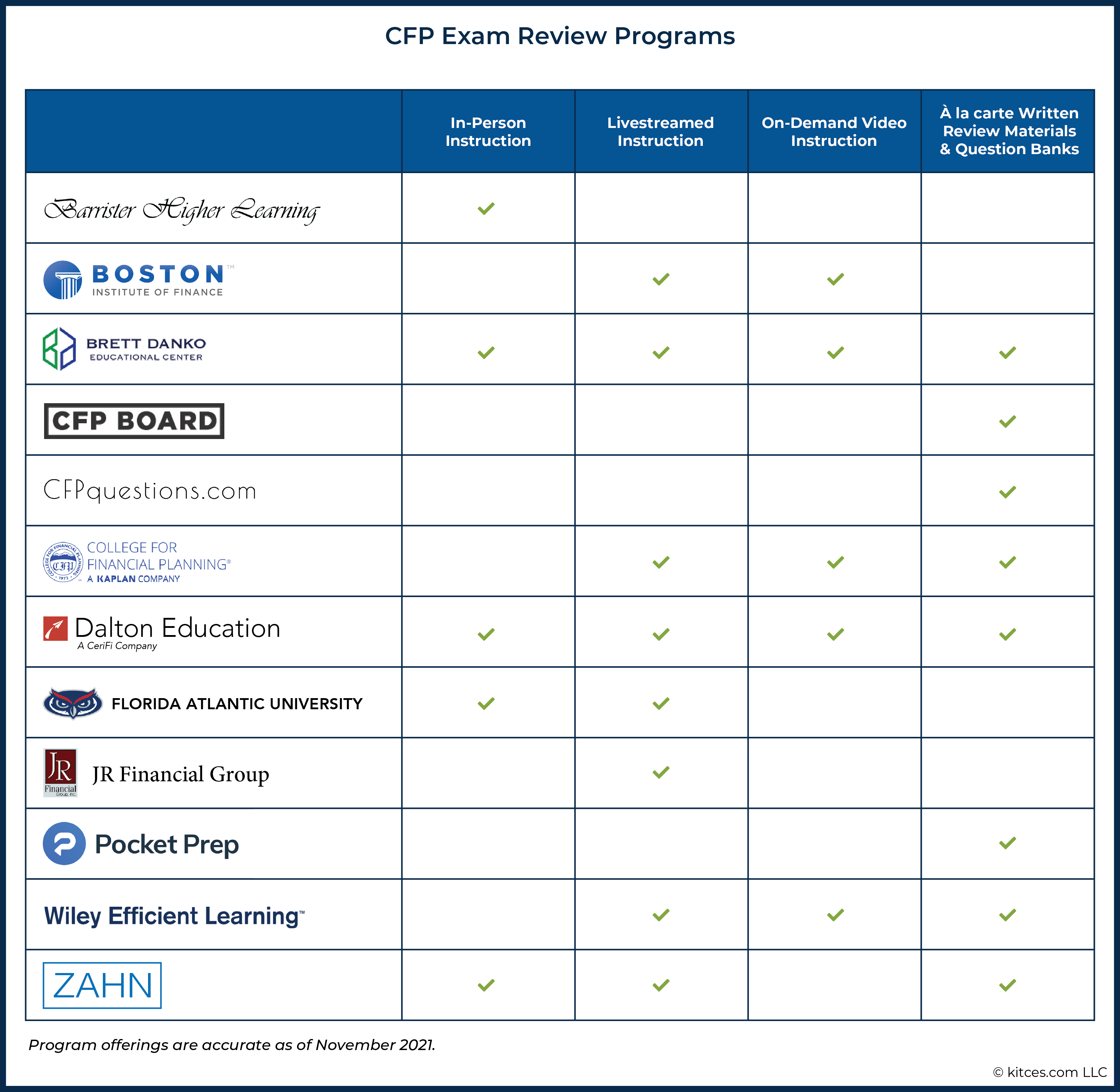
Choosing Your Weapon: Top CFP® Exam Prep Course Providers
Brett Danko: The Veteran’s Choice
You hear the name Brett Danko tossed around a lot, and for good reason. He’s been in the trenches for decades, helping people prep for this exam. His approach is direct, no-nonsense, and focused on what you really need to know. If you’re looking for someone who has seen it all and knows how to guide you through, Brett Danko is a solid contender.
Danko Education offers a variety of options, from live review sessions to self-study materials. They pride themselves on helping candidates pass efficiently. Their materials are often praised for being Full yet digestible. It’s a tried-and-true method for many.
Boston Institute of Finance (BIF): A Full Contender
Then you’ve got places like the Boston Institute of Finance. They offer a Strong curriculum designed to meet the education requirements and prep you for the exam itself. BIF emphasizes Active instruction from experts and provides a good amount of support. They often have free trials, which is a smart way to test the waters.
Their program aims to be both Full and streamlined. They understand that your time is valuable. BIF provides flexible learning options to fit different schedules. Plus, their focus on proactive support means you’re not left hanging when questions arise. It’s a well-rounded approach.
Kaplan Financial Education: The Big Name in Learning
Kaplan is practically synonymous with professional exam prep. Their Kaplan Financial Education programs for CFP® certification are extensive. They Use technology and a structured curriculum to guide students. They often have different packages depending on your needs and budget.
Kaplan’s strength lies in its established platform and vast resources. They offer simulated exams that closely mimic the real thing. Their instructors are typically experienced professionals. It’s a familiar and reliable choice for many, offering a sense of security. They aim for thorough preparation.
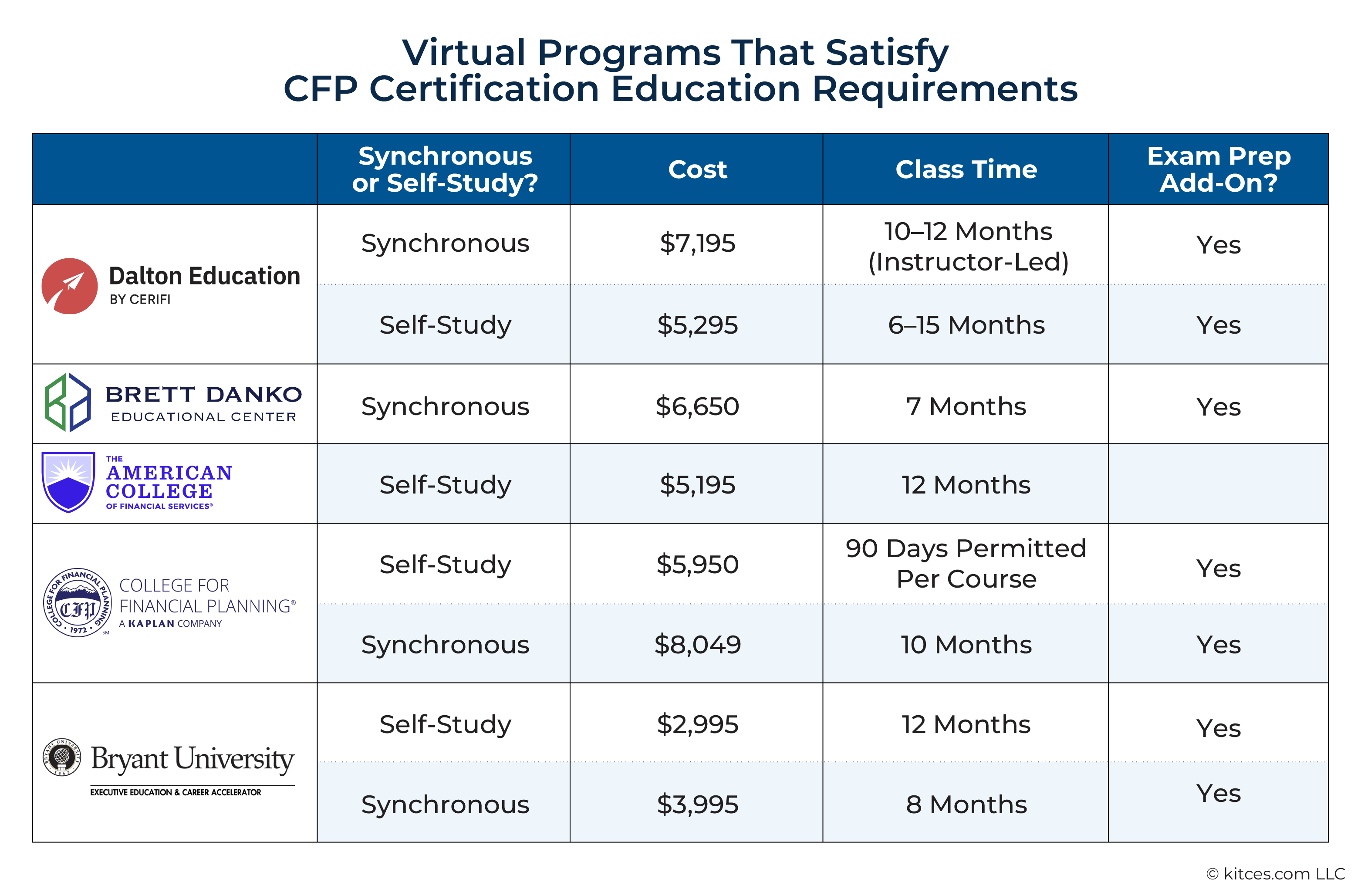
College for Financial Planning: The Original Source
Interestingly, the College for Financial Planning is where the CFP® education requirement originated. They offer courses that fulfill the education component and can Act as a springboard for exam prep. It’s like going to the source, in a way. They have a long history in this space.
Their programs are designed to be foundational. You learn the core concepts directly from the institution that helped shape the curriculum. This can be appealing if you want to build your knowledge base from the ground up. It’s a reputable option for the education requirement.
Decoding the Study Materials: What Actually Works?
Practice Exams: Your Crystal Ball
Let’s be honest, practice exams are non-negotiable. They are the closest you’ll get to the real deal before test day. Good prep courses offer realistic practice exams that mimic the difficulty, format, and timing of the actual CFP® exam. Taking these under timed conditions is Key for building stamina and identifying weak spots.
Don’t just take them; review them meticulously. Understand why you got a question wrong. Was it a knowledge gap? A misinterpretation? A careless error? This detailed review is where the real learning happens. Many candidates swear by doing as many practice questions as humanly possible. It’s all about volume and smart analysis.
Source : kitces.com
Review Outlines and Summaries: The Cheat Sheet
The CFP® exam syllabus is enormous. Having condensed review outlines or summaries is a lifesaver. These materials distill complex topics into manageable chunks. They are perfect for quick reviews before bed or during a commute. Think of them as your personal study cheat sheets, but legit.
Look for outlines that are clear, concise, and highlight key formulas, definitions, and concepts. Some courses provide these digitally, while others offer printed versions. Having both can be beneficial. The goal is to reinforce what you’ve learned and make the information stick. It’s about efficient recall.
Flashcards: For the Little Details
Flashcards are old-school but effective, especially for memorizing terms, formulas, and specific regulations. Many prep providers offer digital flashcards, or you can create your own. They are fantastic for drilling down on the smaller, often-tested details that can make or break your score.
Use them actively. Quiz yourself, have a study partner quiz you, or just flip through them regularly. They are excellent for filling those small pockets of time you have throughout the day. Focusing on key formulas and definitions with flashcards is a smart move.
Textbooks vs. Digital Materials: Finding Your Groove
This is where personal preference really kicks in. Some people swear by physical textbooks – the feel of the paper, the ability to highlight and make notes. Others prefer the convenience of digital materials – searchable content, portability, and often, interactive features. Most top prep providers offer a mix.
Consider your learning style. Do you retain information better by reading a physical book, or are you more engaged with interactive online modules? Many courses integrate video lectures, quizzes, and study planners. The best approach often involves leveraging both digital and physical resources if possible. It’s about maximizing accessibility.
Tailoring Your Study Plan: It’s Not One-Size-Fits-All
Assess Your Knowledge Gaps Honestly
Before you even pick a course, take a diagnostic test or review the exam blueprint. Where do you feel weakest? Are you shaky on estate planning? Do you dread tax questions? Be brutally honest with yourself. This self-assessment is key to focusing your efforts where they’re needed most. Don’t waste time mastering topics you already know inside out.
Identifying these knowledge gaps early saves you valuable study time. It allows you to prioritize specific modules or topics within your chosen prep program. A smart study plan is targeted, not just Full. Think of it as strategic warfare against the exam content.
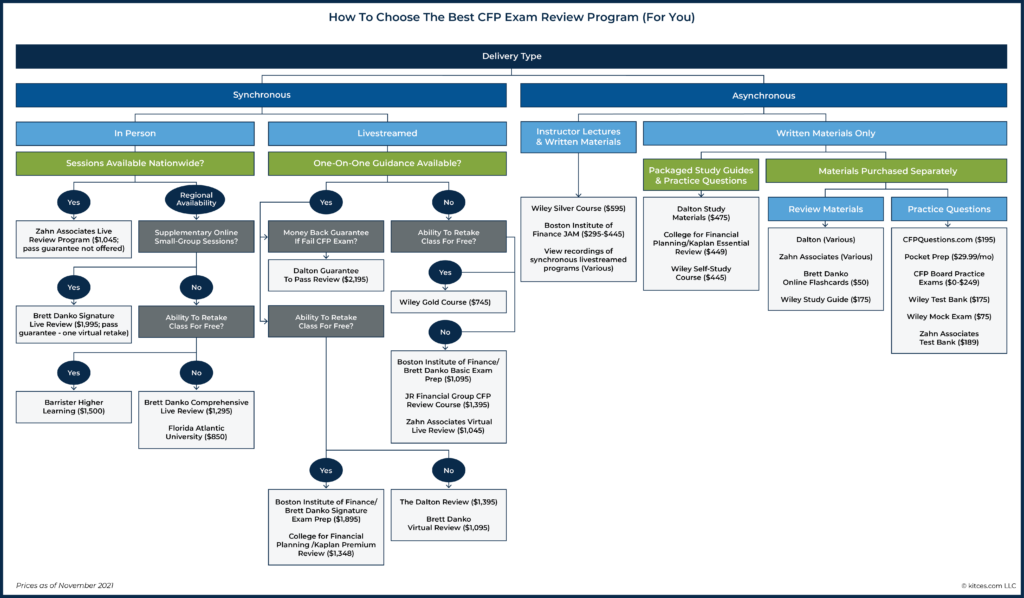
Live Review vs. Self-Study: Pros and Cons
Live review sessions, whether in-person or virtual, offer structure and direct interaction with instructors. They can be incredibly motivating and provide a clear roadmap. However, they require you to adhere to a fixed schedule. Self-study offers flexibility – you study when and where you want. But it demands more self-discipline and organization.
Many candidates find a hybrid approach works best. Maybe you use a self-study package for the bulk of your learning but attend a live review session closer to the exam date for a final push. Consider your personality and your existing work schedule. Can you commit to specific live class times? Or do you need the freedom to study at 2 AM?
Source : kitces.com
Time Commitment: Be Realistic
Let’s not sugarcoat it: preparing for the CFP® exam requires a significant time commitment. Most experts recommend anywhere from 250 to 400 hours of study. That’s after completing the education requirement. Break this down realistically based on your timeline. Are you studying over 6 months? Or cramming in 3?
Create a study schedule and stick to it as much as possible. Consistency is far more effective than sporadic marathon study sessions. Block out time in your calendar for studying, just like you would for client meetings. Realistic time commitment is Key for success. Don’t underestimate the hours needed.
The Key Role of Ethics in CFP® Preparation
Ethics Isn’t Just a Section; It’s the Foundation
The CFP Board places a huge emphasis on ethical conduct. The exam has a dedicated section on ethics, but ethical considerations permeate all aspects of financial planning. You need to understand the CFP Board’s Code of Ethics and Standards of Conduct inside and out. This isn’t just about passing a test section; it’s about the core principles of the profession.
Many prep courses offer specific modules or resources dedicated to ethics. Make sure you Use these. Understand the fiduciary duty, the different standards, and how to handle potential ethical dilemmas. This knowledge is fundamental to being a CFP® professional. It’s the bedrock of your practice.
Case Studies and Application
Ethical questions on the exam often come in the form of case studies. You’ll be presented with a client scenario and asked to identify the ethical issues and determine the appropriate course of action. Simply memorizing rules won’t cut it here; you need to be able to apply ethical principles to real-world situations. This requires practice.
Work through as many ethics-focused case studies as possible. Discuss them with study partners. Try to put yourself in the planner’s shoes. How would you act? What are the potential consequences of different actions? This applied learning is Key for the ethics portion and for your career.
Beyond the Exam: Living Ethically
Preparing for the ethics portion of the exam is also about preparing for your career. Understanding and adhering to ethical standards builds trust with clients and upholds the reputation of the profession. It’s not just a hoop to jump through; it’s a commitment. This commitment to ethical practice is what sets CFP® professionals apart.
How ethical considerations impact every area of financial planning – investment advice, client communication, disclosures, and more. Internalizing these principles now will serve you well long after you’ve passed the exam. It’s about integrity.
Budgeting for Success: What Will It Cost?
Course Fees: The Big Ticket Item
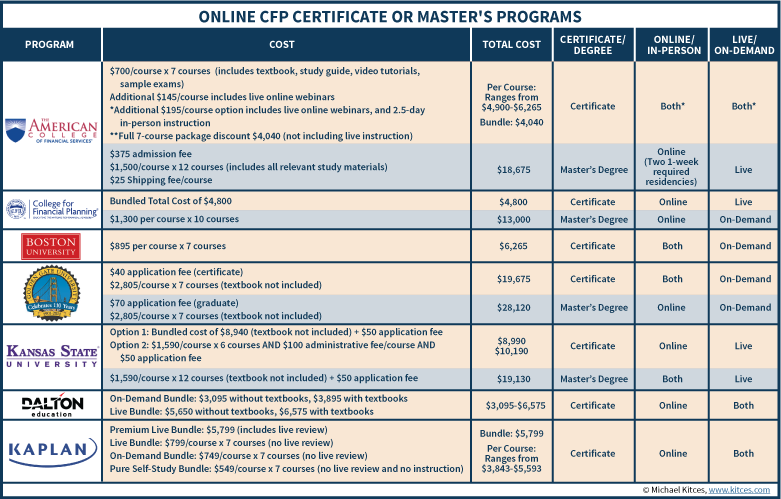
This is typically the largest expense. CFP® exam prep courses can range significantly in price. Some Full self-study packages might start around $1,000-$1,500, while intensive live review courses or premium packages can easily go up to $3,000 or more. Consider what’s included in the price: study materials, mock exams, instructor support, length of access, etc.
Don’t just look at the sticker price. Evaluate the value. A cheaper course might be insufficient, costing you more in the long run due to exam failure and retakes. Conversely, the most expensive course might offer features you don’t need. Comparing course fees requires looking at the total package.

Source : amazon.com
Additional Study Materials
Beyond the main course, you might opt for supplementary materials. This could include extra question banks, specialized topic reviews, or books recommended by peers. Factor in maybe a few hundred dollars for these extras if you feel they’ll boost your confidence or fill specific gaps. You might also invest in reference books or specialized software.
Sometimes, study groups or accountability partners can provide resources or insights for free or at a low cost. Network with other candidates. See what they’re using and recommending. Smart supplementation can enhance your core study plan without breaking the bank. It’s about targeted enhancements.
The Cost of Retaking the Exam
This is the one cost you desperately want to avoid. The CFP® exam registration fee itself is Large. If you don’t pass on your first attempt, you’ll have to pay that fee again, plus potentially another prep course or additional study time. This is why investing in a quality prep course upfront is so critical. It’s an investment in first-time success.
The financial implications of failing are significant, not to mention the emotional toll and the delay in achieving your career goals. Budgeting properly for your initial preparation is Needed. Think of it as insurance against costly setbacks. Avoidable costs are the worst kind.
Sample Comparison Table: Key Features of Popular Prep Providers
Here’s a quick look at some aspects you might consider when comparing different providers. Remember, this is just a snapshot; always check the latest offerings directly from the providers.
| Provider | Typical Price Range (USD) | Format Options | Key Strengths | Access Duration |
|---|---|---|---|---|
| Brett Danko Education | $1,500 – $3,000+ | Live Review (Virtual/In-Person), Self-Study, Books | Veteran instructor, focused content, high pass rate | Varies (often until exam date) |
| Boston Institute of Finance (BIF) | $1,800 – $2,800+ | On-Demand Video, Live Online, Textbooks | Full curriculum, expert instructors, free trial | Typically 6-12 months |
| Kaplan Financial Education | $1,200 – $2,500+ | Self-Study Packages, Live Online | Established platform, extensive question bank, simulated exams | Varies (e.g., 12 months) |
| College for Financial Planning | $1,000 – $2,000+ (for exam prep specific) | Online Courses, Textbooks | Original provider of CFP® education, foundational focus | Varies |
| Pass Perfect | $1,000 – $2,000+ | Self-Study, Simulated Exams | Strong focus on question bank, detailed explanations | Typically 6 months |
Pro Tips for Maximizing Your Study Efforts
Consistency Over Intensity
Remember that study schedule we talked about? Stick to it. Even 30-60 minutes of focused study every day is far more effective than cramming for 8 hours once a week. Building a consistent habit keeps the material fresh in your mind and prevents burnout. It’s a marathon, not a sprint. Consistent daily study pays off.
Integrating study into your routine. Maybe it’s during your commute, on your lunch break, or after the kids are in bed. Find pockets of time and use them wisely. Small, regular efforts compound over time, making the vast amount of material feel much more manageable. Discipline is key.
Simulate Test Day Conditions
When you take your practice exams, do it seriously. Find a quiet space, set a timer, and don’t allow yourself distractions. No phone calls, no quick Google searches, no breaks (unless the real exam allows them). This simulation helps you build mental endurance and identify how you perform under pressure. It’s about replicating the real exam environment.
The CFP® exam is a long, grueling test. Practicing under similar conditions helps you manage your time effectively during the actual exam. You’ll learn to pace yourself, know when to skip a tough question, and when to power through. This preparation is Crucial.
Join or Form a Study Group
Studying with others can be a Shift. A good study group provides accountability, allows you to discuss challenging concepts, and exposes you to different perspectives. You can quiz each other, share resources, and motivate one another. Just make sure the group stays focused and doesn’t devolve into socializing.
Source : kitces.com
Find peers who are as serious about passing as you are. Schedule regular meetings, set an agenda, and come prepared. Explaining a concept to someone else is one of the best ways to solidify your own understanding. It’s a collaborative path to success. Find your study accountability partners.
Take Care of Yourself: Mind and Body
This is critical and often overlooked. Burnout is real. Make sure you’re getting enough sleep, eating well, and exercising. Schedule downtime to de-stress and recharge. Your brain performs better when your body is taken care of. Sacrificing sleep for study is usually counterproductive in the long run. It’s about sustainable effort.
Don’t neglect your mental health during this stressful period. Talk to friends, family, or even a professional if you’re feeling overwhelmed. Remember why you’re doing this. Maintaining a healthy lifestyle will improve your focus, memory retention, and overall ability to learn. Prioritize your well-being during intense study.
Final Thoughts: Investing in Your Future CFP® Career
Choosing the right CFP® exam prep course and materials is a significant investment in your financial planning career. It’s not just about passing a test; it’s about building the knowledge, skills, and confidence to serve clients effectively and ethically. Don’t cut corners here.
Whether you lean towards a seasoned provider like Brett Danko, a Full option like BIF, or the established reputation of Kaplan, do your research. Assess your learning style, your budget, and your timeline. The effort you put into selecting the right preparation now will pay dividends on exam day and throughout your career as a Certified Financial Planner™.
Frequently Asked Questions
What exactly is the CFP exam and why is it so important?
Because the CFP exam, or Certified Financial Plaer exam, is basically the gold standard for financial plaing. Passing it means you’ve met rigorous standards of knowledge and ethics, making you a trusted advisor. It’s super important for anyone serious about a career in financial plaing and for building client confidence.
What are the different types of CFP exam prep courses available?
Well, you’ve got a few main options when you’re looking at CFP exam prep. There are Full live online courses with instructors, self-paced online courses you can do anytime, and then there are study materials like review outlines, practice exams, and flashcards. Some providers even offer bootcamps right before the exam.
How much do CFP exam prep courses typically cost?
Costs can really vary. You might find some basic study material packages for a few hundred dollars, but a full-fledged live online course with all the bells and whistles can easily run you $1,000 to $3,000 or even more. It really depends on the provider and what’s included in their CFP study materials.
Are there any free resources or cheaper alternatives for CFP exam preparation?
Sure, you can piece together some cheaper CFP prep. While a full course is ideal, you can sometimes find older review books, use free sample questions from the CFP Board, or look for study groups. However, be cautious, because staying current with the material is key, and free resources might not always be up-to-date.
What should I look for when choosing the best CFP exam prep course for me?
Learning style, man. Do you need a live instructor, or can you buckle down and study on your own? Check out the pass rates of the prep course providers, read reviews, see what their curriculum covers, and make sure they offer plenty of practice questions and exams. Your budget matters too, of course.
