Can You Really Get Workday Certified Without Having a Job? Let’s Bust Some Myths.
So, you’re looking at the glittering world of Workday careers and thinking, “How do I get that shiny certification?” It’s a question I hear a lot. Especially from folks who aren’t currently on the inside track with a company that uses Workday. The official line can be a bit… opaque. They talk about programs and partnerships, and frankly, it sounds like you need a golden ticket just to get in the door. But is it truly impossible to snag that Workday certification without a paycheck tied to it? Let’s dive deep and see what’s really going on behind the curtain.
It’s easy to get lost in the official documentation. Workday’s training and certification pages are thorough, almost overwhelmingly so. They present a clear path, but that path often seems to require an employer’s hand guiding you. We need to cut through the jargon and get to the gritty truth about how someone outside the typical corporate structure can navigate this process. It’s not just about wanting the certification; it’s about understanding the real requirements and finding your way around the roadblocks.
Let’s be blunt: The most direct and officially sanctioned route to obtaining Workday Pro certification absolutely hinges on being employed by a Workday customer or a Workday partner. That’s the primary gateway. If you’re thinking of just signing up for a course and then taking the exam cold, chances are you’ll hit a wall. But does that mean it’s game over for the self-starter? Not necessarily. There are always workarounds, detours, and alternative strategies if you’re persistent.
The Official Workday Certification Path: What They Tell You
Source : cloudfoundation.com
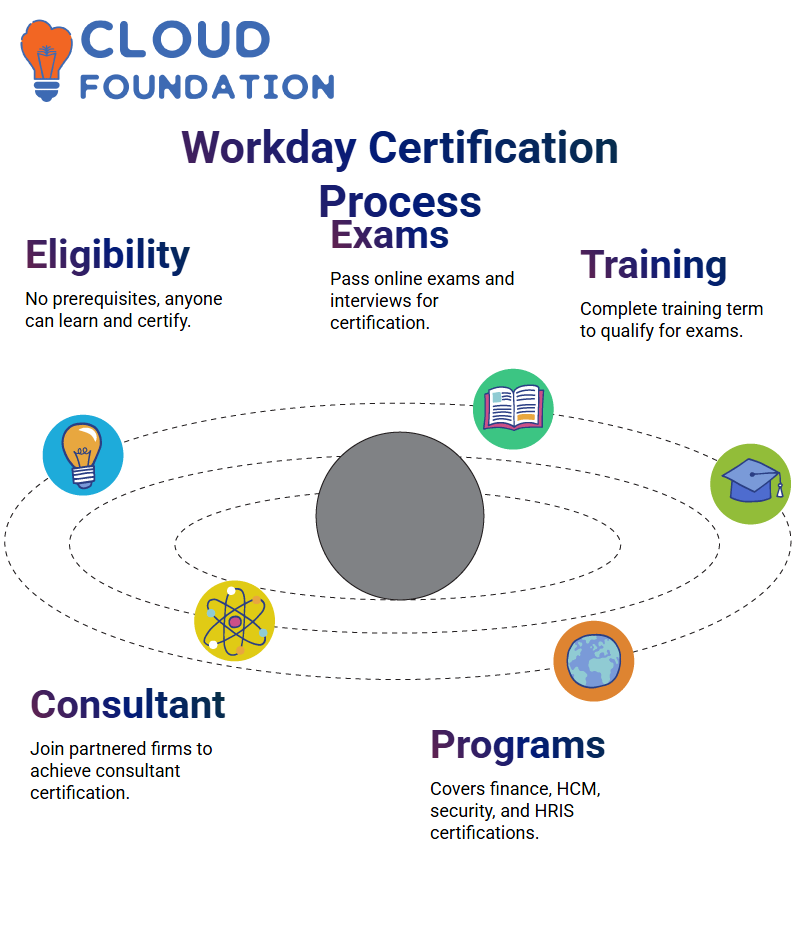
Workday positions its certifications as a mark of expertise for professionals working with their products. It’s not just some online quiz; it’s a rigorous process designed to validate skills. They want to Make sure that anyone holding a Workday certification truly knows their stuff. This is Key for maintaining the integrity of their brand and the value of their certifications in the job market.
Understanding the Workday Certification Tiers
Workday offers different levels of certification. Think of it like belts in martial arts. You start with the basics and work your way up. The foundational certifications are often tied to specific modules like HCM (Human Capital Management) or Finance. Then, you have the “Pro” level certifications, which signify a higher degree of proficiency and often require practical experience. They even have specialized certifications for specific functionalities.
The Employer-Sponsored Enrollment Requirement
Here’s the big sticking point for many: the official Workday Pro certification program generally requires enrollment through your employer. If you work for a company that uses Workday, your employer can sponsor you. They essentially vouch for your need and access to the system. This is the most common and straightforward way to get into the Pro certification track. It’s part of their strategy to build skilled workforces within their client organizations.
Why You Can’t Just “Buy” the Exam
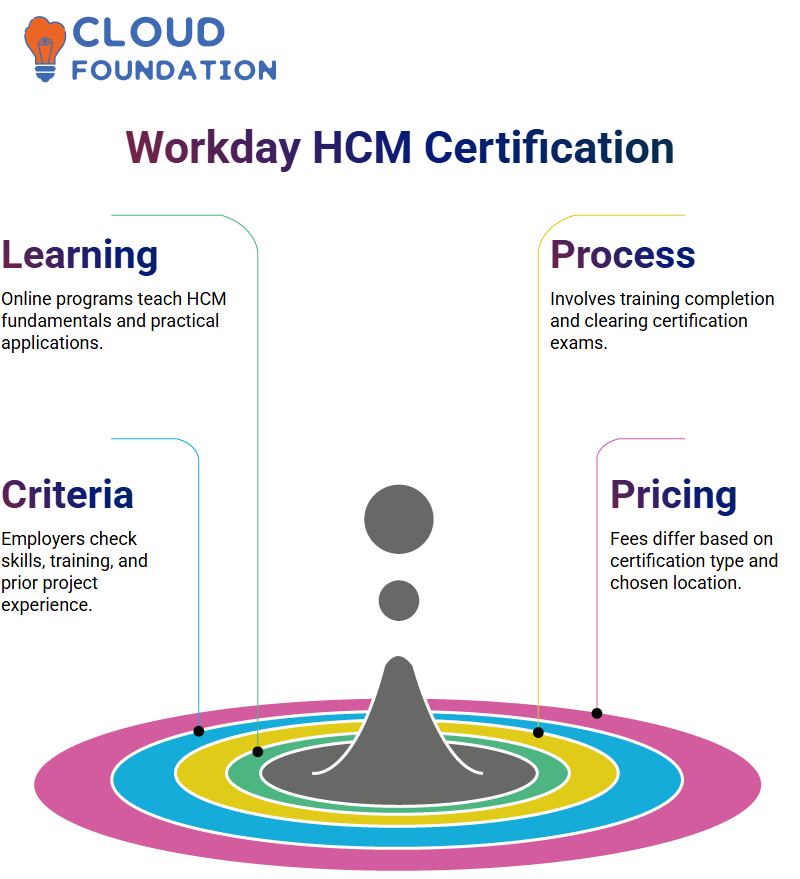
Let’s clear up a common misconception. You cannot simply purchase a Workday Pro exam voucher and expect to walk into a testing center. The certification isn’t just about passing a test; it’s about demonstrating you have the practical, hands-on experience. Workday ensures this by requiring an employer or partner to sponsor your enrollment. This prevents people from getting certified without ever actually working with the live system, which, let’s be honest, would devalue the whole thing.
Source : cloudfoundation.com
The Role of Workday Partners
Workday partners are consulting firms that implement and manage Workday solutions for clients. These partners also have their own certification paths. If you’re employed by a Workday partner, you’ll likely go through their internal training and certification process, which is often sponsored by the partner company itself. This is another key channel, but again, it requires being part of an organization officially connected to Workday.
Handling the Hurdles: Can You Get Certified Solo?
Okay, so the official route is employer-centric. I get it. But people are resourceful. The question remains: what about the individual who doesn’t have that employer backing? Is it a dead end? Not entirely. You just need to get creative and understand the underlying requirements Workday is trying to meet.
Building Foundational Knowledge Independently
Before you even think about Pro certification, you need a solid grasp of Workday concepts. You can absolutely build this foundation on your own. There are countless online resources, tutorials, and even unofficial courses that can teach you the fundamentals of Workday HCM, Payroll, or Finance. Think of it like learning to code before applying for a developer job. You can spend hours on YouTube or dedicated learning platforms to get a good theoretical understanding. This is a Key first step, regardless of how you plan to get certified.
The “Experience” Hurdle: How to Gain It Without a Job
This is the big one. Pro certification implies practical experience. How do you get that without a Workday job? This is where things get tricky. Some people try to gain experience through volunteer work for non-profits that might be using Workday. Others might pursue very junior roles that might expose them to Workday, even if it’s not their primary function. It’s about finding any avenue to touch the system. A Workday Pro certification can be a golden ticket, but getting that ticket often requires proving you’ve used the machine.
Leveraging Community and Networking
The Workday Community is A wealth of information and connections. While it won’t grant you direct certification, it’s Crucial for learning from others, understanding common challenges, and potentially finding opportunities. Engaging in forums, attending webinars (if available to the public), and connecting with people already in the field can provide insights you won’t find anywhere else. Sometimes, a Key connection can open a door you didn’t even know existed.
Considering Alternative Training Providers
While Workday itself is strict about Pro certification, there are third-party training providers. These outfits offer courses that mimic Workday’s curriculum. They can be incredibly helpful for learning the material and preparing for the concepts tested. However, be very clear: completing a course with a third-party provider does NOT equate to official Workday Pro certification. It’s a stepping stone, a way to build knowledge and skills, but the official validation still typically requires that employer link.
The Reality Check: Why Employers Are Key
Let’s circle back to why employers play such a central role in the Workday certification ecosystem. It’s not just about gatekeeping; it’s about ensuring quality and relevance. For a company implementing Workday, having certified staff is critical for successful deployment and ongoing management. They invest in their employees’ training because it directly impacts their business operations.
Internal Training Programs and Sponsorship
Most large organizations that use Workday have established internal training programs. They identify employees with potential and sponsor them for Workday certifications. This is a strategic investment for them. They want their HR, finance, and IT teams to be experts in the tools they rely on daily. It reduces reliance on external consultants and builds internal capacity. So, if you’re aiming for this, target companies that are already Workday customers.
The Value Proposition for Businesses
For businesses, certifying employees offers significant advantages. It ensures a standardized level of knowledge across the team. It boosts confidence in managing complex systems like Workday. Plus, having certified professionals on staff can streamline processes, reduce errors, and improve the overall efficiency of HR and finance functions. It’s a tangible return on investment for them to get their people trained and certified. This is why they are willing to sponsor you.
Partner Program Requirements
Similarly, Workday partners are businesses that live and breathe Workday implementation. Their reputation depends on the expertise of their consultants. Workday mandates specific training and certification requirements for individuals working on their partner projects. Being certified isn’t optional for them; it’s a core business requirement. They invest heavily in getting their teams certified to maintain their partner status and deliver high-quality services to clients.
Exploring Indirect Paths and Loopholes
While direct, independent certification is the tough nut to crack, are there less conventional routes? People have tried various methods over the years. Some have seen success, others have hit dead ends. It’s a Field that requires careful navigation.
.png)
Source : techburner.neocities.org
The “Recruiter Angle”
Some individuals have found success by working with specialized IT recruiters. These recruiters have deep connections within the Workday ecosystem. They might know of organizations that are willing to hire someone with potential and then sponsor their certification. It requires building a relationship with a good recruiter and being upfront about your goals. They can be Crucial guides in this job-centric certification world.
Volunteer or Pro Bono Work
Could you offer your Growing Workday skills to a non-profit organization on a volunteer basis? Some smaller non-profits might use Workday but lack the budget for extensive in-house expertise or expensive consultants. If you can find such an opportunity, you might gain hands-on experience. The challenge then becomes convincing Workday or a partner that this volunteer experience is equivalent to professional experience, which is still a hurdle.
Entry-Level Roles with Learning Opportunities
Look for entry-level administrative or support roles within companies that use Workday. Even if your primary job isn’t doing Workday, you might be exposed to it. You could assist the internal Workday team, help with user support, or be involved in data entry. Over time, this exposure can build your understanding and potentially lead to your employer sponsoring you for official training. It’s a slow burn, but it’s a legitimate path.
The “Shadowing” Approach
This is a long shot, but some have tried to ‘shadow’ experienced Workday professionals. This might involve informational interviews, offering to help with small tasks, or simply observing how seasoned pros use the system. While you won’t get official credit, the knowledge gained can be immense. It can help you prepare for future opportunities where certification might be a possibility. Networking is key here; you need to know people.
Workday Certification Exam Details: What to Expect
Regardless of how you get there, the exam itself is a significant hurdle. Understanding its format and expectations is Key for anyone aiming for certification. It’s not just about memorizing facts; it’s about applying knowledge.
Exam Format and Question Types
Workday Pro exams typically consist of multiple-choice questions and scenario-based questions. They are designed to test your understanding of Workday’s functionality and best practices within specific modules. You’ll likely encounter questions that ask you to choose the best solution for a given business problem or to identify the correct configuration steps. Practical application is the name of the game.
Passing Scores and Retake Policies
The passing score for Workday certification exams is generally quite high, often around 75-80%. Workday wants to be sure you’re truly proficient. If you don’t pass on your first attempt, there are usually retake policies in place, but these often involve waiting periods and potentially additional fees. Always check the specific Workday training and certification guidelines for the most current information on retakes.
The Importance of Hands-On Practice
Simply studying books or online materials isn’t enough. The exam often reflects real-world scenarios. You need to have worked with the Workday system to truly understand how things function. Practicing in a sandbox environment (if accessible through your employer or partner) is Crucial. This is where theoretical knowledge meets practical application, and it’s often the deciding factor in passing the exam.
The Value of Workday Certification in Today’s Market
Let’s talk about the elephant in the room: why is this certification so coveted? What does it actually do for your career? It’s more than just a line on your resume; it’s a signal to employers.
Career Advancement and Higher Salaries
Having a Workday certification, especially at the Pro level, can significantly boost your career prospects. It often leads to faster promotions and higher salary offers. Recruiters actively seek out certified Workday professionals because they know these individuals have a validated skill set. It’s a way to differentiate yourself in a competitive job market.
Increased Job Opportunities
The demand for skilled Workday professionals continues to grow. Companies are constantly implementing or optimizing their Workday systems. Certified individuals are prime candidates for a wide range of roles, including Workday consultants, analysts, administrators, and developers. The opportunities become much broader once you have that official validation.
Source : techburner.neocities.org
Credibility and Expertise
Workday certification lends immediate credibility. It tells potential employers that you possess a standardized level of knowledge and have likely met certain experience requirements. It’s a mark of expertise that can open doors to more challenging and rewarding projects. It signifies you’re serious about your career in the Workday space.
Can You Skip the Employer and Still Succeed?
So, to circle back to the original question: Can you become Workday certified without an employer? The answer, according to the official channels, is largely no, at least not for the Workday Pro certification. The pathway is designed around employer sponsorship to Make sure practical experience and proper vetting. However, “officially certified” isn’t the only definition of success.
Focus on Skills, Not Just the Certificate
If direct certification is out of reach right now, focus intensely on building the actual skills. Master the Workday modules through self-study, online courses, and any practical exposure you can get. Develop a strong portfolio of projects or case studies (even hypothetical ones) demonstrating your problem-solving abilities within Workday. Skills and demonstrable knowledge can sometimes outweigh a formal certificate, especially early in your journey.
Targeting Roles that Offer Training
Be strategic in your job search. Look for companies that explicitly state they offer training and certification support for new hires. These roles might be slightly more junior or require a different skill set initially, but they provide a clear pathway to getting certified once you’re on board. It’s about finding an employer who sees your potential and is willing to invest in your growth.
The Long Game: Persistence Pays Off
Getting into the Workday ecosystem can be challenging without the right connections or employer backing. It might take longer than you’d hoped. It requires persistence, networking, and a willingness to explore unconventional routes. Keep learning, keep applying, and keep networking. Eventually, you can find a way to gain the experience and sponsorship needed for that coveted Workday certification.
| Pathway Aspect | Official (Employer-Sponsored) | Unofficial (Independent / Self-Study) |
|---|---|---|
| Certification Goal | Workday Pro Certification (Validated) | Skill Development, Foundational Knowledge |
| Primary Requirement | Employer or Partner Sponsorship; Real-world Experience | Self-Discipline; Access to Learning Resources |
| Access to Workday System | Typically Provided by Employer/Partner | Limited; May require Sandbox or Demo Environments |
| Exam Eligibility | Directly granted upon meeting sponsor criteria | Generally Not Eligible for Pro Exams |
| Cost Structure | Often covered by employer; exam fees may apply | Primarily self-funded (courses, materials) |
| Career Outcome | Direct path to certified roles, higher salary potential | Builds skills for entry-level roles, supports future certification |
| Key Challenge | Finding an employer/partner willing to sponsor | Gaining validated practical experience; proving skills without official cert |
| Recommended Strategy | Target Workday customer/partner companies actively | Focus on learning, networking, and seeking roles with training opportunities |
While you can gain immense knowledge independently, obtaining the official Workday Pro certification without an employer sponsoring you is incredibly difficult, bordering on impossible through legitimate channels. It’s designed as a professional credential earned through practical application within an organization. But don’t let that discourage you. The journey to becoming a skilled Workday professional is Complex, and building your expertise independently is a powerful first step, paving the way for that eventual sponsorship.
Frequently Asked Questions
Who is eligible for Workday certification?
Honestly, anyone with an interest inWorkday can pursue certification. While many get it through their employer, you don’t absolutely need one to start. It’s more about having the right motivation and potentially some relevant experience.
How much does it cost to get Workday certified?
The costs can really vary. You’ve got exam fees, and then there are training courses which can be a big chunk. If you’re not going through a company, expect to shell out a few thousand dollars. Check the official Workday Learning site for the most current pricing.
How many days will it take to learn Workday?
It really depends on the specific certification you’re going for and your background. Some can be knocked out in a week or two of intense study, while others might take several weeks or even months. People often underestimate the hands-on practice needed.
Can I get Workday certified if I’m unemployed?
But yeah, you can totally pursue Workday certification even if you’re currently out of a job. Many online resources and training providers don’t require you to be currently employed. It might even be a great way to upskill while you’re looking!
What are the benefits of Workday certification without an employer?
Getting certified on your own shows initiative and dedication. It can make your resume stand out to potential employers, proving you’ve got the skills they’re looking for without them having to invest in your initial training. Plus, it opens up a wider range of job opportunities.
