How Long Does ASE Certification Last Before Recertification?
So, you’ve gone and done it. You’ve earned that shiny ASE certification. Congrats! It’s a huge deal in the auto repair world, a real feather in your cap. But here’s the million-dollar question that probably kept you up at night while studying: how long does this badge of honor actually last? You can’t just hang it on the wall and forget about it. Nope. There’s a ticking clock, and knowing when it stops is Key for keeping your career on track. Let’s break down the nitty-gritty of ASE certification renewal. It’s not as scary as it sounds, I promise. Just buckle up; we’re diving deep.
The Golden Window: How Long Your ASE Certification is Valid
Source : easy-prep.org
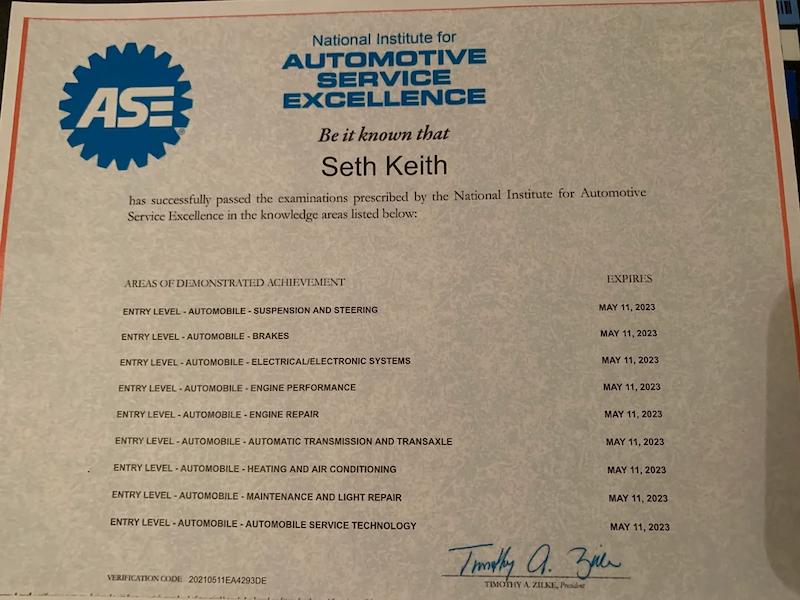
Alright, let’s get straight to the point. You pass that exam, you get certified. Easy enough. But the validity period? That’s where things get a bit more nuanced. It’s not some forever kind of deal. Think of it more like a professional driver’s license for your skills. You get it, it’s good for a while, but then you gotta renew. This isn’t some kind of industry secret; it’s a standard practice designed to keep pros sharp.
Understanding the Standard Validity Period
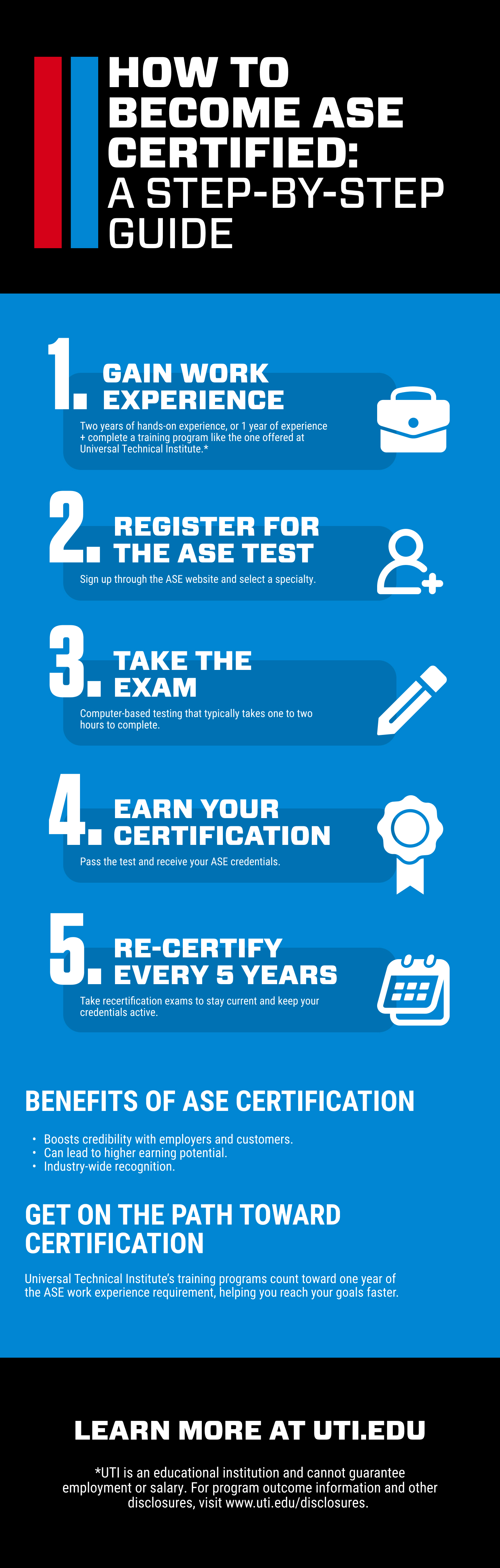
Generally speaking, most ASE certifications are valid for a period of five years. Yep, a full half-decade. That sounds like a decent chunk of time, right? Enough time to get some serious work under your belt, hone those skills, and maybe even start thinking about the next level of certification. It’s a solid timeframe that balances allowing you to practice your trade with ensuring you stay current.
Why a Five-Year Cycle?
Why five years? Well, it’s a smart approach. The automotive industry doesn’t exactly stand still. Technology evolves at a breakneck pace. New models roll out with more complex systems every year. A five-year window ensures that you’re not working with outdated knowledge. It gives you enough time to apply what you learned and experience different scenarios, but it also prompts you to refresh your memory or learn new skills before your certification expires. It’s about maintaining competence, plain and simple.
What Happens When Your Certification Expires?
Expiration. The dreaded E-word. If your ASE certification hits its five-year mark and you haven’t recertified, poof! It’s no longer considered valid. This means you can’t claim to be “ASE Certified” in that specific area anymore. For technicians, this can mean a loss of credibility with customers and potential employers. Shops often require current certifications, especially for specialized roles. It’s a clear signal that your skills are up-to-date. Letting it lapse means you might have to start the process all over again, potentially retaking exams you once aced.
The Recertification Process: More Than Just a New Card
So, your five years are ticking down. What’s the game plan? Recertification. It’s not just about getting a shiny new card mailed to you automatically. There’s a process involved, and it’s designed to make sure you’re still on top of your game. Don’t just wing it; understand what’s required. The official source for all this detail is, of course, ASE itself. They have Full guides, and checking out the ASE FAQ section is always a smart move.
Source : buckfamilyautomotive.com
Handling the Recertification Exams
For most certifications, the path back to being certified involves passing a specific recertification exam. These aren’t necessarily the exact same tests you took the first time around, though some elements might overlap. They are designed to test your current knowledge and awareness of recent advancements in the field. Think of it as a knowledge refresh and validation. You’ll need to register, study, and then take the test. It requires a bit of effort, but it’s the standard way to demonstrate continued competency. The goal is to Make sure that being ASE Certified means something today, not just what it meant five years ago.
The Alternative: ASE’s Renewal App Program
Now, here’s where it gets interesting, and frankly, a lot more convenient for many techs. ASE introduced the ASE Renewal App Program. This is a Shift if you want to avoid taking traditional proctored exams every five years. Instead of sitting for a full test, you can earn renewal through continuous learning. You need to complete specific training modules and pass short assessments within the app. It’s a way to keep your skills sharp on an ongoing basis. It’s pretty slick. Lots of technicians find this method far less stressful and easier to fit into their busy schedules. You can find detailed information on how it works by checking the ASE Renewal App FAQs PDF.
What Training Counts for the Renewal App?
The key to the Renewal App is eligible training. It’s not just any random webinar or YouTube video you watch. ASE has specific criteria for what training counts towards renewal. This usually includes manufacturer training, technical sessions, certain online courses, and other recognized industry education. You need to Make sure the training you’re doing is approved and properly documented. This ensures the learning is relevant and high-quality. It’s about consistent professional development, not just clocking hours. This program is a Proof to ASE’s commitment to keeping technicians genuinely skilled.
Specifics Matter: Different Certifications, Different Rules?
While the five-year rule is the big headline, are there any exceptions or specific nuances depending on the type of ASE certification you hold? It’s a fair question. The world of auto repair is vast, covering everything from light trucks to heavy-duty vehicles, and even collision repair. Does a diesel tech’s certification timeline mirror that of a hybrid specialist? Let’s dig a bit.
General Certification vs. Master Technician Status
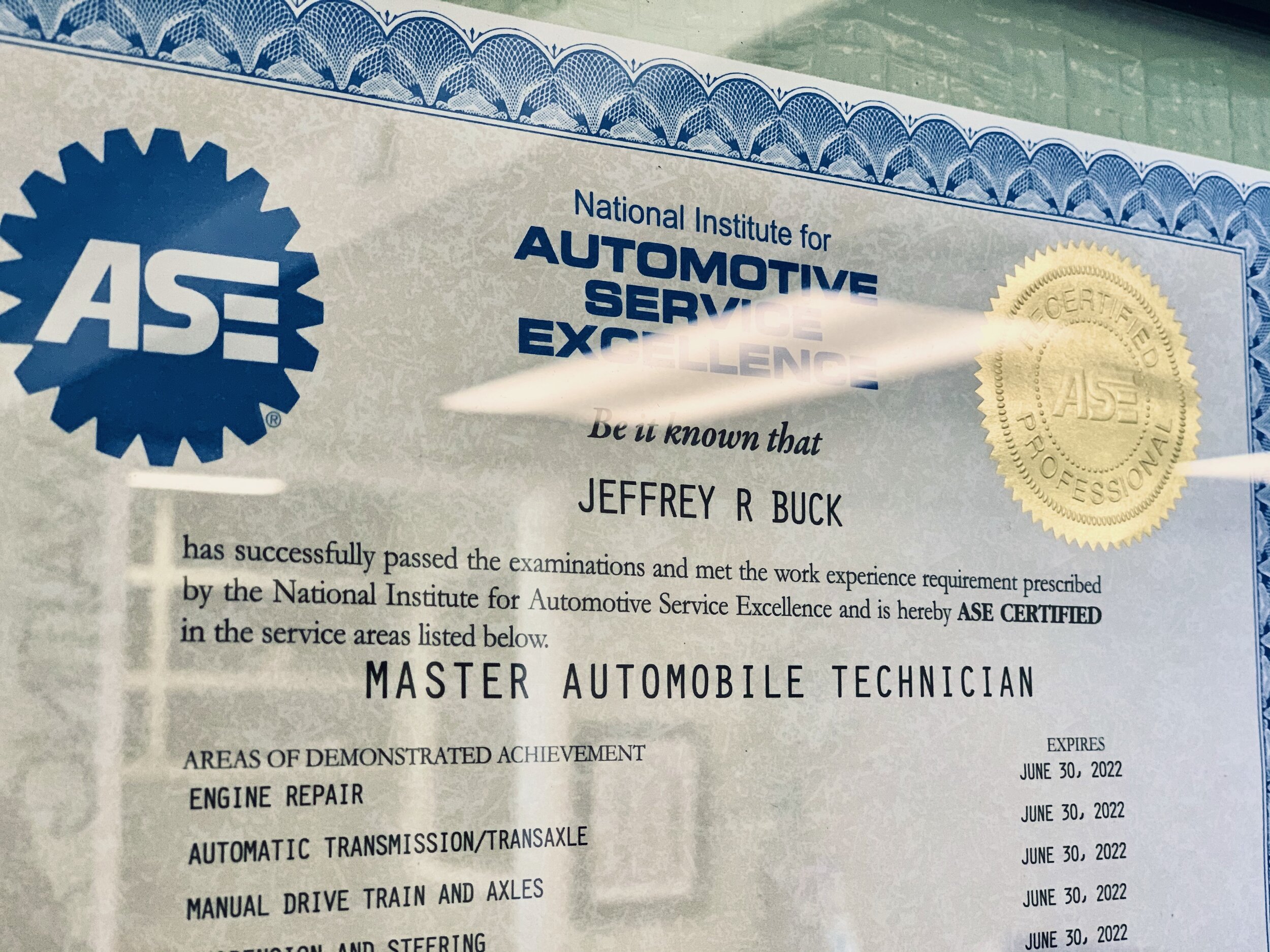
ASE offers numerous individual certifications, each covering a specific area like Engine Repair (A1) or Brakes (A5). Most of these follow the standard five-year renewal cycle, either via exam or the Renewal App. However, achieving “Master Technician” status (like the L1 Advanced Level Specialist or the G1 Auto Maintenance and Light Repair certification) involves holding multiple specific certifications. While each individual certification you hold might need renewal, maintaining that ‘Master’ title often depends on keeping a core set of your primary certifications active. The requirements for maintaining these higher-level designations are critical to understand for career progression.
Specialty Certifications and Their Timelines
Some highly specialized certifications might have slightly different renewal requirements or timelines. For instance, certifications related to newer technologies, like hybrid vehicles or advanced driver-assistance systems (ADAS), could potentially see updates to their recertification processes more frequently due to the rapid evolution in those fields. While the standard five-year rule is pervasive, it’s always wise to double-check the specific renewal details for any niche or Latest ASE certification you pursue. Consulting the official ASE website is your best bet for the most accurate, up-to-date information on each specific credential.
The Role of Continuing Education Units (CEUs)
Whether you’re taking recertification exams or using the Renewal App, continuing education is the underlying theme. The Renewal App directly ties renewal to completing eligible training, which often involves earning Continuing Education Units (CEUs). Even if you opt for the traditional exam route, staying current through training, workshops, and industry publications is Needed for passing the test. ASE wants to Make sure that technicians aren’t just good at taking tests, but that they are actively engaged in learning and adapting to the ever-changing automotive Field. This focus on CEUs reinforces the value of ongoing professional development in the field.
The Cost of Recertification: What to Budget For
Let’s talk brass tacks. Getting certified costs money, and so does staying certified. Recertification isn’t free. You’ve got exam fees, potential training costs, and maybe even travel expenses if you have to go to a testing center. Understanding these costs upfront can help you budget effectively and avoid any nasty surprises down the line. It’s an investment in your career, but knowledge is power when it comes to expenses.
Exam Fees and Registration Costs
When you decide to take a recertification exam, there are fees involved. These typically include a registration fee and per-test fees. These costs can add up, especially if you hold multiple certifications that are all nearing their expiration date. ASE’s fee structure is designed to cover the administrative and operational costs associated with maintaining the certification program. Check the official ASE website for the most current fee schedule, as these amounts can change over time. Don’t assume the price you paid five years ago is still the price today.
Training and Course Expenses
If you opt for the Renewal App, you’ll need to complete training. While some of this training might be offered by your employer, you might also need to pay for specific courses or modules yourself. The cost of these training programs can vary wildly. Some might be relatively inexpensive online courses, while others could be more intensive, hands-on workshops that carry a higher price tag. Factor in the potential need for study materials or specialized software as well. This is where doing your homework on approved training providers becomes Key for both effectiveness and cost-efficiency.
Time Off Work: The Hidden Cost
Don’t forget about the time you’ll spend preparing for and taking exams or completing training. This often means taking time off work. If you’re paid hourly, that’s lost income. Even if you’re salaried, taking a full day or two for testing or training can impact your workflow and potentially your ability to earn bonuses or overtime. This ‘hidden’ cost is significant for many technicians. Planning ahead, perhaps by taking advantage of employer-sponsored training or study leave, can help Reduce this impact. It’s a real consideration for any working professional.
Recertification Deadline: Don’t Miss the Boat!
Source : uti.edu
Missing a deadline is like missing a turnoff on a long road trip – it can set you back considerably. With ASE certifications, there are deadlines you absolutely need to be aware of. Forgetting when your certification expires is a common pitfall, but it’s one that’s entirely avoidable with a little diligence. Procrastination is the enemy here. Proactive planning is your best friend.
Tracking Your Expiration Dates
The most critical step is simply knowing when your certifications expire. Don’t rely on memory alone. Mark your calendar, set phone reminders, or use a digital tool. Many technicians create a spreadsheet or use a dedicated app to track the expiration dates for all their credentials. Keep copies of your certification cards and any relevant documentation in a safe place. Knowing your dates allows you Plenty of time to plan for study and testing. This proactive approach is key to maintaining continuous certification without a lapse. It prevents that last-minute panic.
The Grace Period Myth (and Reality)
Does ASE offer a grace period after your certification expires? While some professional organizations do, ASE’s stance is generally quite firm. Once your five-year term is up, your certification is considered expired. There isn’t typically a built-in “grace period” where you can continue to operate as certified while you scramble to renew. Some sources, like this article discussing what mechanics can expect every 5 years, highlight the importance of being proactive. Allowing your certification to lapse could mean you need to retake the initial certification exam rather than just a renewal assessment, depending on the circumstances and how long it’s been lapsed. It’s best not to test this particular boundary.
Consequences of Lapsed Certifications
What happens if you let your certifications lapse? The consequences can range from inconvenient to career-limiting. Employers might view lapsed certifications as a sign of complacency or a lack of commitment to professional development. Some positions or contracts may explicitly require current ASE certifications, meaning you could be ineligible for those opportunities. Furthermore, you lose the immediate credibility that comes with being actively certified. Re-establishing certification after a significant lapse can be more challenging and costly than maintaining it through timely renewal. It’s a professional credential that needs continuous upkeep.
The Benefits of Staying Certified: Beyond Just the Card
Okay, so we’ve talked about how long certifications last and how to renew them. But why bother? Is it really worth the effort and expense to keep that ASE certification current? Absolutely. The benefits extend far beyond simply having a piece of plastic. It’s about your professional standing, your earning potential, and your ability to do the job right.
Enhanced Credibility and Trust
Being ASE certified, and more importantly, staying ASE certified, signals to employers, colleagues, and customers that you are committed to maintaining a high level of skill and knowledge. It’s a recognized standard across the industry. When a customer sees that blue ASE decal or knows their mechanic is certified, it builds trust. They feel more confident that their vehicle is in capable hands. This enhanced credibility is Crucial in a competitive market. It differentiates you from uncertified technicians.
Improved Job Prospects and Earning Potential
Many employers actively seek out ASE-certified technicians. Having current certifications can open doors to better job opportunities, promotions, and specialized roles. Shops often pay higher wages or offer bonuses for certified technicians, especially those who have achieved Master Technician status or specialized credentials. The investment in recertification often pays for itself through increased earning potential. It’s a tangible return on your commitment to professional excellence. Don’t underestimate the power of that certification on your resume.
Staying Current with Industry Advancements
As we’ve touched upon, the automotive industry is constantly evolving. The Renewal App program and the recertification exams are designed to Make sure technicians keep pace. By engaging in the renewal process, you’re forced to stay updated on new technologies, diagnostic procedures, and repair techniques. This continuous learning keeps your skills sharp, makes you a more effective problem-solver, and allows you to tackle the complex vehicles of today and tomorrow. It’s not just about passing a test; it’s about genuine skill development.
Making the Choice: Exam vs. Renewal App
So you’re facing renewal. Do you go the traditional route and buckle down for another exam, or Welcome the modern approach with the Renewal App? Both have their pros and cons. Your decision might depend on your learning style, your schedule, and how you feel about testing in general. Honestly, the app is pretty appealing for many.
Pros and Cons of Traditional Recertification Exams
Pros: The traditional exam route offers a clear, definitive pass/fail. For some, the structure of studying for and taking a Full test is familiar and effective. It’s a direct validation of your knowledge at a specific point in time. Some might feel it’s a more thorough assessment than the app’s module-based approach. You know exactly what you’re getting into, historically speaking.
Cons: These exams require significant dedicated study time. They often require scheduling at a physical testing center, which can be inconvenient. The pressure of a timed, high-stakes exam can be stressful for many individuals. If you fail, you often have to wait before retaking, adding delays and costs. It’s a model that hasn’t changed much over the decades.
Pros and Cons of the ASE Renewal App Program
Pros: Flexibility is the big win here. You can often complete training modules on your own schedule, from anywhere. It breaks down learning into manageable chunks. It encourages ongoing, consistent learning rather than cramming. Many technicians find it less stressful and easier to integrate into their work-life balance. Plus, it keeps you consistently updated.
Cons: You need to Make sure the training you undertake is eligible and properly documented. It requires discipline to consistently engage with the modules throughout the five-year period. Some may feel it doesn’t offer the same depth of assessment as a Full exam. You might also incur costs for specific training courses if not provided by your employer. It requires a different kind of commitment.
Source : easy-prep.org
Which Path is Right for You?
The best path depends on your personal preferences and circumstances. If you thrive on structured testing and have the time and discipline to prepare thoroughly, the traditional exam might work well. If you prefer a more flexible, continuous learning approach and want to avoid the stress of high-stakes exams, the Renewal App is likely the better choice. Consider how you learn best and what fits realistically into your life. Many technicians who have tried the Renewal App swear by its convenience and effectiveness. It’s definitely worth exploring.
A Quick Comparison Table: Recertification Options
| Feature | Traditional Recertification Exam | ASE Renewal App Program |
|---|---|---|
| Primary Method | Pass a Full, proctored exam. | Complete eligible online training modules and quizzes. |
| Flexibility | Low; requires scheduling at a test center. | High; learn on your own schedule, anywhere. |
| Learning Style | Best for those who study intensely for tests. | Best for continuous learners, breaking down info. |
| Stress Level | Potentially high due to exam pressure. | Generally lower; ongoing learning focus. |
| Cost Structure | Exam fees, potential travel costs. | Training course fees (if not employer-provided). |
| Technology Use | Minimal, primarily for scheduling/results. | High; requires regular engagement with app/modules. |
| Validation Type | Point-in-time knowledge assessment. | Continuous learning and skill application validation. |
| Maintenance Requirement | Pass exam before expiration date. | Complete required training within the 5-year cycle. |
Planning for the Future: Long-Term Certification Strategy
Thinking about your ASE certifications shouldn’t be a five-year event. It needs to be an ongoing part of your career strategy. How do you Make sure you’re always in compliance and always advancing? It requires a bit of foresight and consistent effort. Don’t just react; plan.
Integrating Renewal into Your Professional Development
Treat recertification not as a chore, but as a key component of your professional development plan. Set aside time each year for training, even if your certifications aren’t due for renewal yet. This proactive approach makes the eventual recertification process much smoother. It keeps your skills sharp and ensures you’re always learning. Think of it as regular maintenance for your brain, just like you do for cars.
Leveraging Employer Support
Talk to your employer about their policies regarding ASE certifications and renewals. Many shops support their technicians by covering exam fees, providing access to training resources, or offering paid time off for testing. Make sure you understand what support is available and how to access it. A supportive employer can make a huge difference in managing the costs and time commitment associated with maintaining your credentials. Don’t be afraid to ask; it’s an investment for them too.
The Lifetime Achievement Goal: Master Certifications
While individual certifications expire, aiming for higher levels of achievement, like becoming an ASE Master Certified Technician in various categories, is a long-term goal. Maintaining these requires keeping multiple specific certifications current. Planning your renewal strategy across all your credentials ensures you don’t accidentally let a critical certification lapse that jeopardizes your Master status. It’s about building a Full and enduring record of expertise. This strategic approach pays dividends throughout your career.
So there you have it. Your ASE certification isn’t a one-and-done deal. It’s a Active credential that requires attention every five years. Whether you choose the tried-and-true exam or the modern convenience of the Renewal App, the key is to stay informed, stay proactive, and keep those skills sharp. The automotive world waits for no one, and neither should your certifications. Keep learning, keep growing, and keep that ASE Certified status shining.
Frequently Asked Questions
How long is an ASE certification valid for?
Most ASE certifications are good for about five years. After that, you’ll need to recertify to keep them current. It’s pretty standard across the board, but always double-check the specific certification you have.
When should I start thinking about recertification?
You should really start looking into recertification a few months before your current one expires. Don’t wait until the last minute, because there’s a whole process involved. Better to be prepared and get it done early.
What is required for ASE recertification?
Typically, it involves passing a specialized recertification test for the certification you hold. Sometimes, there might be other requirements too, like completing continuing education units. Just make sure you know what the ASE requirements are for your specific credential.
Can I lose my ASE certification?
Yeah, you can. If you don’t recertify within the given timeframe, your certification will expire, and you’ll have to start from scratch. Plus, if you violate any ASE code of ethics, that’s a sure way to have your certification revoked.
Where can I find information on my specific ASE certification expiration date?
Your best bet is to check directly with ASE. You can usually find this info on their official website, or by contacting their customer support. They’ll have the most accurate details on your certification status and expiration.
