Alright, let’s cut to the chase. You need a CPR certification, and you’re wondering just how much of your precious time this whole online song and dance is going to take. Forget those sterile, textbook-sounding answers. I’m talking real talk here, the kind you’d get if we were grabbing a beer and dissecting this thing properly.
The truth? It’s not a one-size-fits-all deal. Some folks fly through it, others get bogged down. But generally speaking, for a standard online CPR course, you’re probably looking at a few hours. A few dedicated hours. Not a whole weekend, not a quick five minutes. Think more along the lines of a solid afternoon, maybe spread out over a couple of days if you’re juggling life.
But that’s just the headline. We need to dig deeper, right? Because “a few hours” can mean a lot of different things depending on what exactly you’re signing up for, who you’re signing up with, and even how quickly you can click through a mouse or tap on a screen.
The Big Question: What’s the Actual Time Commitment?
Standard Online CPR Course Duration
Most reputable online CPR courses, the ones that actually mean something when you get that certificate, are designed to be completed in under four hours. Seriously. This usually includes the video modules, the reading materials, and any quizzes or tests. It’s built for efficiency, for people like you who need it done without it eating up your entire week.
Self-Paced vs. Scheduled Modules
This is where the “it depends” really kicks in. A truly self-paced course means you can log in, watch a module, take a break, come back later, and pick up right where you left off. This flexibility is golden. No need to rush through complex topics. Other courses might have scheduled video sessions or require you to complete sections within a certain timeframe each day. Big difference for managing your schedule.
Included Skills Practice and Testing
Here’s a Key point: many purely online CPR courses aren‘t enough on their own. Often, you’ll need to complete an in-person skills session afterward. This session can add anywhere from 1 to 2 hours to your total time investment. So, when you see “online CPR certification,” always check if it requires a separate hands-on component. The Red Cross, for instance, offers blended learning that includes both.

Source : zippia.com
Factors Influencing Completion Speed
Honestly, how fast you finish depends on you. Are you a speed reader? Do you have a knack for remembering medical procedures? Or are you someone who needs to replay videos a few times? Your personal learning style is a huge factor. Plus, let’s not forget about distractions. A quiet room versus trying to learn while the kids are screaming? Totally different completion times.
Breaking Down the Online CPR Course Structure
Source : heartstartcpr.net
Video Lessons and Demonstrations
The bulk of your time will likely be spent watching videos. These aren’t just talking heads; they’re usually professionally produced, showing step-by-step demonstrations of CPR techniques, how to use an AED, and how to respond to choking emergencies. Good courses make these engaging. Bad ones can feel like watching paint dry. Expect to spend a significant chunk of time here.
Reading Materials and Quizzes
After watching, you’ll often have supplementary reading material to solidify your understanding. Think of it as the textbook equivalent, but condensed. Then come the quizzes. These are usually short, designed to check your comprehension before you move on. Don’t skip them! They’re your practice run for the final exam and help Make sure you’re actually absorbing the material. Quick comprehension checks keep you on track.
Knowledge Checks and Final Assessment
Most online CPR programs incorporate “knowledge checks” throughout. These are like mini-quizzes after each module. The final assessment is usually a bit more Full, covering all the material. Passing scores are typically high, often 80% or above. If you don’t pass, you can usually retake it. Don’t stress too much; it’s designed to Make sure you’re competent, not to trick you. The goal is competent rescuers.
Administrative Tasks (Registration & Certificate Download)
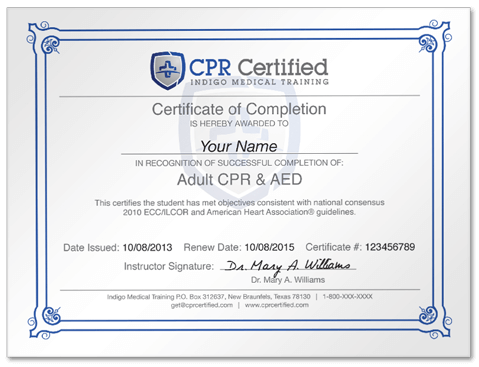
Don’t forget the bits around the learning! You’ve got to register, put in your details, and then, once you pass, download your certificate. It sounds minor, but it adds a little bit of time. Factor in maybe 10-15 minutes for this. It’s the final hurdle before you can officially say you’re certified. Getting your official certification document is the end goal.
The Impact of Course Provider on Time
American Red Cross Online Options
The American Red Cross offers various online and blended learning options for CPR. Their online courses are Full and respected. A typical online-only course might take around 2-3 hours to complete the theoretical portion. If you opt for a blended learning path, which includes a required in-person skills session, the total time commitment will be higher, but the online portion itself is still relatively swift. You can explore their offerings at CPR certification online.
Source : cprcertified.com
Other Reputable Online Training Providers
Beyond the Red Cross, many other organizations offer online CPR certification. Companies like the American Heart Association (AHA) also have similar structures. When comparing, look at the estimated time commitment listed on their site. Some might claim faster completion, but always Make sure they are accredited and recognized by employers or required institutions. A cheap, quick course that isn’t recognized is just wasted time and money.
Accreditation and Recognition Factors
This ties directly into time. A course that is widely recognized (like those from the AHA or Red Cross) will likely have a standardized curriculum that dictates its length. Less recognized providers might rush through content or add unnecessary fluff. Always check if the certification meets OSHA requirements or any specific needs for your job. Employer acceptance is key.
“Freemium” CPR Courses vs. Paid Options
Be very wary of “free” CPR certifications. While some sites might offer free training materials, a legitimate, accredited certification almost always has a cost. This cost reflects the quality of the training, instructor oversight, and the accreditation itself. A free course might be faster, but it’s likely not valid for employment or official purposes. You’ll end up redoing it, costing you more time later. Beware of too-good-to-be-true offers.
Variations: Basic CPR vs. Advanced Certifications
Basic (Layperson) CPR Certification Time
For the most common type of CPR certification, aimed at the general public or workplace responders who aren’t medical professionals, the time commitment is generally on the lower end. As mentioned, typically 2-4 hours for the online portion. This covers adult, child, and infant CPR basics, AED use, and choking relief. It’s designed to be accessible. Needed life-saving skills made manageable.
Healthcare Provider (BLS) Certification Time
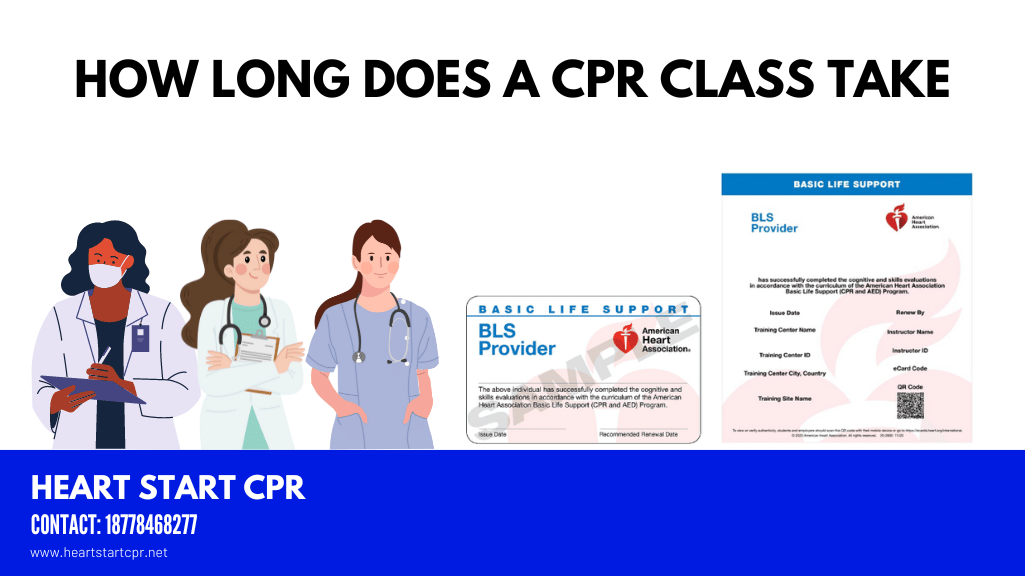
If you’re in the medical field – a nurse, doctor, paramedic, EMT, or even a medical assistant – you’ll likely need Basic Life Support (BLS) certification. BLS courses are more in-depth, covering a wider range of scenarios, advanced airway management (though still at a basic level), and team dynamics during resuscitation. These typically take longer, even the online components, and always require an in-person skills check. Expect the online part to be at least 3-5 hours, often more, followed by a significant skills session.
Pediatric CPR Considerations
Some courses focus specifically on pediatric CPR (for infants and children), often required for teachers, daycare providers, and pediatric healthcare workers. While the core principles are similar to adult CPR, there are critical differences in technique, dosage, and assessment. These specialized courses might add an hour or so to your training time compared to a basic course, focusing on the unique needs of young patients.
Advanced Certifications (ACLS/PALS)
Advanced Cardiovascular Life Support (ACLS) and Pediatric Advanced Life Support (PALS) are for experienced healthcare professionals. These are significantly more complex and time-consuming. The online or self-study components alone can take many hours (6+), and they are always paired with intensive, multi-hour in-person skills stations and simulations. These are not what people usually mean when they ask about “online CPR certification time.” This is professional-level training.

Source : cprvam.com
The Blended Learning Approach: Time vs. Convenience
What is Blended Learning CPR?
Blended learning is the popular “best of both worlds” approach. You complete the theoretical knowledge part – the videos, reading, and quizzes – online, at your own pace. Then, you attend a shorter, in-person session solely focused on practicing the hands-on skills (like chest compressions and rescue breaths) with an instructor and getting tested on them. It’s a flexible yet practical method.
Time Savings of Online vs. Traditional Classes
Traditional, in-person CPR classes can take a full day, often 6-8 hours. Blended learning significantly cuts down on that. By doing the book work online beforehand, you reduce the required in-person time to maybe 1-2 hours for the skills session. So, instead of a full day commitment, you might only need a couple of hours of face-to-face training. This is a huge win for busy individuals.
Mandatory In-Person Skills Session
Don’t underestimate the skills session. It’s non-negotiable for true certification in most cases. This is where you learn the feel of effective compressions, practice using an AED on a manikin, and get immediate feedback from a certified instructor. The goal is to Make sure you can actually perform the skills correctly under pressure. The American Red Cross offers numerous options for finding these sessions, part of their Full approach to CPR training.
Scheduling the Skills Session
The main “inconvenience” with blended learning is needing to schedule that in-person session. You’ll need to find a class that fits your availability. Some providers offer these multiple times a week, while others might be more limited. Planning ahead is Needed to Make sure you get certified within your desired timeframe. It requires a little coordination, but the overall time saved is usually worth it.
Maximizing Your Efficiency: How to Finish Faster
Choose a Reputable, Streamlined Provider
As we touched on, not all courses are created equal. Pick a provider known for clear, concise online modules. Look for reviews that mention ease of use and efficient content delivery. Sometimes, paying a little more upfront for a provider like the Red Cross or AHA ensures a smoother, faster experience because their materials are polished and tested. Invest in quality.
Dedicate Specific, Undistracted Time Blocks
This is HUGE. Trying to do CPR training while half-watching TV or fielding work emails is a recipe for taking twice as long. Block out 2-3 hours of focused time. Turn off notifications. Find a quiet space. Treat it like an important meeting you can’t miss. Your concentration level directly impacts how quickly you’ll absorb the information and progress. Focused effort pays off.

Source : abc13.com
Preview Course Content and Structure
Before you even pay, see if you can preview the course outline or a sample module. Understanding the flow – how many videos, what topics are covered in each, the length of the final test – can help you mentally prepare and know what to expect. It sets realistic expectations for the time needed. Knowing the roadmap helps.
Take Advantage of Self-Paced Features
If the course is self-paced, use that to your advantage! Don’t feel pressured to rush. If a concept is tricky, pause the video, rewind, take notes. If you need a break, take it. But also, don’t let it drag on for weeks if you have the time to finish it sooner. Set a personal goal for completion, like finishing in one sitting or over two days. Work at your optimal pace.
Post-Certification Considerations
Certificate Validity Period
Once you’re done, remember that CPR certifications aren’t forever. They typically expire every two years. This means you’ll need to go through a renewal process, which is usually shorter than the initial certification, often just a refresher course online or a skills check. Factor this recurring time commitment into your planning.
Renewal Process Time
Renewal courses are generally quicker. An online renewal might take 1-2 hours, sometimes less, especially if you’re familiar with the material. In-person skills renewals are also shorter than initial training. The key is to start the renewal process before your current certification expires to avoid any gaps in your credentials. Don’t wait until the last minute! Plan ahead for renewals.
Continuing Education Requirements
Depending on your profession, you might need Continuing Education Units (CEUs) or Continuing Professional Development (CPD) hours. While the CPR course itself might not always offer significant CEUs, it’s a Key part of maintaining your professional standing. Some employers might even require proof of current CPR for professional development.
Keeping Skills Sharp
The certification is valid for two years, but skills can fade faster than that if not practiced. While not a time commitment in the same sense, it’s worth noting that regular review of CPR guidelines (available on provider websites) or even watching training videos occasionally can help keep your knowledge fresh. Think of it as mental maintenance. Skill retention is Key.
The Bottom Line: Realistic Time Expectations
Average Time for Basic Online CPR
So, to put a fine point on it: for a standard, recognized online CPR certification (like Heartsaver® or equivalent), expect to invest roughly 2 to 4 hours of focused time for the online portion. Add 1-2 hours for an in-person skills session if it’s a blended learning course. That’s your most probable range.
Source : redcross.org
Healthcare Provider BLS Time Estimate
If you need the more intensive BLS certification required for healthcare professionals, budget closer to 4 to 6 hours for the online component, plus a mandatory 2-3 hour in-person skills check. It’s a more involved process for a reason. Higher stakes demand more training.
Factors That Can Increase Time
Remember, these are averages. Language barriers, complex technical issues, slow internet, or simply needing more time to grasp the material can push the completion time higher. Don’t get discouraged if it takes you a bit longer than the advertised time. Your goal is competence, not just speed. Understanding the nuances matters.
Why Quick Isn’t Always Better
Finally, a word to the wise: if a course promises certification in under an hour, especially one that doesn’t require any in-person skills validation, run the other way. It’s likely not legitimate or sufficient for most practical purposes. True CPR certification requires a certain depth of knowledge and skill validation. Don’t cut corners on life-saving training.
| Course Type | Estimated Online Time | Estimated In-Person Skills Time (Blended) | Total Estimated Time | Typical Audience |
|---|---|---|---|---|
| Basic (Layperson) CPR/AED | 2-3 hours | 1-2 hours | 3-5 hours | General public, workplace responders |
| Pediatric CPR Focus | 3-4 hours | 1-2 hours | 4-6 hours | Childcare providers, teachers |
| Healthcare Provider (BLS) | 4-6 hours | 2-3 hours | 6-9 hours | Nurses, doctors, EMTs, medical assistants |
| ACLS / PALS Prep (Online Portion Only) | 6+ hours | 4+ hours (Intensive Skills/Simulation) | 10+ hours (Total) | Experienced healthcare providers |
Frequently Asked Questions
Is getting CPR certified online legit?
Yeah, totally! Many organizations offer online CPR certification that’s recognized by employers and healthcare providers. Just make sure you’re going through a reputable provider, like the American Heart Association or American Red Cross, or other accredited online courses. It’s a super convenient way to get certified or recertified without leaving your couch.
What are the 3 R’s of CPR?
So, the 3 R’s you’re probably thinking of are actually more like the 3 C’s of basic life support: Check, Call, and Care. But if you’re thinking R’s, maybe it’s about Recognize, Respond, and Resuscitate? Honestly, the most Key thing is to recognize the emergency, call for help immediately (like 911 or your local emergency number), and then start giving care with CPR if needed. Don’t overthink the letters too much; focus on the actions!
What are common CPR mistakes?
Big ones? Not pushing hard enough or fast enough on the chest is a hugegie. People sometimes get scared they’ll hurt the person, but effective chest compressions are key. Another is not allowing the chest to fully recoil between compressions. Also, interrupting compressions for too long can really hurt the victim’s chances. And, of course, forgetting to call emergency services is a critical error. Remember, good compressions are everything!
Can I get CPR certified online in one day?
Oh yeah, absolutely! Most online CPR certification courses are designed to be super flexible. You can often complete them in just a couple of hours, depending on how quickly you go through the material and take the test. Some people knock it out in an afternoon, while others might spread it over a couple of days. It really depends on your own pace, but completing it in one day is totally doable for most people.
How long does an online CPR certification course usually take?
It really varies, but you can usually expect to spend anywhere from 1 to 4 hours on an online CPR certification course. Some are shorter, like a quick refresher, while others are more in-depth. It depends on the provider and the level of certification you’re aiming for. But generally, it’s a pretty quick process, especially compared to in-person classes. You can often complete it in a single sitting if you’ve got the time.
