So, you’re thinking about getting your roofing business GAF certified, huh? That’s smart. Real smart. But the burning question on everyone’s mind isn’t just if it’s worth it, but more importantly, how long the process actually takes. Nobody wants to get bogged down in endless paperwork when they could be slinging shingles.
Let’s cut to the chase. It’s not a one-size-fits-all deal. Several moving parts dictate the timeline, from your initial application to that shiny new certificate hanging on your wall.
The Big Picture: What Affects Certification Time?
Application Submission Speed
Look, the clock starts ticking the moment you hit ‘submit’. If you’re organized and have everything ready to go – business licenses, insurance docs, the whole nine yards – you can shave off days. Don’t be the guy scrambling for papers. That just adds to the headache and the waiting game.
GAF’s Internal Review Cadence
GAF, like any big company, has its own internal rhythm. They process applications in batches, and the volume of submissions they’re seeing plays a role. During peak seasons (which, let’s be honest, is most of the year for roofing), things can slow down a bit. It’s not like they have a magic wand for instant certification.
Contractor Responsiveness
Here’s where you come in. GAF might need clarification or additional documentation. If you’re quick to respond – like, same-day quick – you keep the momentum going. Lagging behind? You’re just adding friction and extending the timeline unnecessarily. Think of it as a dance; you gotta keep up your end.
Source : aplusroofingnc.com
Deconstructing the Certification Stages
Source : domroofing.com
Initial Application & Documentation Gathering
This is the grunt work. You’ll need to compile a ton of information. We’re talking about your business structure, insurance certificates, proof of licensing, and often, details about your crew and experience. Getting this part right upfront is Key. A sloppy application means delays. I’ve seen guys take weeks just to gather the necessary paperwork. Don’t be that guy.
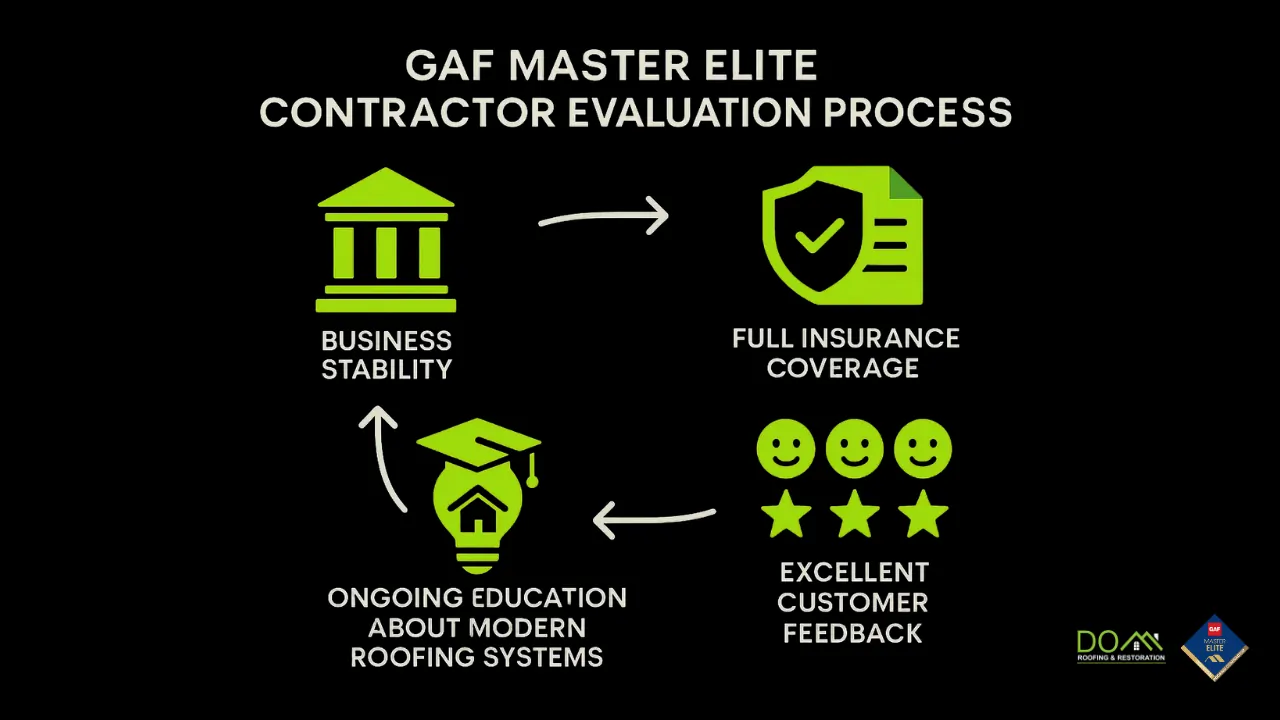
GAF’s Vetting Process
Once GAF has your application, they dig in. They’re checking your credentials, your standing in the industry, and your commitment to quality. This isn’t a rubber-stamp situation. They want to Make sure their certified roofers actually represent the brand well. This vetting can take anywhere from a few days to a couple of weeks, depending on their workload and the complexity of your business setup.
Training and Exam Requirements
For some levels of certification, there might be mandatory training modules or even an online exam. Completing these promptly is key. If you procrastinate or struggle with the material, that’s another bottleneck you’re creating for yourself. These aren’t usually incredibly difficult, but they do require your focus and time.
Final Approval and Certificate Issuance
After all the checks, balances, and requirements are met, you get the green light. Then comes the fun part: receiving your official GAF certification materials. This includes your certificate, marketing collateral, and access to their resources. This final step, the actual printing and mailing of your certificate, can add another week or so. Don’t expect it overnight.

Source : connellroofing.com
Average Timelines: What to Realistically Expect
The “Quick & Clean” Scenario
If you’re hyper-organized, have all your ducks in a row from day one, and GAF’s review team is moving swiftly, you might get through the whole process in as little as 2-3 weeks. This is the best-case scenario, and frankly, it’s not the norm for most. It requires near-perfect execution on your part.
The “Standard” Experience
For most reputable roofing contractors, the typical timeline falls somewhere between 4 to 8 weeks. This accounts for minor back-and-forth, GAF’s standard processing times, and your own schedule. It’s a realistic window that allows for all the necessary steps without undue rush or major delays.
The “Extended” Wait Time
What pushes it beyond 8 weeks? Usually, it’s issues with the application itself – missing documents, unclear information, or problems verifying your business details. It could also be extended delays on GAF’s end if they’re swamped. Sometimes, you might need to re-take a training module or provide updated proof of insurance. Patience becomes a virtue here.
Factors That Can Speed up the Process
Complete and Accurate Documentation
I can’t stress this enough. Having every single piece of required documentation organized, accurate, and ready to upload from the get-go is your biggest accelerator. No missing pages, no expired licenses, no vague insurance policy descriptions. Be thorough. Your future self will thank you.
Source : presidentialexteriors.com
Proactive Communication
Don’t wait for GAF to chase you down. If you know a document might be slightly ambiguous, clarify it proactively. If you see a notification from them, respond immediately. Being proactive shows you’re serious about the certification and respects their time, which often translates to them respecting yours.
Choosing the Right Certification Level
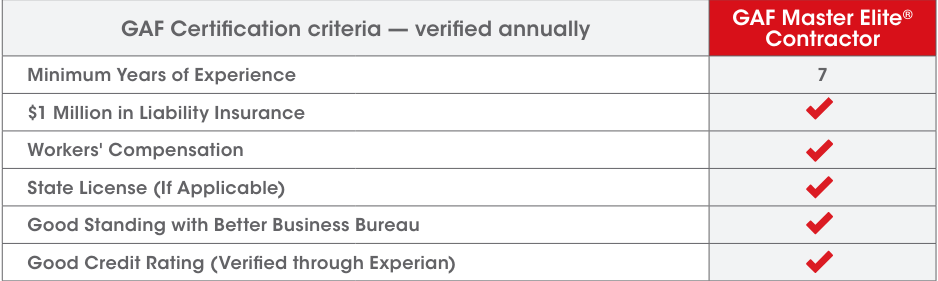
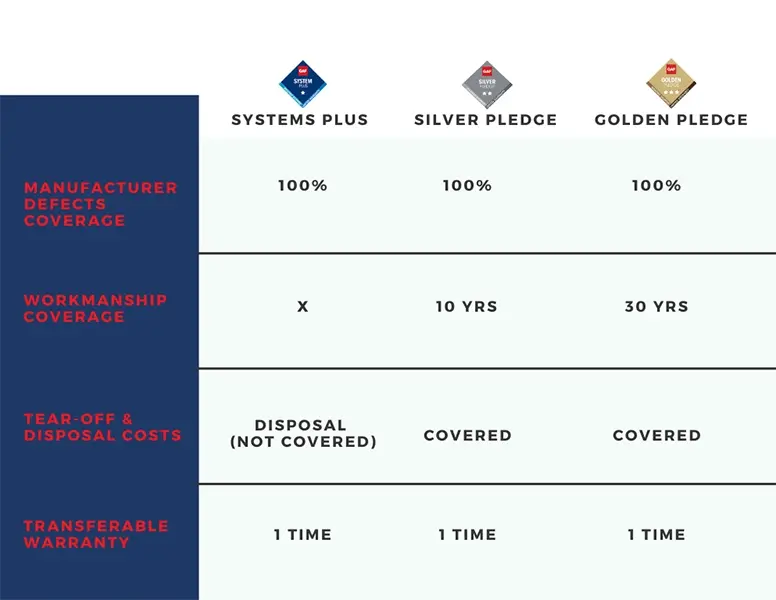
GAF offers different tiers of certification, like Master Elite, Master Pro, and Residential Contractor. Some levels have more stringent requirements than others. Understanding which level your business qualifies for and is aiming for can sometimes streamline the application, though the core process remains similar.
Potential Roadblocks and How to Avoid Them
Incomplete Application Packages
This is the number one killer of speed. Missing signatures, wrong file formats, forgotten attachments – it all adds up. Double, triple, and quadruple-check everything before you submit. Create a checklist and tick off every item.
Insurance or Licensing Issues
Your insurance coverage needs to be current and meet GAF’s specific requirements. Same goes for your state and local business licenses. If these are expired or don’t meet the criteria, you’ll be stopped dead in your tracks. Keep these updated religiously.
Source : mksconstructionllc.com
Poorly Defined Business Practices
GAF looks for businesses with a solid reputation and sound operational procedures. If your business practices seem shaky or aren’t clearly defined in your application, it can raise red flags and lead to further scrutiny, So lengthening the process. Be clear about how you operate.
The Investment: Time vs. Reward
Understanding the Value Proposition
Why are we even talking about how long this takes? Because GAF certification is a significant competitive advantage. It signals quality, reliability, and professionalism to homeowners. That trust translates directly into more leads and higher-paying jobs. The time invested pays dividends. You can learn more about the benefits at GAF’s professional contractor site.
ROI on Your Time Commitment
It: a few weeks of focused effort for potentially years of enhanced credibility and business growth. Most contractors find the return on investment for their time and effort far outweighs the initial wait. It’s not just a certificate; it’s a marketing powerhouse.
Long-Term Business Impact
Getting certified isn’t a one-and-done deal. It requires ongoing commitment to GAF’s standards. But that consistent quality focus? That’s what builds a lasting reputation and a sustainable business. The certification process is just the rigorous starting line.
Comparing Certification Timelines: A Quick Glance
Source : veroexteriors.com
| Certification Stage | Estimated Time Range | Key Influencing Factors |
|---|---|---|
| Application Submission | 1-5 Days | Contractor’s preparedness and speed |
| GAF Vetting & Review | 1-3 Weeks | Application volume, clarity, complexity |
| Training/Exams (if applicable) | 1-7 Days | Contractor’s engagement and understanding |
| Final Approval & Issuance | 3-10 Days | Internal processing and mail time |
| Total Estimated Time | 2-8 Weeks (Average) | Cumulative efficiency across all stages |
Final Thoughts: Don’t Let the Timeline Scare You
Focus on Quality, Not Just Speed
Sure, we all want things done yesterday. But rushing the GAF certification process means you risk mistakes that’ll cost you more time and hassle down the line. Get it right the first time. The certification is a mark of quality; your application process should reflect that same commitment.
Is it Worth the Wait? Absolutely.
The benefits of being a GAF Certified contractor – increased credibility, access to exclusive warranties, and marketing support – are undeniable. The time you spend Handling the certification is a small price to pay for the long-term boost to your business’s reputation and revenue stream. Don’t overthink the ‘how long’; focus on the ‘why it’s a must’.
Frequently Asked Questions
How long does the GAF Master Elite certification process typically take?
Because the exact timeline can vary a bit, but usually, the initial application and review phase for GAF certification might take a few weeks. Then, once approved, meeting the ongoing requirements is key.
Are there different timelines for different levels of GAF certification?
But yeah, generally speaking, the core process for becoming a certified GAF contractor is pretty consistent. It’s more about demonstrating you meet their tough standards consistently, rather than a phased timeline based on certification level.
What factors can speed up or slow down the GAF certification process?
Because having all your documentation in order, like proof of insurance and licenses, really speeds things up. Delays often happen if there are issues with verifying your business history or if you haven’t met the specific training requirements. So, be prepared!
Is there a waiting period after applying for GAF certification?
But there’s no strict ‘waiting period’ like you’d find with a loan. It’s more about GAF reviewing your submission and confirming you meet all their criteria. This review time is where the ‘waiting’ happens, which can be a few weeks.
Once certified, how often do I need to re-certify or maintain my GAF status?
Because you’ve gotta keep those standards high! GAF certified roofers need to maintain their Master Elite status by continuing to meet performance and training requirements. It’s an ongoing commitment, not a one-and-done deal.
