So, you’re thinking about diving headfirst into the wild world of emergency medical services, huh? That’s awesome. But before you start picturing yourself heroically stabilizing patients, let’s get real about the nitty-gritty: the cost of getting that EMT-Basic certification. It’s not just a simple dollar amount; it’s a whole mess of factors that can make your wallet either sigh with relief or groan in pain. Let’s break it down, no fluff.
The Sticker Shock: What You’re Actually Paying For
Tuition Fees: The Core Expense
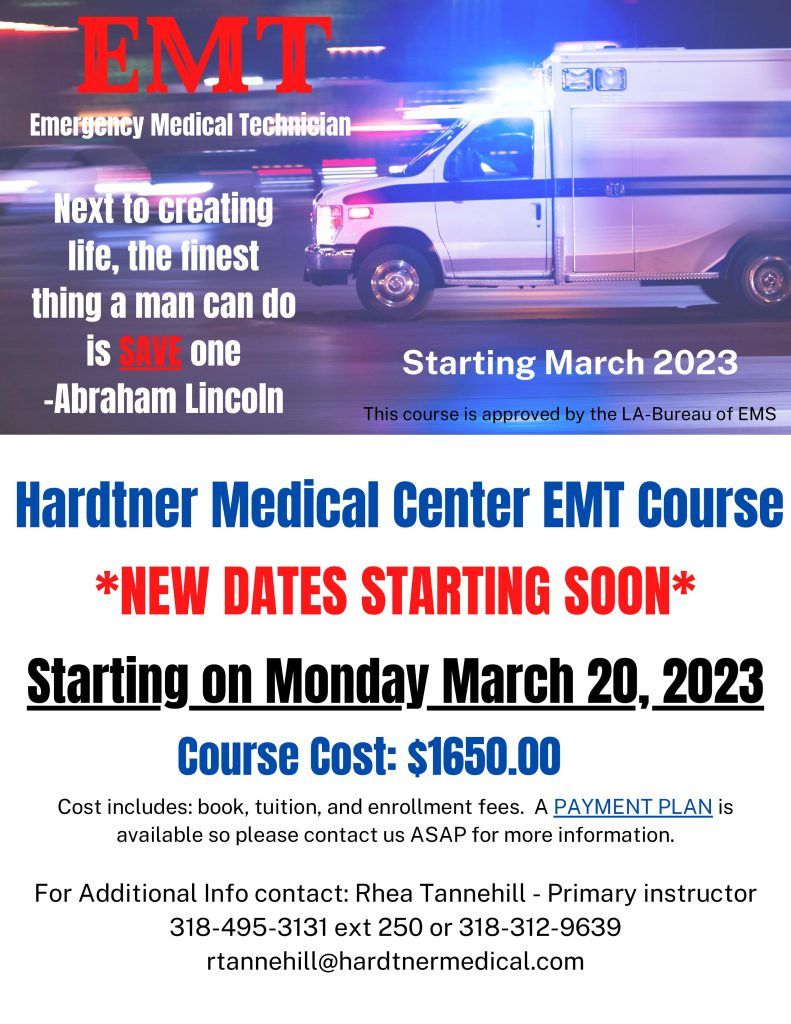
This is the big one, the main chunk of change you’ll fork over. Think of it as paying for the instructor’s expertise, the classroom time, and the curriculum itself. Prices can swing wildly here, from surprisingly affordable community college courses to pricier private institutions. It’s absolutely Key to understand what’s included. Sometimes, what looks like a bargain might nickel-and-dime you later on.
Lab and Material Costs: The Necessary Extras
Beyond just sitting in a classroom, you’ll need hands-on practice. This means simulated patient scenarios, practice with medical equipment, and sometimes even access to specialized training facilities. These lab fees cover that practical, real-world training that’s non-negotiable for becoming a competent EMT. Don’t forget the cost of textbooks, workbooks, and any online learning platforms. These aren’t cheap, folks.
Uniform and Equipment: Looking the Part
You can’t exactly show up to class in sweatpants. EMT programs require a specific uniform, often including scrubs, sturdy boots, and maybe even a jacket. Then there’s the personal protective equipment (PPE) like gloves, masks, and eye protection. Factor in a stethoscope and a blood pressure cuff, too. While some schools provide these, many expect you to buy your own EMT gear.
Certification Exam Fees: The Final Hurdle
Once you’ve aced the course, you’re not done yet. You have to pass a national or state certification exam. There’s a fee associated with taking this test, and it’s often separate from your tuition. Make sure you know if this is bundled or an additional expense. Failing it means shelling out again, so study hard!
Where You Train Matters: Public vs. Private Institutions
Source : hardtnermedical.com

Source : workforce.smcc.edu
Community Colleges: The Budget-Friendly Route
These are often your best bet for keeping costs down. Community colleges, like Moreno Valley College, are typically funded by taxpayers, which translates to lower tuition for students. You get solid training, often from experienced professionals, without breaking the bank. It’s a fantastic option for many aspiring EMTs looking to get their EMT certification without massive debt.
Private Career Schools: Faster, Sometimes Pricier
Private institutions can be appealing because they often offer accelerated programs. You can get through the training quicker, which means you can start earning sooner. However, this speed often comes with a higher price tag. The facilities might be more modern, and the class sizes could be smaller, but you’ll definitely feel it in your wallet. These programs are great if you have the funds and need to finish fast.
Hospital-Based Programs: Integrated Learning
Some hospitals run their own EMT training programs. This can offer a unique advantage: direct exposure to a clinical environment. You might even get opportunities for hands-on experience within the hospital itself. The cost here can vary. Some might be comparable to community colleges, while others might Match more with private school pricing. It’s worth investigating if a local hospital offers such a program.
Fire Departments: Often Included with Training
For individuals looking to become a firefighter who also needs EMT certification, many fire departments offer or sponsor EMT training. In these cases, the cost of EMT training might be significantly reduced or even covered, as it’s seen as a necessary qualification for the job. This is a specialized path, but a very cost-effective one if your career goal aligns.
The Hidden Costs: Don’t Forget These!
Background Checks and Fingerprinting: The Gatekeepers
Most, if not all, EMT programs will require you to undergo a background check and provide fingerprints. This is standard procedure for anyone entering the healthcare field. These administrative tasks come with their own fees, usually ranging from $50 to $150. It’s a small price to pay for legitimacy, but it adds up.
Medical Clearances and Immunizations: Health First
Before you can even step into a classroom or clinical setting, you’ll likely need a physical exam and a list of immunizations. Think Hepatitis B, MMR, tetanus shots, and proof of immunity to chickenpox. Your doctor’s visits and the cost of vaccines can add a few hundred dollars to your overall expense. Your health as an EMT is Top.
Transportation: Getting To and Fro
Consider how you’ll get to class, labs, and clinical sites. If you don’t have a reliable car, or if your training location is far from home, you’ll need to factor in gas, public transportation fares, or even parking fees. This might seem minor, but over several months, these daily costs can really accumulate. Reliable transportation to training is a must.
Source : hacc.edu
Lost Wages: The Opportunity Cost
This is a big one many people overlook. EMT training programs require a significant time commitment, often 40+ hours per week for several weeks or months. If you’re currently working, you might have to reduce your hours or quit your job altogether. The income you lose during this period is a real, albeit indirect, cost of your certification. It’s the cost of training in terms of lost earnings.
Breaking Down the Numbers: A Sample Cost Breakdown
Tuition Range: Where It Lands
Let’s put some actual numbers on this. Basic EMT certification courses can range from as little as $500 at some community colleges to upwards of $2,500 or even $3,500 at private institutions. This is just for the tuition and basic course materials. You have to be prepared for a wide spectrum.
Books and Supplies: The Needed Kit
Expect to spend anywhere from $100 to $400 on textbooks, workbooks, and required reading materials. Add another $50 to $200 for basic supplies like a stethoscope, blood pressure cuff, penlight, and trauma shears. This isn’t negotiable; you need these tools.
Uniform and Physical Costs: Looking Professional
A required uniform (scrubs, boots) might cost between $50 and $150. Then, factor in the medical exam and immunization costs, which could add another $100 to $300, depending on your insurance coverage and what vaccines you already have. Getting certified as an EMT involves looking the part.
Exam and Miscellaneous Fees: The Final Touches
The national registry exam fee is typically around $100-$150. Add another $50-$150 for background checks and fingerprinting. So, for a typical community college program, you might be looking at a total cost of anywhere from $900 to $1,500. For a more intensive private program, the total could easily climb to $3,000-$5,000 or more, when you factor in everything.
| Cost Category | Low Estimate | High Estimate | Notes |
|---|---|---|---|
| Tuition/Course Fees | $500 | $3,500 | Varies greatly by institution type (community college vs. private) |
| Textbooks & Workbooks | $100 | $400 | Needed study materials |
| Personal Equipment (Stethoscope, BP Cuff, etc.) | $50 | $200 | Required for practical skills training |
| Uniform & Boots | $50 | $150 | Program-specific dress code |
| Background Check & Fingerprinting | $50 | $150 | Standard for healthcare professions |
| Medical Exam & Immunizations | $100 | $300 | Dependent on insurance and existing immunizations |
| Certification Exam Fee (NREMT/State) | $100 | $150 | Fee to take the final licensing exam |
| Total Estimated Range | $1,000 | $5,000+ | Excludes transportation and lost wages |
Financial Aid and Payment Options: Making It Work
Payment Plans: Spreading the Load
Many schools understand that a lump sum payment is tough. They often offer payment plans that allow you to spread the cost over several months. This makes a significant difference in affordability, turning a daunting upfront cost into manageable monthly installments. Always ask about payment options.
Source : lifelineamb.org
Scholarships and Grants: Free Money!
Don’t shy away from scholarships or grants specifically for EMS training. Sometimes these are offered by the training institution itself, local EMS agencies, or even private organizations. These are essentially free money for your EMT training that you don’t have to pay back. It takes effort to find and apply, but the payoff is huge.
Student Loans: Borrowing for Your Future
If scholarships aren’t enough, student loans are an option. Federal loans (like those from the FAFSA application) generally have better terms than private loans. Just remember, a loan is still debt. Borrow only what you absolutely need to cover the cost of your EMT education and associated expenses.
Employer Sponsorship: Getting Paid to Train
Some larger EMS agencies or hospitals might sponsor students through their EMT programs. This usually comes with a commitment to work for them for a certain period after you’re certified. It’s a great way to get your training paid for, but make sure you’re comfortable with the terms of the contract. This is a smart way to start your EMT career.
Maximizing Your Investment: Getting the Best Value
Research Program Accreditation: Quality Matters
Make sure the program you choose is accredited by the appropriate state and national bodies. An accredited program means the curriculum meets established standards for quality and safety. You don’t want to pay for training that won’t actually qualify you for licensure. Accredited EMT programs are key.
Look at Pass Rates: Real-World Success
Ask about the program’s pass rates for the national certification exam (like the NREMT). A consistently high pass rate is a strong indicator that the program effectively prepares students for the real demands of the job. It shows they know how to teach and how to get you ready. High EMT program pass rates are a good sign.
Consider Clinical Rotations: Hands-On Experience
A Strong EMT program includes sufficient supervised clinical hours. These rotations are where you apply your classroom knowledge in real emergency situations. Ask about the quality and quantity of these clinical experiences. More diverse and extensive rotations mean better preparation. Hands-on EMT training is Crucial.
Factor in Job Placement Assistance: The Next Step
Some programs offer job placement assistance or have strong ties to local EMS employers. While not a guarantee, this can be incredibly helpful when you’re just starting out. It can significantly ease the transition from student to working professional. Good EMT job placement support is a bonus.

Source : unmudl.com
The Long-Term Value: Is the Cost Worth It?
Career Opportunities: A Doorway to More
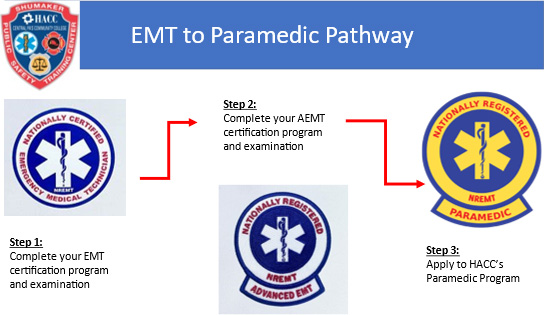
An EMT-Basic certification isn’t just a piece of paper. It’s a gateway into the rewarding field of emergency response and a stepping stone to further medical careers. It opens doors to roles in ambulance services, hospitals, fire departments, and more. The value of EMT certification extends far beyond the initial training cost.
Skill Development: More Than Just Medicine
Beyond medical knowledge, you’ll develop critical thinking, problem-solving, and communication skills under pressure. You’ll learn to remain calm in chaotic situations and make quick, informed decisions. These are transferable skills valuable in almost any aspect of life, not just in EMS. You gain Needed life skills.
Personal Fulfillment: Making a Difference
For many, the biggest reward isn’t financial; it’s the profound sense of purpose that comes from helping others in their most vulnerable moments. Being an EMT is about service, compassion, and making a tangible difference in your community. That kind of fulfillment is priceless. The impact of being an EMT is immense.
Return on Investment (ROI): Earning Potential
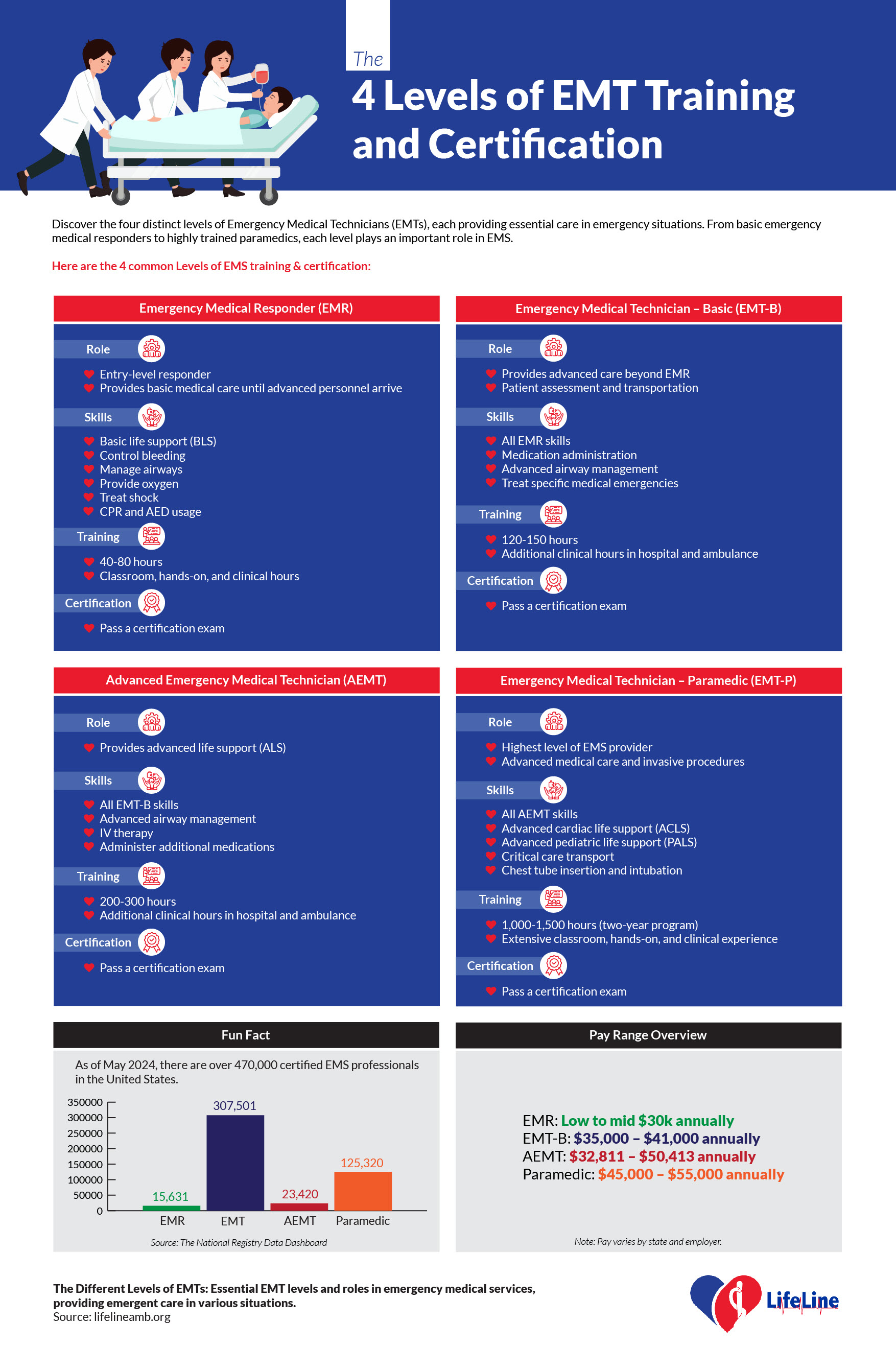
While the initial cost might seem Large, EMTs are in demand. The average salary for an EMT can vary, but it provides a stable income and a solid foundation for future career growth within the healthcare system. When you weigh the cost against the potential earnings and career progression, the ROI for EMT training is often quite strong.
Frequently Asked Questions
What’s the average cost for EMT basic certification training?
Because it varies so much, it’s tough to nail down one number. But generally, expect to shell out anywhere from $800 to $1,500 for a good EMT basic certification training program. Some can be cheaper, some way more, depending on what’s included.
Are there any hidden fees I should be aware of with EMT training?
Yeah, sometimes. Beyond the tuition for the EMT course itself, watch out for costs like textbooks, lab fees, uniform kits, background checks, and even exam fees. Always ask for a full breakdown upfront so there are no nasty surprises.
Can I find cheaper EMT training options?
Totally. Community colleges or some fire departments might offer more affordable EMT certification programs. Sometimes, if you commit to working for a specific service after you’re done, they might even sponsor your training. Score!
Does the cost of EMT training vary by location?
It can, for sure. Big cities or areas with a higher cost of living might have pricier EMT basic training. But honestly, the quality of the program is way more important than just the price tag. Shop around, but prioritize a reputable school.
What factors influence the price of EMT basic certification?
Lots of things! The length of the program, the school’s reputation, whether it’s online or in-person, and what materials are included all play a role in the final EMT certification cost. Some programs throw in CPR certification, which is handy.
