How Much Does It Cost To Become HHA Certified? The Real Breakdown
Alright, let’s cut to the chase. You’re curious about the price tag on becoming a Certified Home Health Aide (HHA), right? It’s not a simple number, and frankly, anyone telling you it is, probably hasn’t actually done the legwork. It’s a mix of course fees, exam costs, and maybe even some hidden charges you don’t see coming. Think of it like buying a used car – the sticker price is just the start. We’re going to rip apart the expenses so you know exactly what you’re getting into. No fluff, just the raw numbers and what drives them.
Forget those generic articles that just give you a range. This is about the specifics, the variables, and how to avoid getting nickel-and-dimed on your path to a rewarding career. The HHA certification cost can really swing depending on where you are and what kind of program you choose. Let’s dive in, shall we?
The Foundation: What Even IS HHA Certification?

Source : research.com
Defining the Home Health Aide Role
So, what’s an HHA? Simply put, it’s someone who provides Needed care to patients in their own homes. We’re talking about helping folks with daily living activities: bathing, dressing, eating, medication reminders. It’s hands-on, compassionate work. This isn’t just a job; it’s a calling for many. The role demands a specific skillset and a genuine desire to help others navigate challenging times.
Why Certification Matters (A Lot!)
Look, anyone can say they’re a caregiver. But a certified HHA? That means you’ve met specific training and testing standards. Employers want that assurance. Clients deserve that assurance. It signals professionalism and competence. Without it, you’re often shut out of the better-paying, more stable positions. It’s the key that unlocks doors in this field.
The Difference Between HHA and CNA
This trips a lot of people up. A Certified Nursing Assistant (CNA) typically works in hospitals or nursing homes and has a broader scope of practice. An HHA, while sharing some skills, focuses specifically on in-home care. The training hours can differ, and sometimes the certification bodies. Understanding this distinction helps you target the right programs and avoid confusion. It’s about knowing your niche.
Deconstructing the Coursework Costs
The Price of Classroom Training
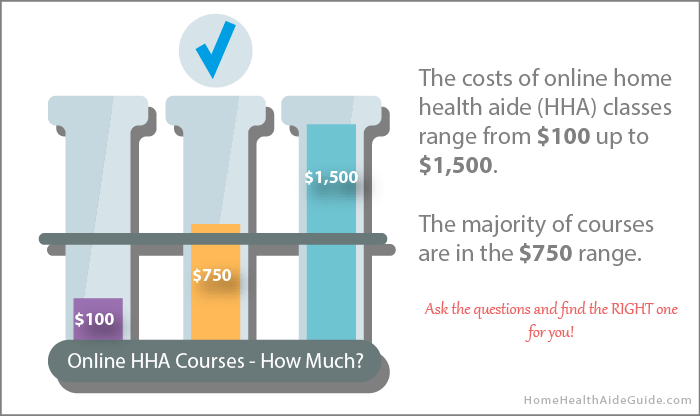
This is usually the biggest chunk of the upfront expense. Training programs vary wildly. You’ve got your community colleges, private vocational schools, and sometimes even non-profits offering courses. The cost can range anywhere from a couple hundred bucks to well over a thousand. Factors like program length, curriculum intensity, and the school’s reputation all play a role in the final bill. Expect to shell out for good instruction, though. It’s an investment in your future.
Online vs. In-Person: Which Hits Your Wallet Harder?
Online courses often seem cheaper upfront. And sometimes, they are! But beware. Are they accredited? Do they cover all the required clinical hours? Sometimes, you’ll find hybrid programs where you do the book learning online and then have to attend in-person sessions for practical skills. Those can add travel and time costs. In-person classes might feel more expensive, but they often provide a more structured, hands-on learning experience. The cost of HHA training really depends on the format you choose.
Source : homehealthaideguide.com
Included Materials: Books, Supplies, and Uniforms
Don’t forget the little things that add up. Textbooks, workbooks, lab supplies (if applicable), and often a required uniform. Some schools bundle these into the tuition; others charge separately. Always ask for a full breakdown. That $500 course might suddenly jump to $700 once you factor in the mandatory scrubs and anatomy textbook. Being prepared for these adds-on prevents sticker shock. It’s the small details that matter.
Exam Fees: The Gatekeeper to Certification
Standardized Testing Costs
Once you complete your training, you have to pass a competency exam. This exam usually has two parts: a written (or computer-based) knowledge test and a skills demonstration. The testing organizations charge a fee for this privilege. This fee is separate from your course costs and is non-negotiable. It’s a Key step and often a significant part of the overall HHA certification price.
National Certification Exam Fees
Organizations like the National Center for Competency Testing (NCCT) offer certifications. Their Certified Home Health Aide (CHHA) exam fee is currently around $70.00. This seems reasonable, but it’s just one piece of the puzzle. You need to make sure the program you attended prepares you specifically for the exam you plan to take. Some schools might use different testing bodies, so always double-check. Knowing the specific exam fee is important for budgeting.
You can check out the details directly: NCCT CHHA Certification Information.
State-Specific Exam Requirements
Some states have their own specific testing requirements or use different approved testing agencies. This can influence the cost. For example, a state might contract with a third-party vendor for exams, and their pricing structure could be different. It’s Key to research your specific state’s Department of Health or licensing board website to get the most accurate information. Never assume; always verify the state HHA exam cost.
Retake Fees: Plan for the Worst (Just in Case)
What if you don’t pass the first time? Most testing agencies charge a fee for retakes. This can be nearly as much as the original exam fee. While you should aim to pass on your first attempt, factoring in the possibility of a retake can save you stress and money down the line. Most students breeze through, but it’s wise to be prepared. Unexpected costs can derail your plans.
Hidden Costs and Miscellaneous Expenses
Background Checks and Fingerprinting
Seriously, this is a big one that gets overlooked. To work as a caregiver, especially with vulnerable populations, you’ll almost certainly need a criminal background check and fingerprinting. These services aren’t free. Depending on your state and the provider, these costs can range from $30 to $100 or more. It’s a necessary evil for ensuring safety and trust. This is a fundamental cost associated with HHA certification.
CPR/First Aid Certification
Most HHA programs require you to have current CPR and First Aid certifications. While sometimes included, often you’ll need to get these separately. A basic CPR/AED course can cost anywhere from $30 to $100. You’ll need to renew these periodically too, so consider that an ongoing expense. It’s a small price to pay for a critical life-saving skill.
Application Fees and Processing Costs
Sometimes, there are administrative fees associated with submitting your application for certification, even after passing the exam. These are usually nominal, maybe $10-$20, but they add up. Think of it as the paperwork processing charge. It’s another one of those small but unavoidable expenses for HHA certification.
Transportation and Living Expenses During Training
Don’t forget the cost of getting to and from your classes! If you’re attending in-person training, factor in gas, public transportation fares, or even parking fees. If the program is lengthy and far away, you might even need to consider temporary housing or increased meal costs. This is a practical consideration for the overall HHA certification cost.
Factors Influencing Your Total Investment
Geographic Location: A Major Driver
This is huge. Costs vary dramatically from state to state, and even city to city. A training program in a high cost-of-living area like New York City or San Francisco is going to be significantly more expensive than one in a rural town in the Midwest. This applies to both tuition and exam fees. Your HHA certification cost is heavily influenced by where you live.
Source : homehealthaideguide.com
Type of Training Program
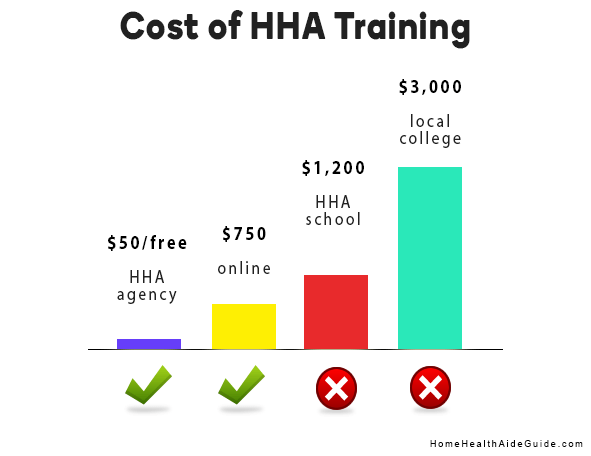
Community college courses might be cheaper than private vocational schools. Some home health agencies even offer their own training programs, sometimes for free or at a reduced cost, with the expectation that you’ll work for them afterward. Weigh the pros and cons of each. Free training often comes with strings attached. Consider the cheapest way to get HHA certified carefully.
Program Length and Intensity
Shorter, more intensive programs (like 3-week programs) might have a higher weekly cost but get you into the workforce faster. Longer, more traditional programs might have a lower overall tuition but take more time. The length impacts not just the tuition but also the income you aren’t earning while you’re in school. It’s a trade-off.
Accreditation and Reputation
Cheaper isn’t always better. An unaccredited program might save you money initially, but it could lead to problems later when trying to get a job or if your certification isn’t recognized. Reputable, accredited institutions often cost more, but they provide a recognized credential and better preparation. Investing a bit more in a quality HHA program often pays off.
Comparing Program Costs: A Snapshot
Sample Cost Breakdown: Program A (Community College)
Let’s imagine a typical community college program. Tuition might be around $400-$600. Books and supplies could add another $100. The state exam fee might be $80. Background check and fingerprinting: $50. CPR/First Aid: $50. Total estimated cost: $680 – $880. This offers a solid, often affordable route. It’s a budget-friendly option for many.
Sample Cost Breakdown: Program B (Private Vocational School)
Now, consider a private vocational school. Tuition here could easily be $900-$1500. Books and supplies might be bundled or cost $150-$200. Exam fees ($80), background check ($50), CPR/First Aid ($50) remain similar. Total estimated cost: $1230 – $1880. This might include more career services or be in a more convenient location. The price difference is noticeable.
Sample Cost Breakdown: Program C (Online with In-Person Skills)
A hybrid online program might charge $500-$800 for the online portion. Then, add $100-$200 for required in-person skills sessions (potentially including travel). Exam, background check, CPR/First Aid costs are consistent. Total estimated cost: $780 – $1250. Flexibility is the main draw here, but factor in your travel. This route offers convenience but needs careful planning.
The American Caregiver Association Option
Some platforms offer broader caregiver training bundles. The American Caregiver Association, for instance, provides various certification courses and bundles. Their pricing can vary significantly based on what’s included. A basic HHA certification course might be a few hundred dollars, while larger bundles covering multiple certifications could run higher. It’s worth exploring if you want a Full package. They offer different tiers for various needs.
Making the Financial Investment Work for You
Payment Plans and Financial Aid
Many schools, especially community colleges and larger vocational institutions, offer payment plans. This breaks down the tuition into manageable installments, easing the upfront burden. Some might even accept federal financial aid or offer their own scholarships. Always inquire about these options. Don’t let money be the sole barrier if assistance is available. Explore every financial avenue possible.
Employer Sponsorships and Tuition Reimbursement
This is a fantastic, albeit less common, route. Some home health agencies or healthcare facilities will sponsor your training or offer tuition reimbursement if you agree to work for them for a certain period after you get certified. It’s essentially free training in exchange for a commitment. It’s a brilliant way to get your HHA certification with no upfront cost, or very little. Always ask potential employers about this.
Scholarships and Grants
While less frequent for HHA programs compared to four-year degrees, scholarships and grants specifically for healthcare training do exist. Look for local healthcare foundations, community initiatives, or workforce development programs in your area. Sometimes, your state might offer grants for individuals pursuing in-demand healthcare careers. These can significantly reduce the out-of-pocket cost of becoming an HHA.
Budgeting Your HHA Certification Expenses
The best approach? Create a detailed spreadsheet. List every potential cost: tuition, books, exam fees, background checks, uniforms, travel, CPR. Research the specific costs in your area for each item. Add a buffer (say, 10-15%) for unexpected expenses. Knowing the exact numbers empowers you to save effectively and make informed decisions. Careful planning prevents financial surprises.
Return on Investment: Is It Worth the Cost?
Source : zippia.com
Average HHA Salary Expectations
Let’s talk brass tacks. Home Health Aides typically earn anywhere from $25,000 to $35,000 per year, sometimes more depending on experience, location, and employer. While it might not make you rich overnight, it’s a stable income, especially compared to minimum wage jobs. This is a decent starting point for a career with growth potential. Consider the average HHA salary when evaluating the investment.
Career Growth and Advancement
Becoming an HHA is often the first step. From there, you can pursue further certifications to become a Certified Medication Aide, a Licensed Practical Nurse (LPN), or even a Registered Nurse (RN). Many HHAs also move into supervisory or training roles within home care agencies. The initial training opens doors to a whole healthcare pathway. Your career advancement prospects are real.
Job Security in a Growing Field
The demand for home health aides is booming. Our aging population means more people need in-home care services. This translates to excellent job security. You’re unlikely to be out of work long after getting certified. It’s a field where your skills are consistently needed. This high demand boosts job stability significantly.
The Intrinsic Rewards
Beyond the paycheck, the work itself is incredibly rewarding. You’re making a tangible difference in someone’s life every single day. You build meaningful relationships with clients and their families. For many, this is the primary motivation. The satisfaction of helping others cannot be overstated. It’s a fulfilling career choice.
Final Thoughts on HHA Certification Costs
Recap: It’s More Than Just Tuition
So, to recap, the total cost to become an HHA isn’t just the course fee. It’s a combination of training, exams, background checks, and other administrative necessities. Be prepared for a range that could realistically be anywhere from $500 to $2000+, depending heavily on your choices and location. Don’t just look at the sticker price of the course.
Making an Informed Decision
The key is research. Compare programs, read reviews, ask questions, and get a clear understanding of all the costs involved before you commit. Choosing the right program isn’t just about price; it’s about value, reputation, and ensuring you get the training you need to succeed. Your future self will thank you for the due diligence. Make a smart choice now.
Get Certified, Make a Difference
The investment in HHA certification pays dividends, both financially and personally. It’s a relatively low-cost entry into a stable, in-demand, and deeply fulfilling healthcare career. If you’re passionate about caring for others, the financial hurdle is absolutely manageable with careful planning. Go for it! Your journey starts now.
Frequently Asked Questions
Can I work as an HHA without certification?
Technically, some places might let you start as a caregiver without the official certification, but honestly, it’s super rare and not recommended. Most agencies and facilities require you to be a certified HHA to even be considered. It’s way better to get certified upfront so you don’t hit a wall later.
Who gets paid more, CNA or HHA?
Generally, a CNA (Certified Nursing Assistant) tends to make a bit more than an HHA. CNAs usually have a more extensive training program and can perform a slightly wider range of medical tasks. But hey, both are super important roles in patient care!
How long does it take to get a HHA certificate in NY?
In New York, getting your HHA certificate can vary, but typically it takes about 4-8 weeks. This includes classroom instruction and hands-on training. Some programs are more intensive and can be completed faster, like in 3-4 weeks, while others might stretch out a bit longer.
How to become HHA certified in FL?
To get HHA certified in Florida, you’ll need to complete a state-approved training program. These programs usually cover basic patient care, Key signs, and safety procedures. After finishing the training, you’ll need to pass a competency exam. Check with a local training provider or the Florida Department of Health for specific requirements.
What are the typical costs associated with HHA certification?
The cost to become a certified HHA can really range. You’re looking at anywhere from $300 to $1000, sometimes a bit more depending on the training program and location. This usually covers tuition, books, and sometimes even the certification exam fees. Some programs might be cheaper or even free if you commit to working for a specific agency afterward.
