Alright, let’s cut to the chase. You’re digging around for how much that OSHA 30 construction card is gonna set you back. It’s not a simple dollar-figure answer, and anyone telling you otherwise is probably selling you something sketchy. Think of it less like buying a candy bar and more like investing in your own damn safety – and your ability to even get a job in the first place. So, how much does it really cost?
Forget the slick marketing jargon. We’re talking real money, real training, and the real deal on getting that construction safety certification. Let’s break down the actual costs, what drives them, and why skimping on this is a dumb move.
The Sticker Shock: What You’re Actually Paying For
Course Provider Fees
This is the big one, obviously. You’ve got online providers, community colleges, and sometimes even your employer footing the bill. Prices can swing wildly. Some places slap on a flat fee, others might have tiered pricing based on features.
You’ll see everything from dirt cheap options that make you wonder about the quality, to premium courses that feel like a college textbook. Don’t just grab the cheapest one; you need to know what’s included in the price.
Materials and Resources
Good courses don’t just give you a video and a quiz. They’ll often bundle in downloadable PDFs, supplementary reading materials, maybe even access to a forum or instructor support. These add value, and sometimes, they get factored into the overall cost.
Think of it like buying a tool. A cheap wrench might work for a bit, but a quality one lasts. This training is your safety toolkit, and the materials help you use it effectively.
The “DOL Card” Fee (Sometimes)
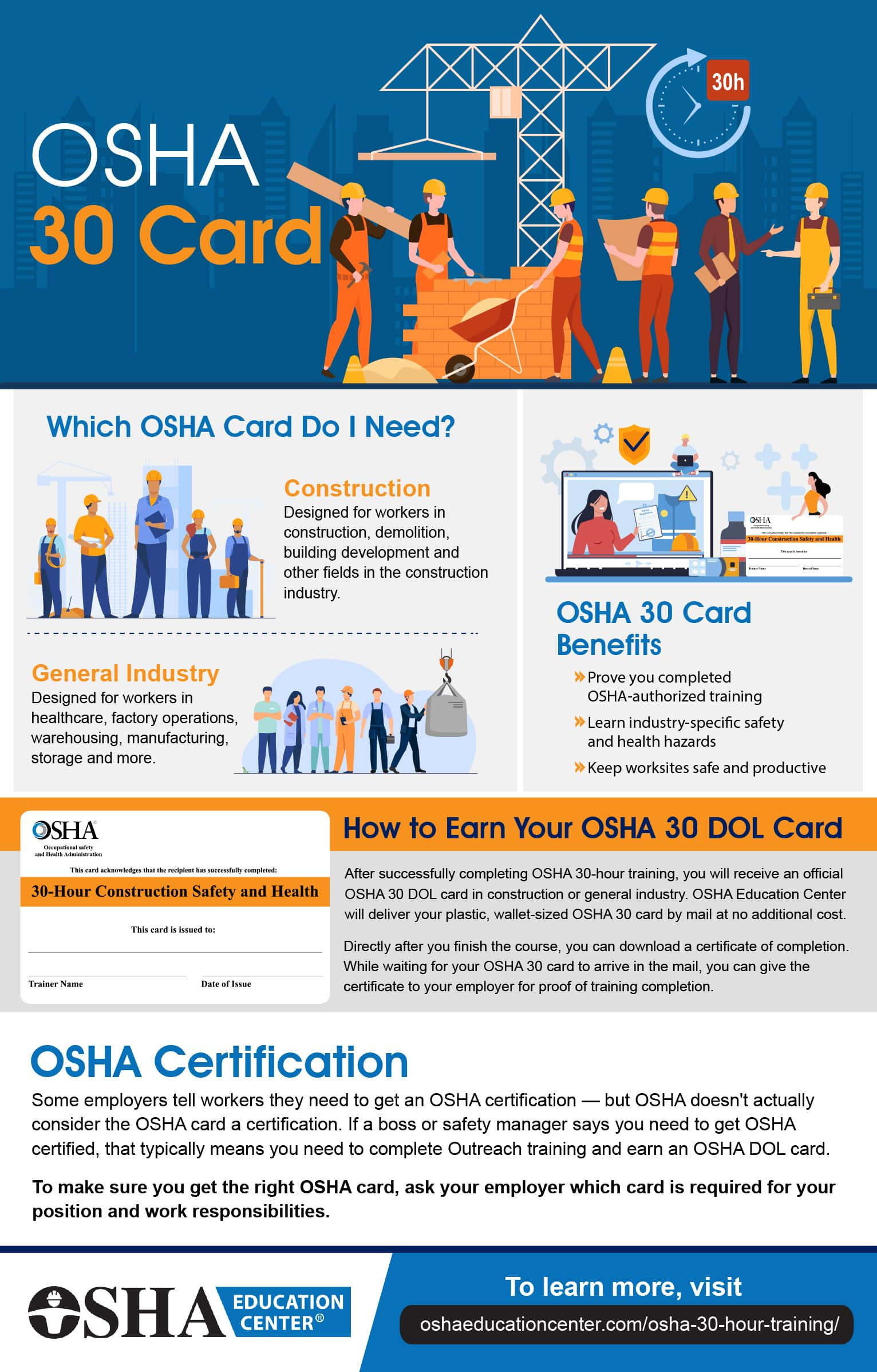
Here’s a kicker: the official Department of Labor (DOL) card. Some providers include the fee for this card in their course price. Others will charge you separately for it upon completion. This is a Key distinction when comparing costs.
The DOL card is the physical proof of your training. Getting it mailed to you or having it available for download usually involves some administrative cost. Always ask if this DOL card fee is upfront or extra.

Source : osha.com
Your Time is Money, Pal
This is the hidden cost, and it’s a big one for many folks. The OSHA 30-hour construction course takes, well, 30 hours. That’s time you’re not out on the job making money, or if you are working, it’s time you’re taking away from your regular tasks. Factor in the hours spent studying, taking quizzes, and doing the final exam.
If you’re self-employed, this time directly impacts your bottom line. If you’re an employee, your employer might pay you for this training time, but not always. Understand the commitment required; it’s a significant time investment.
Decoding the Price Tags: Online vs. In-Person
Source : oshaeducationcenter.com
Online Course Affordability
Online is generally your cheapest bet. Why? Lower overhead for the training providers. No physical classrooms, fewer instructors needed on staff, and automated grading. This translates to savings passed down to you. You can find OSHA 30 online construction courses starting as low as $75-$100.
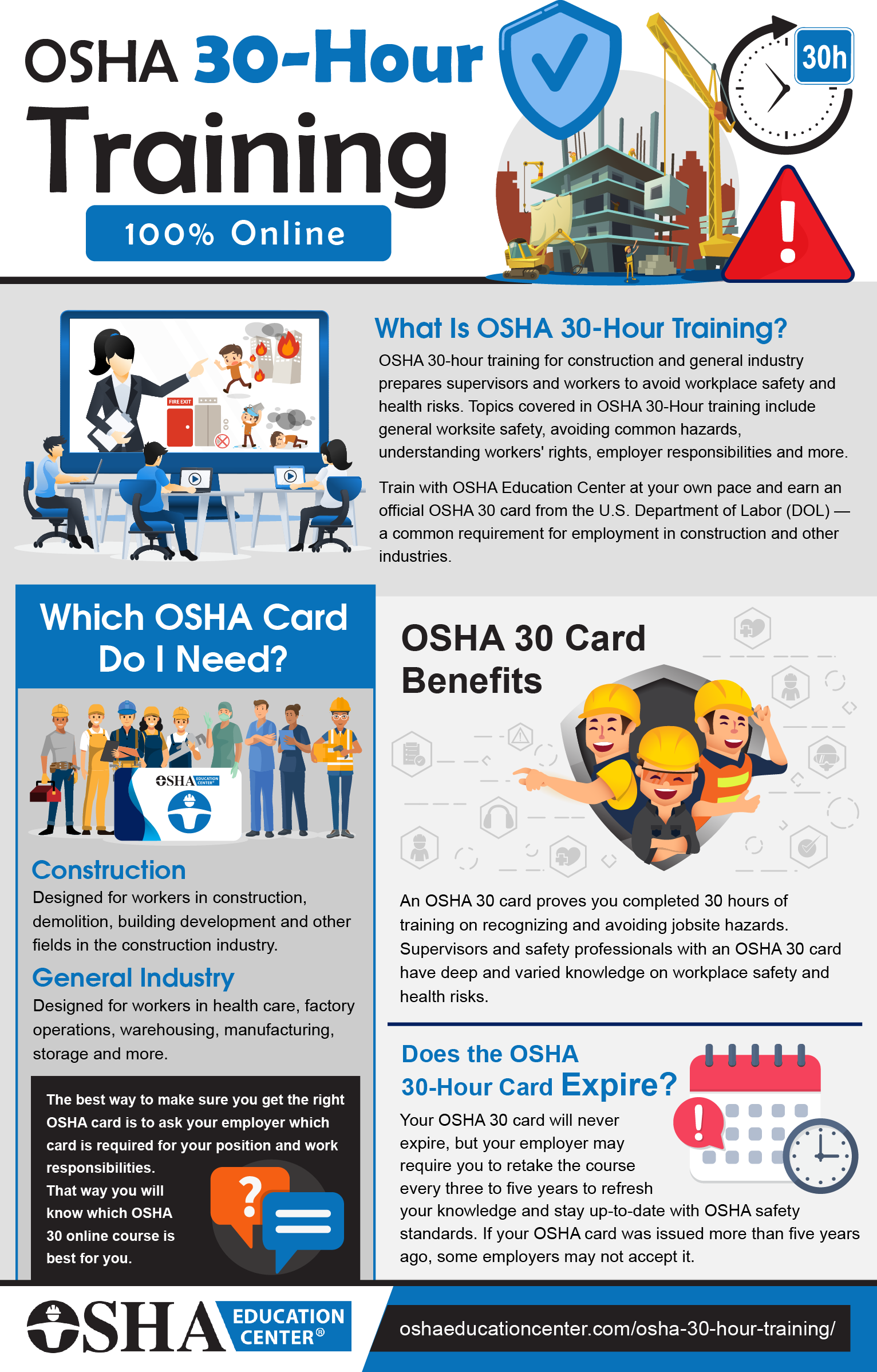
However, the quality can vary drastically. Super cheap online courses might lack depth or be poorly designed. Look for providers that are authorized by OSHA, or at the very least, have good reviews. Check out resources like the OSHA Education Center for reputable options.
In-Person Class Costs
Traditional classroom settings usually cost more. You’re paying for the physical space, the instructor’s time in real-time, and potentially smaller class sizes for more personalized attention. Expect prices to jump significantly, maybe $200 to $500 or even more.
The upside? Direct interaction with an instructor. You can ask questions on the spot, engage in discussions, and get immediate feedback. For some people, this hands-on learning is Crucial, despite the higher price tag.
Hybrid and Blended Options
Some providers offer a mix – maybe some online modules followed by a required in-person session for exams or specific topics. These can fall somewhere in the middle cost-wise. They aim to offer the flexibility of online with some benefits of in-person training.
This approach can be a good compromise. You get the convenience of learning at your own pace for a lot of the material, but still have that face-to-face component. The cost structure for hybrid courses can be complex, so read the fine print.
Factors That Influence the Cost
Provider Reputation and Authorization
Legitimate, authorized training providers often charge more because they adhere to strict standards and have invested in quality course development. A provider authorized by OSHA might have higher course fees but offers genuine credibility.
Beware of unofficial “certifications.” If a provider isn’t authorized, or doesn’t issue the official DOL card, it’s likely worthless. You might save money initially, but you’ll end up re-taking the course when you realize legitimacy matters.
Source : lancastersafety.com
Course Format and Delivery Method
Online is cheaper than in-person. Self-paced online courses are generally the most budget-friendly. Instructor-led online courses (live webinars) might cost a bit more due to real-time instructor engagement.
Interactive modules, video content, and engaging quizzes also contribute to a higher-quality (and sometimes higher-priced) course. If a course looks like a cheap PDF dump, run the other way. Quality of content is Top.
Included Materials and Support
Does the course include downloadable study guides, practice exams, or access to a real instructor for questions? These extras add value and are often reflected in the price. A Full package will naturally cost more than a bare-bones offering.
What you need to succeed. If you’re a self-starter, maybe basic materials suffice. If you need more hand-holding, a course with Strong support is worth the extra dough. It’s about getting the best value for your needs.
Geographic Location (Sometimes Relevant)
While online courses are usually location-agnostic, some in-person classes or state-specific requirements might influence pricing. Some states or regions may have higher operating costs for training centers, which can trickle down to the consumer.
For example, training requirements can vary. While the core OSHA standards are federal, some states have additional requirements or approved training providers. It’s always good to check if there are any local regulations affecting cost.
The True Cost of Not Getting Certified
Job Opportunities
This is the biggest one. Many construction companies won’t even consider you for a job, especially on larger projects, without at least an OSHA 30-hour card. It’s often a baseline requirement. Not having it means you’re locked out of a huge chunk of the market. You’re literally limiting your earning potential by not having this.
Think of a major commercial build or a government-funded project. They require proof of safety training. It’s not a suggestion; it’s a prerequisite. Missing out on these jobs costs you far more than the training itself.
Safety Violations and Fines
For employers, not ensuring their workers have proper training can lead to hefty fines from OSHA if an inspection occurs and violations are found. These fines can run into the thousands, even tens of thousands, of dollars per violation. It’s cheaper to train than to pay fines.
For employees, lack of knowledge leads to accidents. And accidents on the job site lead to injuries, lost work time, and potential legal issues. The financial fallout from a workplace accident can be devastating for everyone involved.
Increased Risk of Accidents and Injuries
This is the human cost, and it’s the most important. OSHA training teaches you to recognize hazards, understand safety procedures, and prevent accidents. Without this knowledge, you and your colleagues are at a much higher risk of getting hurt. Falls, electrocutions, being struck by objects – these are real dangers on construction sites.
The 30-hour course specifically covers common construction hazards in detail. It’s designed to give you the knowledge to protect yourself and others. Choosing not to get this training is essentially choosing to take unnecessary risks with your health and safety.

Source : lancastersafety.com
Finding the Best Value: Tips for Saving Money
Shop Around and Compare Providers
Don’t just go with the first website you find. Prices vary significantly. Use search engines, check review sites, and compare the offerings from multiple authorized providers. Look at what’s included: study materials, exam retakes, and the DOL card fee.
For instance, one provider might be $120 with everything included, while another is $90 but charges an extra $20 for the card. Add it up! You want the best bang for your buck, not just the lowest initial price.
Look for Employer-Sponsored Training
Many larger construction companies offer OSHA 30-hour training as part of their onboarding or ongoing safety programs. This is usually free for the employee. Ask your HR department or supervisor if this is an option. It’s the ultimate cost-saver!
If you’re currently employed, Use that! Your employer has a vested interest in your safety and compliance. Don’t assume they don’t offer it; inquire about employer benefits related to safety training.
Check for Group Discounts
If you have friends or colleagues who also need the training, see if providers offer group discounts. Sometimes, signing up multiple people at once can lower the per-person cost. It’s worth asking if you can get a bulk rate for training.
This can be particularly useful for small contracting businesses or teams within a larger company. A little coordination can lead to significant savings for everyone involved.
Use Free Resources for Supplementary Learning
While you must take an authorized course for certification, you can use free resources to supplement your understanding. OSHA’s website itself has a wealth of information, fact sheets, and standards you can review. This can help solidify what you learn in your paid course.
Think of it as extra credit. The more familiar you are with safety principles, the better you’ll perform in the course and, more importantly, on the job. Accessing supplemental safety information is always a smart move.
Example Cost Breakdown Table
Let’s visualize how these costs might stack up. Remember, these are estimates, and actual prices will vary.
| Provider Type | Estimated Cost Range (USD) | What’s Typically Included | Pros | Cons |
|---|---|---|---|---|
| Budget Online Provider | $75 – $120 | Basic course access, digital materials, DOL card (sometimes extra) | Most affordable, flexible scheduling | Variable quality, limited support, may feel less engaging |
| Mid-Tier Online Provider | $120 – $200 | Interactive modules, videos, practice tests, good support, DOL card included | Good balance of cost and quality, engaging content | More expensive than budget options |
| Reputable Online Provider (e.g., OSHA Education Center) | $150 – $250 | All features of mid-tier plus superior content, Strong support, official DOL card | High quality, credible, excellent user experience | Higher end of online pricing |
| Community College / In-Person | $250 – $500+ | Instructor-led sessions, classroom materials, direct Q&A, DOL card | Direct interaction, structured learning environment | Less flexible, requires fixed schedule, significantly higher cost |
| Employer Provided | $0 (for employee) | Varies by employer; typically includes course and card | Free! Often integrated into job requirements | Availability depends on employer, may have specific scheduling |
Is the Cheapest Option Ever Worth It?
The Red Flags of Ultra-Low Prices
If you see an OSHA 30 construction course for $30 or $40, get suspicious. Really suspicious. What corners are they cutting? Is the content accurate? Are they even authorized? Often, these rock-bottom prices come with hidden fees, poor-quality materials, or worse, a certificate that’s not worth the paper (or digital file) it’s printed on.
Source : oshaeducationcenter.com
Remember, this certification is supposed to prove you understand critical safety procedures. A shoddy course won’t provide that knowledge. You might pass, but you won’t know. That’s a dangerous gamble on a job site. Look for providers sanctioned by the DOL or who clearly state their authorization, perhaps like those found via Texas Department of Insurance resources (though specific state resources vary).
Quality Over Quantity (of Dollars)
It: the purpose of this training is to prevent serious injury or death. It’s about understanding regulations that keep you and your coworkers safe. Does that sound like something you should cheap out on? Prioritize a course that is Full, up-to-date, and engaging. A slightly higher price for a genuinely good education is a much better investment.
Your safety knowledge is a skill, just like carpentry or electrical work. You wouldn’t buy the cheapest, flimsiest hammer for framing, would you? Treat your safety education with the same respect. You’re paying for expertise and reliable information.
What Makes a Course “Worth It”?
A course is “worth it” when it provides clear, accurate information, uses engaging teaching methods (videos, interactive elements, real-world examples), offers accessible instructor support when needed, and culminates in the official DOL card. It should leave you feeling confident in your understanding of construction site safety.
The cost should reflect the value delivered. If a course meets these criteria and falls within a reasonable price range (generally $100-$250 for online), it’s likely a good investment. The true value is measured in the accidents prevented and the job opportunities gained, not just the dollar amount spent. It’s about achieving genuine competence.
Final Thoughts: Investing in Your Career and Safety
So, how much does OSHA 30 certification cost for construction? Realistically, you’re looking at anywhere from about $75 for the most basic online options to $500+ for in-person classes. Most people find a solid online course somewhere in the $120-$200 range.
But let’s be crystal clear: this isn’t just a cost; it’s an Needed investment in your career. It opens doors to jobs, keeps you safe, and helps prevent tragic accidents. Don’t let a few extra bucks stand between you and a safer, more prosperous future in construction. Get that card. You won’t regret it.
Frequently Asked Questions
Is OSHA 30 hard to pass?
Nah, not really. Most people find the OSHA 30 test pretty straightforward, especially if you’ve been in construction for a bit. It covers a lot of ground, but it’s designed to teach you stuff, not trick you. Just pay attention during the course, and you should be golden.
Can I get OSHA 30 certified for free?
Getting your OSHA 30 certification totally free is tough, but not impossible. Some employers might cover the cost as part of your job, or unions sometimes offer it. But for the most part, you’ll likely need to shell out some cash for an accredited online course or a in-person class.
Is OSHA 30 expensive?
It depends on what you mean by expensive, right? Typically, the cost for an OSHA 30 certification ranges from $50 to $200. Some might be a bit more, some a bit less. When you think about the safety knowledge you gain and potential job opportunities, it’s usually a pretty good investment, not bank-breaking.
Is getting an OSHA 30 worth it?
Absolutely! For construction professionals, having that OSHA 30 card can seriously boost your career. It shows you’re committed to safety, opens doors to more job sites (some require it!), and honestly, it can help keep you and your coworkers safer on the job. Big yes from me.
What’s the difference between OSHA 30 and OSHA 10?
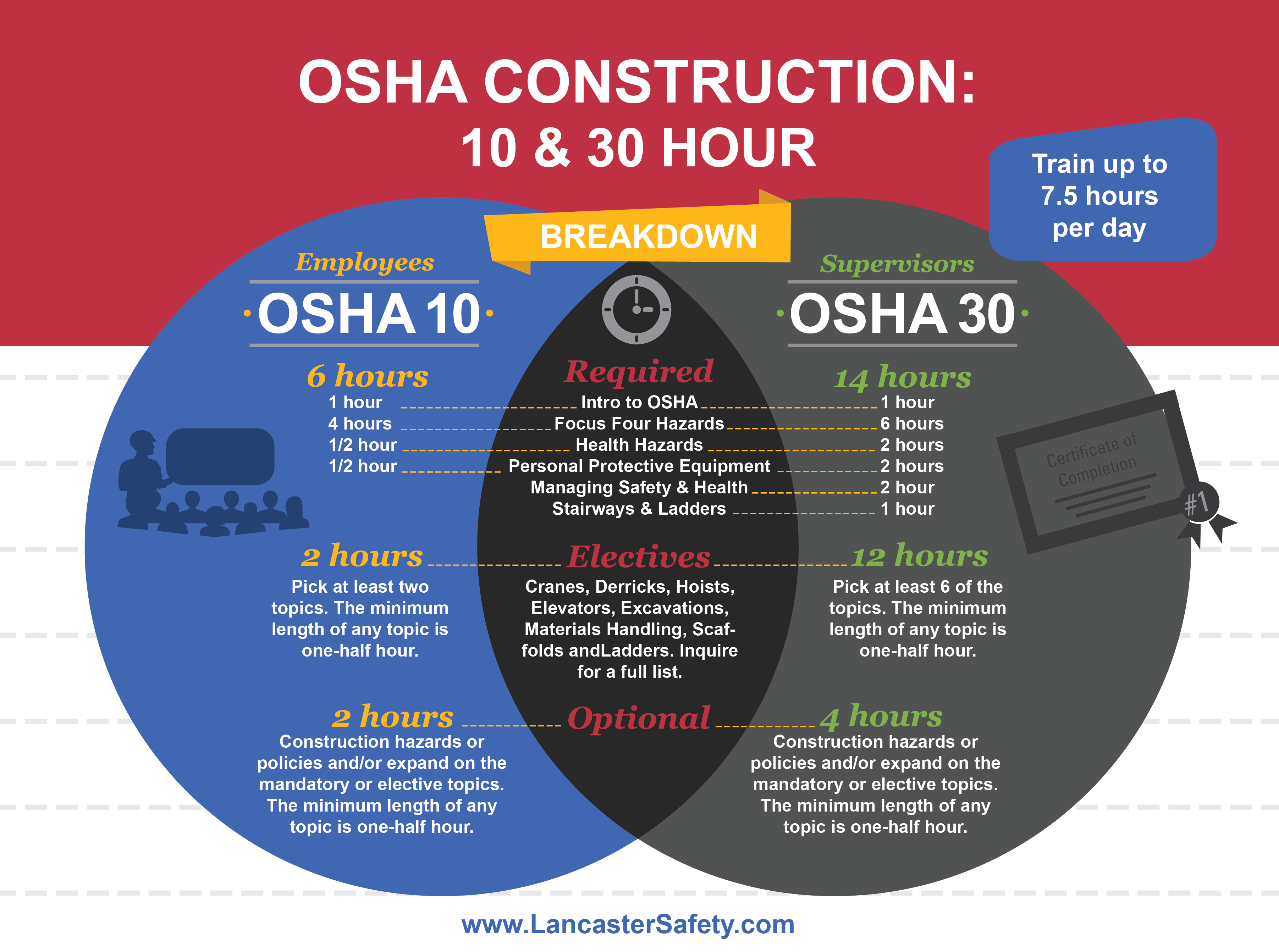
Basically, it’s the time commitment and the depth of training. The OSHA 10 is a 10-hour general industry or construction course, good for entry-level workers. The OSHA 30 is a 30-hour course, offering more detailed information on safety and health hazards, usually for supervisors or those with safety responsibilities. Think of it as a basic intro versus a more Full deep dive.
