How Much Does Workday Training And Certification Cost?
So, you’re looking to get a handle on Workday, huh? Maybe you’re an HR pro drowning in spreadsheets, or a finance whiz tired of clunky systems. Whatever your gig, diving into Workday training and certification feels like a smart move. But here’s the million-dollar question nobody really wants to answer directly: How much is this going to set you back? It’s not a simple ‘one size fits all’ answer, not by a long shot. Think of it less like buying a pair of shoes and more like investing in a skill that could seriously reshape your career trajectory. The costs can swing wildly depending on what you need, where you get it, and how quickly you want to get there. Let’s cut through the noise and figure out what you’re really looking at.
Forget those vague articles that just say ‘it varies.’ We’re going deep. We’re talking about the nitty-gritty costs, the hidden fees, and the factors that’ll make your wallet either sigh with relief or groan in pain. This isn’t just about passing a test; it’s about acquiring a valuable skill set in a world that’s increasingly run by complex cloud software. So, buckle up. We’re about to break down the real price of becoming a Workday certified professional.
The Big Picture: Why Workday Training Isn’t Cheap (But Might Be Worth It)

Source : erpcloudtraining.com
The Value Proposition: More Than Just a Piece of Paper
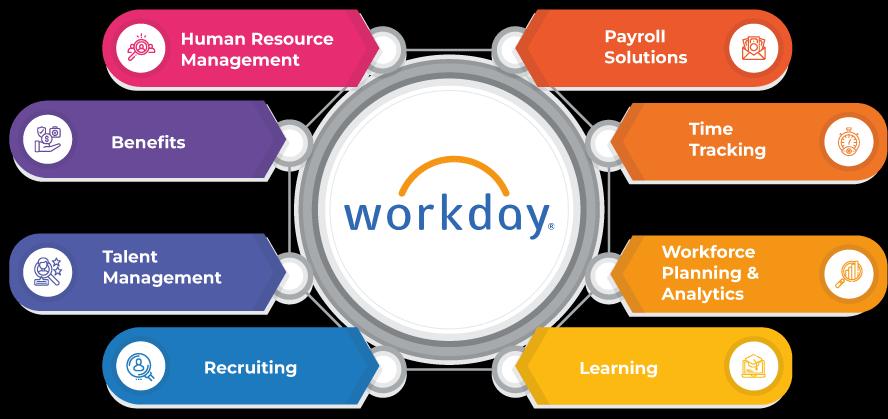
Let’s be blunt: Workday is a beast. It’s a powerful, integrated system used by some of the biggest companies on the planet. Getting certified in it isn’t like learning to use a new coffee maker. It signifies you have a solid grasp on a system that manages critical business functions – from payroll and HR to finance and planning. This isn’t just about adding a line to your resume; it’s about demonstrating tangible expertise. Companies are willing to pay a premium for that. So, the initial training and certification cost is an investment, not just an expense. It’s about future earning potential and career advancement.
It’s an Enterprise-Level Solution, So Training Reflects That
When you think about the companies using Workday – think major corporations with thousands of employees – you start to grasp why the training itself carries a certain weight. Developing and maintaining these sophisticated training programs isn’t cheap for Workday. They need to Make sure their certified professionals are genuinely competent. This means high-quality materials, expert instructors, and Strong testing methodologies. This level of quality naturally translates into a higher price point compared to, say, a free online course for a simpler software.
Source : mindmajix.com
The “Hidden” Costs: Beyond the Course Fee
What nobody tells you upfront are the other potential costs. Travel and accommodation if you need to attend in-person sessions? Lost wages if you need to take time off work for intensive training? Exam retake fees if you don’t pass on the first try? These can add up faster than you think. It’s Key to budget for these “soft” costs, as they can significantly impact your overall Workday training expense.
Direct Workday Training Options and Their Price Tags
Official Workday Training Courses
This is the most direct route. Workday itself offers a range of training courses, often tied to specific modules like HCM (Human Capital Management), Financial Management, or Planning. These are typically instructor-led, whether virtual or in-person. The cost here can vary wildly. A single course module might run anywhere from $1,500 to $5,000 or more. It really depends on the depth and the specific certification path you’re aiming for.
Workday Certification Exam Fees
So, you’ve done the training. Great! Now, can you prove it? The actual Workday certification exams usually come with a separate fee. Again, this isn’t a fixed number, but you’re likely looking at several hundred dollars per exam. For instance, a Workday Pro certification might have an exam fee in the $400-$800 range. Keep in mind, if you need multiple certifications, these fees stack up. It’s a critical part of the certification cost.
Bundled Training and Certification Packages
Sometimes, Workday or its authorized training partners will offer bundled packages. These might include a set of courses plus the associated exam voucher. These bundles can sometimes offer a slight discount compared to buying everything à la carte. It’s worth investigating if they have offerings that Match perfectly with your career goals. However, Make sure the bundle truly covers what you need; don’t pay for modules you don’t.
Third-Party Training Providers: Pros, Cons, and Costs
Specialized Training Companies
Beyond Workday’s direct offerings, a whole ecosystem of third-party companies provides Workday training. These can range from small, boutique consultancies to larger training organizations. Their costs can sometimes be lower than Workday’s official courses, which is appealing. They might offer more flexible scheduling or cater to very specific niche Workday skills.
Quality Variance is a Huge Risk
Here’s the catch with third-party providers: quality varies dramatically. Some are excellent, run by former Workday experts. Others… not so much. You need to do your homework. Check reviews, ask for references, and understand their curriculum. A cheaper course that doesn’t adequately prepare you for the certification exam is a false economy. You’ll end up paying more in the long run if you have to retake exams or get remedial training. Researching training providers is non-negotiable.

Source : asha24.com
Cost Comparison: Third-Party vs. Official
Generally, you might find third-party courses ranging from $1,000 to $4,000 per course, sometimes less. However, remember to factor in the exam fees separately, as they usually aren’t included. While the upfront cost might seem lower, always weigh it against the perceived quality and the likelihood of passing the official Workday certification on the first attempt. Sometimes, paying a bit more for the official source is the smarter financial move.
Factors Influencing Workday Training and Certification Costs
Which Workday Module Are You Training In?
Workday isn’t monolithic. It has modules for HR, Finance, Payroll, Recruiting, Planning, Student, and more. Training for core HCM might differ in cost and duration from advanced Financial Management or specialized modules like Workday Prism Analytics. Generally, the more complex or niche the module, the more intensive the training, and potentially, the higher the cost. A Workday HCM certification might be priced differently than one for Workday Financials.
The Level of Certification (e.g., Workday Pro)
Workday offers different levels of expertise, often culminating in designations like “Workday Pro.” Achieving higher-level certifications typically requires more advanced training and potentially more challenging exams, which can influence the overall cost. Foundational training might be less expensive than specialized, expert-level courses. The journey to Workday Pro certification demands a greater investment.
Training Format: In-Person vs. Virtual vs. Self-Paced
In-person, instructor-led training often carries the highest price tag. Why? Think venue costs, instructor travel, and materials. Virtual instructor-led sessions are usually a bit cheaper. Self-paced online courses or on-demand videos are typically the most budget-friendly option, but they require more self-discipline. You might sacrifice some of the interactive Q&A you get with live instructors. Consider your learning style and budget when choosing the training delivery method.
Your Geographic Location and Regional Pricing
Like many services, training costs can sometimes be influenced by regional economic factors and Workday’s pricing strategies in different parts of the world. While less common for standardized certifications, there might be slight variations. Also, consider costs related to your location, like travel expenses if you must attend an in-person session in a different city or country.
A Sample Cost Breakdown for Workday Certification

Source : acetechnologies.com
Scenario 1: The Focused Professional (Single Certification Path)
Let’s imagine you’re a seasoned HRIS specialist aiming for a Workday HCM certification. You might take one official Workday training course (e.g., HCM Fundamentals) costing around $4,000. Then, you’d pay for the certification exam, perhaps $600. Total: Approximately $4,600. Add potential travel or lodging if needed, and maybe a few days of lost wages. This is a streamlined, direct approach.
Scenario 2: The Aspiring Workday Consultant (Multiple Certifications)
Now, picture someone aiming for a broader skillset, perhaps aiming for Workday Pro in both HCM and Financials. This could mean two core training courses ($4,000 each = $8,000) and two certification exams ($600 each = $1,200). Total: Around $9,200, not including any advanced or specialized modules. This requires a significant upfront investment in Workday training.
Scenario 3: The Budget-Conscious Learner (Third-Party & Self-Study)
You might opt for a third-party training provider for HCM basics, costing $2,500. You supplement this with Workday’s official documentation and community resources (often free). Then, you pay the $600 exam fee. Total: Roughly $3,100. The risk here is lower quality training impacting your pass rate. This path demands serious self-motivation and careful vetting of the training source.
Data Table: Comparing Workday Training & Certification Costs
| Cost Component | Estimated Low End | Estimated High End | Notes |
|---|---|---|---|
| Official Workday Course (Per Module) | $2,500 | $6,000+ | Virtual vs. In-Person, Module Complexity |
| Third-Party Course (Per Module) | $1,000 | $4,000 | Quality Varies Greatly |
| Workday Certification Exam Fee | $400 | $800 | Per Exam (e.g., Workday Pro) |
| Travel & Lodging (In-Person) | $0 | $1,500+ | Depends on location and duration |
| Retake Exam Fees | $0 | $800+ | If initial exam is failed |
| Total Estimated (Single Cert) | $3,100 | $7,000+ | Excluding lost wages, assuming one attempt |
Maximizing Your Investment: Getting the Most Bang for Your Buck
Choose the Right Path from the Start
Don’t just jump into the first training course you find. Think critically about your career goals. Are you aiming to be a functional consultant? A technical specialist? A system administrator? Your chosen path dictates the modules you need. Pick training that directly aligns with the certification you ultimately want. Wasting money on irrelevant courses is a rookie mistake.
Use Workday Community and Resources
Workday offers a wealth of free resources, particularly through its Workday Community platform. This is where users share tips, ask questions, and find documentation. You can learn a ton here before and after formal training. It’s an Crucial, low-cost supplement to paid courses. Don’t underestimate the power of peer knowledge and official knowledge bases.
Practice, Practice, Practice!
Training materials and courses provide the knowledge, but hands-on experience solidifies it. If possible, seek opportunities within your current role to work with Workday, even in a limited capacity. Use sandbox or training environments if available. The more you interact with the system, the better you’ll understand its intricacies. This practical application is key to passing exams and succeeding in real-world scenarios. Real-world Workday application is Key.
Source : erpcloudtraining.com
Consider Group Discounts or Employer Sponsorship
If you work for a company that uses Workday, talk to your manager about training and certification possibilities. Many organizations sponsor their employees for such development. Look into group discounts if you and colleagues are pursuing similar certifications. This can significantly reduce the out-of-pocket expense. Employer-backed professional development is common.
The Long Game: ROI of Workday Certification
Increased Earning Potential
This is the big one for most people. Certified Workday professionals are in high demand. Companies are willing to pay a significant salary premium for individuals who can effectively manage and Improve their Workday system. The salary bump you can achieve post-certification often far exceeds the initial training and certification costs within a year or two. It’s a direct path to a fatter paycheck.
Enhanced Career Opportunities
Holding a Workday certification can open doors that would otherwise remain shut. It positions you as an expert, making you a more attractive candidate for promotions within your current company or for high-level roles at other organizations. Think consulting, implementation specialist, or senior administrator roles. It signals you’ve met a recognized industry standard. This is about career advancement.
Versatility and Future-Proofing
Workday is a dominant player in the enterprise software space. By getting certified, you’re investing in a skill set that remains relevant and valuable as companies continue to adopt and rely on cloud-based solutions. It makes you adaptable and less vulnerable to industry shifts. Mastering Workday is a smart move for long-term career stability. It’s a solid foundation for a future-proof career.
Common Misconceptions About Workday Training Costs
Myth: “All Workday Training is Extremely Expensive”
While official, Full training programs can be pricey, there are more affordable avenues. Self-paced learning, third-party providers (chosen wisely!), and leveraging free resources like Workday Community can significantly reduce the overall expenditure. It’s not all out of reach. You just need to be strategic about your training budget.

Source : acetechnologies.com
Myth: “Certification Guarantees a Job”
Certification is a powerful credential, but it’s not a magic ticket. It demonstrates knowledge, but practical experience and soft skills (like communication and problem-solving) are equally Key. Certification boosts your resume and marketability, but you still need to nail the interviews and prove your worth. Think of it as a major advantage, not a sole qualification for getting hired.
Myth: “The Cost is Just the Exam Fee”
As we’ve explored, the exam fee is just one piece of the puzzle. The bulk of the cost often lies in the training courses themselves. Add in potential travel, study materials, and possibly even lost income if you need time off, and the true cost balloons significantly. Always consider the total financial picture when budgeting for Workday certification.
Final Thoughts: Is the Investment Worth the Price?
The Verdict is Usually Yes, But…
For most professionals looking to advance their careers in HR, finance, or IT within larger organizations, the cost of Workday training and certification is a worthwhile investment. The potential for salary increases, new job opportunities, and enhanced career stability generally outweighs the upfront expense. However, the “but” is Key: you need to choose your training wisely and Make sure it aligns with your goals. Don’t just buy a certificate; aim for genuine competence. The ROI is directly tied to the quality of your training.
Calculate Your Personal ROI
Before you commit, do the math for yourself. Estimate the total cost based on your chosen path (courses, exams, travel). Then, research average salaries for certified professionals in your area and desired role. How long will it take for the salary increase to recoup your investment? This personal ROI calculation can provide clarity and justify the expenditure. Consider it your personal business case for investing in yourself.
Don’t Forget the Continuous Learning Aspect
Workday is constantly evolving. New features are released, and best practices change. Certification is a fantastic starting point, but true expertise comes from continuous learning. Budgeting for ongoing training, staying updated with community discussions, and seeking advanced certifications will Make sure your skills remain sharp and your Workday knowledge stays current. It’s not a one-and-done deal.
Frequently Asked Questions
How can I become Workday certified?
To get Workday certified, you’ll typically need to complete authorized Workday training. This usually involves taking specific courses offered by Workday or their partners. After completing the training, you’ll take an exam to prove your skills. It’s all about proving you know your way around the Workday platform.
Does Workday offer free training?
Generally, no. While there might be some introductory materials or webinars available for free, the Full training required for Workday certification usually comes with a cost. Think of it as an investment in your career.
What are the different types of Workday certifications?
Workday offers certifications for various modules like Human Capital Management (HCM), Financial Management, Payroll, and Analytics. The specific certification you pursue depends on the area you want to specialize in and your career goals within the Workday ecosystem.
How long does Workday training take?
The duration varies quite a bit depending on the specific certification and the module. Some courses might be a few days, while others could span several weeks. It really depends on the depth of knowledge required for that particular Workday certification.
Are there different cost structures for Workday training?
Yeah, costs can differ. Sometimes it’s a flat fee per course, other times it might be bundled with other services if you’re working with a consulting partner. For the most accurate pricing, it’s best to check directly with Workday Learning or an authorized training provider.
