Ditch the Degree! How to Become a Certified Personal Trainer Without the Four-Year Grind
So, you wanna be a personal trainer, huh? You’re passionate about fitness, love helping people crush their goals, and maybe you’ve even got a killer workout routine yourself. But that looming thought of a bachelor’s degree? It can feel like a brick wall, right? Let me tell you, it doesn’t have to be. Forget those lengthy, expensive university programs. There’s a completely viable, and frankly, smarter path to getting certified as a trainer that doesn’t involve dusty textbooks and all-nighters.
Seriously, the fitness industry is built on results and know-how, not just fancy diplomas. Think about it: would you rather have a trainer who aced a bunch of theory exams but can’t cue a squat, or someone who’s hands-on, experienced, and holds a respected certification? Yeah, me too. We’re talking about carving out a career that lets you live your passion, make a real difference in people’s lives, and yes, make some decent money doing it – all without needing a degree hanging on your wall. Let’s get into how you can make that happen.
Why the Hype About Certifications Over Degrees?
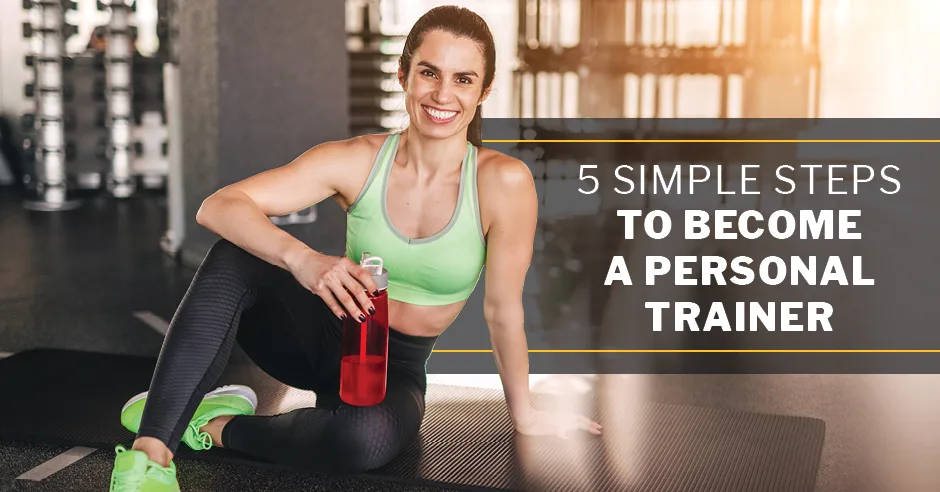
Source : issaonline.com
The Industry’s Real-World Focus
Look, universities are great for some things. But when it comes to the nitty-gritty of personal training, the fitness industry moves fast. Certifications are designed by industry pros for the current demands of the job. They focus on practical skills, client assessment, program design, and safety – exactly what you need on day one.
A degree might give you a broad theoretical base, but a certification puts the Needed knowledge directly into your hands. It’s about being job-ready, not just academically prepared. You learn what works, right now.
Cost and Time Efficiency
Let’s be brutally honest: college is expensive. We’re talking tens, maybe even hundreds, of thousands of dollars. And years of your life? Plus, most degree programs don’t even specialize in personal training; you’d still need a certification after graduation.
Contrast that with a certification course. You can often complete them in a few months, sometimes even weeks, for a fraction of the cost. This means you can start earning money as a trainer much sooner, recouping your investment and building experience while your degree-bound peers are still buried in debt. It’s a no-brainer for anyone wanting a quick and affordable entry.
Employer and Client Perception
Gyms and clients alike are looking for proof of competence. While a degree might impress some, a respected certification from a reputable organization speaks louder. It’s a universal language in the fitness world.
Organizations like NASM (National Academy of Sports Medicine) are widely recognized. Getting certified through them signals that you’ve met a certain standard. It gives potential employers and clients the confidence that you know your stuff and are serious about your profession.
Handling the Certification Maze: What You ACTUALLY Need
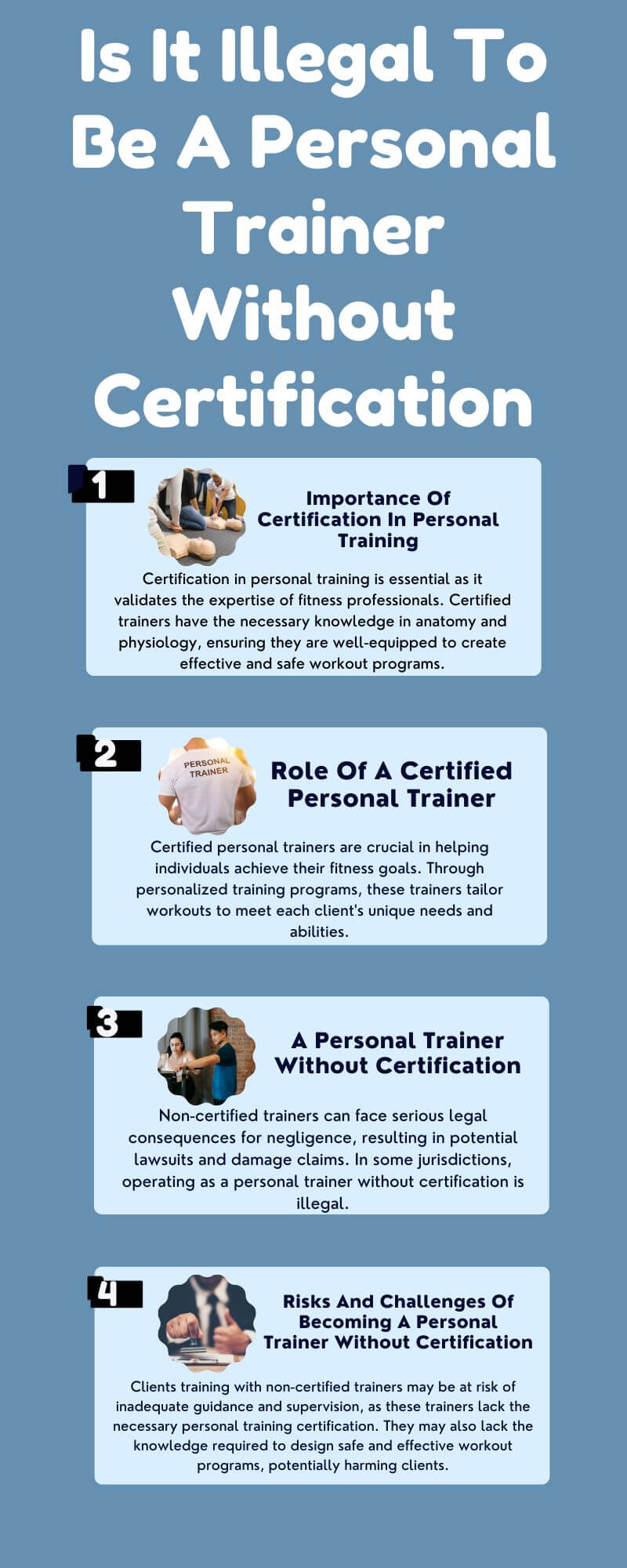
Source : soleapp.com.au
Understanding Accreditation Matters
Not all certifications are created equal. You’ll see a ton of options out there, but you need to focus on those that are accredited by recognized bodies. Think NCCA (National Commission for Certifying Agencies) or DETC (Distance Education Accrediting Commission). This ensures the certification has met rigorous standards.
Why does this matter? Because it means the exam is valid, reliable, and relevant. It’s the gold standard. Without proper accreditation, your certification might be seen as little more than a participation trophy. Always check the accrediting body – don’t just take the organization’s word for it.
Key Areas Covered by Reputable Certifications
A good certification program will cover the absolute essentials. We’re talking anatomy, physiology, kinesiology – the building blocks of human movement. You’ll also dive deep into program design, learning how to create effective, individualized workout plans.
Expect modules on client assessment (how to understand their starting point), motivation techniques (keeping them on track!), nutrition basics (what they can eat, within your scope), and crucially, safety and injury prevention. These are the core competencies every trainer needs.
Different Paths, Different Specialties
Once you’ve got the foundational certification, the doors open to specialization. Interested in working with athletes? There are certifications for performance enhancement. Love helping people shed pounds? Weight management specializations exist. Maybe you want to focus on older adults or corrective exercise.
These advanced certs can make you a more attractive candidate and allow you to command higher rates. They show you’re committed to continuous learning and can cater to specific client needs. For instance, a specialty certification can really set you apart.
Choosing Your First Certification: Top Contenders
NASM: The Industry Titan
You can’t talk about personal training certifications without mentioning NASM. They are a powerhouse in the industry. Their Certified Personal Trainer (CPT) program is Full, covering everything from basic exercise science to advanced program design principles. The learning materials are top-notch, often including video lectures, study guides, and practice exams.
Getting your NASM-CPT is like getting a VIP pass into many gyms. They have a strong reputation, and employers know that NASM-certified trainers have undergone a rigorous process. This is a highly recognized certification that provides a solid foundation. You can explore their offerings at NASM’s official site.
ACE: Another Respected Choice
The American Council on Exercise (ACE) is another major player. Their certification is also highly respected and accredited. ACE emphasizes evidence-based practices and has a strong focus on behavior change and exercise science.
Their study materials are thorough, and the exam tests your ability to apply knowledge in real-world scenarios. ACE trainers are known for their well-rounded understanding of fitness and their ability to connect with clients on a deeper level. Choosing between NASM and ACE often comes down to personal preference regarding their study materials and approach.
ACSM: The Science-Heavy Option
The American College of Sports Medicine (ACSM) is often seen as the most science-oriented certification. If you love diving deep into the physiological aspects of exercise and want a certification backed by extensive research, ACSM might be your jam.
It’s a challenging exam, but it signifies a high level of scientific understanding. ACSM certifications are well-regarded, particularly in clinical settings or research-focused roles, but also perfectly suitable for general personal training roles.
How to Actually Study and Pass the Exam
Create a Realistic Study Schedule
Don’t try to cram everything in the week before your exam. Break it down. Most certification bodies provide a suggested study timeline, often ranging from 2 to 6 months. Treat it like a college course – set aside dedicated hours each week.
Consistency is key. Even 30-60 minutes of focused study most days will be far more effective than marathon sessions. Figure out your learning style – do you need flashcards, practice tests, video lectures? Tailor your schedule to maximize your learning.
Use Practice Exams Religiously
This is non-negotiable. Certification exams are designed to test your critical thinking and application of knowledge, not just rote memorization. Practice exams mimic the real test’s format, question style, and difficulty.
Taking multiple practice exams helps you identify weak areas. You’ll see where you consistently miss questions and can then focus your study efforts there. Plus, it builds confidence and reduces test-day anxiety. Seriously, don’t skip practice tests.
Master the Key Concepts, Not Just Definitions
Yes, you need to know definitions. But more importantly, you need to understand how and why these concepts apply in practice. For example, don’t just memorize the definition of progressive overload; understand how you’d apply it to create a workout plan for a client trying to increase their bench press.

Source : traineracademy.org
Focus on the ‘so what?’ behind every topic. How does this information directly impact client safety, program effectiveness, or your ability to coach? This applied knowledge is what separates a good trainer from a great one and what exam questions often target.
What About “Free” Certifications?
The Reality Check
You might see ads for “free personal trainer certifications.” Let’s pump the brakes here. While some organizations offer free courses or study materials, the actual certification exam and credential usually come with a fee. Be wary of anything that sounds too good to be true.
Sometimes “free” programs are limited in scope, lack accreditation, or are primarily marketing tools for a company. Always verify the accreditation and understand exactly what you’re getting before committing time and effort. Check out resources like PTPioneer’s list, but always dig deeper into the specifics.
When Free Resources Can Be Useful
That said, free resources can be incredibly valuable supplements. Many reputable organizations offer free webinars, blog posts, or introductory materials. These can give you a taste of the topics covered and help you decide if a particular certification path is right for you.
Some platforms might offer free introductory courses on specific topics, like basic anatomy or nutrition. Use these to build a foundational understanding or to brush up on areas you find challenging. Think of them as helpful tools, not a complete replacement for a properly accredited certification.
Beware of Unaccredited Options
The biggest danger with “free” certifications is that they might lack proper accreditation. An unaccredited certificate won’t carry much weight with employers or insurance companies. In some cases, it might even be completely worthless. You could spend time and effort getting certified only to find out nobody recognizes it.
Always, always, always prioritize accreditation. It’s the hallmark of a legitimate qualification. An unaccredited cert might be free, but it’s a false economy. You’re better off paying for a recognized certification than getting a ‘free’ one nobody respects.
The Needed Steps to Getting Certified (No Degree Needed!)
Step 1: Research and Choose Your Certification Body
This is where we’ve been focusing. Look at NASM, ACE, ACSM, ISSA (International Sports Sciences Association), and others. Compare their curriculum, costs, study materials, and accreditation status. Read reviews from other trainers.
Consider your long-term goals. Do you want to work in a high-end gym? A big box facility? Or maybe online? Some certifications might be more sought after in certain environments. Your first major decision is picking the right cert.
Step 2: Enroll and Study Diligently
Once you’ve chosen, sign up! You’ll get access to their study materials. Dive in. Follow a schedule, take notes, watch videos, and engage with the content. Don’t just passively read; actively learn.
This is where the hard work happens. You’re building the knowledge base that will underpin your entire career. Make the most of the resources provided by your chosen provider. This foundational knowledge is critical for success.
Step 3: Pass the Exam
When you feel prepared, schedule your exam. Whether it’s online or at a testing center, make sure you’re rested and ready. Review your weak areas one last time. Stay calm during the test and focus on applying what you’ve learned.
Passing the exam is your ticket in. It’s the official stamp that says you’ve met the industry standard. Celebrate this achievement! You’ve earned it without needing a four-year degree.
Beyond the Certification: Building Your Career
Gain Practical Experience
Okay, you’re certified. Now what? Get hands-on experience ASAP. Offer to train friends or family at a reduced rate (or even for free initially) to build your confidence and refine your coaching skills. Shadow experienced trainers if you can.
Work at a gym that offers mentorship or new trainer programs. The real learning happens when you’re applying your knowledge with actual clients. Every interaction is a chance to improve your craft.
Continuing Education is Non-Negotiable
Your initial certification is just the beginning. The fitness world evolves constantly. New research emerges, training techniques improve, and client needs change. To stay relevant and effective, you must commit to ongoing learning.
Watch: How to Become: A Personal Trainer
Most certifications require you to earn Continuing Education Units (CEUs) every two years to maintain your credential. This is a good thing! Take workshops, attend conferences, pursue specialty certifications. It keeps your skills sharp and your resume competitive. Never stop learning.
Develop Your Personal Brand
What makes you unique? Why should someone choose you over the trainer next to you? Figure out your niche, your training philosophy, and what you’re passionate about. Then, communicate that effectively.
This could involve creating a simple website, building a presence on social media, or networking within your local fitness community. Your personal brand is how you present yourself and your expertise to the world.
The Real Cost: Time and Effort Investment
A Snapshot of Certification Costs
While we’re ditching the degree, certifications aren’t entirely free. Costs can vary significantly. A basic certification package might range from $300 to $700, while more Full options with extra study tools or practice exams can push upwards of $1000.
This often includes the study materials, exam fee, and sometimes even a year of liability insurance. It’s a significant investment, but compare it to tens of thousands for a degree. It’s a financially sound decision.
Time Commitment: Weeks, Not Years
The time investment is dramatically less than a degree. Depending on the certification and how much time you can dedicate, you could be ready to sit for your exam anywhere from 1 month to 6 months. This accelerated timeline is a huge advantage.
Going from zero to certified trainer in less time than a single college semester. That’s the power of focusing on a targeted certification program. You can be career-ready much faster.
Effort: Focused and Practical
The effort required is intense but focused. You’re learning skills directly applicable to the job. You’ll be studying exercise science, biomechanics, and client interaction strategies. It’s challenging, but it’s practical knowledge you’ll use every day.
This isn’t abstract theory; it’s applied science. The effort you put in directly translates to your ability to safely and effectively train clients. It’s a rewarding investment of your energy.
Certification vs. Degree: A Direct Comparison
| Feature | Certification (No Degree) | Degree (e.g., B.S. in Kinesiology) |
|---|---|---|
| Primary Focus | Practical skills, job-readiness, industry standards | Broad theoretical knowledge, research, academia |
| Time to Complete | 1-6 months (typically) | 4+ years |
| Average Cost | $300 – $1,000+ | $40,000 – $100,000+ |
| Accreditation | Key (e.g., NCCA, DETC) | University accreditation (general) |
| Career Entry | Direct and rapid | Requires certification for practice, slower entry |
| Industry Recognition | High for reputable certs (NASM, ACE, ACSM) | Can be a plus, but often not sufficient alone |
| Continuing Education | Required to maintain certification (CEUs) | Optional, for advanced degrees or specializations |
Is It Even Legal to Train Without a Degree?
The Legal Field
In most places, there are no laws strictly requiring a bachelor’s degree to call yourself a personal trainer. What is often required, however, is a reputable certification. Gyms, insurance companies, and even liability laws often mandate that trainers hold a recognized credential.
Think of it this way: a degree offers a broad education, but a certification proves specific competency in personal training. Without that proof of competency, you might find yourself in legal or insurance trouble. It’s about demonstrating you’ve met a professional standard.
Liability and Insurance Concerns
This is huge. If you train clients, especially without proper supervision or certification, you’re opening yourself up to significant liability. What happens if a client gets injured? Without a recognized certification, proving you had the necessary knowledge to prevent injury becomes incredibly difficult.
Most gyms require trainers to carry liability insurance, and insurance companies will not issue policies to trainers lacking a valid, accredited certification. This is a major hurdle if you plan to work independently or even within a gym setting. You need that recognized credential to be insurable.
Why Certification is Your Best Protection
A certification from a well-respected organization serves as your proof of professional competence. It demonstrates that you’ve studied, passed an exam, and adhere to a code of ethics. This is Crucial if you ever face a liability claim.
It shows you took the necessary steps to educate yourself and minimize risk for your clients. While not a magic shield, it’s your most important line of defense and a key factor in building a sustainable and trustworthy training business.
Source : issaonline.com
Making the Leap: Your Action Plan
1. Self-Assessment: Are You Ready?
Be honest with yourself. Do you have the discipline to study independently? Are you passionate enough to commit the time and effort? Do you understand the financial investment required, even without a degree? A quick check: are you ready to take control of your career?
It’s not just about liking fitness; it’s about wanting to help others and being willing to learn the science and skills to do it effectively. Your motivation is key here.
2. Research Specific Certifications
As we’ve covered, dive deep into NASM, ACE, ACSM, ISSA, and others. Look at their exam details, pass rates (if available), study materials, and costs. See which curriculum aligns best with your learning style and career aspirations.
Don’t just pick the cheapest or the one your friend used. Do your homework. Read forums, watch YouTube reviews, and check their accreditation status. This is your foundational choice.
3. Enroll and Commit
Once you’ve decided, enroll! Pay the fees, get your study materials, and block out time in your calendar. Treat this process with the seriousness it deserves. This is the start of your professional journey.
Tell friends and family about your goal. Having accountability can make a big difference. You’re investing in yourself and your future, so commit fully.
4. Ace the Exam and Keep Going!
Study hard, take practice tests, and pass that exam! But don’t stop there. Seek out experience, continue your education, and build your brand. The certification is the first milestone, not the finish line. Getting that first certification is just step one.
The fitness industry is Active. Stay curious, stay committed, and you’ll build a rewarding career helping others achieve their health and fitness goals, all without a degree holding you back.
Frequently Asked Questions
Is CSCS harder than CPT?
Yeah, the CSCS is generally considered a tougher exam because it requires a bachelor’s degree and delves deeper into the science of strength and conditioning. CPT certs are more entry-level and focus on basic fitness principles and client safety. You can totally get a CPT certification without a degree, but CSCS? Not so much.
Is 40 too old to become a PT?
Absolutely not! Age is just a number when it comes to fitness. Plenty of people start new careers in their 40s, 50s, and beyond. Your life experience can actually be a huge asset, coecting with clients on a different level. Focus on getting your personal trainer certification and staying up-to-date with the latest fitness trends.
What’s the quickest way to get certified as a personal trainer without a degree?
The fastest route usually involves choosing an online certification program that doesn’t require a degree. Look for accredited organizations like NASM, ACE, or ISSA. These often have self-paced online courses and exams, letting you study and test when you’re ready. Many offer quick turnaround times for certification, so you could be on your way to becoming a certified trainer in a matter of months.
Do I need a degree to work at a gym as a personal trainer?
Not usually! Most gyms and fitness centers primarily look for a recognized personal trainer certification and sometimes CPR/AED certification. While a degree can be a plus, it’s often not a requirement, especially for entry-level positions. Demonstrating practical knowledge, good communication skills, and a passion for fitness is key.
How much does a personal trainer certification cost without a degree?
It varies, but typically you’re looking at anywhere from $300 to $1,000 for a reputable, accredited certification program that doesn’t require a degree. This usually covers study materials, practice exams, and the final certification exam fee. Keep an eye out for sales or payment plans, as some organizations offer them to make it more affordable to start your fitness career.
